Xeviora
Xeviora
Xeviora
Elevine Industrial Thermal Management & Component Integration. Partnering with global supply chains to deliver high-conductivity metal core substrates, processing technologies, and high-frequency desktop memory modules.
Select from our premium lineup of thermal core substrates, CPU cooling components, and heavy-duty RAM modules optimized for enterprise servers and advanced electronic packaging applications.
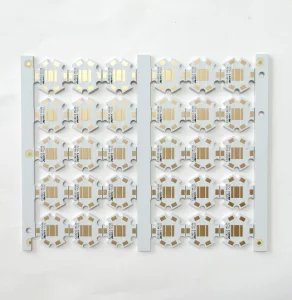
As microelectronics design shifts toward compact footprints and high density, thermal dissipation has emerged as the principal engineering bottleneck. Standard FR-4 printed circuit boards, characterized by their high thermal resistance (typical thermal conductivity of approximately 0.25 W/m-K), are increasingly inadequate for high-power architectures. This has catalyzed the rapid integration of Metal Core Printed Circuit Boards (MCPCBs), specifically Aluminum PCBs, throughout global electronics supply chains.
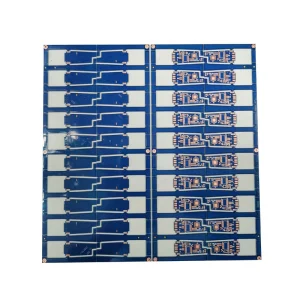
The core design of an Aluminum PCB centers around a layered architecture featuring a metal base (commonly 5052, 6061, or 1060 aluminum alloy), a highly conductive dielectric layer, and a copper circuit layer. Because aluminum features an exceptional rate of thermal transfer—often paired with dielectric materials operating from 1.0 W/m-K up to 8.0 W/m-K—it prevents localized hotspots. This structural dynamic ensures component reliability and maintains system lifetime for solid-state lighting arrays, electric vehicle power converters, and computing hardware.
From an industrial perspective, Chinese exporters occupy a dominant position in the global supply of Aluminum substrates. Strategic optimization of raw materials, sheet lamination technologies, and high-speed CNC routing allow specialized factories in China to fulfill massive production demands while adhering to strict environmental standards (RoHS, REACH). Industrial electronics buyers from Europe, North America, and Southeast Asia rely on these manufacturing channels to customize and source specialized aluminum bases, such as T6 5050 and 3535 lamp bead configurations, which are critical in general lighting, automotive headlamps, and outdoor stadium illumination projects.
Developing robust thermal solutions requires a complete understanding of the structural chemistry defining MCPCBs. To guide design engineers through custom sourcing protocols, the underlying technology can be broken down into three critical mechanical sections:
Aluminum alloys 5052 and 6061 are the industry workhorses. 5052 features superior mechanical formability and corrosion resistance, making it ideal for bent or shaped applications. 6061 offers higher tensile strength and thermal conductivity but is more brittle, fitting rigid planar designs.
The dielectric is the ultimate limiting factor in heat transfer. Composed of ceramic-filled polymers, it must provide high dielectric breakdown strength (ranging from 3kV to 8kV AC) while remaining as thin as possible (typically 50μm to 150μm) to minimize thermal resistance paths.
Exporters offer copper weight customizations ranging from 1 oz to 6 oz. While heavier copper layers facilitate high current density and power distribution, they demand tighter trace-and-space parameters due to lateral etching profiles during manufacturing.
A crucial factor in Aluminum PCB durability is the choice of solder mask. High-power LEDs emit high-intensity ultraviolet and thermal energy, causing conventional organic solder masks to yellow and degrade over time. Advanced Chinese exporters implement titanium dioxide (TiO2) formulated white solder masks designed to retain reflectivity (>90%) and resist thermal discoloration under prolonged exposure up to 150°C.
For custom manufacturing runs, buyers can configure structural variables to match exact enclosure limits. Standard options include:
Understanding where and why Aluminum PCBs are implemented helps technical sourcing directors specify the correct mechanical attributes during the OEM process:
The solid-state lighting sector is the largest consumer of MCPCB substrates. High-power LEDs convert only about 30% of input electrical energy into light, while the remaining 70% is dissipated as heat. Utilizing customized substrates like the Aluminum PCB T6 5050 3535 lamp bead aluminum substrate allows manufacturers to mount high-intensity light emitting diodes within tight arrays without exceeding the maximum junction temperature (Tj). This is crucial for municipal street lights, automotive headlights, greenhouse grow systems, and stage spotlights.
Modern electric vehicles (EVs) utilize power electronics extensively in motor drives, onboard chargers (OBC), and battery management systems (BMS). The high vibration levels and ambient thermal stress of automotive environments demand structural materials with balanced coefficients of thermal expansion (CTE). Aluminum substrates minimize CTE mismatch with ceramic components, mitigating solder joint fatigue and ensuring vehicle electronics operate reliably for decades.
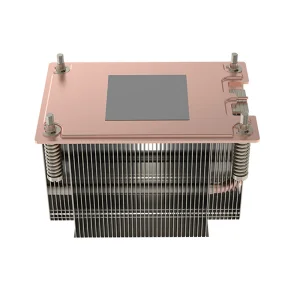
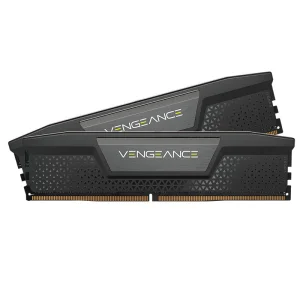
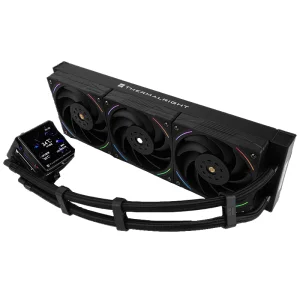
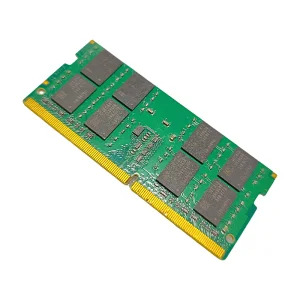
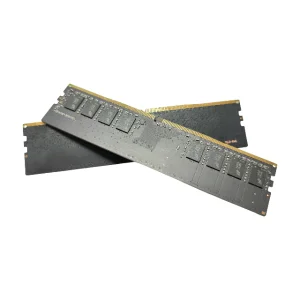
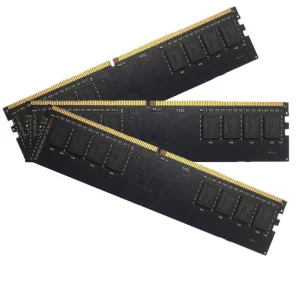
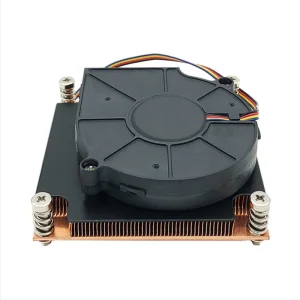
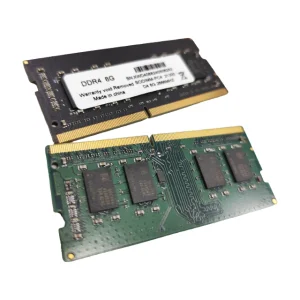
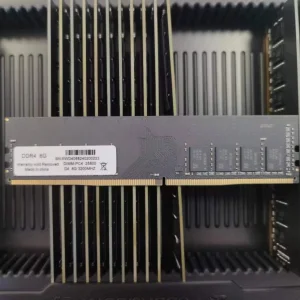
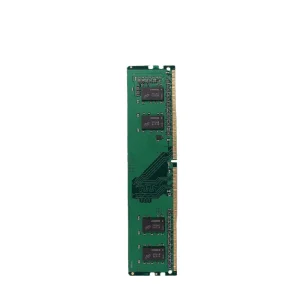
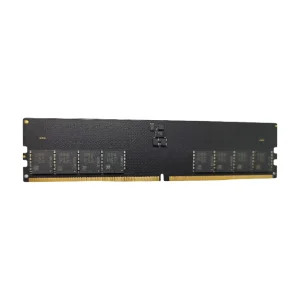
Data centers running heavy AI training models, database operations, and high-frequency communication protocols generate substantial thermal output. In these systems, we see a hybrid implementation of thermal technologies. High-performance computing modules rely on copper and aluminum heat sinks, advanced liquid cooling, and thermal-isolation PCBs to prevent throttling. Integrating DDR4/DDR5 high-frequency memory modules next to server CPU heatsinks (like the LGA115X or AM5 2U configurations) creates a complex thermal zone where specialized aluminum backing plates provide support, shielding, and cooling.
The continuous growth of power electronics keeps driving the evolution of MCPCB technology. Here are the primary trends reshaping manufacturing and exporting processes:
In standard MCPCBs, the dielectric layer sits between the copper trace and the aluminum base. Since the dielectric layer represents the main thermal resistance, high-power setups are moving toward thermoelectric separation. In this design, the copper pad of the thermal source directly contacts the metal base, while the electrical circuit traces remain insulated. This achieves near-zero thermal contact resistance, allowing extreme performance in laser diode assemblies and high-power LED systems.
Traditional Aluminum PCBs are rigid, limiting their use in complex enclosures. Modern R&D has developed flexible aluminum alloys and thin, elastic dielectric polymers. This allows the finished board to bend without fracture or delamination, enabling manufacturers to build lightweight, form-fitting lighting arrays for aerospace applications and curvilinear automotive contours.
With computing architectures relying on DDR5 memory modules and PCIe Gen 5/Gen 6 data buses, signal speed requirements are higher than ever. Future metal core boards are integrating low-loss, high-speed materials (Dk < 3.5, Df < 0.005) into the dielectric layers, allowing high-speed controllers to sit directly alongside power management modules on a single thermal-core motherboard.
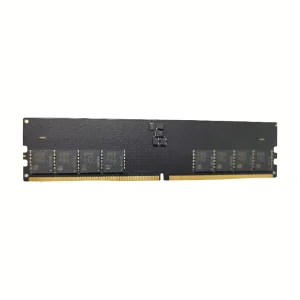
Xeviora Memory Technology (China) Co., Ltd. is a professional DDR5 memory manufacturer and supplier based in China, specializing in high-performance RAM solutions for gaming, industrial, enterprise, and consumer applications. Established in 2017, the company has rapidly grown into a trusted OEM and ODM partner for global distributors, system integrators, and technology brands.
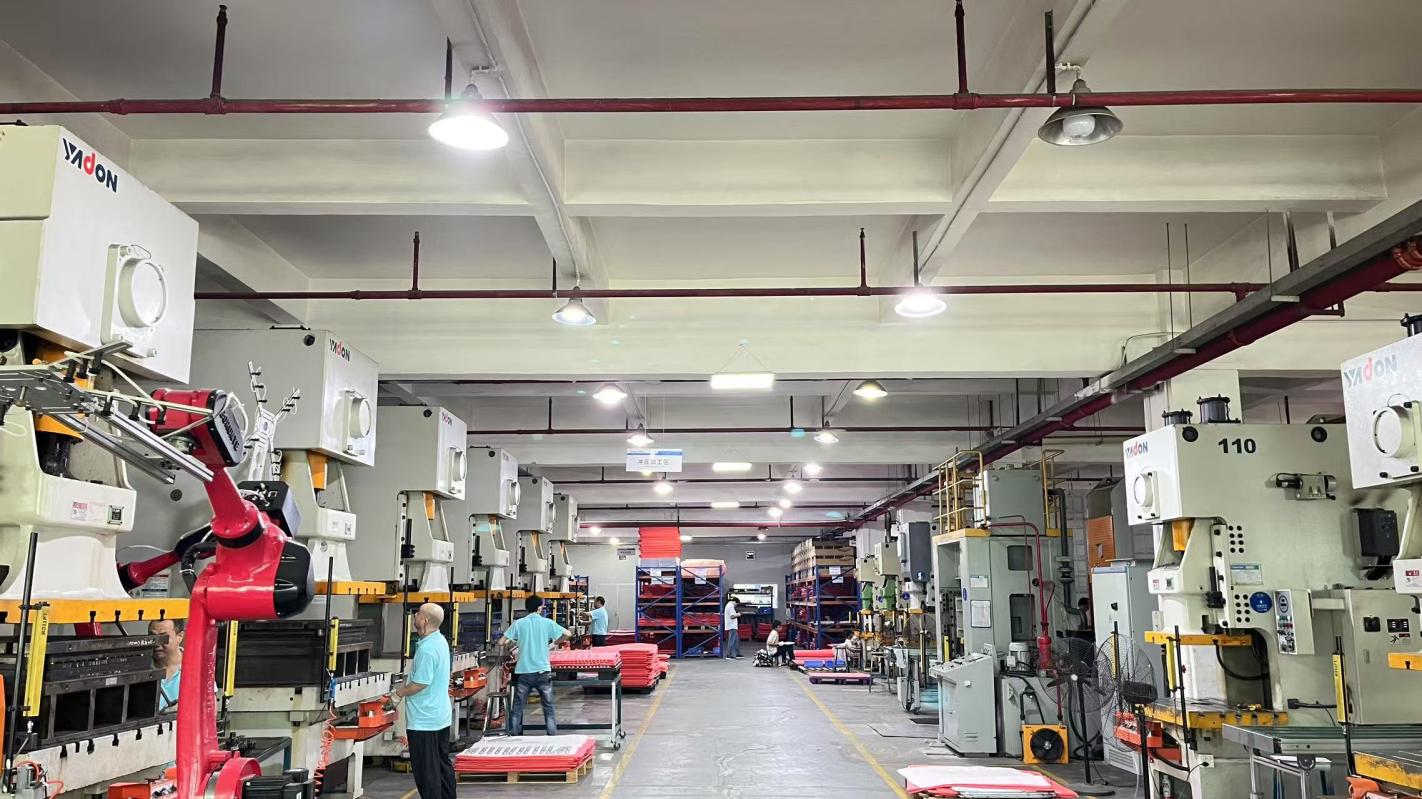
Our manufacturing facility covers 368 square meters and is equipped with advanced production and testing equipment to ensure stable quality and reliable performance. With an annual export revenue of over USD 18 million, Xeviora serves customers across North America, Europe, Southeast Asia, the Middle East, and South America.
Backed by 8 years of export experience and 12 years of industry expertise, we are committed to delivering innovative memory products that meet international quality standards. Our quality management system includes comprehensive incoming material inspection, in-process quality control, and final product testing. All products undergo automated functional testing, compatibility verification, performance validation, and aging tests before shipment. Our quality assurance team consists of 46 dedicated inspectors who ensure every module meets strict reliability requirements.
As a manufacturer with strong OEM and ODM capabilities, Xeviora works closely with more than 850 supply chain partners worldwide, enabling efficient sourcing, flexible production, and fast delivery. Our primary customers include wholesalers, distributors, e-commerce sellers, system builders, brand owners, and enterprise solution providers.
Innovation is at the core of our business. Supported by an experienced R&D team of 128 engineers, we continuously invest in new technologies and product development. Last year alone, we successfully launched 86 new memory products covering DDR5 gaming memory, industrial-grade memory modules, server memory solutions, and customized storage products.
We offer flexible customization services, including private labeling, logo printing, packaging design, specification customization, firmware optimization, and complete OEM/ODM development. Whether customers require standard memory modules or fully customized solutions, our team is dedicated to providing reliable products, competitive pricing, and professional technical support.
At Xeviora, our mission is to empower global customers with advanced memory technology, dependable manufacturing, and long-term business partnerships built on quality, innovation, and trust.

Aluminum PCBs offer vastly superior thermal conductivity, typically ranging from 1.0 to 8.0 W/m-K, compared to FR-4 which sits around 0.25 W/m-K. This enables rapid thermal dissipation, reducing junction temperatures of mounted components, improving power density, lowering thermal stress, and extending product life cycles.
The dielectric layer is the critical limiting factor. It must act as an electrical insulator while facilitating rapid thermal transfer. A thinner, ceramic-filled dielectric reduces thermal resistance but must maintain high dielectric breakdown strength (typically 3,000V to 8,000V AC) to prevent high-voltage shorts to the metal backing plate.
Standard Aluminum PCBs are single-sided because components cannot be easily mounted to the bare aluminum backing. However, manufacturers can produce double-sided and multi-layer MCPCBs by laminating additional insulating layers and copper circuits. Note that this increases manufacturing cost and creates complex thermal transfer paths.
Exporters offer precise mechanical routing options, including automated CNC milling, V-scoring for easy board singulation, and countersunk or counterbored mounting holes. These features must be precision-machined to prevent rough edges, which can compromise dielectric integrity and cause high-voltage arcs.
Explore our advanced server heatsinks, computer memory configurations, and double-sided board printer components designed to meet strict performance requirements.