Xeviora
Xeviora
Xeviora
Explore our core engineering assemblies, custom double-sided multi-layer printed circuit boards, high-performance thermal coolers, and industrial RAM solutions.
A Professional Overview of Modern Electronic Manufacturing and Supply Chain Infrastructure
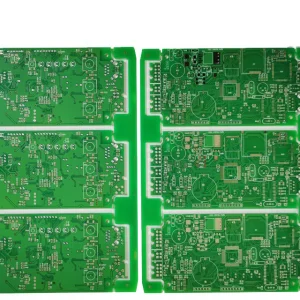
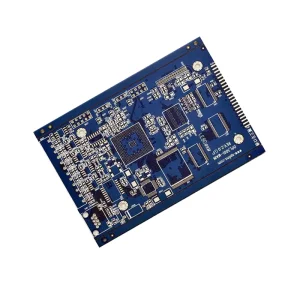
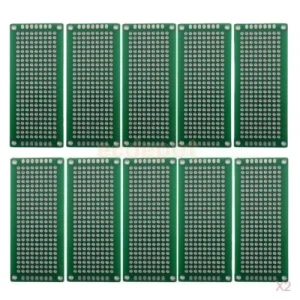
In the rapidly evolving landscape of advanced computing, high-frequency telecommunications, and industrial automation, the printed circuit board (PCB) remains the fundamental baseline of physical hardware. Navigating the selection of a qualified PCB manufacturer and factory requires a comprehensive understanding of raw material properties, fabrication tolerances, SMT (Surface Mount Technology) assembly capabilities, and rigorous quality control methodologies.
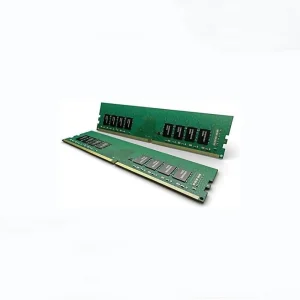
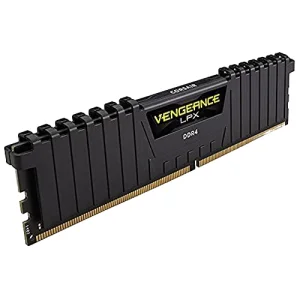
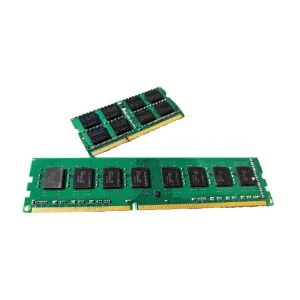
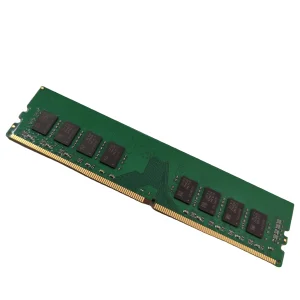
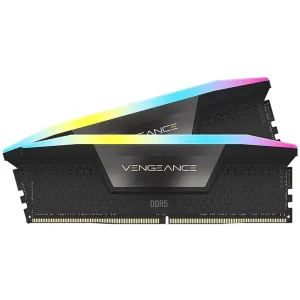
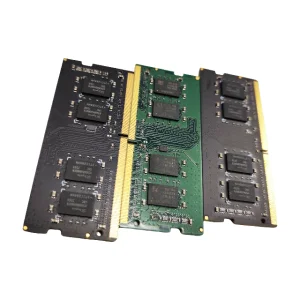
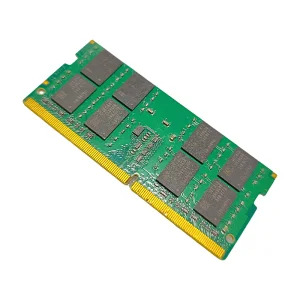
Xeviora Memory Technology (China) Co., Ltd. stands as a professional DDR5 memory manufacturer and supplier based in China, specializing in high-performance RAM solutions for gaming, industrial, enterprise, and consumer applications. Established in 2017, the company has rapidly grown into a trusted OEM and ODM partner for global distributors, system integrators, and technology brands. Our primary operations cover advanced memory layout optimization, SMT assembly, thermal validation, and system integration, utilizing cutting-edge manufacturing facilities and robust supply chain networks.
This whitepaper details the engineering processes, material requirements, quality control frameworks, and global compliance regulations required by modern high-density hardware and thermal management systems.
Modern electronic devices require PCB designs suited to high-speed data transmission, complex thermal loads, and mechanical stresses. Choosing the right material and manufacturing parameters dictates the overall signal integrity and longevity of the final product.
Utilization of premium Kingboard KB6160 FR4 substrates ensures structural integrity and high glass transition temperatures (Tg) suitable for multi-stage lead-free reflow processes.
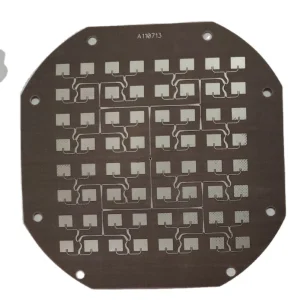
Incorporating Taconic TLY-5 (0.254mm) and low-Dk/Df laminates for microwave/RF circuits, reducing signal loss and attenuation in high-speed telecommunications.
Aluminum-backed PCBs offer thermal conductivity, routing high-heat dissipation away from LED arrays, power supply units, and motor controllers.
The selection of the copper pad finish directly affects solder joint reliability, shelf life, and coplanarity. Standard options include:
The assembly lifecycle combines SMT (Surface Mount Technology) for high-speed robotic chip placement and DIP (Dual In-line Package) plug-in lines for connectors, transformers, and mechanical components, followed by wave soldering or selective soldering to ensure structural strength.
The modern electronics supply chain is centralized within major industrial hubs in China, providing proximity to raw material providers, substrate manufacturers, and assembly plants. This structural setup enables efficient prototype development and rapid scaling.
Xeviora's high-density assembly facility spans a focused 368 square meters, equipped with high-speed automated placement machines (mounters), multi-zone nitrogen reflow ovens, and in-line automated optical inspection (AOI) units. This high-density manufacturing layout focuses on cleanroom controls and rapid product changes, supporting specialized enterprise components and consumer gaming hardware alike.
Key indicators of supply chain efficiency include:
Procuring electronic components internationally requires adherence to regulatory standards to ensure environmental safety, electrical reliability, and electromagnetic compatibility. Enterprises must select manufacturers that guarantee certificate traceability.
Xeviora maintains strict incoming material inspection (IQC), in-process quality control (IPQC), and final quality assurance (FQA). Our testing verification pipeline is managed by 46 quality inspectors who conduct functionality testing, JEDEC signal parameter tests, motherboard compatibility checks, and long-term thermal chamber stress testing to prevent field failures.
As microprocessors, data center architectures, and communications technologies advance, hardware demands increase, pushing the limitations of substrate performance, thermal handling, and trace routing density.
Integration of stacked microvias, blind/buried vias, and any-layer routing enables more traces per unit area, supporting modern high-density BGA packages.
To handle gigabit-per-second transmission, layout designs must include strict trace routing rules, crosstalk reduction techniques, and impedance control.
Transitioning to halogen-free materials and biological, recyclable resins helps lower the environmental footprint of global hardware waste.
In addition to routing density, material science developments focus on reducing dielectric loss in high-frequency applications. Raw material suppliers are formulating substrates with dielectric constants (Dk) below 3.0 and dissipation factors (Df) under 0.0015, which are key requirements for satellite communication systems and autonomous vehicle radar systems.
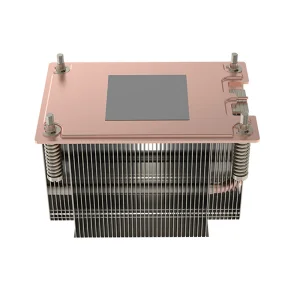
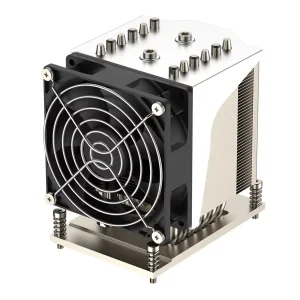
Modern servers, industrial computers, and high-performance computing (HPC) nodes produce high thermal loads. Dissipating heat effectively is crucial for preventing system thermal throttling and component degradation.
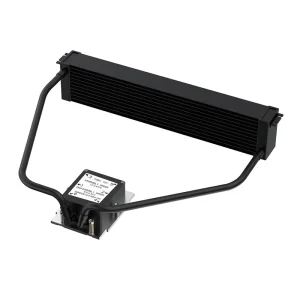
With CPU architectures like AMD SP5, Intel LGA4926, and AMD AM5 operating at high TDP profiles (often exceeding 200W to 300W), thermal management systems have evolved from simple extruded aluminum heatsinks to complex thermodynamic components:
These cooling solutions are paired with specialized PCB layouts that feature thermal vias, thick copper planes, and thermal pads to maximize heat transfer away from high-power components.
Reliable hardware production relies on strict verification stages. At Xeviora, we apply detailed checks at each stage of manufacturing to verify the specifications of every memory module and PCB assembly before shipment.
Incoming DRAM integrated circuits (ICs) undergo speed grading and stress binning to ensure they meet minimum JEDEC frequencies (e.g., DDR5 4800MHz / 5600MHz / 6000MHz / 6400MHz) and run within voltage specifications.
Laser-based Solder Paste Inspection (SPI) checks paste height and volume before component placement. Thermal profiling of reflow ovens prevents PCB warping and ensures even solder melting.
In-line AOI inspects component polarities and solder joint quality. The modules then undergo Automated Test Equipment (ATE) checks, memory-burn sweeps, compatibility tests on various host systems, and environmental aging.
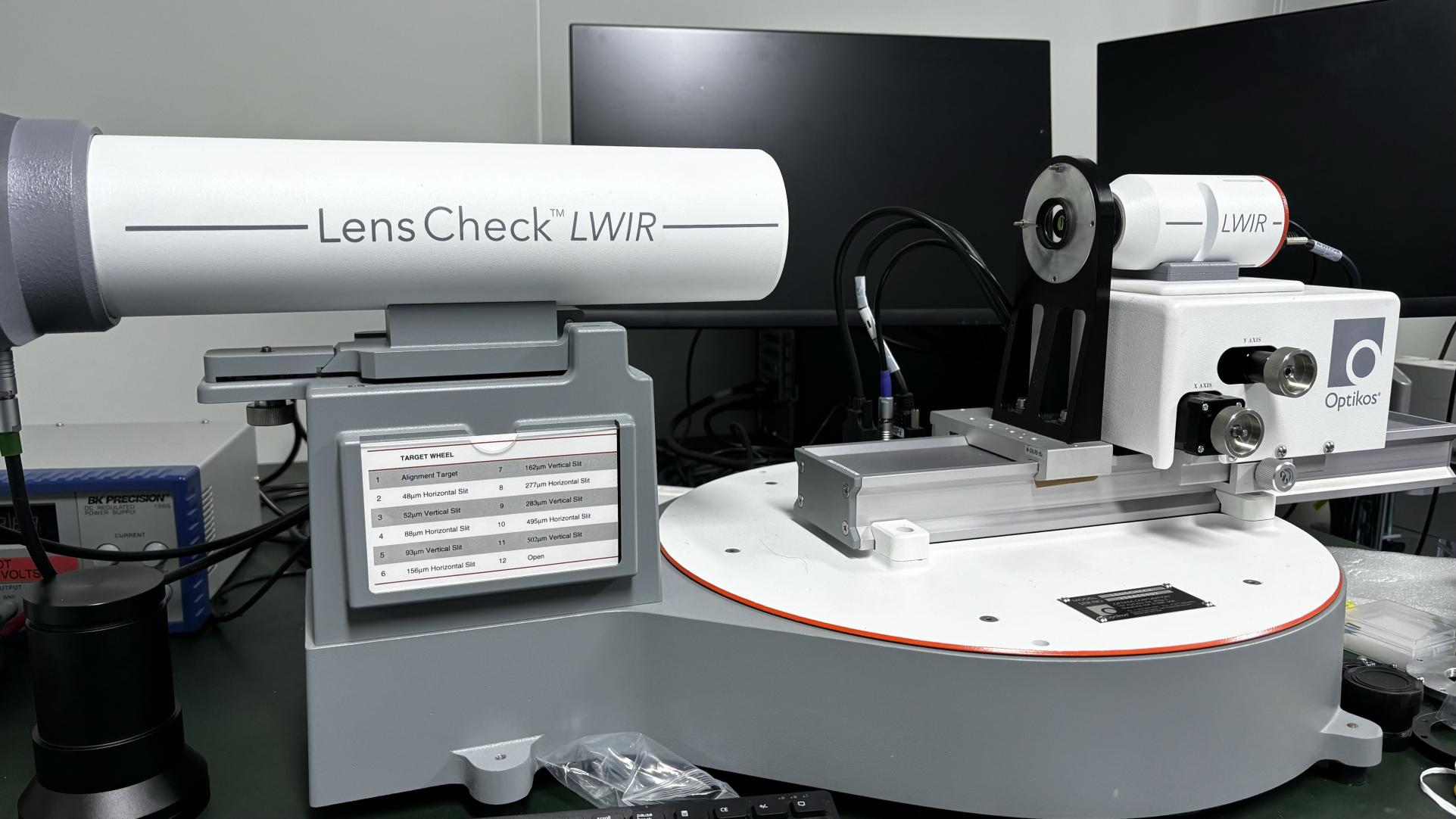
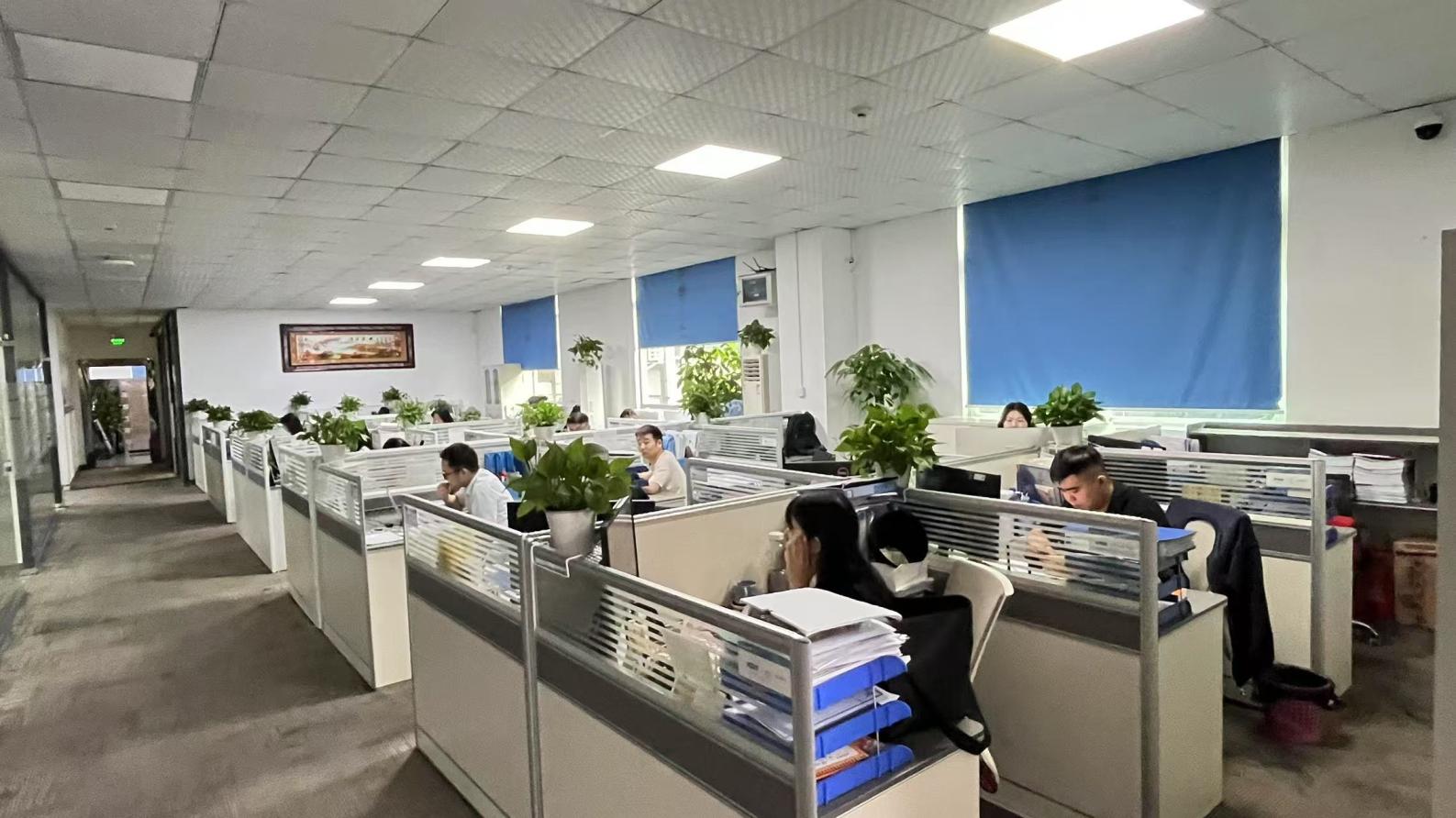
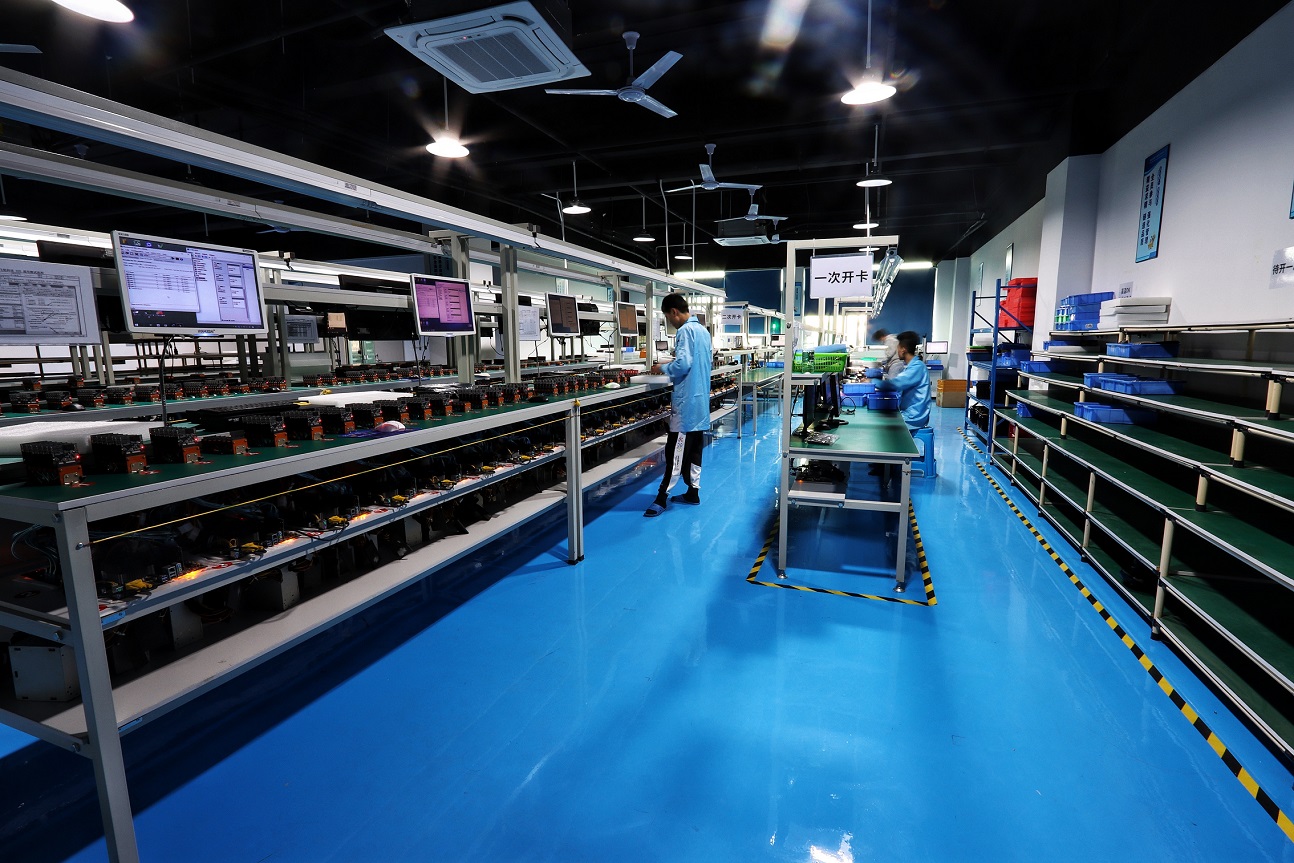
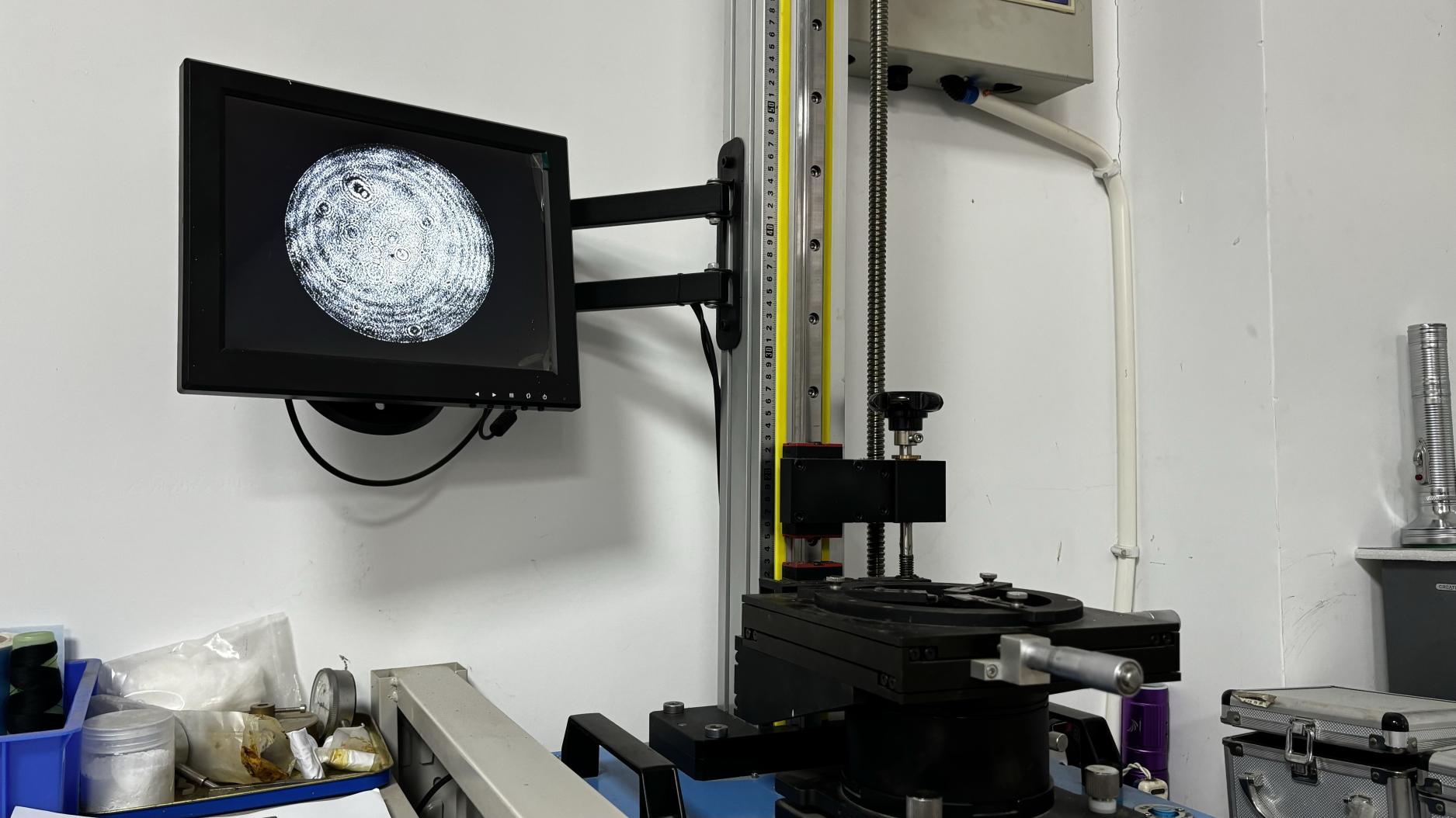
A visual reference of our cleanroom facilities, advanced SMT assembly lines, testing equipment, and inventory operations.
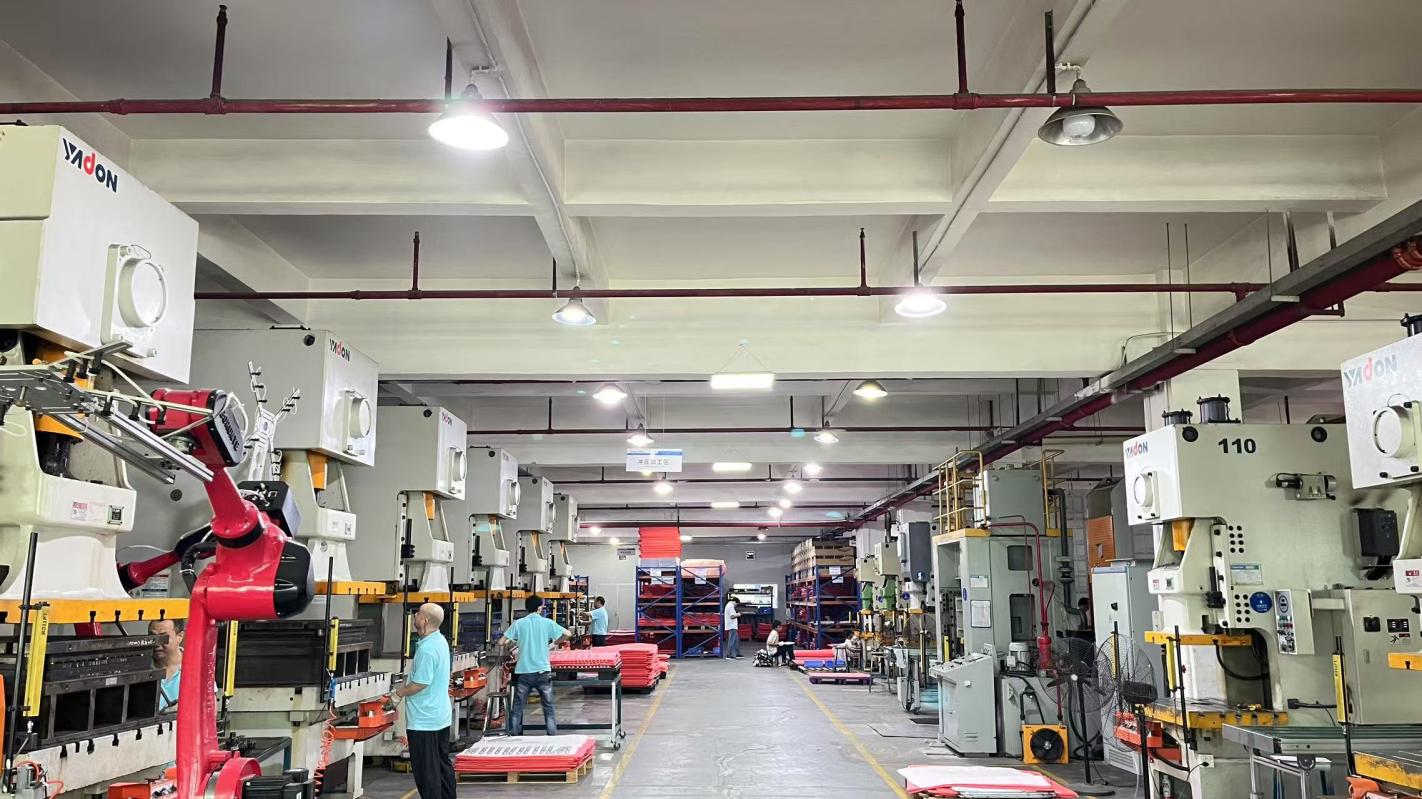
Common questions from procurement managers, hardware engineers, and technology distributors.
FR4 is a standard epoxy-fiberglass material that is cost-effective and suitable for applications running below 1 GHz to 2 GHz. High-frequency laminates, such as Taconic TLY-5, offer a much lower dielectric constant (Dk) and dissipation factor (Df). This helps minimize dielectric loss and preserve signal integrity in RF, microwave, and high-speed data applications.
Lead-free HASL replaces leaded solder with a tin-copper-nickel alloy, helping devices comply with RoHS and REACH regulations. For fine-pitch components (such as BGAs and QFNs) where HASL may have surface flatness variations, options like Immersion Silver (ImAg) or Electroless Nickel Immersion Gold (ENIG) provide a flatter surface to improve joint yield.
Our quality assurance process includes JEDEC compliant ATE test runs, system-level compatibility tests on server motherboards, and environmental chamber burn-in. Our 46 quality inspectors check that each module meets the target signal-to-noise ratio, voltage tolerances, and thermal stability requirements.
For high-power platforms like AMD SP5 or Intel LGA4926, we recommend combining low thermal resistance TIMs (Thermal Interface Materials) with 3D Vapor Chambers or liquid-to-air cooling radiators. This helps ensure effective heat transfer, protecting processors and neighboring RAM modules from heat-related performance drops.
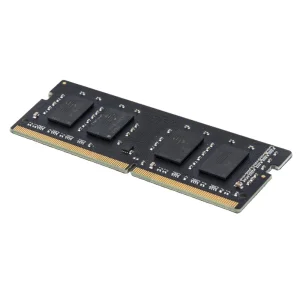
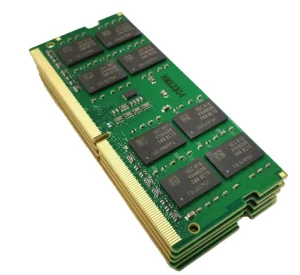
Review our specialized desktop, laptop, server memory modules, and heat sink assemblies.