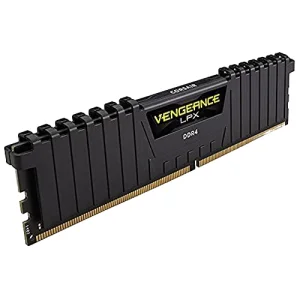
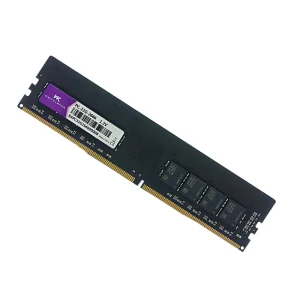
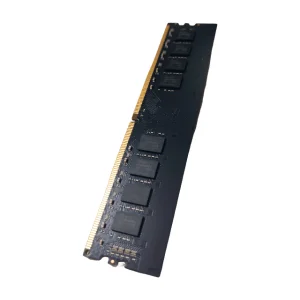
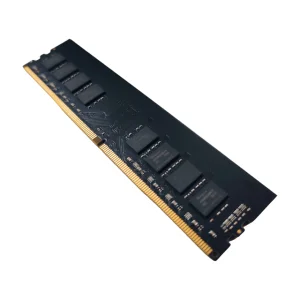
Desktop DDR RAM & DDR4 RAM Memory Manufacturers & Suppliers

Enterprise-grade hardware manufacturing, extreme compatibility engineering, and high-volume global distribution pipelines optimized for systemic growth.

Industrial Heritage & OEM capabilities

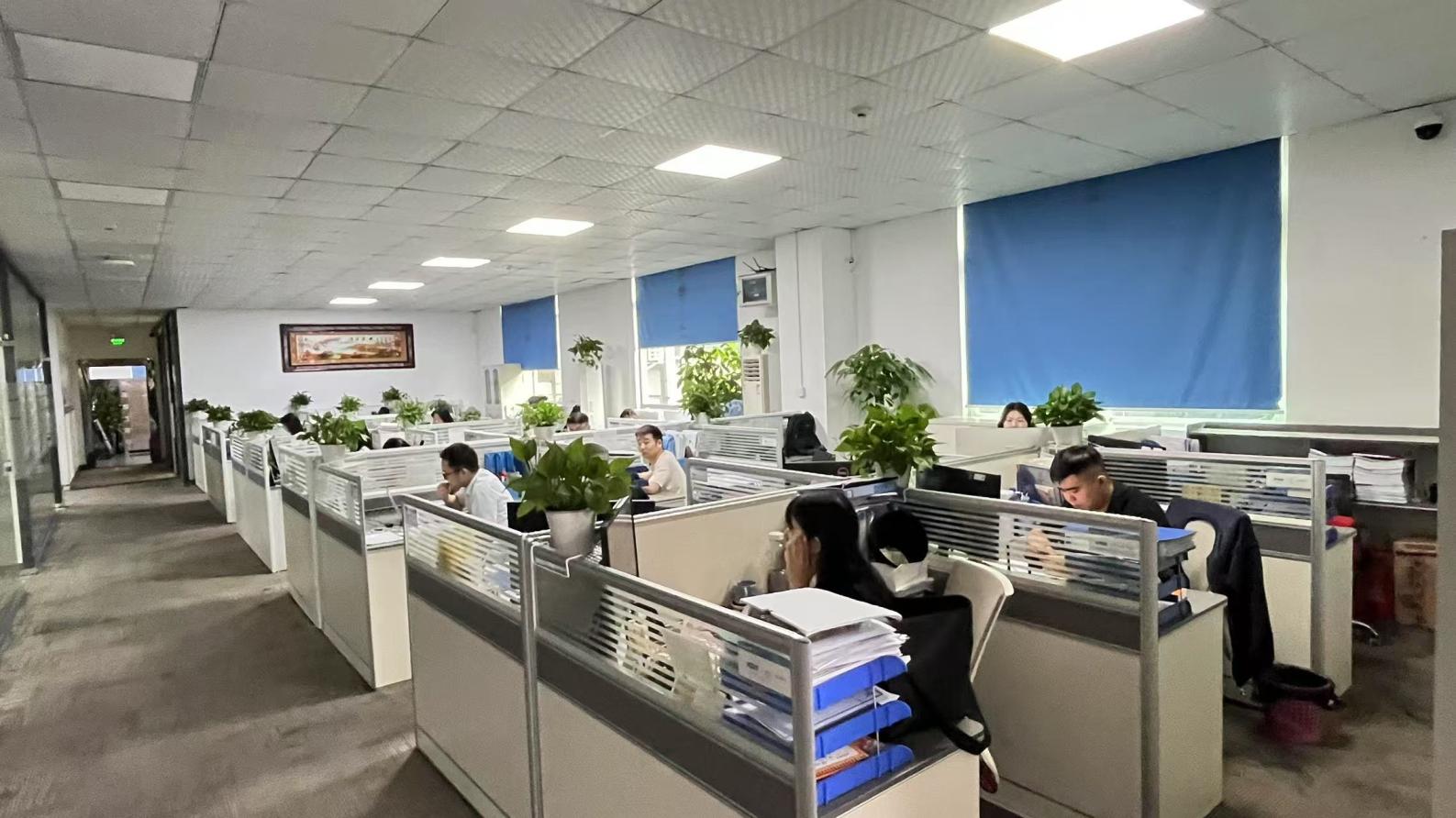
Established in 2017, Xeviora Memory Technology (China) Co., Ltd. has positioned itself as a vanguard in the research, design, and manufacturing of high-performance semiconductor components. Specializing in advanced DDR4 & DDR5 memory module architectures, we offer dynamic storage solutions to gaming, industrial, enterprise, and standard consumer verticals.

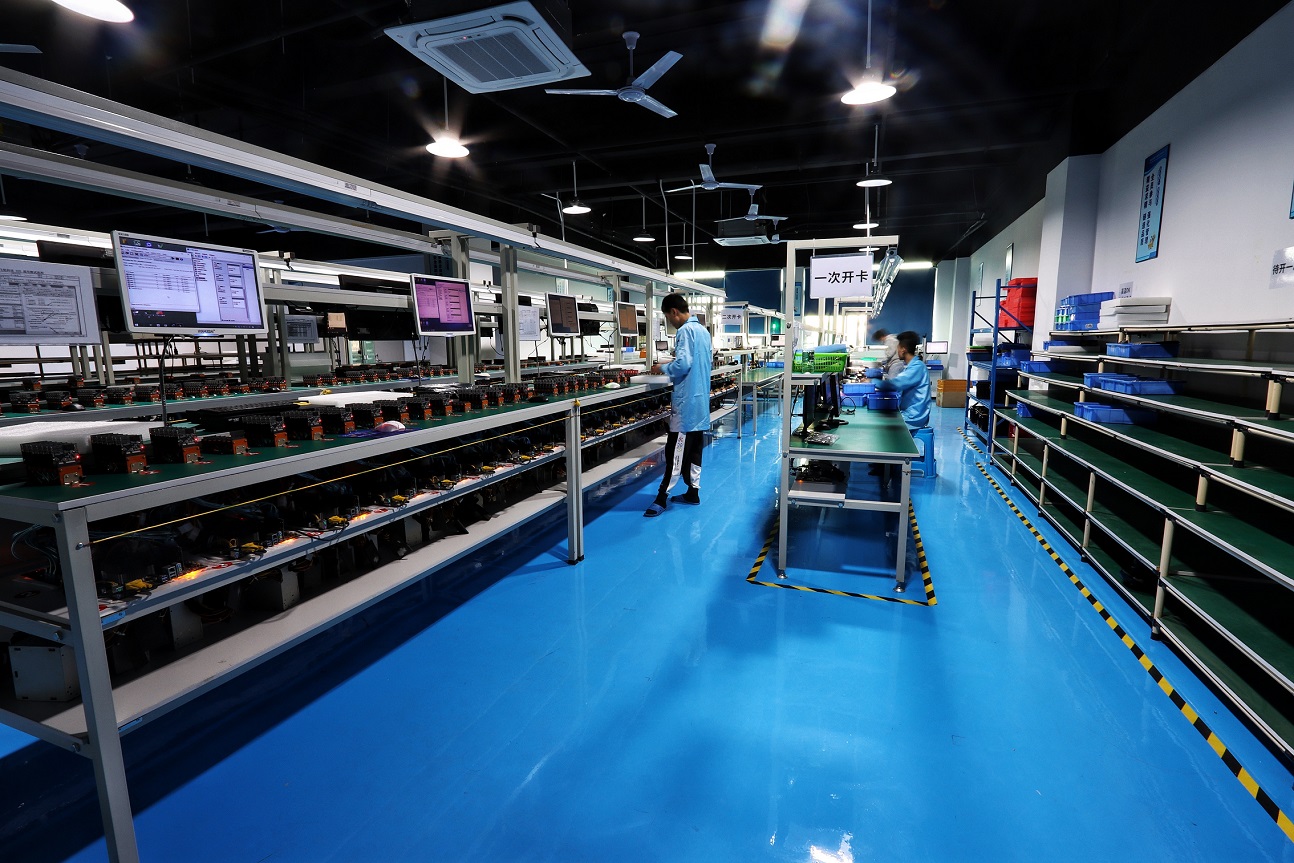
Operating out of our centralized corporate core, featuring specialized prototyping and testing cleanrooms, we collaborate with a network of over 850 global supply chain partners. This infrastructure enables us to maintain an efficient sourcing chain, robust production agility, and prompt logistics support across major technology nodes worldwide.

Today, our annual export operations generate in excess of USD 18 million. Key regions of trade include North America, Europe, Southeast Asia, the Middle East, and South America, supporting enterprise distributors and tier-one system builders alike.

12+
Years Industry Exp
850+
Supply Partners
128
R&D Engineers
46
QA Inspectors

The Persistent Stature of DDR4 in Modern Compute Architectures

While newer-generation memory paradigms like DDR5 continue to target high-frequency desktop environments, DDR4 continues to dominate a substantial portion of enterprise operations, server farms, and industrial embedded architectures. The technology's stability, optimized thermal profiles, and highly competitive cost-to-performance ratio maintain its status as an indispensable pillar in modern data centers.

Key Market Trends Fueling DDR4 Demand:

  • Infrastructure Amortization & Longevity: Global enterprise environments operating on Intel® Xeon® Scalable (1st, 2nd, and 3rd Generation) and AMD EPYC™ (Naples and Rome) platforms require continuous pools of highly reliable DDR4 ECC RDIMMs and LRDIMMs to maximize the operational lifespan of legacy investments.
  • Industrial and Edge Compute Demands: Smart factories, telecommunication networks, and retail points of sale require robust, long-term components. Low-voltage DDR4 variants (operating at 1.2V compared to DDR3's 1.5V) are ideal for these thermally restricted environments.
  • Budgetary Optimization: For high-density standard operations, DDR4 provides optimal memory bandwidth at a lower total cost of ownership (TCO) compared to the premium pricing of DDR5 platforms.

Universal Compatibility

Engineered to adapt seamlessly across multi-generation AMD and Intel chipsets, reducing motherboard installation anomalies.

ECC Error Correction

Advanced Single-bit Error Correction Code (ECC) prevents system crashes and memory corruption in mission-critical applications.

Optimized Signaling

Utilizes fly-by topology with high-quality PCB trace designs to minimize crosstalk and ensure signal integrity at high frequencies.

Tailored Enterprise Integration & OEM/ODM Supply Architecture

B2B buyers, system integrators, and industrial compute providers require supply chain flexibility. At Xeviora, we structure our manufacturing cycles to support customized technical requirements. Last year, our engineering team introduced 86 new product designs, reflecting our commitment to research and client-oriented adaptation.

Custom Development Capabilities:

  • Die Sorting & Custom Speeds: We offer custom binning to match specific frequency and latency profiles, ranging from standard 2133MHz configurations to high-speed 3200MHz/3600MHz modules.
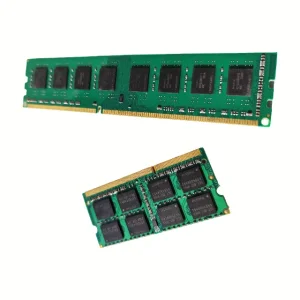
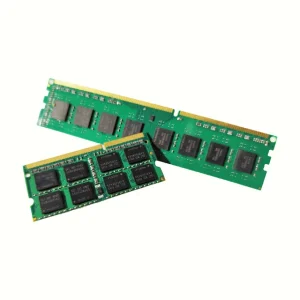
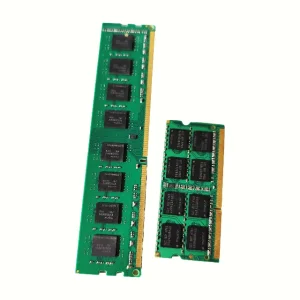
  • Physical Dimension Adaptations: Our production line yields standard height UDIMMs, low-profile designs, SO-DIMMs for portable systems, and specialized form-factor configurations.
  • SPD Fine-Tuning: Pre-programmed Serial Presence Detect parameters ensure seamless BIOS handshake configurations, critical for specialized industrial equipment.
  • Branded Packaging & Aesthetics: OEM services include custom silkscreening, customized heat sinks, and anti-static blister packaging designs suitable for retail distribution.

Industrial Customization Workflow

  1. Requirement Validation: Specification mapping (capacity, speed, latency, target voltage).
  2. Prototyping & Simulation: Electrical trace modeling and thermal stress simulations.
  3. Compatibility Testing: Verification across standard motherboards and server motherboards.
  4. Volume Production: SMT component placement under Class 100,000 cleanroom standards.
  5. Pre-Shipment QA: 100% testing on dynamic systems.

Advanced Testing Protocols & Quality Assurance

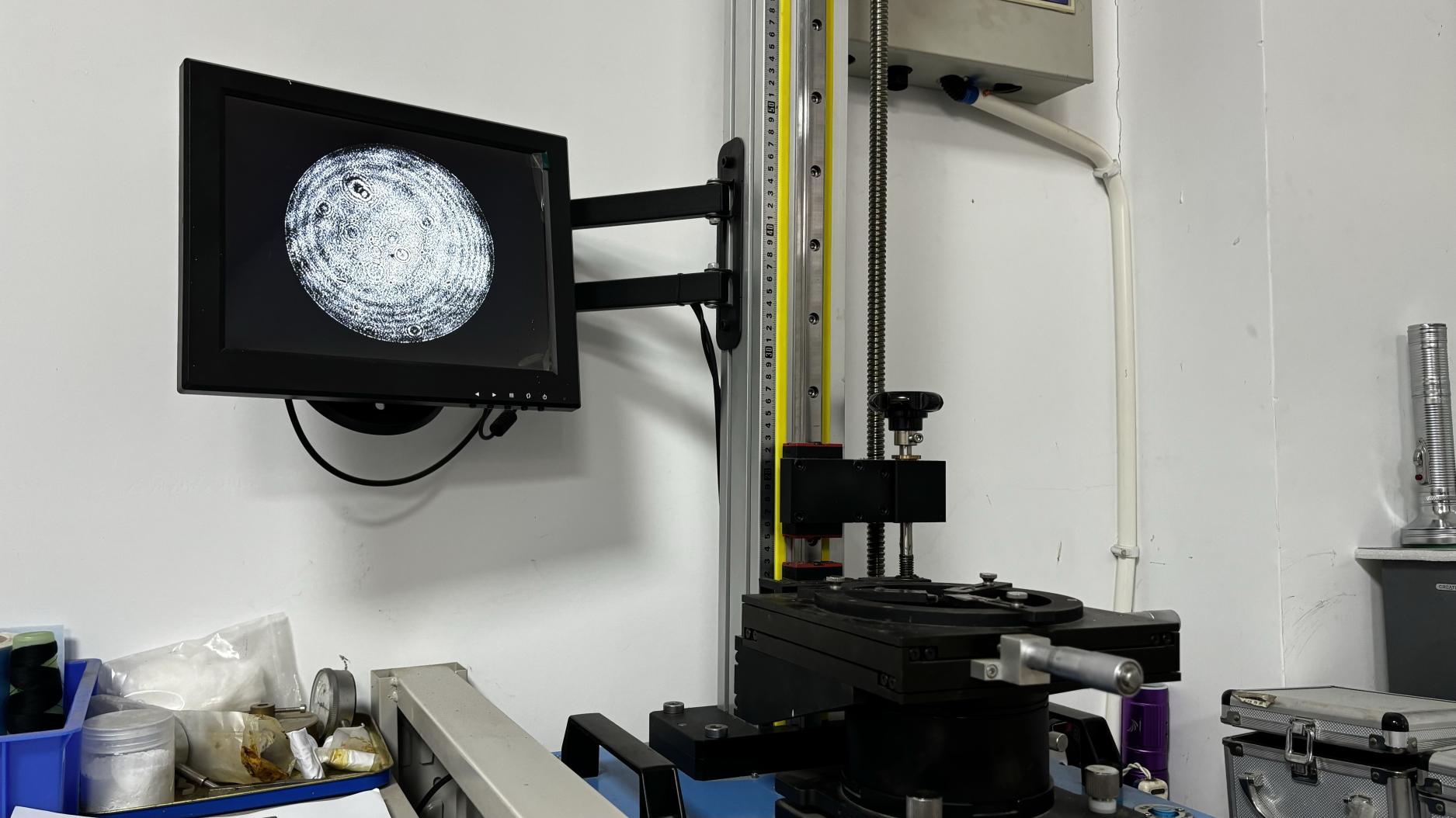
Reliable memory manufacturing requires rigorous testing. Xeviora employs 46 quality inspectors to oversee incoming materials, production lines, and final QA verification.

1. Incoming Inspection (IQC)

DRAM components are sourced from tier-one manufacturers. We verify each shipment using laser scanners to inspect the mechanical integrity of the packages.

2. In-Process Validation

Solder paste alignment is monitored via Automated Optical Inspection (AOI) to eliminate assembly errors and prevent electrical shorts.

3. Environmental Testing

Modules undergo testing under varying temperature conditions (0°C to 85°C for commercial, -40°C to 95°C for industrial) to confirm performance stability.

Global Trade Compliance & Logistics

Exporting to North America, Europe, and Asia requires compliance with local standards. Xeviora memory modules are certified under CE, FCC, RoHS, and REACH frameworks, simplifying regulatory clearances for import distributors.

Our logistics team manages custom clearance, container consolidation, and drop-shipment configurations. By utilizing ports in Shenzhen, Guangzhou, and Hong Kong, we offer efficient dispatch times to minimize transit times.

Technical Operations FAQ

Resolving complex implementation queries for hardware procurement officers and system engineers.

What is the difference between ECC SO-DIMM and standard SO-DIMM modules, and can they be mixed?
ECC SO-DIMMs contain an extra DRAM chip to store error-correction codes, allowing detection and correction of single-bit memory errors. They cannot be mixed with standard non-ECC SO-DIMMs on standard motherboards. System stability requires unified memory configurations.
How does Xeviora ensure the reliability of memory modules on newer platforms?
We qualify our designs on mainstream Intel and AMD chipsets, including server architectures. Testing profiles include stress-testing systems at maximum capacity to verify signal margins and stability.
What customization options are available for industrial clients?
We provide conformal coating for humidity and dust protection, customized SPD values, wide-temperature DRAM selection, and modified PCB stackups to meet industrial longevity requirements.
How does DDR4 compare to DDR5 in industrial architectures?
DDR4 operates at a lower price point, has lower heat generation in moderate workloads, and is compatible with existing embedded CPUs, making it the preferred choice for long-lifecycle industrial systems.

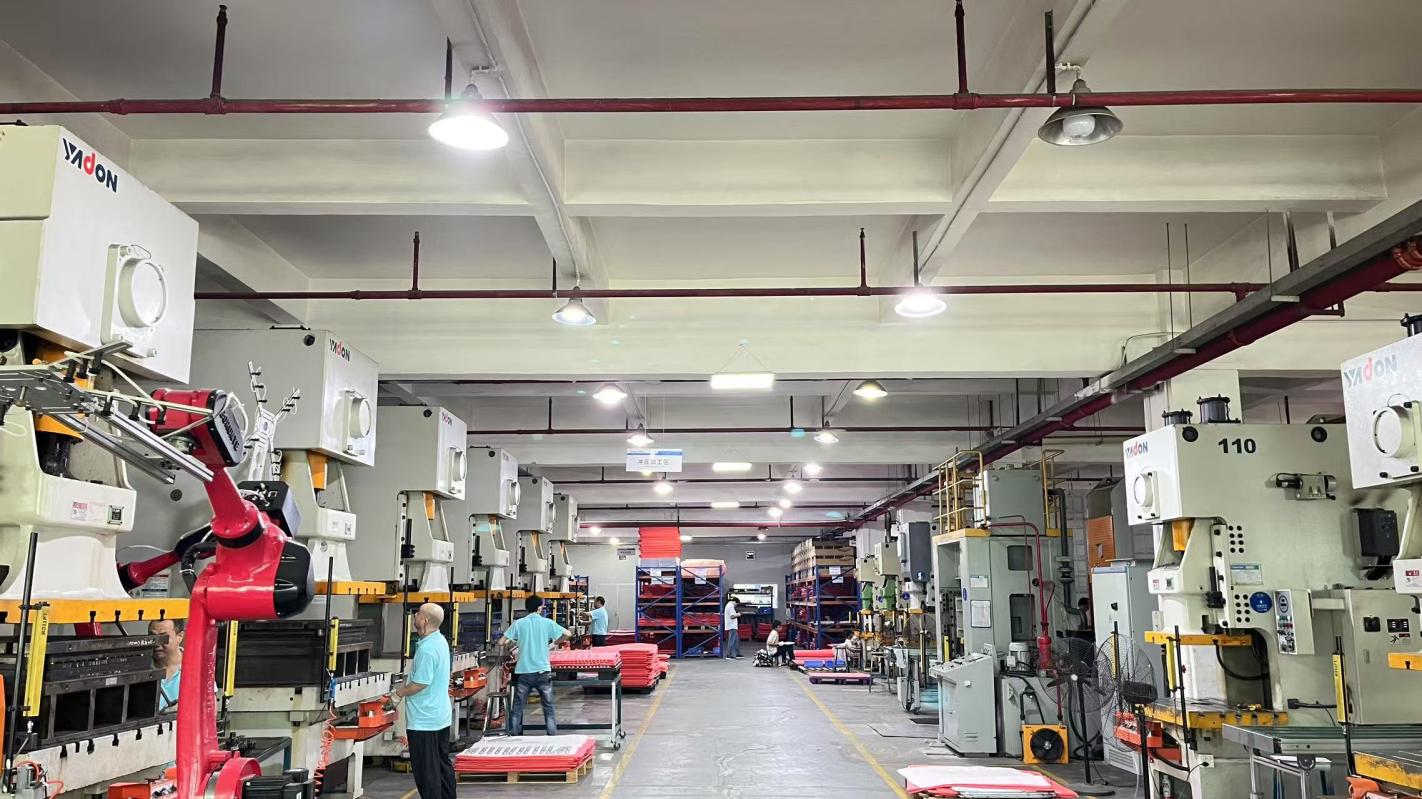
Factory Floor & Advanced SMT Processing Showcase

A look into our cleanrooms, testing facilities, and logistics centers.
All DDR 4 RAM Memory Products