Xeviora
Xeviora
Xeviora
Explore our engineering capability spanning next-gen server, high-frequency gaming, and legacy desktop architectures.
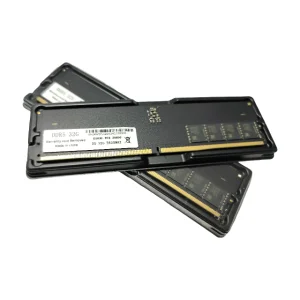
In the modern computing paradigm, the performance of physical storage subsystems is highly coupled with CPU capabilities. High-performance desktop and server memory technologies play a decisive role in bridging data throughput gaps. As system integrators and global enterprise networks demand higher computational capabilities, desktop DDR RAM technology has undergone a fundamental architectural evolution. Transitioning from legacy DDR3 and standard DDR4 layouts to next-generation DDR5 configurations, the architecture has changed to accommodate higher bandwidth and lower latencies.
Established in 2017, Xeviora Memory Technology (China) Co., Ltd. has developed a leading position as an OEM/ODM supplier of high-speed desktop, server, and customized industrial RAM solutions. Backed by 12 years of industry engineering experience and 8 years of global export compliance, Xeviora integrates cutting-edge R&D with advanced SMT automated manufacturing. We design, validate, and manufacture highly resilient memory modules that power gaming desktop stations, enterprise server farms, customized AI clusters, and mission-critical embedded computing arrays.
Analyzing how domestic supply chains and manufacturing standards drive down system integration costs while upgrading reliability.
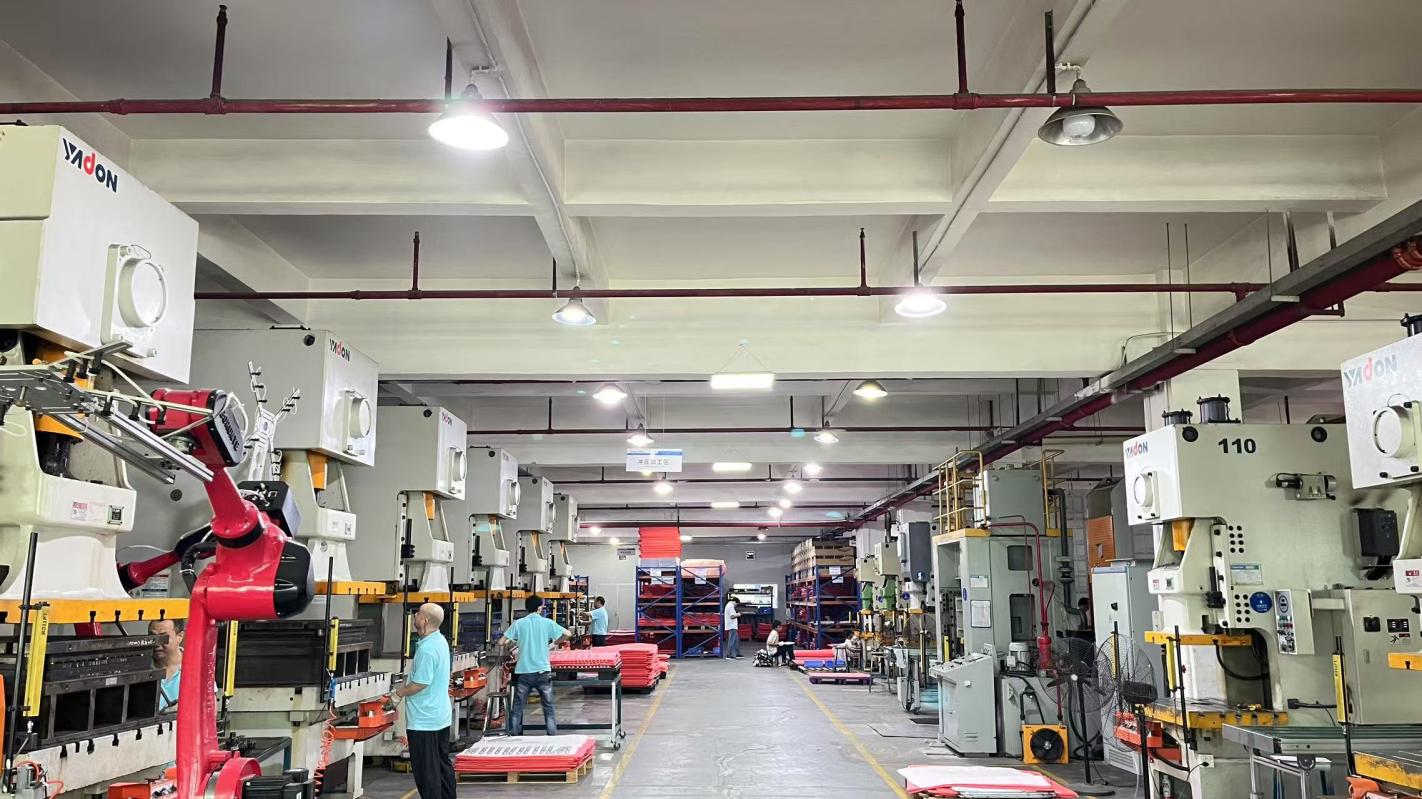
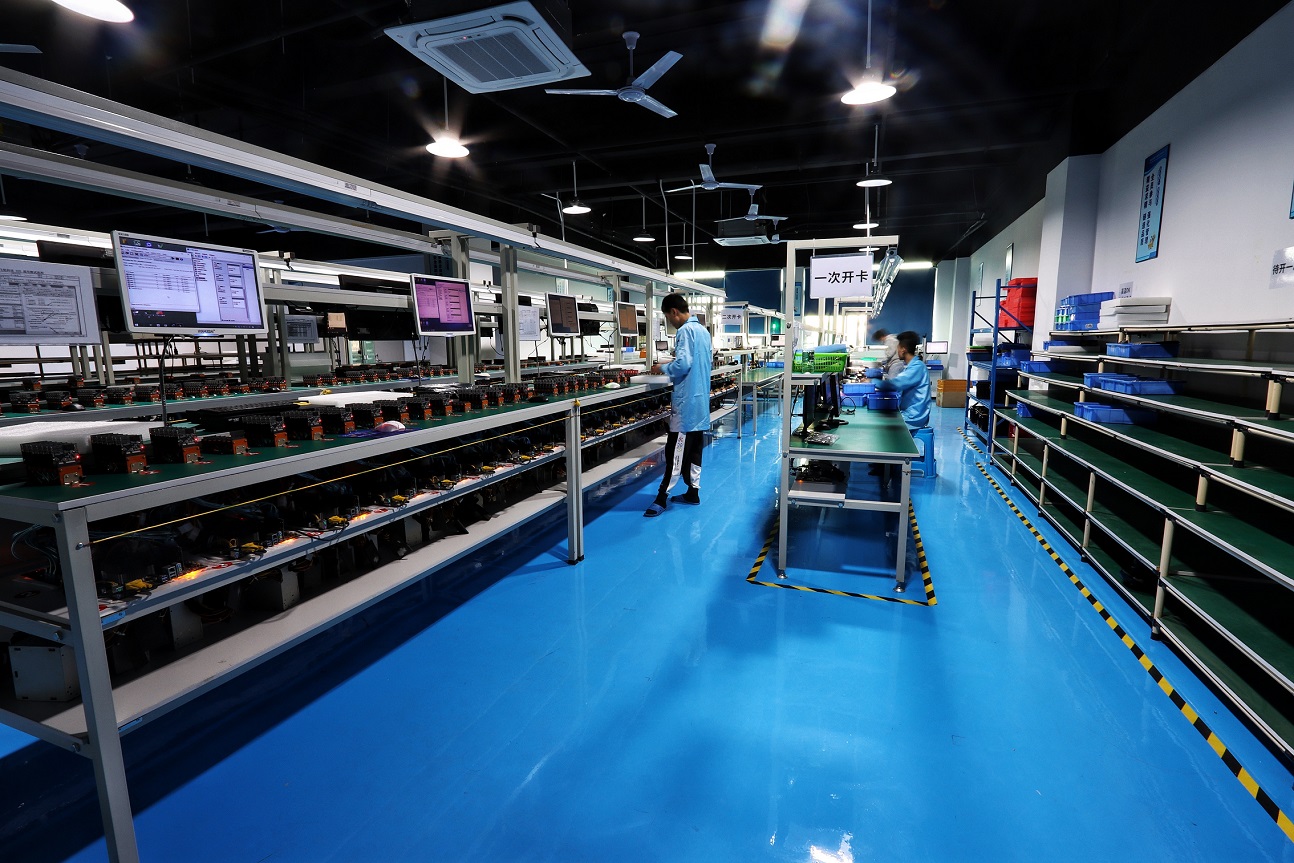
Our production cleanrooms house fully automated Siemens and Yamaha high-precision SMT (Surface Mount Technology) assembly lines. They deliver high component placement accuracy for fine-pitch DRAM components, PMICs, and passive capacitors.
Located in the heart of China’s electronic manufacturing hub, Xeviora collaborates with over 850 active supply chain partners. This integration speeds up sourcing of DRAM chips from leading semiconductor foundries (Samsung, SK Hynix, Micron) and PCB substrates.
By using scale economics, smart manufacturing workflows, and optimized labor allocation, our facility minimizes cost-per-gigabyte. These cost savings are passed directly to our wholesale procurement and enterprise systems integration partners.
The transition from Double Data Rate 4 (DDR4) to Double Data Rate 5 (DDR5) marks a significant evolution in memory module design, rather than just a simple speed upgrade. In legacy DDR4 architectures, command signals are centralized, and voltage regulation is handled by the desktop motherboard. DDR5 changes this configuration, shifting power management directly onto the memory module via a Power Management Integrated Circuit (PMIC). This change allows for finer control of power delivery, dropping native operating voltages to 1.1V, which lowers power draw and thermal output.
Additionally, DDR5 replaces the single-channel 64-bit data bus configuration with two independent 32-bit sub-channels (plus ECC support). This modification increases access efficiency and reduces latency penalties during standard CPU read/write operations. Additionally, the integration of On-die ECC (Error Correction Code) directly within the DRAM silicon helps correct single-bit errors inside the cell array before data is sent to the processor, which helps keep high-frequency systems stable.
| Architectural Feature | DDR4 Desktop RAM | DDR5 Desktop RAM | Performance Impact |
|---|---|---|---|
| Data Rates (Frequencies) | 1600 MHz - 3200 MHz | 4800 MHz - 6800+ MHz | Over 2x theoretical data throughput speed. |
| Channel Architecture | 1x 64-bit channel per DIMM | 2x 32-bit sub-channels per DIMM | Improved channel efficiency and higher bus utilization. |
| Operating Voltage | 1.2V (standard) | 1.1V (standard) | Lower energy footprint and reduced thermal generation. |
| Power Management | Motherboard regulated | On-DIMM PMIC integration | Clean power regulation, reducing motherboard design complexity. |
| Error Correction | Sideband Side-ECC (Server only) | Built-in On-die ECC + Sideband ECC | Enhanced data reliability and lower component fault rates. |
How Xeviora bridges the gap between raw hardware components and tailored, brand-specific enterprise solutions.
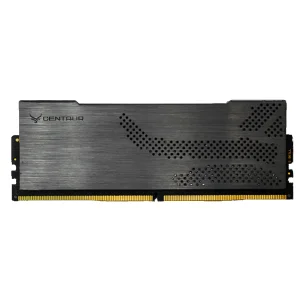
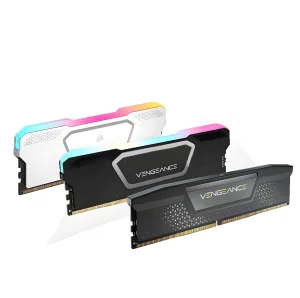
We provide full-spectrum OEM labeling, custom heat spreader colors, customizable RGB modules, custom packaging design, and laser-etched logo integration to match your brand requirements.
Our engineers adjust Serial Presence Detect (SPD) configurations to optimize Intel XMP or AMD EXPO profiles. This tuning helps ensure compatibility across multiple system mainboards.
We work with international logistics providers to support structured shipping schedules (FOB, CIF, EXW, DDP). This keeps supply lines moving for wholesalers, e-commerce stores, and system integrators.
From high-end consumer gaming computers to enterprise computing nodes, our memory modules are designed for high stability.
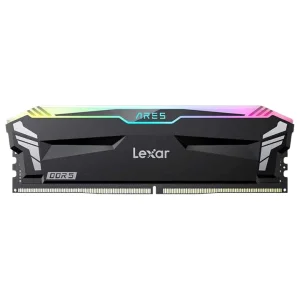
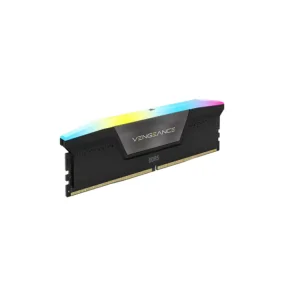
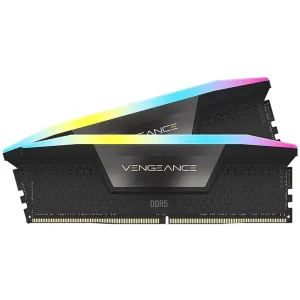
High-speed gaming demands stable throughput under stress. Xeviora offers overclocked, low-latency DDR5 modules (running at 6000MHz to 6800MHz) equipped with heat spreaders and custom addressable RGB lighting. These modules are built to sustain low temperatures during long gaming sessions.
Complex 3D rendering, video post-production, and engineering modeling applications require large memory pools. Our high-capacity 32GB and 64GB DDR5 memory modules provide the stable data pipelines needed to prevent system crashes during compute-intensive tasks.
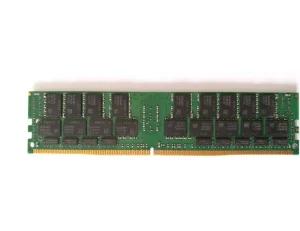
With virtualization and cloud processing expanding rapidly, datacenters require constant uptime. Our Registered ECC DDR4/DDR5 server modules feature built-in hardware error correction, keeping enterprise hardware runtimes stable.
The computing market continues to move toward faster, more efficient memory designs. As artificial intelligence models run locally on consumer computers, system memory is shifting from a simple storage area to a high-speed data pipeline for neural processing units (NPUs) and graphic processors. We expect future desktop memory designs to cross the 8000MHz speed threshold. These speeds will require advanced thermal interface materials, thicker copper PCBs, and high-quality DRAM chips.
Additionally, technologies like CXL (Compute Express Link) are beginning to influence server and workstation design, allowing memory resources to be shared more dynamically between processors. Low-voltage LPDDR5 components are also making their way onto desktop mainboards as LPCAMM2 form factors, combining small dimensions with high performance. Xeviora's R&D team works closely with platform developers to ensure our product catalog aligns with these shifting design trends.
Xeviora's manufacturing floor utilizes advanced, climate-controlled cleanrooms designed to limit electrostatic discharge (ESD) and airborne particles. Our team of 46 quality inspectors oversees every step of the assembly process. Each production run goes through automatic optical inspection (AOI), high-temperature stress tests, motherboard compatibility sweeps, and custom diagnostic testing before packaging.
By managing our manufacturing and logistics internally, we offer flexible production schedules and dependable quality control. This reliable process helps global buyers secure high-quality memory modules at competitive prices.
Detailed technical answers regarding module engineering, testing, customization, and global shipping policies.
No, DDR5 memory modules are physically incompatible with DDR4 slots. The keying notch has been shifted to prevent accidental insertion, and the circuit designs differ significantly. DDR5 operates at 1.1V and relies on an on-board PMIC, whereas DDR4 depends on voltage regulation from the motherboard circuitry.
Our R&D team uses compatibility databases that are updated as new hardware is released. Every batch of DDR4 and DDR5 memory modules is tested against motherboards from ASUS, Gigabyte, MSI, and ASRock, running both Intel and AMD processors. This testing helps confirm stability and ensures standard EXPO/XMP profiles boot correctly.
On-die ECC is standard on all DDR5 chips. It corrects errors within the DRAM chip itself, but does not protect data as it travels across the bus to the CPU. Sideband ECC (used in server systems) uses additional data lines to protect data in transit, providing error correction across the entire memory subsystem.
We offer customized heat spreaders, custom RGB lighting profiles, tailor-made retail packaging, and customized SPD firmware configurations. Our design and engineering teams work with you to create modules that match your brand's specifications.
Review our specialized memory solutions, server cooling hardware, and customizable interface boards.