Xeviora
Xeviora
Xeviora
Advanced high-frequency components, precision heat dissipation devices, and customizable multilayer prototypes developed to European technical and ecological standardizations.
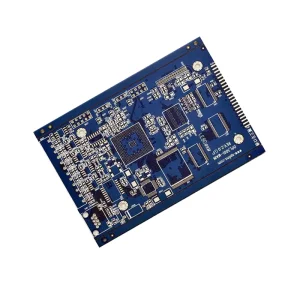
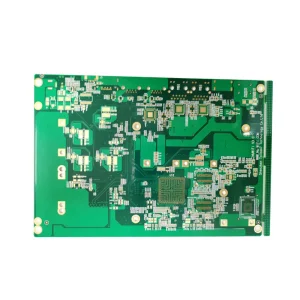
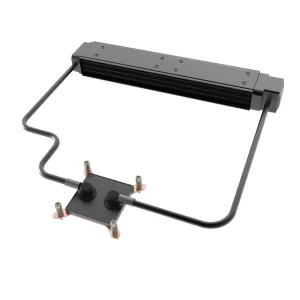
Understanding the strict microelectronics landscape in Flanders, Wallonia, and Brussels Capital Region.
Belgium stands at the geographic and structural heart of Europe’s high-tech industrial revolution. Driven by prominent research centers like IMEC (Interuniversity Microelectronics Centre) in Leuven and the automation consortiums of Flanders Make, Belgian industry has transitioned fully to Industry 4.0. Consequently, the demand for High-Density Interconnect (HDI) and multi-layer printed circuit boards (PCBs) has shifted from generic consumer-grade electronics to specialized, high-reliability applications.
The Flemish region, particularly around Leuven, Ghent, and Antwerp, requires exceptional standards of circuit board construction. The port of Antwerp-Bruges—a critical global logistics hub—relies on advanced IoT sensors and asset-tracking hardware. These compact devices depend on thin, space-saving multilayer rigid-flex PCBs that can survive high-vibration maritime environments. Furthermore, Flanders’ bio-engineering clusters require highly complex microfluidic-integrated PCB solutions where electromagnetic compatibility (EMC) and absolute signal integrity are non-negotiable parameters.
In Wallonia, the aerospace and defense sectors (represented by clusters like Skywin) require aerospace-grade rigid and multilayer PCBs that satisfy AS9100 standards. These boards utilize specialized high-temperature laminates (such as Rogers, Nelco, or Arlon) capable of withstanding extreme thermal cycles in orbital or atmospheric platforms. In Brussels, the growth of smart energy grids and EV (Electric Vehicle) charging infrastructures demands power supply PCBs with high copper thickness (heavy copper boards) to manage high currents safely while keeping thermal profiles controlled through advanced CPU radiators and active liquid-cooling modules.
SEO Insight & Information Gain: When sourcing multilayer PCBs for the Belgian market, simple cost comparison is no longer the primary decision driver. Engineers are prioritizing DFM (Design for Manufacturability) analysis, signal propagation delays in high-frequency applications, and localized European environmental regulatory compliance.
Through our deep partnerships with Belgian tech firms, we have identified key technological baselines required for export compliance:
How Xeviora Memory Technology bridges high-capacity production with European quality expectations.
For Belgian enterprises looking to scale their IoT, industrial automation, or computational systems, sourcing PCBs and components directly from a specialized factory in China yields substantial strategic advantages. At Xeviora Memory Technology (China) Co., Ltd., we fuse high-volume production capabilities with the strict accuracy protocols demanded by European quality systems.
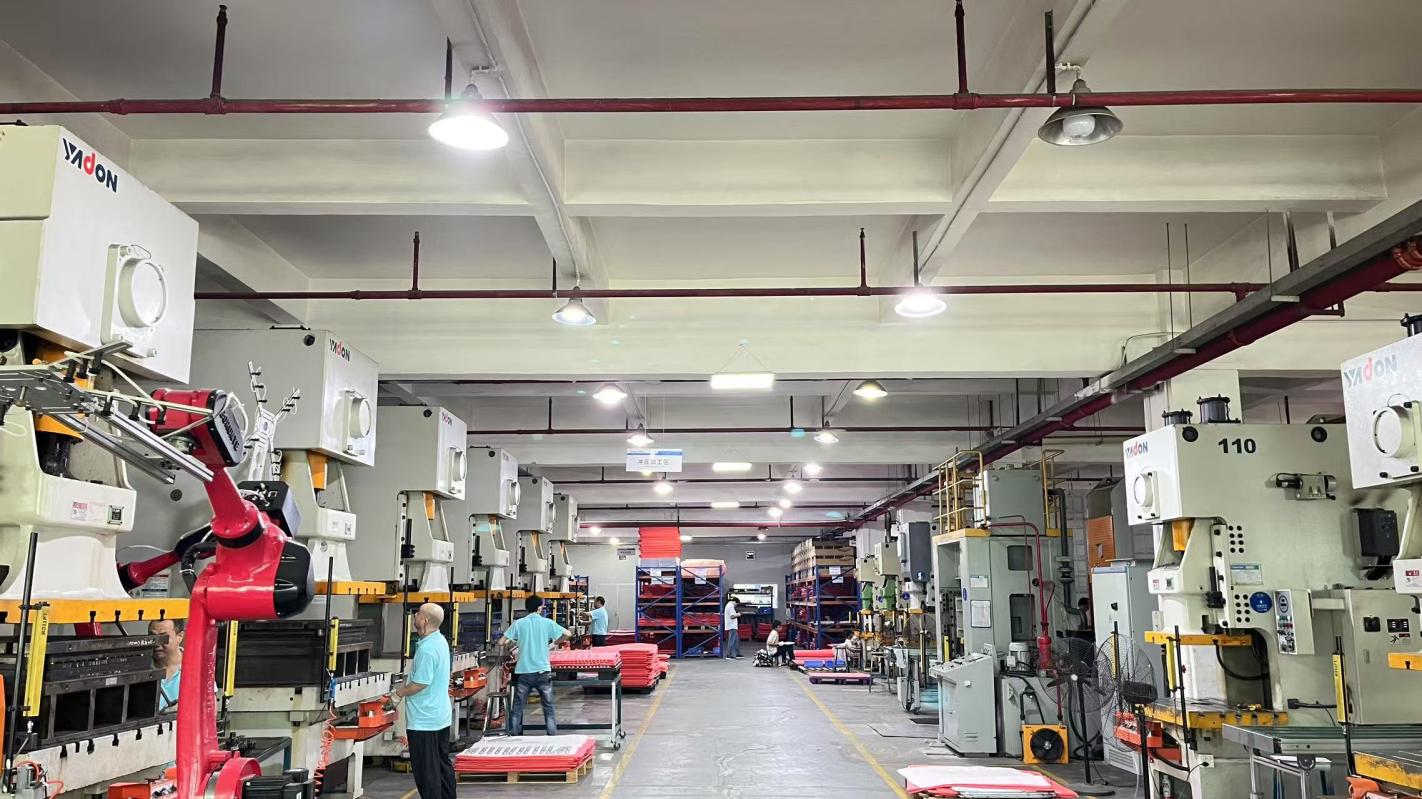
Established in 2017, Xeviora has evolved into a leading OEM and ODM partner for system integrators globally, exporting over USD 18 million annually. While our specialized cleanroom facility and precision integration lab span 368 square meters for extreme-reliability testing and prototyping, we work in tandem with a network of over 850 verified supply chain partners. This allow us to scale production rapidly from small prototype runs to tens of thousands of units of multi-layer boards and high-speed memory systems.
Innovation is embedded in our processes. Backed by an experienced R&D team of 128 engineers, we invest heavily in new high-frequency technologies and signal reliability validation. Last year alone, we launched 86 new high-speed memory products and high-density PCB layouts, ensuring our clients stay ahead of computational bottlenecks.
To guarantee long-term stability in industrial conditions (such as Belgium's automated chemical processing plants or ports), we procure premium raw laminates from world-renowned brands:
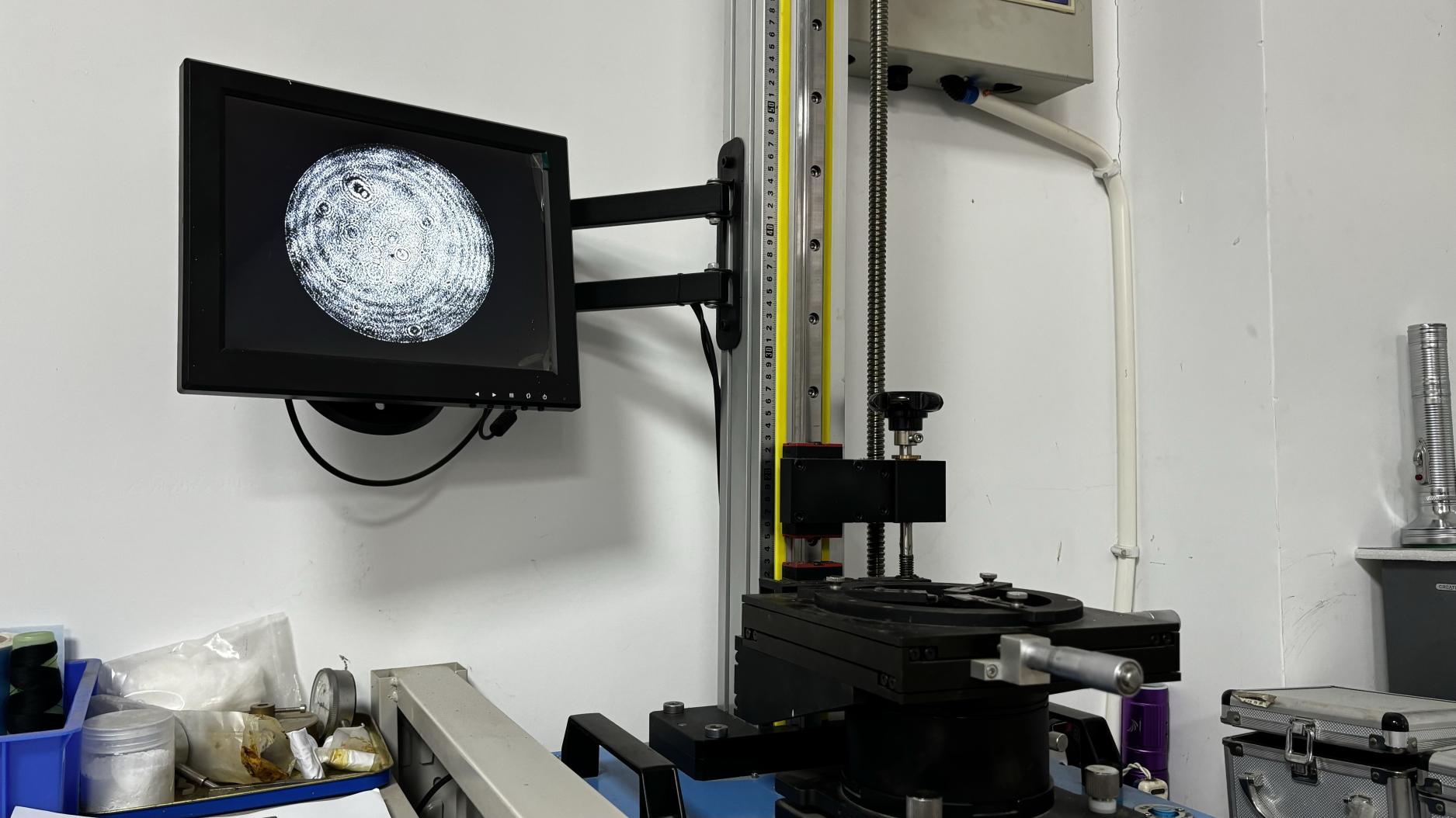
We believe reliability is forged in testing. Every batch of circuit boards and memory modules undergoes a multi-stage validation framework before being exported to Brussels or Antwerp:



Navigating EU directives, environmental laws, and customs protocols seamlessly.
Importing industrial electronics and PCBs into Belgium requires strict adherence to European Union directives. Failing to meet these compliance guidelines can lead to port-of-entry delays or legal issues. At Xeviora, we handle all compliance steps to ensure smooth customs clearance in Antwerp, Brussels, or Liège:
Shipping custom multi-layer circuit boards from China to Belgium is optimized through two main logistical pathways:
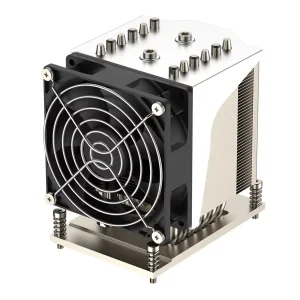
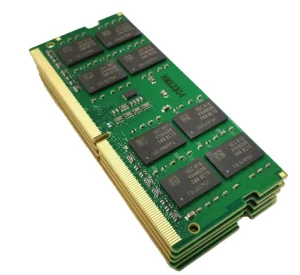
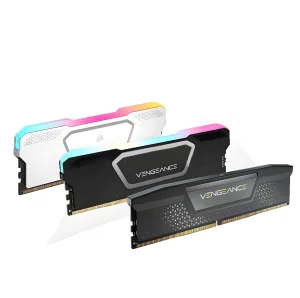
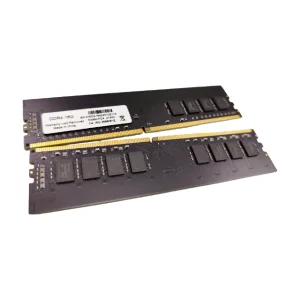
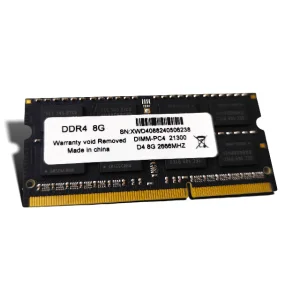
Industrial-grade DDR5, ECC DDR4 module kits, and performance heat sinks engineered for data centers and embedded systems across Belgium.
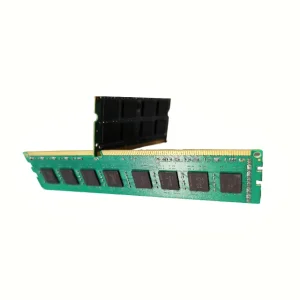
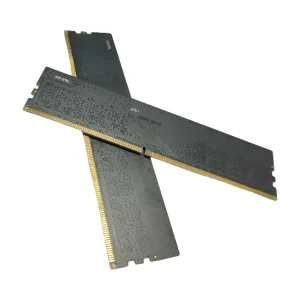
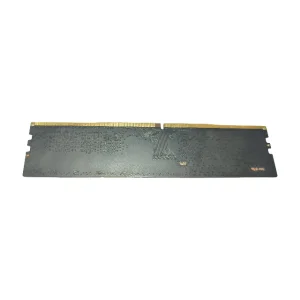
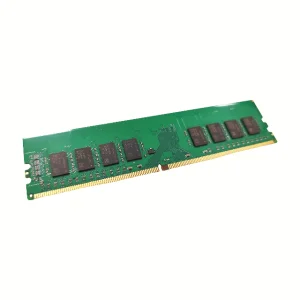
Real-world industrial installations driving the need for zero-defect electronic components.
Modern terminal operations run on real-time sensory feedback loops. Our multi-layer PCBs, featuring robust controlled impedance and specialized thermal backings, are installed inside gateway transceivers, RFID readers, and drone navigation computers. These boards must perform flawlessly through high relative humidity, coastal salt mist, and severe vibration from container cranes.
Surgical imaging systems and clinical analyzers depend on extremely clean signal pathways to avoid diagnostic errors. Using advanced HDI layout practices, blind microvias, and low-noise ground plane configurations, we provide the clean signaling and low EMI required for high-sensitivity healthcare equipment.
With major assembly plants scaling their EV lines, battery management systems (BMS) require thick-copper, multi-layer PCBs. These specialized boards distribute power and monitor cell charges. They use high-Tg FR-4 bases to handle localized heat spikes and prevent thermal runaway.
Design Tip for Sourcing Teams: When placing high-density components on multi-layer PCBs, consider structural impedance matching early. Our engineering support includes free DFM analyses to identify layout bottlenecks before we start mass fabrication.
To reduce overall acquisition costs and minimize failure rates, purchasing managers should look closely at these sourcing practices:
Everything you need to know about importing multilayer PCBs and system components into Belgium.
Get in touch with our team today to request a free engineering review, get custom stack-up quotes, or arrange volume pricing for your components.
Send Inquiry Now