Xeviora
Xeviora
Xeviora
Premium server-grade thermal interfaces, performance memory modules, and specialized PCB designs for Spain's industrial IoT networks.
Barcelona has evolved into one of Europe's premier industrial and technological hubs. Driven by the *Pacte Nacional per a la Indústria*, the region hosts highly advanced manufacturing plants, research facilities in the 22@ Barcelona district, automotive assembly networks in Martorell, and high-frequency communication infrastructures. These modern sectors have a common challenge: managing massive thermal footprints inside closed enclosures.
High-TG (Glass Transition Temperature) printed circuit boards are critical in this landscape. As systems run faster and hotter, standard FR-4 substrates (with a Tg of 130°C to 140°C) lose their mechanical stiffness and experience rapid dimensional expansion. This leads to circuit delamination, copper trace breakage, and electrical failure. Our High-TG PCBs (Tg ≥ 170°C and 180°C) maintain physical integrity, minimal Z-axis expansion, and robust interconnect strength under continuous thermal cycling.
Glass Transition Temperature (Tg) is the threshold where a polymer matrix turns from a rigid, glassy state into a flexible, rubbery state. Maintaining operating temperatures safely below this limit prevents multi-layer delamination in high-frequency circuits.
Our boards withstand rigorous thermal shock testing (288°C solder float testing for > 100 seconds) without any degradation, ensuring reliable performance in demanding automotive and aerospace environments.
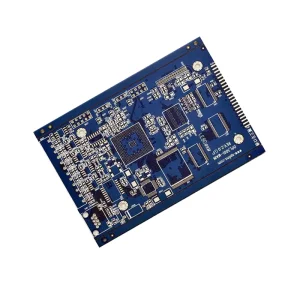
Integrated solutions combining multilayer PCB manufacturing, high-density SMT mounting, and memory modules optimized for industrial computing.
A closer look at the key physical parameters required by hardware architects designing high-temperature electronics.
Selecting the right laminate involves analyzing thermal, electrical, and physical properties. For high-density layouts, standard FR-4 is insufficient. Let's compare standard substrates with high-TG laminates used in our production lines:
| Property Indicator | Standard FR-4 | High-TG FR-4 (Mid-Range) | Premium High-TG (Shengyi S1000-2) | Ultra-High Thermal (Isola 370HR) |
|---|---|---|---|---|
| Glass Transition Temp (Tg) | 130°C - 140°C | 150°C - 160°C | 170°C - 180°C | 180°C |
| Decomposition Temp (Td) | 310°C | 325°C | 345°C | 340°C |
| Z-Axis Expansion (Before Tg) | 60 ppm/°C | 50 ppm/°C | 45 ppm/°C | 45 ppm/°C |
| Z-Axis Expansion (After Tg) | 300 ppm/°C | 250 ppm/°C | 220 ppm/°C | 220 ppm/°C |
| Thermal Conductivity | 0.25 W/m-K | 0.35 W/m-K | 0.45 W/m-K | 0.40 W/m-K |
| Relative Permittivity (Dk @ 1GHz) | 4.7 | 4.5 | 4.3 | 4.17 |
A primary failure mode in modern PCBs is the shear stress placed on copper plating inside microvias. As the temperature rises above the Tg threshold, the epoxy resin expands rapidly along the Z-axis (up to 6 times faster than below Tg). Copper has a much lower coefficient of thermal expansion (~17 ppm/°C). This difference creates physical stress, leading to barrel cracking and intermittent open circuits. Utilizing a Premium High-TG substrate reduces the total Z-axis expansion by more than 30% over the operating temperature range, protecting multi-layered, small-diameter vias.
Shipments are dispatched directly from our ISO-certified facilities to Barcelona-El Prat Airport (BCN) or the Port of Barcelona, with complete customs documents to simplify Spanish import duties.
Every batch of PCBs and PCBA assemblies complies with CE marking, RoHS directives, REACH regulations, and the WEEE directive, making them ready for European commercial distribution.
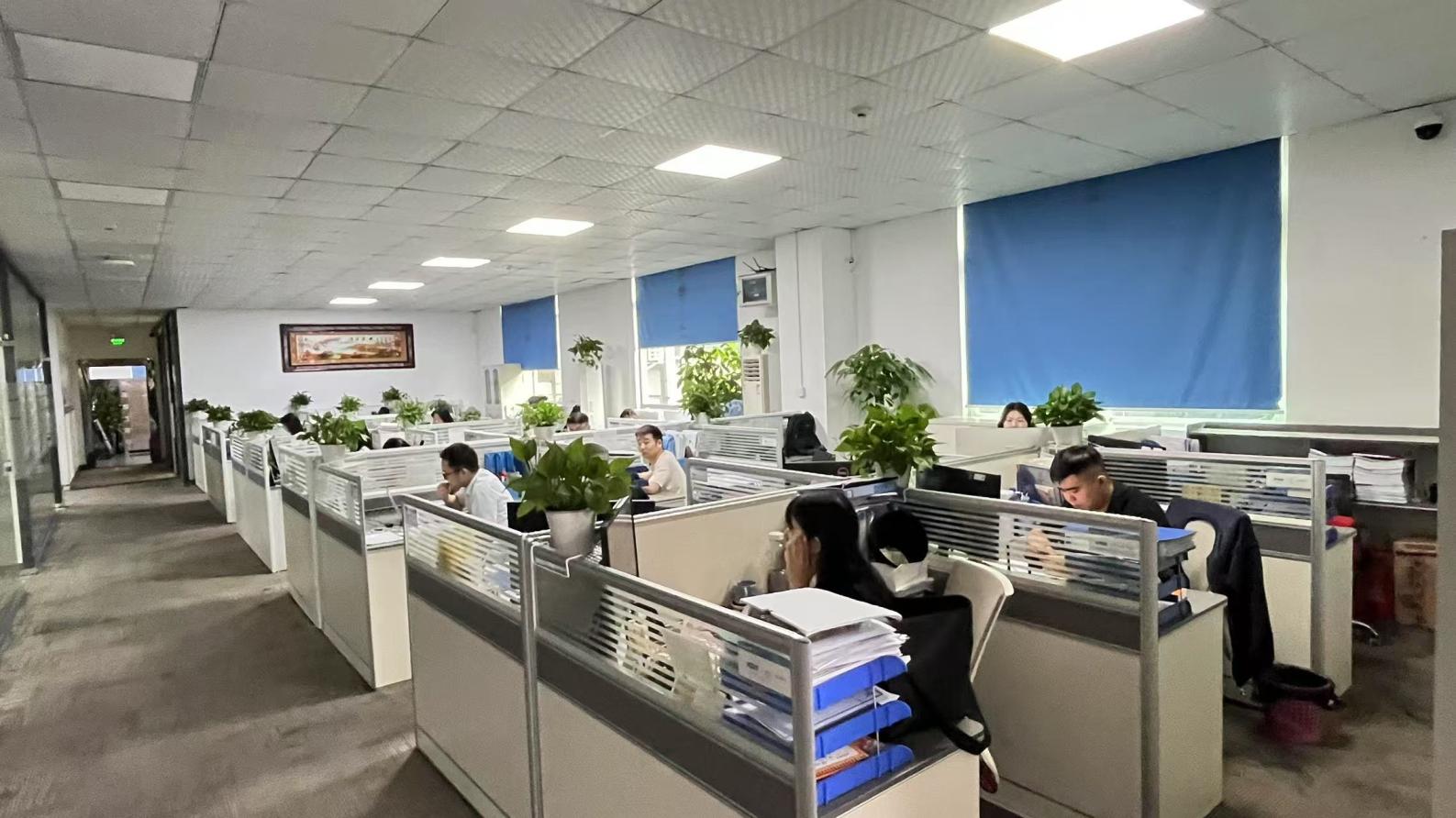
Our team of 128 R&D engineers assists with PCB stack-up design, impedance control verification, copper weight calibration, and thermal simulation for complex multi-layer boards.
Years of Industrial Design Experience
R&D Engineering Specialists
Dedicated QA Inspectors
Global Supply Chain Partners
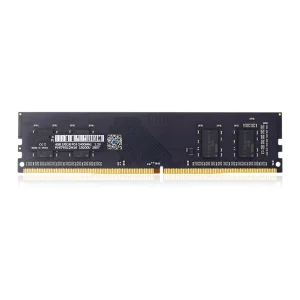
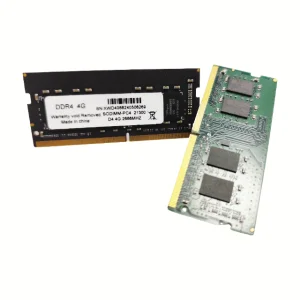
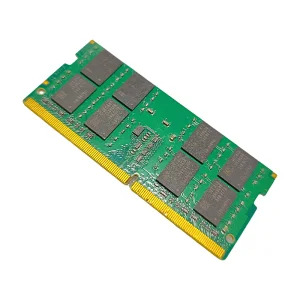
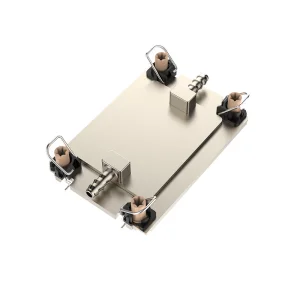
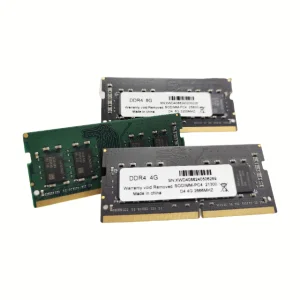
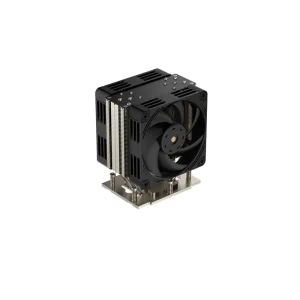
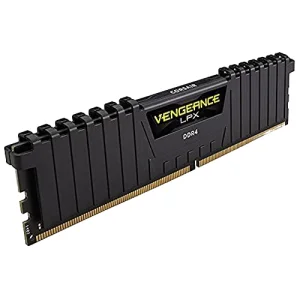
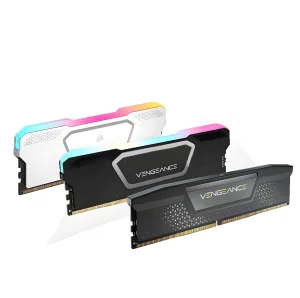
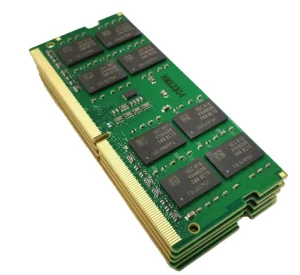
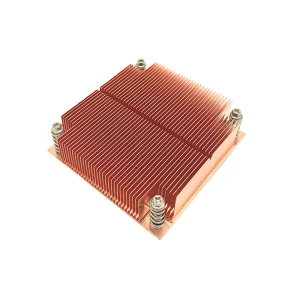
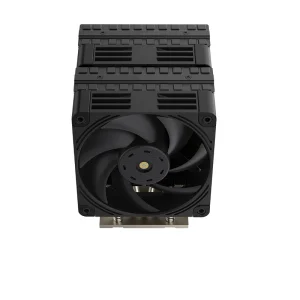
Enterprise memory kits, prototype High-TG circuits, and dual ball-bearing active cooling blocks designed for reliability.
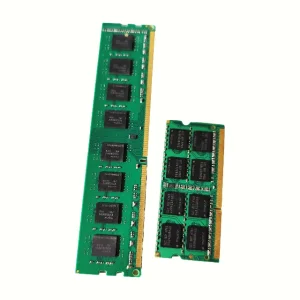
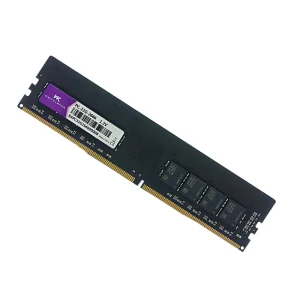
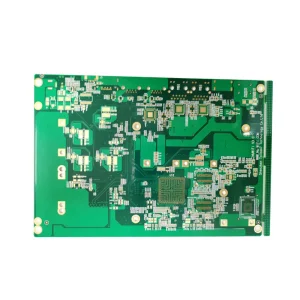
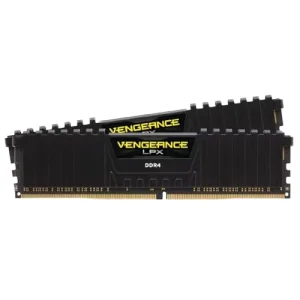
Xeviora Memory Technology (China) Co., Ltd. is a professional DDR5 memory manufacturer and supplier based in China, specializing in high-performance RAM solutions for gaming, industrial, enterprise, and consumer applications. Established in 2017, the company has rapidly grown into a trusted OEM and ODM partner for global distributors, system integrators, and technology brands.
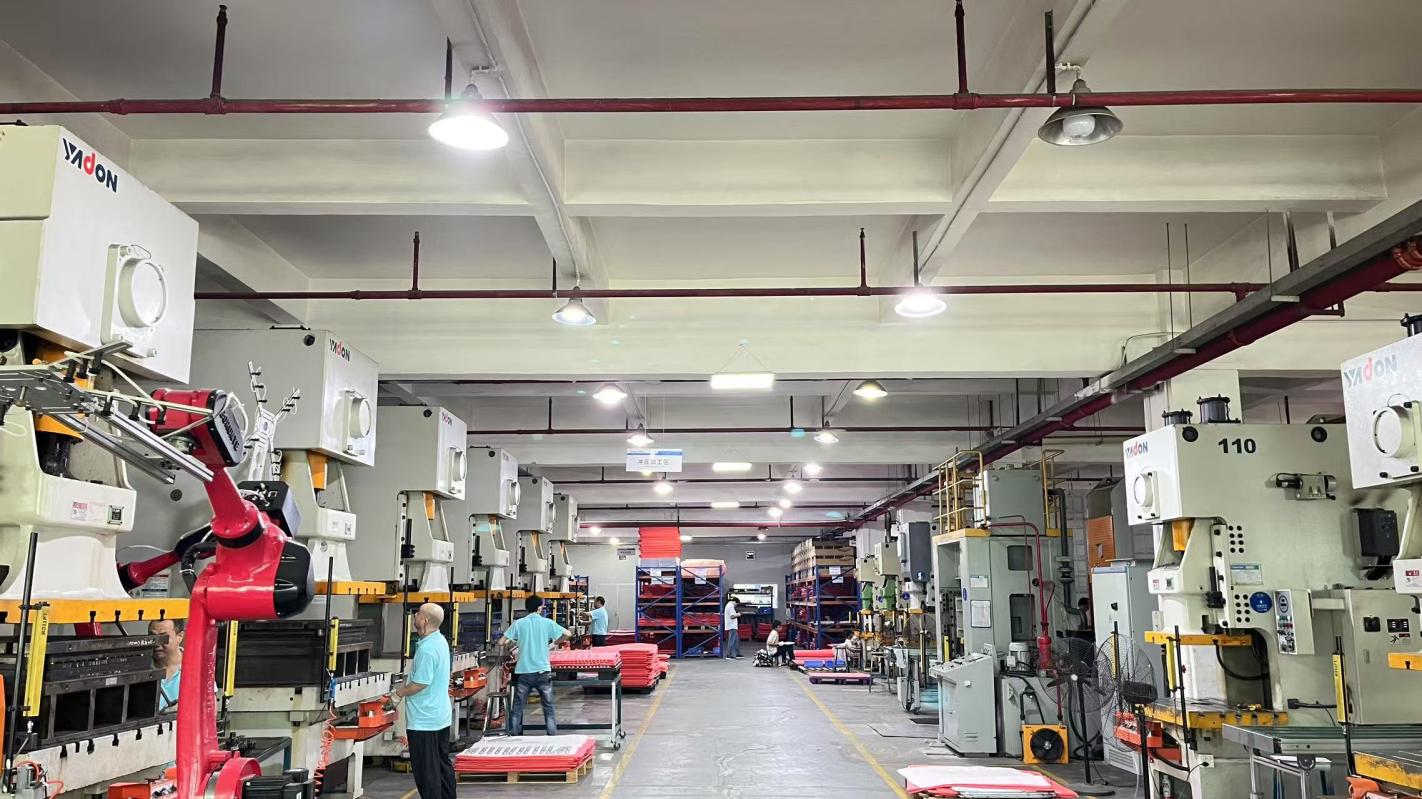
Our manufacturing facility covers 368 square meters and is equipped with advanced production and testing equipment to ensure stable quality and reliable performance. With an annual export revenue of over USD 18 million, Xeviora serves customers across North America, Europe, Southeast Asia, the Middle East, and South America.
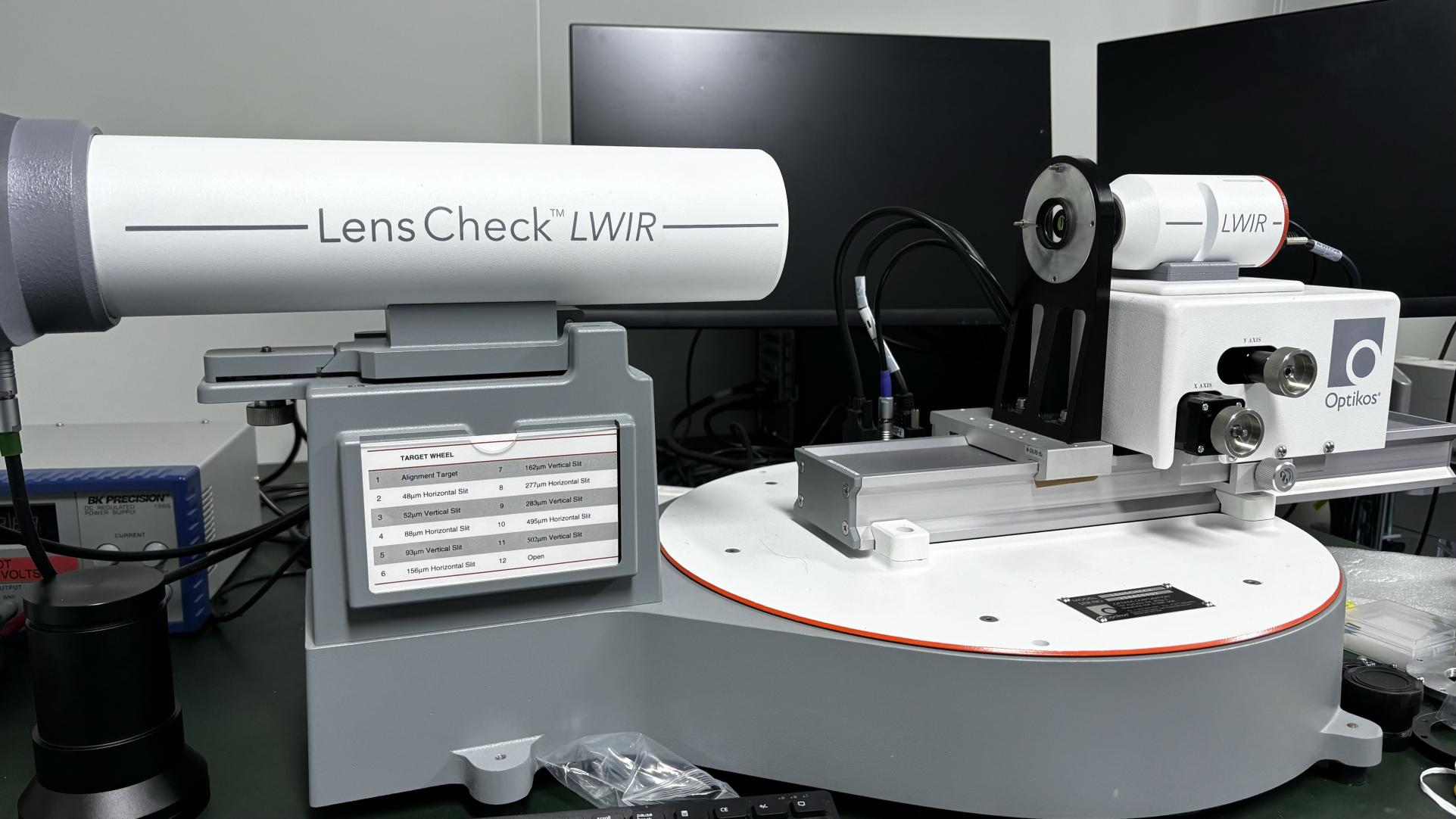
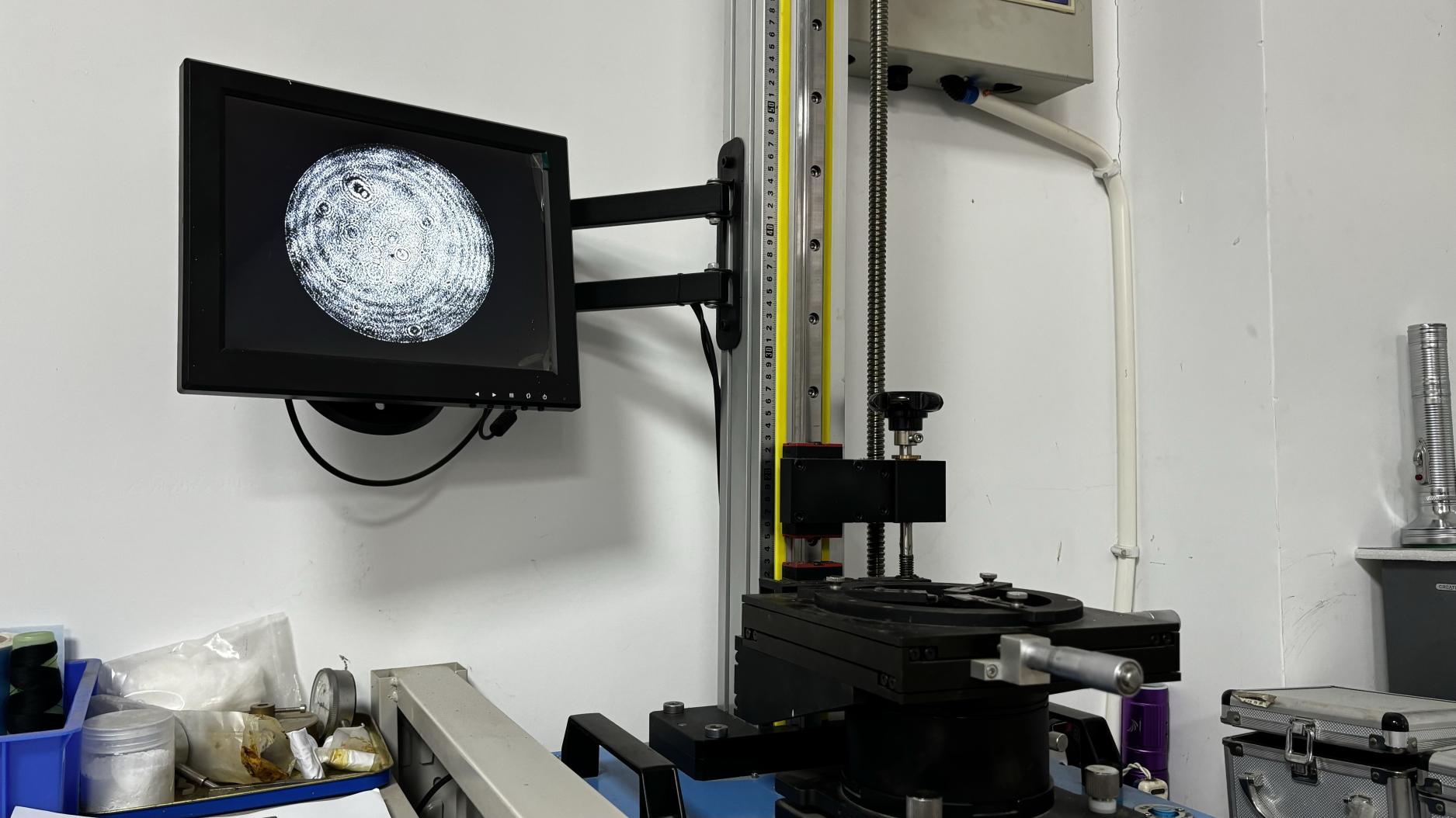
Backed by 8 years of export experience and 12 years of industry expertise, we are committed to delivering innovative memory products that meet international quality standards. Our quality management system includes comprehensive incoming material inspection, in-process quality control, and final product testing. All products undergo automated functional testing, compatibility verification, performance validation, and aging tests before shipment. Our quality assurance team consists of 46 dedicated inspectors who ensure every module meets strict reliability requirements.
As a manufacturer with strong OEM and ODM capabilities, Xeviora works closely with more than 850 supply chain partners worldwide, enabling efficient sourcing, flexible production, and fast delivery. Our primary customers include wholesalers, distributors, e-commerce sellers, system builders, brand owners, and enterprise solution providers.
Innovation is at the core of our business. Supported by an experienced R&D team of 128 engineers, we continuously invest in new technologies and product development. Last year alone, we successfully launched 86 new memory products covering DDR5 gaming memory, industrial-grade memory modules, server memory solutions, and customized storage products.
We offer flexible customization services, including private labeling, logo printing, packaging design, specification customization, firmware optimization, and complete OEM/ODM development. Whether customers require standard memory modules or fully customized solutions, our team is dedicated to providing reliable products, competitive pricing, and professional technical support.
At Xeviora, our mission is to empower global customers with advanced memory technology, dependable manufacturing, and long-term business partnerships built on quality, innovation, and trust.
Every production run features barcode serialization, providing full material trace records for high-reliability medical and automotive systems in the EU.
As memory clocks surpass 5200MHz, substrate loss tangents (Df) must stay below 0.005. We synchronize our high-TG laminates with memory design requirements to ensure clean high-frequency performance.

Answering common technical questions on stack-up, material selection, and logistics for Barcelona engineering projects.
You should upgrade when your system's continuous operating temperature exceeds 130°C, or when the circuit undergoes rapid thermal cycling (such as in automotive under-the-hood modules or industrial power converters). High-TG substrates are also critical for dense multi-layer designs (>8 layers) to prevent Z-axis thermal expansion from cracking microvias during lead-free reflow processes.
We combine advanced SMT stencil designs with vacuum reflow ovens to minimize voiding in solder joints. Every production run is audited using Automated X-ray Inspection (AXI) to check for solder bridging, voids, and alignment. We also use high-ductility copper and CAF-resistant substrates to prevent internal micro-cracking.
Yes. Our team of 128 R&D engineers designs custom stack-ups that alternate high-TG, low-loss materials (like Shengyi S1000-2M or Megtron 6) with standard FR-4 layers. This approach delivers the required signal integrity for DDR5 and RF designs while keeping cost profiles manageable.
For urgent prototypes, air express takes 3 to 5 working days from our facilities to Barcelona-El Prat (BCN). Volume production orders are shipped via sea freight to the Port of Barcelona, taking approximately 22 to 28 days. We provide comprehensive commercial invoices, HS code classifications (typically 853400 for bare PCBs), and certificates of conformity to help make the customs clearance process smooth.
Send us your Gerber files, stack-up requirements, or custom PCB assembly specifications. Our engineering team will review your design and provide a detailed analysis and quote within 24 hours.
Send Inquiry Now