 Xeviora
Xeviora
Xeviora
Pioneering RF substrates and structural cooling assemblies deployed in Tokyo, Osaka, and Nagoya research corridors.
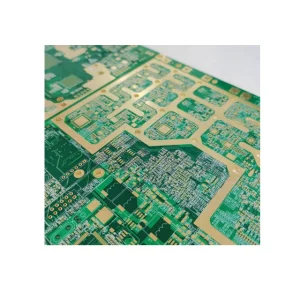
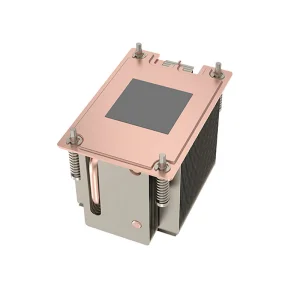
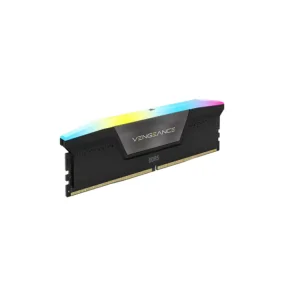
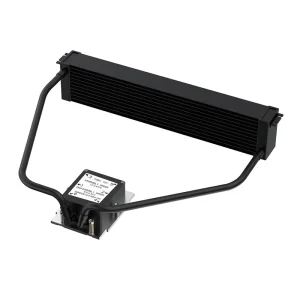
Japan has long stood at the peak of global semiconductor development, robotics, and high-reliability automotive systems. As the industry advances from standard gigahertz frequencies to millimeter-wave (mmWave) ranges, the demand for High Frequency PCBs has surged in key industrial hubs including Tokyo, Kanagawa, Nagoya, and Osaka. These regional micro-clusters host top-tier automotive tier-1 suppliers, mobile telecommunication research centers, and aerospace laboratories that demand absolute signal integrity and low insertion loss.
High Frequency printed circuit boards are characterized by specific material properties: a very low and stable dielectric constant (Dk) and dissipation factor (Df). In Japan, applications such as advanced driver-assistance systems (ADAS) operating at 77GHz to 79GHz, high-speed optical transceivers, and IoT infrastructure require specialized substrates. The domestic production landscape in Japan focuses heavily on boutique, ultra-high-end prototyping. However, Japanese procurement divisions face capacity constraints and rising local production costs, creating a critical reliance on high-tech exporters that can bridge the gap between custom prototypes and volume production while meeting Japan's stringent quality standards.
How our product lines integrate into Japan's high-tech industrial ecosystems.
As we advance toward Sub-THz and 6G technologies, material parameters must evolve to mitigate signal loss.
Wide-scale production of PTFE/FR4 hybrid layups. Development of high-density interconnect (HDI) structures with microvias down to 0.075 mm for ADAS radar nodes.
Mitigating the skin effect at 100GHz+. Transition to Hyper-Very-Low-Profile (HVLP) copper foils with surface roughness (Rz) under 1.0 micrometer to reduce signal attenuation.
Industrialization of Liquid Crystal Polymer (LCP) and glass-based core substrates to support frequencies up to 300GHz, driving next-generation Japanese communication satellites.
As Japanese engineering teams push the boundaries of high-speed electronics, they face high local manufacturing costs and long queue times for prototype fabs. This is where a strategic partnership with a professional exporter based in China, such as Xeviora Memory Technology (China) Co., Ltd., becomes a critical competitive advantage.
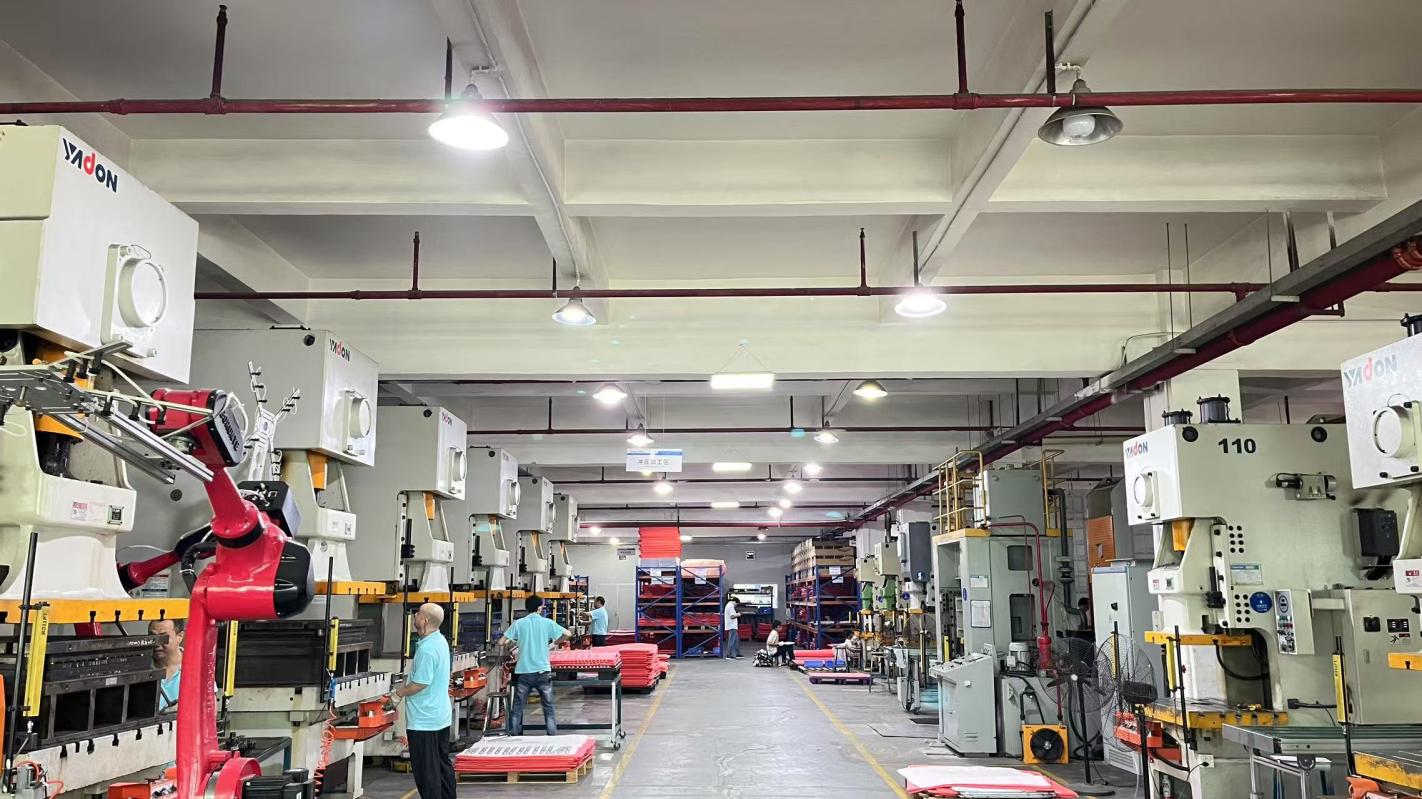
The electronics manufacturing ecosystem in southern China provides unmatched advantages in sourcing exotic substrates, rapid turn-around prototyping, and high-volume scaling. With direct access to global raw material leaders (like Rogers, Shengyi, Taconic, and Nelco), our facilities ensure that procurement managers in Tokyo or Osaka do not face material shortages. Furthermore, our high-precision fabrication equipment allows us to maintain tight impedance tolerances (±10% standard, ±5% on demand), crucial for high-frequency signal propagation.
Exporting high-speed electronics to Japan requires meticulous compliance with local regulatory and quality frameworks. At Xeviora, we ensure our high-frequency PCBs and high-performance server thermal systems conform to all relevant standards, such as VCCI (for electromagnetic interference), RoHS directives, and JIS (Japanese Industrial Standards). For active cooling modules and server memory integration, we assist our partners in meeting PSE and METI requirements, simplifying the customs clearing and safety certification process.
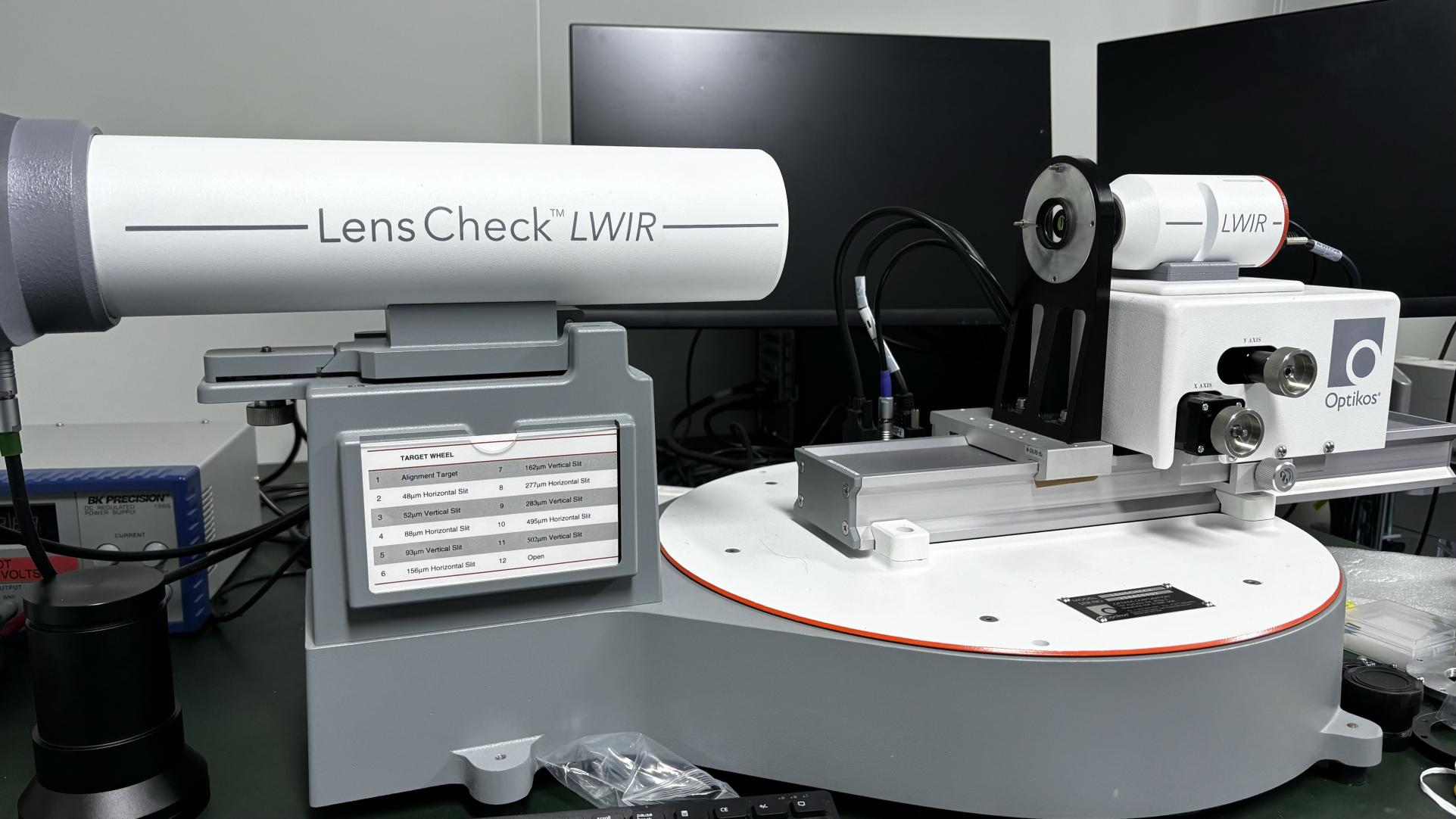
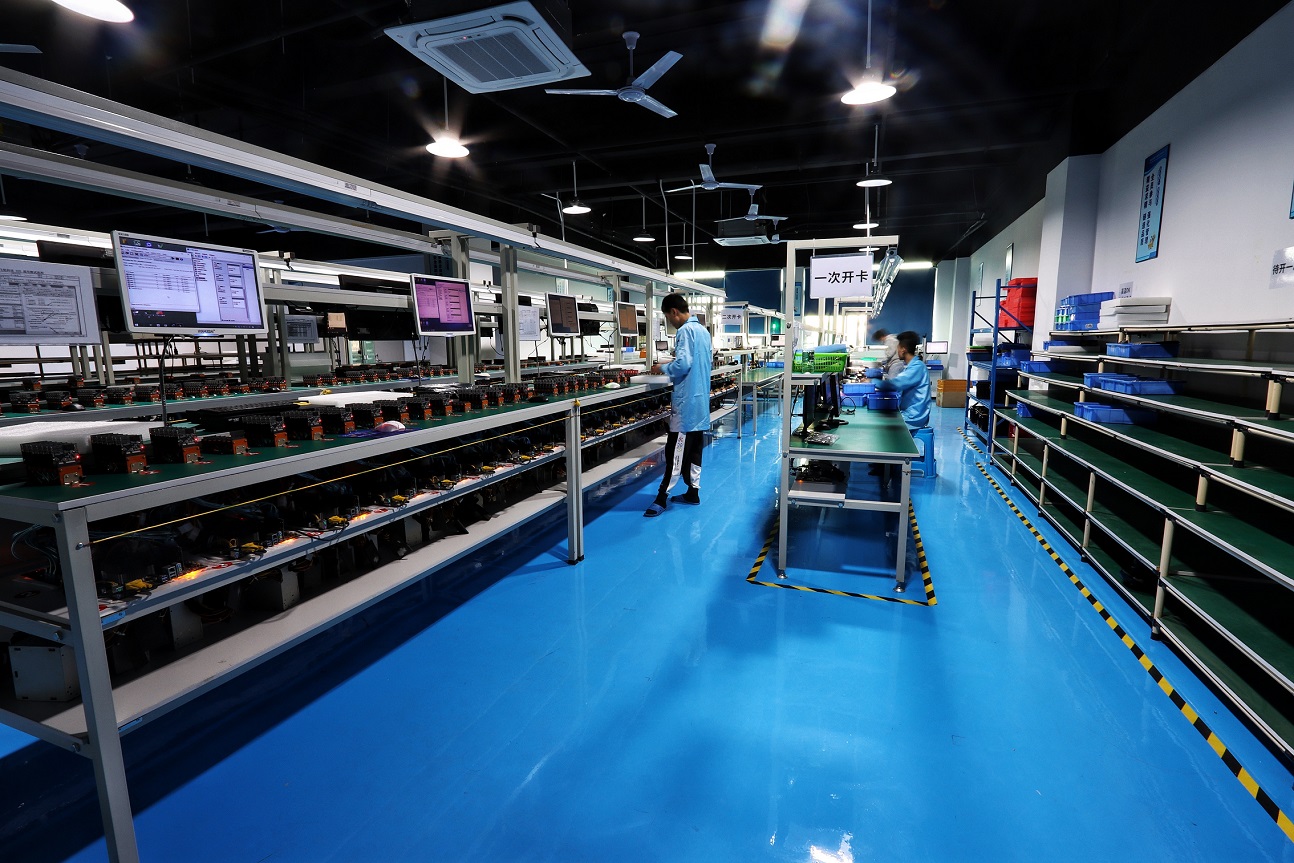
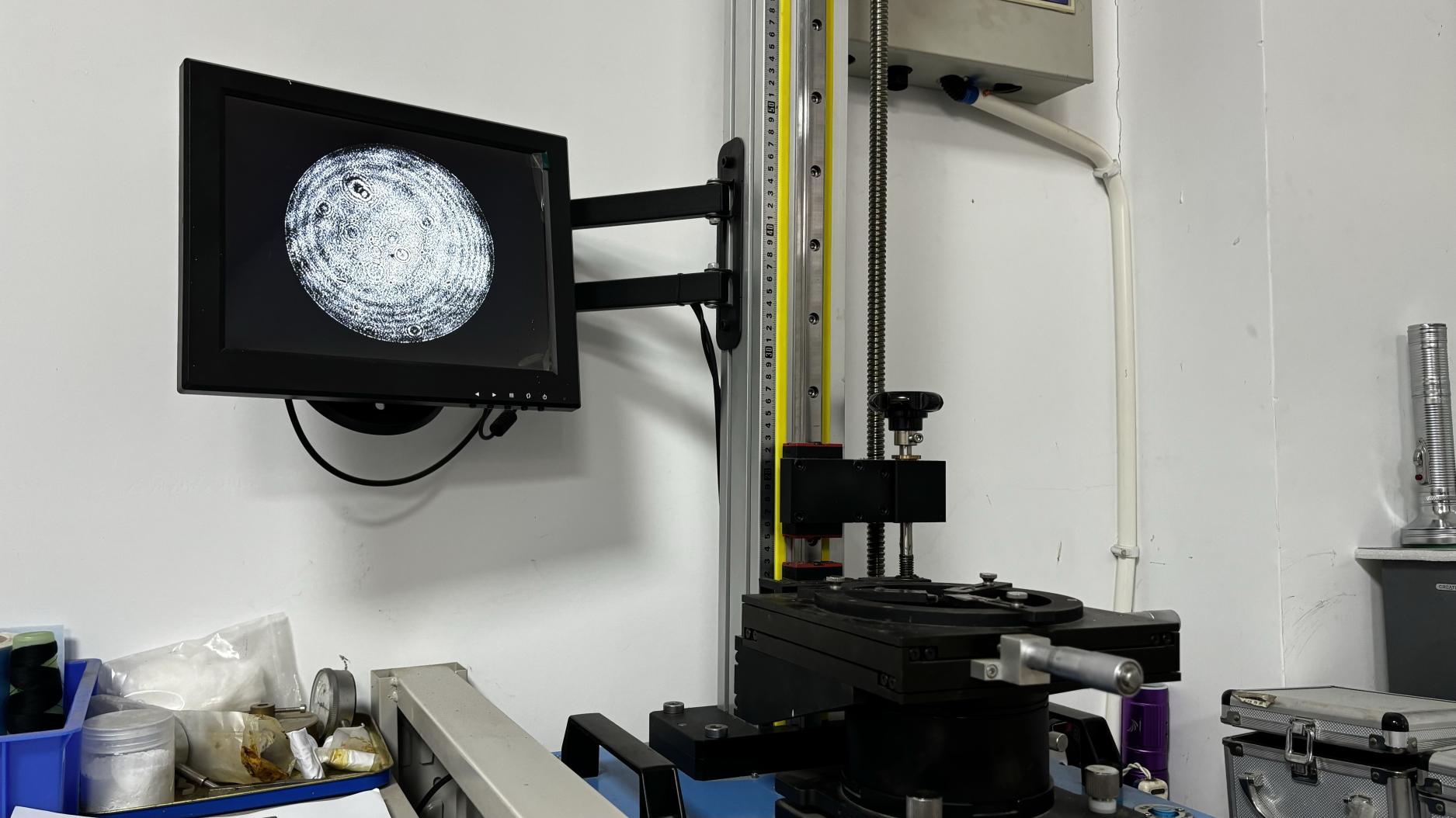
Quality assurance is embedded in every step of our process. All products undergo automated optical inspection (AOI), X-ray testing for multilayer alignment, high-frequency network analysis for dielectric validation, and rigorous thermal cycling. Our quality management system consists of 46 dedicated inspectors ensuring every PCB panel and memory module exhibits long-term reliability in high-stress operating environments.
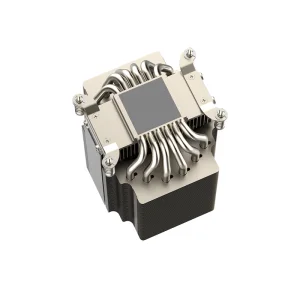
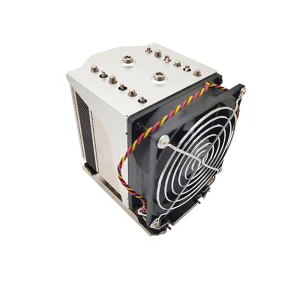
High-speed system memory, active/passive server thermal management, and precision circuit boards built to industrial tolerances.
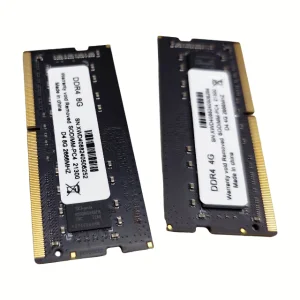
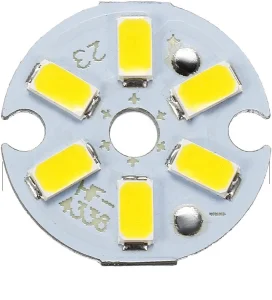
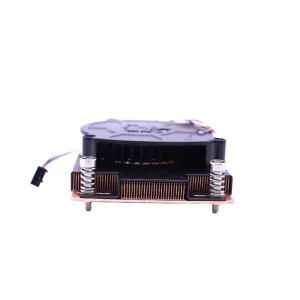
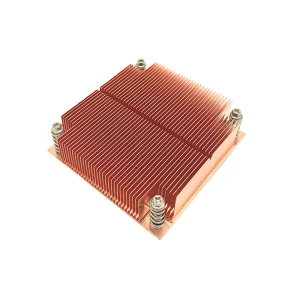
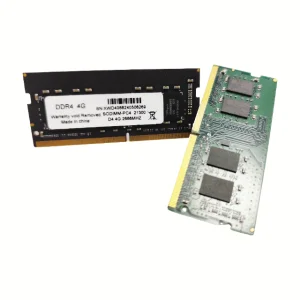
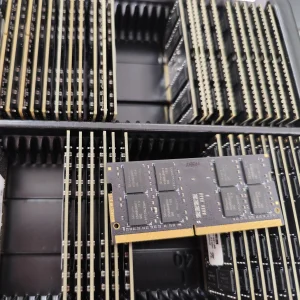
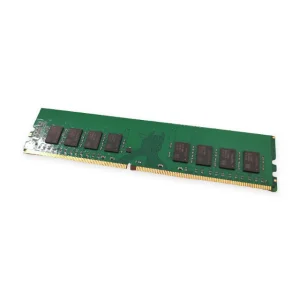
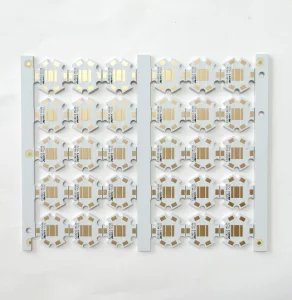
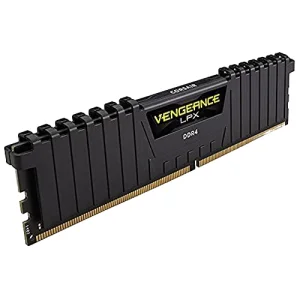
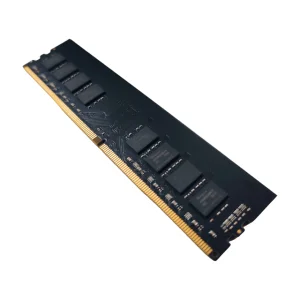
Xeviora Memory Technology (China) Co., Ltd. is a professional DDR5 memory manufacturer and supplier based in China, specializing in high-performance RAM solutions for gaming, industrial, enterprise, and consumer applications. Established in 2017, the company has rapidly grown into a trusted OEM and ODM partner for global distributors, system integrators, and technology brands.
Our manufacturing facility covers 368 square meters and is equipped with advanced production and testing equipment to ensure stable quality and reliable performance. With an annual export revenue of over USD 18 million, Xeviora serves customers across North America, Europe, Southeast Asia, the Middle East, and South America.
Backed by 8 years of export experience and 12 years of industry expertise, we are committed to delivering innovative memory products that meet international quality standards. Our quality management system includes comprehensive incoming material inspection, in-process quality control, and final product testing. All products undergo automated functional testing, compatibility verification, performance validation, and aging tests before shipment. Our quality assurance team consists of 46 dedicated inspectors who ensure every module meets strict reliability requirements.
As a manufacturer with strong OEM and ODM capabilities, Xeviora works closely with more than 850 supply chain partners worldwide, enabling efficient sourcing, flexible production, and fast delivery. Our primary customers include wholesalers, distributors, e-commerce sellers, system builders, brand owners, and enterprise solution providers.
Innovation is at the core of our business. Supported by an experienced R&D team of 128 engineers, we continuously invest in new technologies and product development. Last year alone, we successfully launched 86 new memory products covering DDR5 gaming memory, industrial-grade memory modules, server memory solutions, and customized storage products.
We offer flexible customization services, including private labeling, logo printing, packaging design, specification customization, firmware optimization, and complete OEM/ODM development. Whether customers require standard memory modules or fully customized solutions, our team is dedicated to providing reliable products, competitive pricing, and professional technical support.
At Xeviora, our mission is to empower global customers with advanced memory technology, dependable manufacturing, and long-term business partnerships built on quality, innovation, and trust.
Direct technical responses addressing common procurement and engineering queries from Japanese tech firms.
We utilize a variety of low-Dk/low-Df laminates depending on the application frequency. For microwave and millimeter-wave designs, we use Rogers (e.g., RO4003C, RO4350B, RO3003) and Taconic materials. For cost-sensitive high-frequency applications, we offer hybrid makeups using high-TG Shengyi FR4 combined with Rogers RF cores to optimize cost and layout routing.
We employ advanced micro-strip line calculation methodologies during front-end engineering. Our standard manufacturing maintains a ±10% tolerance on impedance. Upon request from high-reliability automotive or telecommunication clients, we can guarantee tight ±5% tolerances through advanced etching lines, hyper-very-low-profile (HVLP) copper foils, and automated testing coupons verified by Polar instruments.
Our advanced thermal systems, such as our 320W LGA4189-N96 passive/active copper plate systems and integrated SP5 water cooling components, are designed to handle thermal densities exceeding 320W TDP. This ensures high-performance server boards and AI accelerators maintain optimal junction temperatures under continuous computational workloads.
Yes, absolutely. We offer full OEM/ODM customization services. This includes custom packaging boxes, private labeling on high-performance DDR4/DDR5 modules, customized heat-spreader designs, and specific firmware customization to ensure seamless BIOS compatibility with regional industrial PCs and server architectures.
We implement a strict trace-control mechanism. Raw substrates (like Rogers or Shengyi laminates) come with Certificate of Conformance (CoC) documents. Every batch undergoes incoming inspection, barcode trace logging, and final optical/electrical validation by our 46-person quality control team to maintain strict compliance with IPC Class 2 and Class 3 standards.
Connect directly with our engineering division to discuss material stackups, impedance modeling, customized server cooling designs, and high-density memory options.