Xeviora
Xeviora
Xeviora
Custom engineering and high-frequency stability configured for Silicon Valley enterprise workflows, municipal networks, and medical processing hardware.
While consumer applications have shifted to DDR4 and DDR5, the San Francisco Bay Area remains a global hotspot for industrial, municipal, and medical infrastructure reliant on DDR3 RAM. Silicon Valley's technology sector is built upon layers of legacy systems that run critical operations. These systems cannot be easily migrated to modern memory modules without high-cost complete system overhauls.
In San Francisco, legacy servers operate within academic research complexes (such as those at UCSF and Stanford), Municipal Transportation Agencies (MUNI), maritime coordination facilities at the Port of San Francisco, and telecommunications stations throughout Oakland and San Jose. In these environments, DDR3 is crucial. Its lower clock rates and established architecture offer a predictable reliability baseline for machinery designed to operate continuously for decades.
Industrial computing setups require standard configurations. Replacing a motherboard to update to DDR4/DDR5 introduces software compatibility risks and requires system re-validation. DDR3 ensures operations continue without modification.
Many semiconductor giants have transitioned fabrication lines to newer memory technologies. As a result, sourcing high-reliability industrial-grade DDR3 modules is a major challenge for local procurement teams.
Legacy systems deployed in non-climate-controlled marine, utility, or telecom environments depend on the robust thermal tolerance profile of DDR3 modules, which operate reliably at standard 1.5V or 1.35V low-voltage limits.
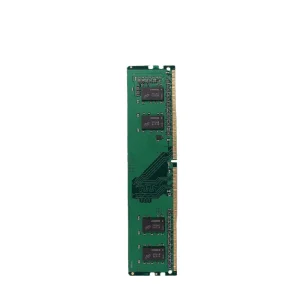
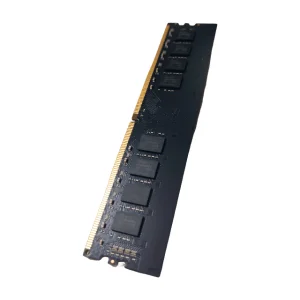
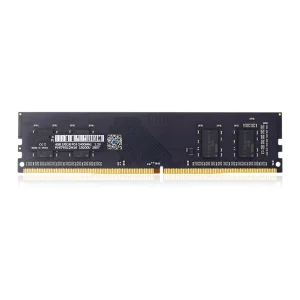
For systems integrators and engineering firms in the Bay Area, securing DDR3 memory requires a manufacturer with global reach and a stable supply chain. The supply of DDR3 is increasingly consolidated, making it difficult to find quality inventory. Buyers face choices between unbranded surplus stocks and high-cost legacy products from major brands. Xeviora Memory Technology provides a third option: direct-from-factory, custom-configured DDR3 built to JEDEC standards, featuring trace-level quality control.
| DRAM Architecture | Voltage Standard | Data Rate Range | Primary Industrial Use Case | Sourcing Availability |
|---|---|---|---|---|
| DDR3 Standard | 1.5 V | 800 MT/s to 1600 MT/s | Embedded controllers, CNC routers, diagnostic machinery | Limited Tier-1 fab capacity; highly reliant on stable ODM partners |
| DDR3L Low Voltage | 1.35 V | 1066 MT/s to 1866 MT/s | Fanless panel PCs, medical imaging displays, edge gateways | High demand in telecom infrastructure; supply is constrained |
| DDR4 Standard | 1.2 V | 2133 MT/s to 3200 MT/s | Enterprise rack servers, standard corporate office PCs | High volume availability; transitioning to mature phase |
| DDR5 Next-Gen | 1.1 V | 4800 MT/s to 6400+ MT/s | AI compute farms, machine learning workstations | Abundant supply, high component cost |
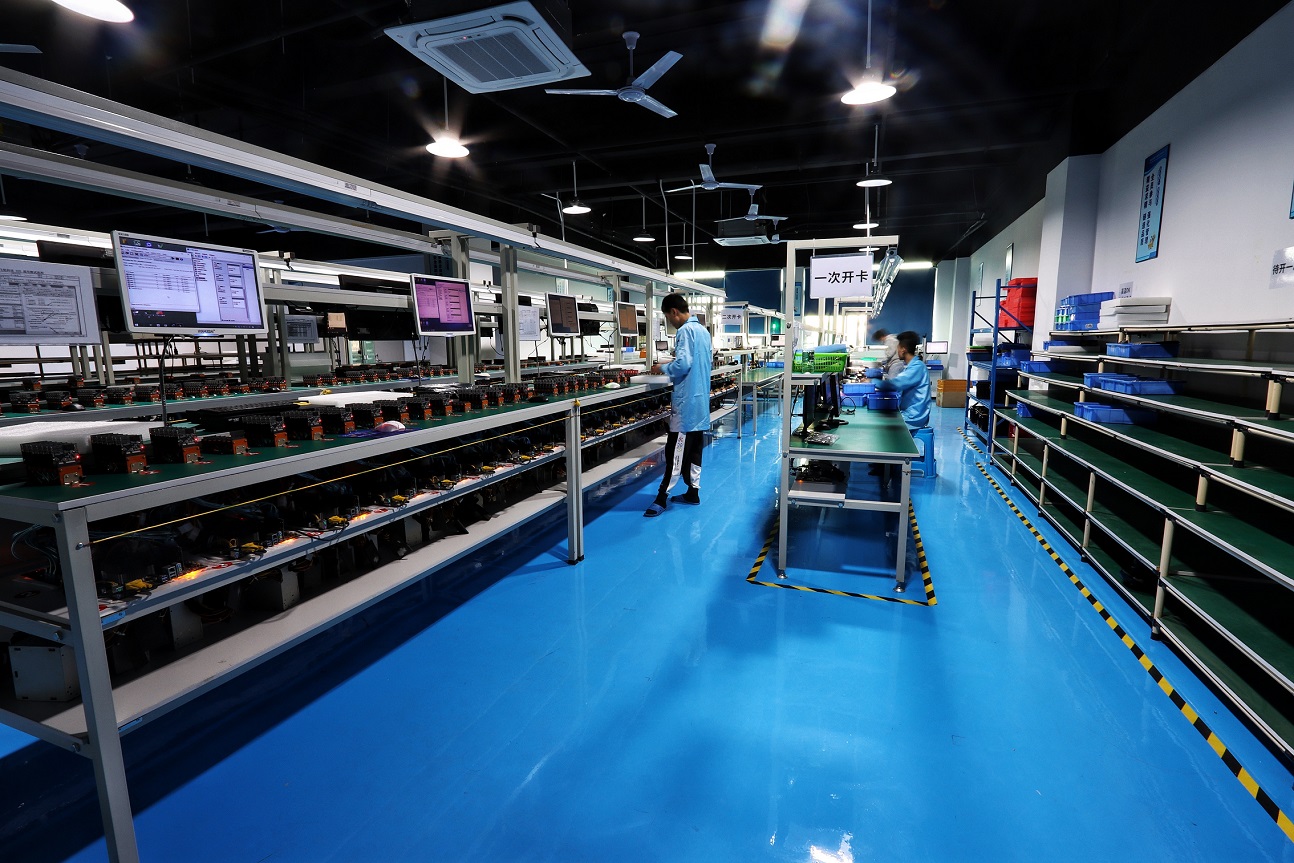
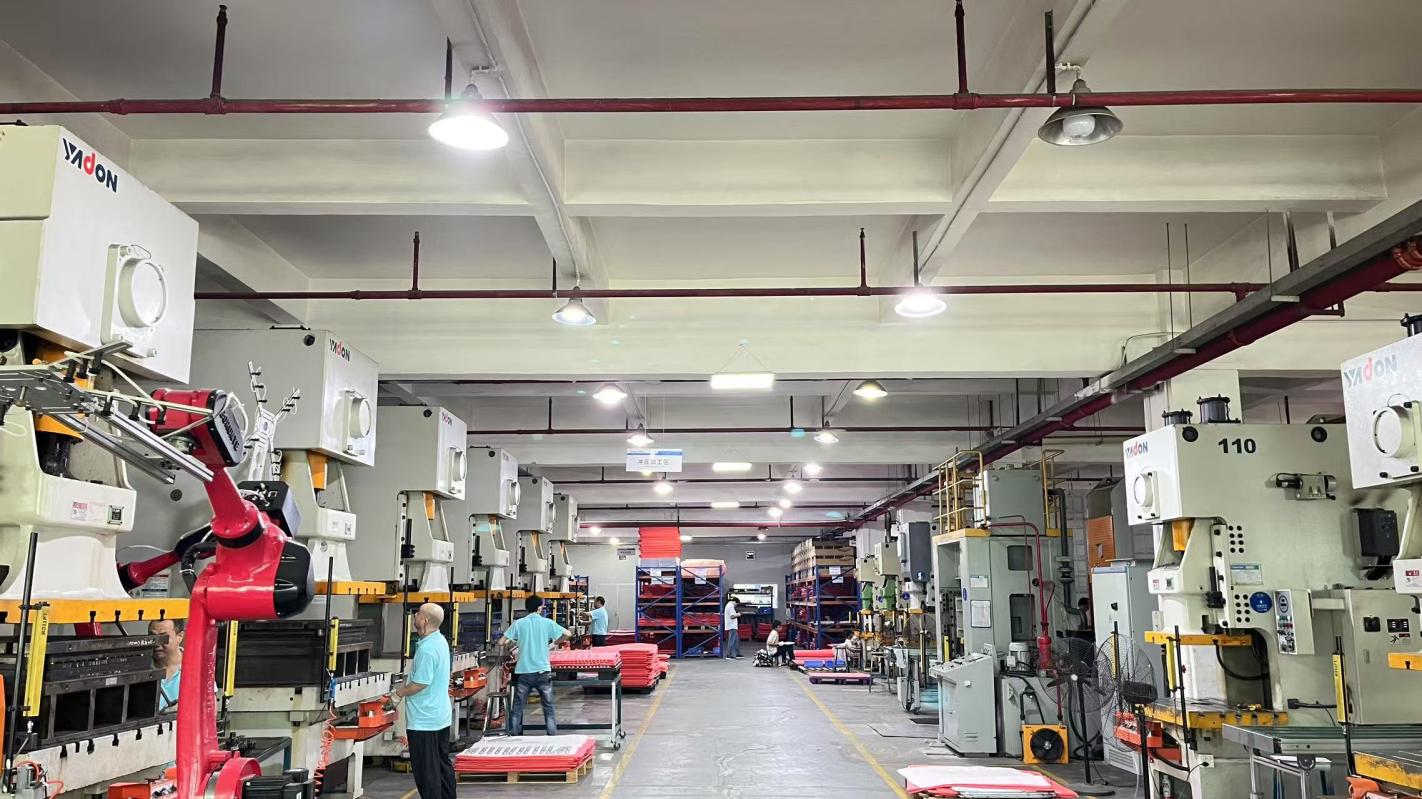
Xeviora Memory Technology (China) Co., Ltd. operates a manufacturing and testing facility designed to meet international standards. Through advanced SMT integration, automation, and component verification, we supply distributors, system builders, and enterprise entities in North America and Europe.
Our facility uses high-speed automated placement machines and solder paste inspection (SPI) systems. This hardware ensures every passband, resistor, and DRAM die is mounted with precision. Because we maintain long-term partnerships with silicon manufacturers, we can source original Samsung, Micron, and SK Hynix DRAM dies. This allows us to offer consistent product configurations and help buyers avoid the component-mixing issues common in generic aftermarket memory modules.
We work with San Francisco systems integrators and service providers to support a range of local applications:
Traffic management interfaces, subway terminal controls, and utility monitoring platforms across the Bay Area rely on embedded DDR3 systems to ensure reliable, continuous operations.
Diagnostic equipment, patient monitoring terminals, and legacy imaging systems at major clinical facilities require certified DDR3 modules to maintain validation status.
Navigational arrays, automated port logistics management, and environmental monitoring equipment at the Port of San Francisco use DDR3 memory for stable performance in coastal areas.
Network distribution hubs and edge routers throughout Northern California rely on DDR3-based networking cards to manage high data packets without transmission lag.
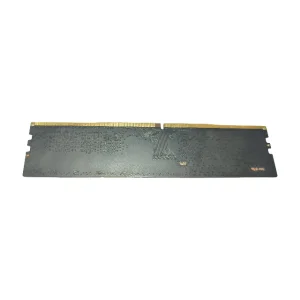
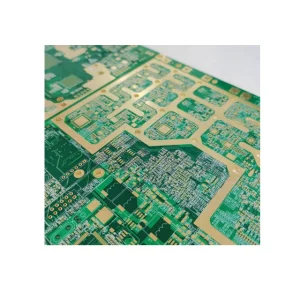
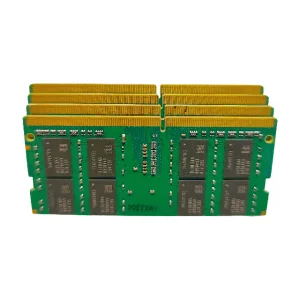
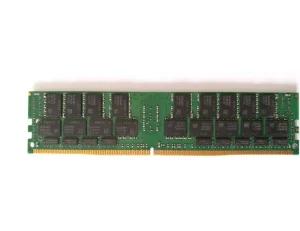
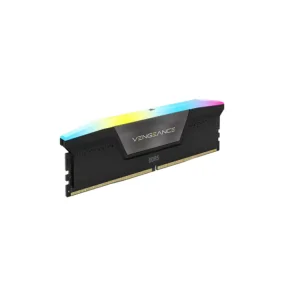
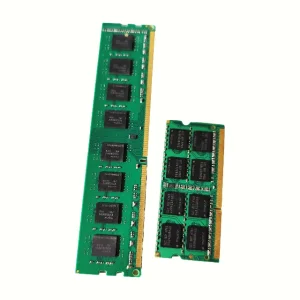
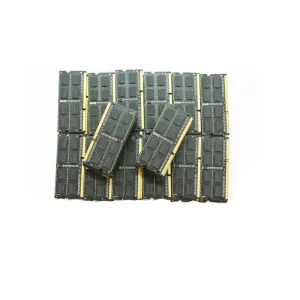
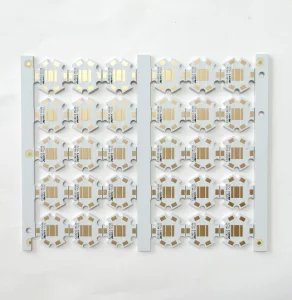
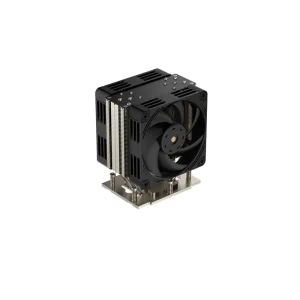
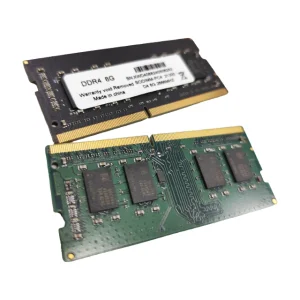
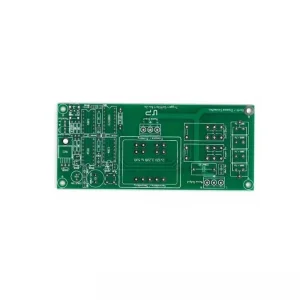
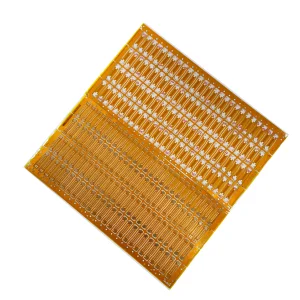
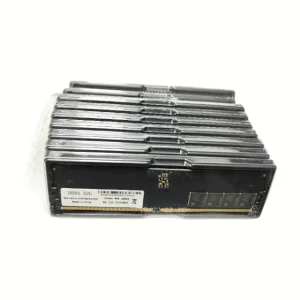
Explore our selection of computer memory products, custom PCB configurations, and cooling assemblies designed for industrial and corporate deployments.
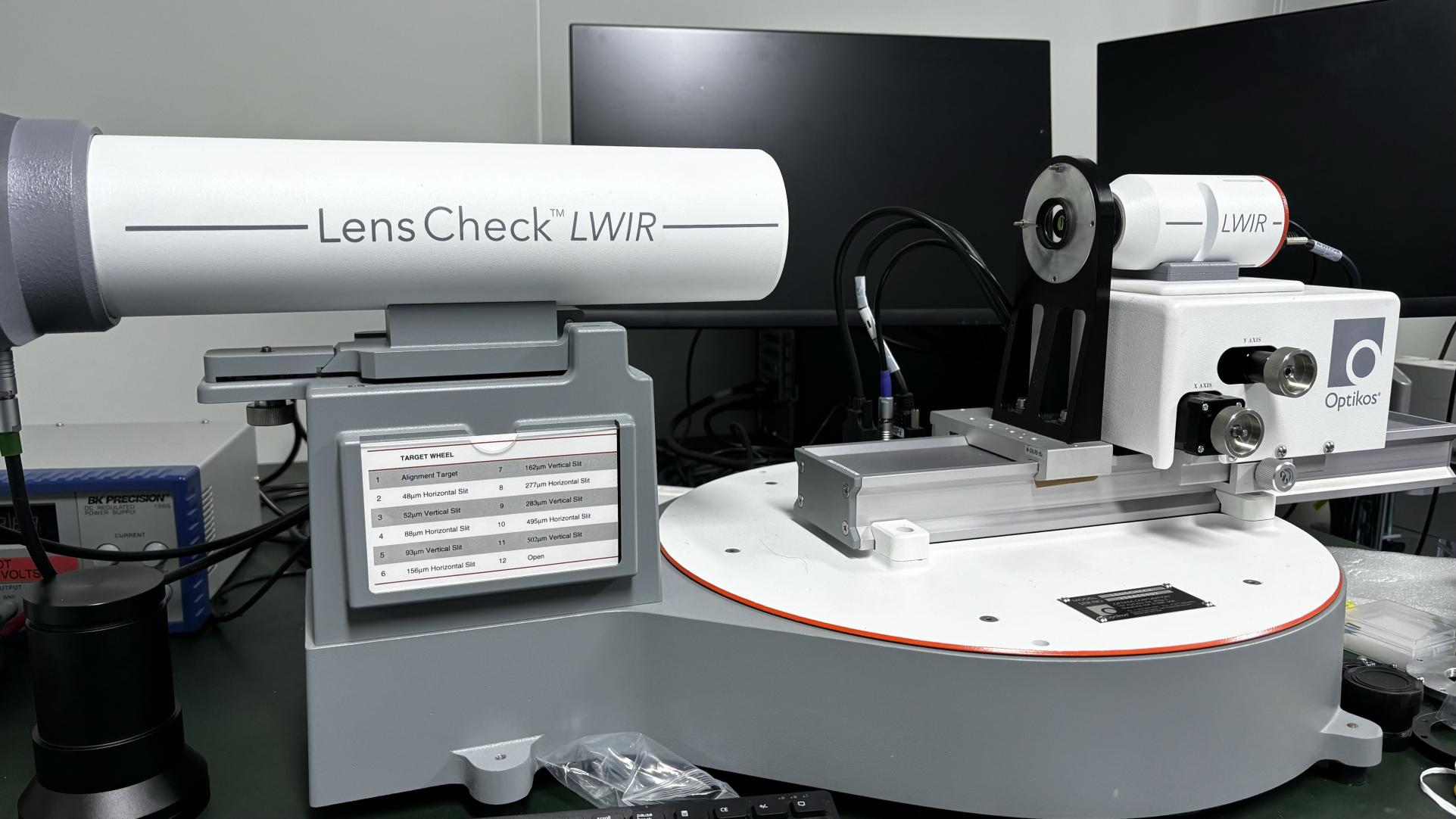
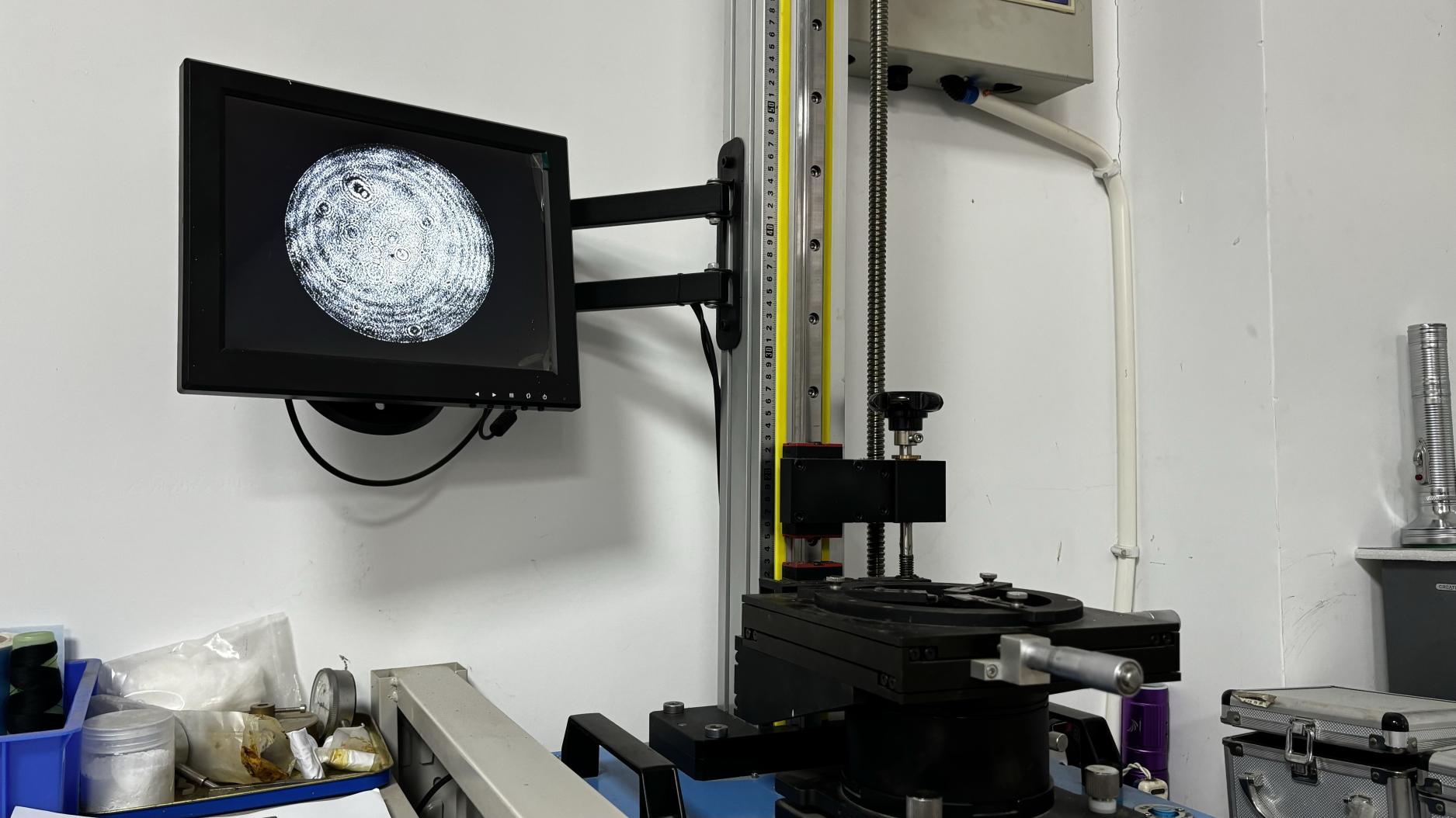
Quality and stability are critical when selecting a memory hardware manufacturer. Xeviora implements multi-stage inspection and validation protocols to ensure the longevity of our memory products. Our quality management system covers incoming component inspection, automated assembly testing, compatibility verification, and final product evaluation.
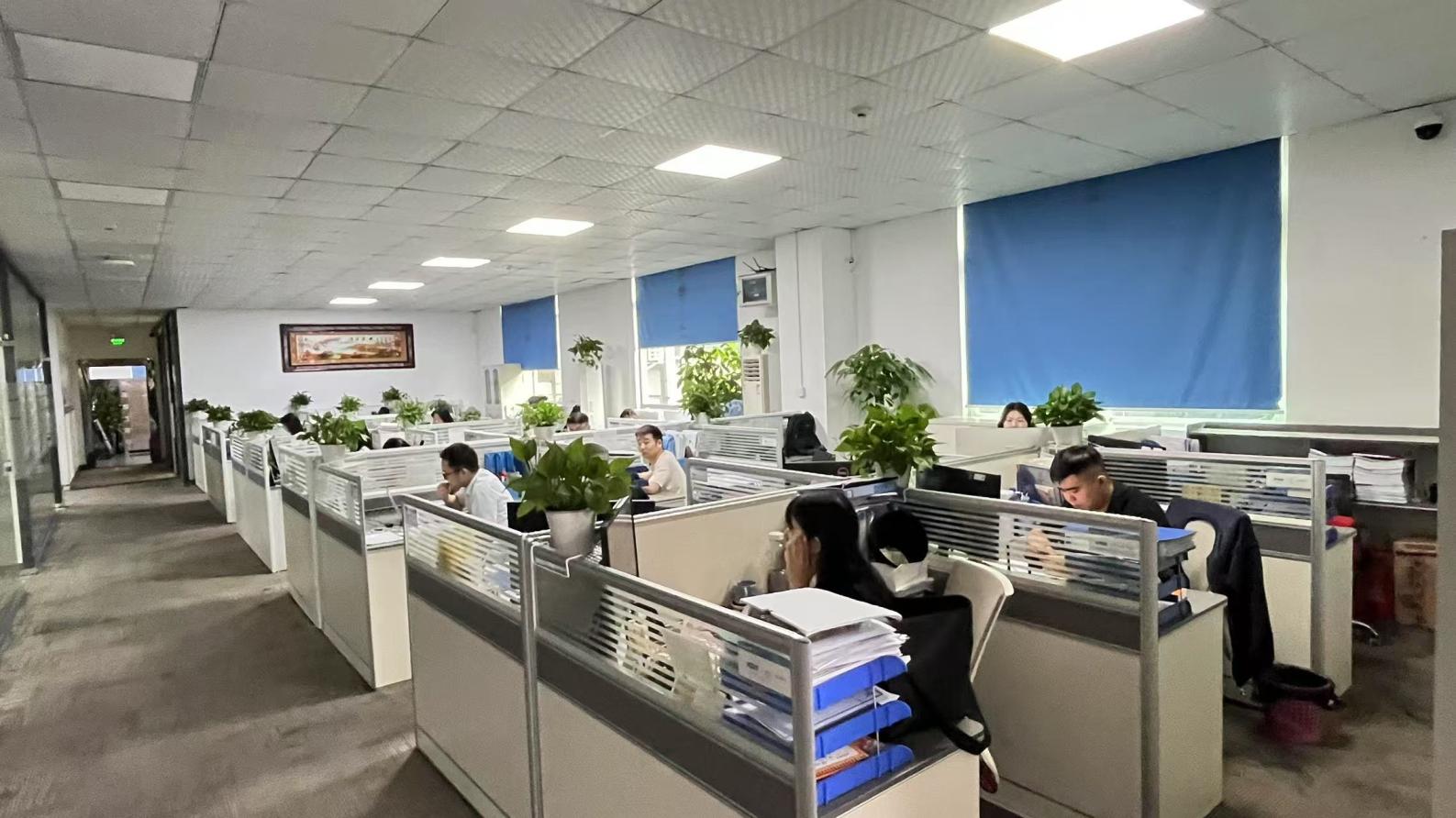
Our facility runs automated functional testing, performance validation under fluctuating temperatures, and burn-in stress tests to prevent early failures. With a dedicated team of 46 quality control inspectors and a 128-member engineering division, we ensure all modules meet strict operational requirements before they are prepared for export.
Understanding legacy memory specifications is key to successful system maintenance and expansion. Below, we address common questions from procurement managers and engineers.
Why is DDR3 RAM still widely utilized in San Francisco's industrial sector?
Many industrial motherboards, transportation controllers, and medical devices were designed and certified for DDR3 configurations. Because updating to DDR4 or DDR5 requires replacing the main processor, motherboard, and often the software operating system, keeping DDR3 in service is a cost-effective way to preserve legacy hardware investments.
What is the difference between standard DDR3 and DDR3L memory modules?
The main difference is operational voltage. Standard DDR3 operates at 1.5V, while DDR3L (Low Voltage) operates at 1.35V. DDR3L is backward-compatible with 1.5V systems in most cases, but standard DDR3 cannot run in a low-voltage motherboard designed only for DDR3L, as it will lack sufficient power to boot.
How does Xeviora guarantee motherboard compatibility with legacy server configurations?
We use original DRAM dies (Samsung, Micron, SK Hynix) and programmatic SPD configurations. During production, our team tests the modules on motherboard platforms from major brands like Supermicro, Intel, ASUS, and Gigabyte. This reduces errors and ensures compatibility with older BIOS versions.
What are the typical lead times for custom bulk orders shipped to the Bay Area?
Standard production cycles range from 7 to 15 business days depending on order size and customization requirements. Shipments to San Francisco are sent via express air cargo (DHL/FedEx/UPS), which generally takes 3 to 5 business days, or by ocean freight for high-volume orders.
Do you support custom OEM/ODM packaging and private labeling?
Yes. We offer customization options including private label printing on PCBs, custom heat-spreader designs, branded retail packaging, and customized SPD programming to meet specific system integration profiles.
What testing procedures do the memory modules undergo before shipping?
Every memory module goes through automatic optical inspection (AOI), high-frequency software tests, burn-in testing, and thermal cycles. This process ensures the modules perform reliably in demanding operational environments.