Xeviora
Xeviora
Xeviora
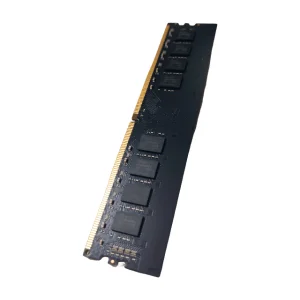
Designed for immediate system integration, providing high thermal tolerance and broad compatibility across enterprise servers and legacy personal computing nodes.
In the process of rapid digital transformation across Nepal—encompassing metropolitan hubs like Kathmandu, Lalitpur, and Pokhara, as well as industrial zones in Birgunj and Biratnagar—legacy systems remain the backbone of institutional computing. While global trends lean heavily toward DDR5, the practical hardware architecture of many Nepalese government departments, municipal offices, secondary educational institutions, and financial branch offices relies on dependable, legacy DRAM generations like DDR3.
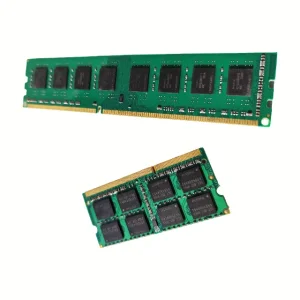
Operating electronic hardware in Nepal poses distinct geological and environmental challenges. Extreme altitude variations, seasonal thermal fluctuations, and frequent power grid instability necessitate robust memory modules with highly tolerant electrical footprints. Standard DDR3 modules operating at 1.5V, alongside DDR3L (Low Voltage) modules operating at 1.35V, offer an optimal balance of thermal dissipation and energy consumption for systems configured with older Intel® Core™ or AMD desktop and server processors.
SEO Insight & Technical Fit: System builders and procurement officers in Nepal frequently encounter the dilemma of upgrading versus replacing entire IT infrastructures. High-quality OEM DDR3 memory provides a cost-effective alternative to complete system replacement, allowing institutions to run modernized software architectures over robust legacy frameworks.
At Xeviora Memory Technology, we recognize that upgrading hardware in developing markets requires a multi-generational product roadmap. The hardware transition path for Nepal is unique: it requires a steady supply of high-grade legacy parts alongside seamless integration solutions for next-gen DDR4 and DDR5 modules as networks modernize. Our engineering team ensures that every DDR3 module is built using selected high-integrity DRAM DRAM chips (die-sorted from Tier-1 manufacturers), providing high speed, low latency, and maximum compatibility.
Supporting advanced workstations, hosting centers, and regional network servers across Nepal with high-grade components built for long-term stability.
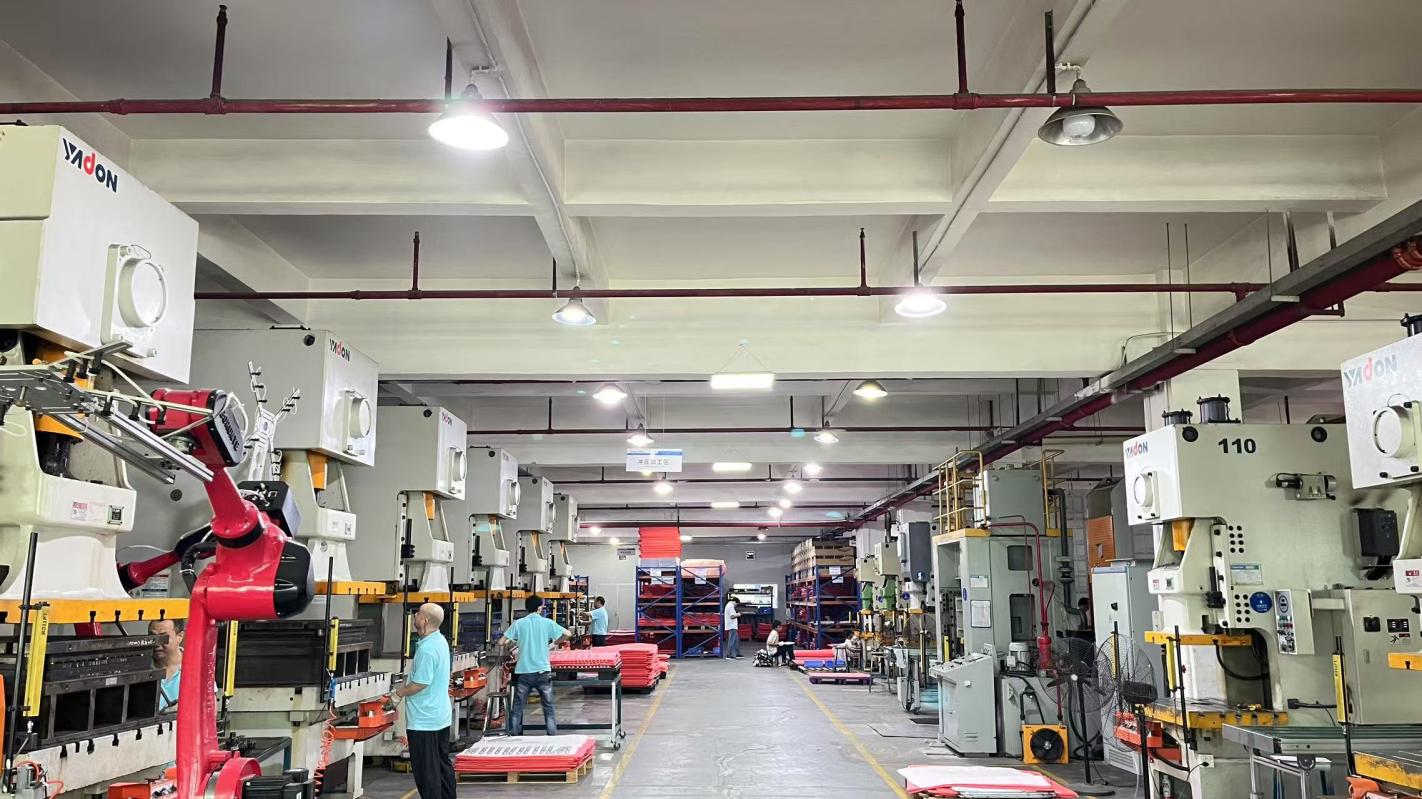
Xeviora Memory Technology (China) Co., Ltd. operates a highly advanced facility spanning 368 square meters. While the footprint is optimized for high-density, automated SMT (Surface Mount Technology) assembly, our plant implements industry-leading cleanroom environments and automated test machinery. Through deep integration of MES (Manufacturing Execution System) and ERP platforms, our production capacity operates with maximum yield rates, maintaining quality standards and keeping operational costs low.
As a long-term supplier to South Asian markets, we have built a dependable supply chain network capable of addressing the logistics challenges of landlocked Nepal. By coordinating with shipping hubs in Guangzhou and Chengdu, we provide two flexible transit routes:
Xeviora’s strict testing process guarantees that every DDR3 module maintains a zero-defect rate. Our 46 dedicated inspectors oversee a rigorous quality assurance cycle:
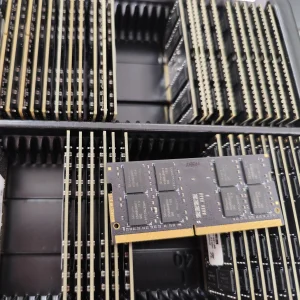
Direct view inside our automated production floor, quality assurance labs, and global shipping warehouses.
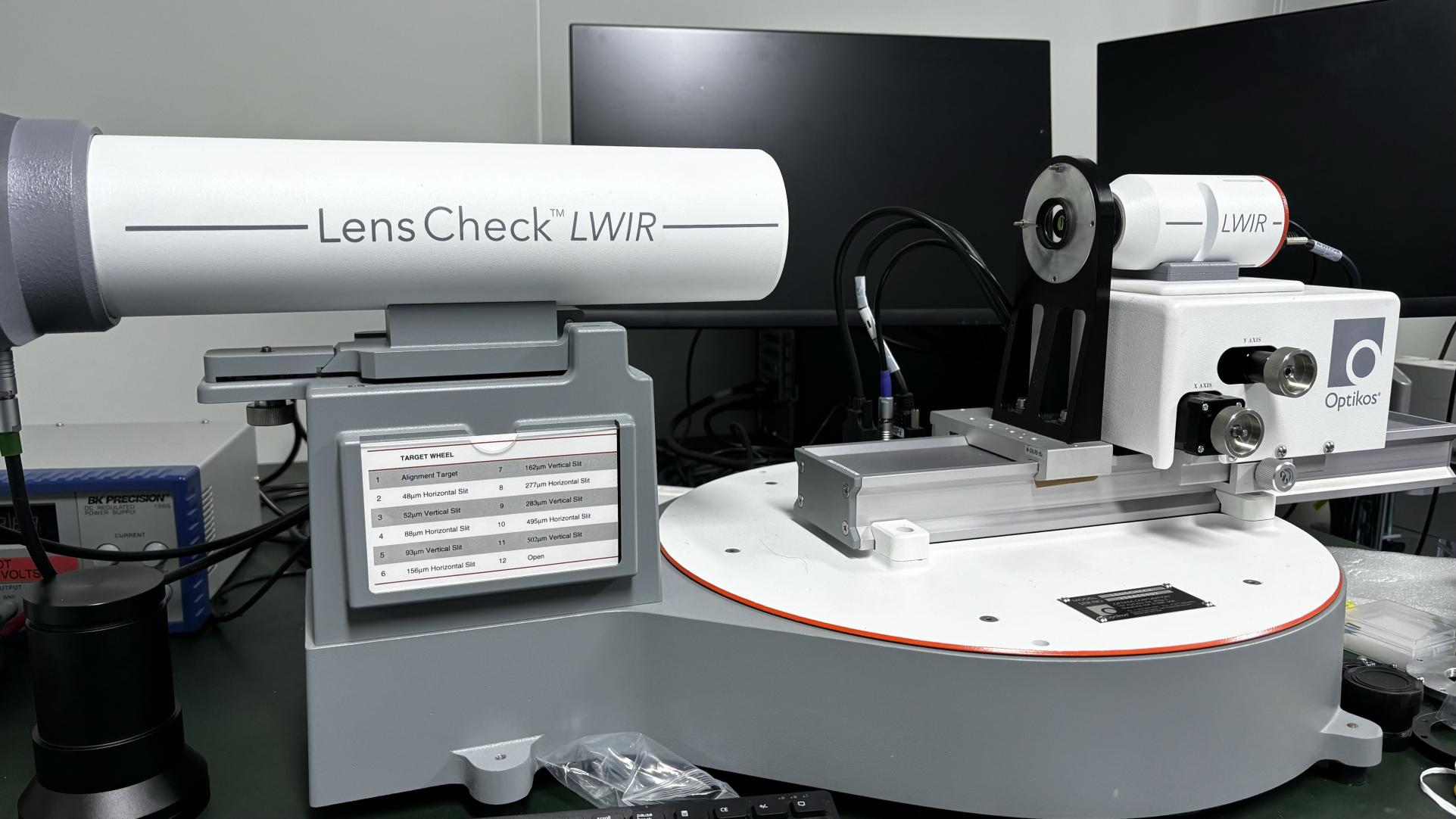
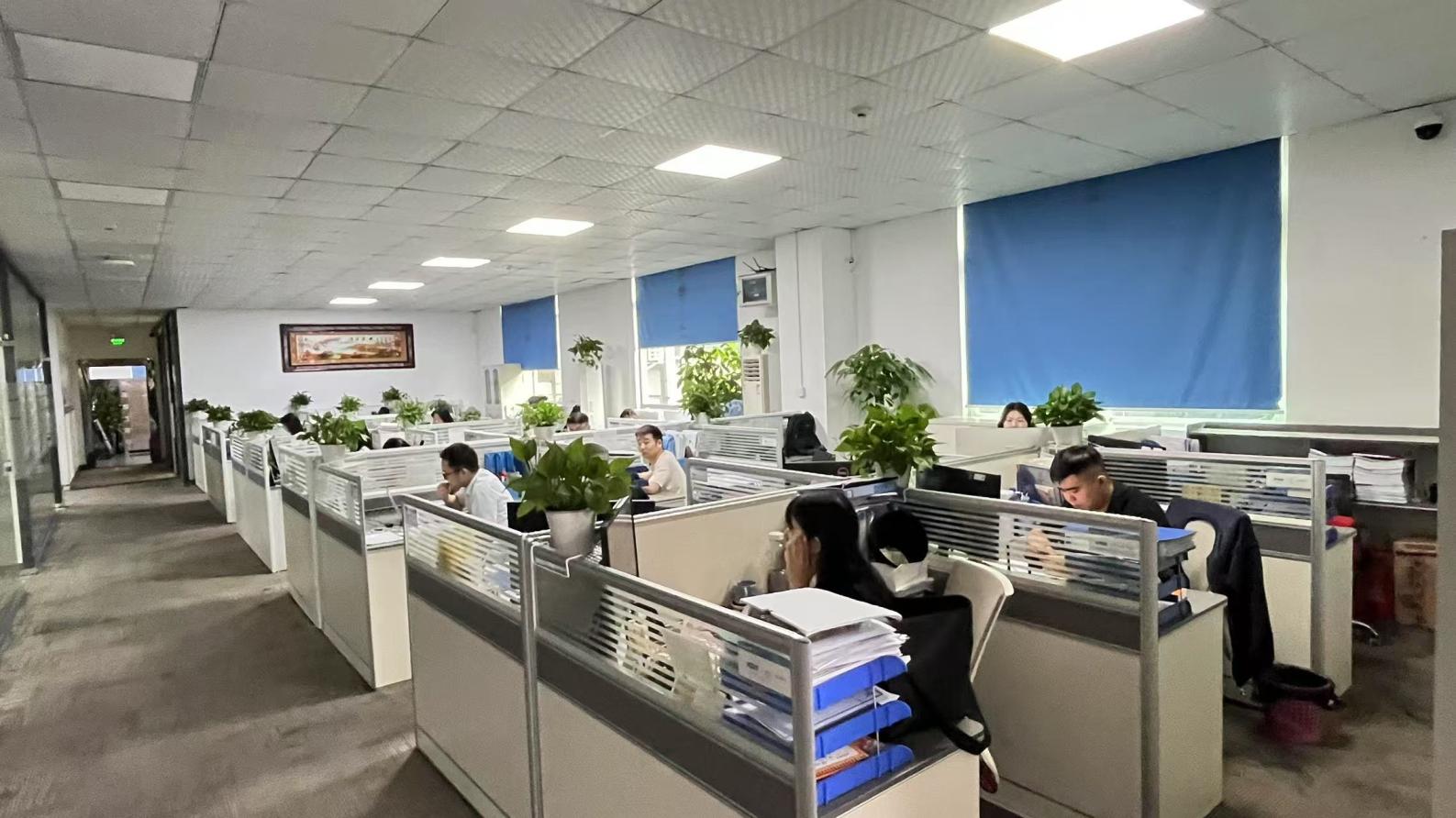
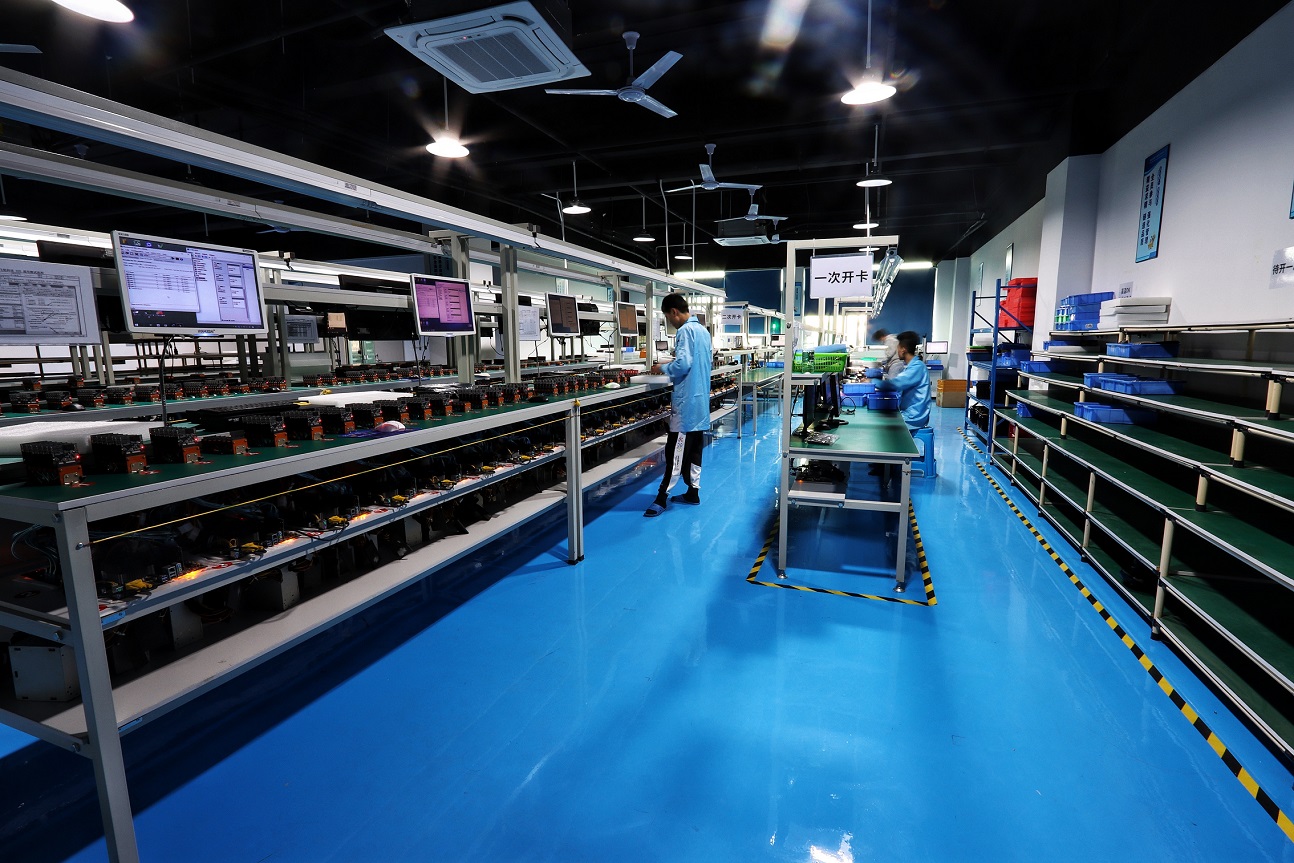
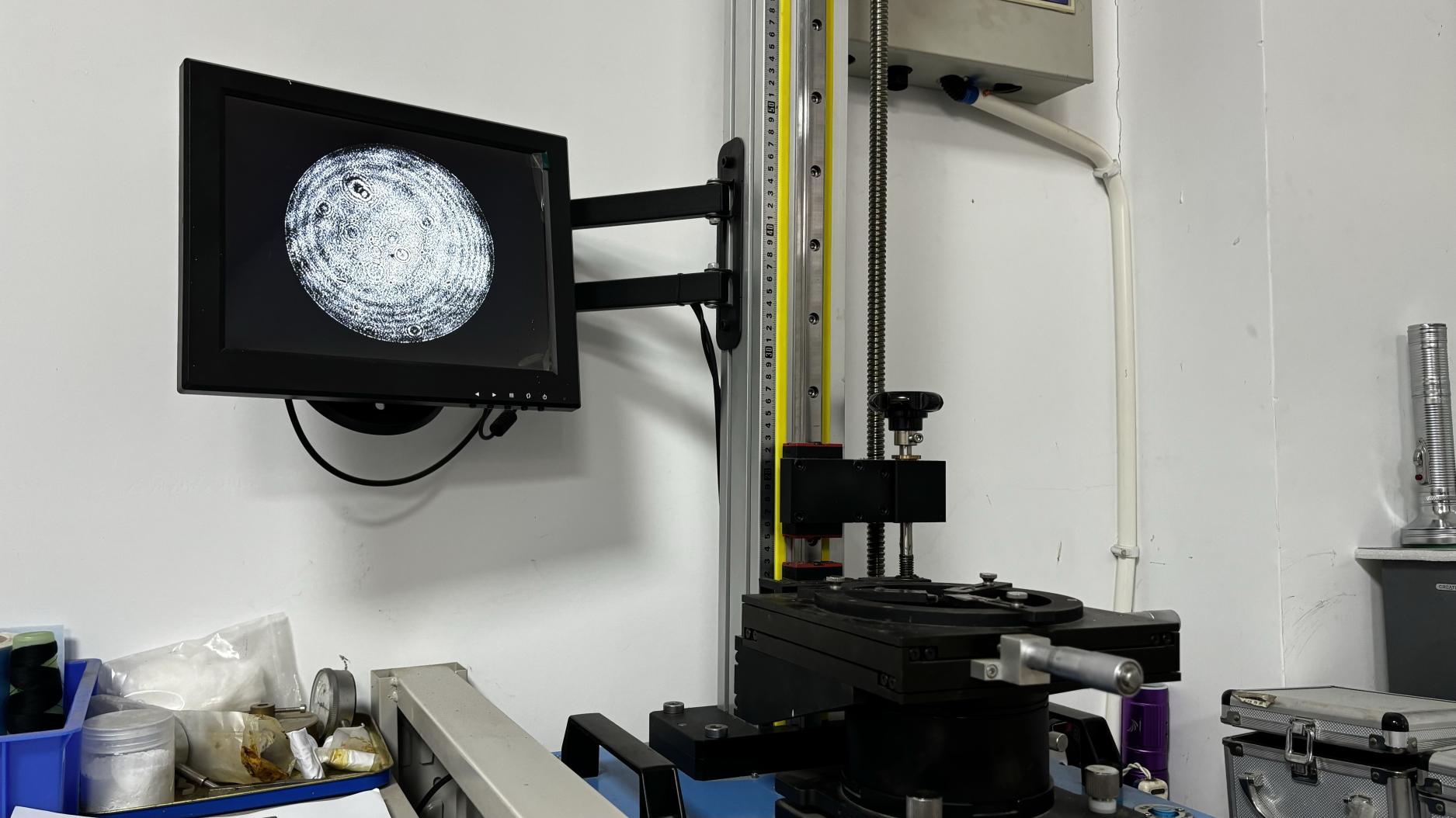
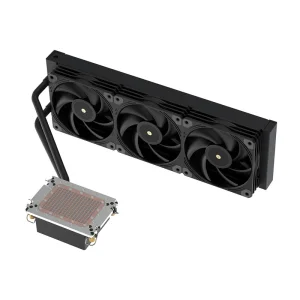
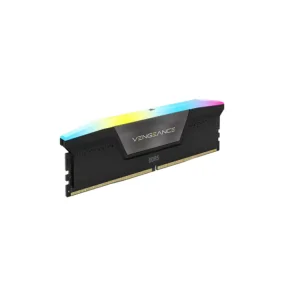
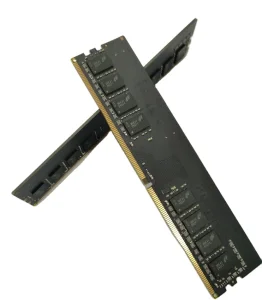
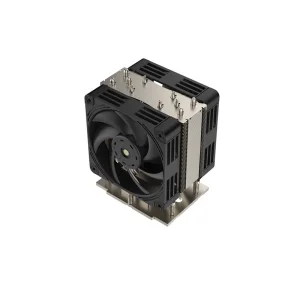
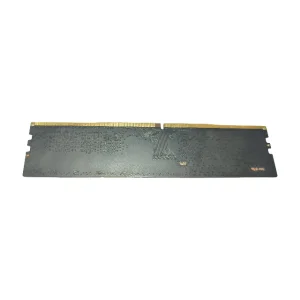
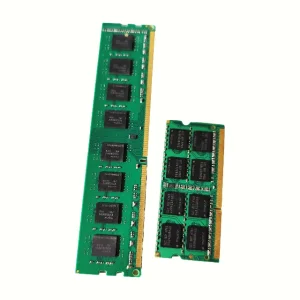
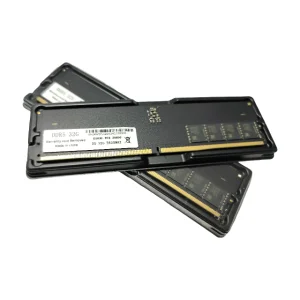
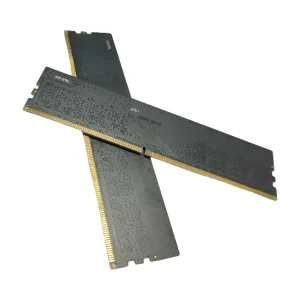
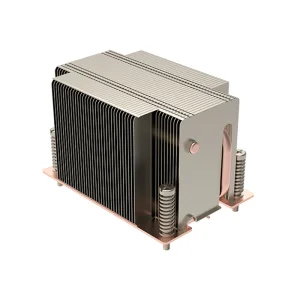
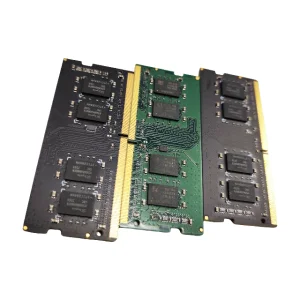
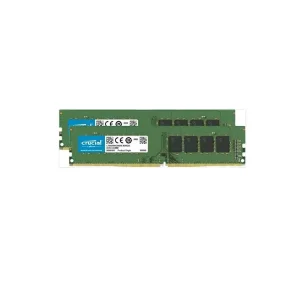
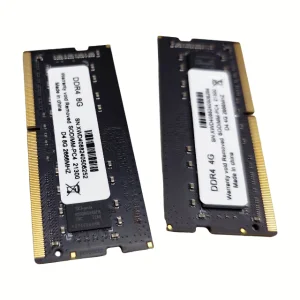
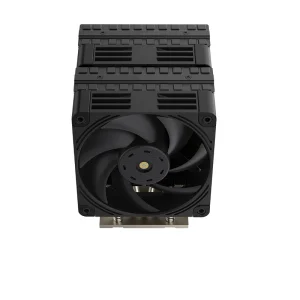
Complete selection of server memory modules, commercial desktop upgrades, and specialized heat sink assemblies for corporate networks.
Importing electronic products into Nepal requires compliance with local import guidelines, customs regulations, and testing certifications. Xeviora offers complete support with the required documentation, including Certificates of Origin, CE, FCC, RoHS, and customized packing lists to simplify customs clearance at Nepalese entry points.
Our sales department coordinates directly with local distributors and import brokers in Kathmandu, ensuring clearance procedures run smoothly. We offer customization options to suit regional needs:
Answers to common questions regarding logistics, product customization, and technical compliance for importing memory modules into Nepal.