 Xeviora
Xeviora
Xeviora
Deploying custom performance hardware specifically matched to high-precision Nordic operating conditions. These modules represent our top configurations designed for extreme temperatures, high data bandwidth, and prolonged lifecycle support.
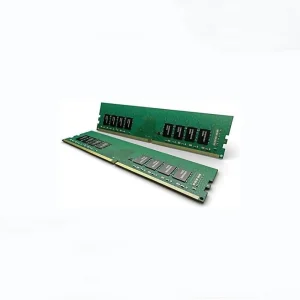
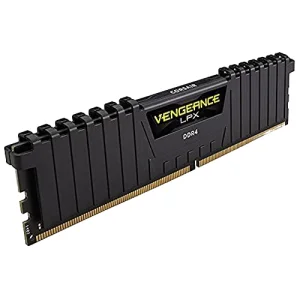
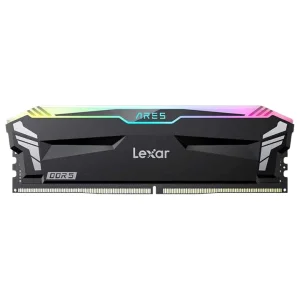
Sweden’s technology landscape is a unique combination of cutting-edge digitalization and heavy legacy infrastructure. As the birthplace of telecom giants, global automotive leaders, and major industrial automation manufacturers, the Swedish market maintains an active demand for highly specialized memory interfaces. While newer applications have rapidly transitioned to high-speed DDR4 and DDR5, legacy networks—particularly DDR3 RAM platforms—remain the operational core for thousands of systems across the Nordic region.
Our analysis shows that in regions like Stockholm, Gothenburg, and Västerås, many critical infrastructure systems rely heavily on robust DDR3 architecture. These include SCADA interfaces, municipal energy grids, marine navigation controllers, and older telecom base stations. Standard consumer-grade memory cannot survive the harsh environmental conditions or meet the long lifecycle requirements of these Swedish industrial deployments. Xeviora bridges this gap by manufacturing legacy-compatible, ruggedized DRAM configurations under stringent Quality Assurance guidelines.
While DDR4 and DDR5 memory modules control the consumer and high-performance computing (HPC) ecosystems, DDR3 remains indispensable for embedded processing units. Industry operations demand long-term stability rather than chasing pure clock-rate metrics. Embedded architectures rely on specific electrical footprints. Standard DDR3 modules operate at 1.5V, while DDR3L (Low Voltage) modules operate at 1.35V. Standardizing on these stable voltages reduces thermal load in sealed fanless computer systems common in mining, rail transport, and sub-zero outdoor installations throughout northern Sweden.
For Swedish industrial procurement departments, continuity of supply is the main operational bottleneck. When a memory module fails in an expensive CNC tool or automated drilling rig in the Kiruna iron mines, replacing the entire computing infrastructure is economically unviable. The cost of system validation, software re-licensing, and production downtime can easily reach hundreds of thousands of Euros. Sourcing high-quality replacement DDR3 DRAM chips with identical latency timing (CL9, CL11) and density distributions becomes an essential cost-mitigation strategy.
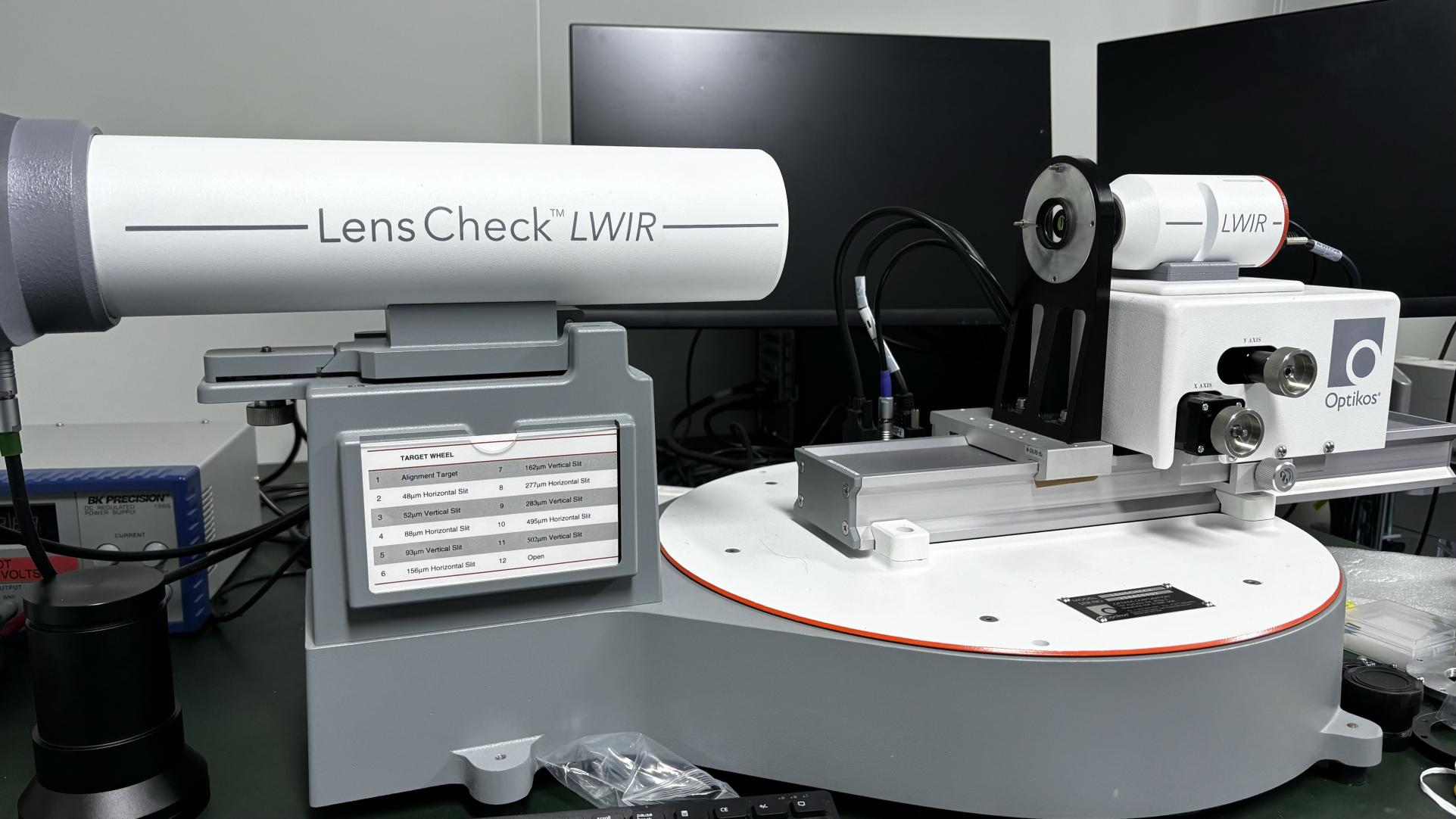
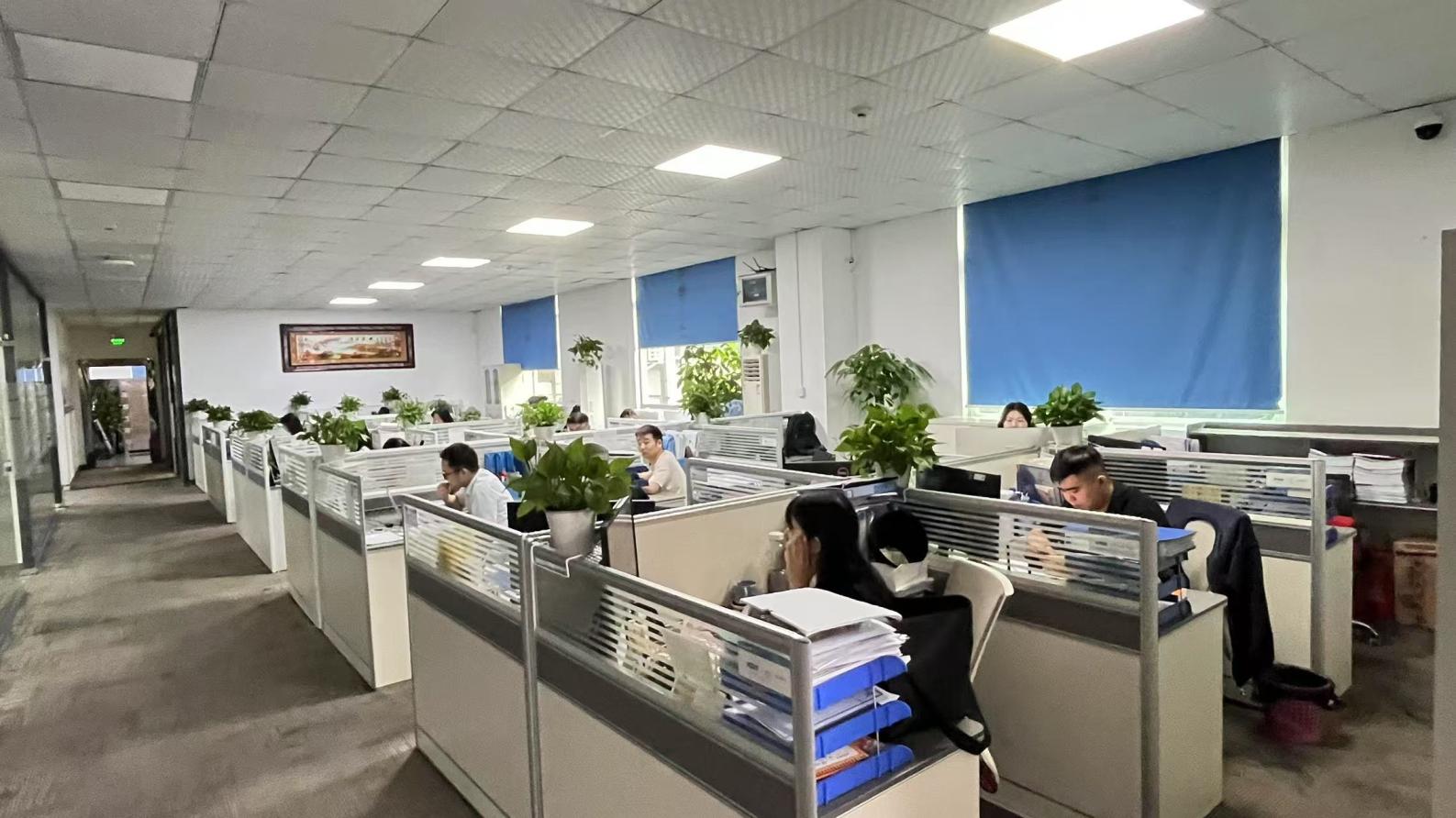
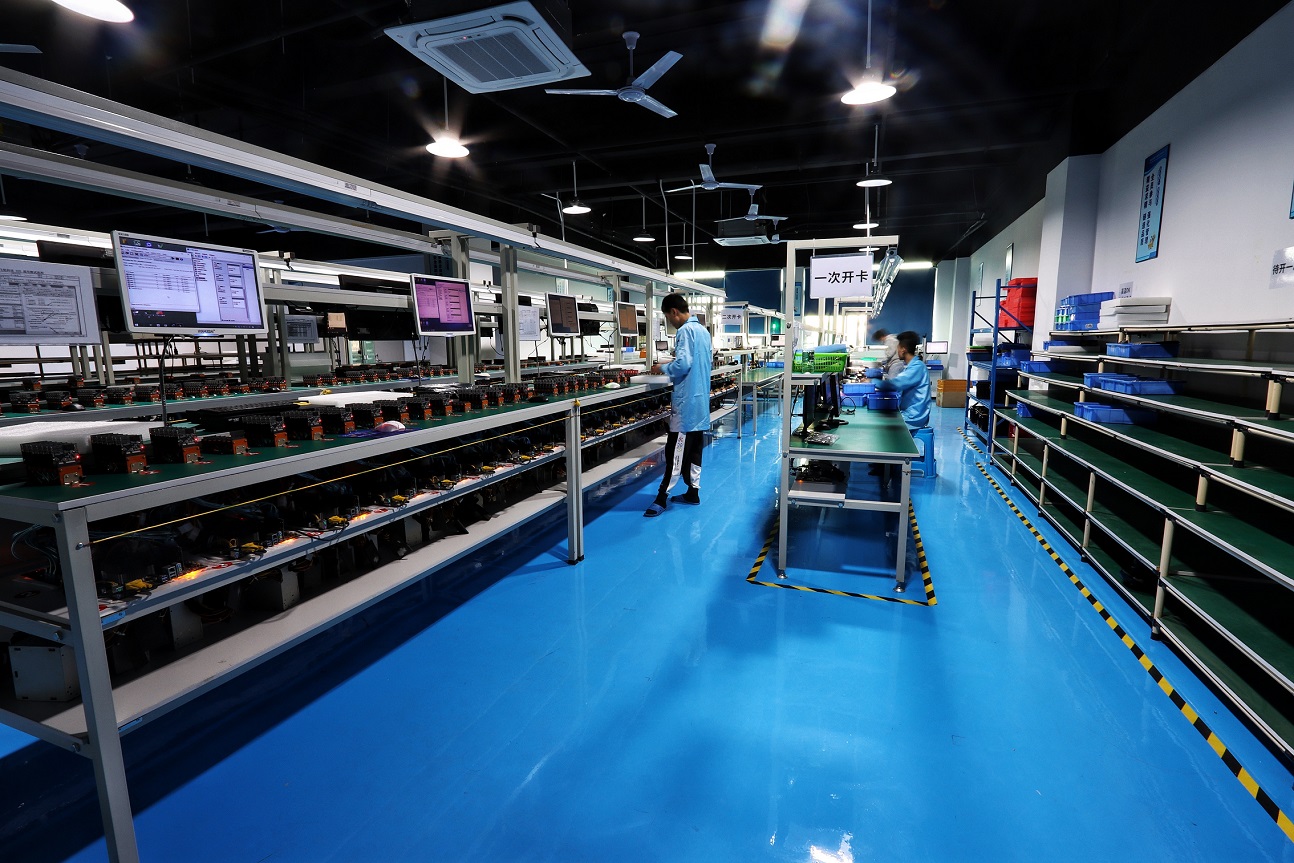
As a leading developer in the industry, Xeviora Memory Technology (China) Co., Ltd. stands at the forefront of memory packaging innovation. Our manufacturing facility covers 368 square meters and is equipped with advanced production and testing equipment to ensure stable quality and reliable performance. With an annual export revenue of over USD 18 million, Xeviora serves customers across North America, Europe, Southeast Asia, the Middle East, and South America.
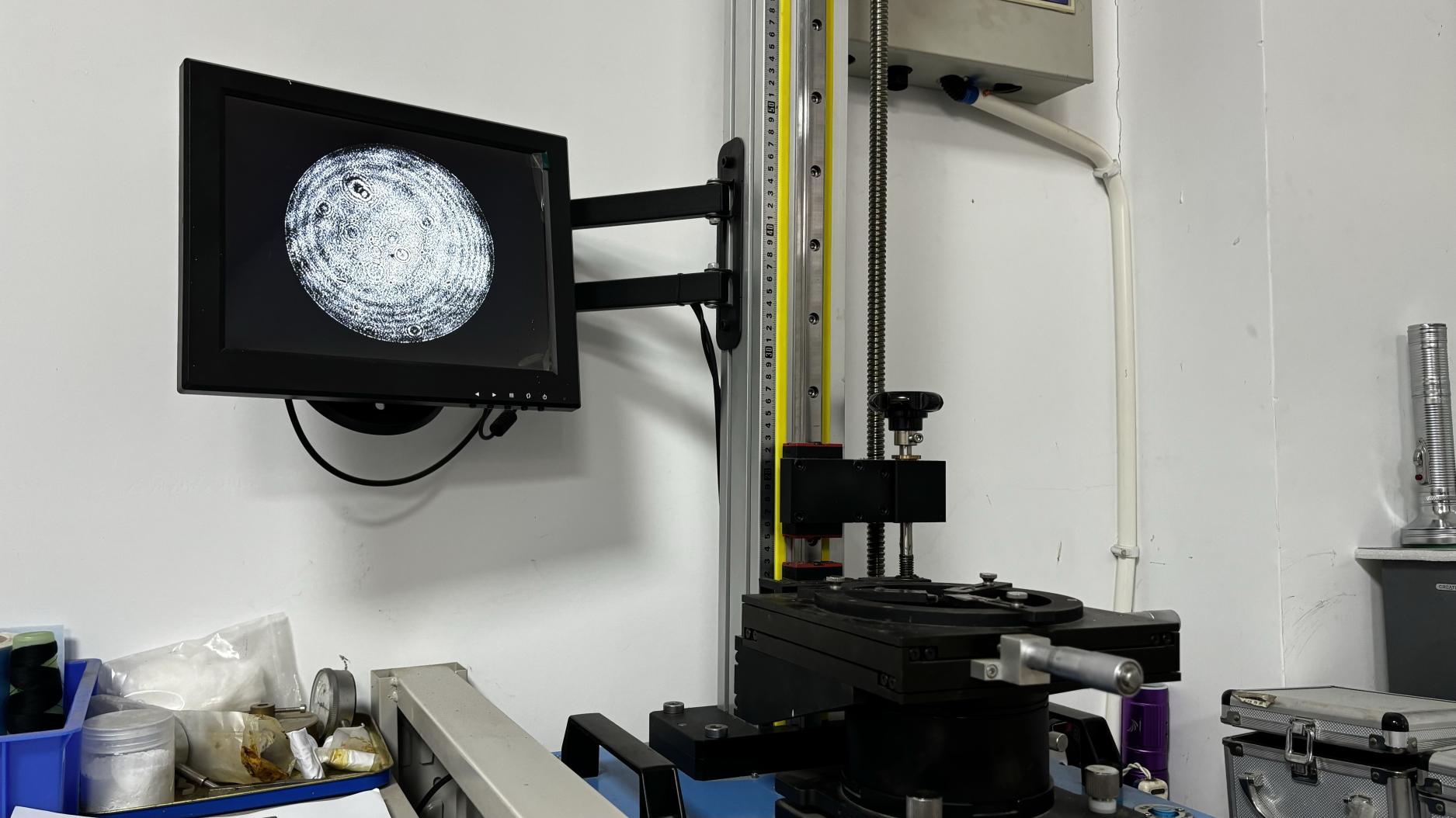
Backed by 8 years of export experience and 12 years of industry expertise, we are committed to delivering innovative memory products that meet international quality standards. Our quality management system includes comprehensive incoming material inspection, in-process quality control, and final product testing. All products undergo automated functional testing, compatibility verification, performance validation, and aging tests before shipment. Our quality assurance team consists of 46 dedicated inspectors who ensure every module meets strict reliability requirements.
Through collaborative relationships with over 850 global supply chain partners, we secure high-grade DRAM wafers even during periods of market volatility. Innovation is at the core of our business. Supported by an experienced R&D team of 128 engineers, we continuously invest in new technologies and product development. Last year alone, we successfully launched 86 new memory products covering DDR5 gaming memory, industrial-grade memory modules, server memory solutions, and customized storage products.
We offer flexible customization services, including private labeling, logo printing, packaging design, specification customization, firmware optimization, and complete OEM/ODM development. Whether customers require standard memory modules or fully customized solutions, our team is dedicated to providing reliable products, competitive pricing, and professional technical support.

Understanding the dynamic challenges of the local economy helps us build memory modules optimized for specific environmental and software environments. Here are key areas where Xeviora products keep systems functional across Sweden:
In northern Sweden (e.g., Kiruna, Gällivare), automated machinery, remote drilling systems, and heavy-duty extraction vehicles are equipped with specialized computing controllers. These systems encounter high vibrations, extreme humidity, and severe cold. Our high-reliability ECC modules are designed to maintain structural and electrical integrity in these conditions, preventing critical system crashes.
Sweden’s transformation to fully renewable grids relies on localized monitoring units (RTUs) that utilize embedded legacy architectures. By installing our customized DDR3 memory modules with integrated heat-spreaders, regional grid managers in Dalarna and Norrland ensure constant real-time telemetry processing without thermal throttling or hardware failures.
Stockholm serves as a leading data center cluster in northern Europe. While modern computing uses DDR5, supporting network nodes, legacy routing hardware, and tape-storage interfaces still depend on reliable legacy modules. Our rigorous validation processes ensure our RAM integrates smoothly with server infrastructure from HP, Dell, and custom white-box installations.
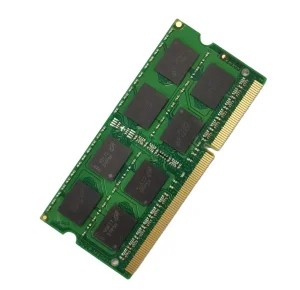
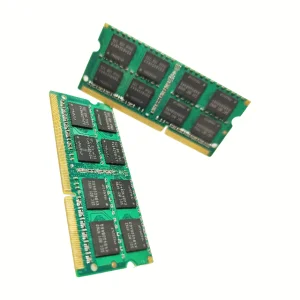
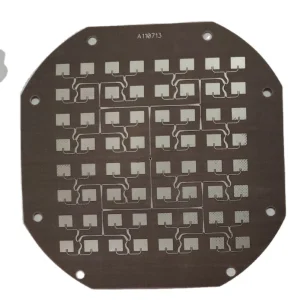
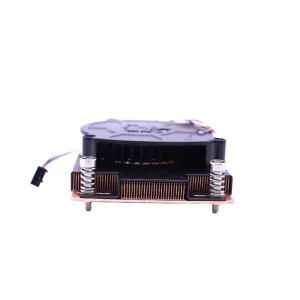
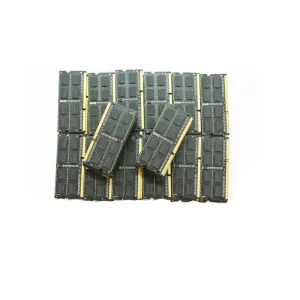
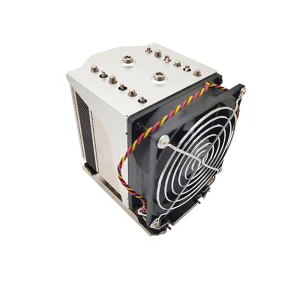
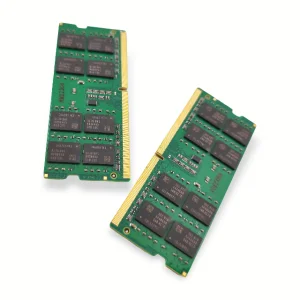
Explore our comprehensive inventory of memory configurations, PCB assemblies, and advanced cooling systems designed to optimize computational longevity and system stability across Swedish enterprise infrastructures.
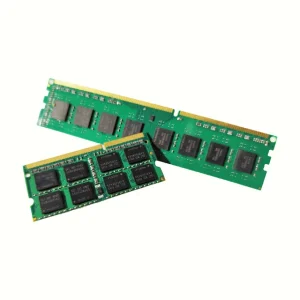
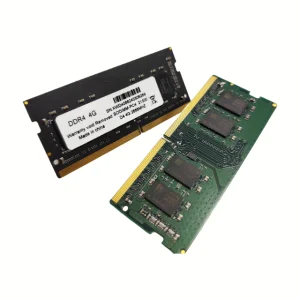
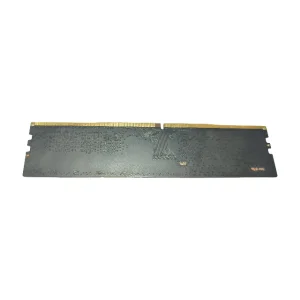
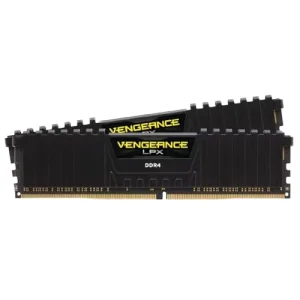
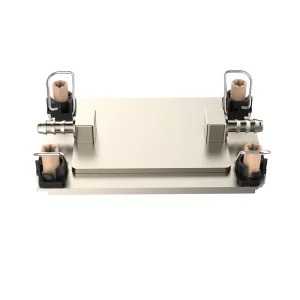
When managing global supply networks, Swedish procurement executives are often faced with premature obsolescence notices from Tier-1 silicon fabricators. Standard components are quickly phased out to prioritize high-margin AI accelerator architectures, leaving long-cycle systems without replacement components. To resolve this, technical coordinators must employ strategic procurement planning:
Ensure replacement modules maintain structural compatibility with host systems. Standard DDR3 modules must adhere to strict JEDEC sizing protocols (e.g., height profiles of 30mm for standard DIMMs or 18.8mm for Very Low Profile VLP options) to clear chassis layouts.
DDR3L (1.35V) modules should support dual-voltage operation (backward compatible to 1.5V) to function across legacy and modern server platforms. This reduces replacement inventory requirements in regional warehouses.
Industrial electronics exposed to harsh coastal air in Gothenburg or airborne dust in heavy processing complexes require conformal coatings. Using anti-sulfuration resistors on RAM modules prevents corrosion and extends component operational lifetimes.
By integrating these engineering standards into our manufacturing workflow, Xeviora supplies memory components that match the long lifecycles of heavy industrial infrastructure. This provides a steady supply of hard-to-source legacy components and high-volume consumer items.
Find details on compatibility, logistics, OEM processes, and validation testing for memory shipments to Sweden and the wider Nordic region.
Many industrial control systems, telecom base stations, and infrastructure installations were built using motherboard architectures that only support DDR3. These systems must often remain active for decades. Replacing the entire controller board just to update the memory interface is costly and introduces validation risks. Consistently sourcing high-grade DDR3 modules ensures ongoing operational stability.
Yes, our production lines manufacture standard 1.5V DDR3 and low-voltage 1.35V DDR3L modules, available in both UDIMM and SO-DIMM configurations. Our DDR3L modules are dual-voltage capable, allowing them to run on 1.5V legacy setups as well.
We run our modules through detailed compatibility testing utilizing motherboard databases from major industrial hardware providers. We can also program the EEPROM/SPD configuration space to emulate specific brand IDs, ensuring smooth installation on systems with strict BIOS checks.
MOQ requirements vary based on the level of customization. Private labeling using standard packaging typically has low MOQs, whereas custom-molded heat spreaders or fully custom retail packaging require higher volume agreements. Contact our sales team for detailed quoting on your specific configuration needs.
All Xeviora memory modules destined for European Union markets comply with RoHS (Restriction of Hazardous Substances) directives and carry CE and FCC certifications, ensuring simple import clearance and long-term regulatory compliance.
Looking for a reliable manufacturing partner for legacy DDR3 modules, standard DDR4/5 lines, or custom cooling designs? Our engineering team is ready to assist.
Send Inquiry Now