Xeviora
Xeviora
Xeviora
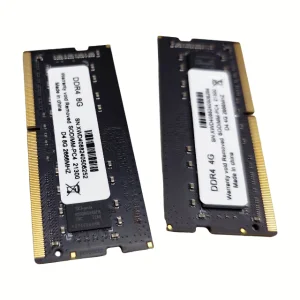
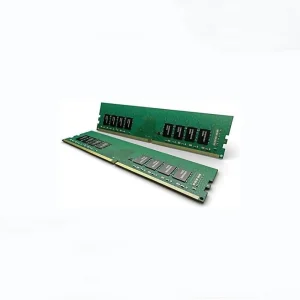
High-performance processing modules and memory buffers designed to drive advanced, automated 270nm-410nm 3535 UVC disinfection arrays and emission grids.
Mumbai, the financial powerhouse and largest metropolitan economy of India, is currently undergoing a massive structural shift towards sustainable and non-chemical industrial disinfection technologies. With a dense population, intensive industrial zones in Thane, Belapur, and Navi Mumbai, and a major concentration of pharmaceutical formulation units, the city's requirement for reliable sterilization has never been more critical. The municipal water networks, managed by the Municipal Corporation of Greater Mumbai (MCGM), are actively exploring advanced solid-state Ultraviolet (UV) light disinfection arrays to replace conventional chlorine-based sanitation systems. This transition is motivated by the need to eliminate harmful disinfection by-products (DBPs) like trihalomethanes, which pose long-term health risks.
Furthermore, Mumbai’s commercial real estate sectors, including the prestigious Bandra-Kurla Complex (BKC) and Nariman Point, are integrating deep ultraviolet (UVC) technology directly into their HVAC (Heating, Ventilation, and Air Conditioning) systems to optimize indoor air quality. In the post-pandemic era, local enterprises, hospital networks, and manufacturing facilities are mandating highly efficient, solid-state 270nm-410nm emitters. These wavelengths cover the entire spectrum of germicidal effectiveness (UVC: 270nm–280nm), clinical phototherapy (UVB: 300nm–320nm), and high-speed industrial UV curing (UVA: 365nm–410nm), offering a chemical-free, space-saving solution ideal for the constrained urban spaces of Mumbai.
Understanding the physics behind solid-state ultraviolet emission is crucial for engineers sourcing optoelectronic emitters. The spectral range of 270nm to 410nm behaves differently across biological, chemical, and physical substrates. Selecting the correct wavelength determines the success of the overall installation:
The **3535 SMD (Surface Mount Device) Package** represents the gold standard in high-power optoelectronics packaging. Measuring 3.5mm x 3.5mm, this design features an Aluminum Nitride (AlN) ceramic substrate that provides exceptional thermal conductivity (>180 W/mK). The package is sealed with a quartz glass dome lens, which is highly resistant to degradation from intense UV radiation and guarantees optimal transmission rates. Compared to older metal-can packages or smaller dome-lens formats, the 3535 footprint achieves the best balance between optical power density, mechanical stability, and thermal dissipation, making it the preferred choice for industrial integrators across the Mumbai Metropolitan Region.
High-power UVC LEDs operate under strict thermodynamic constraints. While traditional visible LEDs convert a significant portion of electrical power into light, UVC LEDs convert approximately 95% of input energy into heat at the junction. If this heat is not dissipated immediately, the junction temperature ($T_j$) will surge, leading to a drop in optical output power (radiant flux) and causing accelerated degradation of the AlGaN crystal structure. Effective thermal management determines the difference between a system that fails in 500 hours and one that operates reliably for over 20,000 hours.
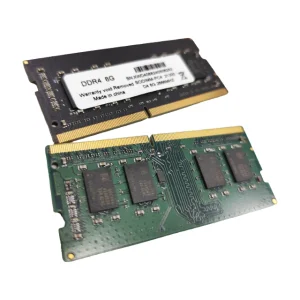
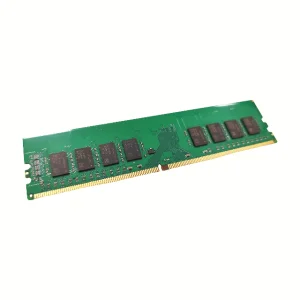
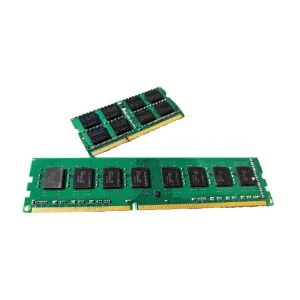
For large-scale UV arrays operating in Mumbai's warm, humid environments, passive cooling is rarely sufficient. System designers must deploy dedicated thermodynamic solutions, including high-performance copper and aluminum heat sinks with active cooling fans. These thermal solutions are paired with precise electronic controls—including high-speed memory buffers for control logic and high-stability PCB layouts—to monitor temperature, manage driver currents, and log system runtime. Below is the typical technical profile for a premium 3535 UVC LED module deployed in commercial applications:
| Technical Parameter | Typical Value (UVC 275nm) | Typical Value (UVA 365nm) | Significance for Mumbai Systems |
|---|---|---|---|
| Forward Current ($I_F$) | 350mA - 700mA | 700mA - 1000mA | Determines drive power and thermal output. |
| Forward Voltage ($V_F$) | 5.0V - 7.5V | 3.2V - 3.8V | Required for driver board design and sizing. |
| Radiant Flux ($\Phi_e$) | 50mW - 120mW | 1000mW - 1800mW | Measures the actual light energy delivered for disinfection. |
| Thermal Resistance ($R_{th, j-s}$) | 4.5 °C/W - 6.5 °C/W | 2.5 °C/W - 3.5 °C/W | Low resistance allows faster heat transfer to heat sinks. |
| Junction Temperature ($T_{j, max}$) | 85 °C | 110 °C | Maximum limit before permanent damage or drop-out occurs. |
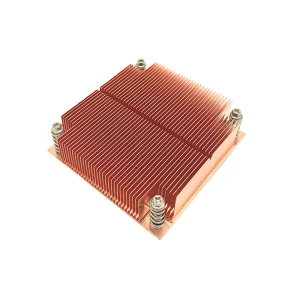
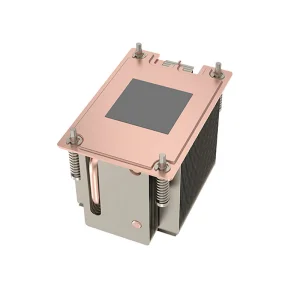
A curated selection of industrial heat sinks and electronic control components optimized for stabilizing high-power 3535 UV LED installations in the Mumbai region.
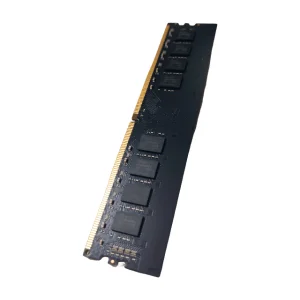
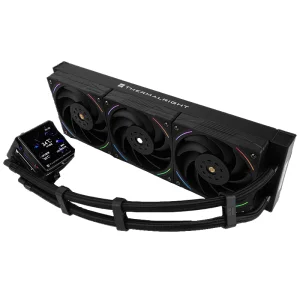
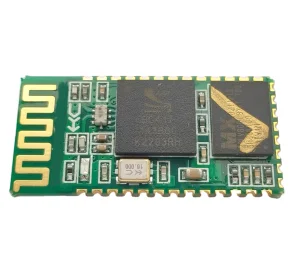
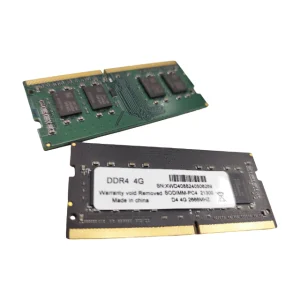
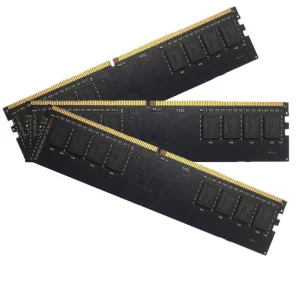
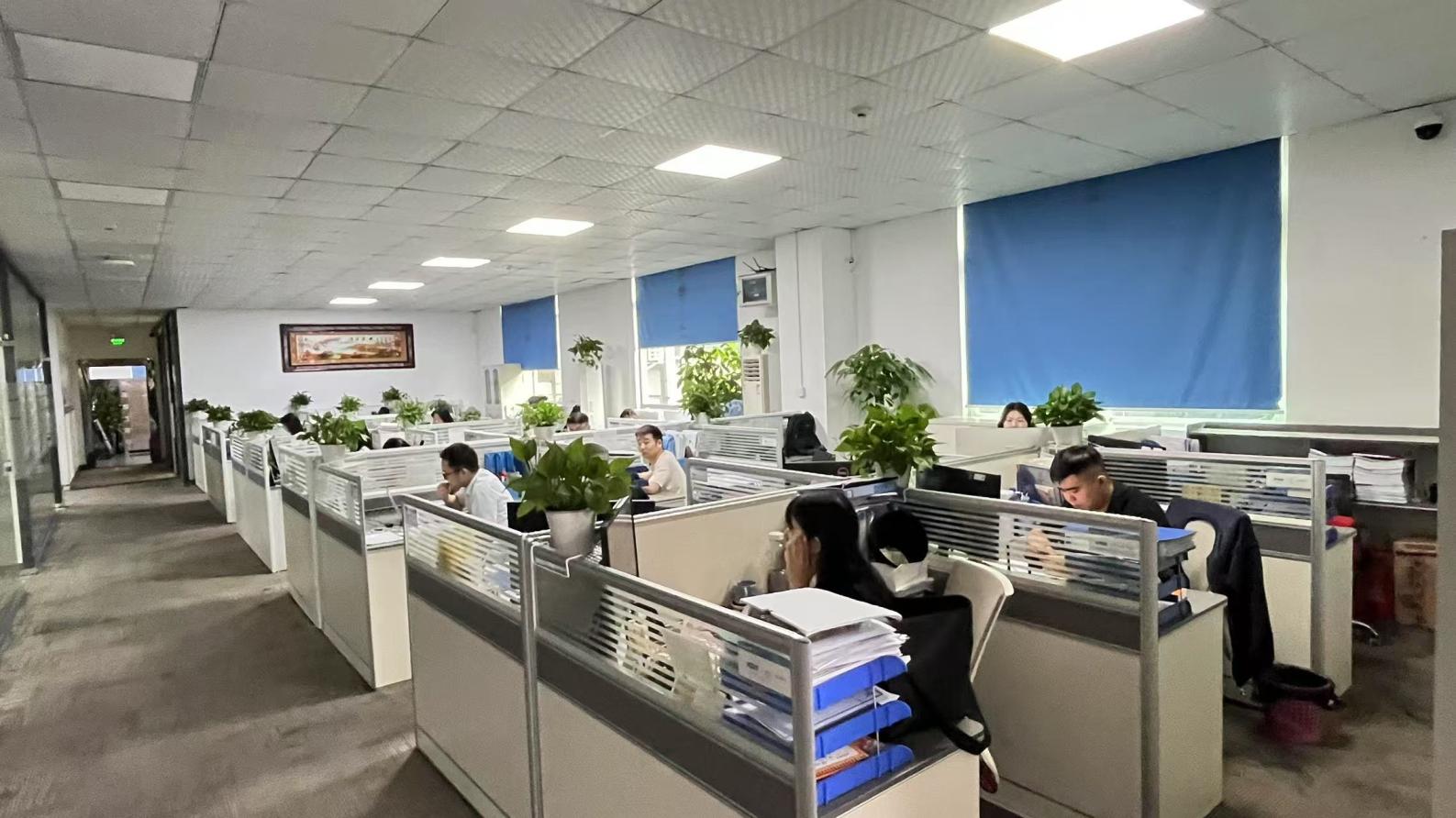
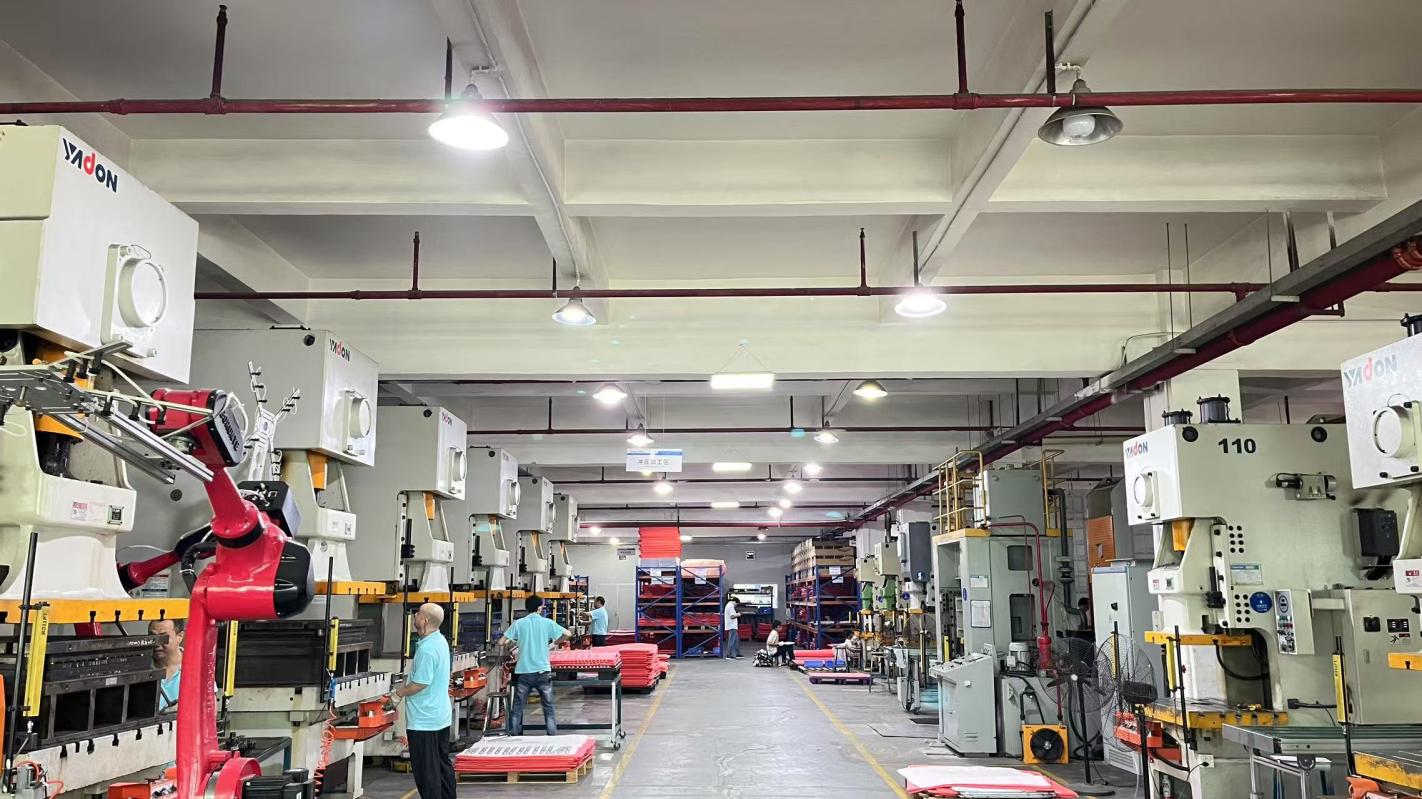
Xeviora Memory & Optoelectronic Technology (China) Co., Ltd. represents the cutting edge of high-precision component manufacturing. Established in 2017, we have integrated advanced Industry 4.0 protocols within our production facility. While we have built our global reputation on high-reliability memory modules (DDR3, DDR4, and DDR5), our deep-tech semiconductor assembly capabilities extend to precision packaging and supply chain solutions for modern industrial optoelectronic systems, including multi-wavelength 3535 UVC arrays.
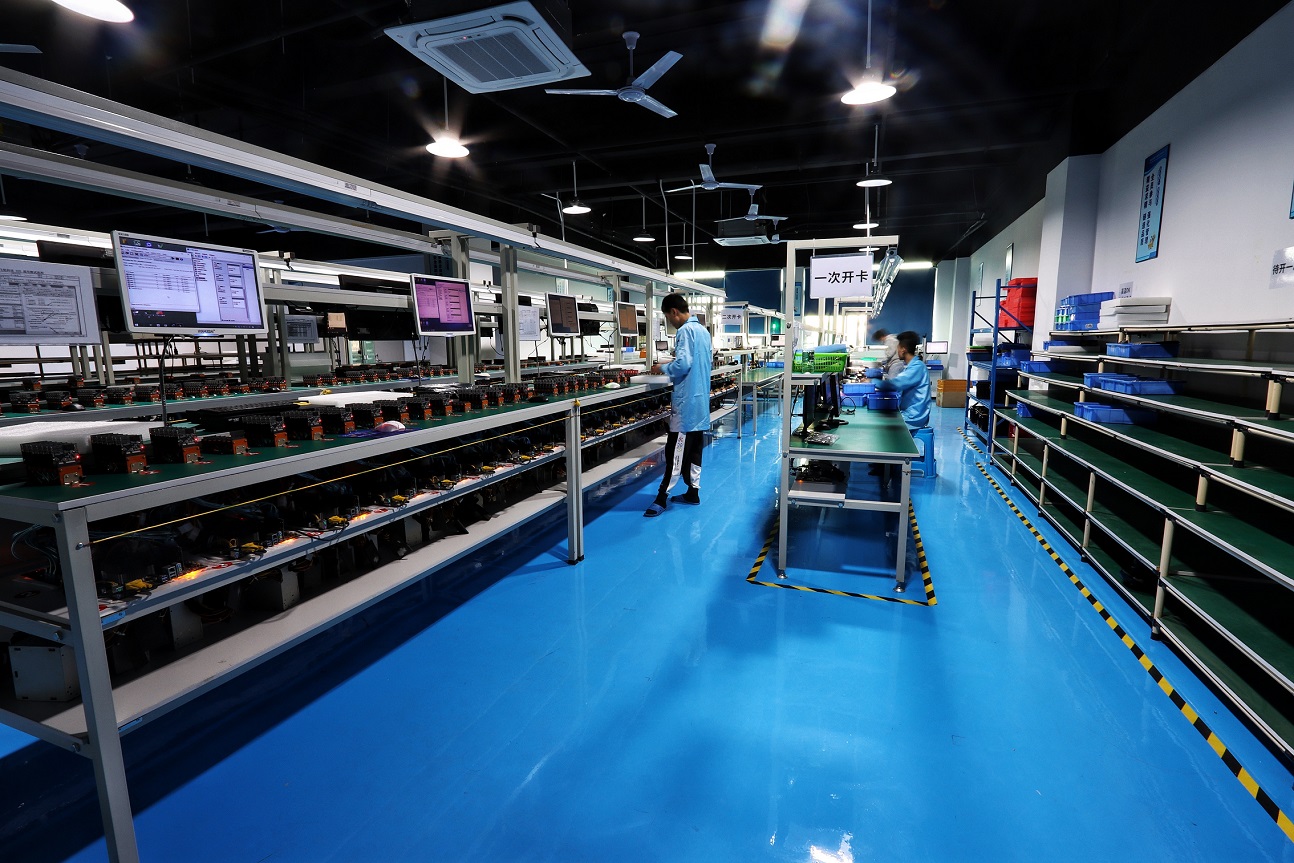
Operating a facility of 368 square meters equipped with advanced automated surface-mount (SMT) assembly, AOI testing systems, and thermal testing arrays, Xeviora ensures that every controller board, memory unit, and optical sub-assembly complies with international standards. Our annual export revenue has grown to exceed USD 18 million, reflecting the trust that global distributors, system integrators, and system OEMs in key markets like Mumbai place in our delivery capability. Powered by a robust research and development team of 128 engineers, we are constantly expanding the performance envelopes of our control systems, launching 86 new high-reliability components last year alone.
Our quality assurance protocol includes 46 inspectors who monitor every stage of production: from incoming inspection of critical semiconductor dies, to in-process checking of solder paste printing, to final thermal profiling and logic testing. With over 12 years of industry experience and 8 years of direct export expertise, Xeviora offers Mumbai-based importers a streamlined supply chain, flexible OEM/ODM customization services, and guaranteed compliance with international safety and performance standards.
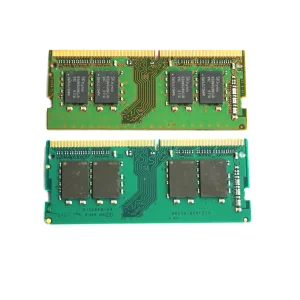
Supplemental memory and control units to support continuous data logging and reliable firmware execution in high-power UV sterilizer grids.
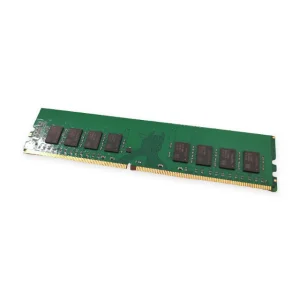
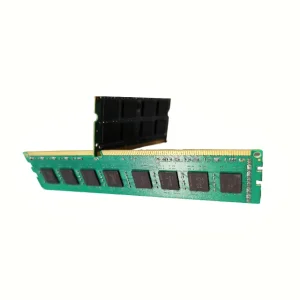
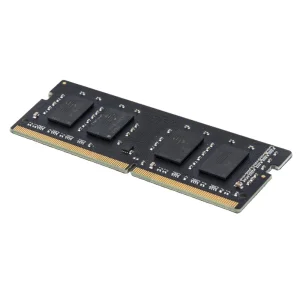
Implementing 270nm-410nm UVC solutions requires specialized support to navigate local environmental and regulatory frameworks. Mumbai’s monsoon climate, which brings high humidity and elevated ambient temperatures, presents a challenging environment for precision solid-state electronics. Our regional engineering support coordinates closely with system builders in Maharashtra to deliver robust solutions: