 Xeviora
Xeviora
Xeviora
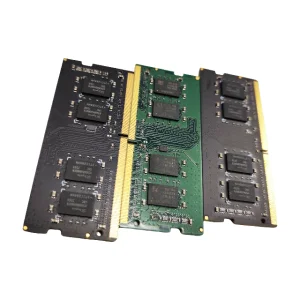
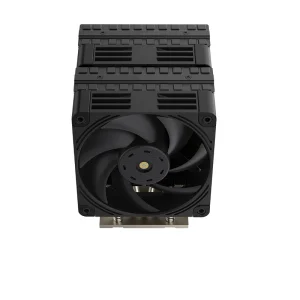
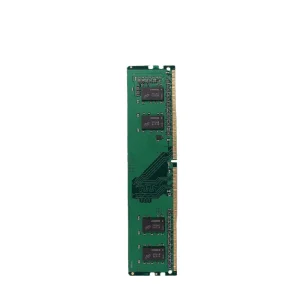
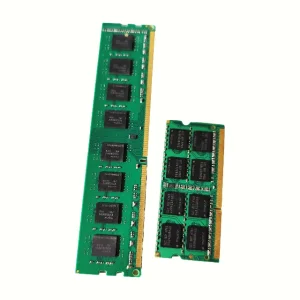
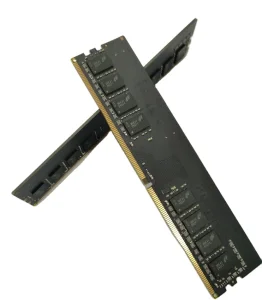
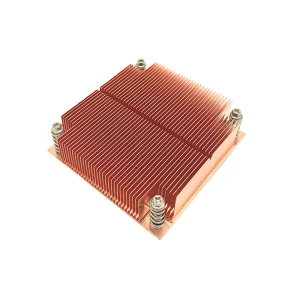
High-performance energy management starts at the hardware level. Explore our selection of highly optimized memory modules and cooling units configured to support industrial EMS servers.
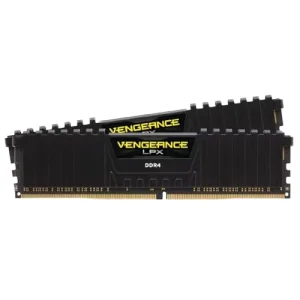
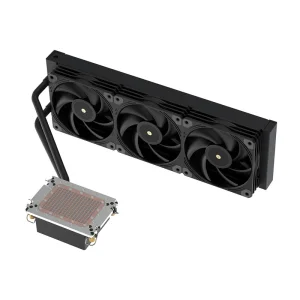
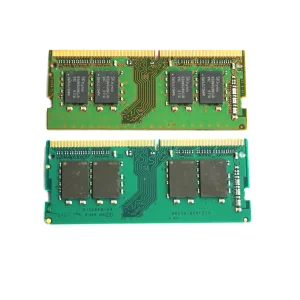
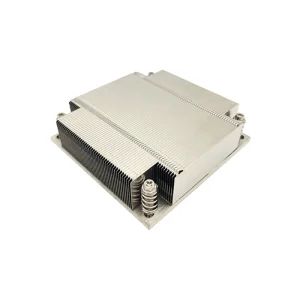
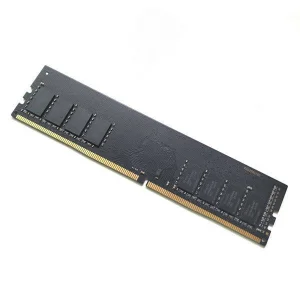
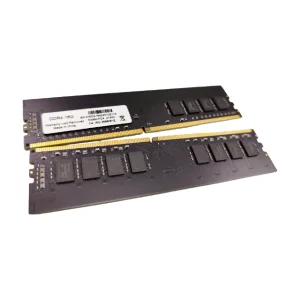
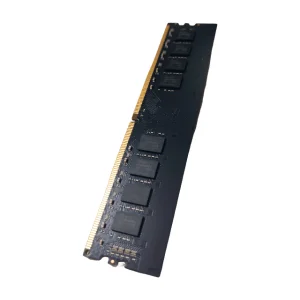
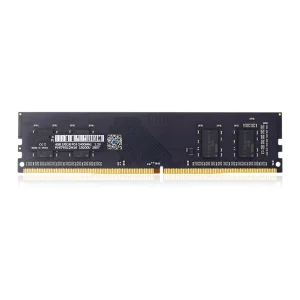
In the era of smart grids, green data centers, and AI-driven industrial analytics, Energy Management Solutions (EMS) have transitioned from simple threshold-based monitoring to complex, predictive optimizations. Modern EMS platforms ingest billions of data points across massive sensor arrays, utility networks, and factory floors. Processing this real-time telemetry requires heavy compute structures operating 24/7. This is where physical hardware efficiency acts as the foundation of sustainable operation.
Lowering the Power Usage Effectiveness (PUE) of data centers and server rooms is directly dependent on two critical physical factors: ultra-low voltage memory subsystems and high-efficiency thermal dissipation systems. Computational hardware is a primary contributor to thermal load; by utilizing enterprise-grade, low-voltage ECC memory modules, infrastructure managers can lower raw power draws. Concurrently, utilizing advanced server heatsinks and liquid or active air-cooling technologies ensures components run at optimal thermal thresholds, directly preventing heat-induced resistance and power wastage.
As a leading Chinese technology manufacturer, we approach Energy Management Solutions from the ground up. By manufacturing highly efficient hardware interfaces and server components, we empower systems builders to implement energy management platforms that are physically optimized for minimal parasitic losses, ensuring maximum ROI and compliance with international standards such as ISO 50001.

The convergence of deep supply chains, raw material logistics, and rapid prototyping capabilities makes China the premier global hub for energy management component production.
China is home to the world's most dense cluster of semiconductor, metallurgical, and component suppliers. For memory modules and copper-based cooling arrays, this localized network reduces transit bottlenecks, speeds up product refinement loops, and minimizes raw material costs.
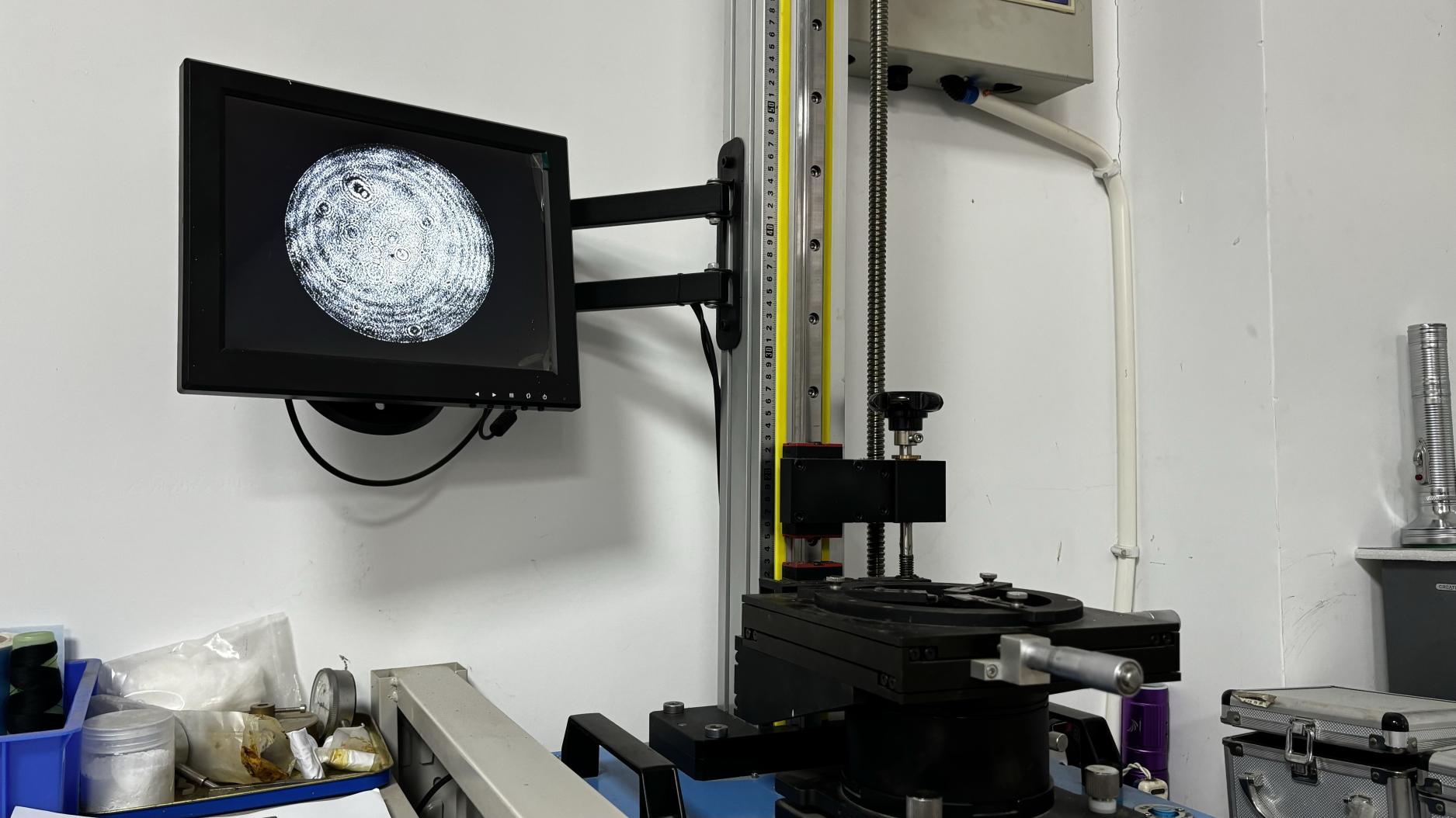
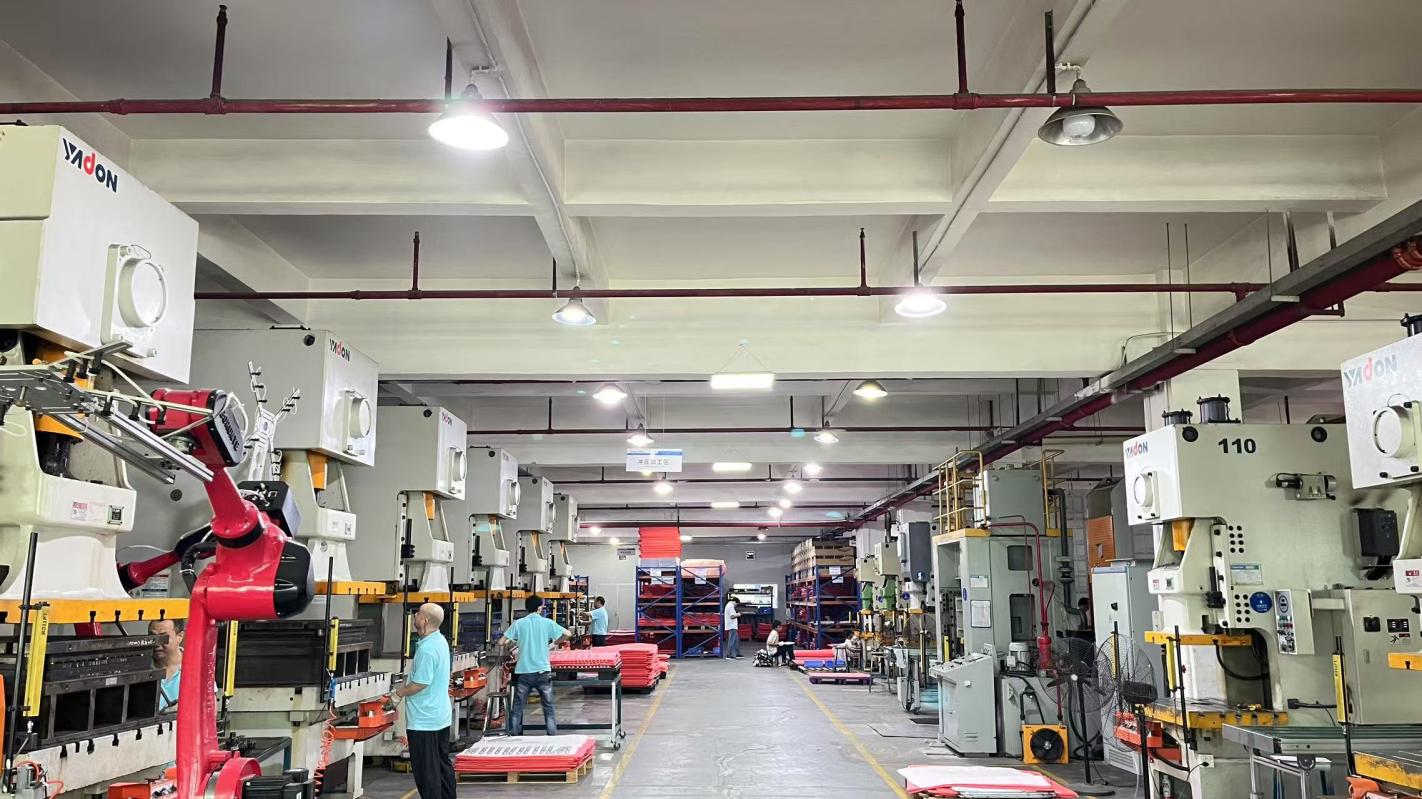
To support high-reliability environments, Chinese factories leverage automatic optical inspection (AOI), x-ray structural analysis, and thermal chamber cycling. This standardizes performance metrics across large-scale procurement shipments, meeting rigorous global enterprise benchmarks.
From custom heat-pipe geometry configuration for proprietary 1U servers to tailoring memory bus speeds and firmware timing profiles, Chinese facilities can rapidly pivot to customize mechanical interfaces and electronic circuitry for any localized application.
How high-performance compute and structural cooling solutions manifest across critical application verticals to streamline green efficiency targets.

Modern colocation data centers run thousands of high-density blade servers continuously. Minimizing auxiliary power (air conditioning) requires server enclosures to operate with optimized passive and active cooling loops. Using copper heat-pipe assemblies and custom 4U integrated liquid cooling reduces the server's local fan speed requirements, cutting overall cabinet energy draws significantly.
Smart grid monitoring demands continuous calculation of power distribution algorithms, phase loading, and load shedding. The memory modules inside these monitoring units must feature Error-Correcting Code (ECC) capabilities to prevent system crashes due to electromagnetic interference, ensuring 100% uptime in critical infrastructure nodes.
Factory-floor automation platforms utilize edge-computing terminals to monitor energy waste in real-time. These industrial-grade machines must withstand extreme operational temperature variances. Highly optimized memory chips and passive heatsinks allow these controllers to operate reliably without failure in dust-prone, unconditioned environments.
Xeviora Memory Technology (China) Co., Ltd. is a professional DDR5 memory manufacturer and supplier based in China, specializing in high-performance RAM solutions for gaming, industrial, enterprise, and consumer applications. Established in 2017, the company has rapidly grown into a trusted OEM and ODM partner for global distributors, system integrators, and technology brands.
Our manufacturing facility covers 368 square meters and is equipped with advanced production and testing equipment to ensure stable quality and reliable performance. With an annual export revenue of over USD 18 million, Xeviora serves customers across North America, Europe, Southeast Asia, the Middle East, and South America.
Backed by 8 years of export experience and 12 years of industry expertise, we are committed to delivering innovative memory products that meet international quality standards. Our quality management system includes comprehensive incoming material inspection, in-process quality control, and final product testing. All products undergo automated functional testing, compatibility verification, performance validation, and aging tests before shipment. Our quality assurance team consists of 46 dedicated inspectors who ensure every module meets strict reliability requirements.
Innovation is at the core of our business. Supported by an experienced R&D team of 128 engineers, we continuously invest in new technologies and product development. Last year alone, we successfully launched 86 new memory products covering DDR5 gaming memory, industrial-grade memory modules, server memory solutions, and customized storage products.

International sourcing teams require high accountability, standardizations, and risk mitigation when selecting computing components for energy ecosystems.
Infrastructure deployment requires rigorous compliance with FCC, CE, RoHS, and WEEE standards. Selecting memory and server products designed under clean manufacturing guidelines ensures easy entry and validation in strict regions like the European Union.
Enterprise procurement demands clear documentation regarding semiconductor sourcing and chip wafer origins. Robust partnerships with primary silicon foundries secure stable delivery even during market volatility.
Smart grid databases and EMS server arrays have lifespans measured in decades. Procuring components with documented Mean Time Between Failures (MTBF) and long-term lifecycle availability keeps maintenance costs predictable.
Enhance enterprise computing nodes with high-speed memory modules, server radiators, and cooling solutions designed to support high-density analytics.
Looking ahead, the demand for energy-efficient computing is shifting due to emerging operational protocols and extreme hardware requirements.
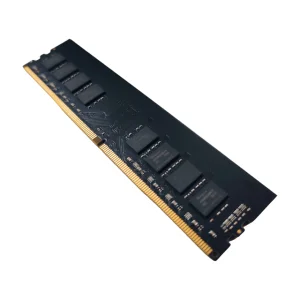
DDR5 memory modules operate with standard operating voltages of just 1.1V compared to the typical 1.2V baseline of DDR4. In massive scale database configurations, this difference translates to double-digit energy consumption reductions at the memory bus level.
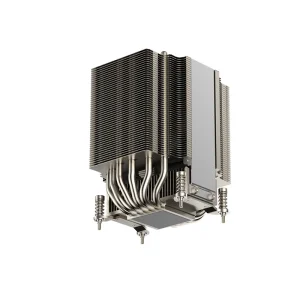
Instead of static mechanical setups, systems will increasingly employ integrated liquid cooling units with intelligent flow meters. These meters react dynamically to CPU processing demands, optimizing pump speeds to match compute cycles.
Processing raw metering parameters directly on-site at municipal transformers requires rugged, fanless edge micro-servers. This trend shifts the workload away from monolithic data farms, eliminating network latency and cutting down cooling reliance.
Critical architectural insights and deployment guidance for sourcing managers, integration engineers, and green IT auditors.
Memory modules contribute significantly to the overall heat signature and idle power draw of database systems. Standardizing on low-voltage DDR4 (1.2V) or DDR5 (1.1V) architectures reduces baseline power dissipation. Additionally, error-correcting code (ECC) memory prevents transaction failures that trigger prolonged CPU calculation loops, conserving overall server power.
PUE represents the ratio of total energy consumed by a facility to the energy delivered to the IT equipment. System setups using inefficient heat transfer units cause thermal buildup inside server chassis. Consequently, fans run at peak RPMs, dramatically increasing baseline parasitic loads. Modern 1U/4U copper radiators and water coolers keep processors operating at ideal temperatures, reducing facility-level HVAC demands.
Yes. Backed by our experienced R&D team of 128 engineers, we provide complete OEM/ODM options. This includes customized BIOS settings, optimized firmware timings, logo customization, private labeling, custom heat spreader designs, and tailored testing regimes to fit unique hardware configurations.
Our quality assurance team of 46 inspectors runs strict multi-tiered testing protocols. Every batch undergoes incoming raw material inspections, automated in-process monitoring, compatibility matrices, performance evaluations, and high-temperature diagnostic stress tests before distribution. This thorough process ensures compliance with global enterprise operations.
Leveraging our localized network of over 850 raw material suppliers, we offer agile, highly integrated shipping pipelines. Typical lead times for standard memory modules range from 7 to 15 business days, while customized design projects run depending on the exact specification requirements. All shipments are safely containerized to meet international shipping guidelines.