Xeviora
Xeviora
Xeviora
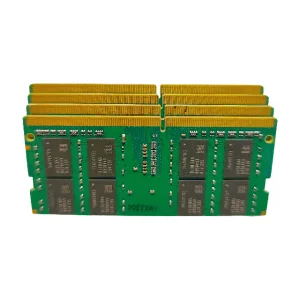
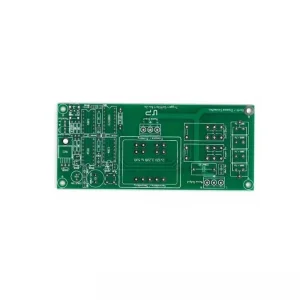
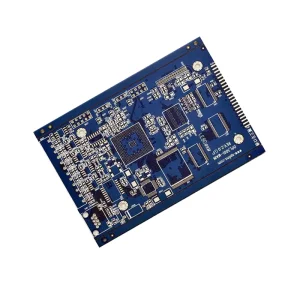
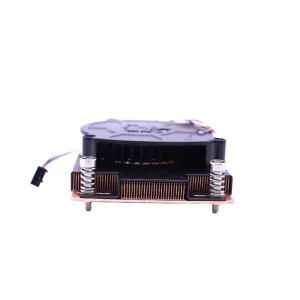
An authoritative analysis of why Fortune 500 tech leaders and high-growth startups choose integrated SMT, rigid-flex, and advanced semiconductor packaging ecosystems.
Decoupling Component Sourcing from Assembly
In modern electronics design, the line between raw Printed Circuit Board Assembly (PCBA) and semiconductor configuration has blurred. High-speed computing, IoT miniaturization, and advanced memory interfaces (such as DDR5 and enterprise-grade ECC RAM) demand that assembly factories be more than simple solderers. They must operate as comprehensive end-to-end Electronic Manufacturing Services (EMS) providers.
Global procurement agents face unprecedented supply chain pressures. Sourcing high-quality FR4 substrates, sourcing critical ICs (integrated circuits), executing ultra-precise SMT (Surface Mount Technology), and integrating robust cooling solutions require strategic partnerships with factories that offer deep supply chain integration. The top PCBA exporters in China have evolved from simple contract assembly lines into comprehensive partners offering design-for-manufacturability (DFM) verification, rapid component sourcing, and rigorous thermal and electrical testing.
A look at the systemic infrastructure advantages, components cluster effects, and processing capacities driving the industry forward.
Southern China (specifically Shenzhen and Dongguan) hosts the world’s most dense electronics cluster. A PCBA factory in this area is physically located within minutes of component suppliers, bare-board makers, testing houses, and custom enclosure providers. This cluster lowers material transportation costs and drastically reduces lead times for parts like FR4 substrates, SMT components, and customized mechanical cooling parts.
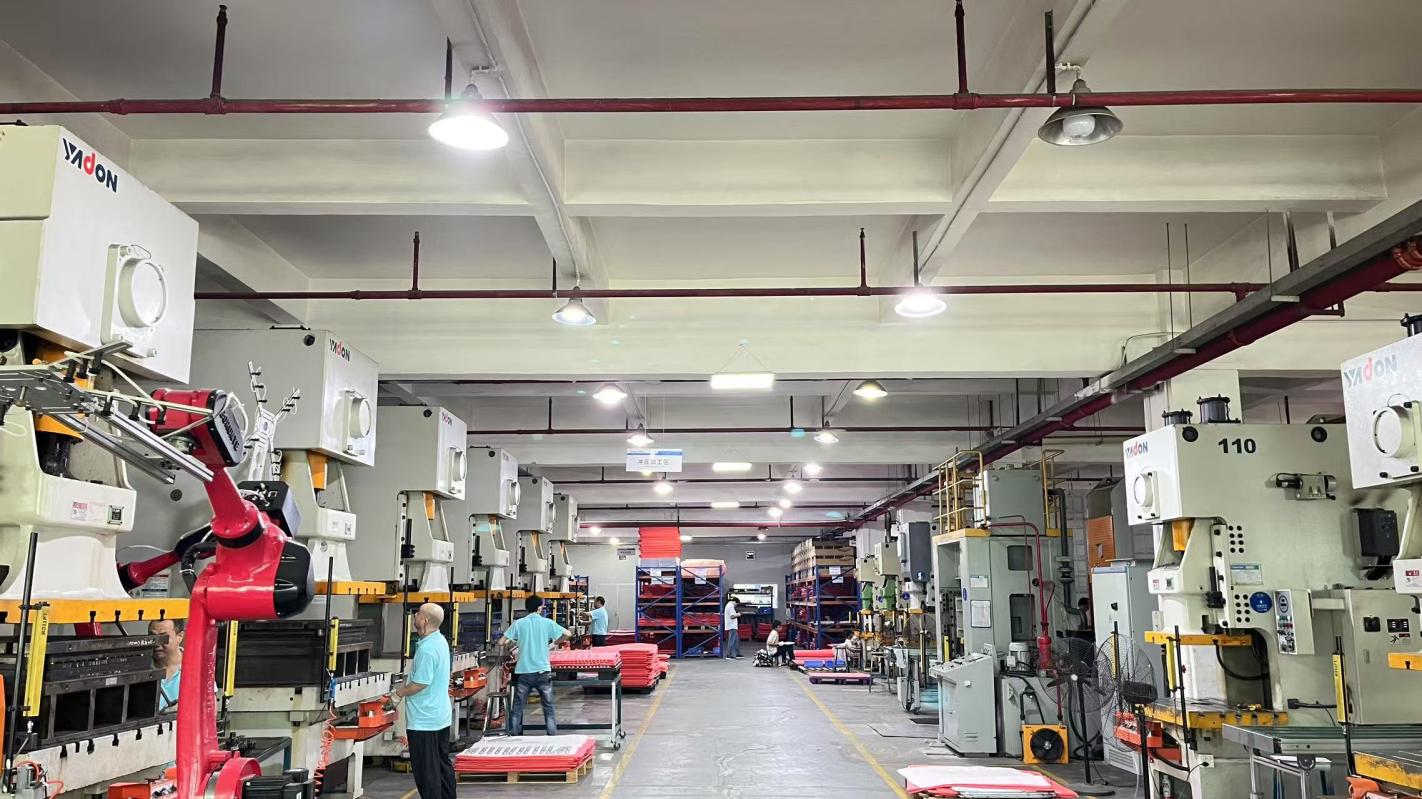
Chinese PCBA factories invest heavily in state-of-the-art machinery, including high-speed Fuji or Panasonic placement heads, multi-zone reflow ovens, and intelligent 3D SPI and AOI systems. This automation ensures precision placement down to 01005 passive components and ultra-fine pitch BGAs. The result is high yield rates and reliability matching global standards, which is critical for complex assemblies like DDR5 memory and server motherboards.
With thousands of engineers graduating every year, Chinese EMS factories excel at Design for Manufacturability (DFM). They check client Gerber files and Bill of Materials (BOM) to detect potential errors before assembly. This engineering expertise reduces production delays, optimizes track routing for signal integrity, and prevents common assembly issues like component tombstoning.
How high-speed interfaces, thermal demands, and high-density designs are changing the face of contract manufacturing.
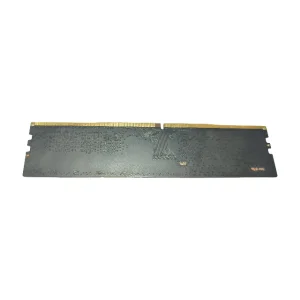
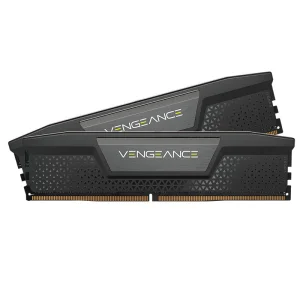
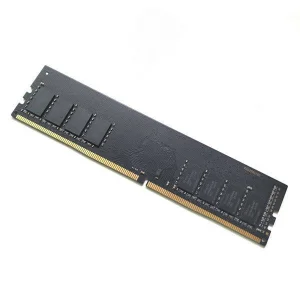
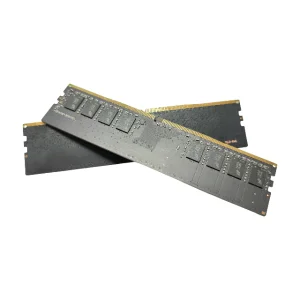
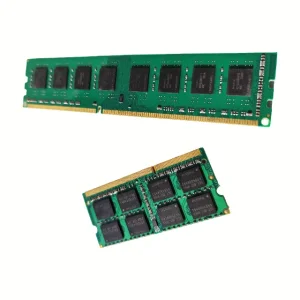
The rise of high-performance computing (HPC) and AI servers has accelerated the transition from DDR4 to DDR5. Because DDR5 modules feature on-board Power Management Integrated Circuits (PMICs) and high-speed data transmission lines, they require multi-layer PCBA designs with tight impedance control and advanced signal integrity simulations. Modern PCBA lines must adapt to handle these complex configurations.
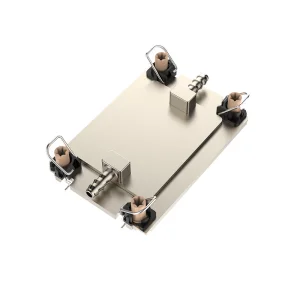
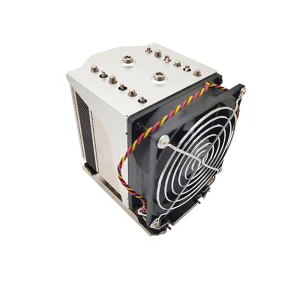
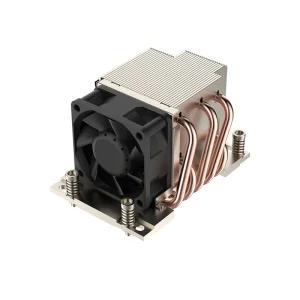
High-speed calculations generate substantial heat. PCBA systems now incorporate thermal interfaces directly. Sourcing the board assembly together with the thermal solution—such as custom copper fins, copper water cooling blocks, or server radiators—ensures optimal heat dissipation. This unified procurement approach prevents CPU and memory throttling.
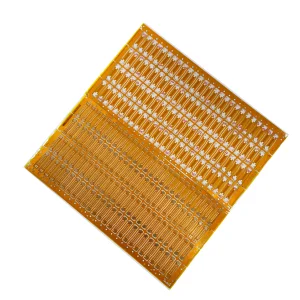
Modern applications like wearable devices, smart home automation, and portable computers rely heavily on HDI PCBs. These boards use micro-vias, fine track widths, and thin substrates (like FPC Polyimide) to squeeze more components into smaller spaces. Assembly lines need high-precision equipment to process these lightweight, high-density structures without damage.
Exploring how top-tier manufacturers configure PCBA production lines to meet the strict regulatory and environmental requirements of key industries.
Industrial settings require durable, long-life components. Factories customize these assemblies using heavy copper traces to handle high currents, selective conformal coating to protect against humidity and dust, and immersion silver or gold surface finishes to prevent corrosion. These boards are widely used in PLC controllers, power distribution panels, and environmental monitoring equipment.
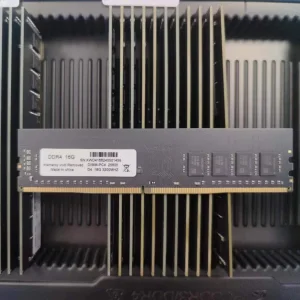
For data centers, uptime is critical. This sector relies on specialized memory assemblies like DDR4 and DDR5 ECC RDIMMs, server CPUs, and tailored copper cooling blocks. High-quality SMT lines verify placement accuracy using 3D AOI and run functional tests under realistic heat loads to ensure the hardware can withstand continuous server operation.
Consumer devices rely on compact size and low power usage. Flexible printed circuits (FPCs) made from polyimide are perfect for these applications because they can bend and fit into small spaces like keyboards, smartwatches, and audio decoders. PCBA lines handling FPCs must use custom fixtures to hold the flexible boards flat during SMT and reflow.
High-frequency communication equipment requires excellent signal integrity and minimal losses. Factories design these boards using specialized high-frequency substrates (such as Rogers or Teflon laminates) and perform detailed network analysis. SMT assembly must keep track impedances tight to prevent signal loss in RF amplifiers, transceivers, and antennas.
How procurement managers mitigate risk, verify OEM/ODM capacity, and establish strict QA/QC standards for PCBA imports.
When selecting a PCBA factory in China, experienced procurement managers evaluate several key indicators:
Integrating memory semiconductor packaging and SMT assembly to deliver reliable storage modules worldwide.
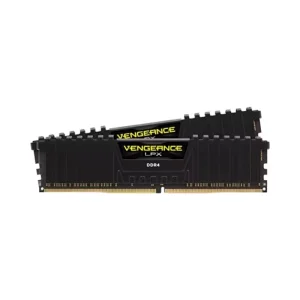
Xeviora Memory Technology (China) Co., Ltd. is a professional DDR5 memory manufacturer and supplier based in China, specializing in high-performance RAM solutions for gaming, industrial, enterprise, and consumer applications. Established in 2017, the company has rapidly grown into a trusted OEM and ODM partner for global distributors, system integrators, and technology brands.
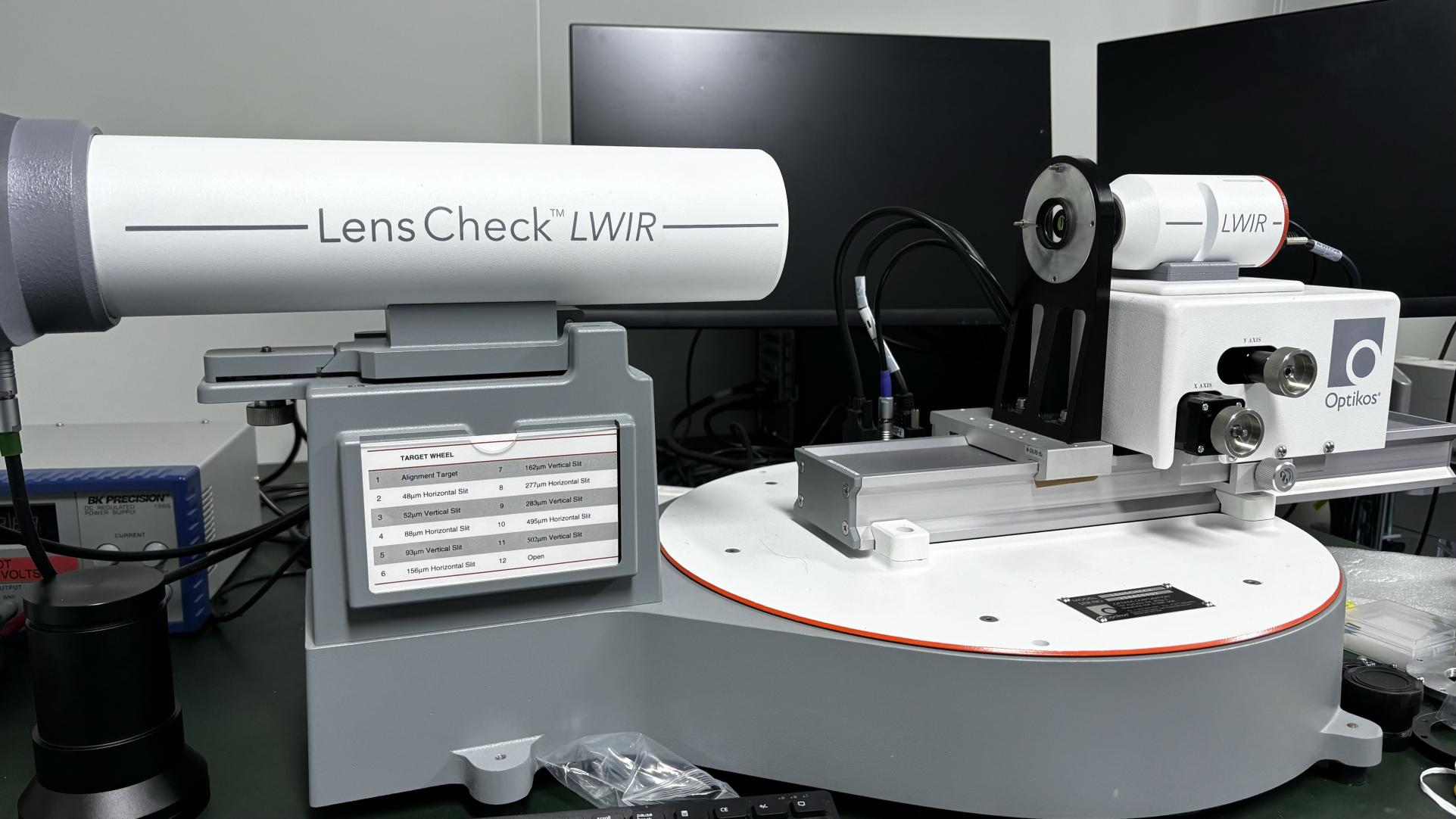
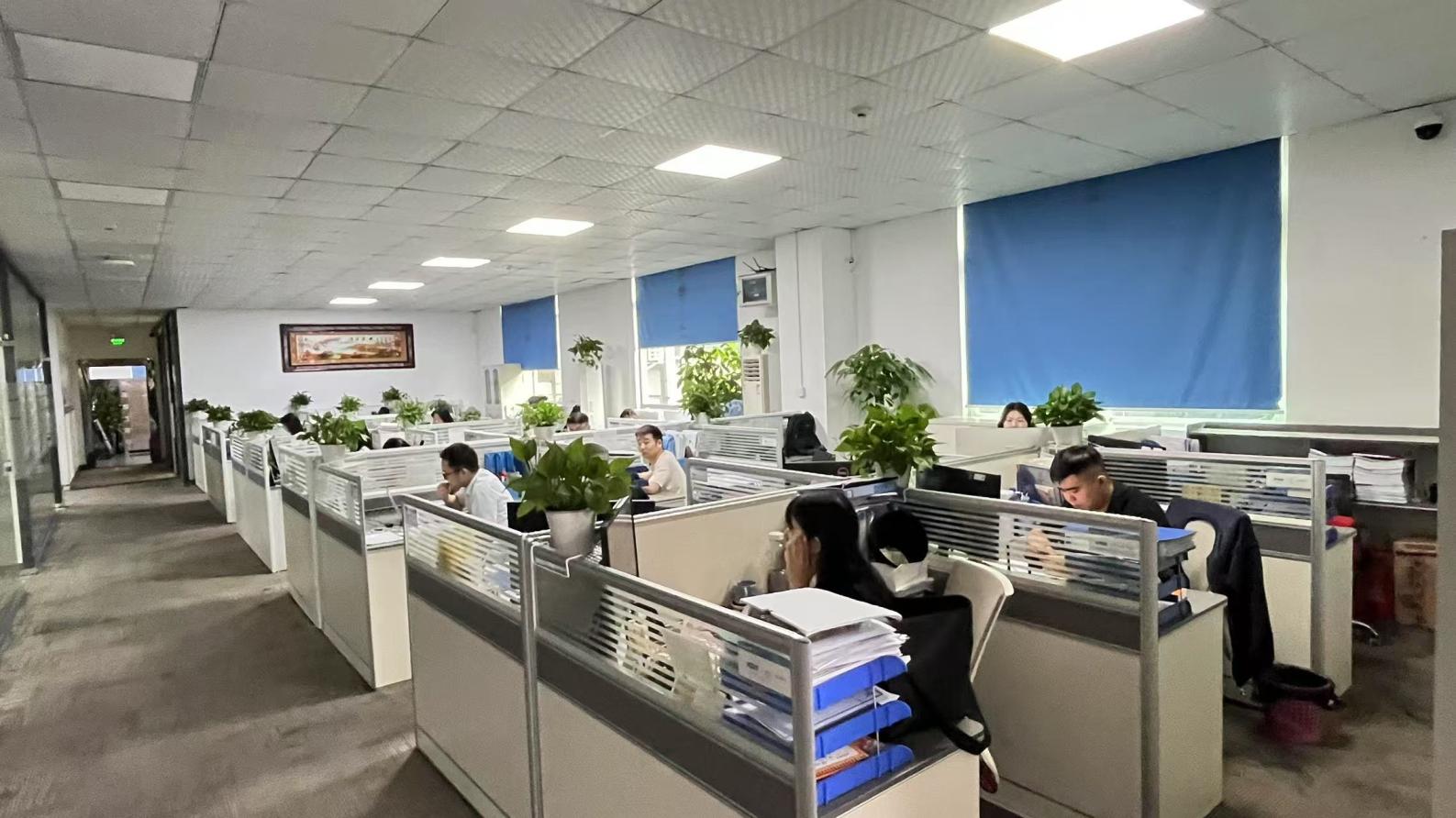
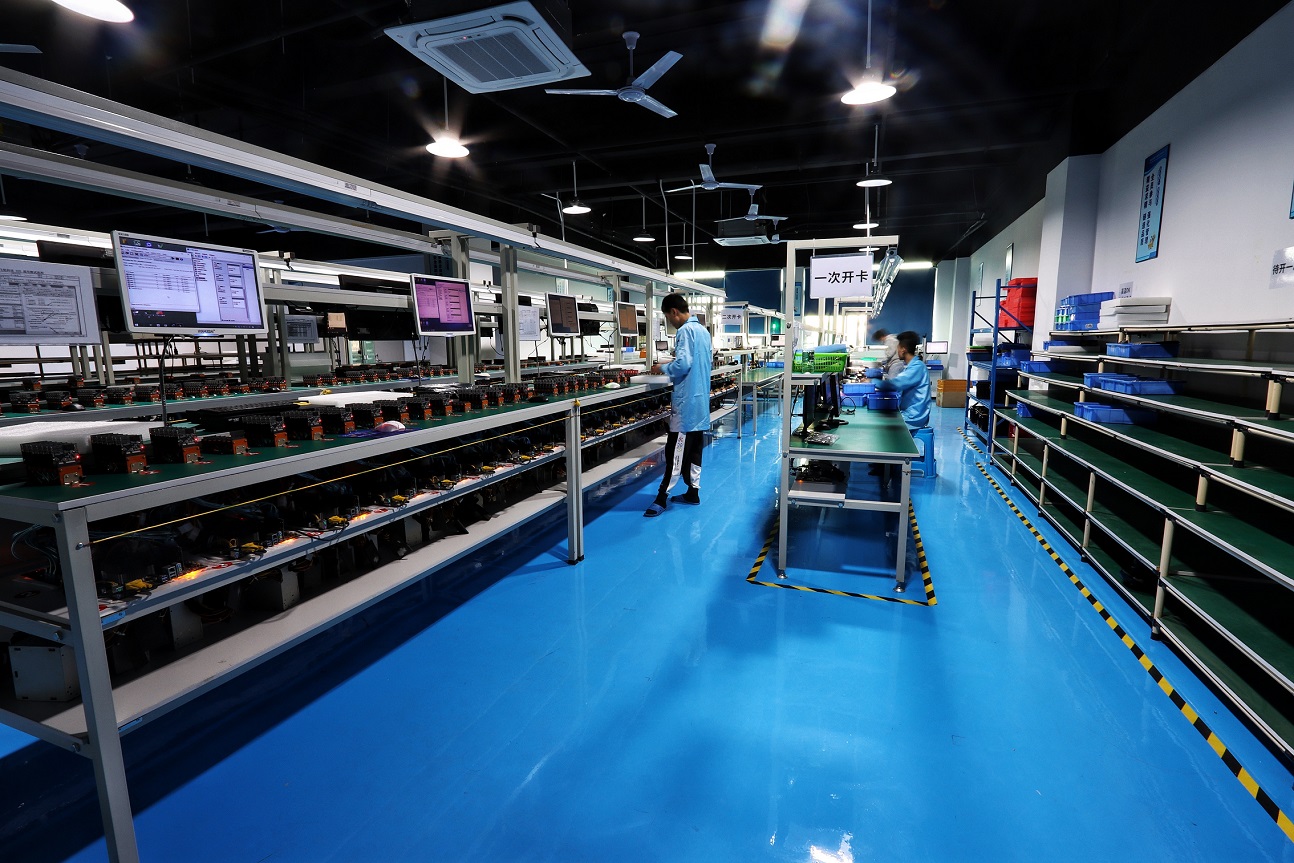
Our manufacturing facility covers 368 square meters and is equipped with advanced production and testing equipment to ensure stable quality and reliable performance. With an annual export revenue of over USD 18 million, Xeviora serves customers across North America, Europe, Southeast Asia, the Middle East, and South America.
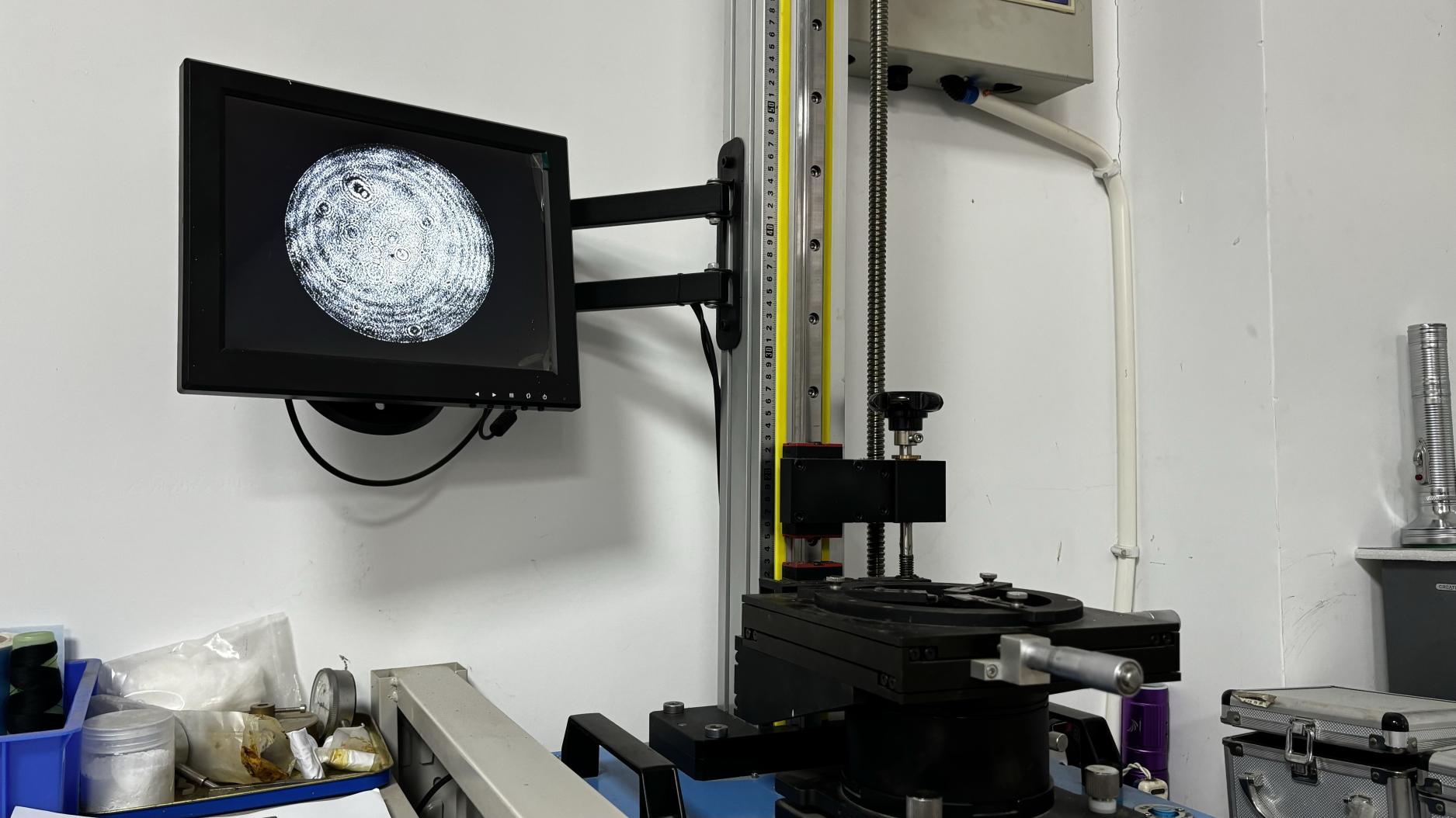
Backed by 8 years of export experience and 12 years of industry expertise, we are committed to delivering innovative memory products that meet international quality standards. Our quality management system includes comprehensive incoming material inspection, in-process quality control, and final product testing. All products undergo automated functional testing, compatibility verification, performance validation, and aging tests before shipment. Our quality assurance team consists of 46 dedicated inspectors who ensure every module meets strict reliability requirements.
As a manufacturer with strong OEM and ODM capabilities, Xeviora works closely with more than 850 supply chain partners worldwide, enabling efficient sourcing, flexible production, and fast delivery. Our primary customers include wholesalers, distributors, e-commerce sellers, system builders, brand owners, and enterprise solution providers.
Innovation is at the core of our business. Supported by an experienced R&D team of 128 engineers, we continuously invest in new technologies and product development. Last year alone, we successfully launched 86 new memory products covering DDR5 gaming memory, industrial-grade memory modules, server memory solutions, and customized storage products.
We offer flexible customization services, including private labeling, logo printing, packaging design, specification customization, firmware optimization, and complete OEM/ODM development. Whether customers require standard memory modules or fully customized solutions, our team is dedicated to providing reliable products, competitive pricing, and professional technical support. Our mission is to empower global customers with advanced memory technology, dependable manufacturing, and long-term business partnerships built on quality, innovation, and trust.
Answers to common technical and logistical questions from hardware buyers regarding PCBA and memory imports.
Turnaround time varies based on project scale and component availability. Standard PCBA prototyping generally takes 5 to 7 working days once all parts are received. For full volume production, lead times typically run 3 to 5 weeks. Selecting a factory with localized supply networks can shorten this timeframe by accelerating component sourcing.
We test memory modules using high-performance motherboards from major brands (including ASUS, MSI, and Gigabyte) to verify stability and performance. During production, every module undergoes automatic functional testing, compatibility checks, stress validation, and thermal aging to ensure reliable operation under continuous load.
Modern CPUs and memory controllers run at high clock speeds and generate substantial heat. Without adequate thermal solutions, system performance will degrade due to thermal throttling. Sourcing optimized cooling components (like copper heat pipes or water blocks) alongside your PCBA ensures the assembly can maintain safe operating temperatures and reliable performance.
We provide full OEM and ODM customization services. Distributors can choose customized retail packaging, customized label and logo designs, custom SPD profile configurations for RAM, and custom PCB color options to fit their brand requirements.