Xeviora
Xeviora
Xeviora
An Industrial Deep Dive into Modern High-Fidelity Design, Micro-Electronics Integration, and Global OEM Procurement Dynamics
The consumer electronics industry is witnessing a structural shift. Wireless audio systems, specifically Custom OEM Bluetooth Speakers, have graduated from simple transducer housings to highly sophisticated smart systems. Today's global market demands speakers that do not just project sound, but offer multi-room synchronization, low-latency gaming modes, environmental room-calibration, and robust physical durability. At the base of these capabilities lies a complex architecture of electronic components: from advanced double-sided and flexible PCB boards to high-frequency Taconic antennas and ultra-stable memory buffers for local audio decoding.
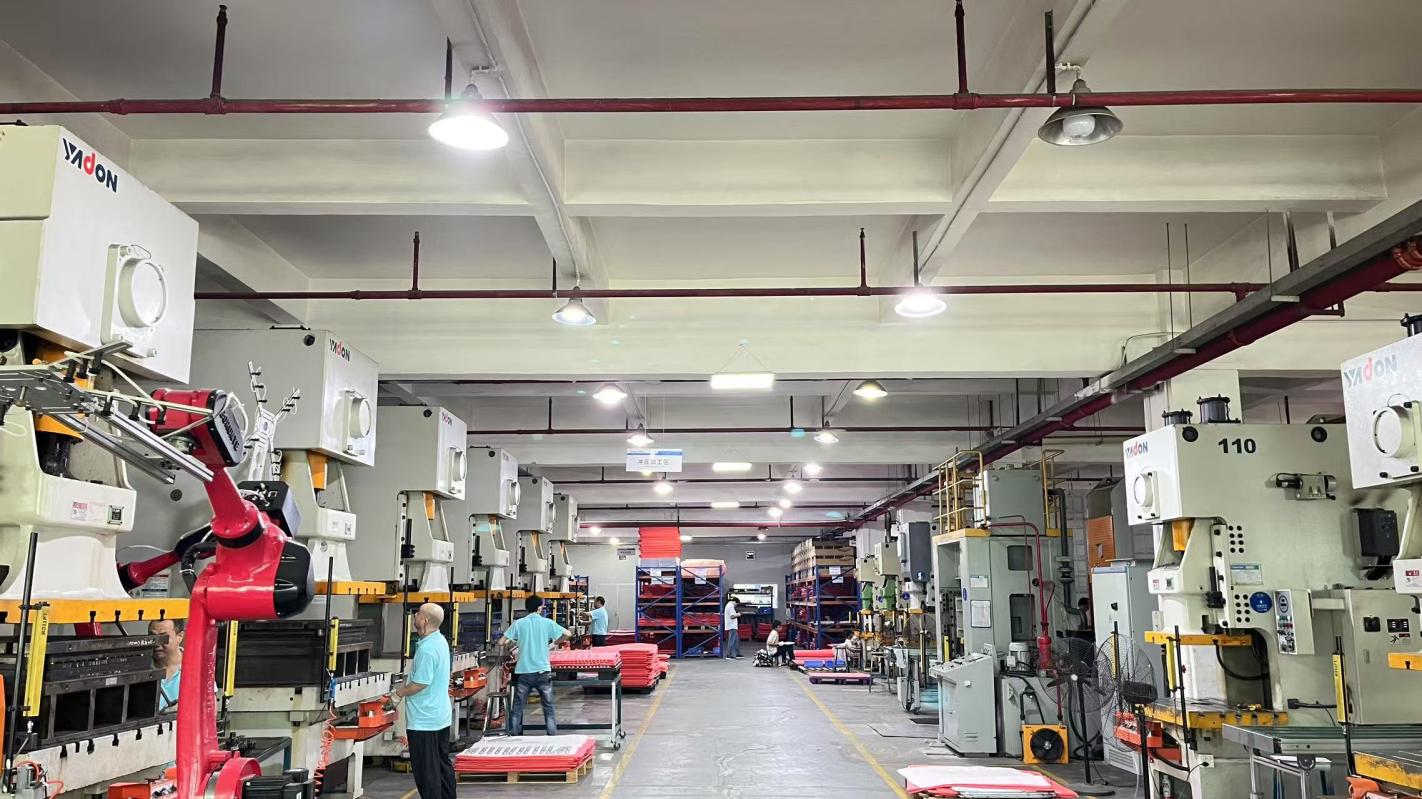
As a leading hardware manufacturing ecosystem, Xeviora Memory Technology (China) Co., Ltd. leverages its 12 years of industry expertise to deliver high-performance hardware components that drive modern intelligent audio devices. Headquartered in China, we specialize in high-performance memory (RAM) and critical circuit board assemblies (PCBA). Bridging the gap between pure component fabrication and integrated consumer electronics, Xeviora functions as the fundamental hardware partner for custom OEM Bluetooth speaker brands and distributors globally. We provide the internal engines—the memory chips, high-stability FPC modules, and heat sinks—that turn basic acoustic housings into advanced, intelligent multimedia devices.
Electronics Engineering Expertise
Annual Global Export Revenue
R&D Engineers & Technicians
Supply Chain Network Partners
How Xeviora Integrates Core Electronics Manufacturing with Premium Bluetooth Speaker Production
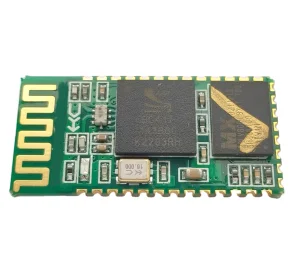
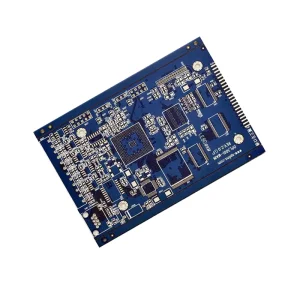
High-end Bluetooth speakers require specialized Class-D amplifier circuits, Bluetooth 5.3 SoC microchips, and charging management controllers. Our automated SMT DIP processing guarantees clean signal routing, preventing cross-talk interference and maintaining an ultra-low Signal-to-Noise Ratio (SNR) for professional acoustic fidelity.
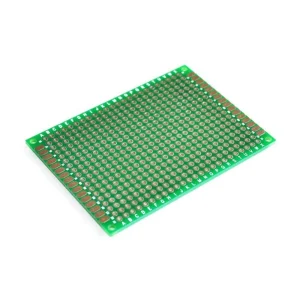
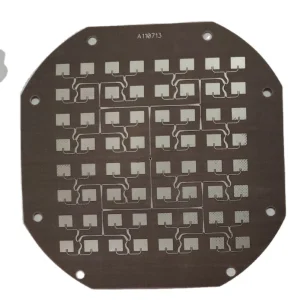
Wireless connection dropouts are unacceptable. Utilizing premium double-sided tinned PCBs and high-frequency materials like Taconic TLY-5 (0.254mm thickness), we craft custom RF circuits. This ensures that the speaker's internal antenna operates at maximum efficiency, minimizing latency and extending the line-of-sight wireless range to over 30 meters.
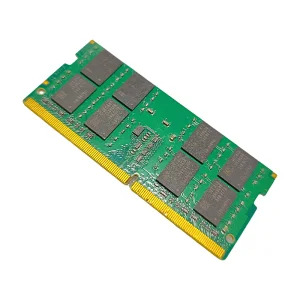
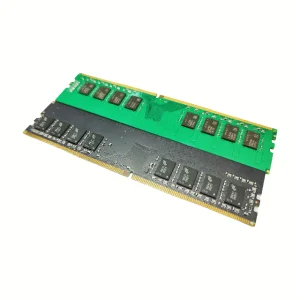
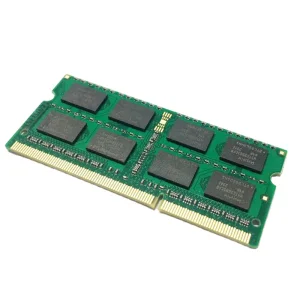
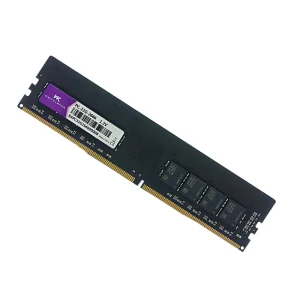
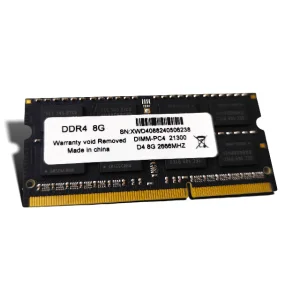
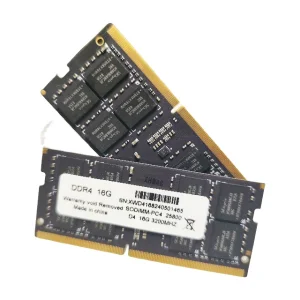
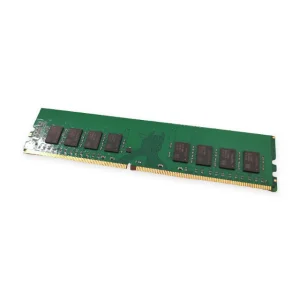
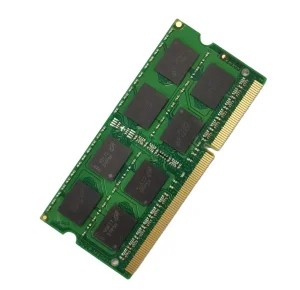
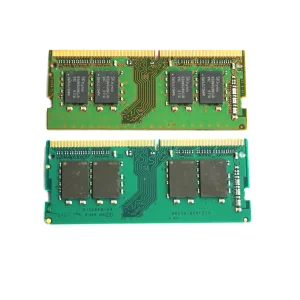
Modern AI-integrated smart speakers run localized light Linux or Android operating systems to process voice command recognition, local MP3 caching, and lossless codec decoding (LDAC, aptX). We integrate durable DDR4 or DDR5 RAM modules directly into the device's main processor board, ensuring zero lag during dynamic buffer cycles.
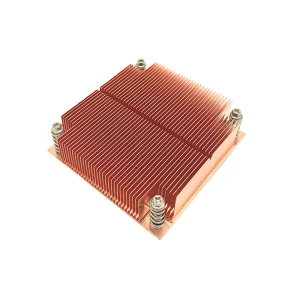
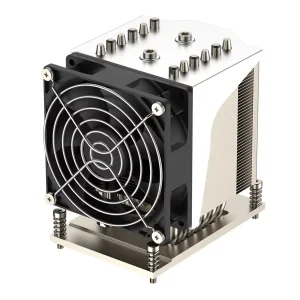
High-power Bluetooth party speakers (>100W RMS output) generate significant heat from their internal power supply and amplifier chips. Our custom thermal solutions, inspired by high-density industrial server cooling systems, feature custom aluminum-extruded structures and active heat sinks to prevent thermal throttling and ensure stable continuous playback.
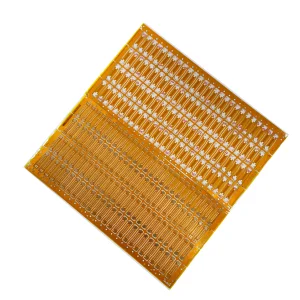
Acoustic design demands airtight enclosures and specific internal volume ratios to optimize bass response. Rigid square PCBs can ruin the internal acoustics. By engineering flexible PCB modules (FPC) with polyimide layers, we allow the mainboard components to curve around cylindrical speaker drivers, maximizing battery chamber volume.
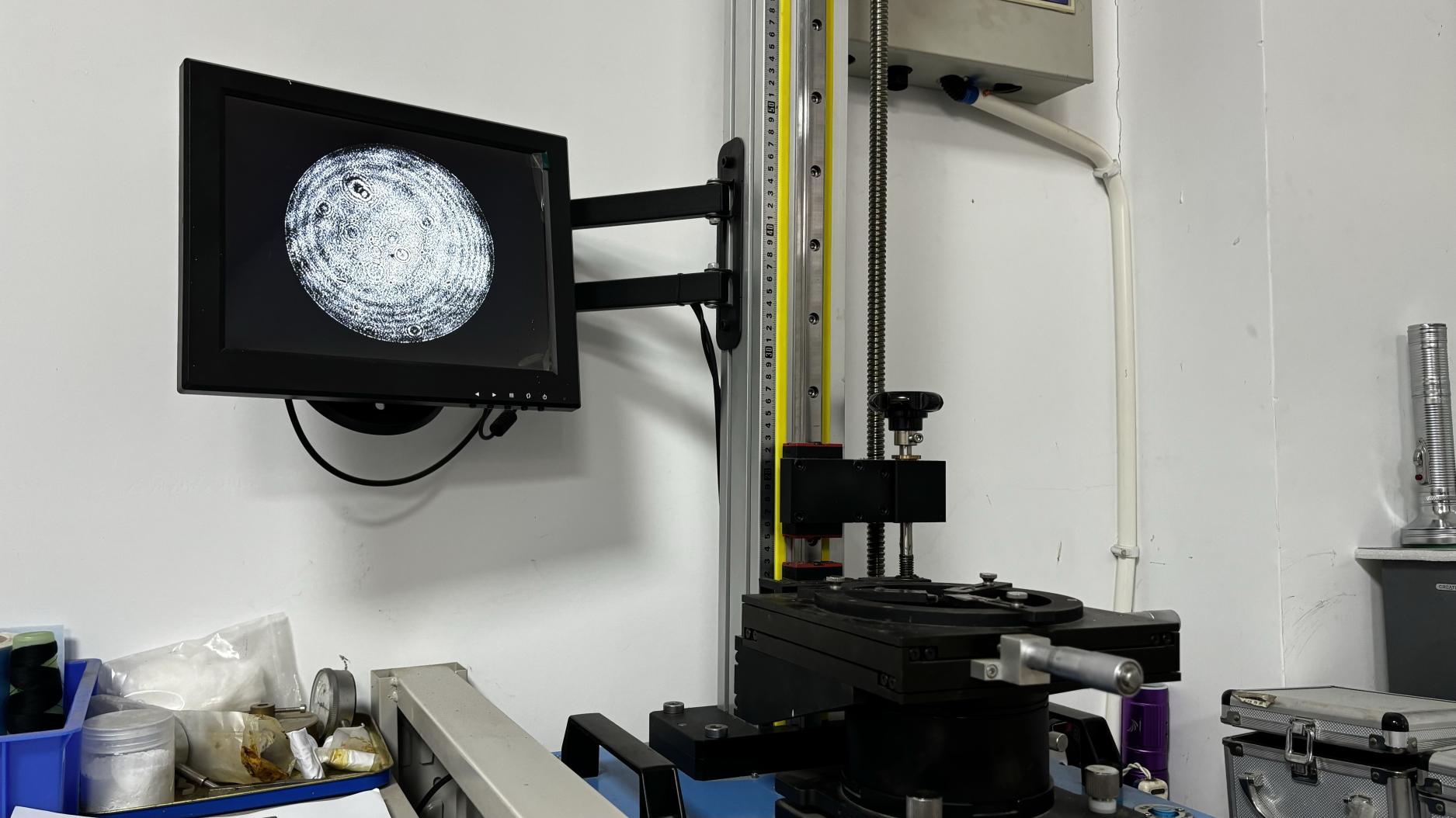
Equipped with a meticulous quality control framework consisting of 46 dedicated inspectors, our facility conducts intensive automated optical inspection (AOI), high-low temperature aging tests, and structural electrostatic discharge (ESD) protection tests. All solutions align with international standards (CE, FCC, RoHS, and WEEE).
Enterprise procurement professionals looking for a reliable Custom OEM Bluetooth Speaker Supplier face dynamic hurdles. These range from lead-time volatility, component sourcing bottlenecks (such as DSP and Bluetooth chip shortage), to strict local compliance standards in Europe and North America. Procurement strategies must transition from simple price-per-unit negotiation to deep vetting of the manufacturer's technical capabilities.
Xeviora simplifies this sourcing model. Operating a tightly integrated network with over 850 supply chain partners worldwide, we manage raw materials, micro-controller wafers, high-frequency laminates, and passive components at scale. This network allows us to secure cost-efficient access to essential audio components. For system integrators and wholesalers, this translates into stable pricing, shorter fabrication schedules, and flexible minimum order quantities (MOQs) that align with seasonal market fluctuations.
Our Long-Term Strategy in Pushing the Boundaries of Wireless Acoustics & Micro-Electronics
8 Years of Industrial Export Experience and 12 Years of Technical Design Mastery
Quality reliability is the ultimate foundation of trust in global manufacturing. At Xeviora, our manufacturing facility is designed to meet strict cleanroom requirements. Backed by 46 certified quality assurance inspectors, our system covers all inspection stages: Incoming Quality Control (IQC) for components like memories, PCBs, and speaker housing; In-Process Quality Control (IPQC) during SMT mounting and assembly; and Outgoing Quality Control (OQC) testing of finalized Bluetooth hardware units.
Every batch of OEM speaker hardware modules undergoes thermal cycling tests, humidity endurance tests, audio-frequency response sweeps (using specialized soundproof testing chambers), and drop-resistance validation. Our R&D engineering crew of 128 innovators is continuously refining our processes to maintain compatibility across global operating frequencies and network protocols. In the last calendar year alone, we introduced 86 new products, bridging high-speed computer technology with consumer IoT audio gear.



Expert Answers on Custom OEM Bluetooth Speaker Design, Component Engineering, and Procurement Procedures