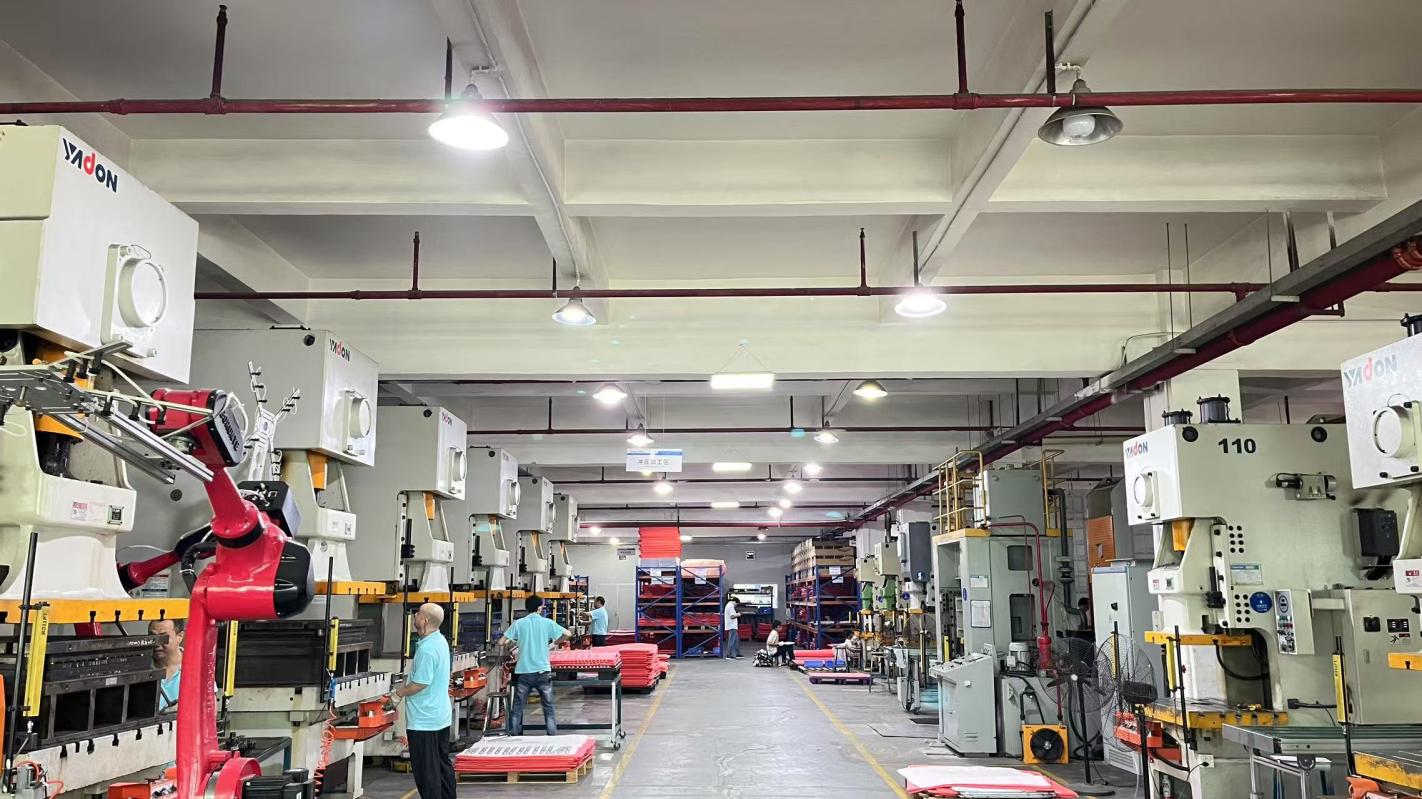
China Wholesale Server Radiator Exporter & Exporters

High-Performance Enterprise-Grade Thermal Management & Advanced Computing Hardware Solutions from Xeviora Memory Technology

Featured Enterprise & Memory Products

Reliable component integration including high-density memory modules and specialized server hardware assemblies.
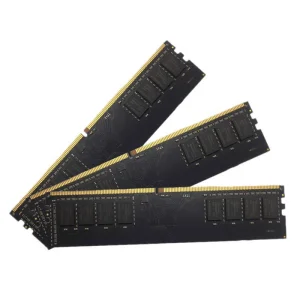
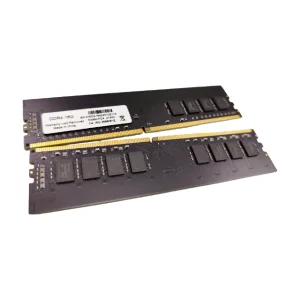
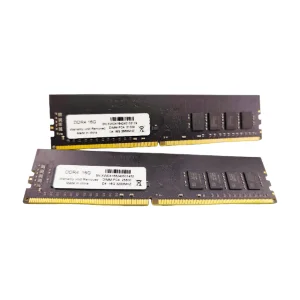
RAM Desktop Ddr4 4GB 8GB 16GB 2666mHZ Memory Module ECC

RAM Desktop Ddr4 4GB 8GB 16GB 2666mHZ Memory Module ECC Desktop Memory Ddr4

View Technical Details
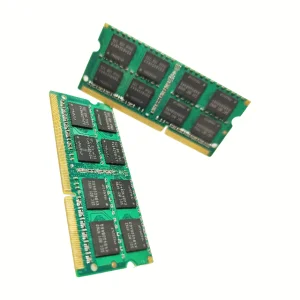
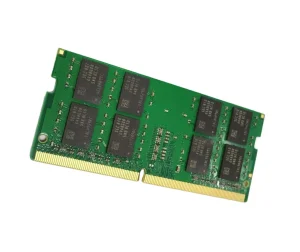
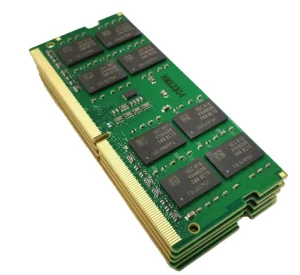
Original Sodimm Memoria Ram Ddr4 Laptop

Original Sodimm Memoria Ram Ddr4 Laptop 8gb 16gb Ddr4 8 Gb 2133 2400 2666 3200mhz 16 Gb Ram Ddr4 Ram 1.35 V Ddr3 4gb Memory

View Technical Details
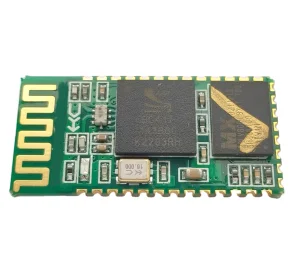
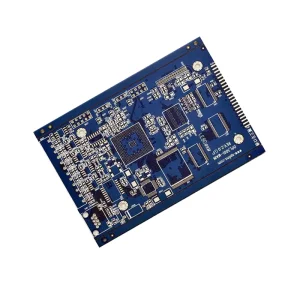
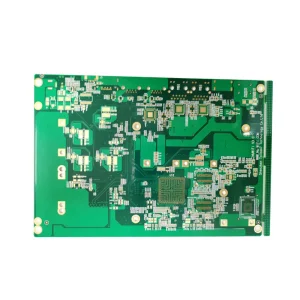
PCB Assembly For Gold Metal Detector

Original Factory High Sensitivity Electronic Circuit Board Pcb Assembly For Gold Metal Detector

View Technical Details
RAM DDR4 Server Memory Kit

RAM DDR4 4GB 8GB 16GB 32GB Server Memory RAM 1600MHz 2666mHz 2400MHz 3200MHz Memory Kit

View Technical Details
Desktop Computer Memory RAM DDR4

Desktop Computer Memory RAM DDR4 16GB 2666mhz Desktop Memory DR4 16GB 3200Mhz Memory Module

View Technical Details
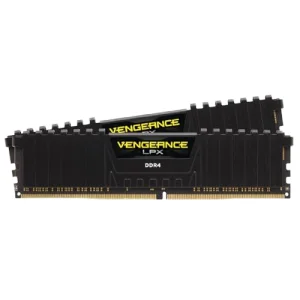
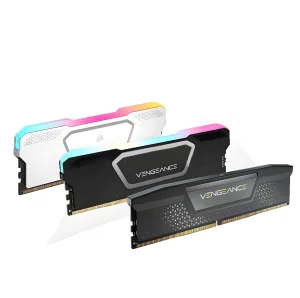
Vengeance LPX DDR4 Desktop Memory Module

Vengeance LPX DDR4 16GB Memory Module RAM DDR4 RAM 1600MHz 2666mHz 2400MHz 3200MHz Desktop Memory Module Computer

View Technical Details
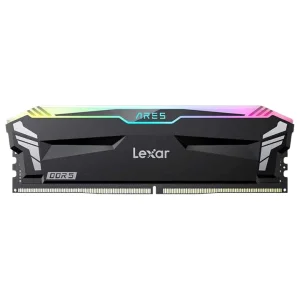
Desktop DDR5 ECC 32GB RGB Gaming Memory

Desktop DDR5 ECC 32GB 1333MHz Gaming RGB Memory Module for Rexar Ares Blade-in Stock

View Technical Details
Desktop Computer RAM DDR4 Server Memory

Desktop Computer RAM DDR4 16GB Server Memory RAM 1600MHz 2666mHz 2400MHz 3200MHz

View Technical Details

Server Thermal Architecture & Radiator Solutions Whitepaper

A deep-dive technical overview of global server cooling trends, material optimization, design parameters, and supply chain mechanics.

Xeviora Memory Technology (China) Co., Ltd.

Established in 2017, Xeviora Memory Technology (China) Co., Ltd. is a leading developer and high-volume manufacturer specializing in high-performance hardware, including DDR5 memory components, custom industrial PCBA, and thermal solutions. Backed by 12 years of industry experience and 8 years of global export proficiency, we operate a state-of-the-art facility featuring strict incoming quality control, dynamic thermal testing, and high-frequency validation equipment. Our annual export footprint reaches over USD 18 million across North America, Europe, the Middle East, and Asia.

12+
Years R&D Exp
$18M+
Annual Export
128
R&D Engineers
46
QC Inspectors

1. Global Commercial & Industrial Status of Server Radiators

The rise of artificial intelligence (AI), high-performance computing (HPC), and 5G edge infrastructure has pushed rack densities to unprecedented heights. As next-generation processors like Intel Xeon and AMD EPYC exceed thermal design points (TDP) of 350W to 400W per socket, standard passive cooling systems can no longer keep up. This paradigm shift requires highly specialized Server Radiators capable of dissipating large amounts of heat while keeping the physical footprint within standard 1U, 2U, or 4U rack dimensions.

Modern data centers account for nearly 2% of global electricity consumption, with cooling infrastructure consuming up to 40% of that energy. Consequently, server radiators are no longer just basic heat sinks; they are precision-engineered thermal exchanges. By optimizing copper-aluminum contact structures, deploying vapor chambers (VC), and adopting high-density zipper fins, global operators can lower power usage effectiveness (PUE) ratings. This helps them meet strict environmental rules and reduce operating costs.

2. Technical Trends Driving Server Radiator Development

High-Performance Copper Vapor Chambers

Moving away from traditional solid copper bases, high-TDP systems rely on phase-change vapor chambers. VCs spread heat uniformly in all directions, dramatically reducing thermal resistance at the contact interface.

Composite Fin Assemblies & Zipper Fins

Aluminum zipper fins are stamped and interlocked to form dense arrays. This design maximizes surface area while maintaining light weights, preventing mechanical stress on the CPU socket.

Dynamic Air-Liquid Hybrid Architecture

While liquid cooling is growing, advanced air cooling with high-reliability fans remains the standard. Server radiators now feature optimized heat pipe routing that integrates seamlessly with chassis airflow.

The shift from DDR4 to DDR5 ECC memory has also introduced new thermal challenges. DDR5 places the Power Management Integrated Circuit (PMIC) directly on the memory module rather than the motherboard. This generates additional localized heat within the server chassis. Comprehensive server design requires thermal solutions that manage both high-TDP processors and adjacent memory modules. Xeviora's R&D team addresses this by optimizing airflow paths and radiator profiles to protect both components from thermal throttling.

3. Localized & System-Specific Application Scenarios

Different server workloads require custom thermal strategies. An off-the-shelf radiator rarely fits the exact space, airflow, and mounting pressure demands of modern enterprise racks. Here is how advanced server radiators perform across specific environments:

  • Hyperscale Cloud Datacenters: Radiators optimized for 2U and 4U chassis with multi-node architectures, prioritizing continuous air cooling via high-RPM, dual ball-bearing fans. These setups require low-maintenance components that can run for years without manual intervention.
  • Edge Computing & IoT Gateways: Compact 1U designs featuring low-profile copper fin radiators. These setups are often deployed in environments with limited active airflow, requiring highly efficient heat pipes to draw thermal loads away from the silicon.
  • AI Compute Clustering: High-density GPU/CPU hybrid setups where radiators must operate under sustained peak loads. Precision-grooved heat pipes and direct-contact technologies are critical to prevent chip throttling during machine learning training.

4. Technical Roadmap & Future Design Goals (2025–2028)

As thermal demands rise, our engineering pipeline focuses on advanced materials and structures:

Phase 1: Advanced Direct-Contact Baseplates

Optimizing the interface between the CPU heat spreader and the radiator block. Transitioning to direct-contact copper heat pipes with ultra-fine grooved interior structures for faster phase transition cycles.

Phase 2: Hybrid Micro-Channel Designs

Integrating micro-channel liquid blocks with traditional radiator fins. This allows data centers to scale up to liquid cooling without replacing their entire existing air-cooled chassis setups.

Phase 3: Thermally Conductive Graphene Coatings

Applying thin layers of graphene to aluminum fins to improve heat dissipation into the passing air, reducing the fan speed needed to maintain target operating temperatures.

5. Macro-Level Server Hardware Solutions

Xeviora provides holistic system hardware development. As a leading manufacturer in China, we integrate structural design with electronic production:

  • Thermal-Electrical Integrated Design: Ensuring that high-frequency memory modules, such as DDR5 ECC and desktop gaming modules, operate in thermal sync with the CPU radiators. We build the physical PCBs and components to ensure they do not block optimal airflow.
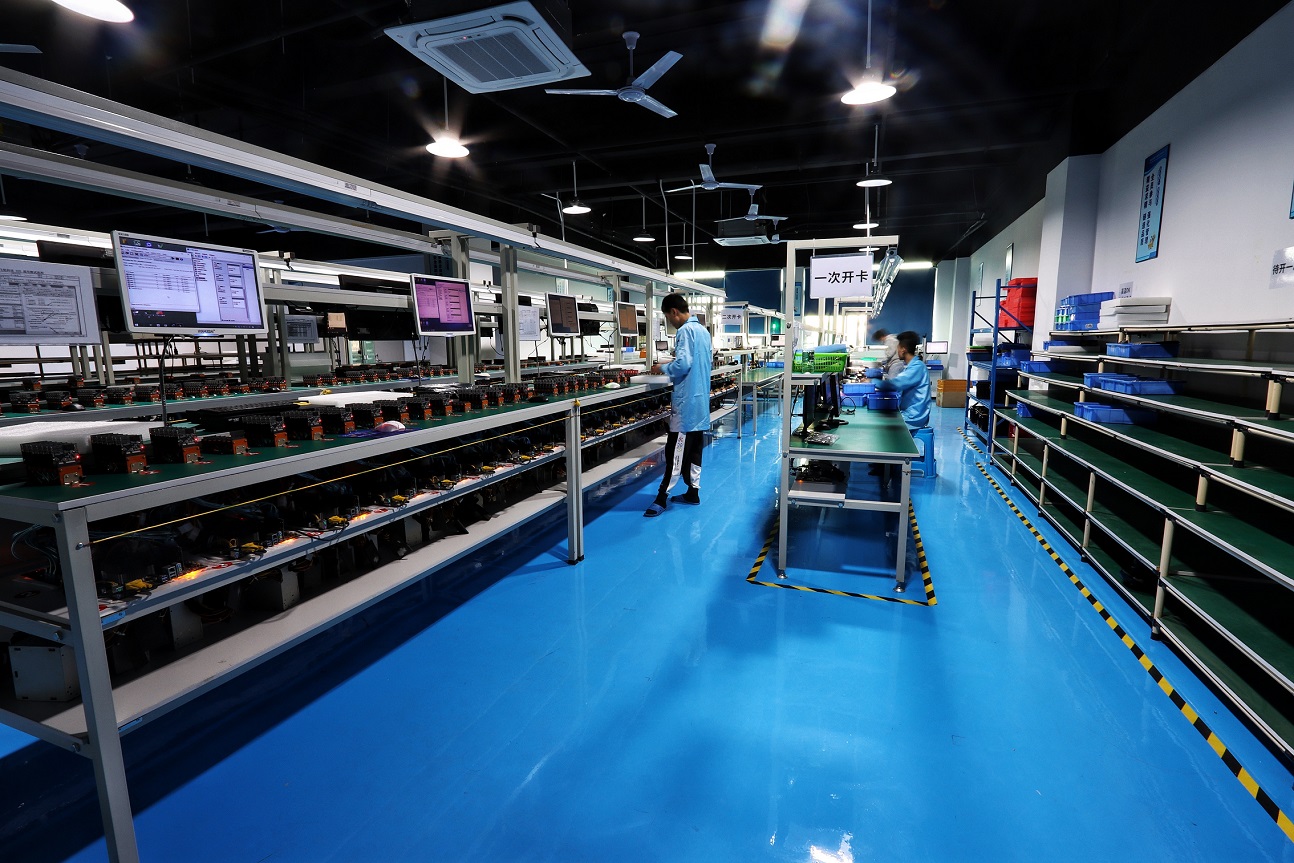
  • Precision OEM PCBA & SMT Assembly: Beyond memory and heatsinks, we design and assemble high-density circuits, power supply instrumentation, and industrial control interfaces. This makes us a single-source manufacturing partner for complex hardware projects.
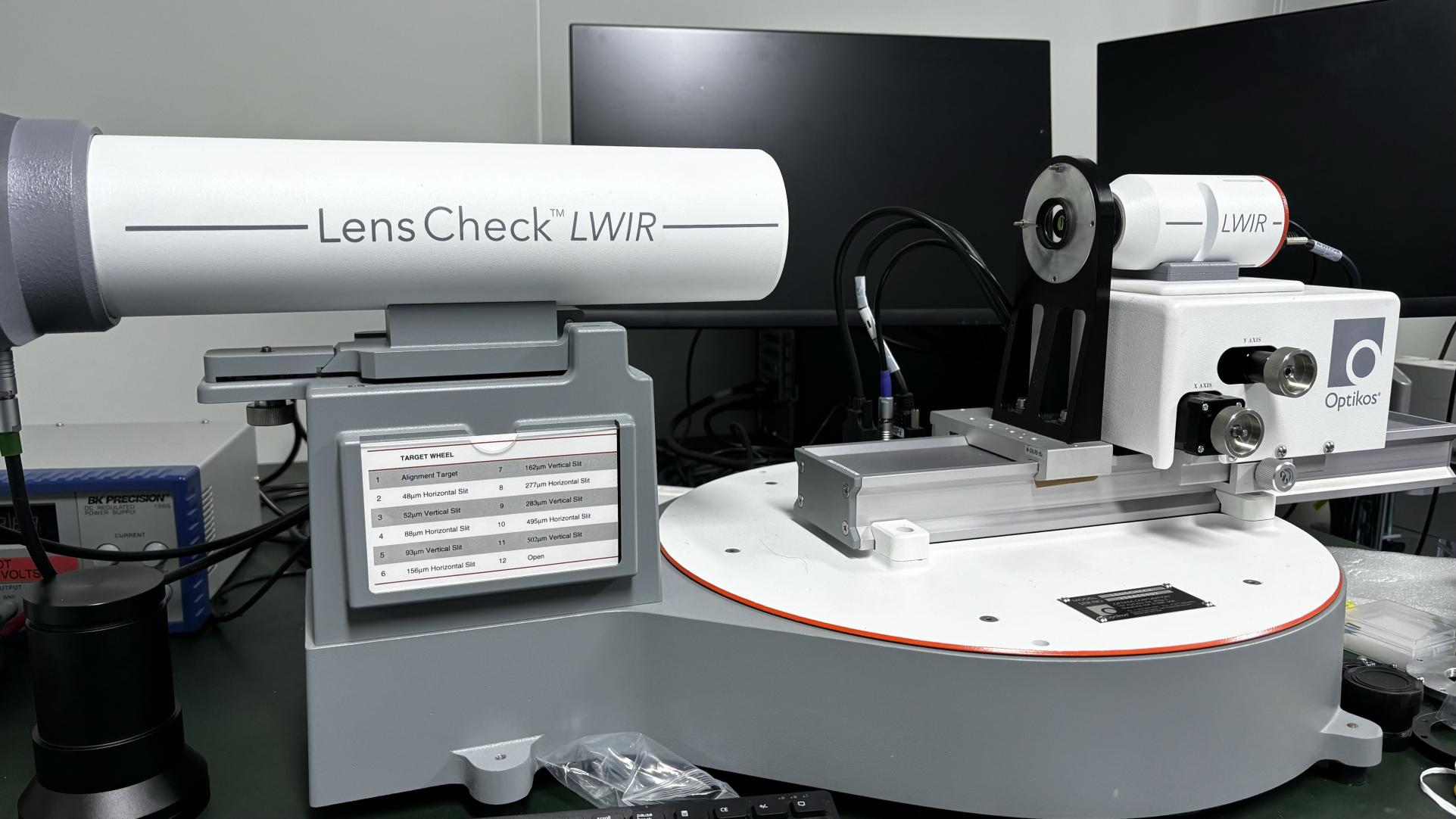
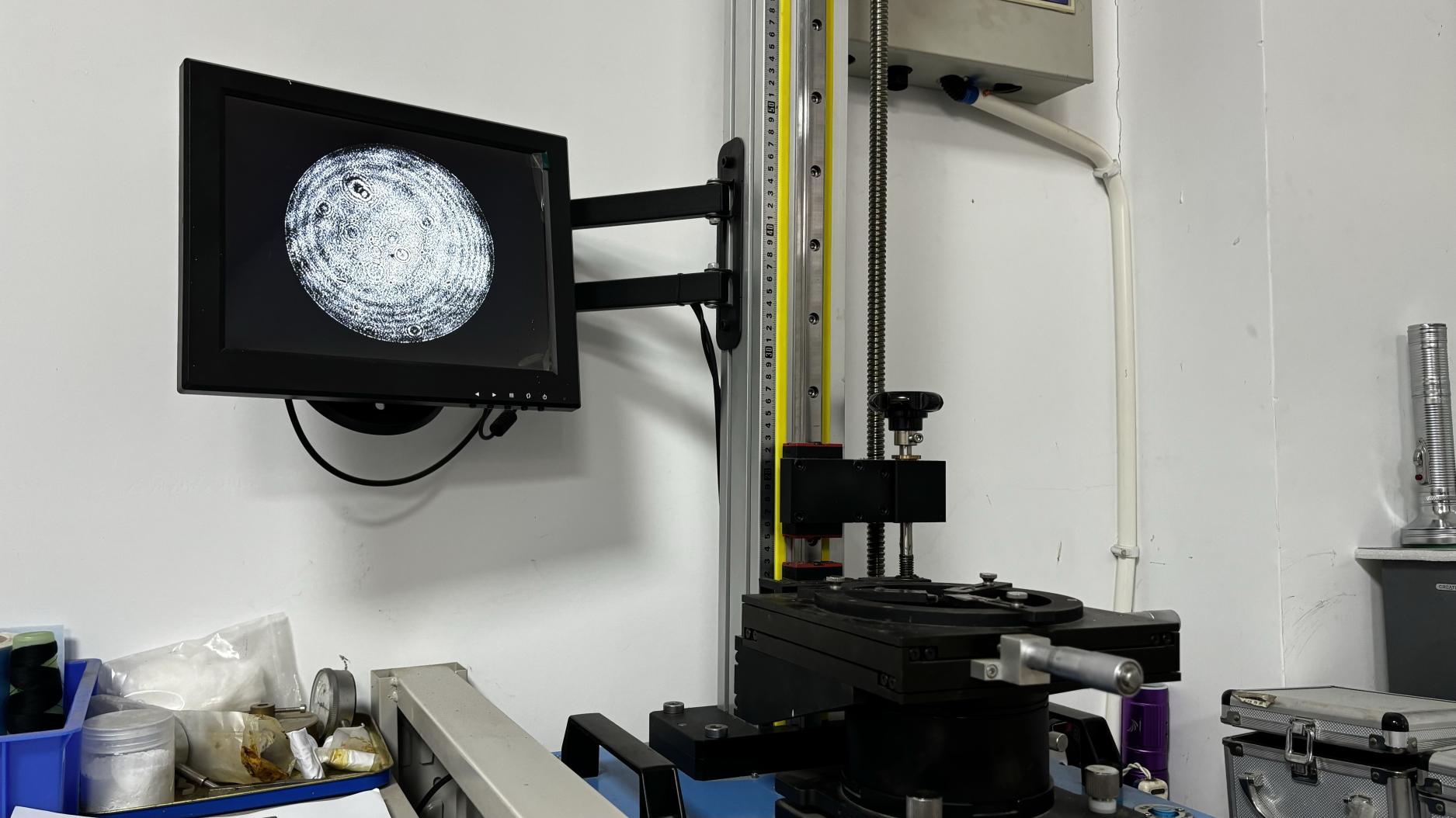
  • Rigorous Testing Protocols: Our facility utilizes specialized hardware testers, temperature chambers, and vibration tables. This testing ensures all custom radiators and PCBA designs can withstand transport stresses and run reliably in 24/7 server environments.

Industrial Systems & Cooling Assemblies

Explore our range of active cooling units, custom PCB configurations, and high-frequency memory modules.
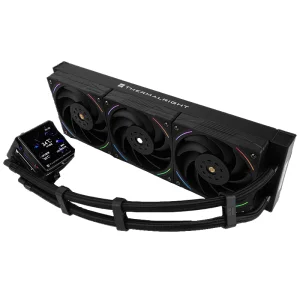
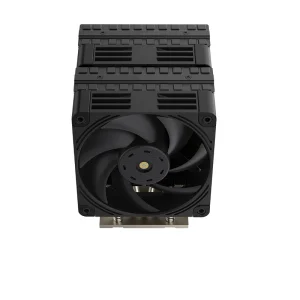
Server CPU Heat Sink ARGB Fan 4 Heat Pipes

Server CPU Heat Sink Hydraulic Bearings Copper/Aluminum Fan 2U Fin 4 Heat Pipes ARGB Support Computer Case CE/FCC Certified

View Technical Details
Factory Hot Selling Server Memory DDR4 8GB

Factory Hot Selling Server Memory DDR4 8GB Desktop Computer Memory 1600MHz 2666mHz 2400MHz 3200MHz

View Technical Details
Ram DDR4 8GB Laptop Memory Module

Ram DDR4 8GB Laptop Memory Module Ram DDR4 2133 2400 2666 MHz Memory Module DDR4 Ram

View Technical Details
OEM PCB Processing PCBA Assembly

OEM PCB Processing Power Supply Instrumentation SMT PCBA DIP Plug-in Soldering Assembly Industrial Automation Immersion Silver

View Technical Details
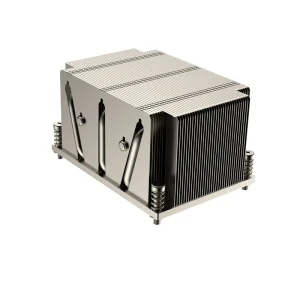
Manufacturer Supplied Server Heatsink SP3

Manufacturer Supplied Server Heatsink SP3 Air-cooled Heatsink CPU Cooler Dual Ball Bearings

View Technical Details
Prototype Printed Circuit Board PCBA

Prototype Printed Circuit power Bank PCB Circuit multilayer PCB manufacturer with WIFI Welding Making Machine Inverter

View Technical Details
CMK DDR5 16G 5200MHz Desktop Memory

Suitable for Pirate Ship Revenge CMK DDR5 Series 16G 5200MHz Desktop RGB Memory

View Technical Details
Processor Heatsink LGA4926 300W Server Heatsink

Processor Heatsink LGA4926 300W Server Heatsink 2U Server CPU Cooler Copper Aluminum Sheet 5 Heat Pipe

View Technical Details

Technical FAQ & Procurement Guide

Key engineering questions answered by the Xeviora technical support team.

Q1: What are the main advantages of copper-aluminum composite structures over pure aluminum radiators?
Copper-aluminum composites offer the best balance of thermal efficiency and mechanical load management. The copper base plate, which sits directly on the CPU heat spreader, quickly absorbs high-density heat. Meanwhile, the lightweight aluminum zipper fins disperse that heat over a large surface area. This composite design keeps the assembly light, protecting the delicate CPU sockets from excess stress.
Q2: Can Xeviora customize mounting brackets and thermal interfaces for specific sockets like AMD SP3 or Intel LGA4926?
Yes. As a full-service OEM and ODM partner, Xeviora customize mounting frames, bracket mechanisms, and thermal interface materials (TIM). We adapt our products to match standard server standards, including AMD SP3, Intel LGA4926, and custom layouts. This customization ensures proper mounting pressure, low contact resistance, and a secure fit inside standard racks.
Q3: How do you control the quality of high-density SMT PCBA and memory modules under continuous operation?
Our quality control process is managed by 46 dedicated inspectors. We conduct strict incoming inspections, run automated visual tests during production, and perform functional tests on the finished assemblies. All RAM modules undergo high-temperature aging chambers and burn-in tests to eliminate early component failures. This process ensures stable, 24/7 performance under heavy enterprise workloads.
Q4: What is the typical lead time and supply chain capacity for wholesale volume orders from China?
Our facility works with more than 850 partners worldwide to keep production moving efficiently. For typical bulk orders of memory modules or server heat sinks, standard lead times range from 15 to 25 days, depending on custom branding and testing requirements. We manage all logistics and customs documents, ensuring smooth delivery across North America, Europe, and Asia.

Factory Facilities & Quality Standards

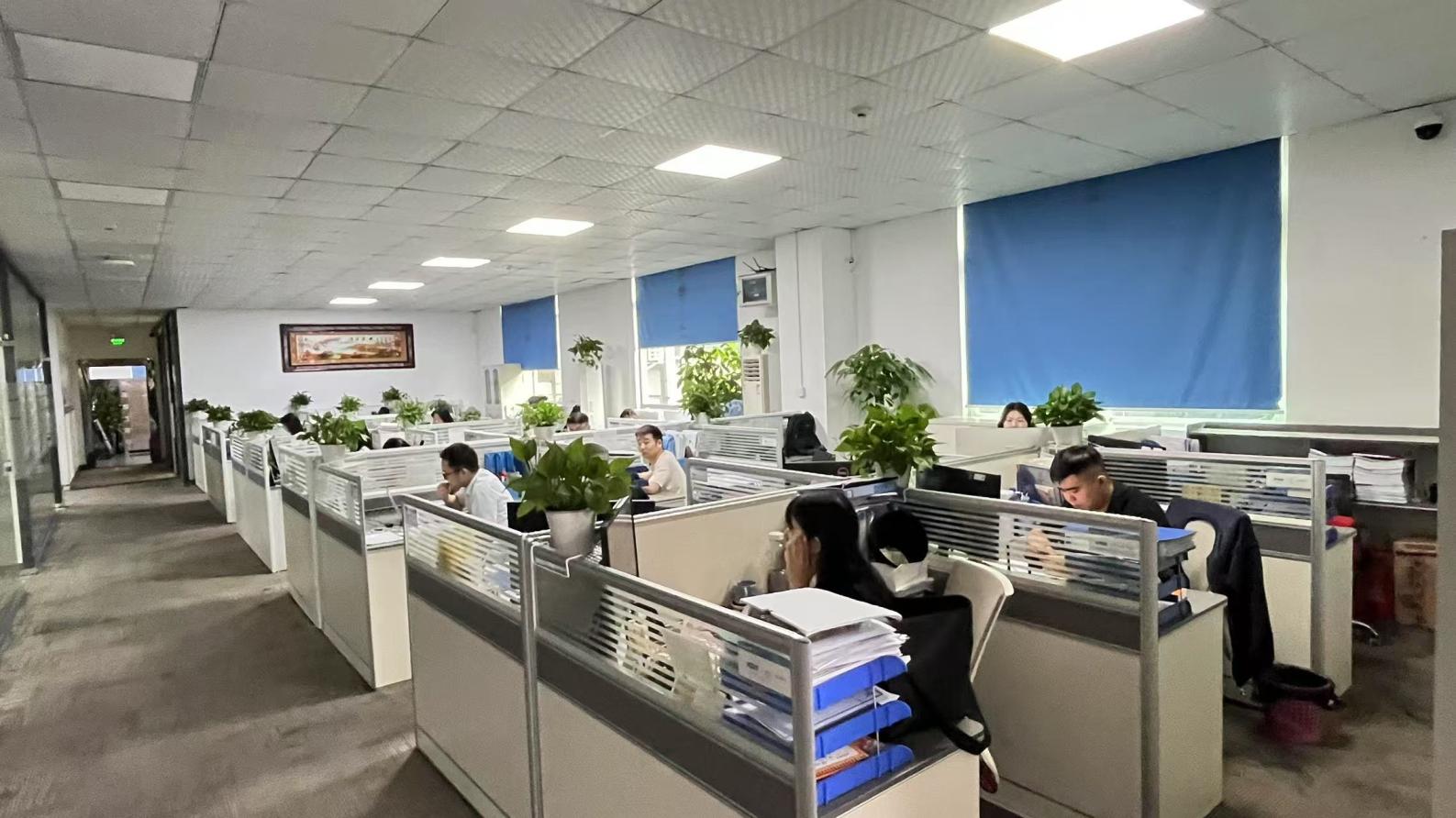
Our production lines are equipped with advanced assembly systems, cleanrooms, and testing gear to maintain quality across every batch.