Xeviora
Xeviora
Xeviora
Explore high-performance RAM, precision-engineered PCBs, and server-grade cooling modules designed for robust network switch assemblies.
In the digital age, high-speed connectivity forms the bedrock of global communication. The market for network switches—spanning Layer 2 managed switches, Layer 3 multi-gigabit enterprise switches, and advanced optical data center switches—is expanding exponentially. China's manufacturing clusters in Shenzhen, Dongguan, and Suzhou have evolved into the epicenter of network hardware fabrication. They combine massive industrial capacity with precise, state-of-the-art engineering capabilities to export reliable telecom hardware worldwide.
Choosing the right partner among China's network switch factories requires more than analyzing cost sheets; it necessitates a deep understanding of sub-component engineering. A switch's real-world reliability, MTBF (Mean Time Between Failures), packet-loss rates, and latency limits depend directly on its core components. Specifically, high-speed buffer memory, multilayer impedance-controlled PCBs, and active or passive thermal management systems determine the switch's overall efficiency. By partnering with component specialists like Xeviora Memory Technology, network equipment manufacturers and system integrators ensure their products maintain uncompromising quality at scale.
“Modern network switches process terabits of data per second. At these frequencies, component stability is no longer a luxury—it is an absolute operational requirement.”
How top-tier exporters integrate high-bandwidth memory, precise PCB fabrication, and high-wattage cooling systems to deliver carrier-grade hardware.
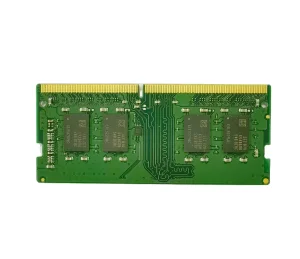
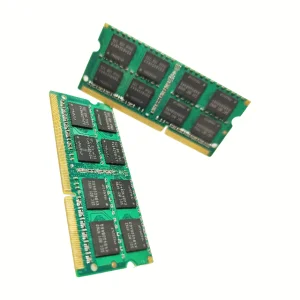
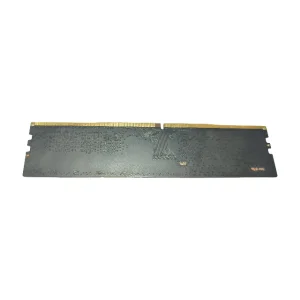
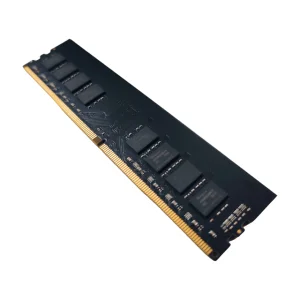
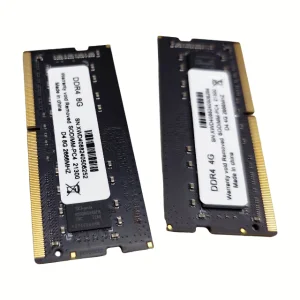
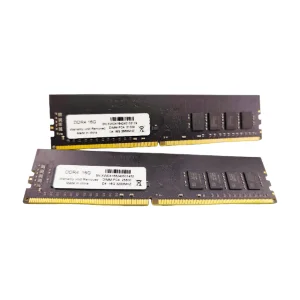
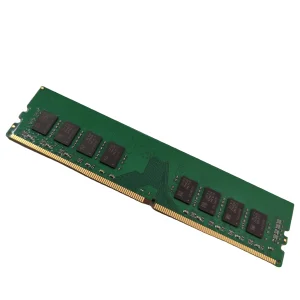
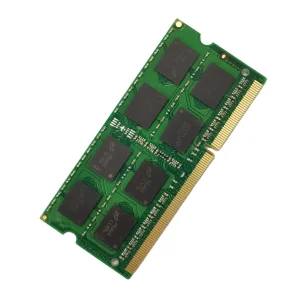
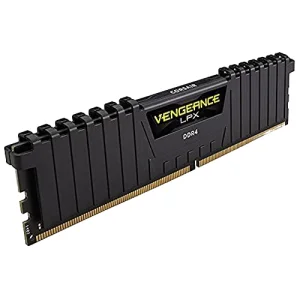
For modern PoE switches, enterprise routers, and 100G/400G switches, packet buffering prevents packet drop during traffic bursts. Industrial-grade DDR4 and DDR5 memory modules (like those produced by Xeviora) serve as high-speed cache memory for switch ASICs. This memory supports rapid MAC table lookup and dynamic queuing, maintaining minimal latency across all ports.
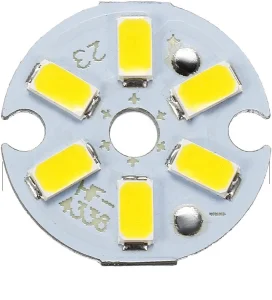
High-frequency signals passing through network switch printed circuit boards demand exceptional impedance control and minimal electromagnetic interference. Precision-fabricated PCBs, incorporating advanced LED and circuit routing technologies, ensure high signal integrity, zero-distortion power distribution, and multi-layer structural reliability under sustained thermal stress.
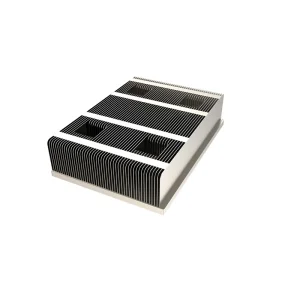
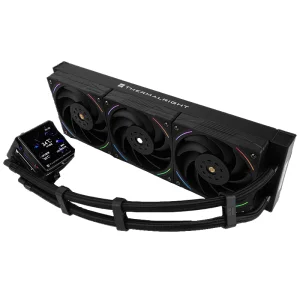
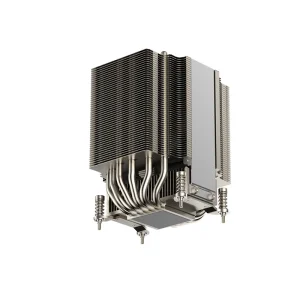
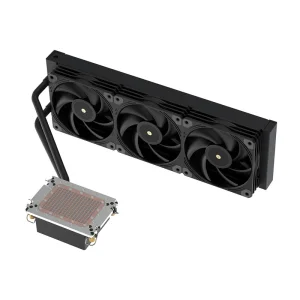
ASIC microprocessors inside high-density Ethernet switches generate substantial heat. Active heatsinks, 2U fin coolers with copper heat pipes, and integrated liquid cooling plates prevent thermal throttling. Proper thermal management safeguards key semiconductor components, ensuring the switch operates efficiently at 100% capacity in demanding server environments.
Network switch solutions manufactured in China are deployed across diverse and challenging global applications. Modern exporters optimize their equipment to handle harsh environmental variables, standardizing hardware configurations for several critical applications:
Exporting networking hardware to strict markets like North America and the European Union requires comprehensive compliance. Quality-focused Chinese manufacturers verify that every production run meets international safety and environmental regulations. These quality assurances include:
As enterprise networks transition toward 800G architectures, network switch designs are changing. Traditional system layouts face physical limitations in thermal management and signal integrity. Tomorrow’s network switches will require several design shifts:
First, the industry is transitioning to Co-Packaged Optics (CPO). This technology integrates optical engines directly with the switch silicon, reducing trace lengths on the PCB to minimize signal loss. Second, the shift from DDR4 to DDR5 brings double the bandwidth and improved power management (PMIC on-module), enabling control planes to route packets with minimal latency. Lastly, liquid cooling systems are replacing air-based cooling in data centers. Integrated water blocks and closed-loop liquid systems maintain stable temperatures for high-density ASICs, ensuring uninterrupted data transfers.
Xeviora Memory Technology (China) Co., Ltd. is a professional DDR5 memory manufacturer and supplier based in China, specializing in high-performance RAM solutions for gaming, industrial, enterprise, and consumer applications. Established in 2017, the company has rapidly grown into a trusted OEM and ODM partner for global distributors, system integrators, and technology brands.
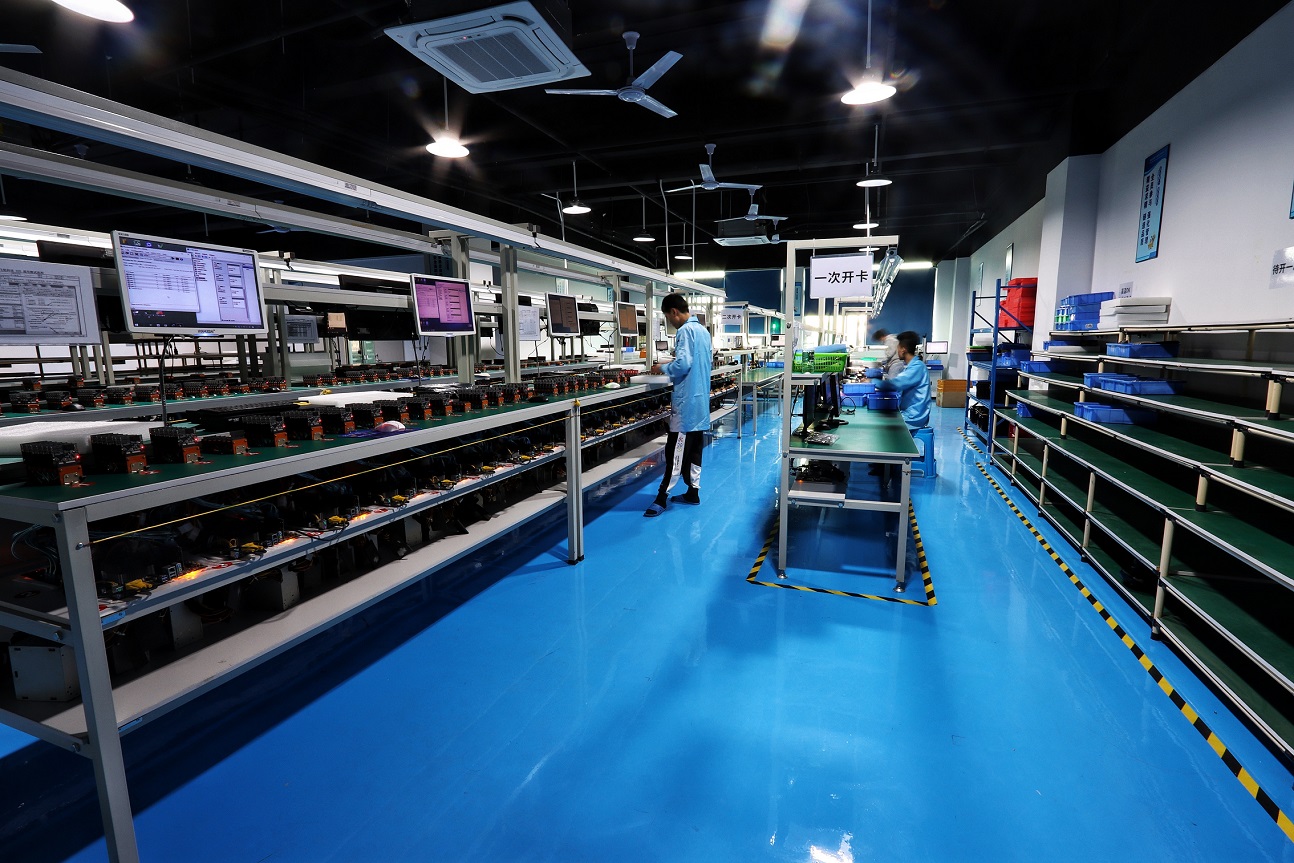
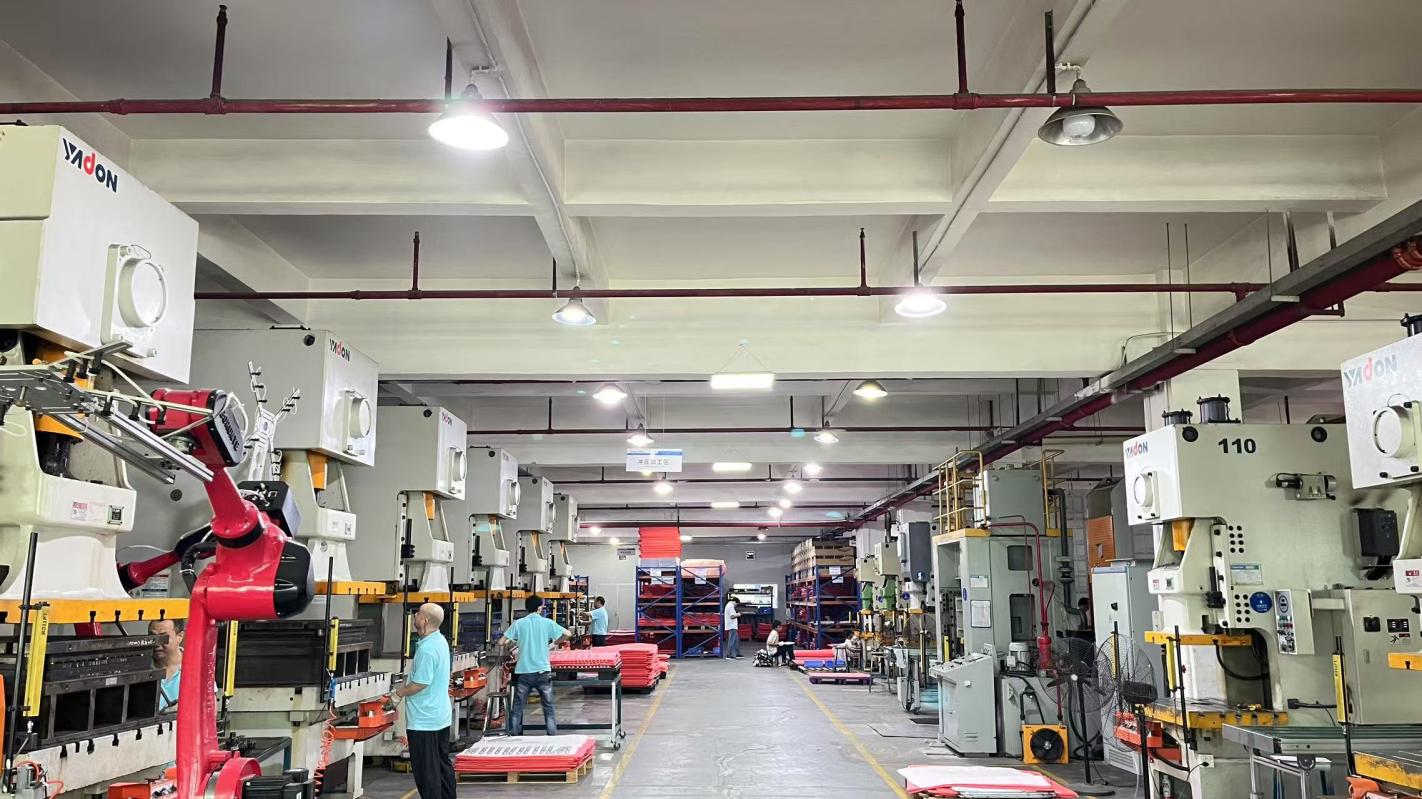
Our manufacturing facility covers 368 square meters and is equipped with advanced production and testing equipment to ensure stable quality and reliable performance. With an annual export revenue of over USD 18 million, Xeviora serves customers across North America, Europe, Southeast Asia, the Middle East, and South America.
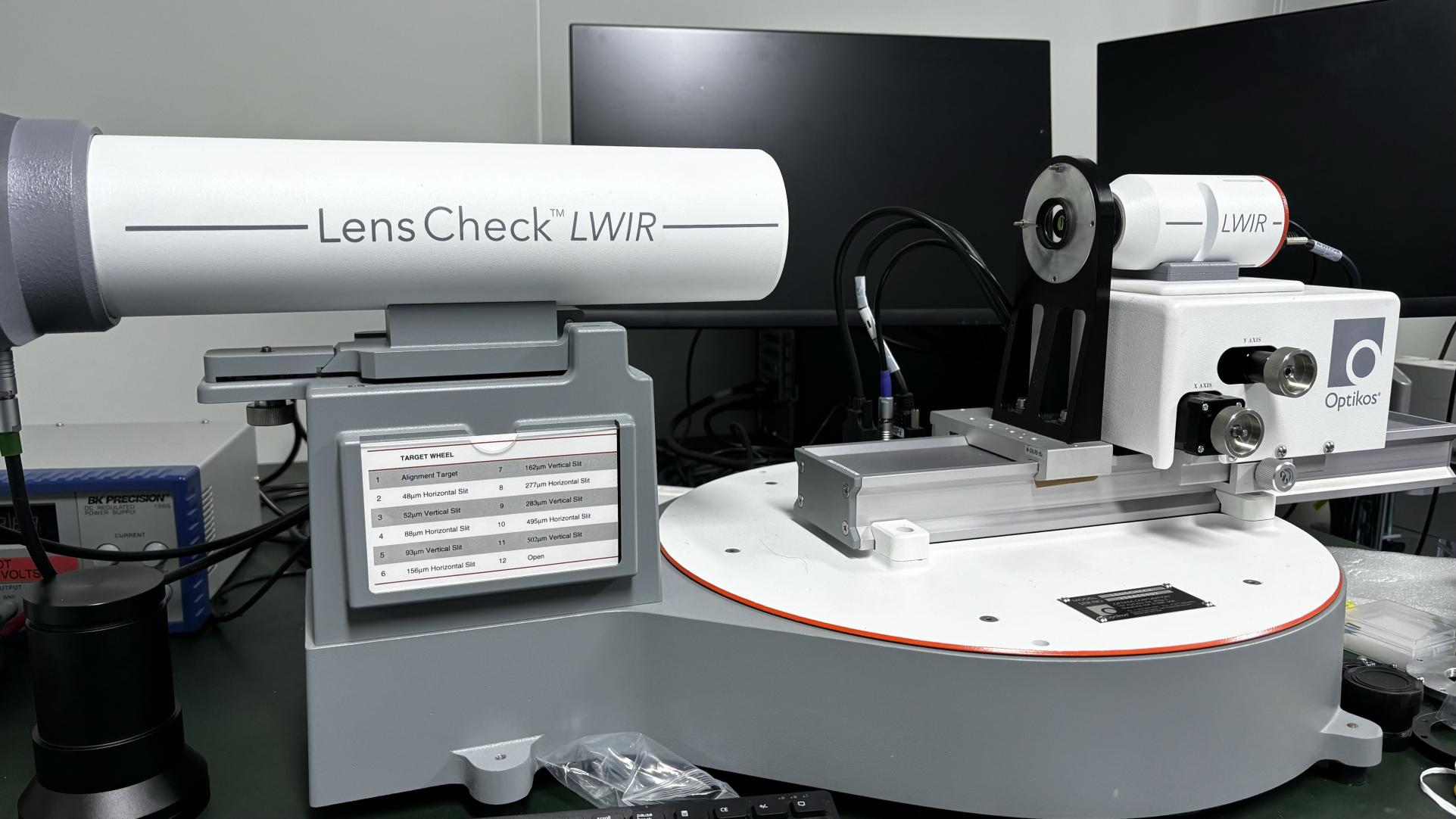
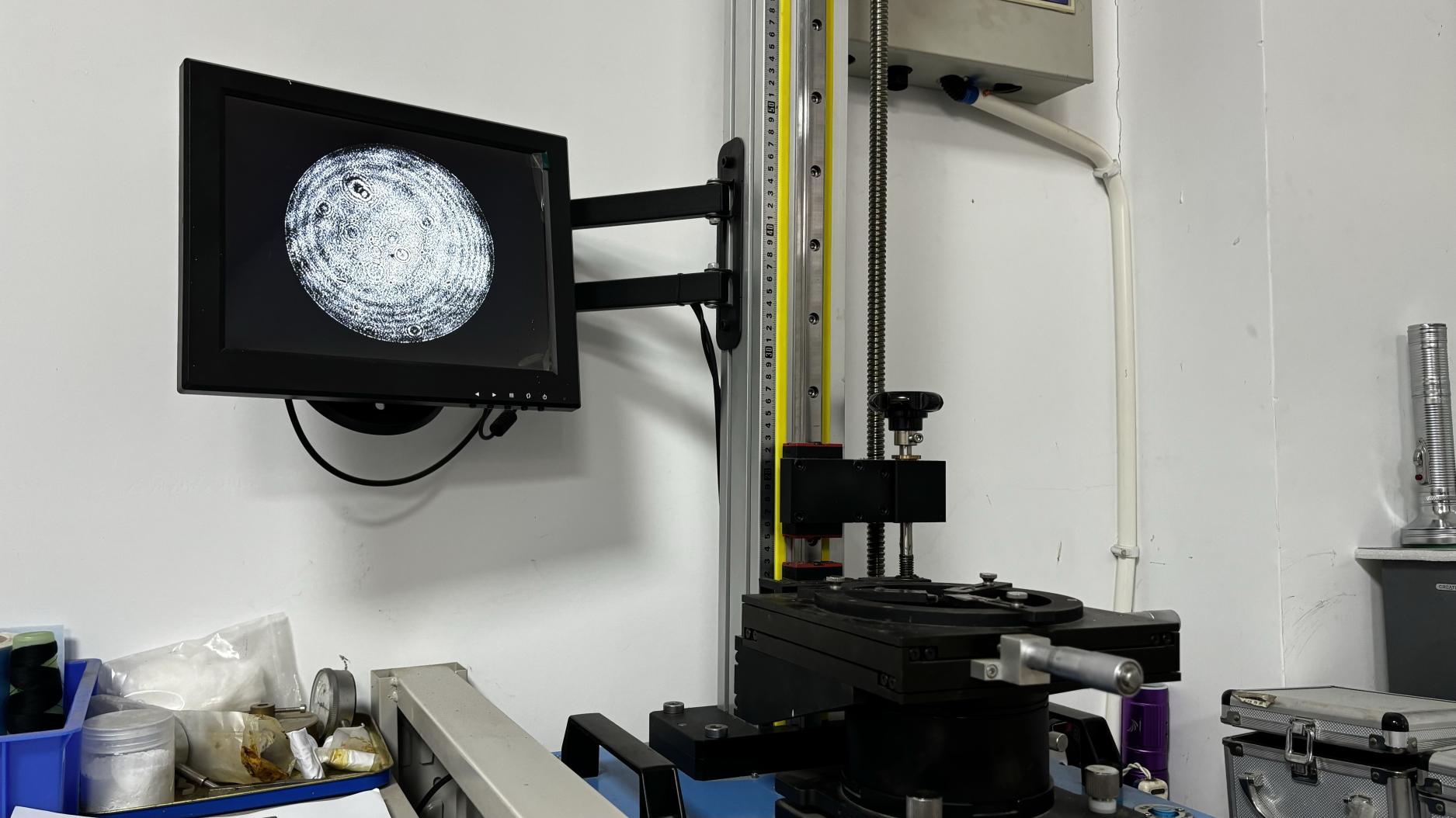
Backed by 8 years of export experience and 12 years of industry expertise, we are committed to delivering innovative memory products that meet international quality standards. Our quality management system includes comprehensive incoming material inspection, in-process quality control, and final product testing. All products undergo automated functional testing, compatibility verification, performance validation, and aging tests before shipment. Our quality assurance team consists of 46 dedicated inspectors who ensure every module meets strict reliability requirements.
As a manufacturer with strong OEM and ODM capabilities, Xeviora works closely with more than 850 supply chain partners worldwide, enabling efficient sourcing, flexible production, and fast delivery. Our primary customers include wholesalers, distributors, e-commerce sellers, system builders, brand owners, and enterprise solution providers.
Innovation is at the core of our business. Supported by an experienced R&D team of 128 engineers, we continuously invest in new technologies and product development. Last year alone, we successfully launched 86 new memory products covering DDR5 gaming memory, industrial-grade memory modules, server memory solutions, and customized storage products.
We offer flexible customization services, including private labeling, logo printing, packaging design, specification customization, firmware optimization, and complete OEM/ODM development. Whether customers require standard memory modules or fully customized solutions, our team is dedicated to providing reliable products, competitive pricing, and professional technical support.
At Xeviora, our mission is to empower global customers with advanced memory technology, dependable manufacturing, and long-term business partnerships built on quality, innovation, and trust.

Essential guidance for procurement managers, telecom engineers, and system integrators sourcing hardware from China.
Explore additional high-performance memory modules and cooling hardware to optimize your network deployments.