Xeviora
Xeviora
Xeviora
The global Internet of Things (IoT) landscape has evolved from simple connected sensors to a massive ecosystem of distributed intelligence. Across logistics, automotive, utilities, smart cities, and factory automation, the demand for fast, reliable data processing is surging. This paradigm shift—often called Edge Computing—requires complex physical hardware. Raw sensory telemetry must be gathered, filtered, and analyzed where it originates. IoT edge devices need robust memory systems, reliable PCB assemblies (PCBA), and advanced thermal management to run non-stop in harsh conditions.
At the center of this transformation are industrial motherboards and micro-controllers. Operating in environments with extreme temperatures, persistent vibration, and electromagnetic interference (EMI), standard computer hardware will not suffice. Systems developers now focus on Mean Time Between Failures (MTBF), signal path integrity, and power efficiency. High-density RAM, custom-routed printed circuit boards, and precise thermal dissipators are critical to preventing system failures in key infrastructure.
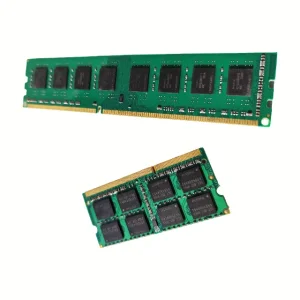
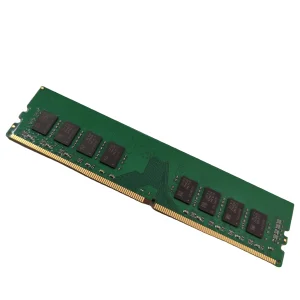
With massive data flows from millions of endpoints, modern architectures rely heavily on Error-Correcting Code (ECC) memory modules to prevent data corruption. Standard devices can tolerate occasional soft memory errors, but industrial edge installations cannot. A single corrupted bit in an automated railway or smart grid controller can cause complete system failure. Consequently, selecting the right hardware components—such as high-grade RAM, durable PCBs, and efficient liquid-cooling systems—is a top priority for global procurement officers.
As the primary production hub for global hardware, China offers distinct structural advantages in IoT hardware manufacturing. The country's benefits go beyond low labor costs, centering on unmatched supply chain integration, engineering talent, and rapid prototyping capabilities.
Proximity to silicon fabrication, passive component suppliers, and enclosure manufacturers shortens development cycles from months to days.
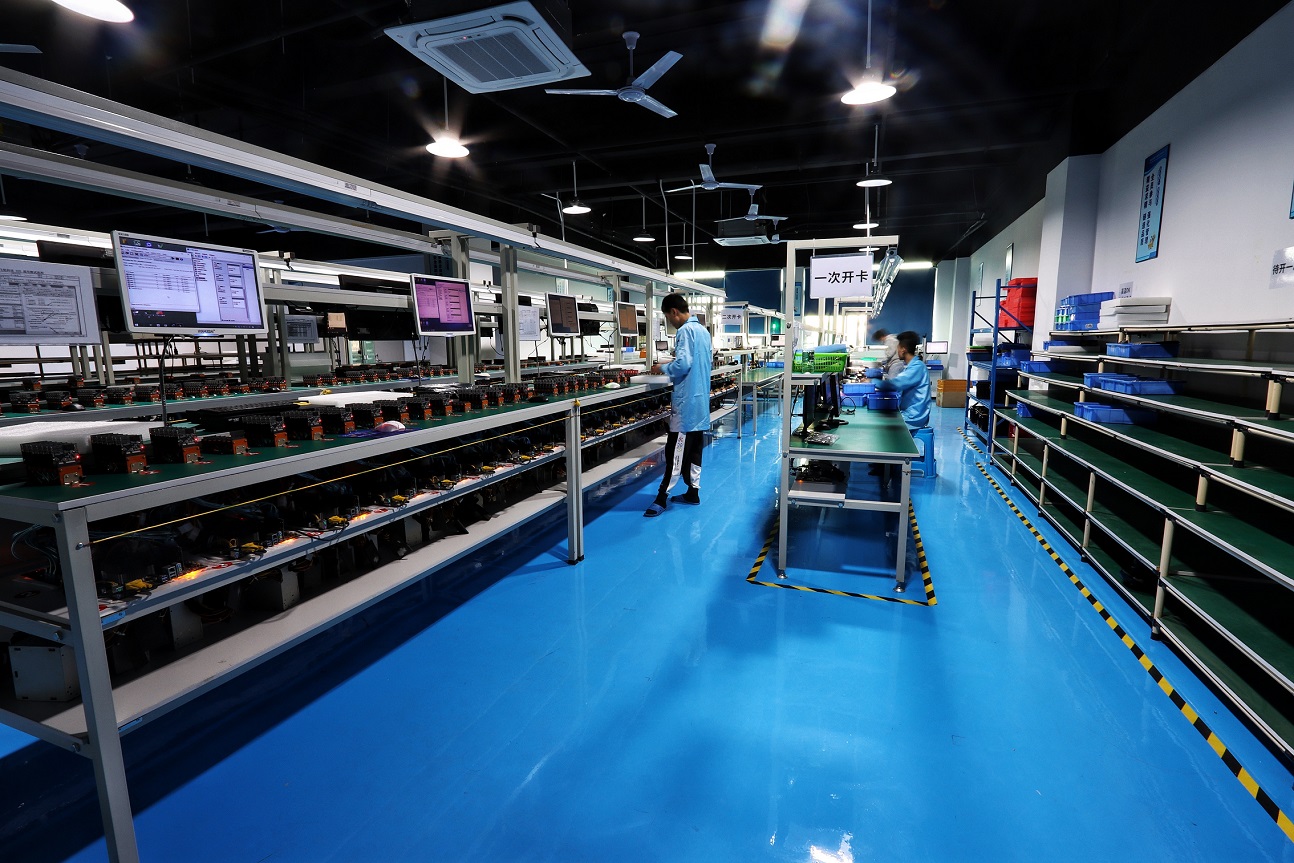
Equipped with advanced Surface Mount Technology (SMT) lines, Chinese factories support multi-layer PCB design, fine-pitch placement, and automatic optical inspection (AOI).
Strict quality assurance protocols—including comprehensive burn-in testing, thermal cycling, and high-frequency signal testing—ensure compliance with CE, FCC, and RoHS standards.
Chinese suppliers support comprehensive customization, from adjusting hardware configurations to modifying firmware (SPD programming) and custom cooling layouts.
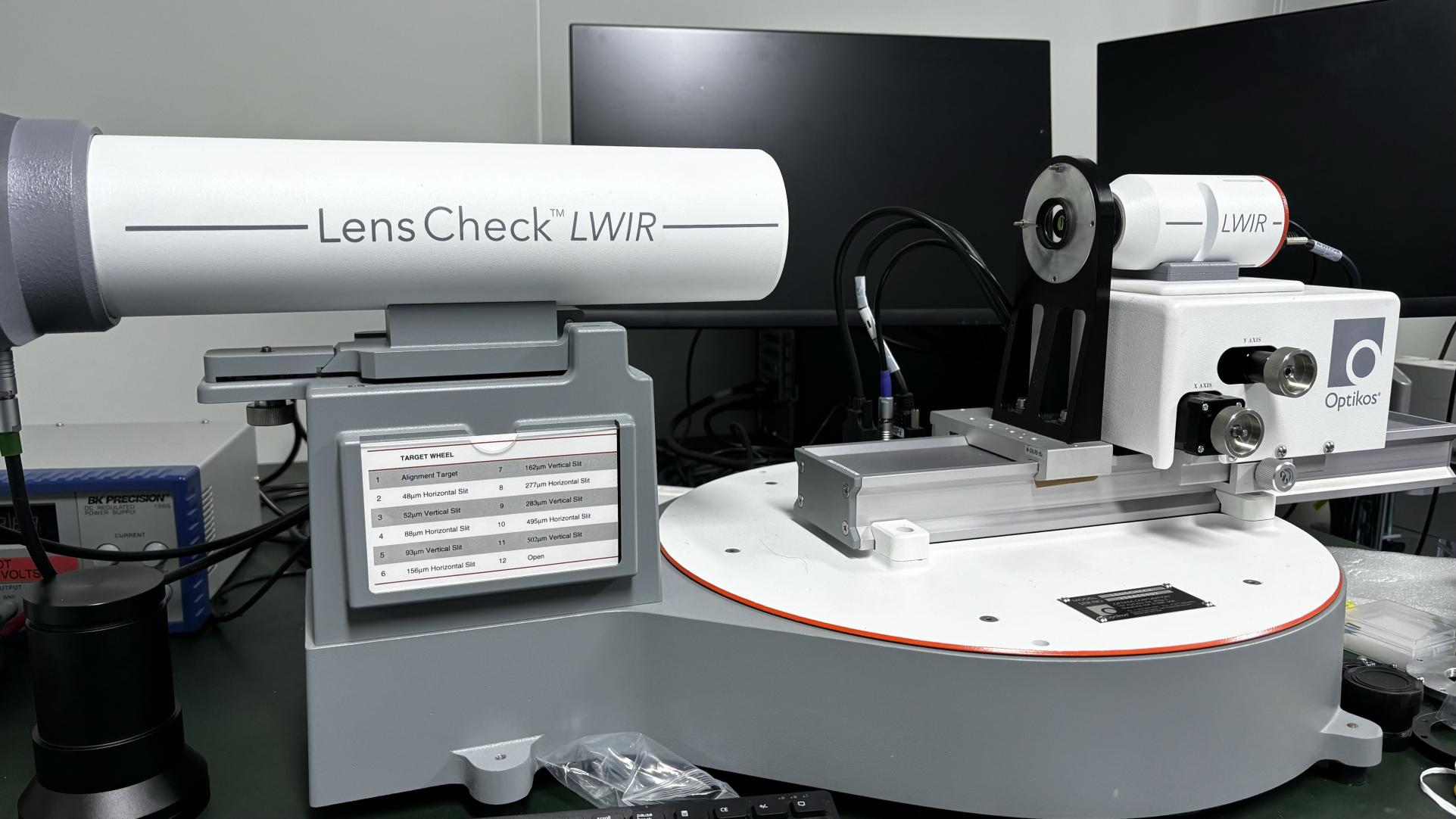
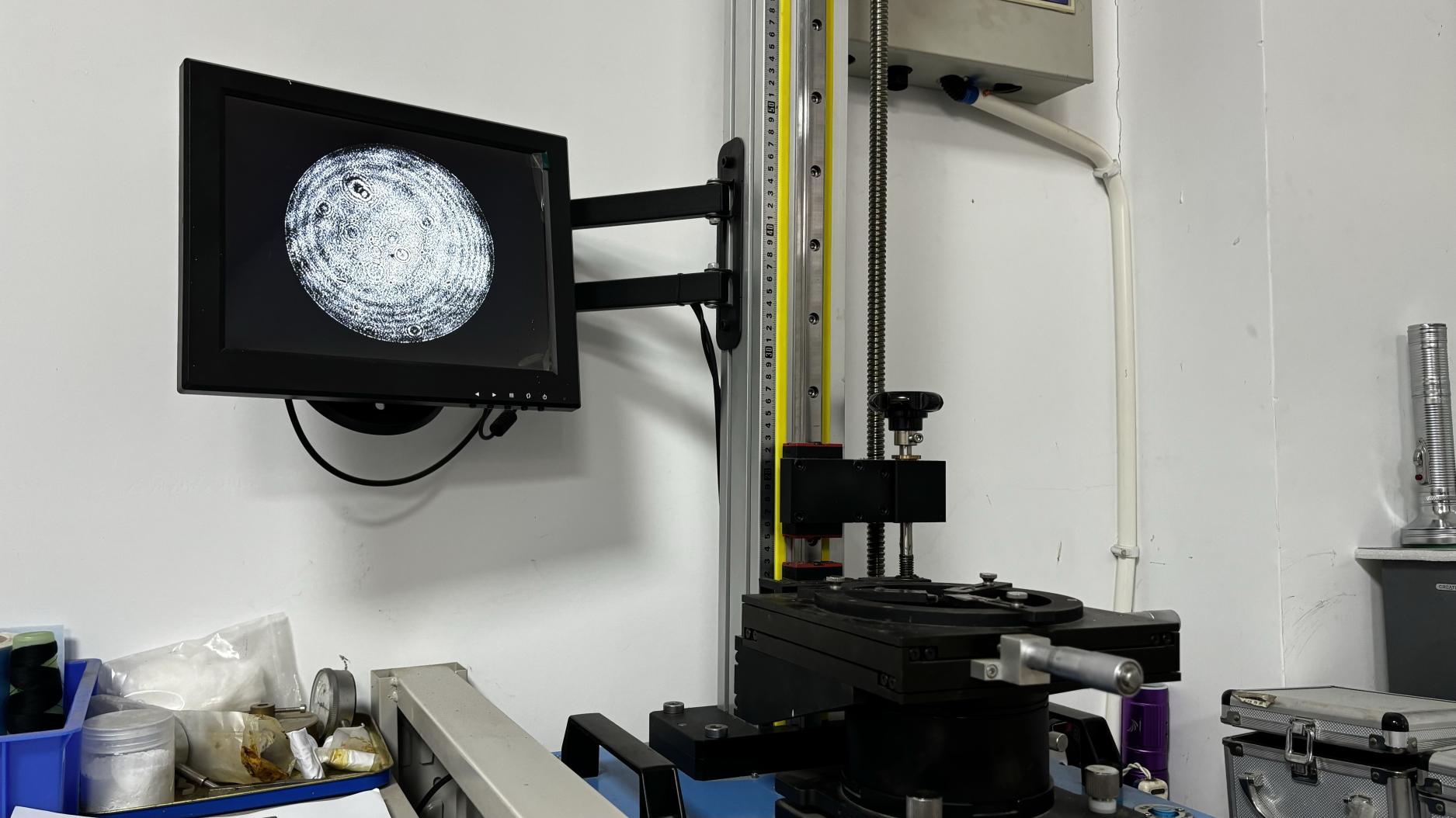
In addition, advanced testing infrastructure is central to China's manufacturing edge. Production facilities house complex hardware simulation chambers that test components under extreme heat, moisture, and electrical stress. This rigorous validation ensures that memory modules, multi-layer PCBs, and cooling systems operate reliably in remote, harsh conditions, reducing maintenance costs for global operators.
Based in China, Xeviora Memory Technology (China) Co., Ltd. is a leading DDR5 memory manufacturer and supplier. The company specializes in high-performance RAM solutions for gaming, industrial, enterprise, and consumer use. Established in 2017, Xeviora has grown into a trusted OEM and ODM partner for global technology brands, distributors, and system integrators.
Xeviora operates a specialized 368 square meter facility equipped with advanced manufacturing and testing instruments to ensure consistent quality and performance. Driven by an expert R&D team of 128 engineers, Xeviora continuously develops new technologies. Last year, the company launched 86 new memory products, including DDR5 gaming modules, industrial-grade RAM, server memory solutions, and customized storage hardware.
Quality control is central to Xeviora's operations. The quality assurance team consists of 46 dedicated inspectors who manage raw material inspection, in-process quality control, and final product evaluation. Every module undergoes automated functional checks, compatibility validation, performance testing, and thermal aging tests before shipment to ensure high reliability.
Backed by 8 years of export experience and 12 years of industry expertise, Xeviora generates an annual export revenue of over USD 18 million. The company works closely with over 850 global supply chain partners to support customers across North America, Europe, Southeast Asia, the Middle East, and South America with flexible customization services, including private labeling, packaging design, custom specifications, and firmware optimization.
To understand the role of memory, PCBA, and thermal solutions in industrial IoT, we look at their deployment across key sectors:
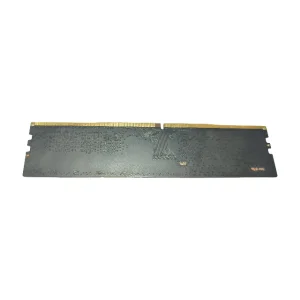
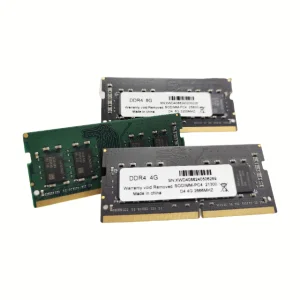
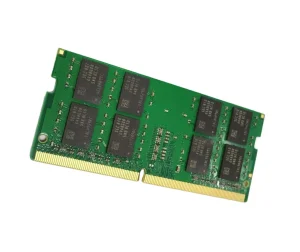
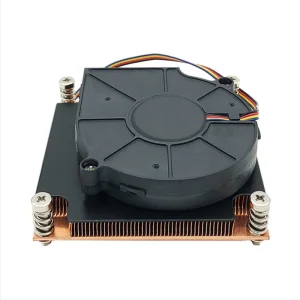
On automated factory floors, Robotic arms, programmable logic controllers (PLCs), and machine vision systems process vast amounts of real-time data. Memory modules like the DDR4 ECC RAM ensure continuous operation without data loss. Efficient heat dissipation is also critical; in hot, enclosed spaces, high-capacity copper heatsinks and cooling fans prevent processor throttling, ensuring consistent production line performance.
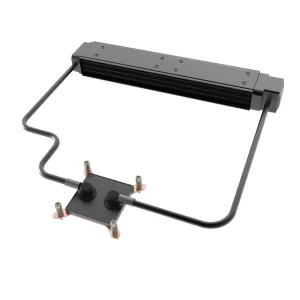
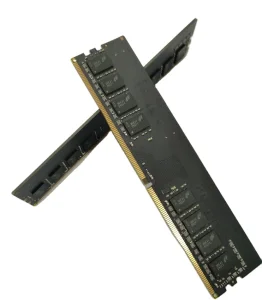
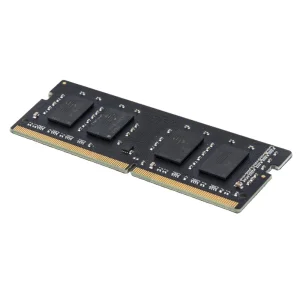
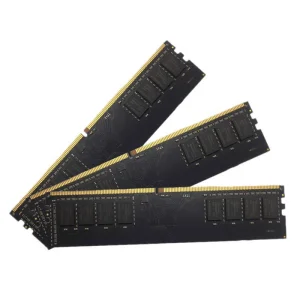
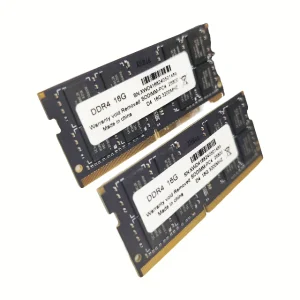
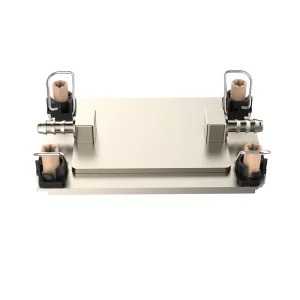
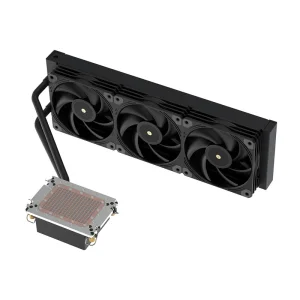
Modern IoT networks use localized edge servers to reduce latency and save cloud bandwidth. These micro-data centers run continuously, hosting containerized applications and processing database tasks. These servers require high-capacity, high-speed RAM, such as DDR4 16GB/32GB modules, and advanced cooling solutions. Systems like the 1U LGA4677 Water Cooler and integrated liquid cooling radiators keep dense processors within safe thermal limits, maximizing server lifespans.
Smart grids, municipal water systems, and telecommunications sites require remote electronic controllers. These outdoor installations are exposed to extreme seasonal temperatures. Xeviora's custom PCBA manufacturing supports wide-temperature components and protective coatings, preventing circuit failure in humid or dusty environments. When paired with passive heat sinks, these controllers operate reliably without active fans, reducing maintenance needs.
Global procurement teams must consider key engineering details to ensure hardware compatibility and long-term reliability: