Xeviora
Xeviora
Xeviora
High-throughput, enterprise-grade memory modules and controllers engineered to manage complex multi-channel UVC radiation arrays, ensuring precise dose administration in water and air sanitization systems.
Iraq’s environmental and industrial sectors are navigating an era of urgent transition. Rapid urbanization, combined with aging water treatment infrastructure and intense climatic conditions, has heightened the need for highly efficient, physical disinfection methods. Across regions like Baghdad, Basra, and Mosul, the reliance on traditional chemical disinfection agents—primarily chlorine—is facing operational and safety constraints. Chlorine transportation is subject to tight security protocols, supply chains can be highly volatile, and the formation of hazardous disinfection byproducts (DBPs) such as trihalomethanes (THMs) remains a severe public health concern.
In response, ultraviolet-C (UVC) light technology, specifically semiconductor-based UVC LED modules, has emerged as a disruptive, chemical-free technology. Operating in the germicidal band of 260nm to 280nm, these modules break the molecular bonds of DNA and RNA inside micro-pathogens, rendering them inactive without modifying the chemical composition, taste, or odor of water. However, the Iraqi climate introduces a substantial engineering barrier: sustained ambient temperatures exceeding 45°C during the summer. Standard light-emitting diodes undergo severe optical degradation under extreme thermal loads.
"Deploying UVC LED technology in Iraq requires more than just high-performance LEDs. It demands robust control logic units, high-speed microprocessing systems to track water flow rates dynamically, and industrial-grade thermal heat sinks to prevent thermal runaway and maintain optoelectronic efficiency."
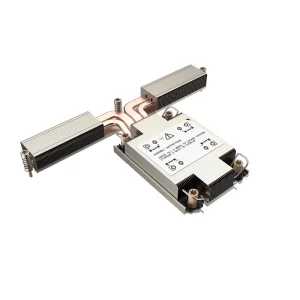
By combining advanced semiconductor packaging, robust controller board memory architectures, and state-of-the-art aluminum radiator blocks, modern optoelectronics exporters can deliver systems capable of continuous operation in Iraq’s high-temperature wastewater facilities, food manufacturing hubs, and clinical environments.
The efficacy of any UVC LED module rests upon its core semiconductor structure. Traditional gas-discharge mercury lamps operate at a fixed line emission of 254nm. While effective, they contain toxic heavy metals and require high startup voltages, making them incompatible with smart, solar-powered, or off-grid water purification systems across rural Iraq. Modern UVC LED modules leverage epitaxial layers of Aluminum Gallium Nitride (AlGaN) grown on sapphire substrates. By tuning the aluminum content within the active quantum wells, manufacturers can target the absolute germicidal peak of 265nm to 275nm.
This targeted approach yields a significantly higher spectral power density exactly where pathogen absorption is highest. At 265nm, UVC absorption by microbial nucleic acids is maximized, leading to rapid dimerization of thymine bases. This cellular mutation permanently halts replication, preventing bacteria like Escherichia coli, Vibrio cholerae, and protozoa such as Cryptosporidium from colonizing and causing waterborne illnesses.
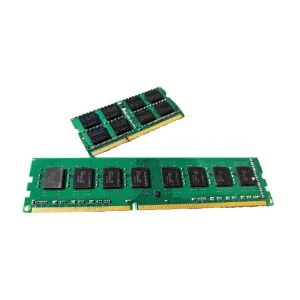
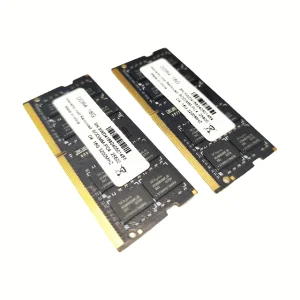
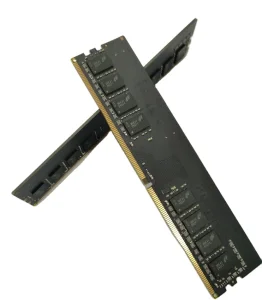
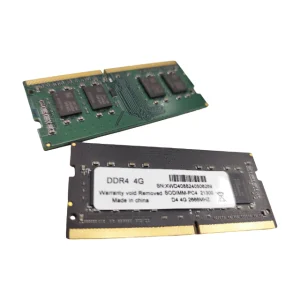
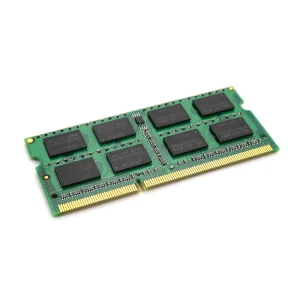
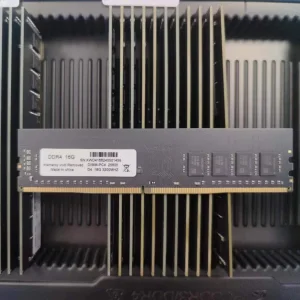
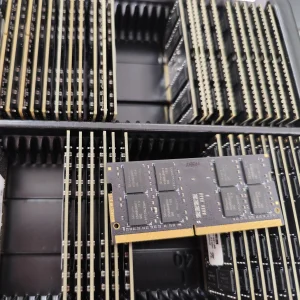
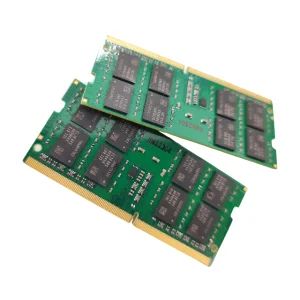
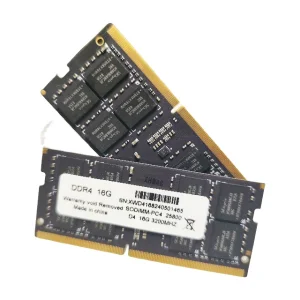
Furthermore, integrating high-speed RAM and system-on-chip controllers enables smart-monitoring features. In modern setups, photodiode arrays continuously monitor UVC output power, while flow sensors track the velocity of water. The embedded controller (powered by robust logic memory chips) instantly calculates the required dose (J/m²) and adjusts the forward current of the LEDs. This prevents under-dosing during peak water usage and conserves energy during low-demand hours—ideal for Iraqi commercial installations running on hybrid grid-solar systems.
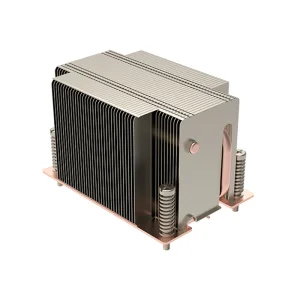
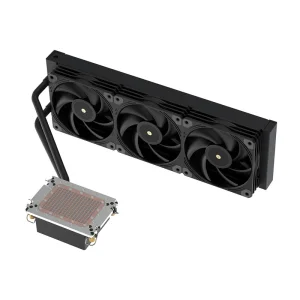
The operating lifespan of a UVC LED drops significantly if junction temperatures exceed 80°C. These thermal blocks and modulation controllers are vital to maintaining stable, long-term optoelectronic output in hot climates.
The implementation of UVC LED disinfection technology across Iraq is divided into three key macro sectors, each with unique hydraulic, atmospheric, and technical requirements:
Iraqi cities depend on centralized water plants fed by the Tigris and Euphrates rivers, which face challenges from elevated microbial loads and high turbidity. Traditional mercury lamp systems require frequent manual sleeve cleaning to clear mineral scale deposits, leading to high maintenance costs. UVC LED modules can be integrated directly into flow cells in a matrix layout. The physical lack of glass sleeves and the instant on/off nature of LEDs reduce mineral fouling. When water flow drops, the module turns off instantly, preventing water heating in the treatment chamber.
With dust storms and summer heat forcing Iraqis to spend most of their time indoors, commercial cooling systems are breeding grounds for mold, legionella, and airborne viruses. Standard filtration captures dust particles but does not neutralize biological pathogens. Installing UVC LED modules in the direct airstream or adjacent to cooling coils provides continuous sanitization of airborne pathogens. This improves indoor air quality in hospitals in Baghdad and shopping malls in Erbil.
In southern Iraq's agricultural sectors, clean irrigation water is essential for food safety. UVC LED sanitization loops allow greenhouses and packing houses to reuse irrigation runoff by neutralizing plant pathogens and bacteria without using chemicals that damage crops. In date-packaging facilities, surface sterilizers using concentrated UVC arrays extend shelf-life and meet stringent international export criteria.
"By deploying optimized semiconductor UVC LED architectures, industrial operators in Basra have reported up to a 40% reduction in system energy consumption compared to traditional mercury vapor setups, along with near-zero chemical storage hazards."
Xeviora Memory Technology (China) Co., Ltd. leverages its deep semiconductor fabrication expertise to produce high-performance optoelectronic controllers and thermal systems that support UVC LED technology. Established in 2017, the company has rapidly grown into a trusted OEM and ODM partner for global distributors, municipal contractors, and system integrators.
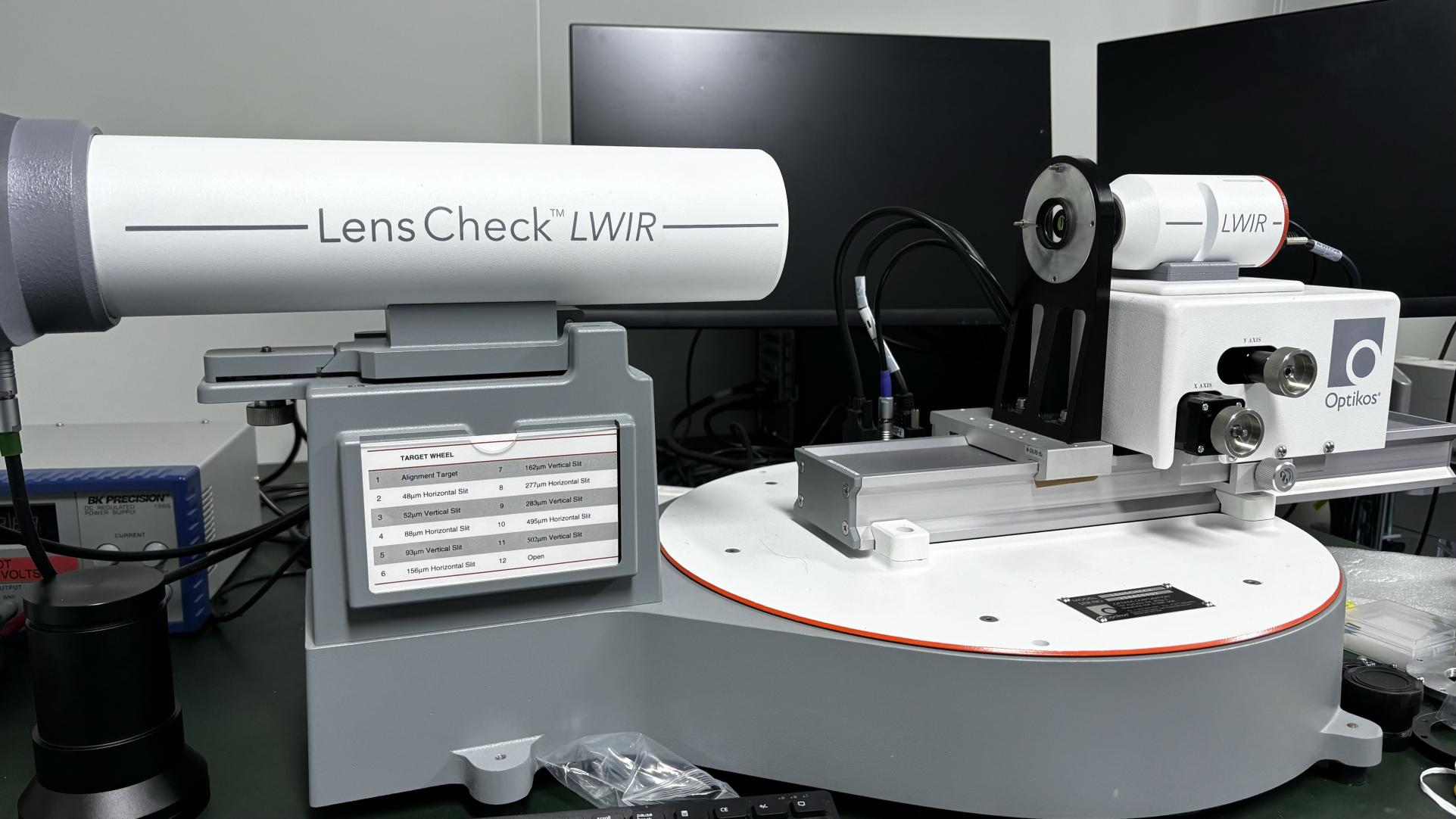
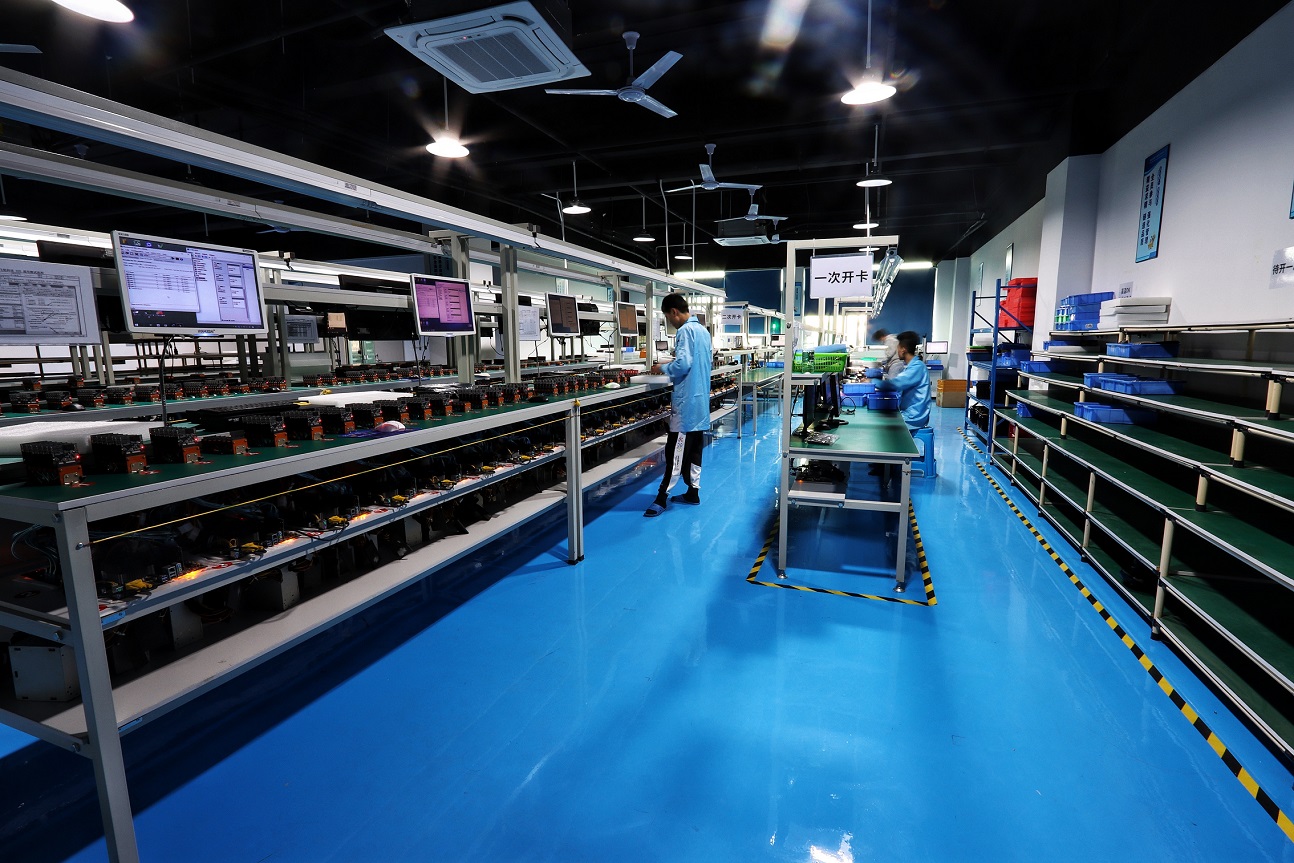
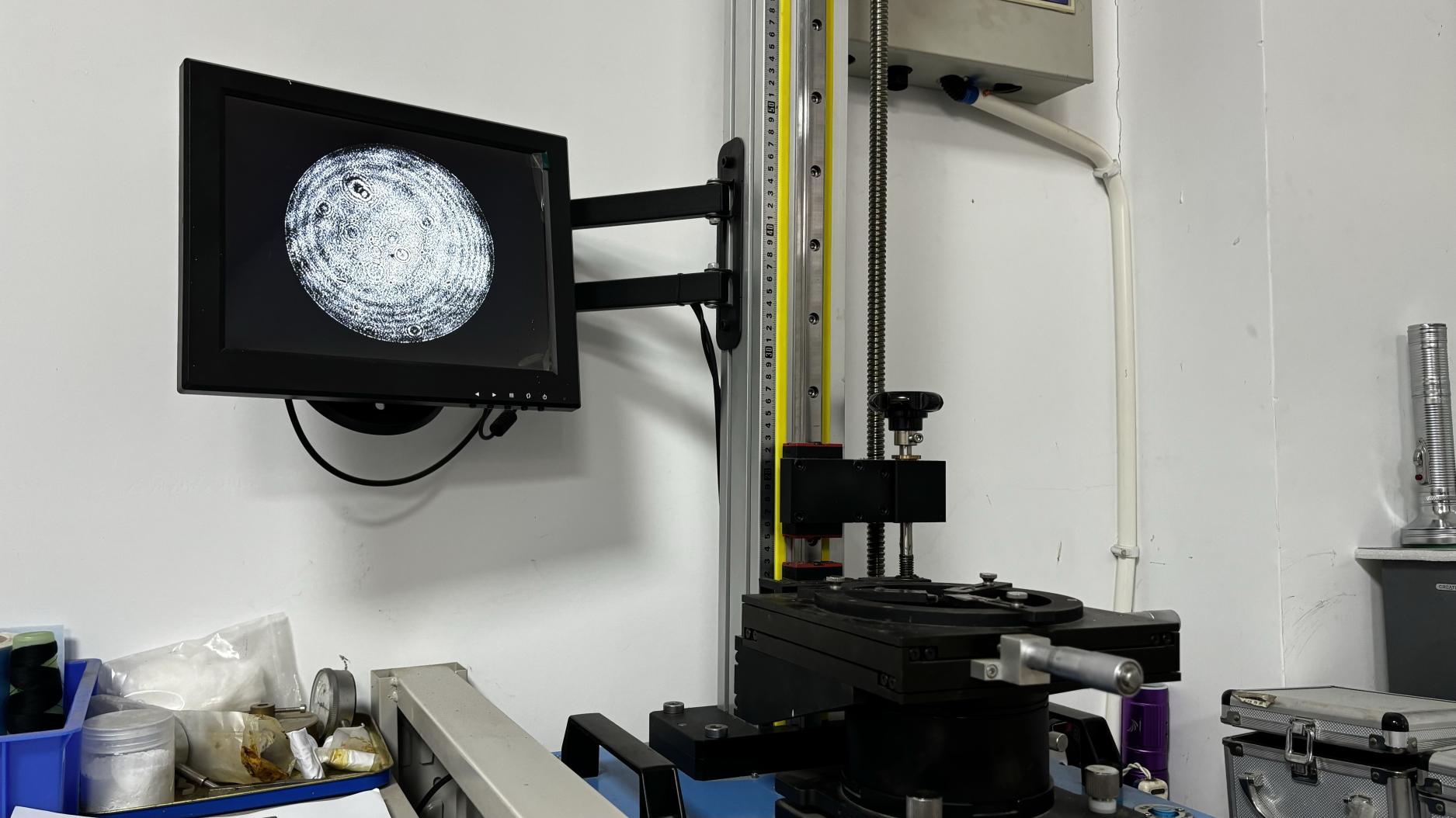
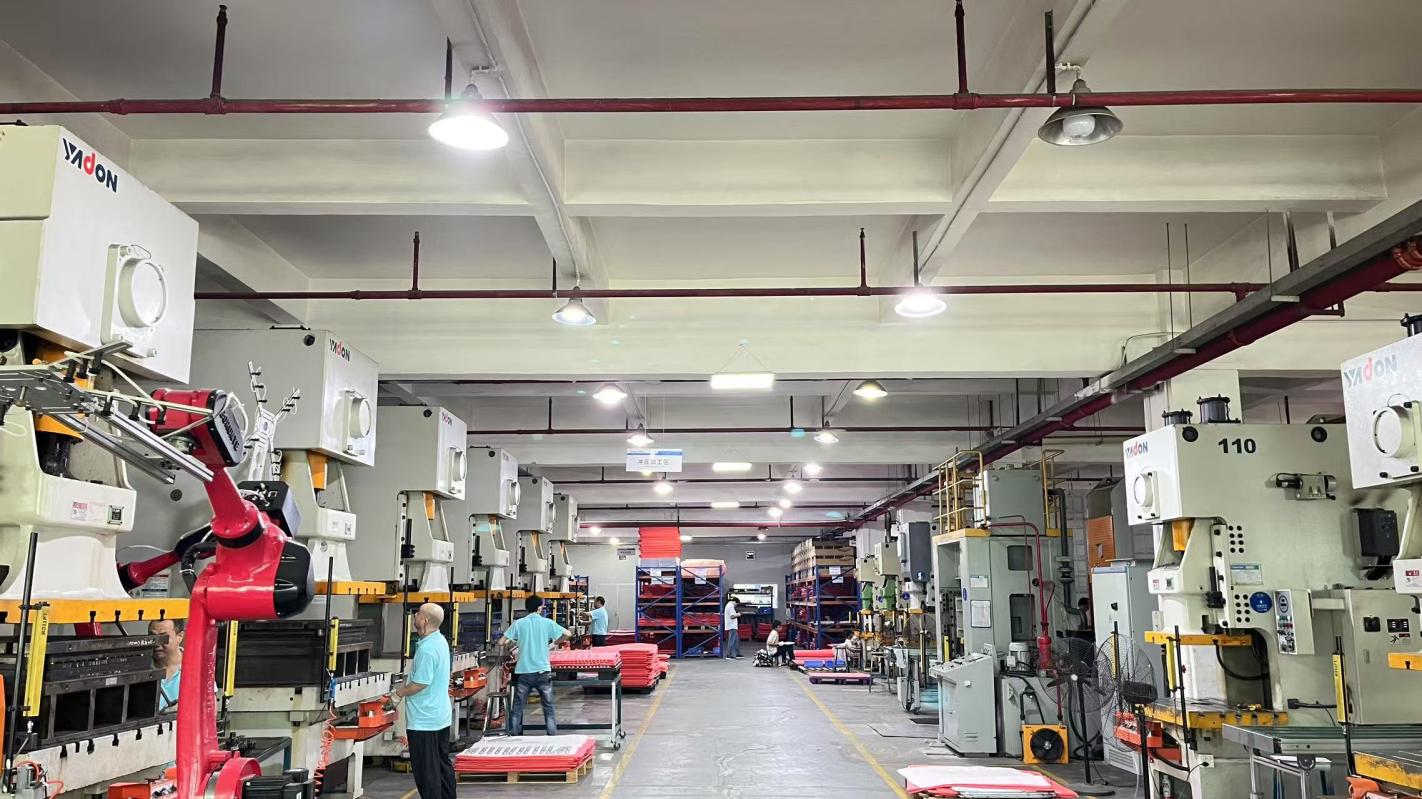
Our manufacturing facility covers 368 square meters and is equipped with advanced production and testing equipment to ensure stable quality and reliable performance. With an annual export revenue of over USD 18 million, Xeviora serves customers across North America, Europe, Southeast Asia, the Middle East (including Iraq), and South America.
Backed by 8 years of export experience and 12 years of industry expertise, we are committed to delivering innovative products that meet international standards. Our quality management system includes comprehensive incoming material inspection, in-process quality control, and final product testing. All controllers, logic boards, and heat sink assemblies undergo automated functional testing, thermal dissipation validation, compatibility verification, and aging tests before shipment. Our quality assurance team consists of 46 dedicated inspectors who ensure every module meets strict reliability requirements under harsh operating conditions.
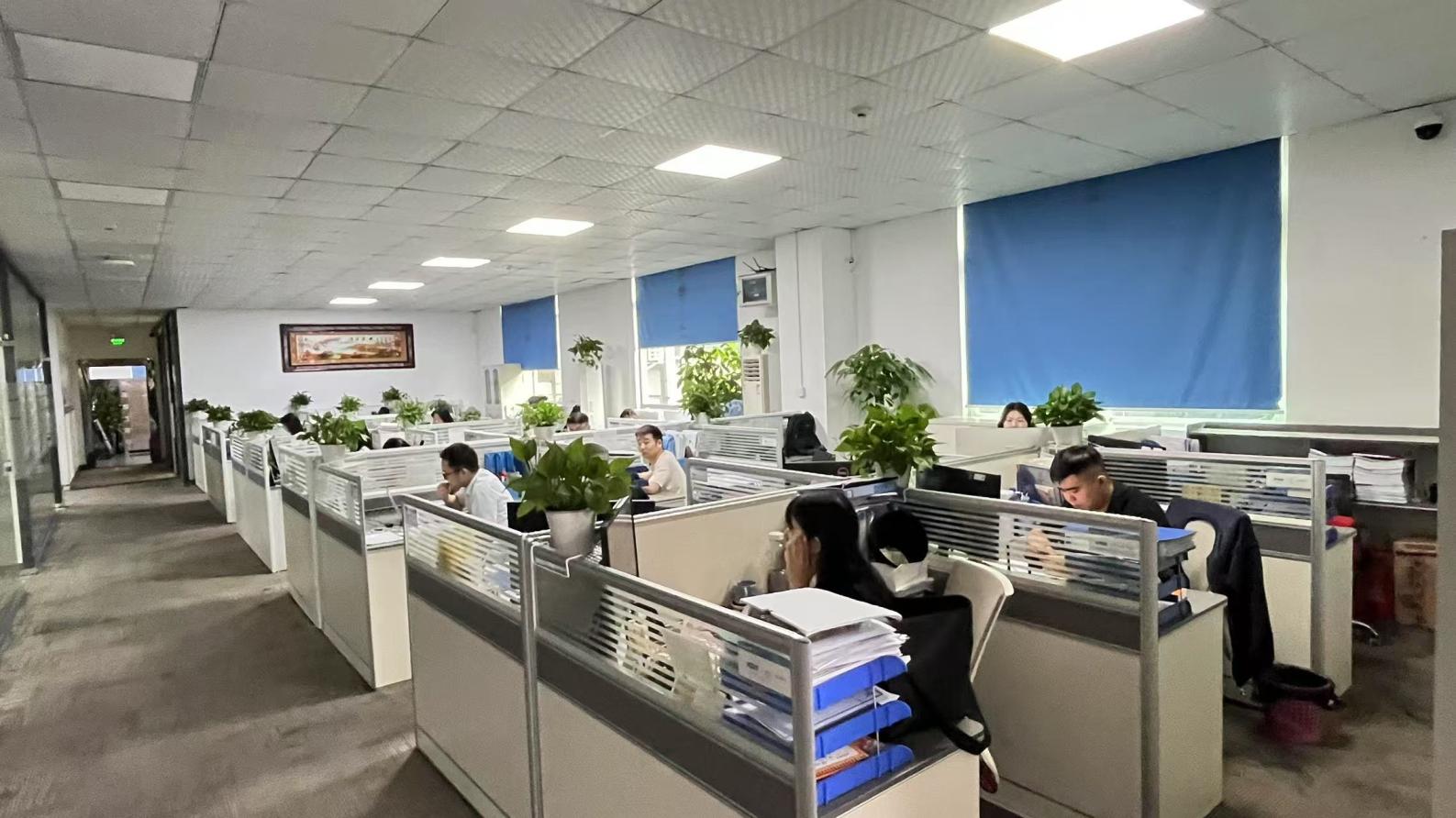
As a manufacturer with strong OEM and ODM capabilities, Xeviora works closely with more than 850 supply chain partners worldwide, enabling efficient sourcing, flexible production, and fast delivery. Our primary customers include wholesalers, distributors, e-commerce sellers, system builders, brand owners, and enterprise solution providers. Innovation is at the core of our business. Supported by an experienced R&D team of 128 engineers, we continuously invest in new technologies and product development. Last year alone, we successfully launched 86 new memory and controller products, supporting advanced industrial-grade memory modules, optoelectronic control systems, and customized thermal radiators.
Navigating import logistics to Iraq requires compliance with national regulations and strict transport protocols. Industrial equipment imported into Iraq must comply with the requirements of the Central Organization for Standardization and Quality Control (COSQC). This agency mandates pre-shipment inspections (PSI) and Certificates of Conformity (CoC) to verify that electrical components meet safety standards.
Our export protocols ensure that all UVC controller boards, cooling units, and electronics are certified under CE, FCC, and RoHS frameworks, facilitating rapid clearance at key Iraqi entry points. We provide comprehensive shipping documentation, including:
For shipping to Iraq, we offer dual-channel logistics routes to minimize transit times:
1. Ocean Freight to Umm Qasr Port (Basra): Best for heavy industrial orders, large municipal water disinfection assemblies, and heavy aluminum heat sinks. Containers are shipped via major global lines to Basra, followed by inland trucking to Baghdad or Erbil.
2. Air Freight to Baghdad International Airport (BGW): Best for high-value components, programmable driver chips, and custom-designed replacement parts that need to arrive within 5 to 7 business days.
Expert answers regarding UVC LED system integration, performance limits in hot climates, and buying procedures for Iraqi distributors.
At 265nm, UVC light perfectly matches the absorption peak of DNA and RNA in microorganisms. This delivers higher germicidal efficiency per watt compared to the 254nm output of mercury lamps. Additionally, UVC LEDs are mercury-free, do not require warm-up time, and are highly resistant to structural vibrations.
High ambient temperatures decrease the internal quantum efficiency of the AlGaN layers, leading to drop-offs in optical output power and reducing the system's operational lifespan. To counter this, our systems utilize specialized aluminum radiators, heat pipes, and intelligent fan modulators to keep junction temperatures safely below critical thresholds.
The main standard is the Certificate of Conformity (CoC) issued by an authorized inspection body (such as SGS or Intertek) prior to shipping, under the supervision of Iraq's COSQC. All products must also carry CE, FCC, and RoHS marks to confirm safety and compliance.
With proper thermal management, our industrial UVC LED arrays achieve a lifespan L70 of over 50,000 hours. The associated driver electronics and controller boards are rated for over 100,000 hours of continuous switching.
Yes, our R&D team of 128 engineers provides full OEM/ODM services. We can customize driver current ranges, optical layouts, control interfaces (Modbus, RS485, CAN bus), and design custom enclosures for specialized water and air treatment applications.
Our modules undergo rigorous bio-dosimetry testing in our certified laboratories. Using testing standards from the US EPA UVC Disinfection Guidance Manual, we verify pathogen reductions of Log-3 (99.9%) to Log-4 (99.99%) against indicators like MS2 coliphage and E. coli.
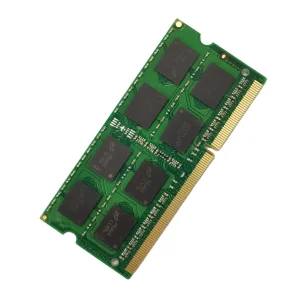
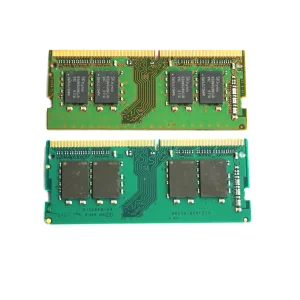
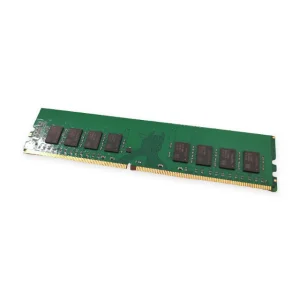
The complete list of industrial memory modules, logic boards, and heavy-duty active/passive cooling systems. Built to withstand high temperatures and ensure reliable operation across Iraq.