UVC LED Module Factory & Supplier in the Lesotho Market

High-Efficiency Semiconductor Packaging, Advanced Driver Integration, and Thermal Management Solutions for Municipal, Medical, and Mining Disinfection

Executive Summary: The Convergence of Semiconductor Engineering & Pathogen Disinfection

In the modern era of biosecurity and environmental hygiene, Ultraviolet-C (UVC) LED modules represent the pinnacle of chemical-free disinfection technology. Leveraging solid-state semiconductor physics, these devices emit radiation in the 200–280 nm germicidal spectrum, directly disrupting the DNA and RNA structures of pathogens, including bacteria, viruses, and protozoa.

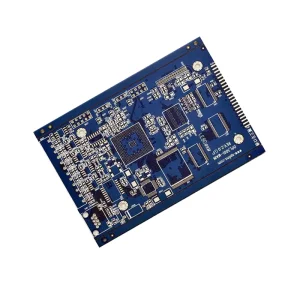
As an industry-leading technological partner, Xeviora Memory Technology (China) Co., Ltd. channels its 12 years of advanced semiconductor substrates, PCBA layout manufacturing, and high-performance thermal design expertise into the packaging, production, and distribution of UVC LED disinfection systems. Our foundational knowledge in high-density surface mount technology (SMT) and thermodynamic heat-sink integration guarantees that our UVC LED modules operate under optimal thermal environments, safeguarding wall-plug efficiency (WPE) and maximizing operational lifespan in demanding territories.

Lesotho’s Industrial and Ecological Context: High-Altitude Challenges

Lesotho, known globally as the "Kingdom in the Sky," presents a unique geographical and economic layout that demands specialized sanitization technologies. Positioned entirely above 1,400 meters in elevation, the nation faces specific developmental priorities across water safety, rural healthcare delivery, mining processing, and textile manufacturing.

Municipal & Rural Clean Water

While Lesotho is water-rich and exports billions of cubic meters to South Africa, the local rural population relies on decentralized, off-grid water networks. Siltation and microbial contamination in water catchment basins require localized, low-maintenance UVC sterilization modules running on off-grid solar energy.

Decentralized Healthcare

Healthcare infrastructure across rural districts like Mokhotlong, Qacha's Nek, and Thaba-Tseka depends heavily on remote clinics. Implementing modular air and surface sterilization units driven by solid-state UVC modules prevents hospital-acquired infections (HAIs) without requiring chemical inventory supply lines.

Industrial Water Treatment

High-value industrial sectors, such as the textile operations in the Maseru and Maputsoe industrial hubs and diamond extraction at Letšeng Mine, generate specialized process waters. Reclaiming and sanitizing this water for recirculation requires robust, high-flux industrial inline UVC LED systems.

By offering tailored power outputs, robust thermal structures, and wide input voltage designs, our UVC LED modules interface seamlessly with solar arrays and low-power DC battery systems widely used across rural Lesotho. This eliminates the dependency on the unstable main grid, providing uninterrupted pathogen defense.

Global Industry Paradigm Shift: Solid-State UVC vs. Legacy Mercury Lamps

Globally, the disinfection landscape is undergoing a mandatory transition away from low-pressure mercury vapor lamps toward UVC LEDs. This shift is driven by the Minamata Convention on Mercury, which restricts the manufacturing and import of mercury-containing products to protect public health and the global environment.

Beyond environmental regulations, the technological advantages of UVC LEDs are definitive:

  • Instantaneous Activation: Unlike mercury lamps that require a warm-up phase, UVC LEDs activate and reach 100% optical power output in microseconds, facilitating on-demand water purification and conserving power.
  • Mechanical Robustness: Being solid-state components, LEDs lack fragile quartz tubes and filaments, making them exceptionally suited for high-vibration applications in diamond mines, industrial pump installations, and mobile clinics.
  • Wavelength Customization: We can tune emission bands directly to the peak absorption spectrum of nucleic acids (265nm to 275nm), minimizing energy wasted in wavelengths that do not contribute to disinfection.
  • Compact Form Factor: Micro-level footprints allow optical engineers to embed germicidal disinfection directly inside domestic water taps, consumer electronics, and healthcare tools.
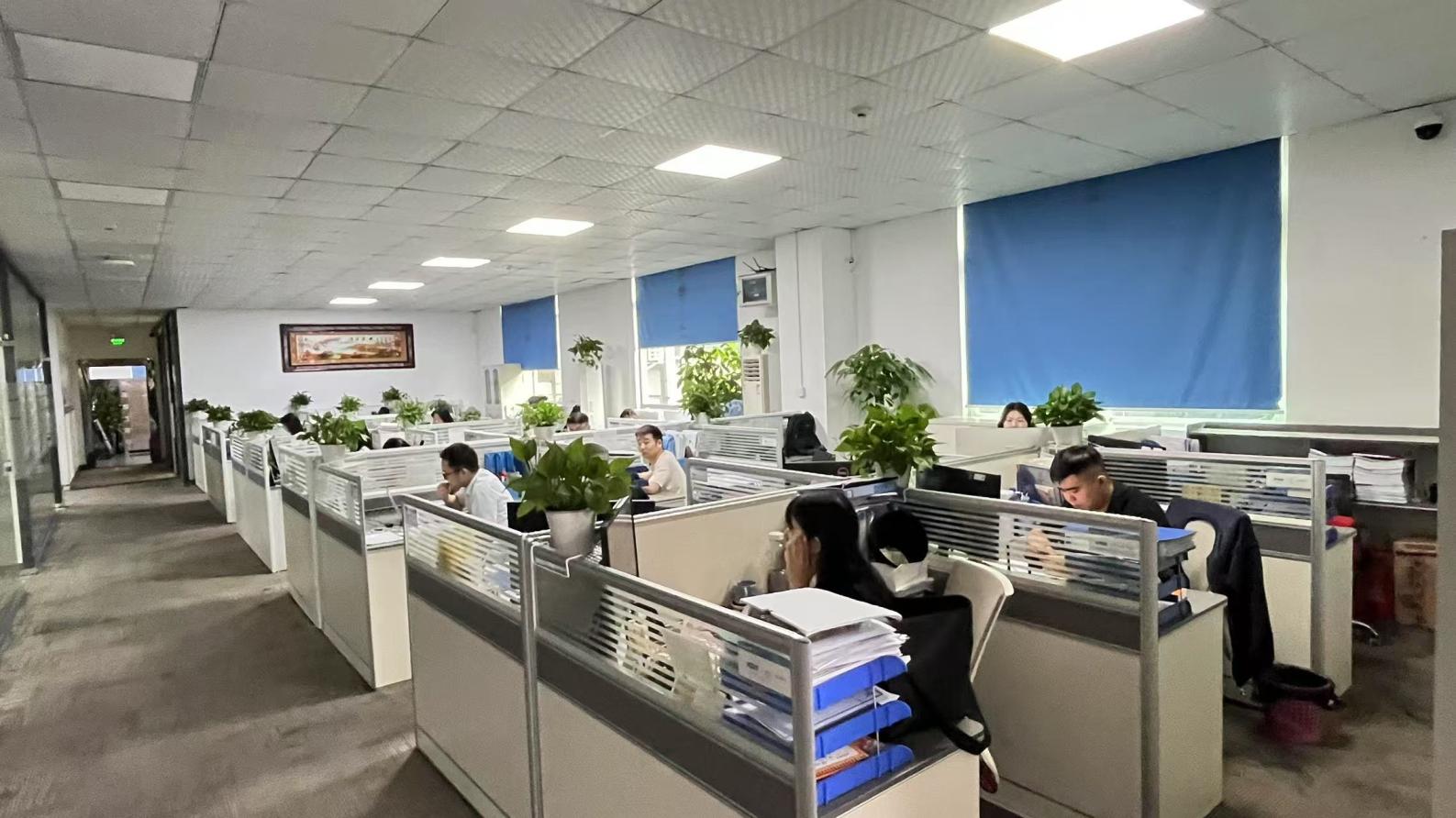
Manufacturing Infrastructure & Technical Competence

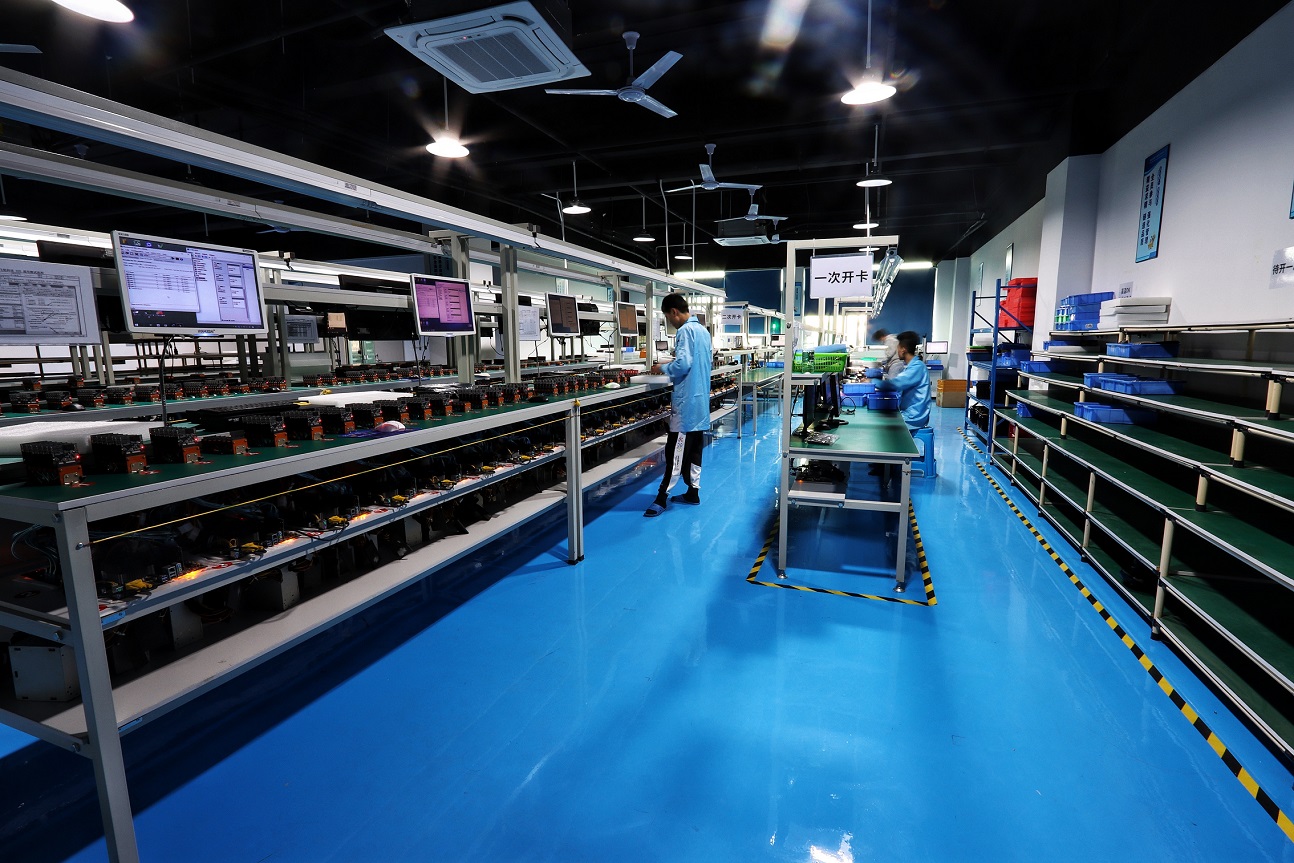
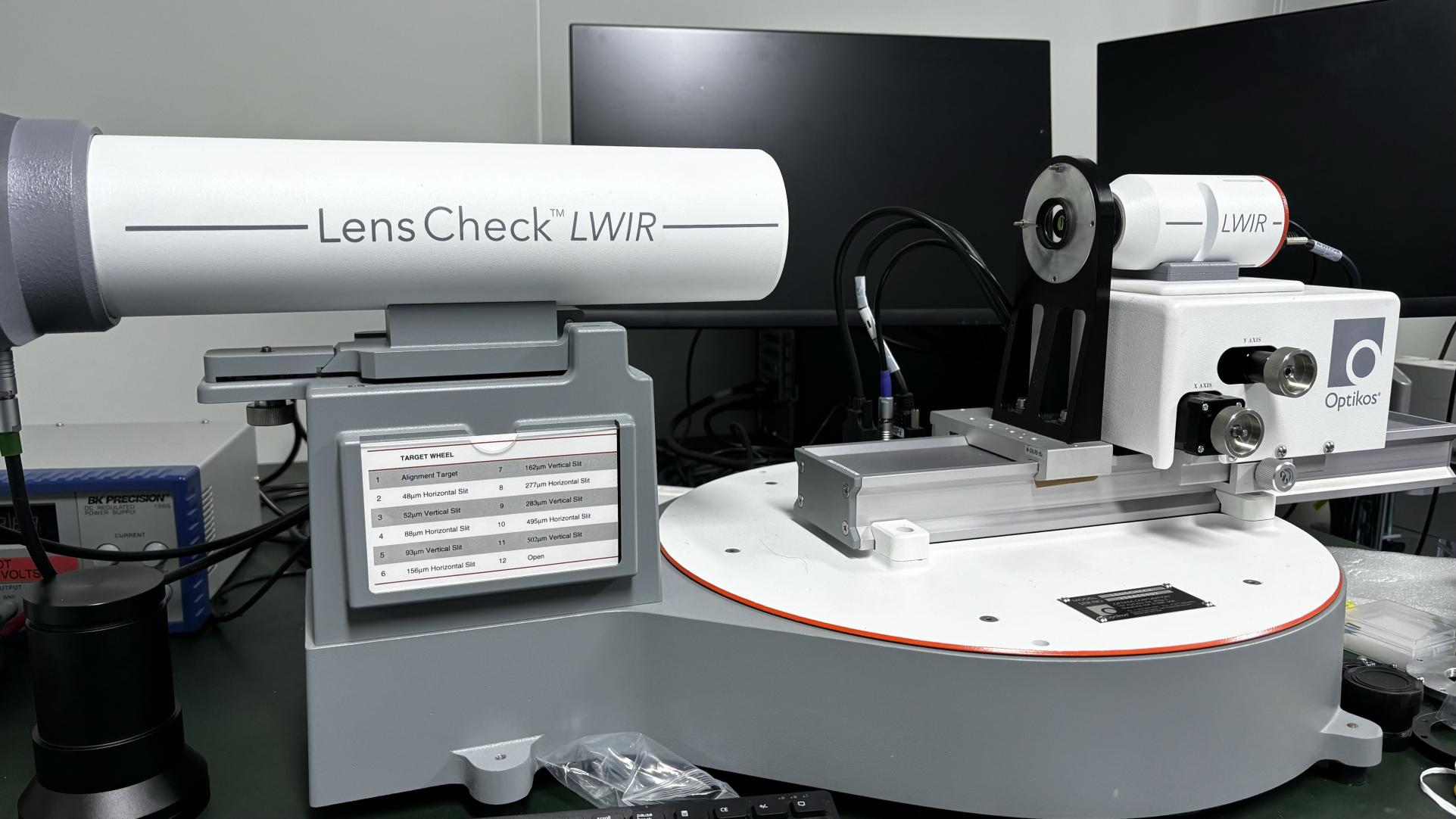
At Xeviora, our manufacturing capacity acts as the foundation of our product quality. Our production facility is equipped with automated high-precision SMT placement machines, reflow ovens operating with optimized thermal profiles, and modern automated optical inspection (AOI) units. This machinery enables the assembly of highly complex, high-power UVC modules with optimal electrical integrity and minimal thermal impedance.

8+ Years
Export Experience
128 Eng.
R&D Team Size
46 QA
Quality Inspectors
$18M+
Annual Export Revenue

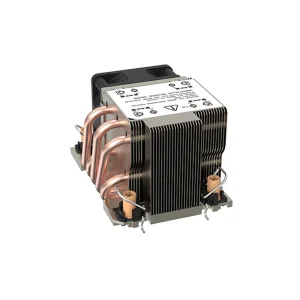
A critical limitation of UVC LED lifetime is the high junction temperature ($T_j$) developed during operation, as only 2% to 5% of electrical energy is converted into light, while the remaining 95%+ becomes waste heat. Leveraging our 12-year history of designing and fabricating high-performance server cooling heatsinks and dual-ball-bearing cooling fans, Xeviora integrates advanced metal core printed circuit boards (MCPCBs) and active thermo-electric cooling solutions. This engineering keeps junction temperatures well below the critical $85^{\circ}\text{C}$ threshold, securing a continuous L70 lifetime of more than 20,000 operational hours.

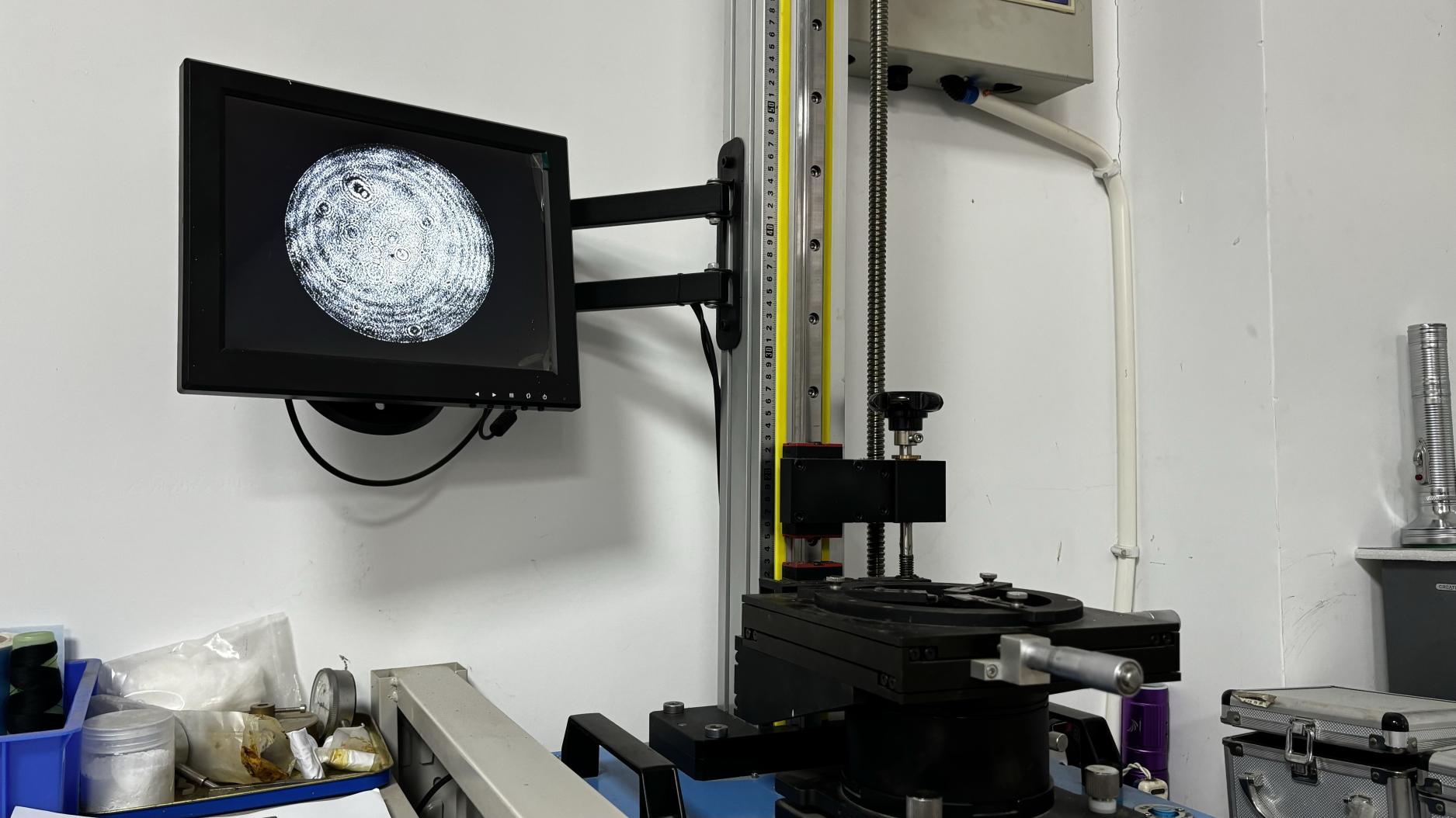
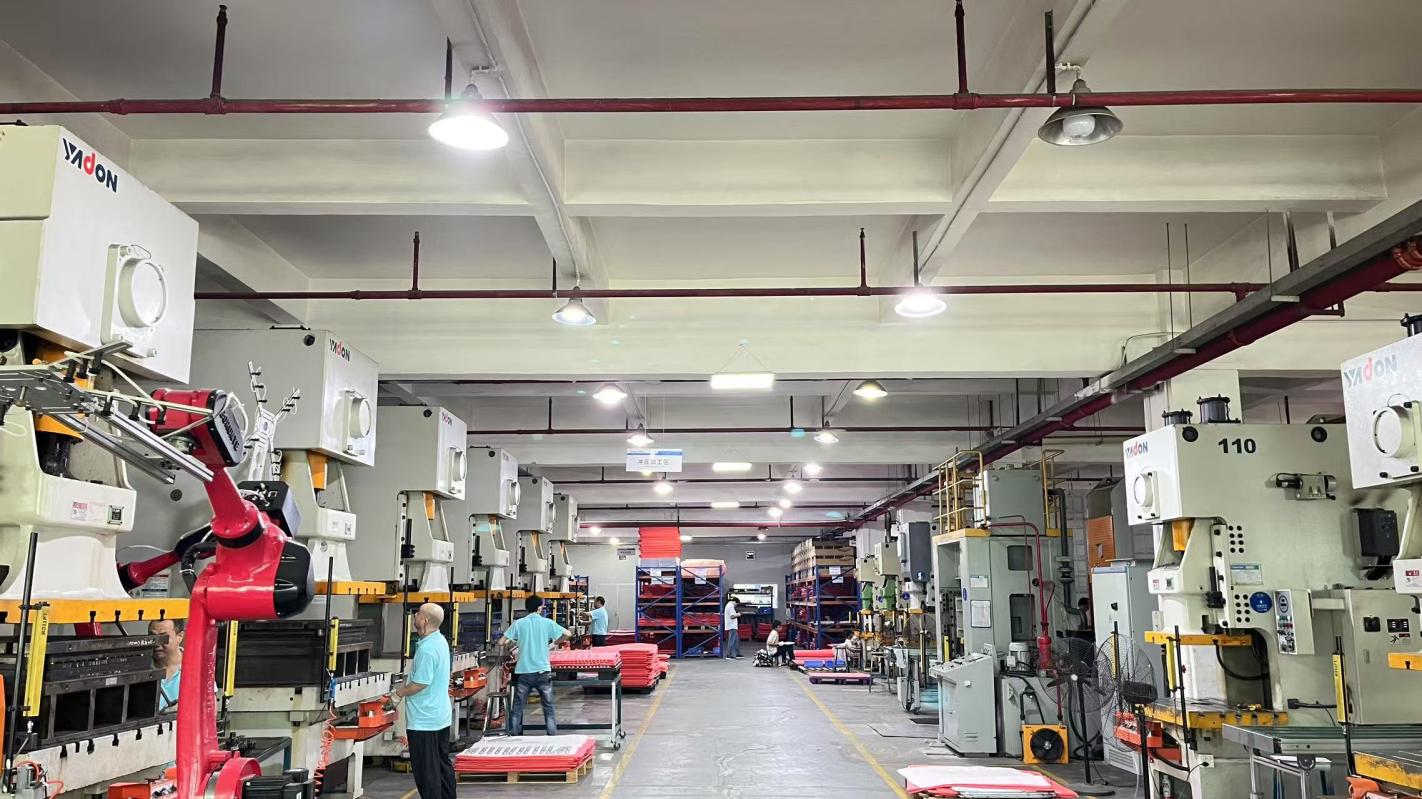
Xeviora High Precision SMT Production Line Automated Testing & Aging Verification Facility Quality Management Station & Inspection Lab Clean Room Assembly and Packaging Station R&D Engineering Lab & Thermal Optimization Tools

Localized Application Architectures for Lesotho

Deploying UVC technologies in Lesotho requires configurations that accommodate rugged conditions, mineralized water chemistry, and distinct user environments.

1. Solar-Powered, Flow-Through Water Purification Modules

Designed for rural regions lacking central electrical grids, these modules integrate low-impedance LED driver boards that accept 12V or 24V DC straight from solar charge controllers. Fitted with quartz glass reactor chambers and integrated fluid baffle systems, they maximize optical exposure time. The design guarantees high germicidal log-reduction rates (99.99% log-4 reduction of E. coli and Giardia) even during rapid fluid transits.

2. Mine Water Heavy-Duty Treatment Arrays

Lesotho’s mining sector extracts minerals under high-vibration and humid conditions. Standard quartz-lamp sterilization systems are prone to mechanical failures. Our solid-state modules are designed on thick copper-clad substrates, utilizing high-power UVC emitters encased in IP68-rated waterproof structures. These units are highly resistant to mechanical shock and mineral deposition.

3. Air Disinfection for Mobile Healthcare Clinics

To protect workers and patients in enclosed mobile medical containers across remote Lesotho highlands, upper-air UVC modules are installed. Using parabolic reflectors, these modules restrict radiation to upper room zones, allowing safe, continuous air disinfection while rooms are occupied.

Custom OEM/ODM Engineering for Your Application

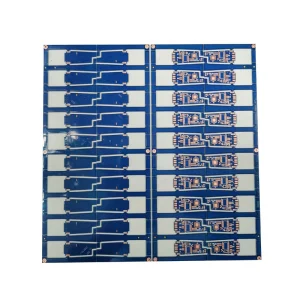
Whether you need custom-shaped aluminum PCB layouts, customized electrical driver designs, or specific optical waveband matching, our engineering team can deliver solutions tailored to your operational environment.

Send Inquiry Now & Consult Our Engineers

Technical Roadmap (2025–2030): The Next Generation of Disinfection

As a forward-looking developer, Xeviora continuously optimizes our semiconductor manufacturing lines to support emerging technology roadmaps:

  • Transition to Far-UVC (222nm): Developing Krypon-Chloride excimer and narrow-band solid-state structures at 222nm. Unlike 254nm, 222nm radiation does not penetrate human skin or eyes, enabling safe, continuous surface disinfection in crowded spaces.
  • Wall-Plug Efficiency (WPE) Optimization: By integrating high-quality AlGaN (Aluminum Gallium Nitride) thin-film materials, our upcoming modules aim to increase electrical-to-optical conversion efficiency from the industry average of 3% up to 8%, significantly reducing cooling requirements.
  • Edge AI Diagnostics & Sensing: Integrating real-time optical sensors on-board the PCB module. This allows system controllers to monitor actual UVC irradiance decline over time, notifying operators when maintenance or module replacement is required.

Compliance, Quality Control, and Supply Chain Stability

All manufactured modules undergo rigorous functional, performance, and thermal-aging tests before packaging. Each UVC emission module is mapped using integrating spheres to verify its exact optical output power, emission peak, and spectral distribution.

We operate in accordance with international quality standards. For the Southern African Development Community (SADC), including Lesotho, our systems are manufactured to align with the regulatory frameworks of the South African Bureau of Standards (SABS) and the Lesotho Department of Water Affairs. This alignment ensures compliance with strict municipal microbiological water safety regulations.

Technical Q&A: UVC LED Module Design and Integration

Q1: What is the optimal germicidal wavelength for UVC LED modules used in water treatment?
A: The optimal absorption spectrum of bacterial DNA and RNA peaks between 260nm and 268nm, while proteins and other cell wall structures exhibit absorption around 275nm to 280nm. Consequently, our standard industrial UVC modules utilize LEDs calibrated to 265nm–275nm. This range provides the most effective balance between germicidal efficiency and reliable optical power output.
Q2: How does Xeviora manage the thermal load generated by high-power UVC LEDs?
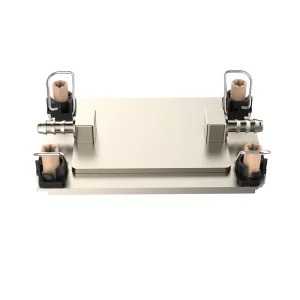
A: UVC LEDs convert the majority of input power into heat rather than light. To address this, we construct our modules using highly conductive copper or metal core PCBs (MCPCB) paired with thermal interface materials (TIMs) featuring high thermal conductivity. Where necessary, we integrate copper liquid-cooling blocks and dual-ball-bearing fan modules to keep the junction temperature below $85^{\circ}\text{C}$, preventing thermal degradation and preserving the lifetime of the system.
Q3: Can these UVC LED modules operate on off-grid solar infrastructure in remote parts of Lesotho?
A: Yes. Unlike high-voltage mercury lamps that require complex inverters, our solid-state UVC modules run on native low-voltage DC power (such as 12V, 24V, or 48V DC). This matches direct outputs from solar battery storage systems, eliminating conversion energy losses and offering high reliability for remote clinics and rural water treatment hubs.
Q4: What is the expected lifetime of a solid-state UVC module, and how is it monitored?
A: Our industrial UVC LED modules achieve an L70 lifetime of over 20,000 hours when thermal conditions are managed correctly. For advanced projects, we incorporate photodiode sensors on the SMT boards. These sensors continuously monitor optical radiation levels, transmitting performance telemetry via Modbus or analog signals to central monitoring computers to track aging and plan preventative maintenance.
Q5: Does Xeviora provide custom driver and PCBA layouts for specific dimensions?
A: Yes. Backed by our team of 128 R&D engineers and advanced SMT capabilities, we provide comprehensive OEM/ODM customization. This includes custom physical dimensions, optimized electrical driver circuits, specific lens angles (varying from 30° to 120°), and tailored multi-wavelength configurations (such as combining UVC for sanitization with UVA/UVB for photocatalytic treatment).
Q6: How do UVC LED modules compare to mercury lamps in terms of cost-effectiveness over their lifespan?
A: While UVC LEDs have a higher initial capital cost, they offer significant operational savings. They require no warm-up cycle, meaning they can be switched on/off in sync with water flow or room occupancy. This on-demand operation significantly reduces power consumption and extends the physical replacement schedule compared to mercury lamps, which must remain illuminated continuously.
Q7: What safety precautions are integrated into your high-power modules?
A: UVC radiation is hazardous to human skin and eyes. Our modules are designed to integrate with external interlock switches, human presence radar sensors, and protective optical housing materials. These integrations ensure the emitters turn off immediately if human presence is detected in the direct sanitization area.
Q8: How does Xeviora ensure supply chain stability and delivery to Lesotho?
A: With over 850 global supply chain partners and 8 years of export expertise, we coordinate safe shipping and customs clearances. For projects in Lesotho, we manage logistics routes through regional hubs like Johannesburg, ensuring all systems arrive fully certified, securely packed, and with complete technical documentation.

Empower Your Disinfection Architecture

Get in touch with our team of optical engineers and semiconductor specialists to customize high-efficiency UVC LED modules suited for the environmental and industrial challenges of Lesotho.

Request Engineering Sample & Quote