Xeviora
Xeviora
Xeviora
Israel, recognized globally as the "Startup Nation," is at the forefront of agricultural technology (AgTech), advanced water desalination, wastewater recycling, and medical device manufacturing. Under the strict environmental and public health mandates set by the Israel Ministry of Health (MOH), the transition from traditional mercury vapor lamps to solid-state UVC LED Modules has accelerated significantly.
In municipal water infrastructure operated by entities such as Mekorot, and in massive coastal desalination facilities like Sorek and Hadera, chemical-free disinfection is a regulatory priority. High-power UVC (265nm to 275nm) sub-assemblies are being integrated directly into water pipelines to eliminate pathogen DNA/RNA without introducing toxic chlorine byproducts. However, Israel's semi-arid, hot climate introduces severe thermal challenges for optical semiconductor packages. Junction temperatures must be regulated meticulously to avoid spectral drift and rapid power degradation.
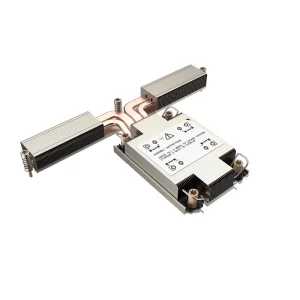
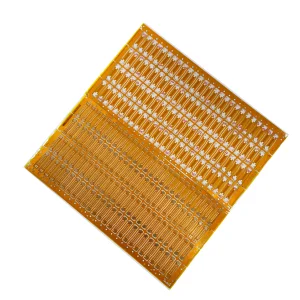
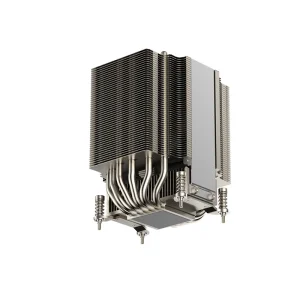
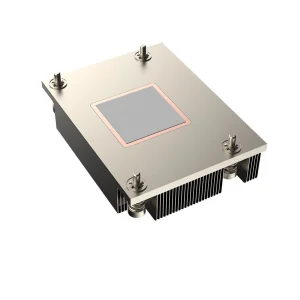
This is where advanced co-design becomes vital. Delivering a reliable UVC LED solution in Israel requires more than mounting diodes on a metal core board; it demands an integrated technological ecosystem combining high-efficiency optical arrays, flexible polyimide circuit connections (FPC), and robust thermal management assemblies (such as active/passive copper and aluminum heat sinks) to ensure continuous operation in desert conditions.
Wavelength Precision: Emitting precisely between 265nm-275nm targets the peak germicidal absorption spectrum of pathogens like Cryptosporidium and Giardia, which are resistant to standard chemical treatments.
Eco-Safety: Zero mercury elimination aligns with the Israel Clean Air Law and local sustainability regulations.
Instant On/Off: Unlike mercury lamps that require pre-heating, UVC LEDs integrate with smart flow-sensors, lowering energy consumption for Israel's localized irrigation networks.
The primary barrier to achieving high Wall Plug Efficiency (WPE) in AlGaN-based UVC LEDs is thermal accumulation. Less than 5% to 10% of the electrical energy supplied to a UVC LED chip is converted into optical output; the remaining 90%+ is transformed into heat. Without highly conductive heat sinks, the junction temperature rises rapidly, causing the optical output power to decline and reducing the semiconductor's lifespan.
We leverage Aluminum Nitride (AlN) substrates featuring thermal conductivities of 170-230 W/mK. This maximizes the heat transfer coefficient directly from the LED submount to the structural support frame.
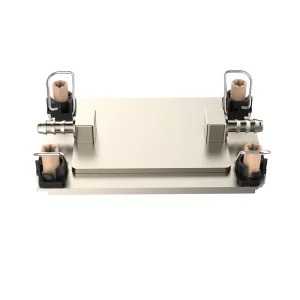
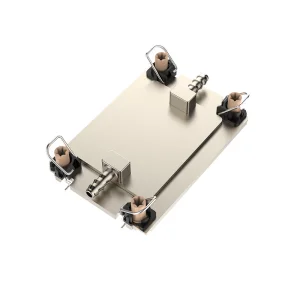
For high-kilowatt municipal water purifiers, standard passive radiation is insufficient. We design hybrid liquid-cooled copper plates that sustain junction temperatures below 55°C, ensuring a L70 lifetime of over 15,000 hours.
Integrating high-speed digital controllers, local memory, and sensors directly onto FPC interfaces allows real-time feedback loop adjustments, protecting modules from voltage surges and overheat states.
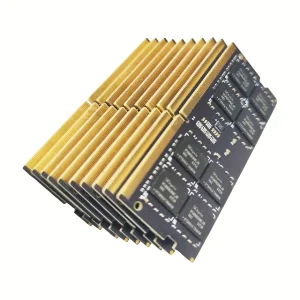
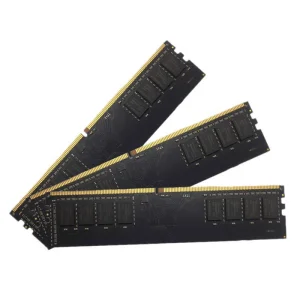
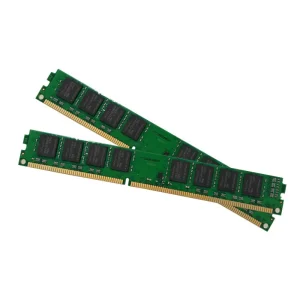
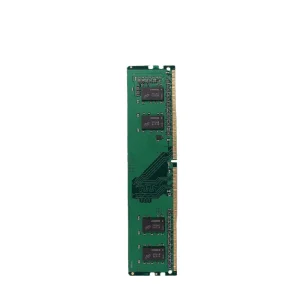
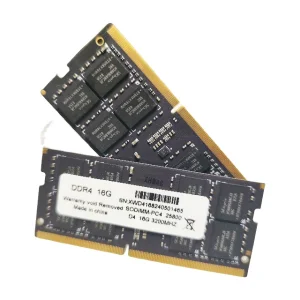
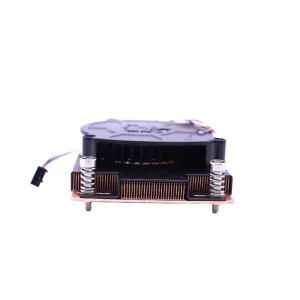
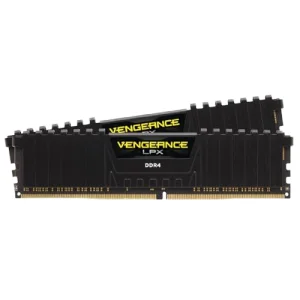
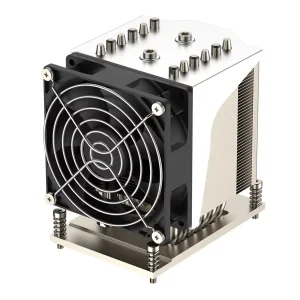
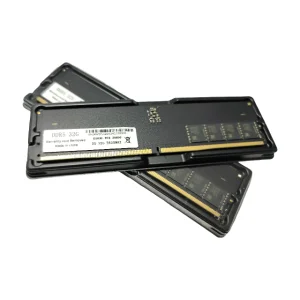
Information Gain Insight: Unlike standard distributors, our integration of memory technology (RAM/DDR modules) and high-speed CPU-level cooler blocks allows Israeli system integrators to build Smart IoT UVC grids. These systems monitor municipal water contamination levels, cross-reference data points locally via edge-computing memory nodes, and dynamically adjust UVC intensity to save power and extend device lifespans.
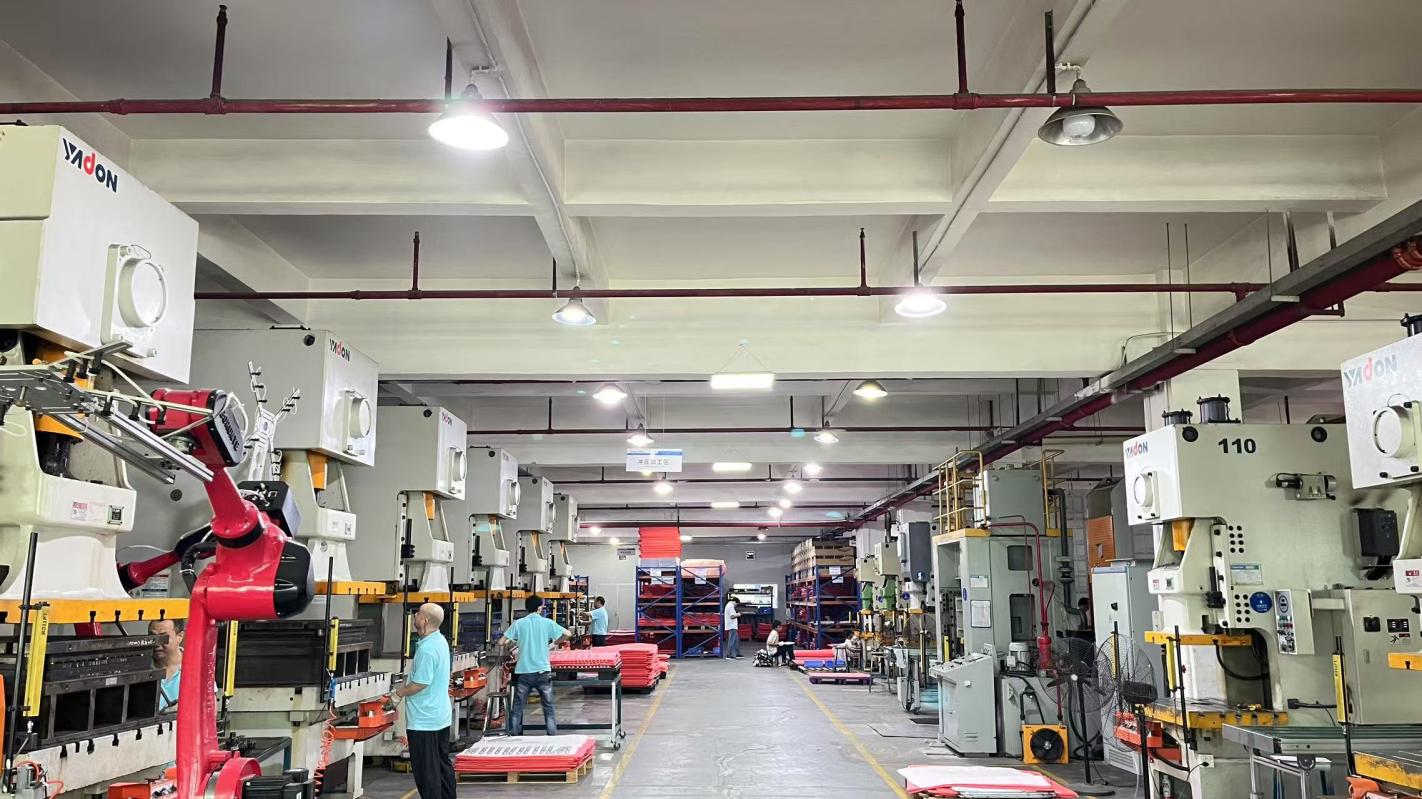
Operating from our state-of-the-art facilities, Xeviora Memory Technology (China) Co., Ltd. leverages a highly streamlined, vertically integrated supply chain. Initially established in 2017 as a high-performance DRAM and cooling manufacturer, we have expanded our engineering capabilities to deliver comprehensive thermal-optical assemblies. Our infrastructure is optimized for OEM/ODM engineering partnerships with advanced technology companies in Tel Aviv, Haifa, and beyond.
Our manufacturing facility operates under rigid quality management protocols. Each product design goes through extensive automated functional testing, thermal dissipation modeling, compatibility checks, and rigorous environmental aging tests before shipment. With over 8 years of export experience and an extensive network of 850 partners, we guarantee logistics resilience and flexible order sizing, ensuring your production lines in Israel operate with minimal lead times.
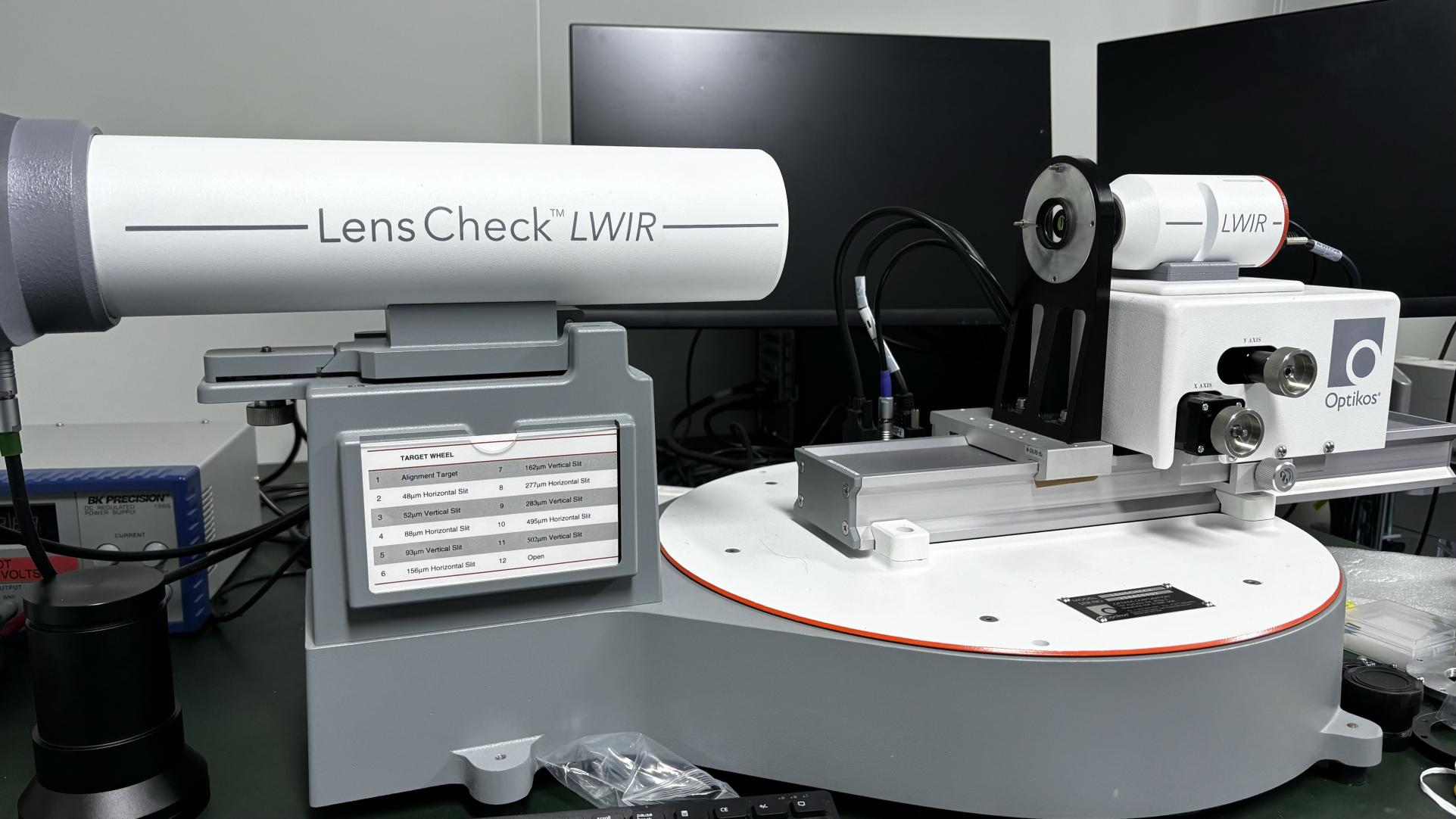
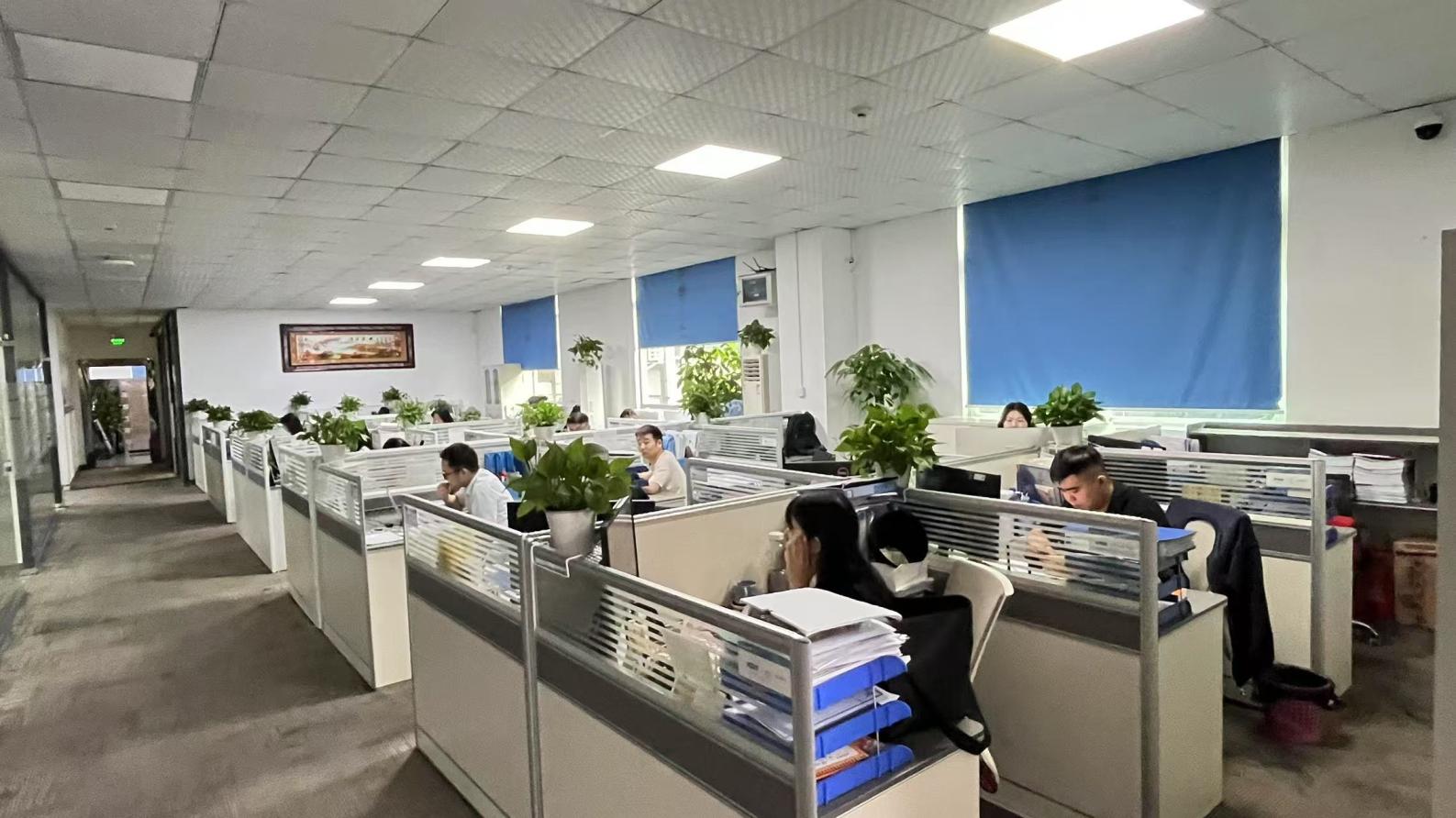
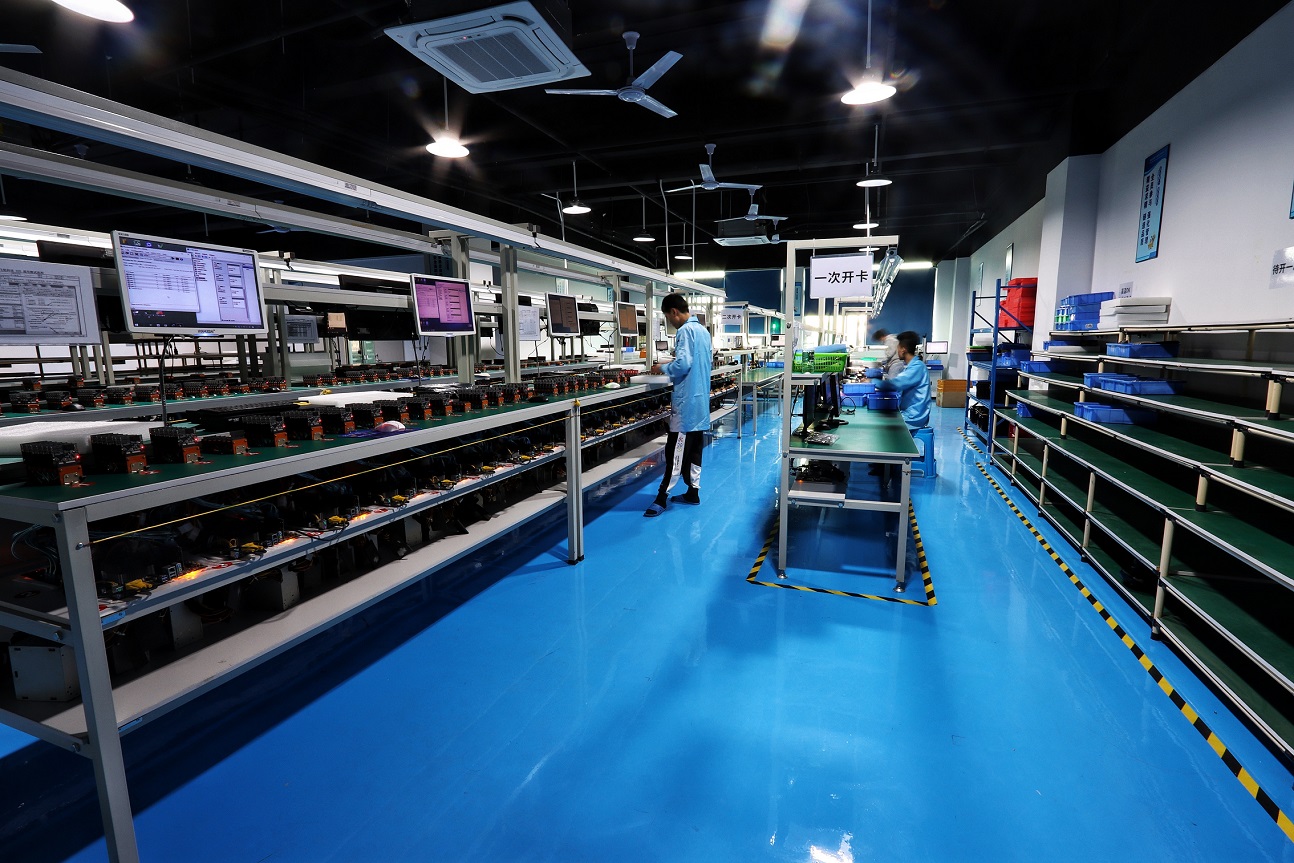
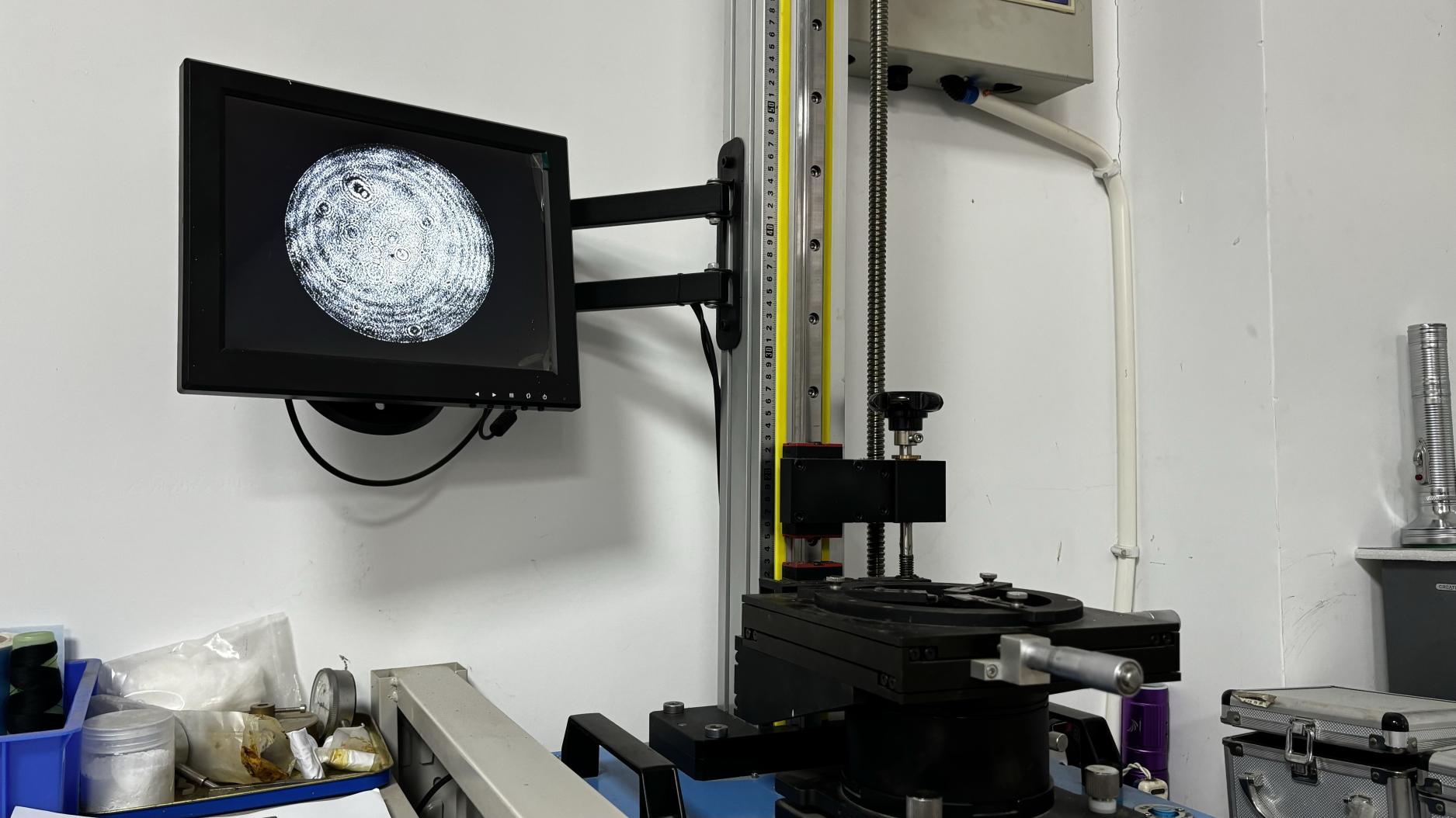
Integration of ultra-high flux UVC LED modules directly into the fluid channels of water treatment installations. Our copper-core thermal systems ensure that even under continuous 24/7 water flow, the light engine maintains a stable 265nm germicidal peak, effectively neutralizing Giardia cysts and viruses.
In greenhouse farming and high-density vertical farms throughout the Negev region, water recycle loops are vulnerable to fungal spores and bacterial blooms. Our lower-voltage, customized FPC-based UVC bars are designed for narrow water channels, ensuring pathogen-free nutrient solution delivery without heating the water.
Providing medical device manufacturers in Silicon Wadi with micro-scale UVC arrays for surgical sterilizers, bio-safety cabinets, and surface disinfection in high-grade clean rooms. Our modules conform strictly to EN 62471 photobiological safety standards.
Importing technology components into Israel requires strict adherence to regulatory standards and fast customs clearance protocols. At Xeviora, we ensure seamless compliance and logistics support: