Xeviora
Xeviora
Xeviora
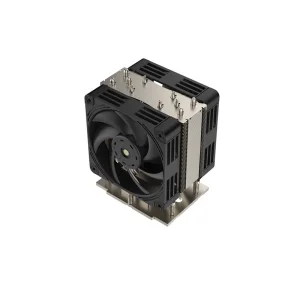
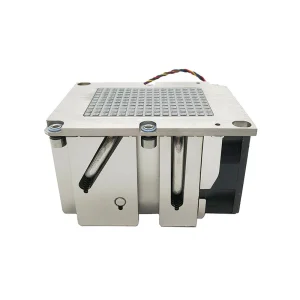
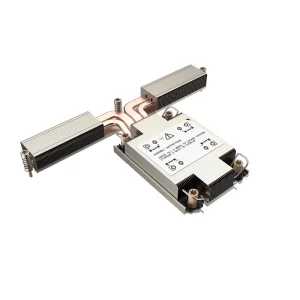
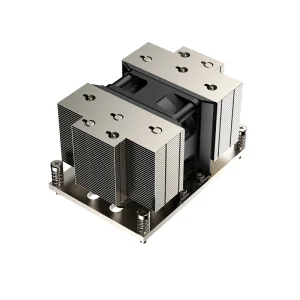
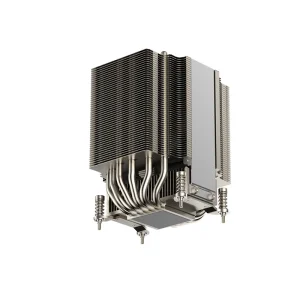
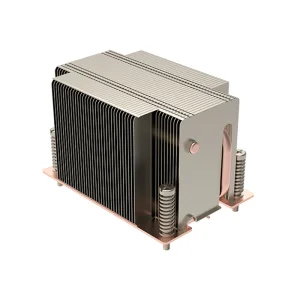
High-power UVC LEDs emit substantial heat alongside UV rays. Xeviora's high-performance server-grade heatsinks and cooling systems deliver the critical thermal pathways required for heavy-duty disinfection operations.
The Indian market is undergoing a massive paradigm shift in sanitization, hygiene, and disinfection infrastructure. Driven by government initiatives such as the Jal Jeevan Mission (aiming to provide safe, piped drinking water to all rural households by 2024) and the rapid post-pandemic modernization of commercial real estate in hubs like Bengaluru, Mumbai, NCR, and Hyderabad, traditional disinfection methods are giving way to high-reliability solid-state solutions.
Traditional low-pressure mercury lamps, which long dominated Indian municipal water treatment plants and residential water purifiers, are rapidly being replaced by Ultraviolet-C (UVC) Light Emitting Diodes (LEDs). The reasons are clear: UVC LEDs (operating in the germicidal range of 260nm to 280nm) offer instant start-up capabilities, contain zero mercury (fully aligning with RoHS and India's E-waste management guidelines), feature a compact footprint for point-of-use (POU) integration, and boast significantly lower operational expenditures.
While the promise of UVC LED technology is vast, deploying it successfully in India requires solving deep engineering and localized challenges:
Unlike European or North American climates, many regions in India experience prolonged summer ambient temperatures exceeding 40°C to 45°C. UVC LEDs operate at low wall-plug efficiencies (WPE), meaning that 95% of the electrical energy is converted into heat rather than ultraviolet light. If the junction temperature of the LED chip rises above 80°C, the optical power output degrades exponentially, and the lifetime (L70) drops from 15,000 hours to a few hundred.
This is where Xeviora's dual-competence in semiconductor substrate packaging and thermal cooling engineering becomes a vital competitive asset. By applying server-grade thermal engineering (using passive copper and aluminum heatsinks, micro heat-pipe technologies, and advanced metal-core PCBs) to our optoelectronic modules, we ensure that heat is rapidly conducted away from the delicate UVC emitters.
In many industrial zones and rural districts across India, power grids suffer from voltage surges, brownouts, and frequency fluctuations. A bare UVC LED chip is highly sensitive to current surges. Our specialized drive circuits are designed with transient voltage suppression (TVS) diodes, constant-current ICs, and wide-input-voltage tolerance specifically to mitigate the risk of premature driver failure on Indian industrial grids.
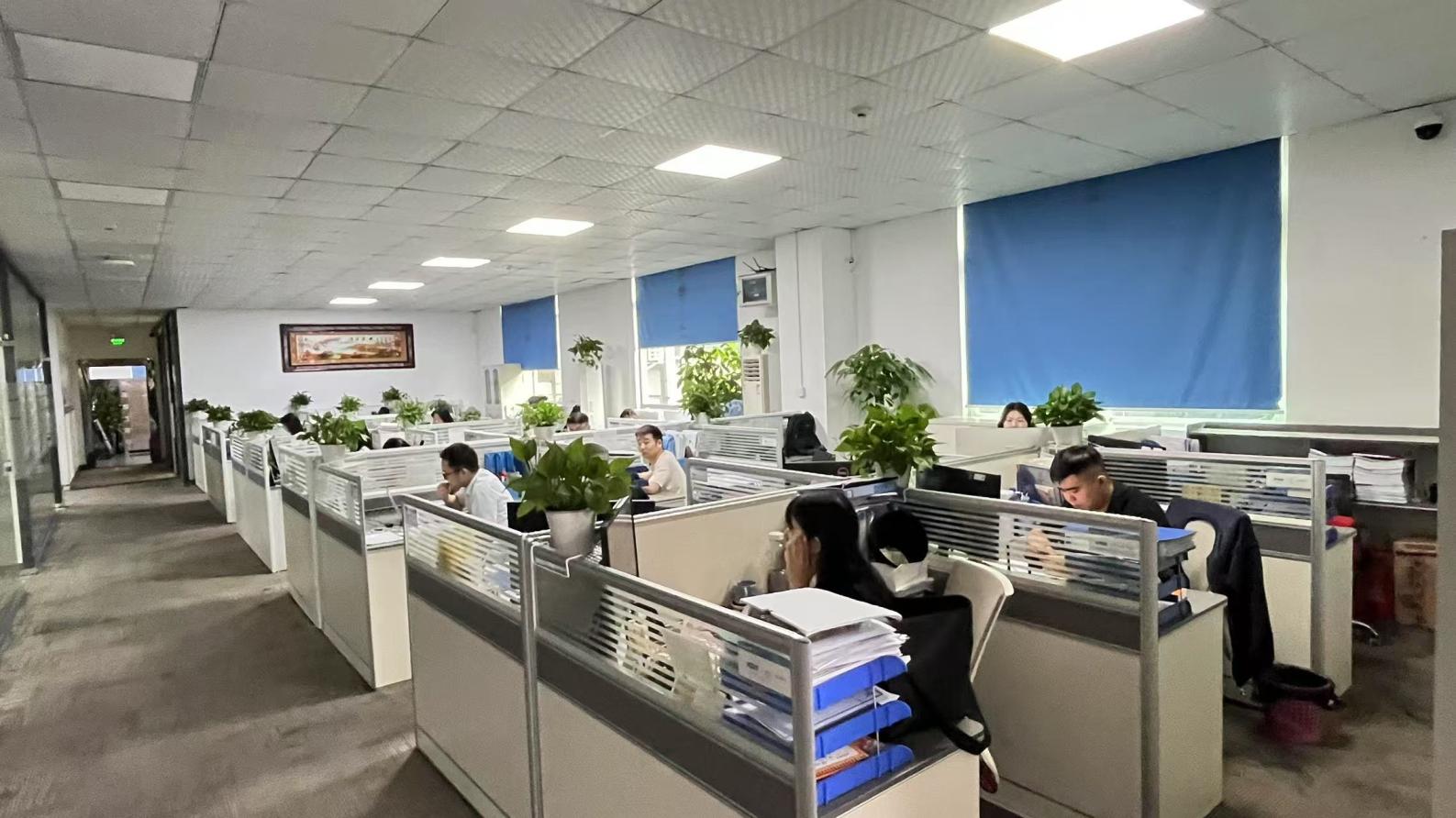
Xeviora Memory Technology (China) Co., Ltd. is a professional DDR5 memory manufacturer and supplier based in China, specializing in high-performance RAM solutions for gaming, industrial, enterprise, and consumer applications. Established in 2017, the company has rapidly grown into a trusted OEM and ODM partner for global distributors, system integrators, and technology brands.
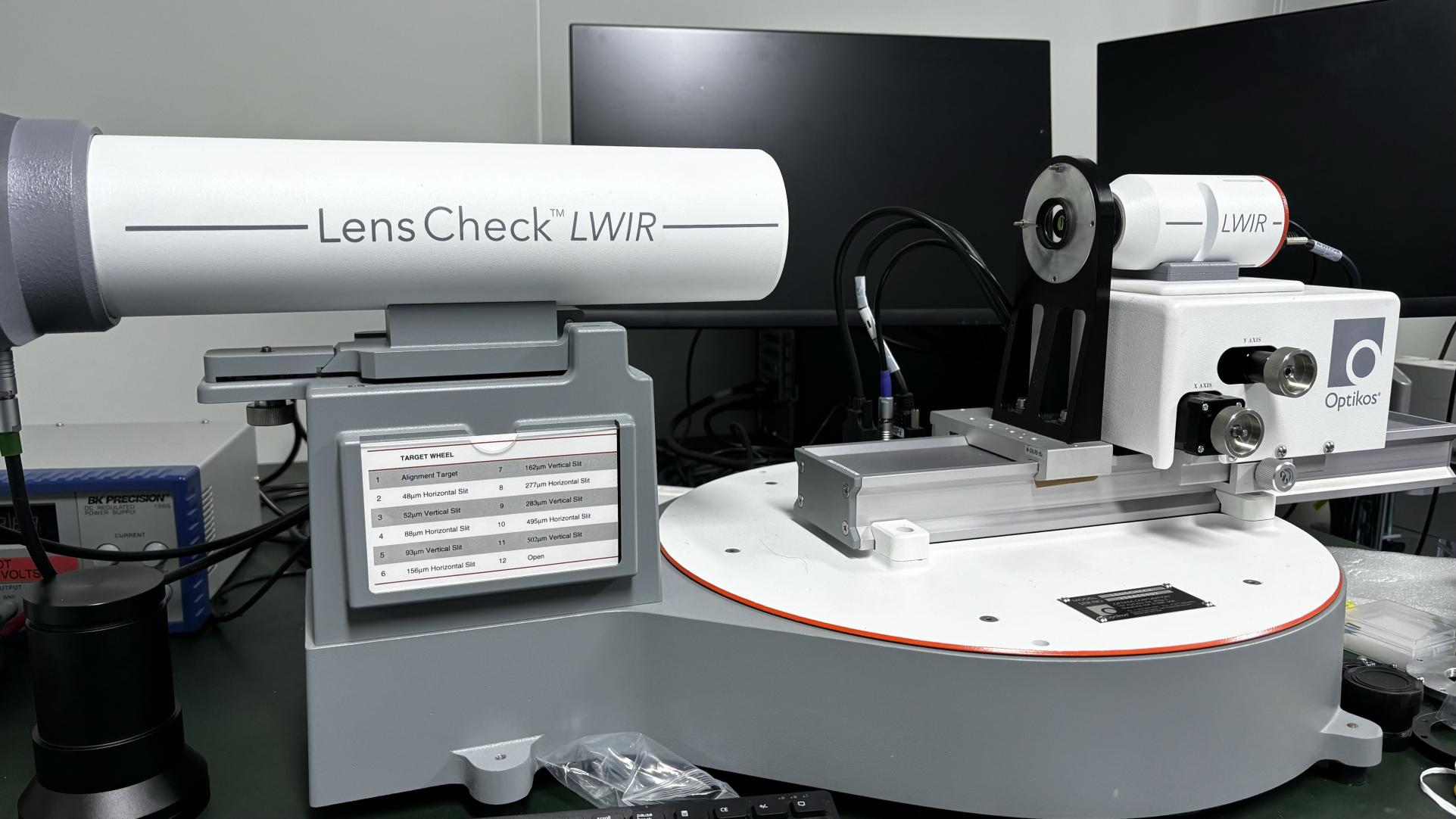
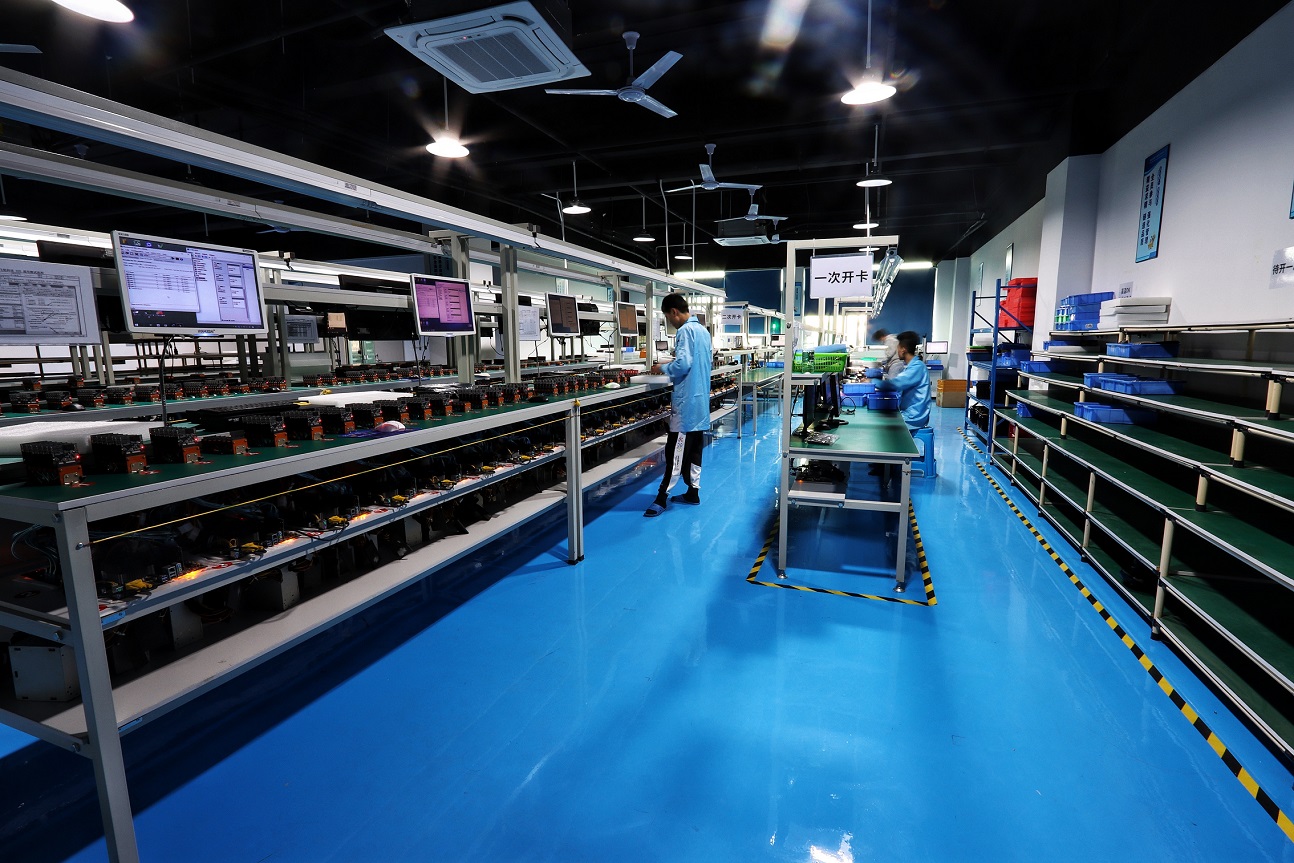
Our manufacturing facility covers 368 square meters and is equipped with advanced production and testing equipment to ensure stable quality and reliable performance. With an annual export revenue of over USD 18 million, Xeviora serves customers across North America, Europe, Southeast Asia, the Middle East, and South America.
Backed by 8 years of export experience and 12 years of industry expertise, we are committed to delivering innovative memory products that meet international quality standards. Our quality management system includes comprehensive incoming material inspection, in-process quality control, and final product testing. All products undergo automated functional testing, compatibility verification, performance validation, and aging tests before shipment. Our quality assurance team consists of 46 dedicated inspectors who ensure every module meets strict reliability requirements.
UVC LED manufacturing requires the same high-frequency surface-mount technology (SMT), cleanroom controls, and precise substrate thermal routing as high-speed DDR5 RAM modules and advanced processor cooling assemblies.
By utilizing our existing high-speed placement machines, automatic optical inspection (AOI), and advanced reflow ovens designed for multi-layer PCBs, we manufacture UVC LED modules with microscopic precision. Our 128 R&D engineers leverage 12 years of semiconductor industry experience to design custom Aluminum Nitride (AlN) ceramic submounts that offer thermal conductivities exceeding 200 W/m·K, directly maximizing the lifespan of the UVC LED chips.
As a manufacturer with strong OEM and ODM capabilities, Xeviora works closely with more than 850 supply chain partners worldwide, enabling efficient sourcing, flexible production, and fast delivery. Our primary customers include wholesalers, distributors, e-commerce sellers, system builders, brand owners, and enterprise solution providers.
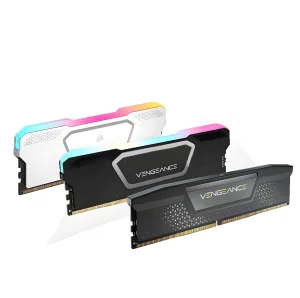
Innovation is at the core of our business. Supported by an experienced R&D team of 128 engineers, we continuously invest in new technologies and product development. Last year alone, we successfully launched 86 new memory products covering DDR5 gaming memory, industrial-grade memory modules, server memory solutions, and customized storage products.

Doing business with Indian enterprises requires more than just high-quality hardware. It demands complete technical alignment with local regulatory bodies and deep support for local product development.
Any electrical or optoelectronic system imported into India must comply with strict safety mandates. We actively support our Indian OEM partners in securing BIS Certification by providing complete technical documentation, BOM (Bill of Materials) breakdowns, LM-80 test reports for UVC LED emitters, and driver schematics that pass local electromagnetic compatibility (EMC) and electrical safety tests.
Additionally, all our UVC LED assemblies are certified lead-free under RoHS guidelines, which is critical for complying with the Ministry of Environment, Forest and Climate Change (MoEFCC) e-waste regulations.
Whether you are designing a high-flow commercial water purifier for municipal use in Pune, an HVAC sterilizer for a Noida high-rise, or a medical sterilization box for a hospital in Chennai, standard off-the-shelf LED modules rarely fit. We offer:
| Module Series | Peak Wavelength | Radiometric Flux (mW) | Input Voltage / Current | Substrate Material | Primary Application in India |
|---|---|---|---|---|---|
| XEV-UVC-S1 | 265nm - 275nm | 10mW - 15mW | DC 12V / 150mA | AlN Ceramic Submount | POU Water Disinfection (Kent/Forbes standard) |
| XEV-UVC-M2 | 270nm - 280nm | 40mW - 60mW | DC 24V / 350mA | High-Thermal Copper MCPCB | High-Flow Water Purification / Air Ducts |
| XEV-UVC-H5 | 265nm - 270nm | 120mW - 180mW | DC 36V / 700mA | Active-Cooling Aluminum base | Medical Equipment / Industrial Conveyors |
Selecting Xeviora as your key manufacturing partner combines the unmatched scale of Chinese optoelectronic clusters with local commercial flexibility. China controls over 70% of the global LED packaging supply chain, ensuring that raw material sourcing, from blue-chip sapphire wafers to custom optical quartz lenses, is highly optimized.
We pass these supply chain efficiencies directly to our Indian clients. Through dedicated freight forwarders operating out of Shenzhen and Shanghai, we offer streamlined shipping routes directly into major Indian ports of entry, including Nhava Sheva (Mumbai), Chennai Port, and Delhi Cargo terminal. By providing complete customs support, HS code classifications (typically 85414100 for LED devices), and packing lists, we ensure smooth and rapid custom clearance, mitigating delays for production runs.
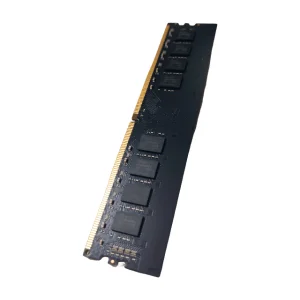
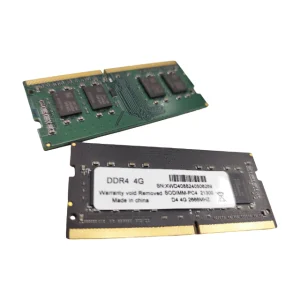
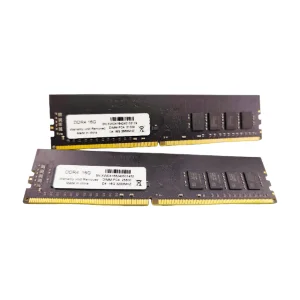
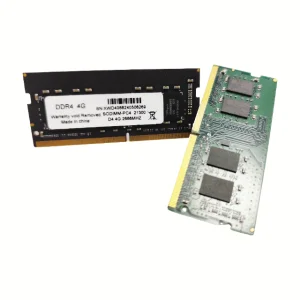
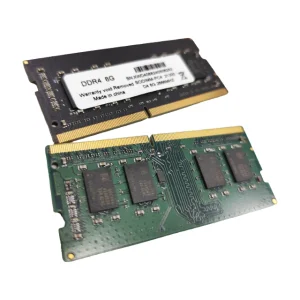
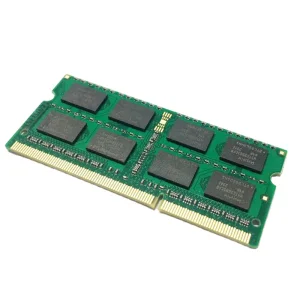
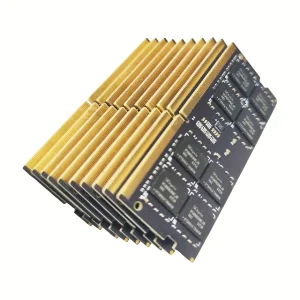
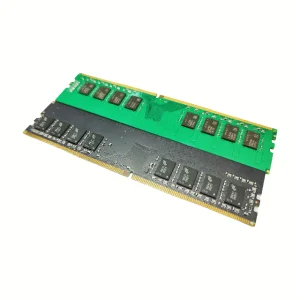
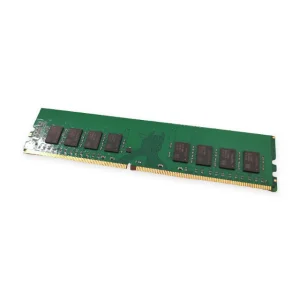
Modern automated UVC sterilization plants and smart water treatment systems in India rely on robust computing infrastructure. Our industrial-grade memory modules provide the reliable data storage and execution speeds required for automated control systems.
Technical and logistical insights to help Indian engineering and procurement teams make informed decisions.
Ensure absolute hardware stability for data logging, factory automation, and heavy industrial computing applications across India with our certified server-grade memory and active heatsinks.