Xeviora
Xeviora
Xeviora
High-efficiency components and heavy-copper-compatible control boards engineered to support demanding electrical stress and high-temperature operating conditions.
Benin is experiencing an unprecedented industrial transformation, led by the growth of Special Economic Zones (such as the Glo-Djigbé Industrial Zone - GDIZ), modern port logistics expansion at the Port of Cotonou, and massive national investments in solar energy and rural electrification. As infrastructure modernization accelerates across West Africa, the demand for robust, high-performance electronics has grown exponentially. Power systems, solar charge controllers, industrial motor drives, and telecommunication distribution grids operating in the tropical climate of Benin require electronic circuit boards that can handle substantial electrical currents and facilitate rapid heat dissipation.
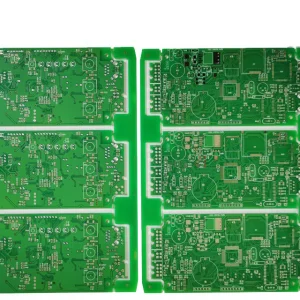
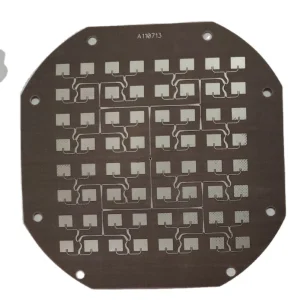
This is where Thick Copper PCBs (also known as heavy copper printed circuit boards) become mission-critical. Featuring copper weights ranging from 3 oz/ft² to upwards of 20 oz/ft², these highly specialized circuit boards are engineered to carry significant electrical loads while providing superior thermal management. Standard circuit boards (typically utilizing 1 oz or 2 oz copper) fail rapidly under the elevated thermal stresses of high-current power distribution and grid solar inverters in the hot, humid climatic conditions of sub-Saharan Africa. Procurement managers and engineering firms in Cotonou, Porto-Novo, and Parakou are increasingly seeking reliable manufacturer partnerships to supply heavy copper boards built to withstand these challenging environments.
The operational environment in West Africa presents specific physical challenges. Unstable electrical grids, frequent micro-surges, high ambient temperatures, and dust storms necessitate extra engineering margins in system designs. Heavy copper circuits dramatically enhance the physical integrity and reliability of PCB connections. Thick copper traces allow design engineers to run higher power currents through smaller board dimensions, lowering the footprint of industrial devices while providing excellent mechanical strength at connection points.
Moreover, thick copper boards utilize advanced base materials such as FR4 high Tg (Glass Transition Temperature), polyimide, or metal cores to optimize thermal transfer. By utilizing high-frequency materials and thick copper foils, manufacturers can produce power conversion products that run cooler, endure thermal cycling without delamination, and maintain an extended operational lifespan. This is critical for off-grid solar equipment deployed in remote northern regions of Benin, where maintenance is challenging and downtime is extremely costly.
Globally, the electronic manufacturing services (EMS) sector is undergoing a rapid evolution toward energy-efficiency and high-power density. The rising wave of Electric Vehicle (EV) charging stations, high-voltage battery storage systems, solar microgrid inverters, and heavy industrial automation is driving the heavy copper PCB market. Modern manufacturing technologies have solved historical challenges associated with heavy copper etching—such as undercut patterns and uneven trace widths—by using specialized multi-step copper plating and differential etching techniques.
As the international electronics industry shifts toward smart grids and distributed energy resource (DER) management systems, the integration of heavy copper layers with thin, high-density logic layers on a single board (known as hybrid copper PCBs) has emerged. This enables design engineers to combine high-current paths with delicate control circuitry on the same substrate, lowering assembly assembly costs and reducing packaging weight.
To assist system integrators and electrical engineers in Benin, the table below outlines the primary technical differences and operational boundaries between conventional printed circuit boards and heavy/thick copper alternatives:
| Technical Parameter | Standard PCB Specifications | Thick Copper (Heavy Copper) PCBs |
|---|---|---|
| Copper Foil Weight | 0.5 oz/ft² – 2.0 oz/ft² (18µm – 70µm) | 3.0 oz/ft² – 20.0+ oz/ft² (105µm – 700µm) |
| Current-Carrying Capacity | Low to Medium (< 15 Amperes) | High to Very High (50 – 200+ Amperes) |
| Thermal Conductivity | Standard FR-4 (approx. 0.25 W/m·K) | High thermal dissipation configurations (up to 4.0 W/m·K) |
| Thermal Shock Resistance | Moderate (prone to failure under thermal cycles) | Excellent structural integrity under massive cycling |
| Typical Applications | Consumer devices, logic circuits, sensor interfaces | Solar inverters, high-power supplies, power grids, military |
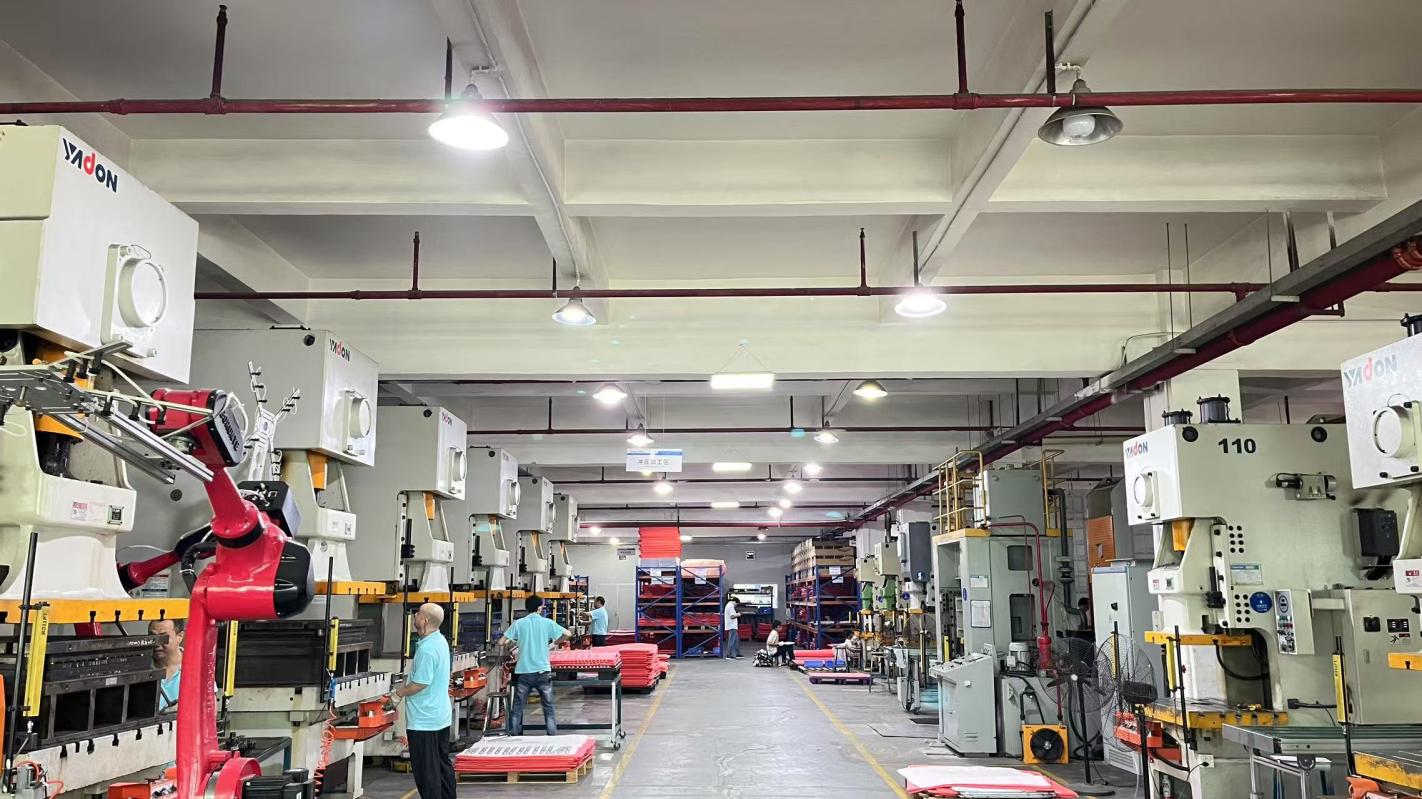
While local engineering firms in Benin focus on regional distribution, installation, and software optimization, hardware manufacturing is most cost-effectively executed in specialized industrial zones in China. Chinese factories offer unmatched vertical integration, bringing raw materials, copper plating chemistry, advanced laser imaging, high-speed CNC drilling, and rigorous testing under one roof. The efficiencies gained from operating at this scale result in significantly lower unit costs, faster turnaround times, and consistent adherence to global quality frameworks like ISO 9001, UL 94V-0, and RoHS.
Furthermore, Chinese manufacturers have established highly efficient logistics routes to West Africa. Partnerships with major maritime and air shipping providers ensure that products cleared through the Port of Cotonou or Cotonou Cadjehoun Airport arrive on schedule and in pristine, vacuum-sealed packaging, ready for deployment or local assembly.
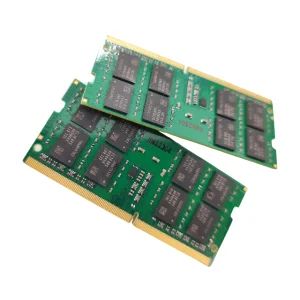
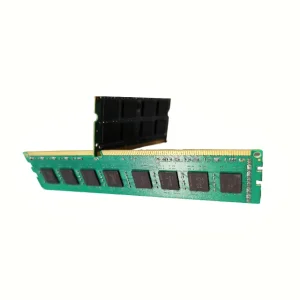
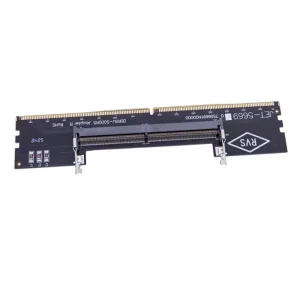
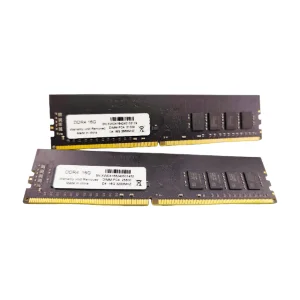
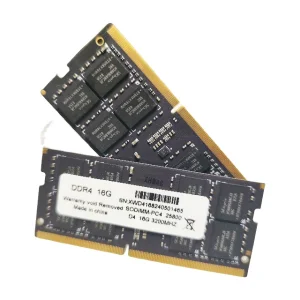
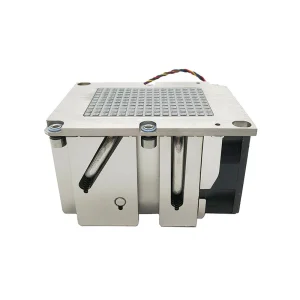
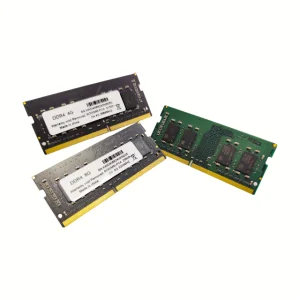
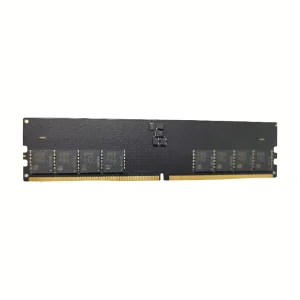
Explore our certified range of industrial memory solutions, specialized heatsinks, and heavy-duty circuit board adapters engineered for extreme workloads.
Identifying proper applications for thick copper boards is central to designing systems for Benin's rapidly evolving energy and infrastructure landscape. Key application areas include:
Benin's rural areas are increasingly dependent on off-grid solar micro-grids. Power electronics, particularly high-power solar charge controllers and DC-AC inverters, manage substantial continuous currents. Heavy copper PCBs are used to build power stages that withstand the high thermal and current demands of these systems, preventing failures and reducing the physical size of the converter enclosures.
Telecommunications operators in Benin require continuous uptime for base stations located across various terrains. These systems utilize power backup units and DC distribution networks operating around the clock. By employing thick copper PCBs within power rectifiers and switching networks, telecommunication networks maintain robust thermal margins, even during extreme heat waves in northern Benin.
The Port of Cotonou relies on heavy machinery, automated gantry systems, and conveyor control panels. These industrial machines utilize electric motor drives that draw massive surge currents during startup and braking cycles. Thick copper traces on the motor controller PCBs prevent board delamination and solder joint breakdown under repeated electrical and mechanical stresses.
Benin’s agricultural processing industries (cotton ginning, cashew processing) and stone quarries demand high reliability from their industrial electronics. Dust-filled environments create additional heat buildup inside closed metal control boxes. Heavy copper substrates operate reliably at higher temperatures and minimize electrical resistance, ensuring production runs without interruption.
Partnering with Xeviora Memory Technology (China) Co., Ltd. ensures your projects are backed by world-class engineering, certified processes, and reliable performance.
Xeviora Memory Technology (China) Co., Ltd. is a professional manufacturer and supplier based in China, specializing in high-performance memory modules and advanced PCB electronics. Since our founding in 2017, we have served as a trusted OEM/ODM partner for global distributors, system integrators, and technology brands across the globe.
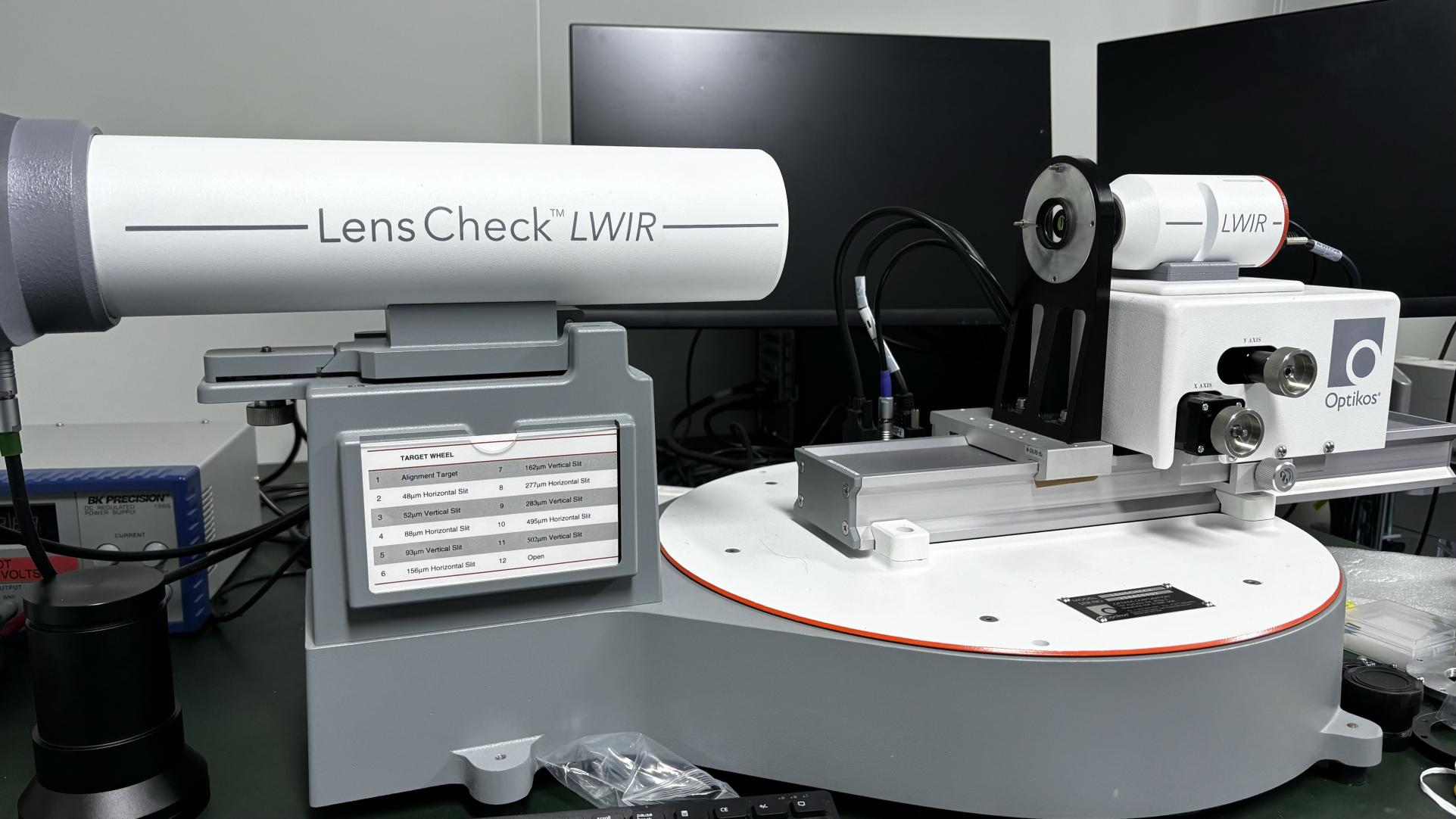
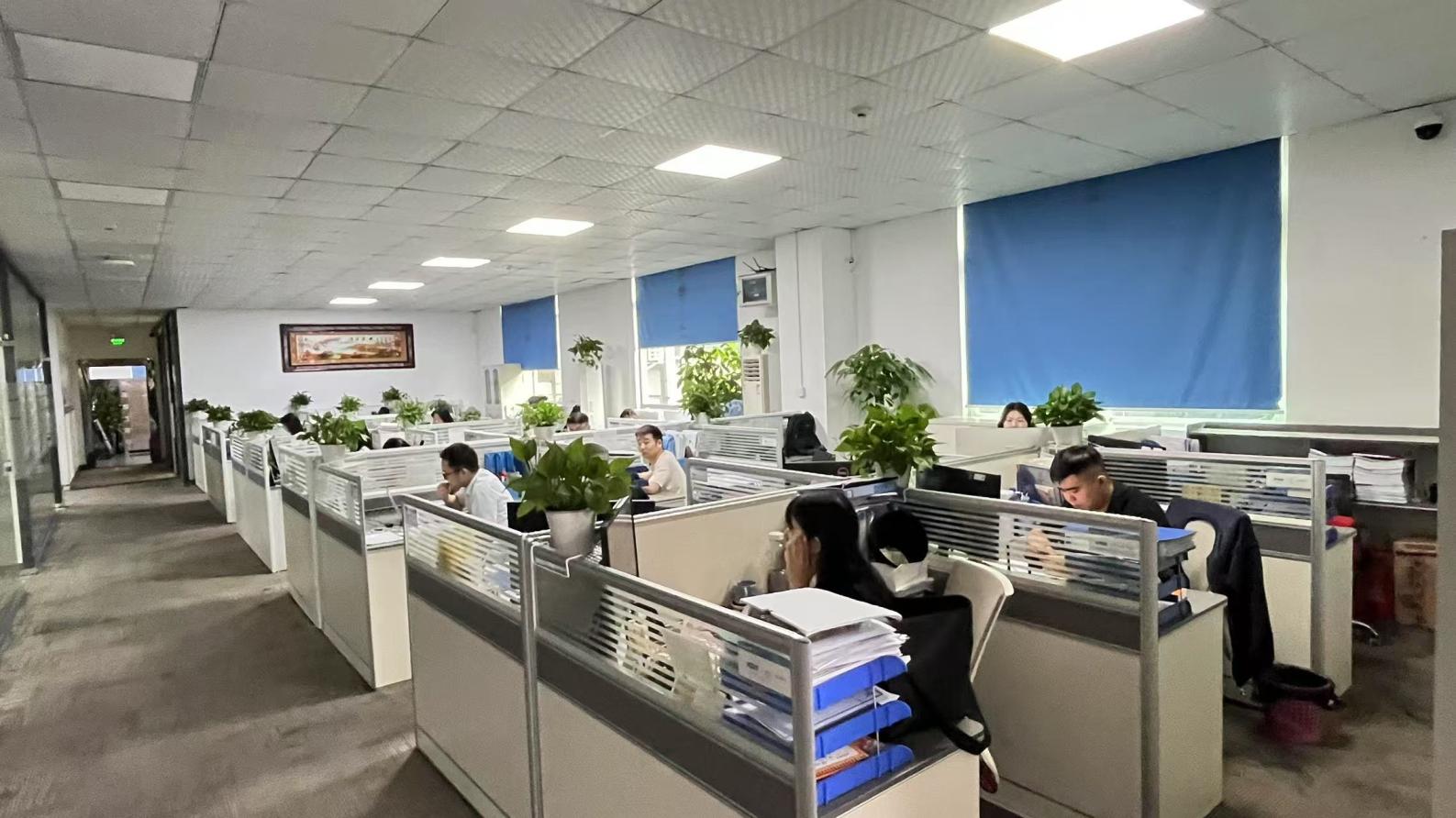
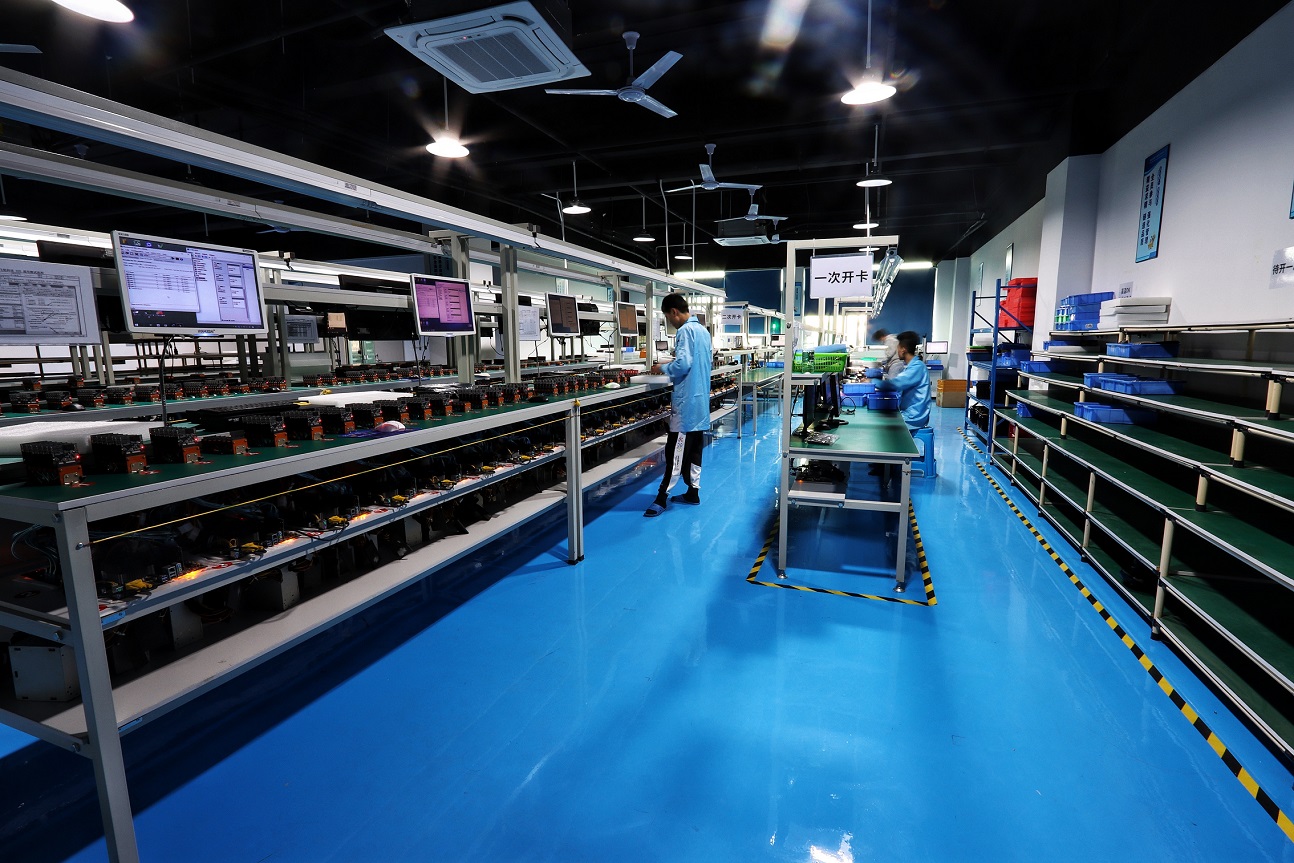
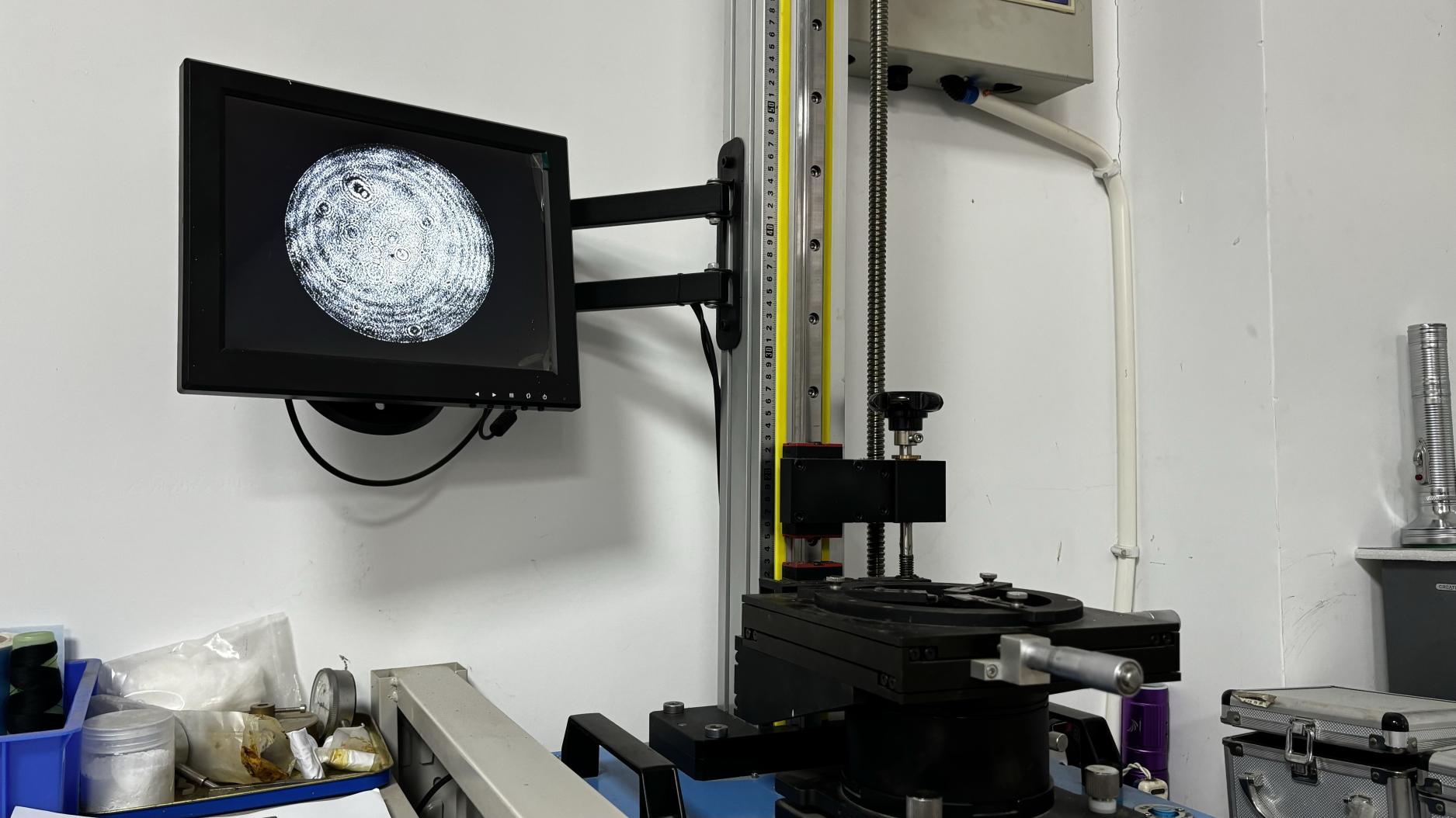
Our production facilities span 368 square meters and are equipped with advanced automated assembly, precision placement, and specialized testing equipment. Backed by 8 years of export experience and 12 years of core industry expertise, our team is committed to delivering products that comply with strict international quality standards. All assemblies undergo functional verification, thermal cycling, and visual inspections before being dispatched to our clients.
As a vertically integrated manufacturer, Xeviora collaborates with more than 850 supply chain partners globally, allowing us to offer flexible, high-reliability production options. Supported by our R&D team of 128 engineers, we continuously invest in advanced technology and product development. Last year alone, we successfully launched 86 new memory and electronic components, catering to industrial-grade memory modules, server storage solutions, and customized power electronic boards.
Whether you require standard system memory or custom multi-layer substrates, our engineers provide the technical support, design verification, and supply chain reliability needed to ensure your projects in Benin succeed.
Get answers to common queries regarding heavy copper PCBs, manufacturing specifications, and global delivery logistics to Benin.
Contact our engineering sales department today for a complimentary manufacturing review and request a direct quote for your custom heavy copper layouts.
Send Inquiry Now