Xeviora
Xeviora
Xeviora
Engineered for high power density and reliable heat dissipation in the demanding Australian climate.
Modern electrical architectures are experiencing an unprecedented surge in power density. From high-capacity industrial drives and utility-scale solar inverters to electric vehicle (EV) supercharging stations and military-grade power supplies, the requirements for heat management and high-current transmission have moved beyond the capabilities of standard Printed Circuit Boards (PCBs). This is where Thick Copper PCBs (also known as heavy copper or extreme copper PCBs) become indispensable. By utilizing copper weights ranging from 3 oz/ft² to over 20 oz/ft², engineering teams can design compact, highly integrated control and power distribution boards that survive extreme thermal stress while exhibiting exceptional reliability.
SEO Insight & Technical Reality: Unlike standard PCBs that rely on thin traces (typically 1 oz or 35µm) and external heat sinks, heavy copper technology embeds the thermal management directly into the substrate. This eliminates failure points like wire bonds and bolted busbars, streamlining the manufacturing process for high-reliability systems.
Australia presents a unique combination of operating environments. With primary industries concentrated in remote mining regions, utility-scale renewable installations across the Outback, and massive maritime operations along the coastline, hardware deployed here must withstand extreme ambient heat, thermal shock, dust, and continuous vibration.
Underground drill systems, draglines, and material handling systems use high-power motors requiring up to 1000V. Thick copper PCBs operate reliably under high currents without thermal runaway in deep-earth and desert sites.
Australia leads in solar penetration. Utility-scale solar inverters rely on heavy copper substrates to manage high-efficiency power conversion and endure daily thermal cycling under intense sun exposure.
Corrosive marine environments and defence platforms require robust power supplies. Thick copper combined with specialized FR4 materials protects circuits from delamination and mechanical stress.
Designing a heavy copper board is not merely a matter of plating extra metal. It requires precise compensation during the chemical etching process due to the undercutting effect. Standard lithographic etching becomes highly non-linear when handling copper weights over 3 oz. Manufacturers must use proprietary etching agents and automated optical inspection (AOI) to ensure that the cross-sectional trace area remains consistent and meets design impedances.
| Parameters | Standard PCB | Thick Copper PCB | Extreme Heavy Copper PCB |
|---|---|---|---|
| Copper Thickness | 0.5 oz - 2 oz (17.5µm - 70µm) | 3 oz - 8 oz (105µm - 280µm) | 10 oz - 30+ oz (350µm - 1050+µm) |
| Current Capacity | Low to Moderate (< 15A) | High (30A - 150A) | Ultra-High (150A - 500A+) |
| Thermal Conductivity | Poor (relies on external heatsink) | Excellent (self-dissipating) | Maximum (integrated thermal planes) |
| Common Applications | Consumer Electronics, Logic Circuits | Power Converters, EV Chargers, Solar | Planar Transformers, Heavy Mach., Grid |
Furthermore, heavy copper boards utilize specialized high-Tg (Glass Transition Temperature) epoxy resins (such as TG170 or TG180) to prevent delamination during thermal cycling. When high currents run through the copper traces, the differential thermal expansion between the copper and the FR4 substrate can cause shear stresses. High-Tg materials absorb this stress, preserving the mechanical integrity of the plated through-holes (PTH).
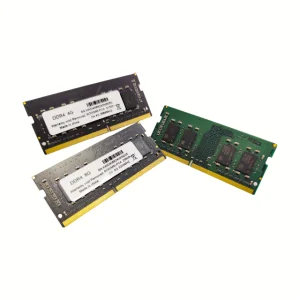
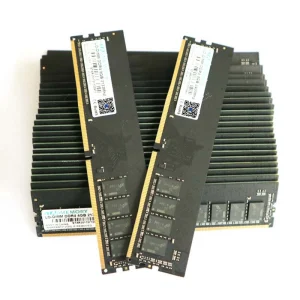
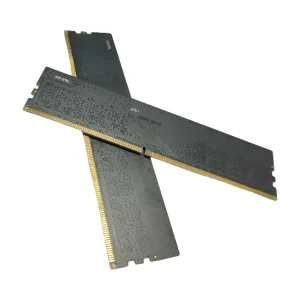
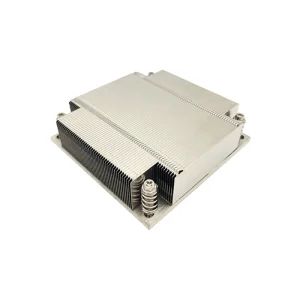
Essential components supporting high-current heavy-copper system assemblies.
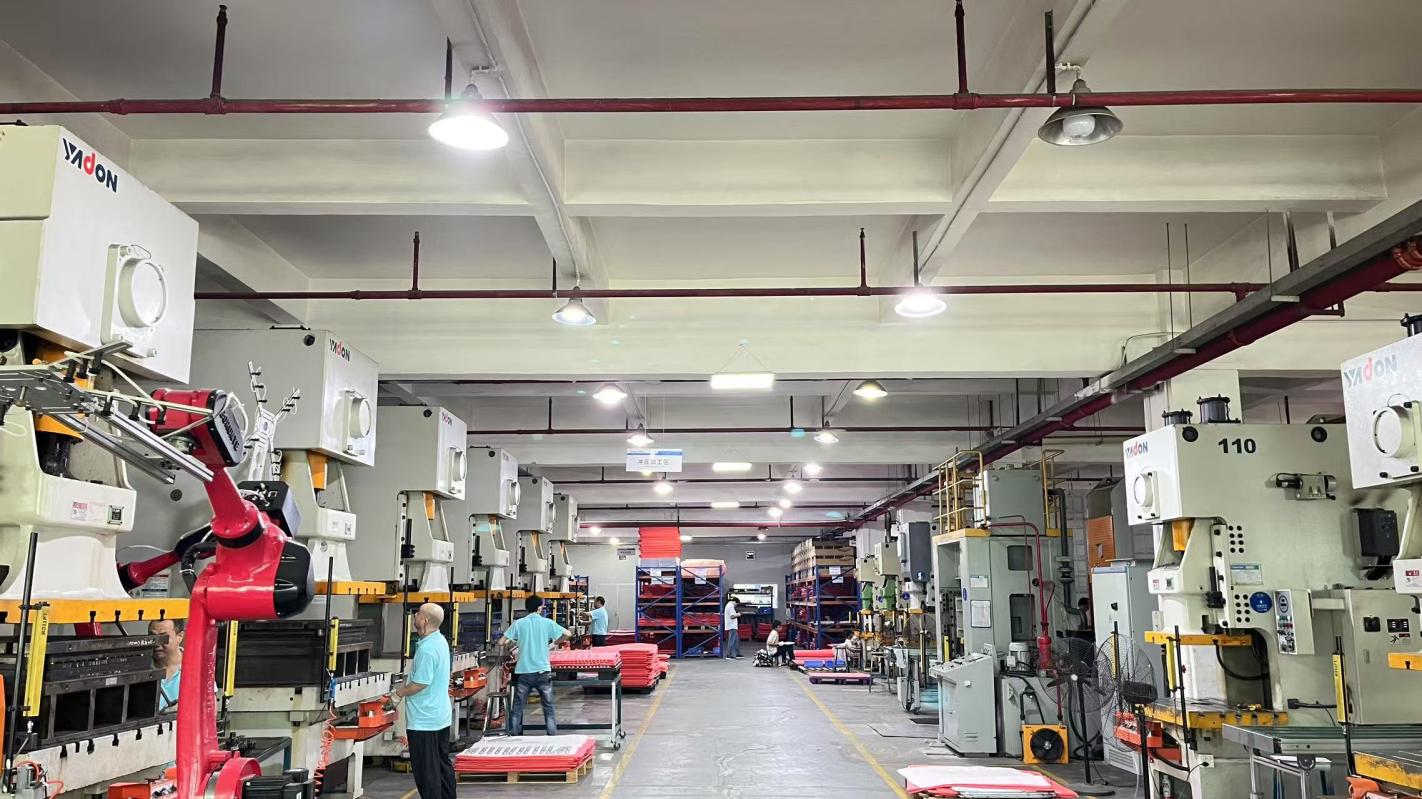
In an era defined by component shortages and geopolitical shifts, building supply chain resilience is a primary objective for Australian businesses. Procuring Thick Copper PCBs from a Factory 4.0 setup in China offers substantial benefits. Modern fabrication relies heavily on automated production paths: inline optical inspection, automated electroplating systems, and robotic handling of delicate materials.
By eliminating manual handling errors, modern facilities maintain a defect rate below 50 PPM (parts per million). Advanced logistics integrations allow raw materials to be sourced and processed just-in-time, bypassing common logistics bottlenecks. For Australian engineering firms, this translates to faster turnaround times for high-power prototypes and predictable scaling during volume production.
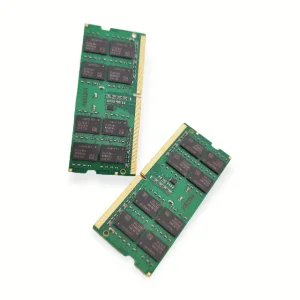
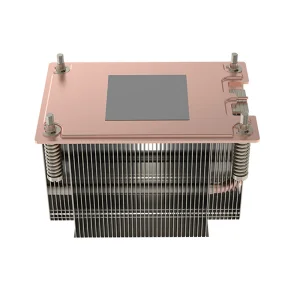
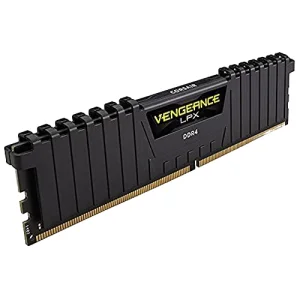
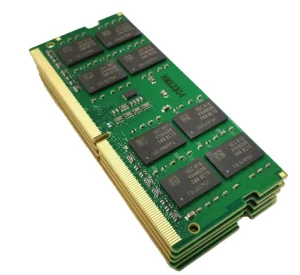
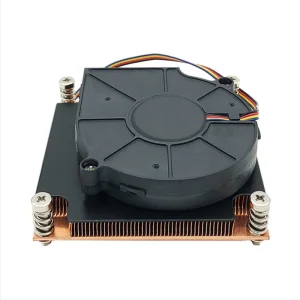
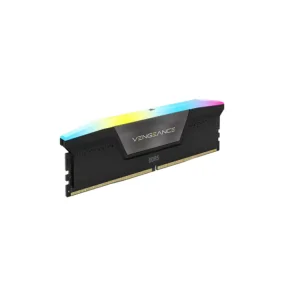
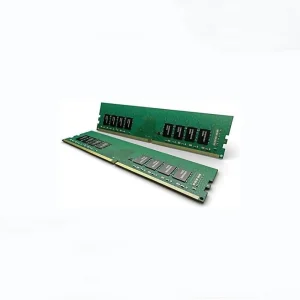
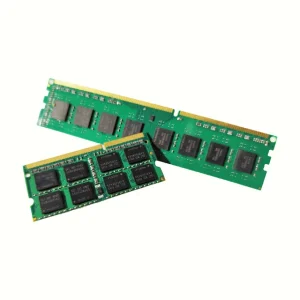
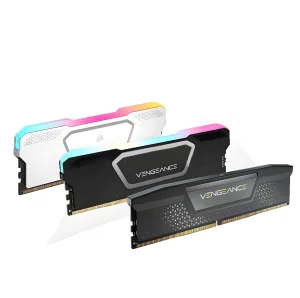
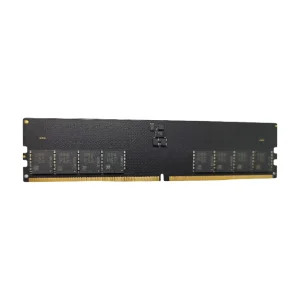
The Synergy of Heavy Copper & Computing: Advanced systems do not rely solely on power distribution. System control boards, heavy-duty processing systems, and modern datacenters require a combined approach: high-speed, high-density memory (like DDR5 RAM modules) processing data, partnered with specialized copper heatsinks and thick copper power delivery boards. Each piece of the architecture works in unison to maintain operational stability under extreme thermal loads.
Xeviora Memory Technology (China) Co., Ltd. is a professional DDR5 memory manufacturer and supplier based in China, specializing in high-performance RAM solutions for gaming, industrial, enterprise, and consumer applications. Established in 2017, the company has rapidly grown into a trusted OEM and ODM partner for global distributors, system integrators, and technology brands.
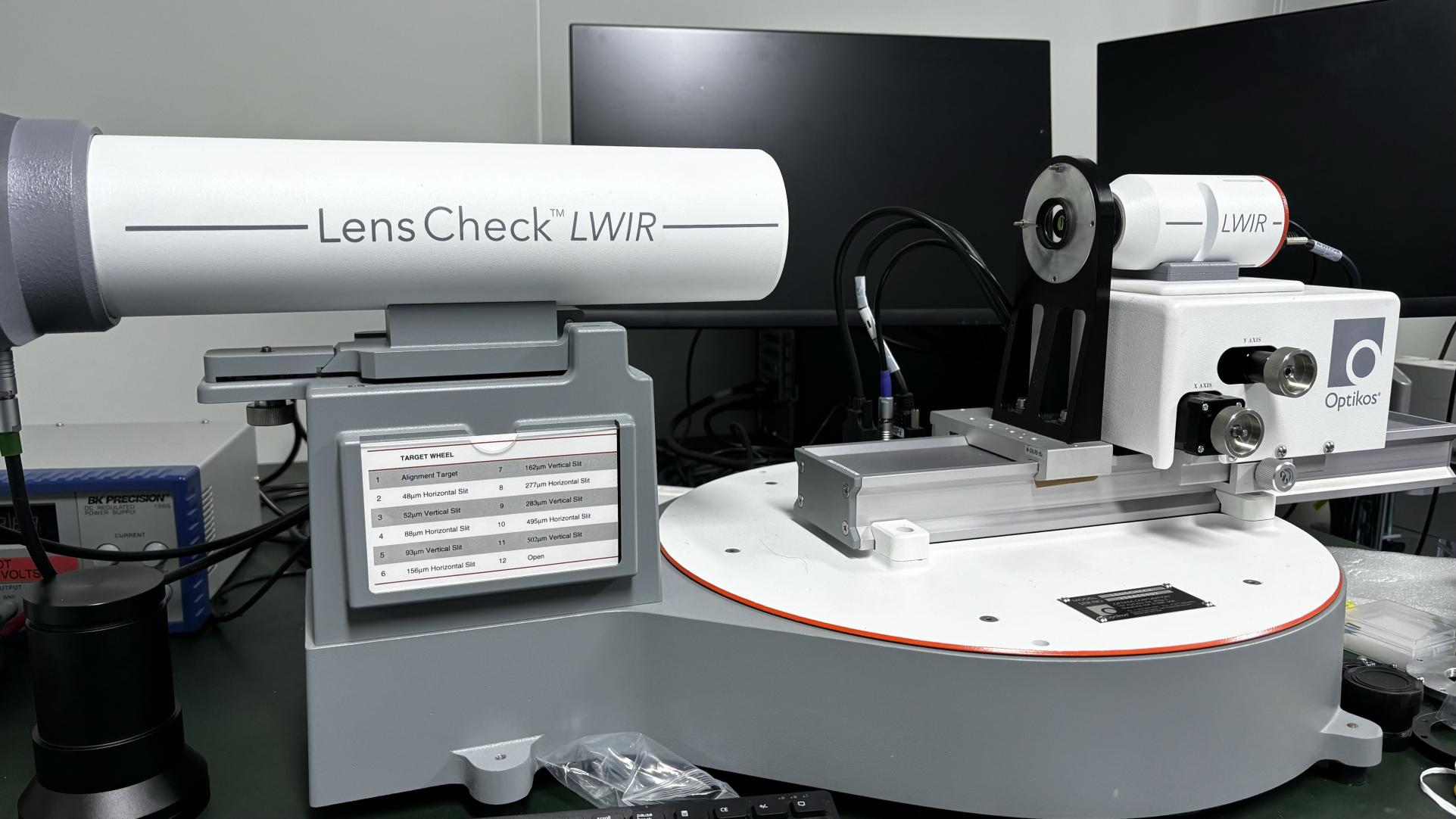
Our manufacturing facility covers 368 square meters and is equipped with advanced production and testing equipment to ensure stable quality and reliable performance. With an annual export revenue of over USD 18 million, Xeviora serves customers across North America, Europe, Southeast Asia, the Middle East, and South America.
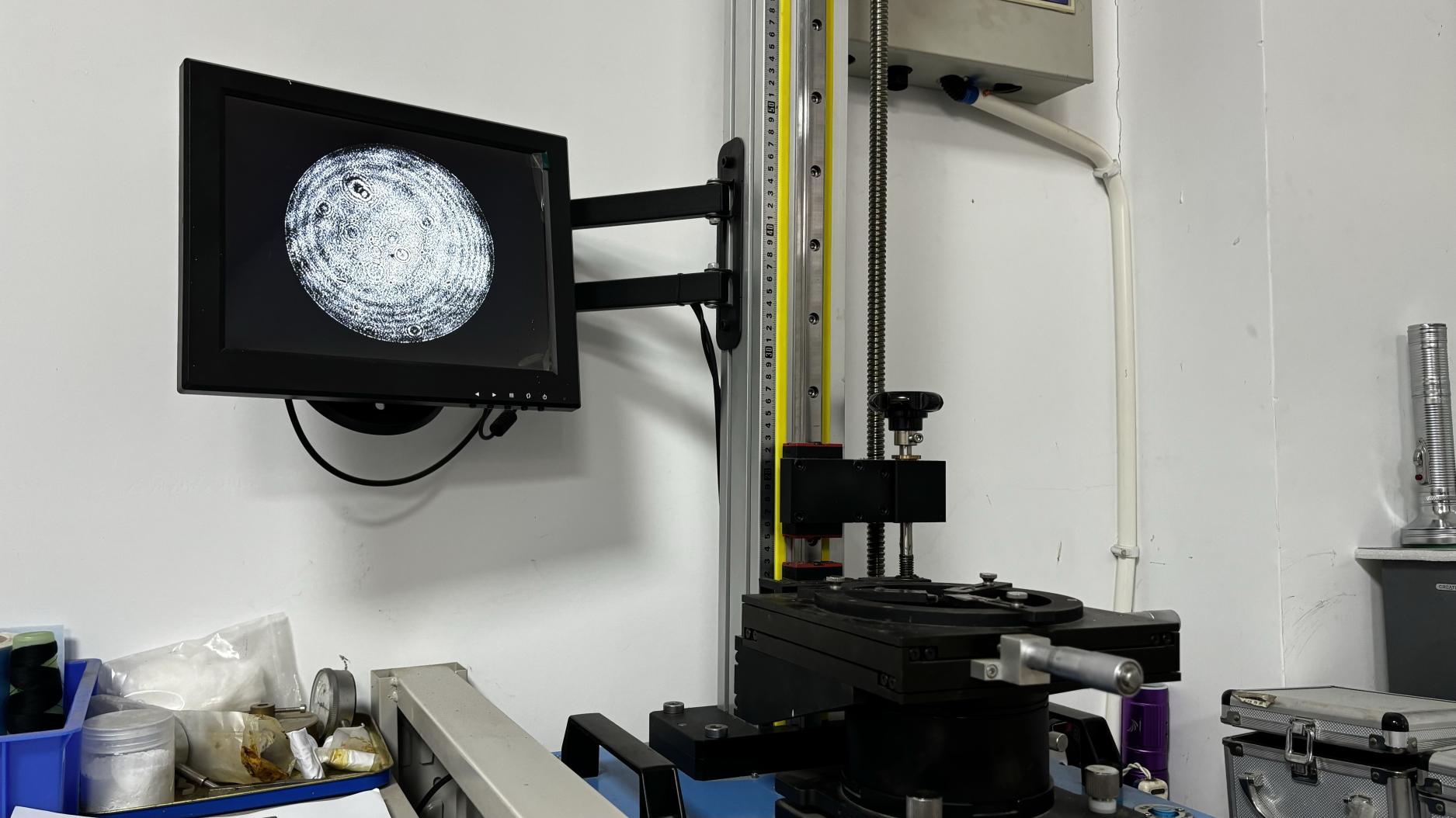
Backed by 8 years of export experience and 12 years of industry expertise, we are committed to delivering innovative memory products that meet international quality standards. Our quality management system includes comprehensive incoming material inspection, in-process quality control, and final product testing. All products undergo automated functional testing, compatibility verification, performance validation, and aging tests before shipment. Our quality assurance team consists of 46 dedicated inspectors who ensure every module meets strict reliability requirements.
As a manufacturer with strong OEM and ODM capabilities, Xeviora works closely with more than 850 supply chain partners worldwide, enabling efficient sourcing, flexible production, and fast delivery. Our primary customers include wholesalers, distributors, e-commerce sellers, system builders, brand owners, and enterprise solution providers.
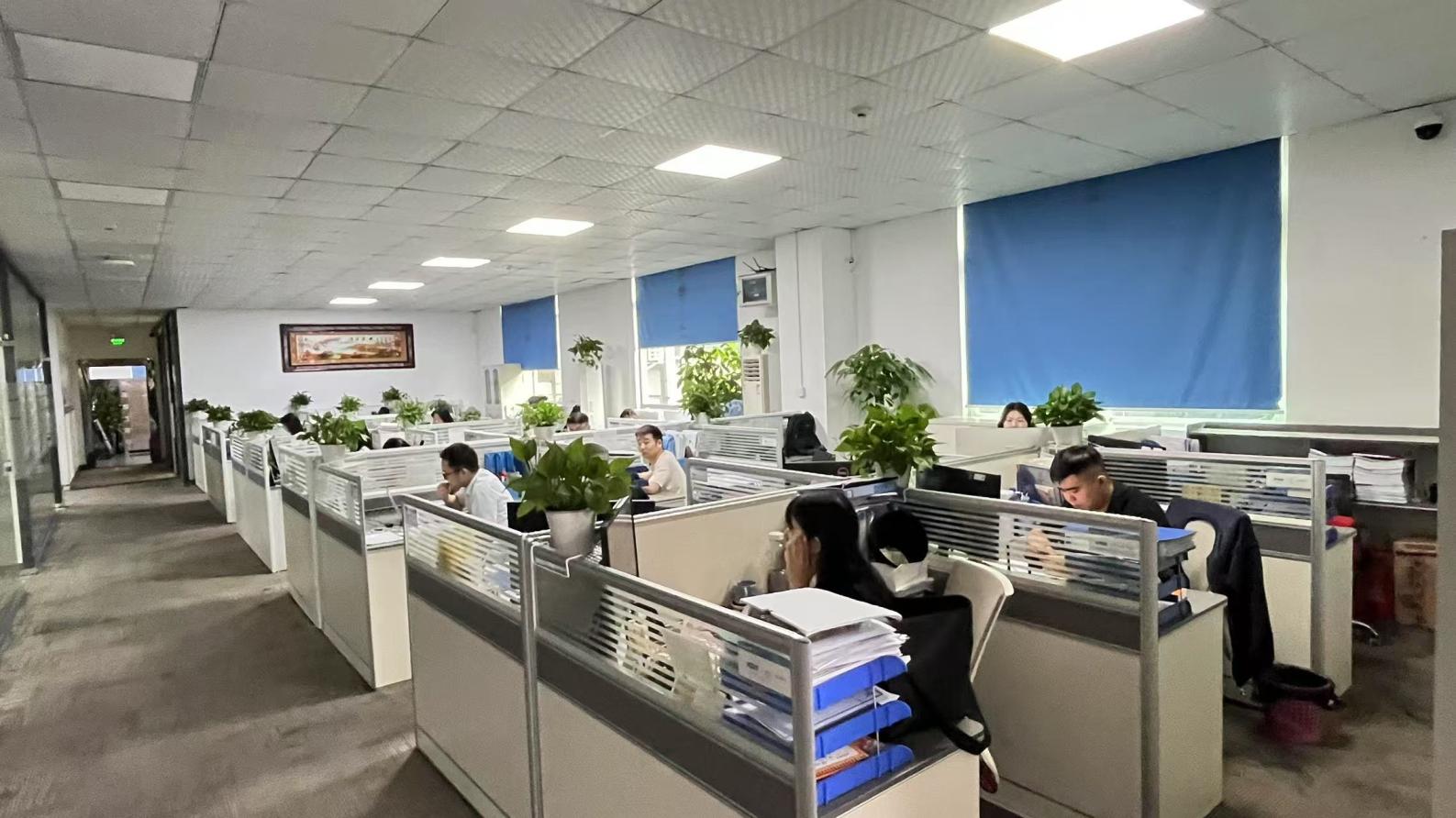
Innovation is at the core of our business. Supported by an experienced R&D team of 128 engineers, we continuously invest in new technologies and product development. Last year alone, we successfully launched 86 new memory products covering DDR5 gaming memory, industrial-grade memory modules, server memory solutions, and customized storage products.
We offer flexible customization services, including private labeling, logo printing, packaging design, specification customization, firmware optimization, and complete OEM/ODM development. Whether customers require standard memory modules or fully customized solutions, our team is dedicated to providing reliable products, competitive pricing, and professional technical support.

Premium hardware options for system integrators, server builders, and industrial distributors across Australia.