 Xeviora
Xeviora
Xeviora
Engineered for low latency, extreme thermal cycles, and optimal performance across Canberra's critical computing networks.
Get in touch with our system engineers directly to map out your architecture requirements.
Send Inquiry NowCanberra, as Australia’s federal capital, forms the operational nerve center for nation-scale defense, public administration systems, cybersecurity infrastructure, and spatial science research. The technology landscape in the Australian Capital Territory (ACT) is distinct. Rather than standard high-volume consumer electronics assembly, the Canberra market demands highly reliable, precision-engineered hardware components. Sovereign capability, secure supply chains, and specialized components govern all major procurement decisions.
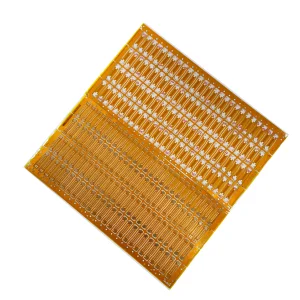
In recent years, the intersection of advanced research at the Australian National University (ANU), national biosecurity mandates, and cybersecurity frameworks has accelerated the demand for customized electronic designs. Notably, high-frequency multi-layer Printed Circuit Boards (PCBs) and flexible PCB variants (FPC) form the foundation for critical systems—ranging from secure government networks to local environment telemetry. Simultaneously, the deployment of UVC LED technology across local sanitation networks, laboratory environments, and automated biosecurity checkpoints has introduced unique technical design patterns. High-power UVC LED systems require robust high-thermal-conductivity metal-core PCBs (MCPCBs) to mitigate high operating temperatures, ensuring long diode lifespan and continuous sanitizing performance.
Worldwide, the demand for sophisticated electronics manufacturing is pivoting toward miniature, energy-efficient, and thermally optimized platforms. On a global scale, the PCB market is evolving rapidly with the rise of AI-accelerated high-performance computing, advanced optical arrays, and robust solid-state UVC disinfection systems.
UVC LEDs, operating within the germicidal 200–280 nm ultraviolet band, represent a massive technological leap from traditional mercury-vapor lamps. They offer immediate startup, zero toxic components, and compact integration. However, their primary constraint remains thermal dissipation: less than 10% of the electrical energy is converted into UVC light, while the remaining 90%+ is lost as heat. This demands highly specialized, thermally conductive PCB platforms.
UVC LEDs must be mounted on boards featuring low thermal resistance dielectric layers coupled with copper or aluminum bases. This prevents junction temperature spikes, securing steady-state germicidal efficiency.
For tight enclosures, such as portable laboratory equipment and medical disinfection wands utilized by ACT Health providers, flexible polyimide circuits supply high signal density with an ultra-thin footprint.
Integrating high-level electronics and UVC systems into Canberra’s key operational environments demands deep familiarity with regional regulatory frameworks. Some prominent use cases include:
Global supply chain dynamics have highlighted the value of choosing manufacturing partners that combine cost-effective, high-throughput efficiency with strict quality control. Xeviora Memory Technology (China) Co., Ltd. sits at the heart of this paradigm. Operating out of advanced manufacturing facilities, Xeviora addresses the critical demands of worldwide distributors and regional buyers.
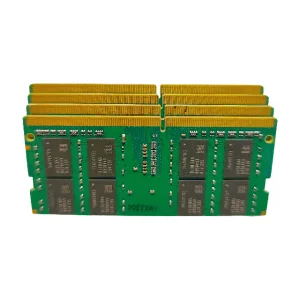
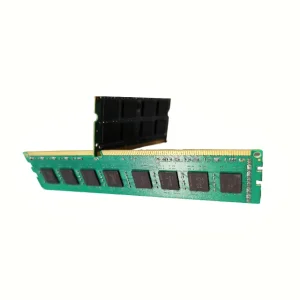
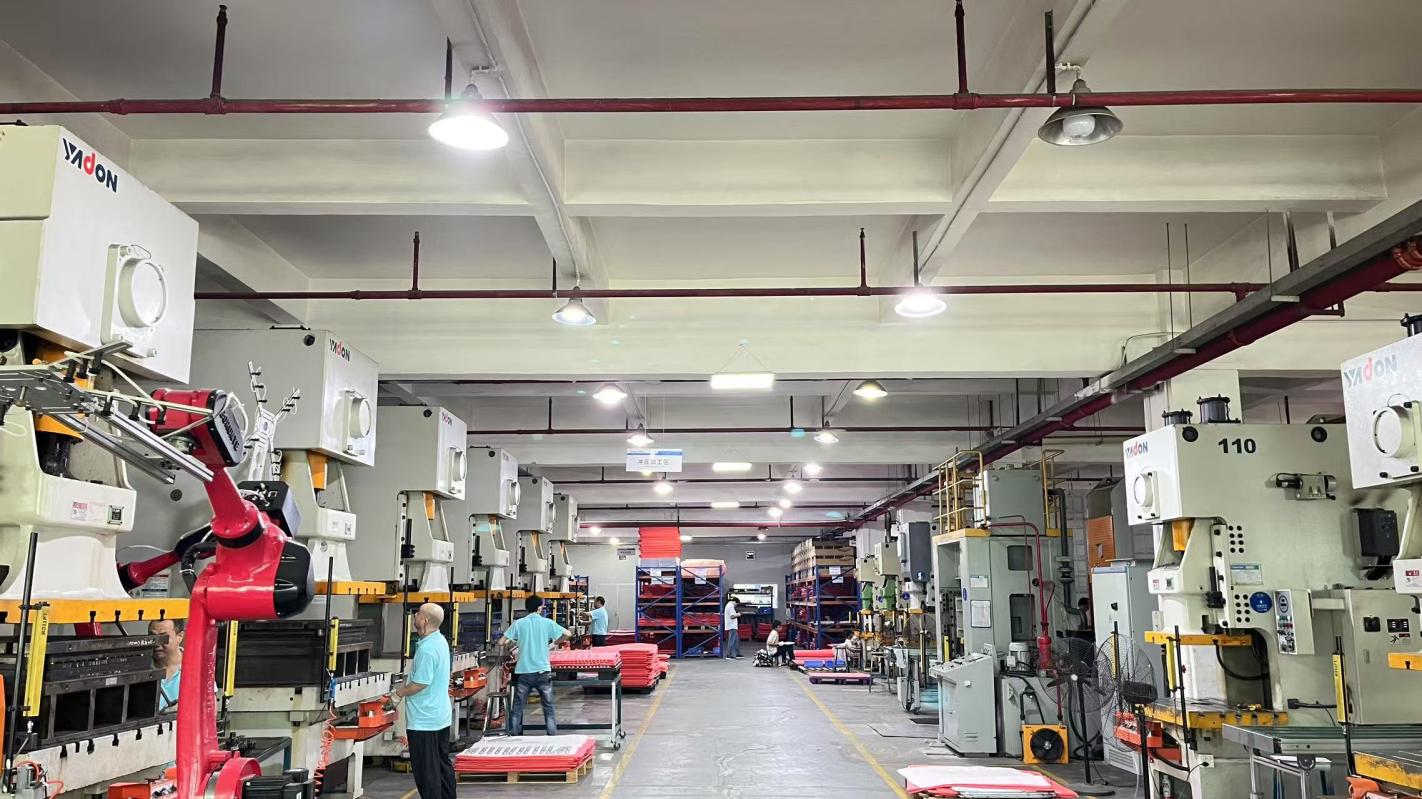
Our manufacturing systems balance raw output with rigorous component validation. With 12 years of industry experience, our QA/QC procedures incorporate automated optical inspection (AOI), in-circuit testing (ICT), and temperature-cycling chambers to verify that every PCB, server heatsink, and memory module performs under real-world stress. For Canberra-based enterprise system integrators, working with a certified manufacturer like Xeviora minimizes failure rates, maintains compatibility standards, and ensures project timelines are met.
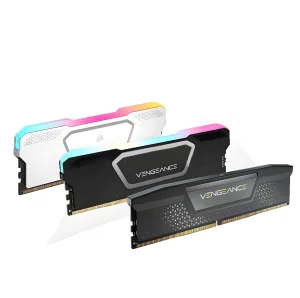
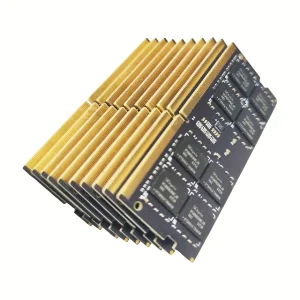
Engineered thermal systems and memory components designed for enterprise computing nodes.
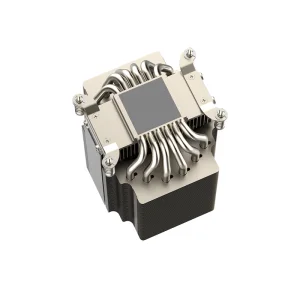
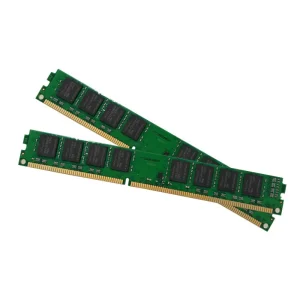
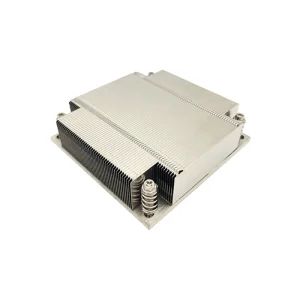
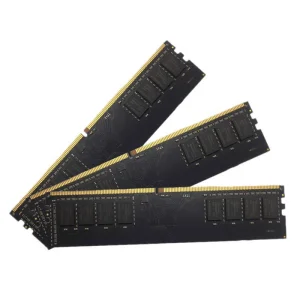
The upcoming phase of smart city design in the ACT centers on environmental accountability, resource optimization, and autonomous monitoring systems. From a component-level perspective, this evolution relies on:
When drafting request-for-proposals (RFPs) for federal, corporate, or industrial equipment deployments in Canberra, engineering teams should evaluate suppliers against these parameters:
Verify Tg values (Glass Transition Temperature) above 170°C for demanding setups, alongside dielectric constants aligned with the targeted system frequencies.
For high-speed DDR5/DDR4 system integrations, strict impedance matching is necessary to prevent data loss or transmission errors across long operational runs.
Guarantee that all imported PCBs, RAM modules, and active thermal assemblies meet RoHS, REACH, and local Australian CE/C-Tick electrical safety standards.
Answers to common engineering and sourcing questions regarding local deployment, thermal control, and custom production.
A look inside our ISO-certified facilities, automated assembly floors, and precision testing labs.
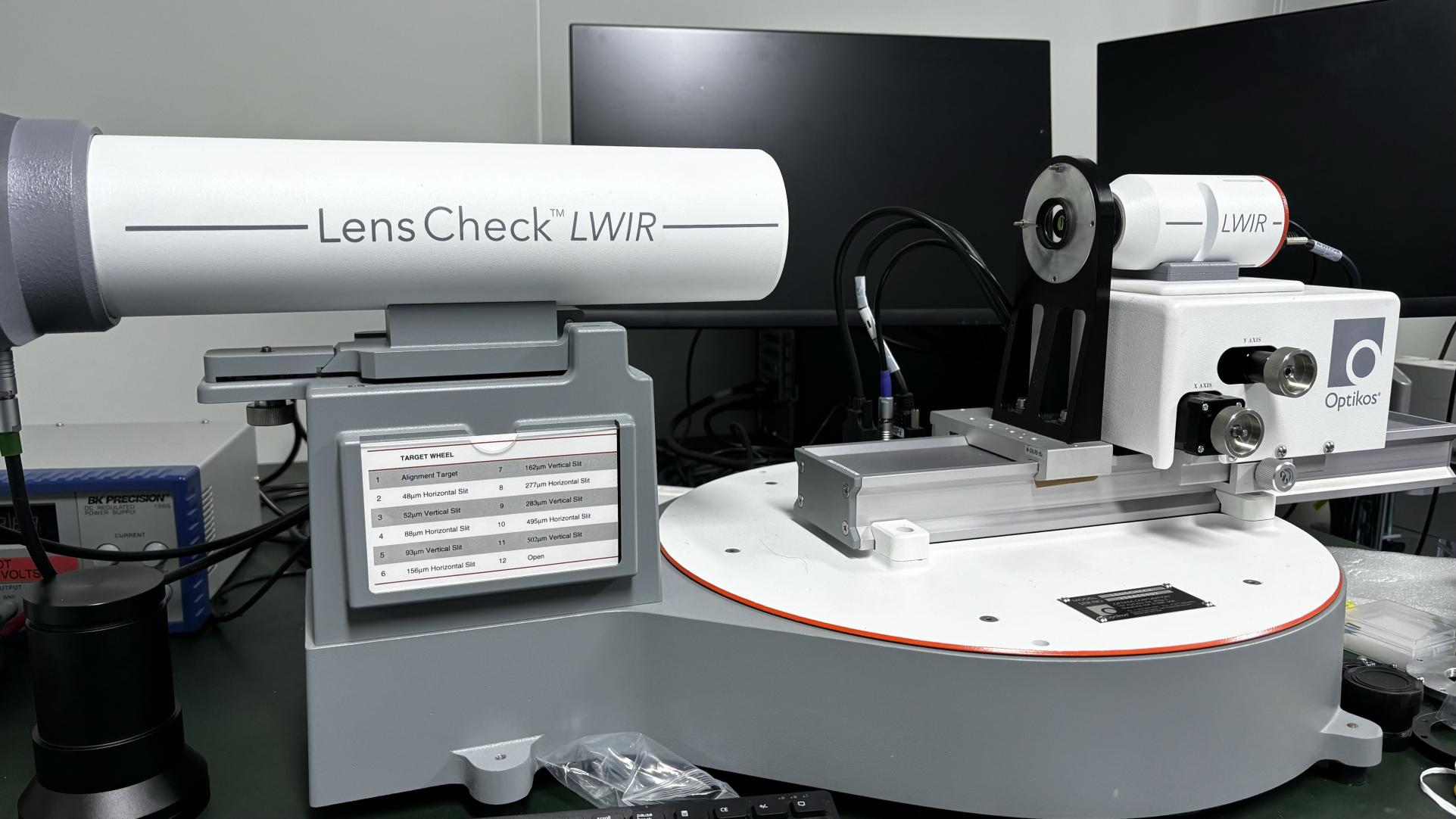
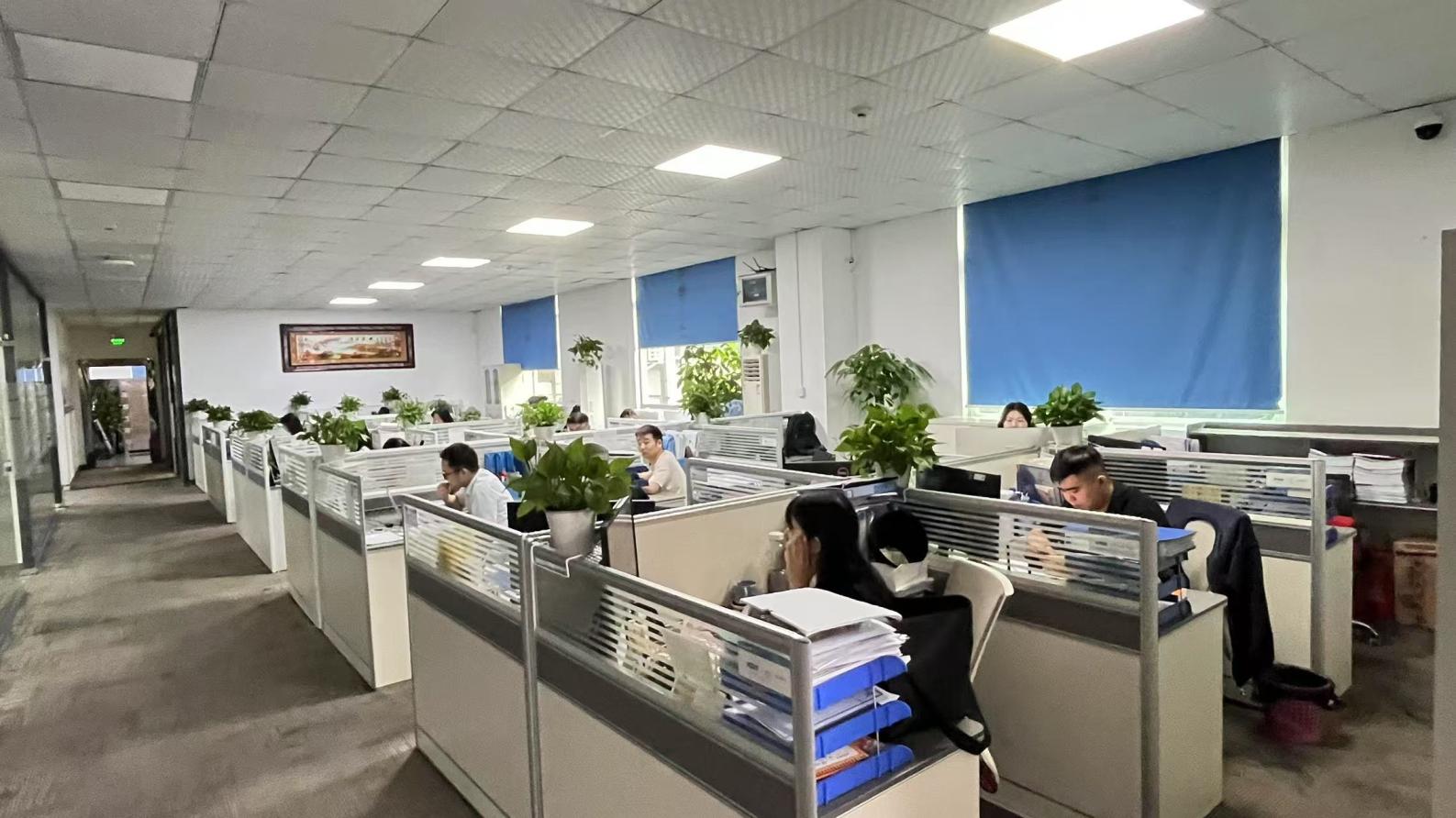
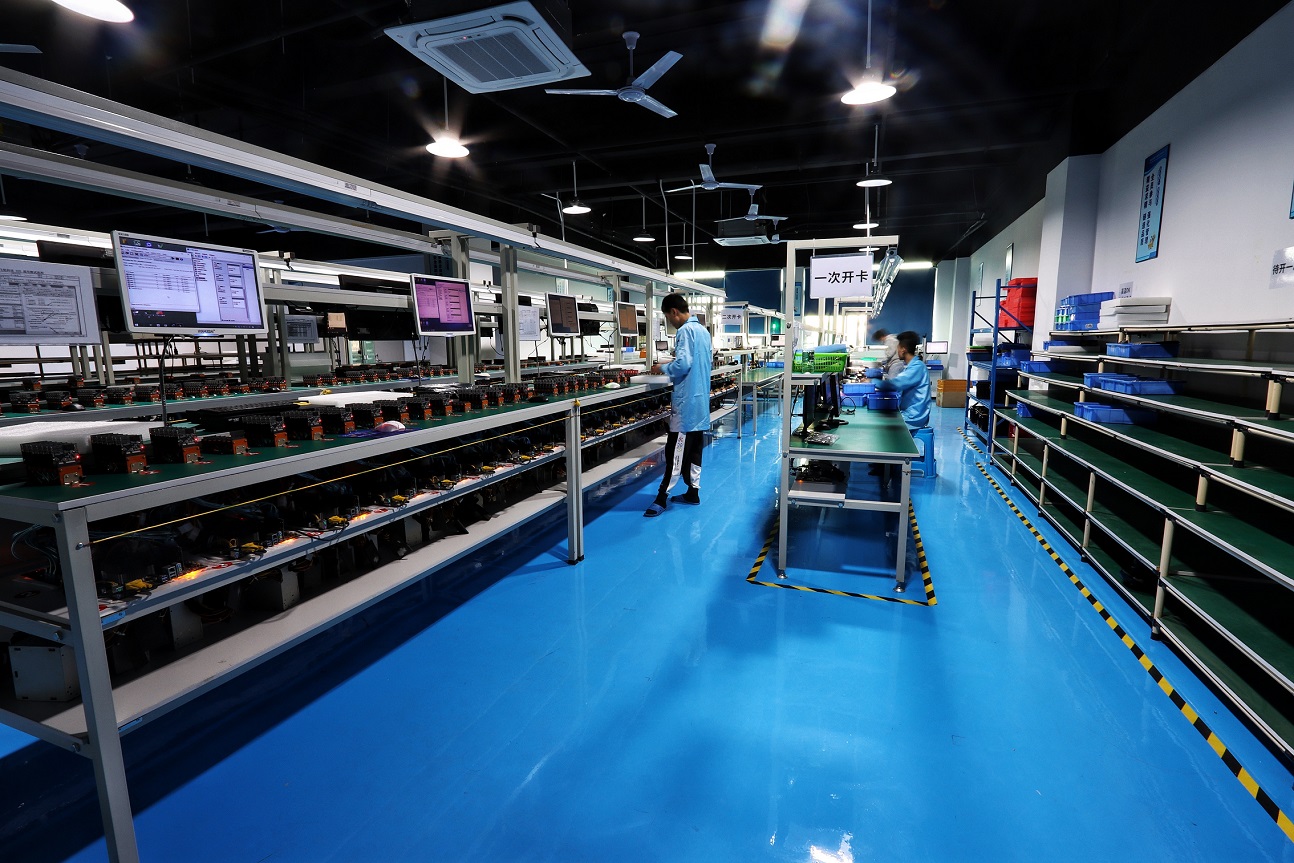
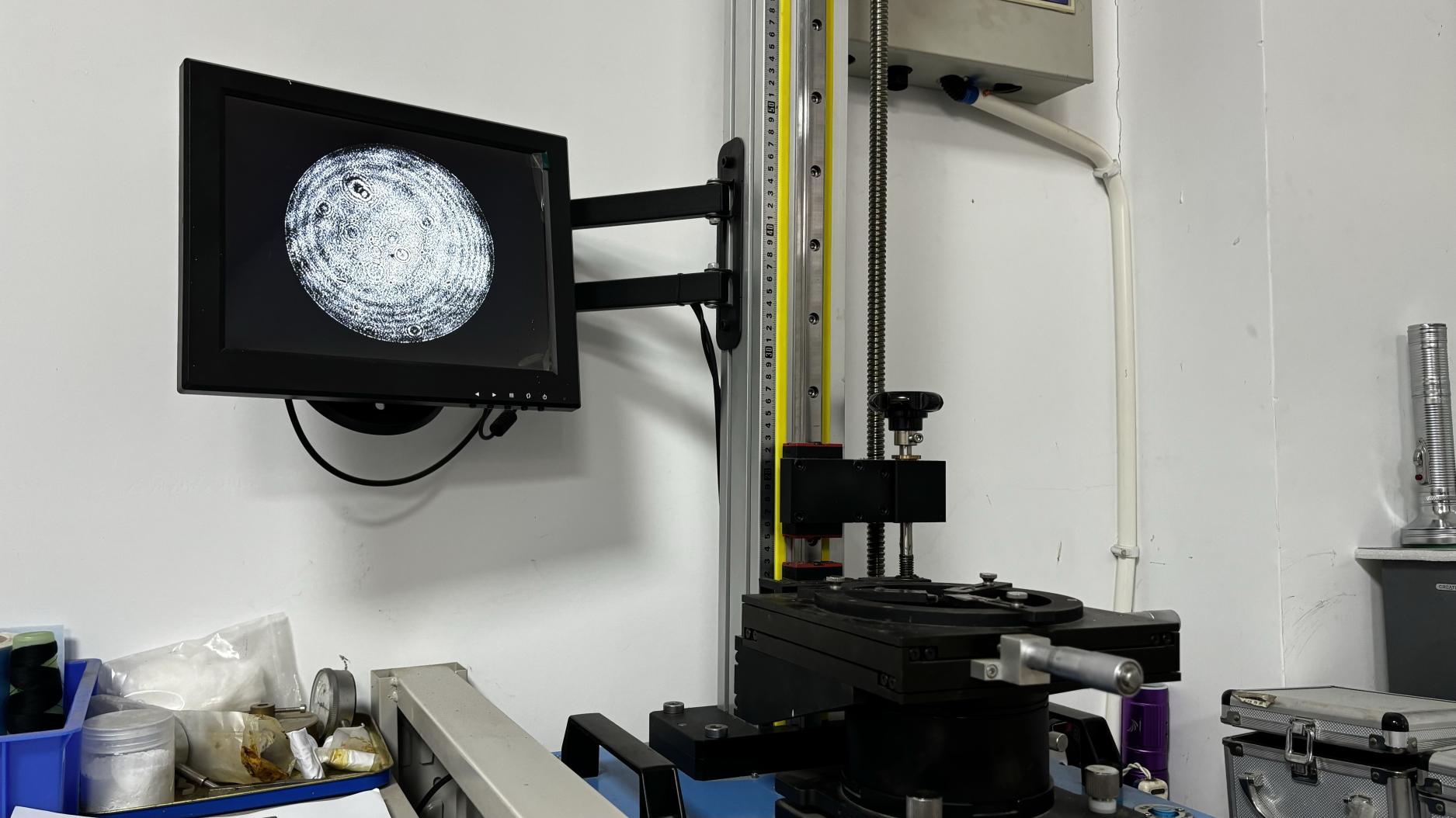
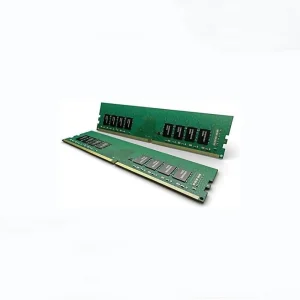
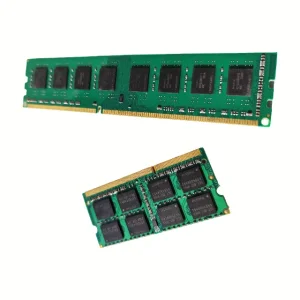
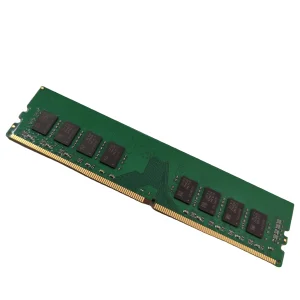
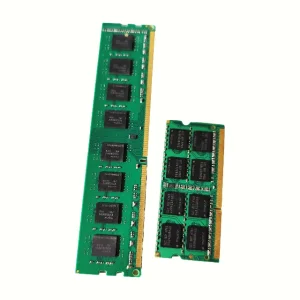
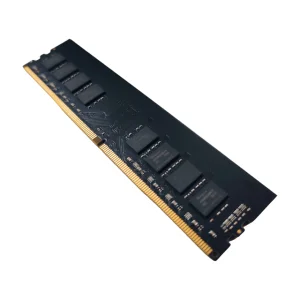
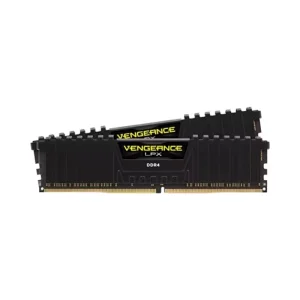
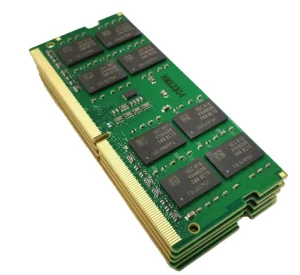
Explore our full line of memory modules and server components, supporting enterprise and public sector operations in Canberra.
Our technical team provides comprehensive parameter matching, layout drawings, and thermal simulations.
Send Inquiry Now