Xeviora
Xeviora
Xeviora
Optimized hardware components for industrial automation, smart street lighting, and processing units in Nairobi and the East African region.
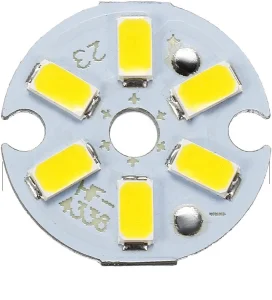
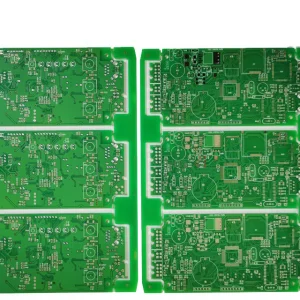
Kenya is currently undergoing a massive structural transformation in its energy and technology sectors. As the anchor economy of the East African Community (EAC), the country is spearheading the transition to sustainable energy, driven by national electrification strategies and the aggressive deployment of smart off-grid solar infrastructure. Projects like the Last Mile Connectivity Program, coupled with local municipal initiatives to upgrade rural and urban street lighting to power-saving LED technologies, have created an unprecedented domestic demand for robust, high-efficiency LED Printed Circuit Boards (LED PCBs).
Historically, the electronic supply chain in Nairobi, Mombasa, and Kisumu relied heavily on importing pre-assembled, generic lighting systems. However, extreme tropical conditions, power fluctuations, and unique local mounting configurations often caused premature driver and LED diode failures. This has triggered a crucial industrial realization: to build resilient, long-lasting LED fixtures, domestic designers and assemblers require custom-engineered circuit boards—specifically, Metal Core PCBs (MCPCBs)—which are designed to dissipate heat efficiently under continuous thermal load.
As the local electronics assembly ecosystem in Kenya's "Silicon Savannah" matures, establishing robust supply channels with global manufacturing giants becomes vital. While local fabrication facilities in Kenya are currently suited only for basic prototype etching and low-complexity double-sided board layouts, advanced multi-layer and metal-clad structures must be sourced from highly automated, ISO-certified Chinese manufacturing hubs. This hybrid supply model ensures that Kenyan assembly lines can source cheap, high-reliability PCBs while preserving final product customization for the East African market.
From remote solar mini-grids to metropolitan digital billboards, specialized electronics are shaping Kenya's infrastructure.
Deploying Metal Core PCBs in streetlights across Nakuru, Mombasa, and Nairobi. Exceptional heat dissipation is required to ensure long operations off battery banks during hot coastal nights.
Off-grid controllers, low-draw domestic LED bulbs, and distribution panel status lights. Durable components designed to withstand minor voltage surges in hybrid micro-grids.
High-brightness outdoor advertising billboards and indicator boards. Requiring precise multi-layer FR4 boards and FPC flexible circuits optimized for external atmospheric conditions.
The primary point of failure for high-power LED installations is excess thermal energy accumulation at the semiconductor junction. Standard FR4 glass-epoxy materials exhibit poor thermal conductivity (around 0.2 to 0.25 W/m-K). When high-intensity LEDs are packed closely on an FR4 board, the heat cannot escape, leading to rapid lumen degradation and chip burnout.
To overcome this issue, modern project designs in Kenya leverage Aluminum-clad and Copper-clad Metal Core PCBs (MCPCBs). These boards consist of:
1. Circuit Layer: Copper foil typically ranging from 1oz to 3oz, etched to form the tracking paths.
2. Dielectric Layer: A thermally conductive polymer matrix layer that offers high electrical isolation while acting as a heat bridge.
3. Base Layer: A metallic substrate (usually aluminum alloy 5052 or 6061) that transfers the heat from the dielectric to the physical heatsink structure.
For demanding industrial setups, such as high-mast stadium lights in Nairobi or floodlights at the Port of Mombasa, advanced dielectric materials with thermal conductivities up to 3.0 W/m-K or higher are used. In configurations where space is extremely tight or the mounting surface is irregular, Flexible PCBs (FPC) utilizing polyimide substrates are deployed. These flexible circuits facilitate three-dimensional placement of light sources while retaining electrical efficiency.
| PCB Substrate Type | Thermal Conductivity | Typical Dielectric Breakdown | Best Applied Scenarios in Kenya | Primary Component Cost Index |
|---|---|---|---|---|
| Standard FR4 | 0.2 - 0.25 W/m-K | 3 - 5 kV | Low-power household bulbs, indicators | Economical / Low Cost |
| Aluminum MCPCB (Standard) | 1.0 - 2.0 W/m-K | 4 - 6 kV | Municipal street lighting, solar light panels | Moderate / High Value |
| Aluminum MCPCB (High-Conductivity) | 3.0 - 8.0 W/m-K | 6 - 8 kV | Industrial floodlights, stadium light structures | Premium Performance |
| Copper Base MCPCB | > 380 W/m-K (Direct thermal path) | Up to 10 kV | Automotive headlights, ultra-high lumen spotlight units | Specialized Industrial Cost |
| Flexible PCB (Polyimide) | 0.12 - 0.2 W/m-K (Improved by heat sinks) | 5 - 8 kV | Decorative strip lights, curved architectural designs | Application Specific |
In addition to heat dissipation, the finish of the circuit layer plays an essential role in longevity. Surface finishes such as HASL (Hot Air Solder Leveling) Lead-Free and ENIG (Electroless Nickel Immersion Gold) protect external copper elements from corrosion and oxidation. In coastal towns like Mombasa, high humidity and saline air corrode copper circuits rapidly; hence, ENIG or specialized conformal coatings are standard requirements for all municipal electronics deployments.
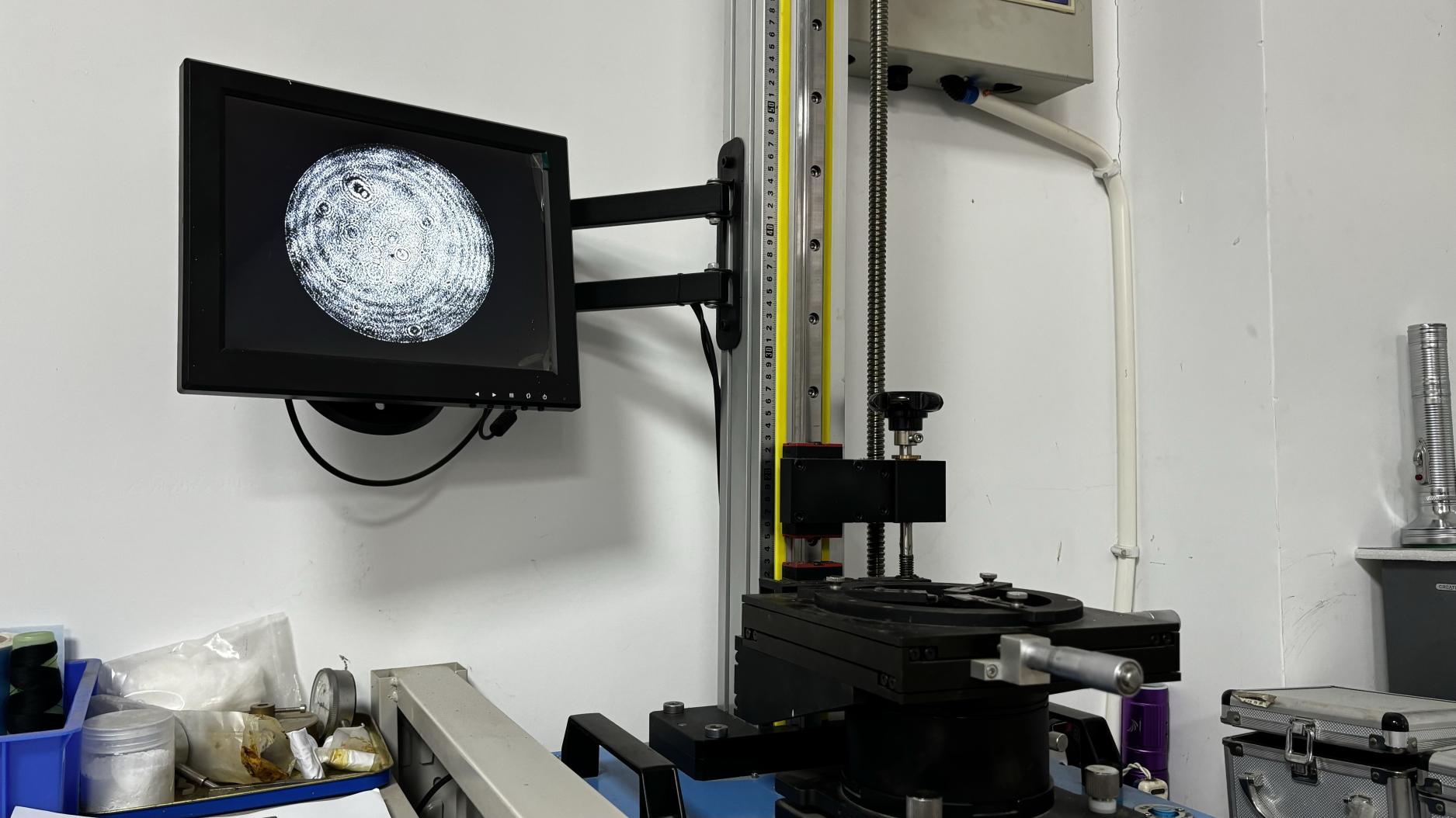
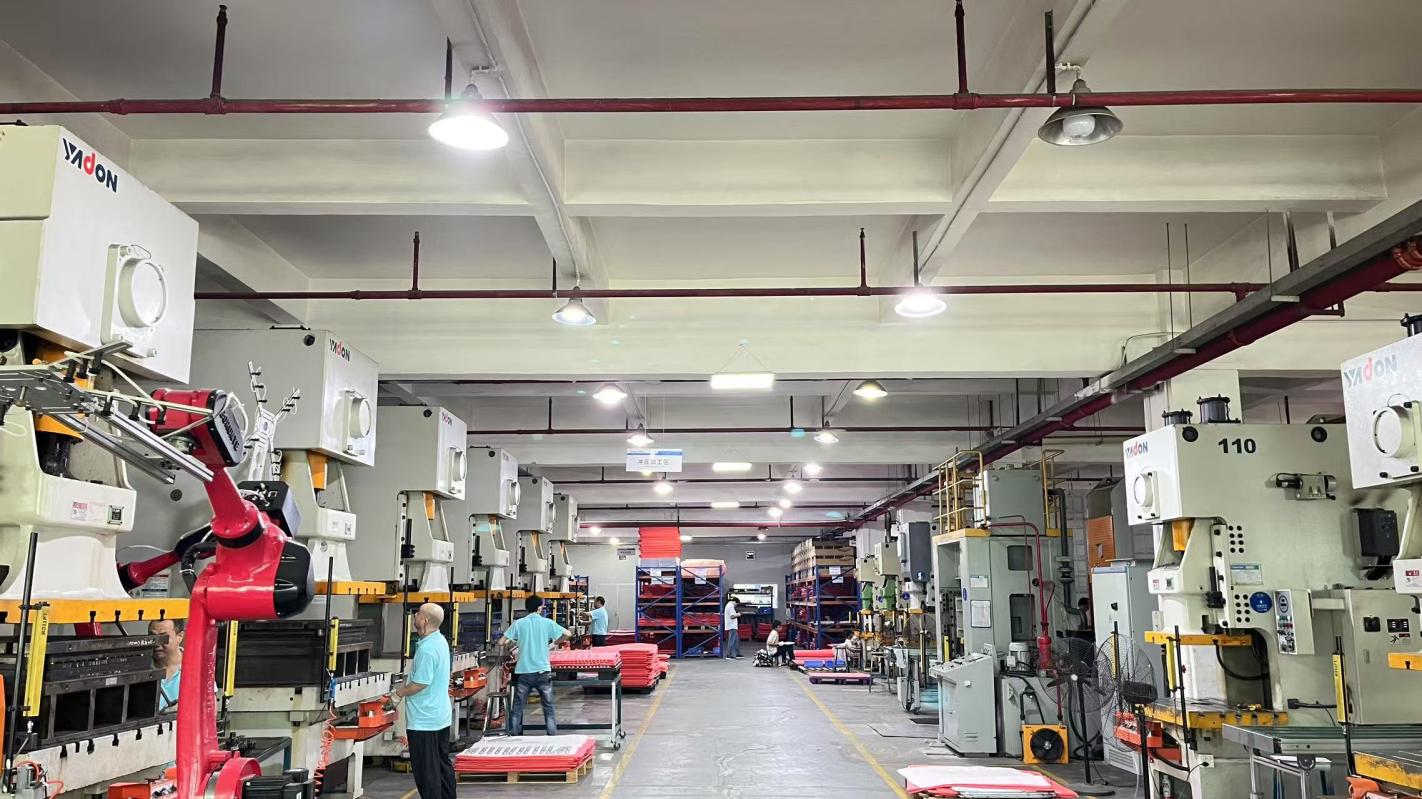
While domestic design groups inside Kenya lay out schematic diagrams and define custom spatial requirements, scaling production requires high-speed surface-mount technology (SMT) lines and precise chemical fabrication. Xeviora Memory Technology (China) Co., Ltd. serves as a reliable global manufacturing partner, offering both memory solutions and complex PCB fabrication capabilities.
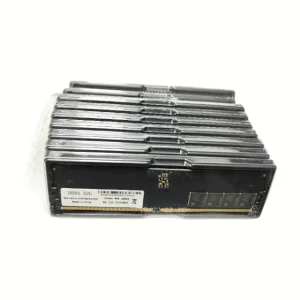
Xeviora Memory Technology (China) Co., Ltd. is a professional DDR5 memory manufacturer and supplier based in China, specializing in high-performance RAM solutions for gaming, industrial, enterprise, and consumer applications. Established in 2017, the company has rapidly grown into a trusted OEM and ODM partner for global distributors, system integrators, and technology brands.
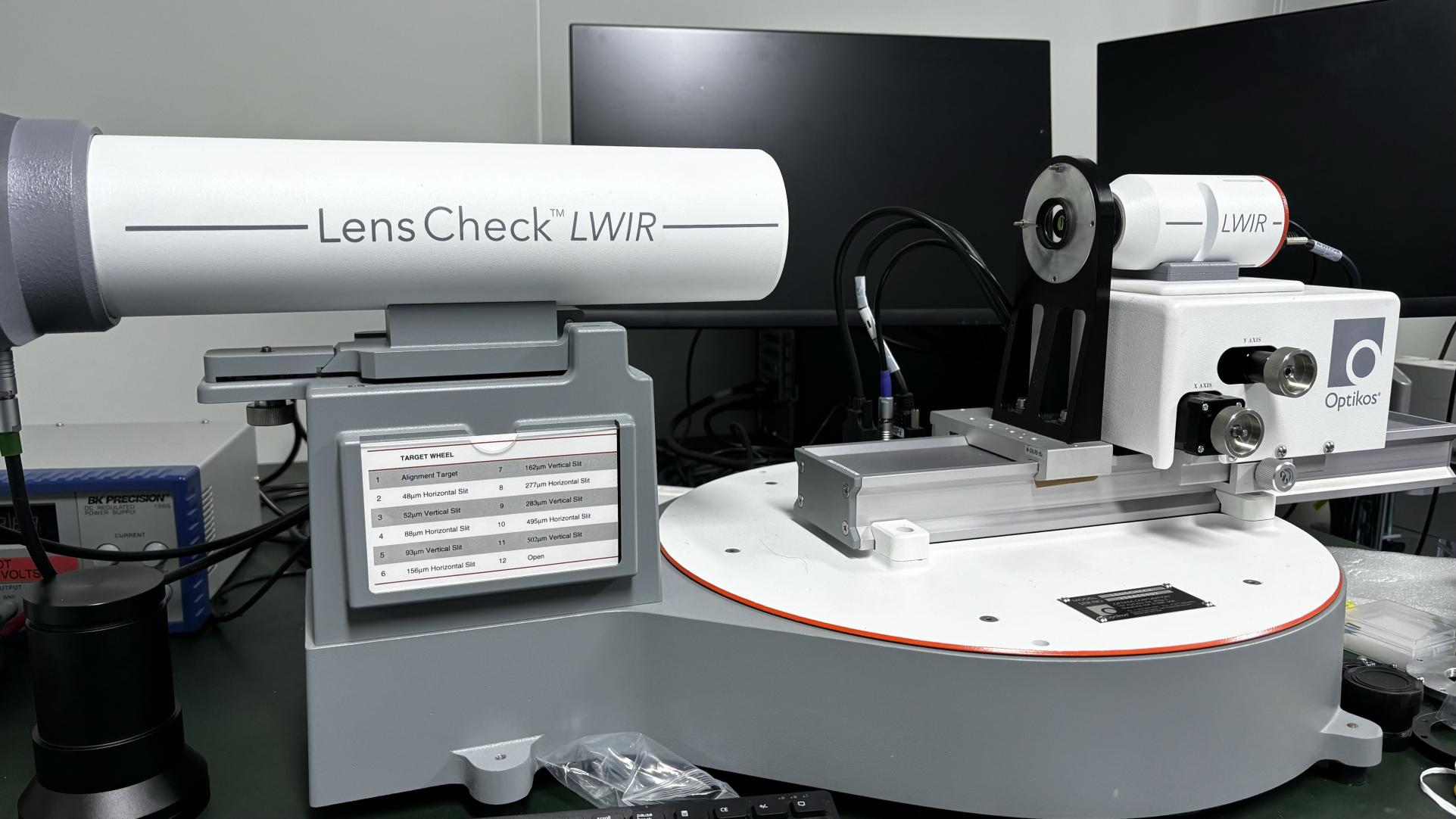
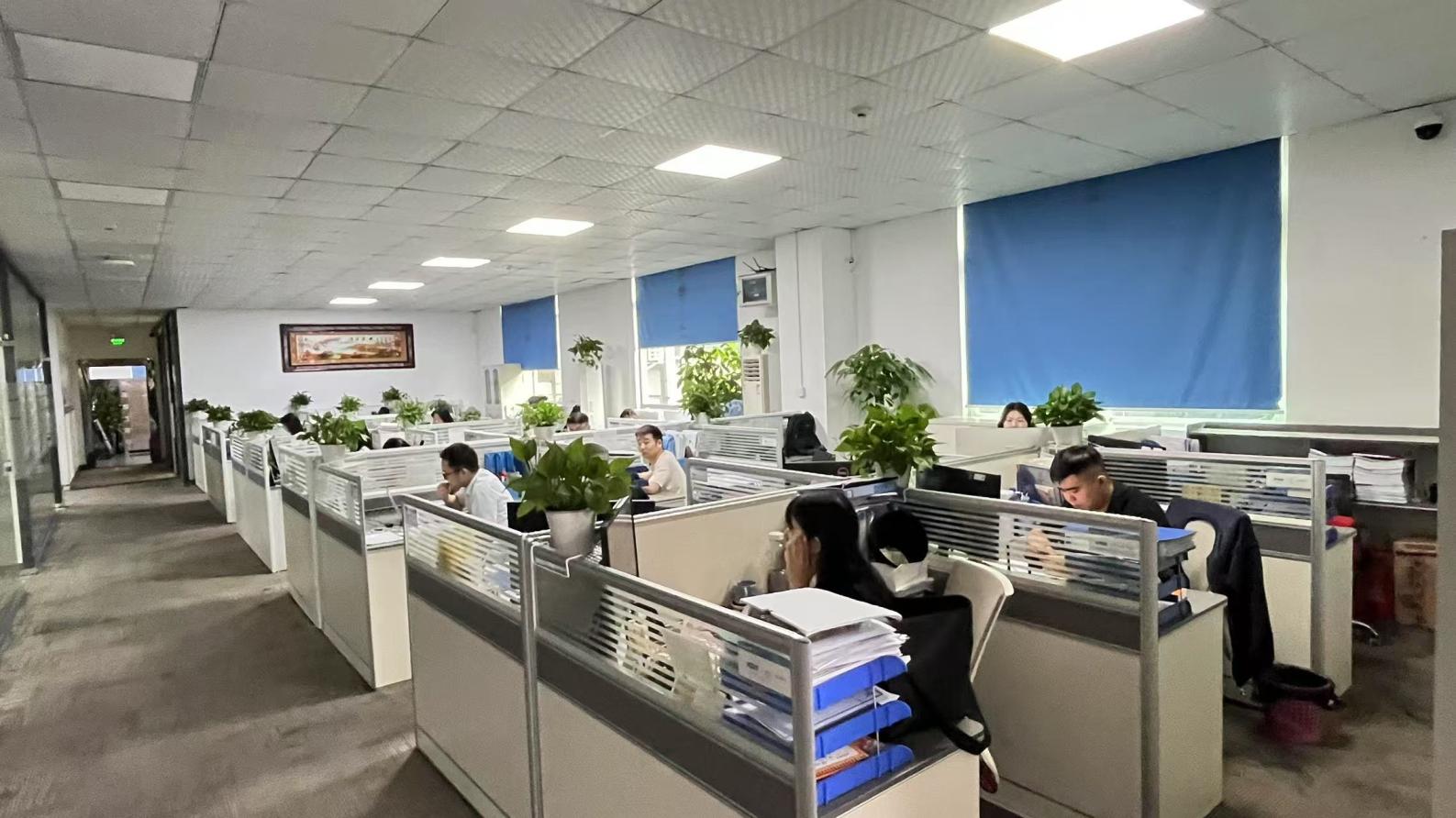
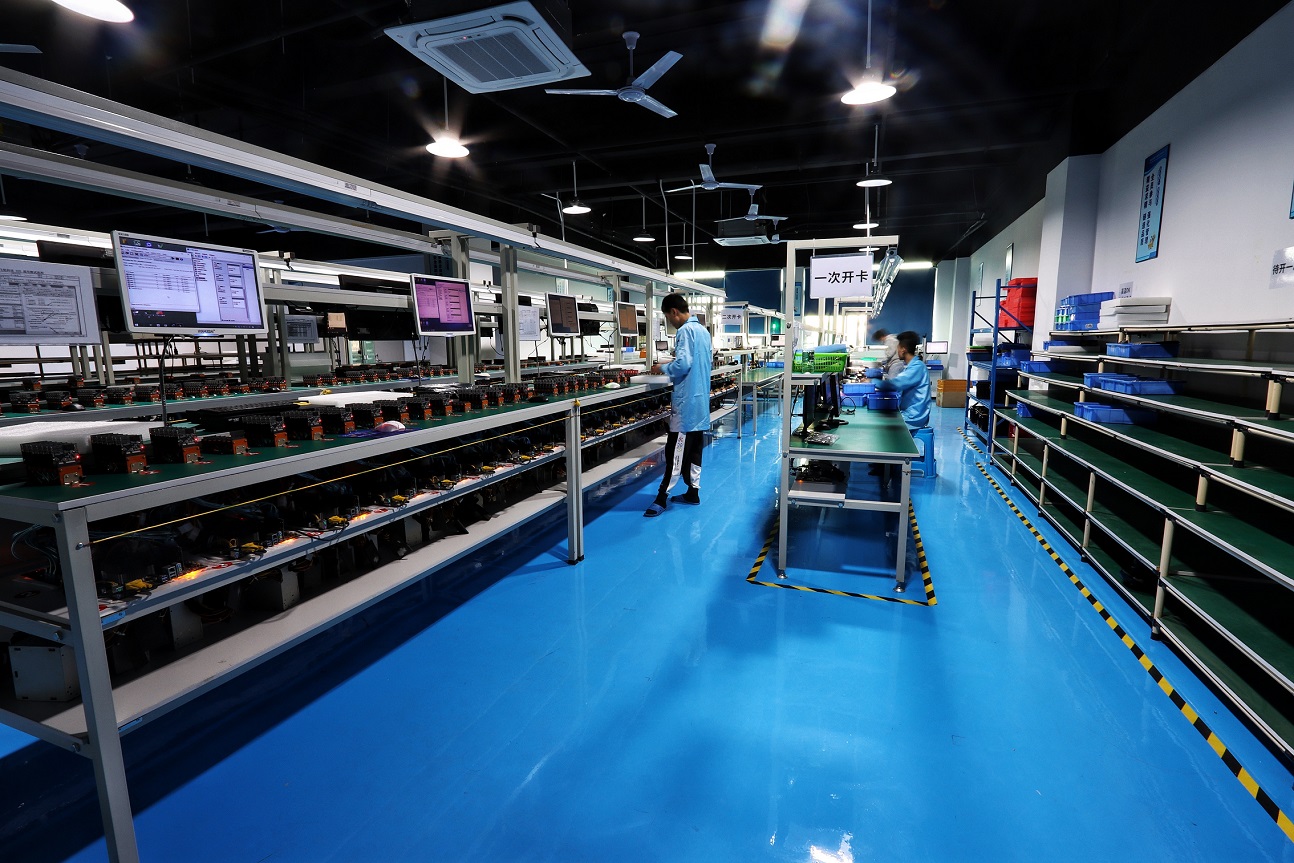
Our manufacturing facility covers 368 square meters and is equipped with advanced production and testing equipment to ensure stable quality and reliable performance. With an annual export revenue of over USD 18 million, Xeviora serves customers across North America, Europe, Southeast Asia, the Middle East, and South America. Backed by 8 years of export experience and 12 years of industry expertise, we are committed to delivering innovative memory products that meet international quality standards. Our quality management system includes comprehensive incoming material inspection, in-process quality control, and final product testing. All products undergo automated functional testing, compatibility verification, performance validation, and aging tests before shipment. Our quality assurance team consists of 46 dedicated inspectors who ensure every module meets strict reliability requirements.
As a manufacturer with strong OEM and ODM capabilities, Xeviora works closely with more than 850 supply chain partners worldwide, enabling efficient sourcing, flexible production, and fast delivery. Our primary customers include wholesalers, distributors, e-commerce sellers, system builders, brand owners, and enterprise solution providers. Innovation is at the core of our business. Supported by an experienced R&D team of 128 engineers, we continuously invest in new technologies and product development. Last year alone, we successfully launched 86 new memory products covering DDR5 gaming memory, industrial-grade memory modules, server memory solutions, and customized storage products.
We offer flexible customization services, including private labeling, logo printing, packaging design, specification customization, firmware optimization, and complete OEM/ODM development. Whether customers require standard memory modules or fully customized solutions, our team is dedicated to providing reliable products, competitive pricing, and professional technical support.
At Xeviora, our mission is to empower global customers with advanced memory technology, dependable manufacturing, and long-term business partnerships built on quality, innovation, and trust.
A critical factor for Kenyan companies sourcing components from Chinese factories is supply chain predictability. The logistics corridor between major Chinese industrial zones (such as Shenzhen and Guangzhou) and Nairobi is more integrated than ever. Ocean freight shipments route directly into the Port of Mombasa, where goods are processed and carried along the Standard Gauge Railway (SGR) directly to the Nairobi Inland Container Depot (ICD), drastically cutting land transit delays.
For prototype development and urgent production modifications, express air shipping services land directly at Jomo Kenyatta International Airport (JKIA) in Nairobi within 3 to 5 business days. This allows Kenyan developers to test new LED boards and server hardware configurations quickly, mitigating inventory risks.
Customs clearance and regulatory alignment are crucial for importing electronics into East Africa. The Kenya Bureau of Standards (KEBS) enforces strict guidelines to prevent sub-standard goods from entering the market. Electronics must obtain a Pre-Export Verification of Conformity (PVoC) certificate. Sourcing products from manufacturers that comply with CE, RoHS, and FCC regulations ensures a smooth custom declaration process at Mombasa or JKIA. Additionally, all components destined for municipal solar lighting systems must conform to local environmental specifications to withstand extreme UV radiation and persistent elevated ambient temperatures.
Critical engineering and commercial answers for developers, designers, and supply chain managers in the East African tech market.
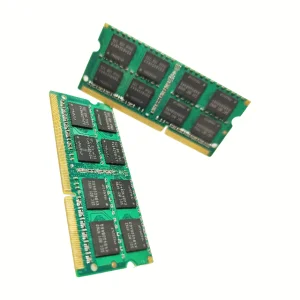
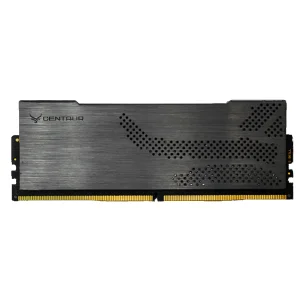
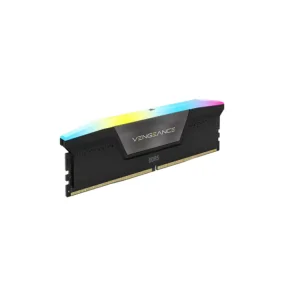
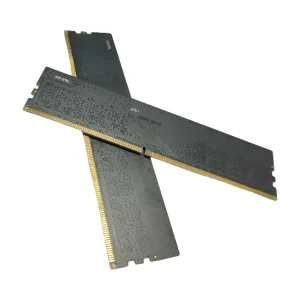
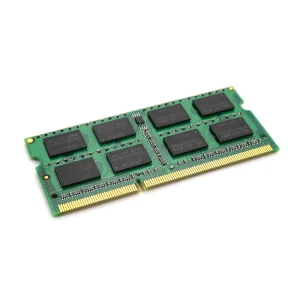
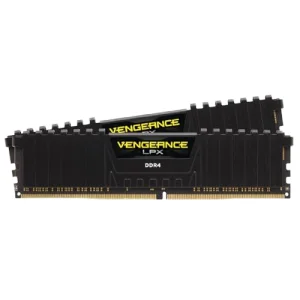
Explore our line of server memory kits, custom keyboards, and specialized computer cooling systems optimized for modern hardware configurations.

Partner with an industry-leading manufacturer. Contact our application engineers for expert advice on design parameters, thermal management layouts, and shipping options to Kenya.
Send Inquiry Now