LED PCBs Manufacturer & Exporters for the New York Market

High-Reliability Metal Core PCBs, Multi-Layer FR4 Boards, and Edge-Compute Hardware Solutions Engineered for New York's Advanced Infrastructure and Smart City Retrofits.

Send Inquiry Now

1. New York's Industrial Landscape: The High-Stakes Demand for Advanced LED PCBs

New York is undergoing one of the most comprehensive infrastructural transformations in its history. Driven by rigorous environmental legislation such as Local Law 97 (LL97), which mandates significant greenhouse gas emission reductions for buildings over 25,000 square feet, real estate developers, municipal planners, and lighting OEMs are pivoting toward ultra-efficient LED systems. From the architectural lighting gracing Manhattan's iconic skyline to the heavy-duty transit fixtures throughout the MTA subway network, the demand for high-reliability, long-lifetime components has never been higher.

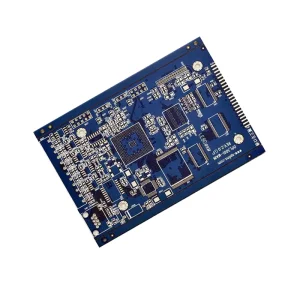
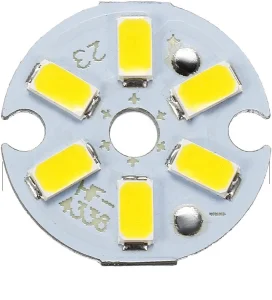
In this high-density urban environment, thermal dissipation and long-term durability are critical engineering challenges. LED fixtures are frequently enclosed in compact architectural slots or sealed municipal housings with minimal convective airflow. Under these conditions, standard FR4 printed circuit boards often fail to manage the heat generated by high-lumen SMD arrays. Consequently, the industry is transitioning rapidly to Metal Core PCBs (MCPCBs). These boards use aluminum or copper base plates coupled with high-conductivity dielectric layers to transfer thermal energy away from the delicate LED junctions, preventing premature degradation and lumen depreciation.

LL97 & Retrofitting Pressures

New York City's built environment represents roughly 70% of its carbon footprint. Building owners face severe financial penalties if they do not meet emissions caps. High-efficiency solid-state lighting (SSL) is the low-hanging fruit in these retrofitting initiatives. High-quality LED PCBs ensure that these lighting retrofits achieve their projected 50,000-to-100,000-hour operational lifespans without costly maintenance cycles in hard-to-reach commercial ceilings.

The Transit and Outdoor Imperative

New York’s subways, tunnels, and arterial roadways demand lighting solutions that can withstand relentless vibration, moisture, and temperature fluctuations. Industrial-grade LED PCBs utilizing advanced surface finishings (such as Immersion Gold - ENIG) and copper-clad laminates are vital to ensuring the uninterrupted operation of these public safety systems.

2. Technical Roadmap & Future Outlook: Scaling High-Power Density

The roadmap for LED PCB design is defined by two interlocking trends: miniaturization and increased power density. As smart city systems mature, New York municipal networks are shifting toward localized sensor integration. The modern light fixture is no longer just a source of illumination; it is a node in an urban IoT network, collecting traffic data, environmental metrics, and providing municipal Wi-Fi connectivity.

To support this integration, our R&D roadmap focuses on several core technologies:

Ultra-High Thermal Conductivity

Developing MCPCBs with dielectric thermal conductivity ranging from 3.0 W/m-K up to 8.0 W/m-K. This enables high-performance stadium lighting and high-bay industrial luminaires to run cooler, protecting both the LEDs and driver electronics.

MicroLED & Chip-on-Board

Pioneering high-density Chip-on-Board (COB) and MicroLED substrates. By mounting chips directly to the board, we eliminate individual packaging thermal barriers, achieving unparalleled lumens per square inch.

IoT & Control Circuit Integration

Integrating wireless transceivers (Zigbee, Wi-Fi, Bluetooth) and sensor nodes directly onto the LED driver PCB, allowing seamless building management system (BMS) integration without secondary control boards.

"The future of solid-state lighting in dense urban landscapes like New York is deeply tied to the underlying electronics. As luminaires shrink and power levels rise, thermal management on the PCB substrate becomes the absolute bottleneck of system engineering."

3. Macro Industry Solutions: From Architectural Facades to High-Density Data Centers

Electrical engineers and systems integrators in the New York metropolitan area require end-to-end solutions rather than just raw components. We structure our technical offerings around distinct, high-performance application categories:

Architectural & Dynamic Media Facades

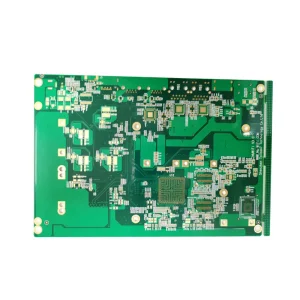
New York is famous for its bright, dynamic outdoor displays—most notably in Times Square. These displays require multi-layer PCBs with complex signal routing, high refresh rates, and exceptional weatherproofing. Our structural solutions use advanced hydrophobic conformal coatings and high-Tg materials to ensure that ambient humidity and winter freeze-thaw cycles do not cause delamination or copper trace corrosion.

Horticultural & Linear Grow Lighting

With the rise of urban vertical farming in Brooklyn and Queens, high-intensity horticultural lighting has expanded. These systems use specific spectral mixes (deep red, far red, and UV) operating at extreme power densities. We supply aluminum PCBs engineered to handle up to 350W linear modules, maintaining critical photosynthetic photon flux density (PPFD) over years of continuous damp-environment operation.

Data Center Edge Computing & System Coexistence

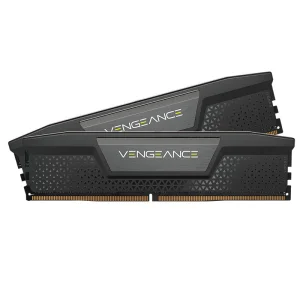
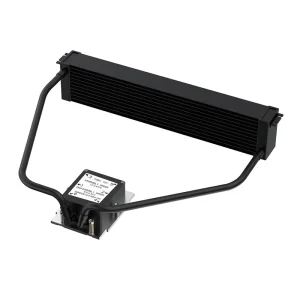
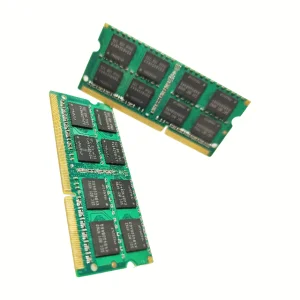
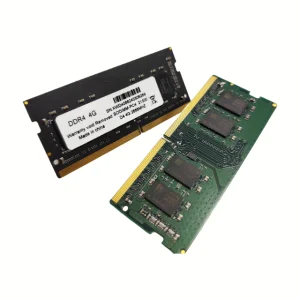
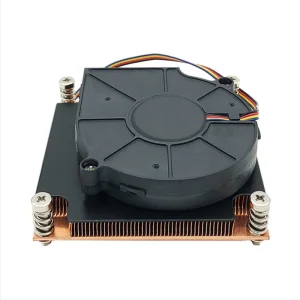
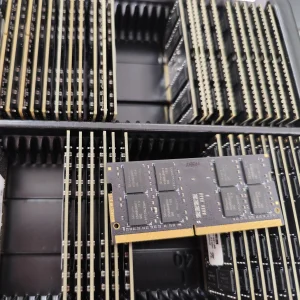
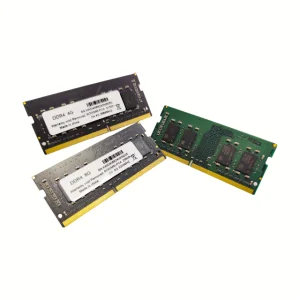
In addition to lighting, New York's status as a global financial and telecommunications hub demands robust localized server infrastructure. In modern high-rise commercial structures, lighting networks often run on Power-over-Ethernet (PoE) systems that interface directly with building server racks. This requires a unique synergy between high-power LED driver circuits, efficient CPU cooling solutions, and high-frequency memory modules. Xeviora addresses this by providing complete electronic ecosystem support—manufacturing high-reliability LED PCBs alongside DDR4/DDR5 enterprise memory modules and copper/water CPU server heat sinks that keep edge nodes running with zero down-time.

4. Localization Support & Compliance Assurance for NY Buyers

Navigating the import and deployment of electronic hardware in the United States requires strict adherence to regulatory frameworks. New York state and local municipal authorities enforce some of the most stringent electrical codes in the country.

We ensure that every batch of PCBs and assembled electronics exported to the New York market meets the following compliance benchmarks:

  • UL 94V-0 Certification: All laminate substrates are guaranteed self-extinguishing, meeting NYC building safety codes.
  • RoHS & REACH Compliance: Zero lead, mercury, or polybrominated biphenyls (PBBs), aligning with state-level environmental mandates.
  • FCC Part 15 Class B: Ensuring that integrated wireless smart controllers do not generate harmful electromagnetic interference (EMI) in dense commercial grids.

Furthermore, our supply chain team provides complete duty handling, custom clearance brokerage, and air/ocean freight logistics coordination directly to JFK International Airport or the Port of New York and New Jersey, guaranteeing on-time delivery for critical construction deadlines.

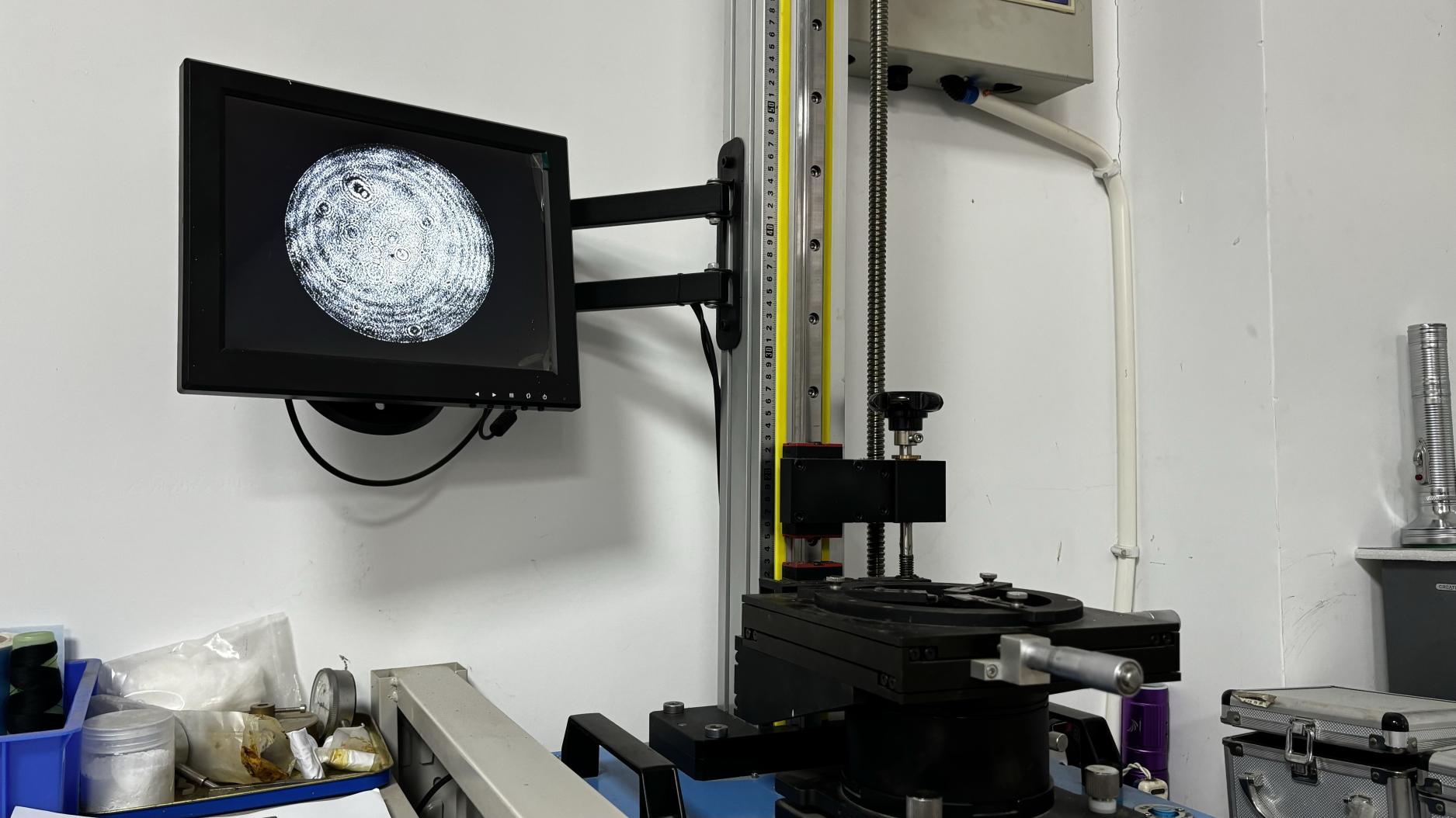
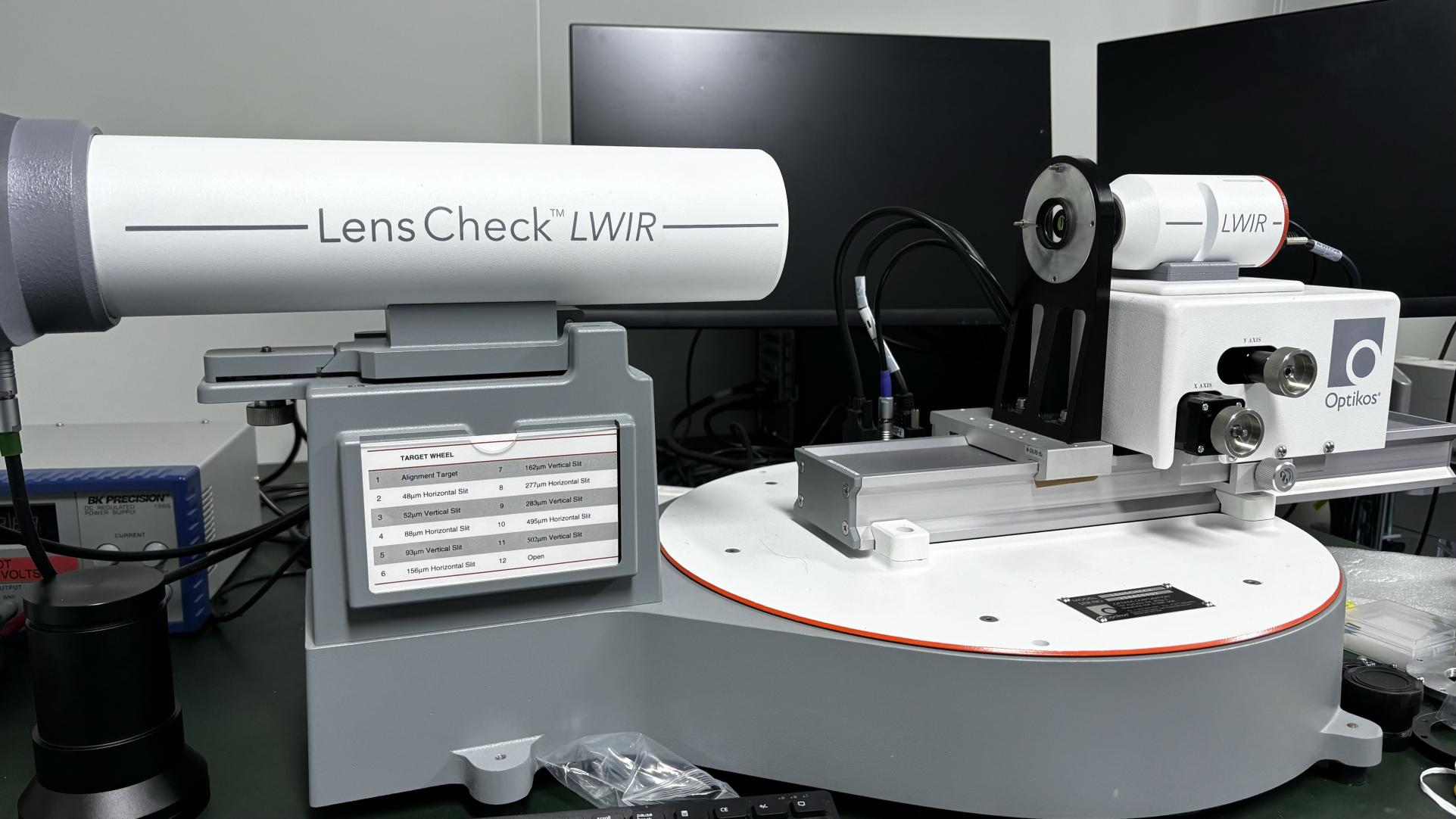
Xeviora High-Tech Testing Lab

China Factory 4.0: Supply Chain Resilience & Manufacturing Edge

How Xeviora Memory Technology (China) Co., Ltd. leverages state-of-the-art automation and advanced R&D to optimize cost and performance for US buyers.

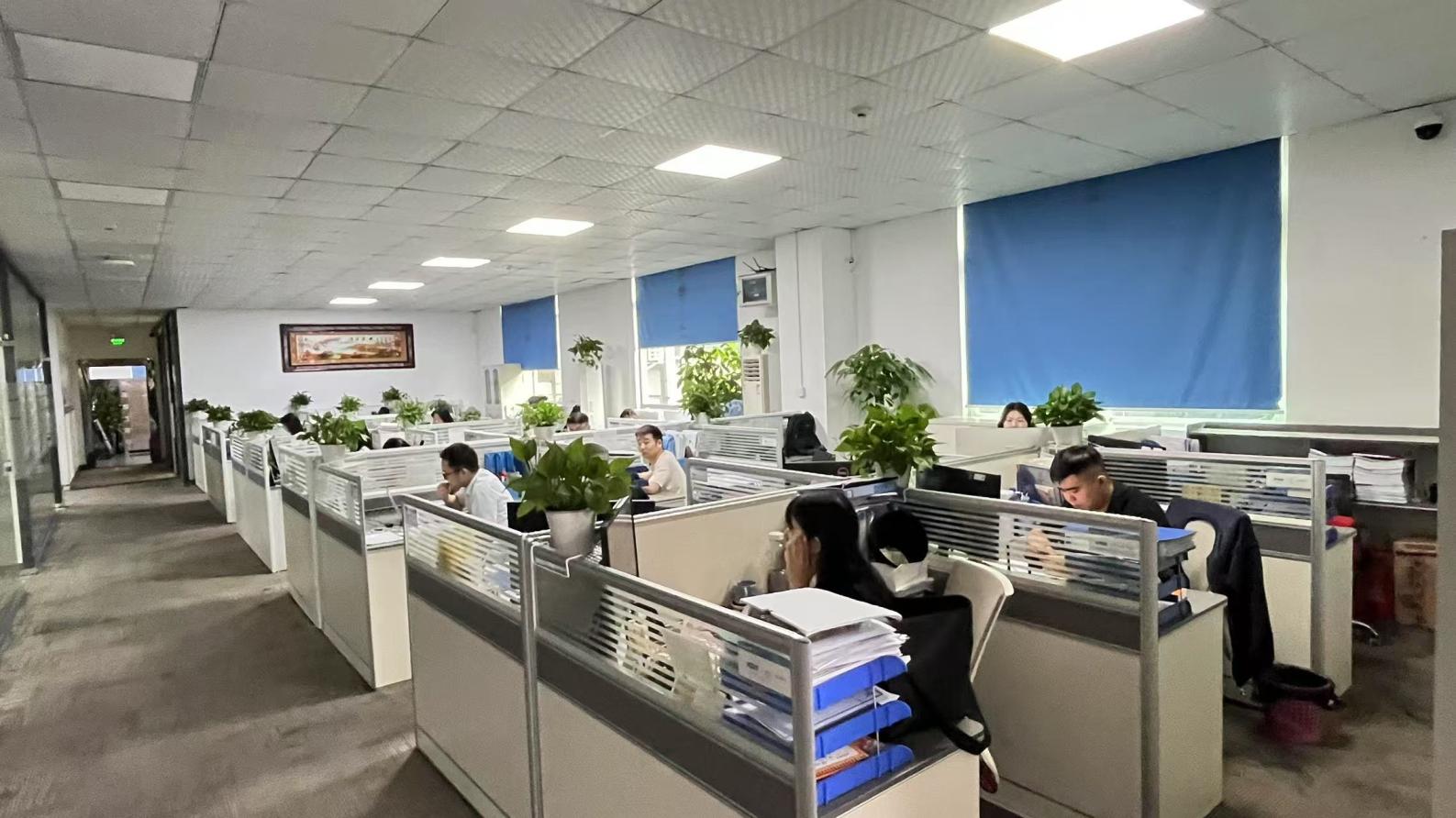
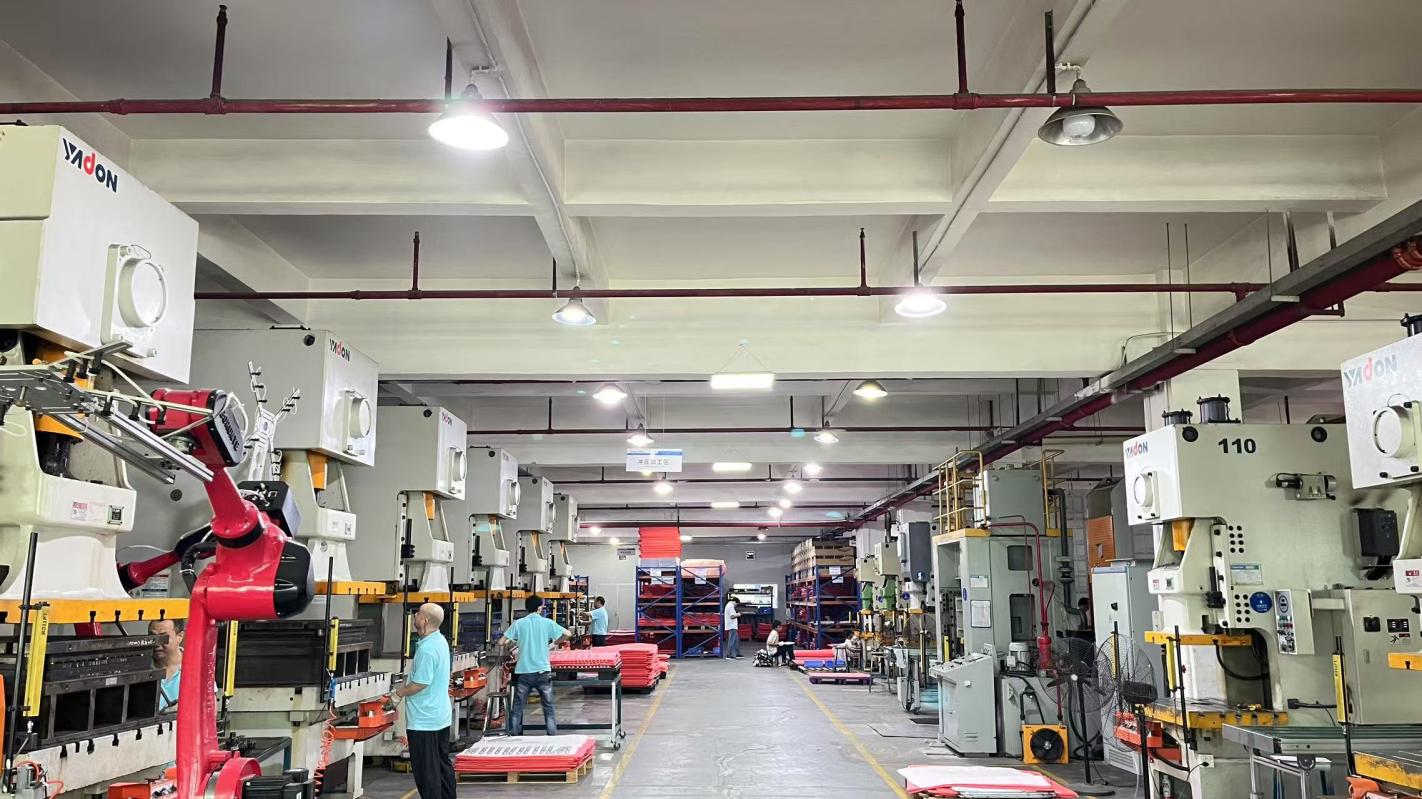
Established in 2017, Xeviora Memory Technology (China) Co., Ltd. has established itself as an industry leader in precision electronics engineering. Operating from a highly specialized, cleanroom-standard manufacturing and testing facility, we have developed deep OEM and ODM partnerships with over 850 global supply chain partners. While our core roots lie in advanced DDR4/DDR5 semiconductor and storage module assembly, our manufacturing capability spans the full spectrum of high-speed SMT assembly, multi-layer high-Tg circuit board processing, and complex passive thermal designs (such as copper server heat sinks).

Our competitive advantage for the New York market lies in our high-volume sourcing capabilities and rigid QA controls. We employ 46 dedicated quality inspectors who oversee every phase of our automated production process—including Solder Paste Inspection (SPI), Automatic Optical Inspection (AOI), high-magnification X-ray trace validation, and multi-hour high-temperature chamber aging tests before shipment. With an annual export volume exceeding USD 18 million, our global operations are engineered to manage sudden volume scaling without sacrificing quality.

128
R&D Engineers
850+
Supply Chain Partners
46
Dedicated QA Inspectors
18M+
Annual Export Revenue (USD)

Technical Q&A / FAQ

Expert insights on design parameters, thermal management, and procurement logistics for New York lighting professionals.

What are the key advantages of using Aluminum-based MCPCBs over standard FR4 for commercial NY installations?
Aluminum-based Metal Core PCBs (MCPCBs) offer a thermal dissipation rate that is 10 to 30 times higher than standard FR4 boards. In high-power LED applications, this keeps the junction temperature of the LED chips well below their maximum rated limit (typically 85°C to 105°C), preventing color-shifting, light output degradation, and eventual thermal runaway. This is critical for New York projects where fixtures are often integrated into tight, insulated structural cavities.
Does Xeviora support custom OEM fabrication and firmware optimization for smart lighting networks?
Yes. Supported by our R&D team of 128 engineers, we offer extensive OEM/ODM services including copper trace optimization, layout adjustments for custom architectural shapes, private labeling, custom packaging, and firmware integration for intelligent DALI, Zigbee, or PoE control networks.
How do you guarantee the reliability of component parts against the vibration and dampness of New York transit environments?
We use high-grade raw laminates, robust thick-film copper cladding, and surface finishes like Electroless Nickel Immersion Gold (ENIG) or Immersion Silver to provide superior solder joint reliability under vibration. Additionally, we apply premium conformal coatings (silicone, acrylic, or polyurethane) to seal the PCBA assemblies against moisture, dust, and atmospheric pollutants common in subway tunnels and coastal infrastructure.
What are the lead times and shipping routes for custom orders bound for New York?
Standard prototype lead times are 7-10 days, while mass production batches typically take 15-20 days. We offer flexible shipping modes: air express (via DHL, FedEx, UPS) directly to New York within 3-5 business days for urgent retrofits, or ocean freight (LCL/FCL) arriving at the Port of NY/NJ within 22-30 days for bulk supply chain optimization.

Ready to Optimize Your Hardware Procurement?

Consult with our lead engineering team today. Get a fast, tailored quote for your specific PCB, PCBA, or high-performance computer hardware requirements.

Send Inquiry Now