 Xeviora
Xeviora
Xeviora
Optimized hardware solutions configured for harsh industrial environments and Argentina's server centers
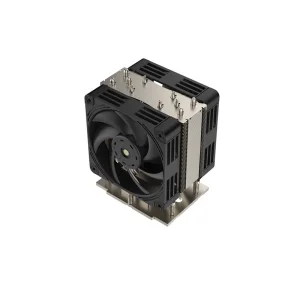
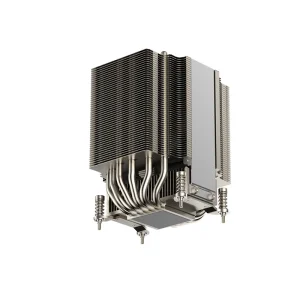
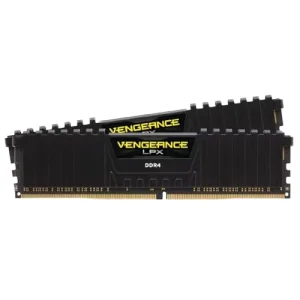
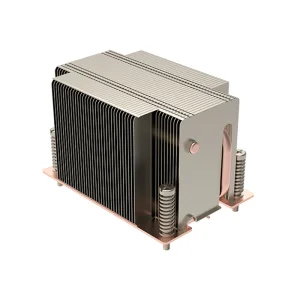
As Argentina undergoes a continuous modernization across its industrial zones—ranging from the high-temperature demands of the Vaca Muerta oil and gas fields in Neuquén to the automotive manufacturing hubs of Córdoba and Buenos Aires—the demand for robust hardware technologies has escalated. Traditional FR-4 circuit boards frequently experience physical degradation or delamination under continuous high-temperature exposure. This has driven hardware engineers to implement High-TG (Glass Transition Temperature) PCBs as the default standard for mission-critical industrial assemblies.
A Glass Transition Temperature (TG) exceeding 170°C represents a crucial design boundary. Standard PCBs typically display a TG of 130°C to 140°C. Once this threshold is crossed, the resin matrix transitions from a rigid, glass-like state to a flexible, rubbery phase. This shift alters the board's thermal expansion properties along the Z-axis, which can rupture microvias and compromise structural continuity. In contrast, High-TG boards sustain physical stability, lower thermal expansion rates, and high structural integrity up to their target thresholds (commonly 170°C–180°C or higher).
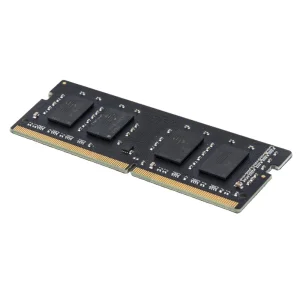
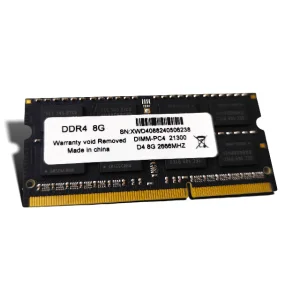
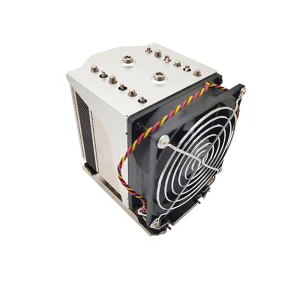
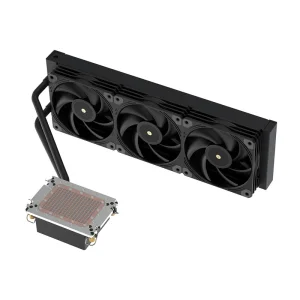
In Argentina's industrial ecosystems, the convergence of complex computing systems and heavy manufacturing environments demands that hardware components work in harmony. For instance, high-load computational systems used in seismic exploration or automated factory grids require not only High-TG PCBs to withstand ambient system heat, but also high-grade, active thermal dissipation hardware (such as server-grade heat pipes and copper coolers) and high-density, ECC-capable memory configurations to ensure continuous operations.
How high-thermal tolerance components satisfy localized industrial demands
Downhole drilling operations in the Vaca Muerta formation require electronics capable of operating continuously at ambient temperatures exceeding 150°C. High-TG materials ensure that sensor PCBs and data transmitters resist thermal expansion mismatches and prevent sensor failures deep in the wellbore.
Assembly lines in Córdoba rely on High-TG PCBs for Engine Control Units (ECUs) and transmission controllers located near engines. High-TG thresholds maintain dielectric strength and circuit integrity amid severe engine compartment heat and mechanical vibrations.
The growth of high-compute data complexes in Buenos Aires requires high-frequency multi-layer boards paired with specialized RAM modules and heavy-duty active cooling components, protecting computing nodes from localized hot-spots and system throttling.
Crucial thermal dissipation systems and high-density memory modules matching High-TG performance
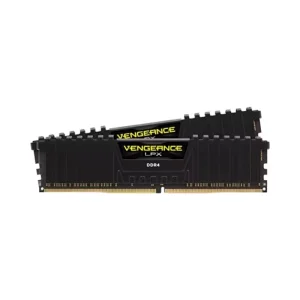
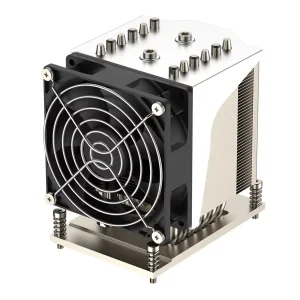
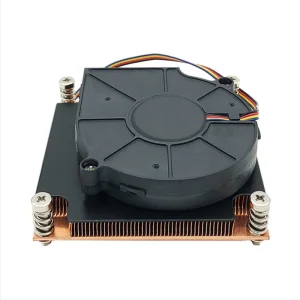
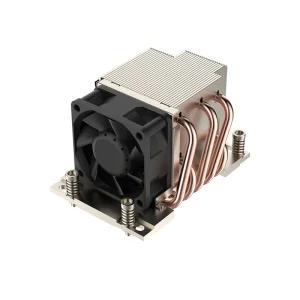
Procuring specialized hardware products in Argentina poses distinct import logistics challenges. Operating within Mercosur guidelines and complying with the National Customs Administration (Aduana Argentina) requires streamlined coordination to manage lead times effectively. Our distribution network is structurally optimized to support Argentine clients navigating SIRA import licenses, securing stable supply lines from China directly to primary industrial centers like Buenos Aires, Rosario, and Córdoba.
By leveraging robust raw material pipelines in China, we offer specialized High-TG PCB fabrications and high-reliability thermal accessories with shortened manufacturing turnaround times. Our factories operate under stringent IPC Class 2 and Class 3 guidelines, guaranteeing structural performance that mitigates the need for frequent hardware replacements. This is crucial for Argentine companies aiming to avoid customs delays and offset local inflation challenges with highly durable hardware solutions.
We provide specialized technical and administrative support, offering complete Bill of Materials (BOM) documentation, HS Code classifications, and compliant packaging standards. This documentation speeds up customs clearance at both Ezeiza Airport and the Port of Buenos Aires.
By managing localized buffer stock and establishing relationships with major global freight forwarders, we ensure reliable delivery terms. Every product undergoes strict validation steps to eliminate defects before shipping, minimizing costly return logistics.
A professional hardware division focused on high-performance RAM solutions, server-grade thermal integrations, and customized storage products built to survive demanding industrial applications.
Xeviora Memory Technology (China) Co., Ltd. is a professional DDR5 memory manufacturer and supplier based in China, specializing in high-performance RAM solutions for gaming, industrial, enterprise, and consumer applications. Established in 2017, the company has rapidly grown into a trusted OEM and ODM partner for global distributors, system integrators, and technology brands.
Our manufacturing facility covers 368 square meters and is equipped with advanced production and testing equipment to ensure stable quality and reliable performance. With an annual export revenue of over USD 18 million, Xeviora serves customers across North America, Europe, Southeast Asia, the Middle East, and South America (including Argentina, Brazil, and Chile).
Backed by 8 years of export experience and 12 years of industry expertise, we are committed to delivering innovative memory products that meet international quality standards. Our quality management system includes comprehensive incoming material inspection, in-process quality control, and final product testing. All products undergo automated functional testing, compatibility verification, performance validation, and aging tests before shipment. Our quality assurance team consists of 46 dedicated inspectors who ensure every module meets strict reliability requirements.
As a manufacturer with strong OEM and ODM capabilities, Xeviora works closely with more than 850 supply chain partners worldwide, enabling efficient sourcing, flexible production, and fast delivery. Our primary customers include wholesalers, distributors, e-commerce sellers, system builders, brand owners, and enterprise solution providers.
Innovation is at the core of our business. Supported by an experienced R&D team of 128 engineers, we continuously invest in new technologies and product development. Last year alone, we successfully launched 86 new memory products covering DDR5 gaming memory, industrial-grade memory modules, server memory solutions, and customized storage products.
We offer flexible customization services, including private labeling, logo printing, packaging design, specification customization, firmware optimization, and complete OEM/ODM development. Whether customers require standard memory modules or fully customized solutions, our team is dedicated to providing reliable products, competitive pricing, and professional technical support.
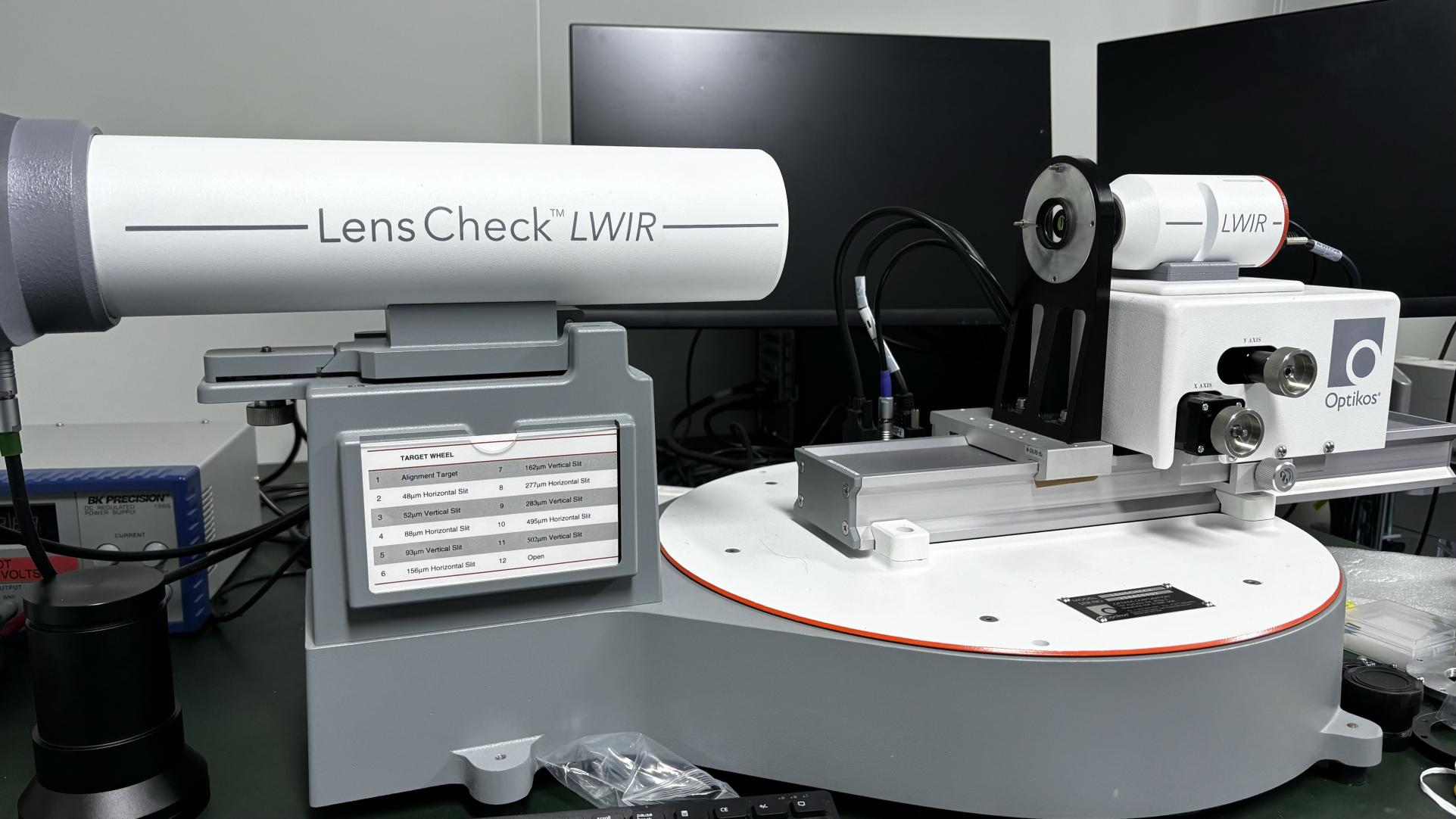
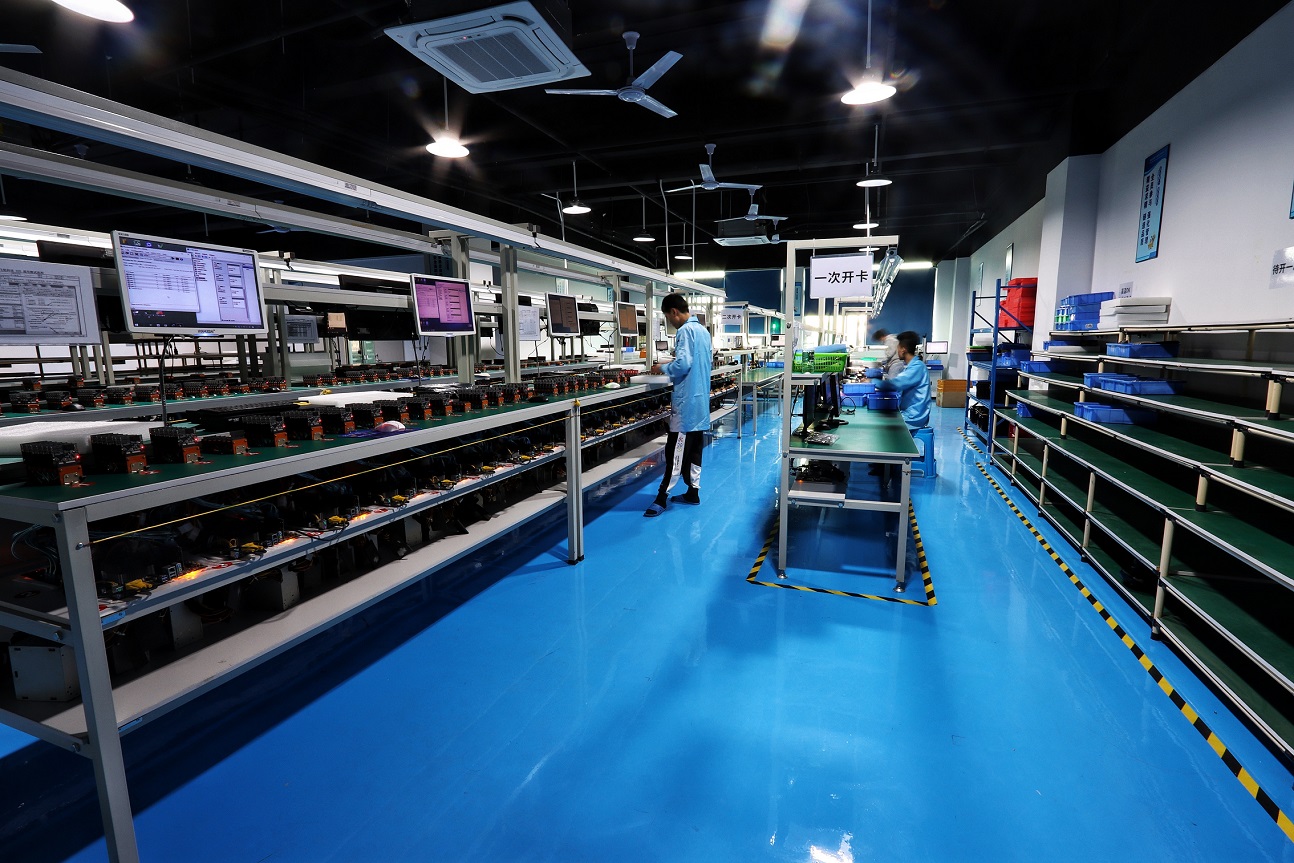
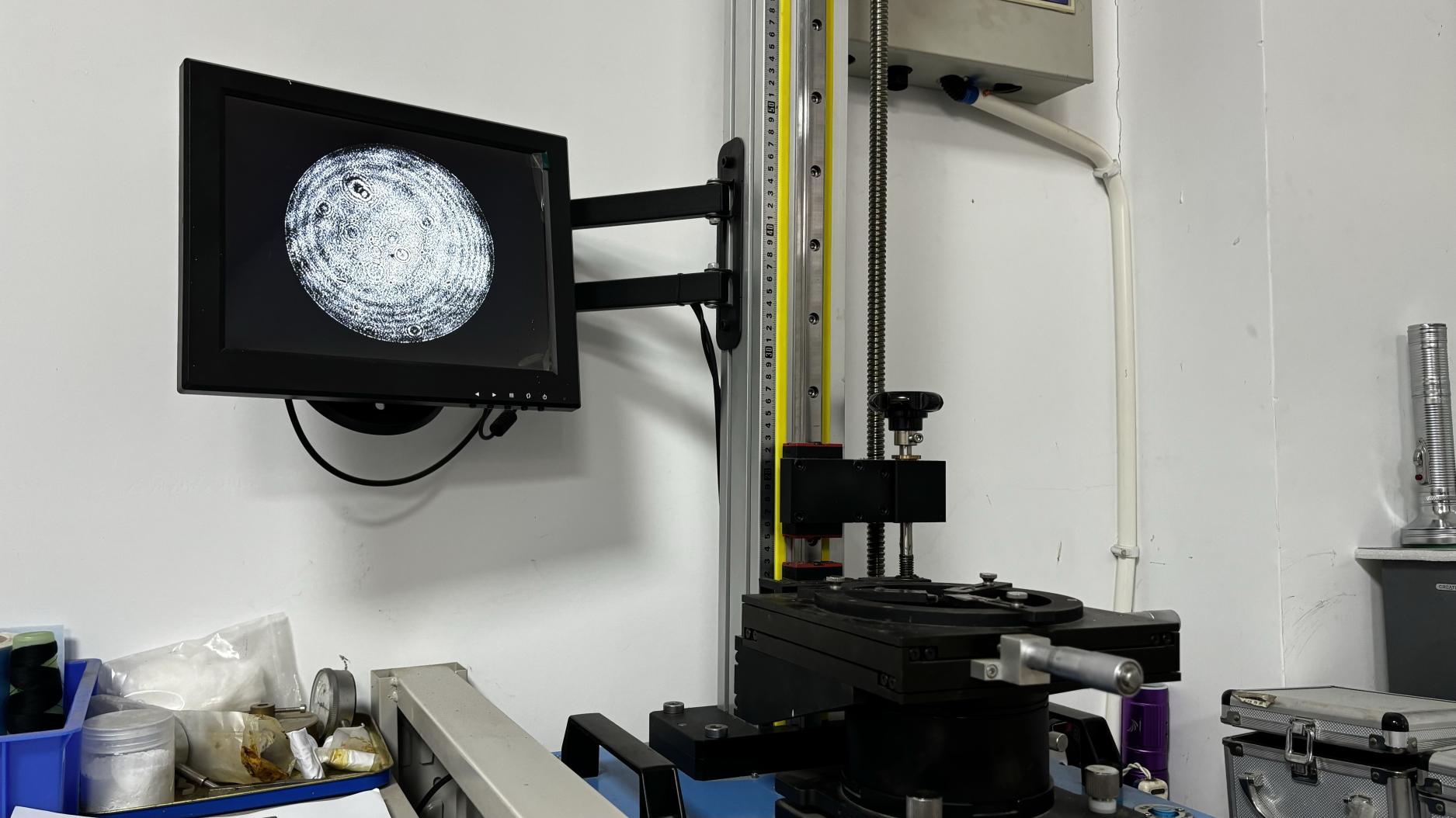
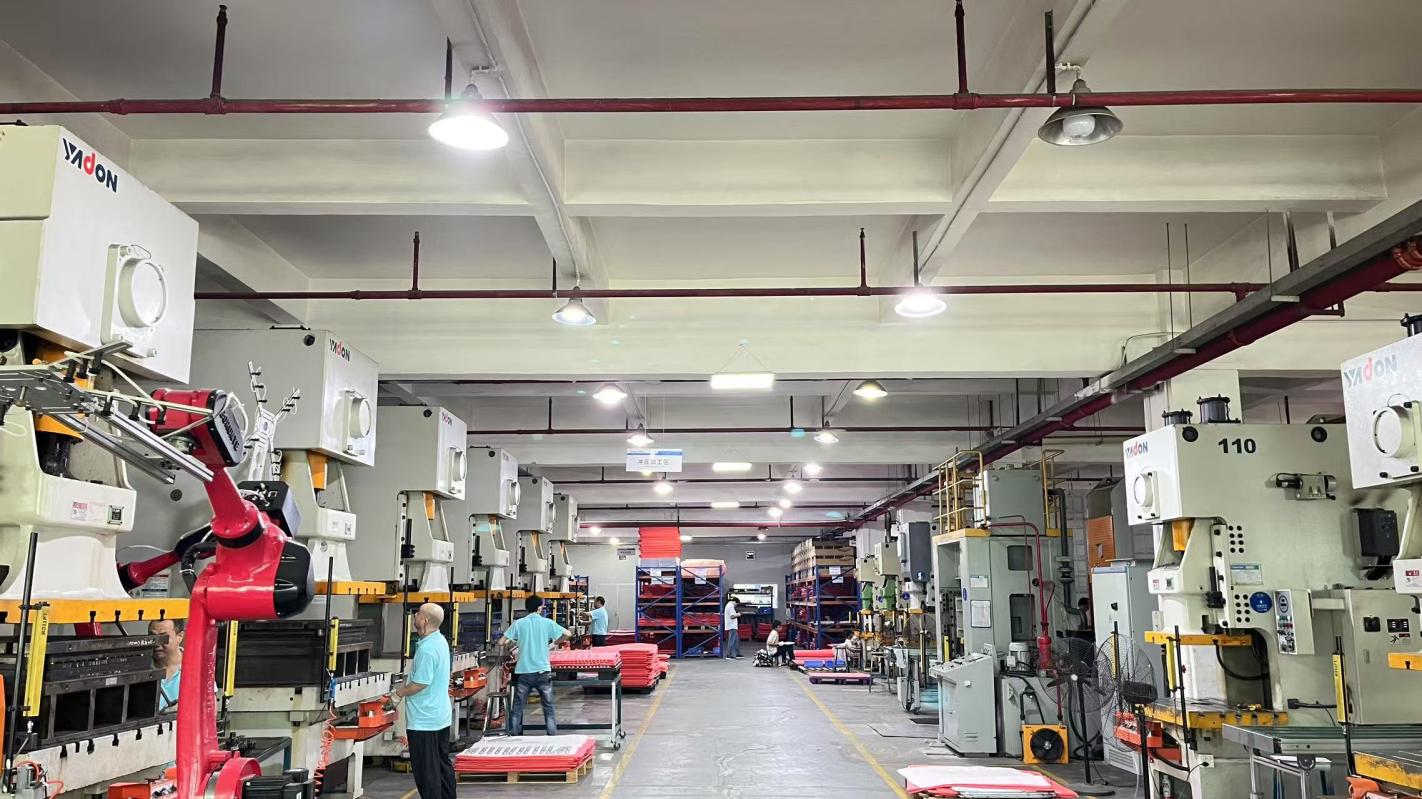
Engineered for long-term endurance, high heat loads, and stable operation in remote enterprise environments
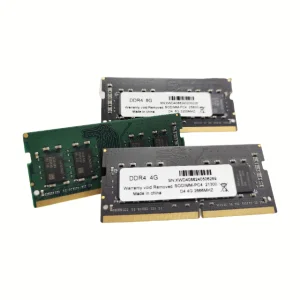
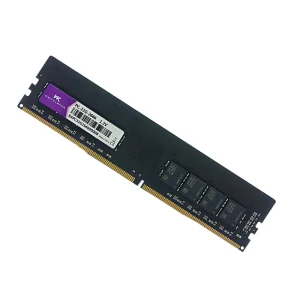
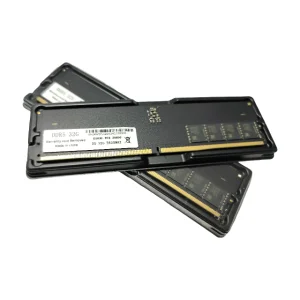
Answers to crucial procurement and technical design questions
Argentina's primary industrial applications, such as power plants in Buenos Aires or oil extraction rigs in Patagonia, run 24/7 in harsh outdoor climates. Standard PCBs degrade when operating near their glass transition point (around 130°C). High-TG substrates (170°C to 180°C+) sustain physical stability and electrical insulation properties, reducing system failures under continuous thermal stress.
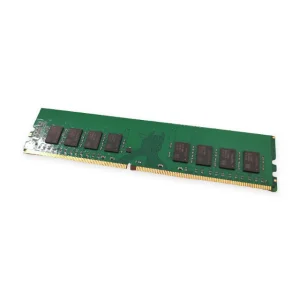
We provide full OEM/ODM services, including specialized PCB layouts, structural dimension adjustments (e.g. 1U, 2U, or 4U server clearances), modified thermal dissipation architectures, custom density specifications (DDR3, DDR4, DDR5 modules), and private labeling options tailored to local compliance certifications.
We supply comprehensive technical profiles, validated commercial invoices, clear packaging dimensions, and accurate HS code documentation. This assists Argentine import agents in obtaining approval for SIRA licenses, mitigating customs clearance bottlenecks, and maintaining stable stock levels.
Yes, our server heat sinks and active water coolers support multiple high-performance processor interfaces (such as AMD SP5, SP6, Intel LGA1700, AM5, and LGA4677). They are designed to dissipate high heat outputs, preventing local motherboard degradation and extending component life cycles.