Xeviora
Xeviora
Xeviora
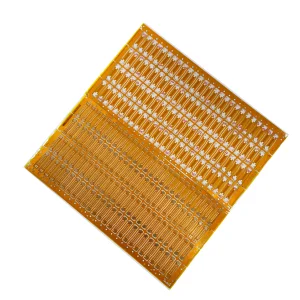
Immediate access to top-tier RF PCBs, memory modules, and flexible substrates tailored for high-speed local deployments.
Understanding the convergence of Vision 2030 megaprojects and the need for localized RF engineering solutions.
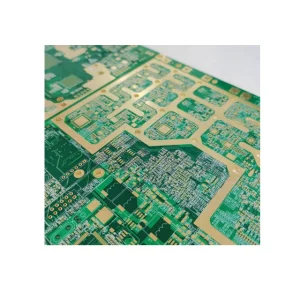
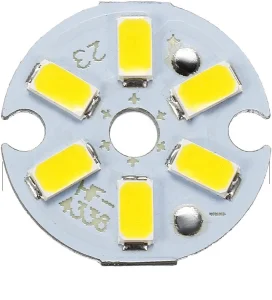
The city of Riyadh is witnessing an unprecedented technological transformation driven by Saudi Vision 2030. As the Kingdom shifts towards a knowledge-based digital economy, major smart city developments like NEOM, the Red Sea Project, and the expansion of the King Abdullah Financial District (KAFD) have triggered a dramatic surge in demand for advanced electronics infrastructure. High-Frequency PCBs (Printed Circuit Boards) form the backbone of these technological upgrades, supporting high-speed telecom networks, aerospace instrumentation, defense technologies, and IoT grid systems.
With Riyadh establishing itself as the digital hub of the Middle East, the local ecosystem requires robust, low-loss RF (Radio Frequency) and microwave printed circuit boards. These boards operate in ranges from 500 MHz up to 100 GHz, crucial for the reliable deployment of 5G millimeter-wave stations and edge-computing data structures. High frequency laminate performance (such as Rogers and high TG Shengyi materials) is a key engineering factor to prevent signal attenuation in the harsh desert climate of Saudi Arabia, where temperatures regularly exceed 45°C.
A deep dive into laminate materials, thermal dynamics, and signal integrity requirements.
Designing PCBs for high-frequency applications (RF/Microwave) requires tight control of critical parameters: the dielectric constant ($D_k$), the dissipation factor ($D_f$ or loss tangent), and the coefficient of thermal expansion (CTE). For engineers in Riyadh managing critical municipal and defense contracts, opting for a hybrid multi-layer structure is often the most cost-effective and structurally sound choice. High TG170 materials combined with Rogers 4000 series thermoset laminates offer superior dimensional stability and structural rigidity under variable load profiles.
| Laminate Substrate Material | Dielectric Constant (Dk @ 10 GHz) | Dissipation Factor (Df @ 10 GHz) | Thermal Conductivity (W/m/K) | Primary Industrial Use Case |
|---|---|---|---|---|
| Rogers RO4003C / RO4350B | 3.38 - 3.48 | 0.0021 - 0.0037 | 0.62 - 0.69 | Base station antennas, LNBs, radar, automotive sensors |
| Shengyi FR4 High TG170 | 4.40 - 4.60 | 0.0150 - 0.0180 | 0.40 | Standard industrial controls, high-temperature power supplies |
| PTFE (Teflon) Based Laminates | 2.10 - 2.60 | 0.0009 - 0.0015 | 0.25 | Military electronics, aerospace guidance systems |
| Hybrid Stackup (Rogers + TG170) | 3.80 - 4.10 (Composite) | 0.0070 - 0.0090 (Composite) | 0.50 | Commercial telecommunication routing, complex server backplanes |
Precision control of microstrip and stripline designs within ±5% tolerance is critical to minimize return losses and signal reflections at gigahertz frequencies.
Choosing substrates with low $TC D_k$ (Thermal Coefficient of Dielectric Constant) prevents detuning of RF circuits during dry-season ambient heat transitions.
Utilizing reverse treated foils (RTF) or very low profile (VLP) copper foils counters the high-frequency skin effect, maximizing overall transmission efficiency.
Enabling regional enterprise infrastructure across data storage, edge intelligence, and clean energy systems.
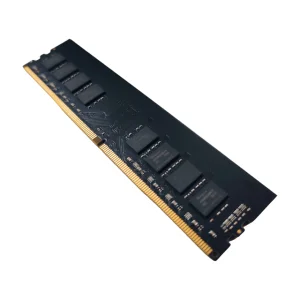
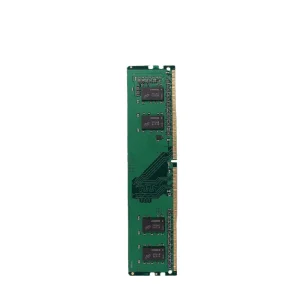
In addition to customized radio-frequency boards, modern smart infrastructure in Riyadh requires high-density computing modules, specialized computing memory (DRAM kits, server-grade ECC modules), and effective thermal dissipation solutions. In desert installations, high temperatures pose a severe risk of electronic failure. High-performance memory boards (like DDR4/DDR5 ECC RAM) must operate alongside enterprise-grade CPU heat sinks and server coolers to maintain stability in centralized command rooms and smart substations.
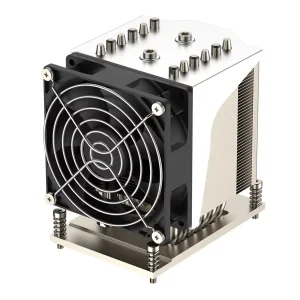
We combine high-frequency RF communication circuits with robust digital processing elements (high-speed DDR5 ECC modules) and extreme thermal dissipation systems (220W/300W server cooling structures). This integrated system ensures that signal processing, localized memory access, and data transmitting stages do not suffer thermal throttling under persistent regional operational loads.
Leveraging smart manufacturing, professional engineering teams, and strict quality control standards.
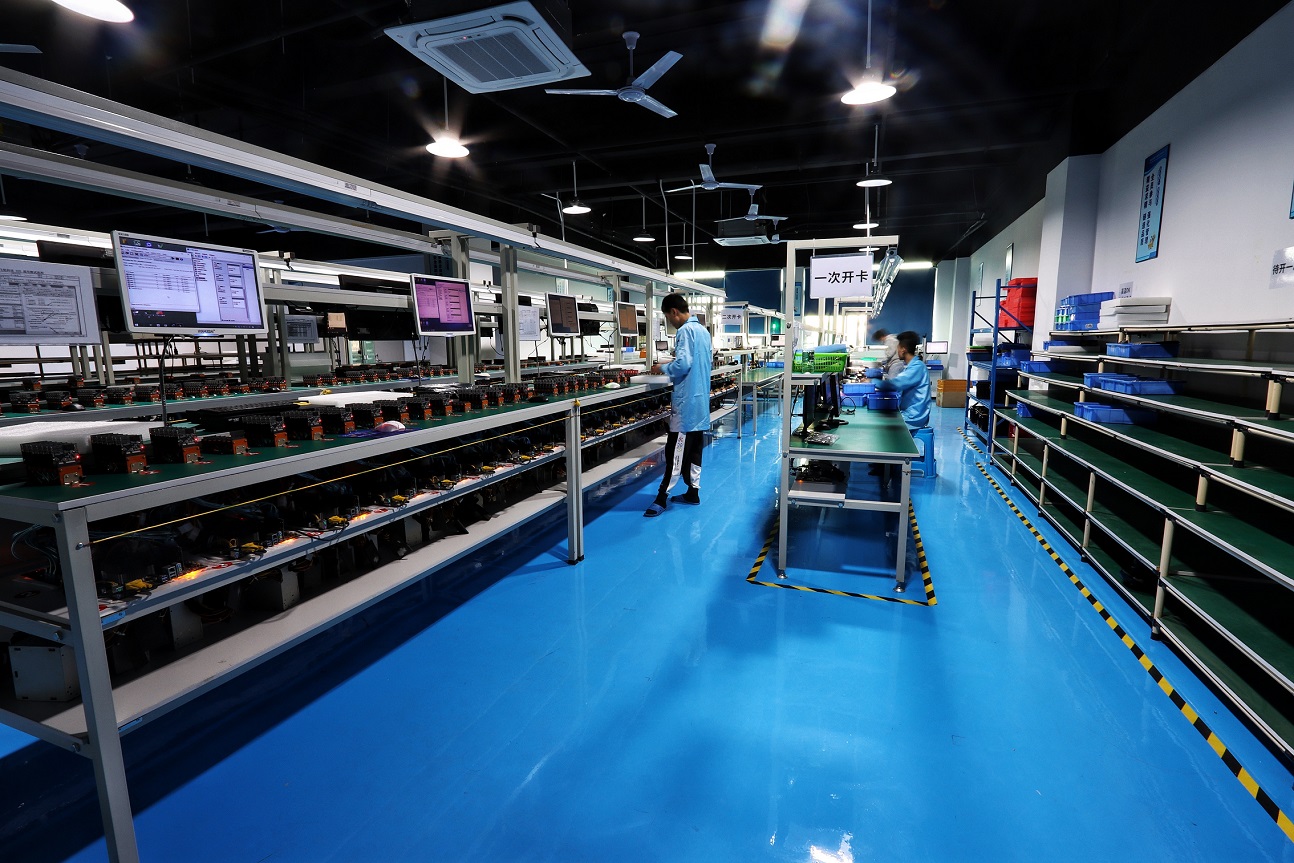
Based in China, Xeviora Memory Technology Co., Ltd. functions as a dedicated technology manufacturer and OEM/ODM service provider. Operating a production facility of 368 square meters, we integrate robust sourcing networks with professional engineering and production lines. Our manufacturing facility serves as a vital production partner for system integrators, distributors, and buyers across Europe, the Middle East, and North America.
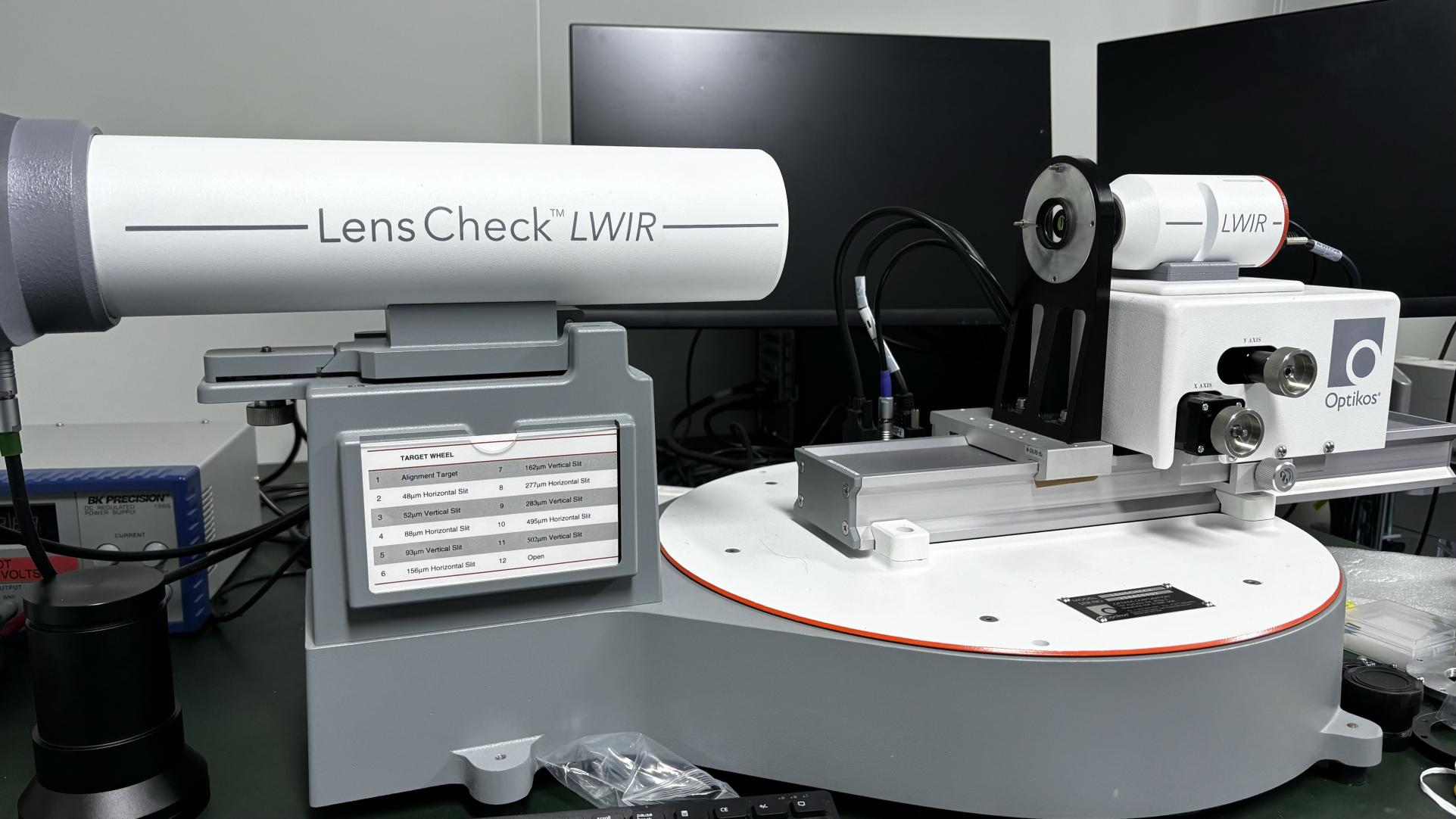
Our quality assurance program is backed by 46 dedicated inspectors, monitoring steps from incoming components verification to final performance testing. Under the guidance of our 128 R&D engineers, we develop high-frequency circuit boards, industrial-grade storage modules, and thermal dissipation parts that comply with strict international standards.

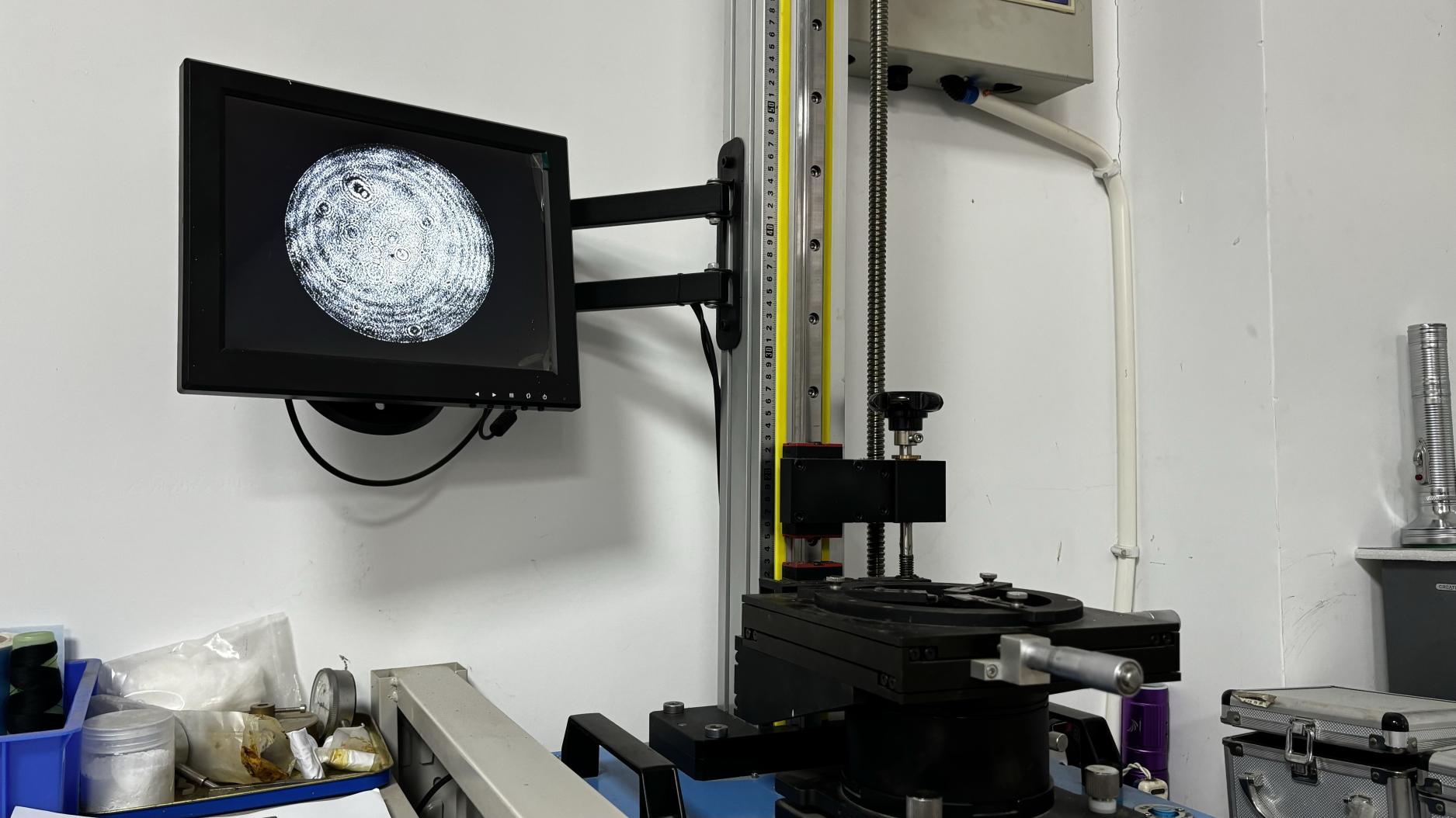

Our supply chain model is designed for optimal cost-efficiency. By establishing long-term relationships with over 850 raw material suppliers, we secure reliable pricing and stable access to premium components. This setup shields our clients in the Middle East and worldwide from sudden material shortages, delivering prompt production and shipping options.
Facilitating smooth customs clearance and regulatory alignment for Saudi projects.
Importing industrial electronics, PCBs, and memory components into the Riyadh market requires compliance with local regulations. All electronic imports must be registered through Saudi Arabia's SABER platform and conform to the Saudi Standards, Metrology and Quality Organization (SASO) criteria. Xeviora offers complete support by providing necessary documentation, including Certificate of Conformity (CoC), material chemical safety statements, and ROHS compliance certification.
We work with trusted logistics partners to offer flexible shipping solutions to Saudi Arabia. Whether you choose air transport via Riyadh King Khalid International Airport (RUH) or ocean freight through King Abdulaziz Port in Dammam, we handle packaging, documentation, and labeling to ensure smooth passage through Saudi customs.
How RF design engineers and global procurement managers optimize high-frequency PCB contracts.
Engineers verify the dielectric constant (Dk) limits, dissipation factor (Df), and stackup balance (e.g., Rogers 4000 hybrid with FR4 TG170 layers) to match specific system requirements.
Design for Manufacturing (DFM) verification evaluates trace widths, clearance spaces, and layer registration tolerances before releasing prototype files to production.
We run comprehensive flying probe testing, solderability checks, thermal shock evaluations, and Time Domain Reflectometry (TDR) to guarantee high reliability.
Our shipping department handles SABER portal registrations and customs documents, delivering standard parts or custom boards safely to your Riyadh facility.
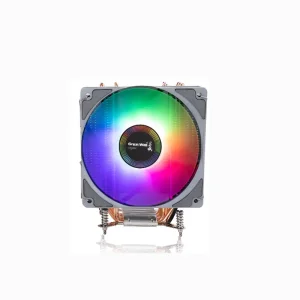
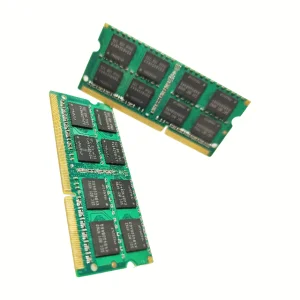
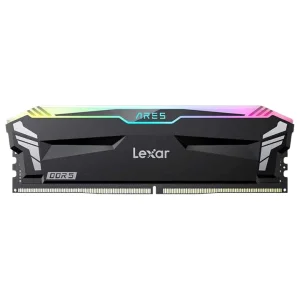
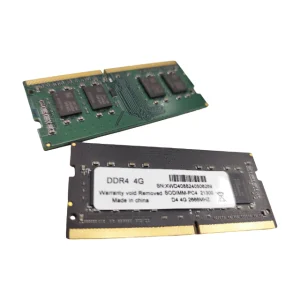
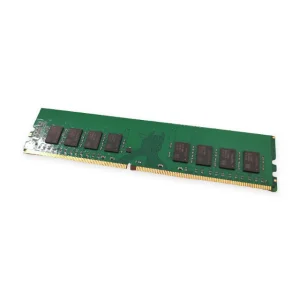
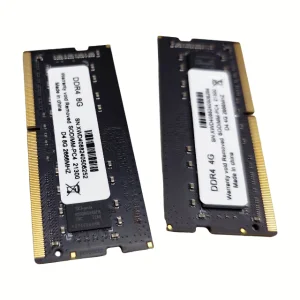
Explore our line of server cooling units, thermal management setups, and enterprise memory kits.
Providing clear answers to technical, manufacturing, and logistic inquiries.