High-Performance 270nm-410nm 3535 UVC LED Systems

Premium Optoelectronic Components, Custom Packaging & High-Efficiency Thermal Management Solutions for Bulgaria's Medical and Industrial Markets

8+
Years Export Experience to Europe
128
R&D Electro-Thermal Engineers
46
Dedicated QA/QC Inspectors
USD 18M+
Annual Export Revenue

1. Strategic Integration: UV-LED Technology in Bulgaria's Industrial Landscape

The industrial infrastructure of Bulgaria is undergoing a significant transformation. As part of the European Union, local Bulgarian manufacturers, municipal utilities, and agricultural processors are under increasing pressure to adopt clean, chemical-free sanitization technologies. The transition from traditional mercury vapor lamps to solid-state optoelectronic components—specifically 270nm-410nm 3535 UVC/UVA LEDs—is at the forefront of this industrial shift.

In municipalities like Sofia, Plovdiv, and Varna, water treatment facilities face stricter EU water quality directives. High-power UVC LEDs operating at germicidal wavelengths (specifically 270nm to 285nm) are being integrated into inline disinfection systems to eradicate waterborne pathogens such as Escherichia coli and Cryptosporidium without introducing toxic chlorine byproducts. Concurrently, Bulgaria's food and beverage processing sectors are adopting surface sterilization arrays to prolong the shelf life of fresh agricultural exports.

SEO Insight & Information Gain: Unlike generic light components, high-intensity 3535 UVC LEDs require absolute precision in thermal management. A temperature increase of only 10°C at the LED junction can halve the component's lifespan. Our capability bridges high-speed controller logic, precise MCPCB development, and thermal heat sink hardware to guarantee stable operational life in harsh industrial environments.

2. Technical Breakdown: Spectral Ranges (270nm-410nm) & The 3535 Package Advantage

The optoelectronic spectrum from 270nm to 410nm encompasses distinct bands serving specialized industrial functions:

  • 270nm - 285nm (Deep UVC): The primary germicidal band. Radiation at these wavelengths penetrates the cellular membrane of microorganisms, altering their DNA/RNA structures and preventing replication.
  • 310nm - 340nm (UVB): Used predominantly in analytical instrumentation, agricultural crop enrichment, and medical phototherapy systems.
  • 365nm - 410nm (UVA): The standard wavelengths for industrial curing of adhesives, specialized inks, coatings, and high-precision fluorescence sorting machines used in Bulgarian agricultural depots.

The 3535 package (3.5mm x 3.5mm footprint) has emerged as the global industry standard for high-power UV LEDs. It features a robust ceramic substrate (typically Aluminum Nitride, AlN) which exhibits exceptionally high thermal conductivity (>180 W/mK), coupled with a quartz dome lens to maximize optical output and resist degradation caused by deep UV radiation. This standardized format allows Bulgarian system integrators to scale up optical density without redesigning their physical mounting structures.

3. Industrial Solutions: Thermal Physics and System Reliability

Designing a reliable UV disinfection unit requires managing thermal dissipation. Solid-state UVC LEDs convert only 2% to 5% of electric energy into light; the remaining 95%+ is converted into heat. Without adequate thermal relief, the junction temperature ($T_j$) rises rapidly, causing wavelength shifts, reduction in optical power output, and premature catastrophic failure.

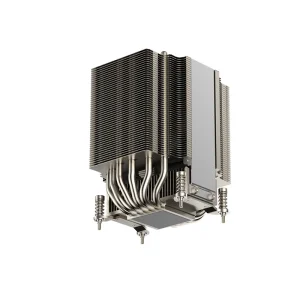
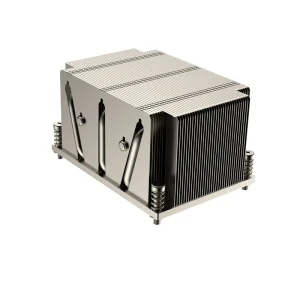
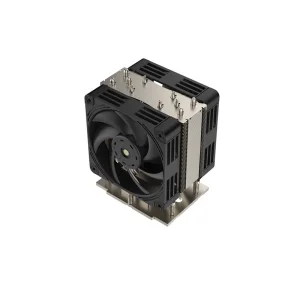
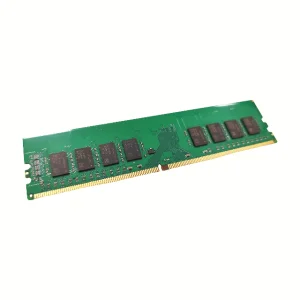
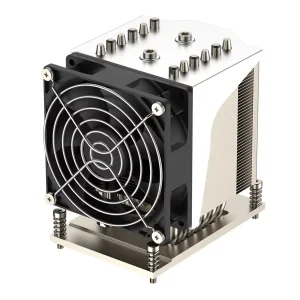
Drawing from our deep pedigree in manufacturing high-end thermal hardware and cooling components (originally optimized for server CPUs and enterprise memory configurations), we offer integrated solutions:

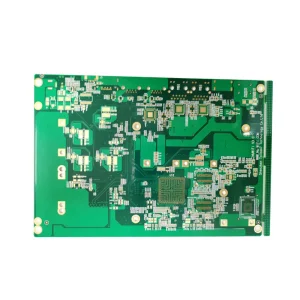
  1. Metal Core PCBs (MCPCBs): Engineered with high-conductivity dielectric layers designed specifically to handle high current loads of 3535 UVC arrays.
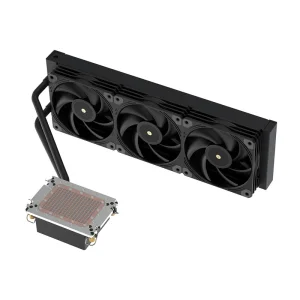
  2. Advanced Radiators: Active and passive aluminum coolers that keep junction temperatures safely below the critical 80°C threshold.
  3. Driving Intelligence: Our custom driver boards feature auto-sensing thermal throttling, protecting the expensive LED array from voltage spikes and excessive heat accumulation.

4. Global Sourcing Dynamics: Why Factory-Direct OEM/ODM Matters for Bulgaria

Industrial suppliers and engineering firms in Bulgaria cannot afford supply chain disruptions. By sourcing directly from a vertically integrated facility, buyers gain access to:

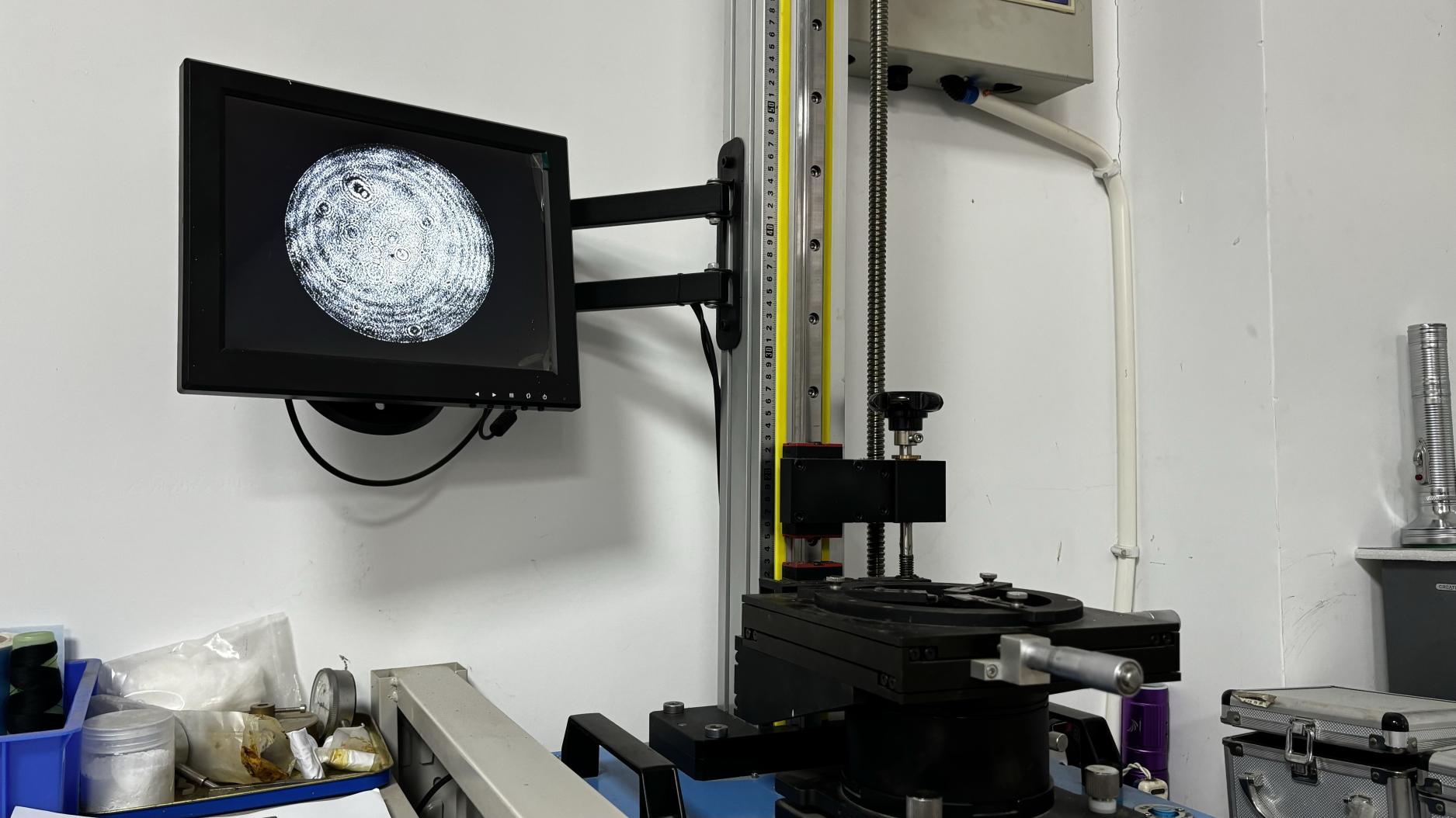
  • Strict QC Testing: Every batch undergoes rigorous aging tests, spectrometer wavelength verification, and radiometric flux output mapping.
  • Supply Chain Transparency: Access to primary raw materials, sapphire wafer substrate tracing, and robust ceramic encapsulation.
  • Customization (OEM/ODM): Tailoring the specific wavelength mix (e.g., combining 275nm UVC for sterilization with 395nm UVA for catalytic oxidation) in a single 3535 module footprint.

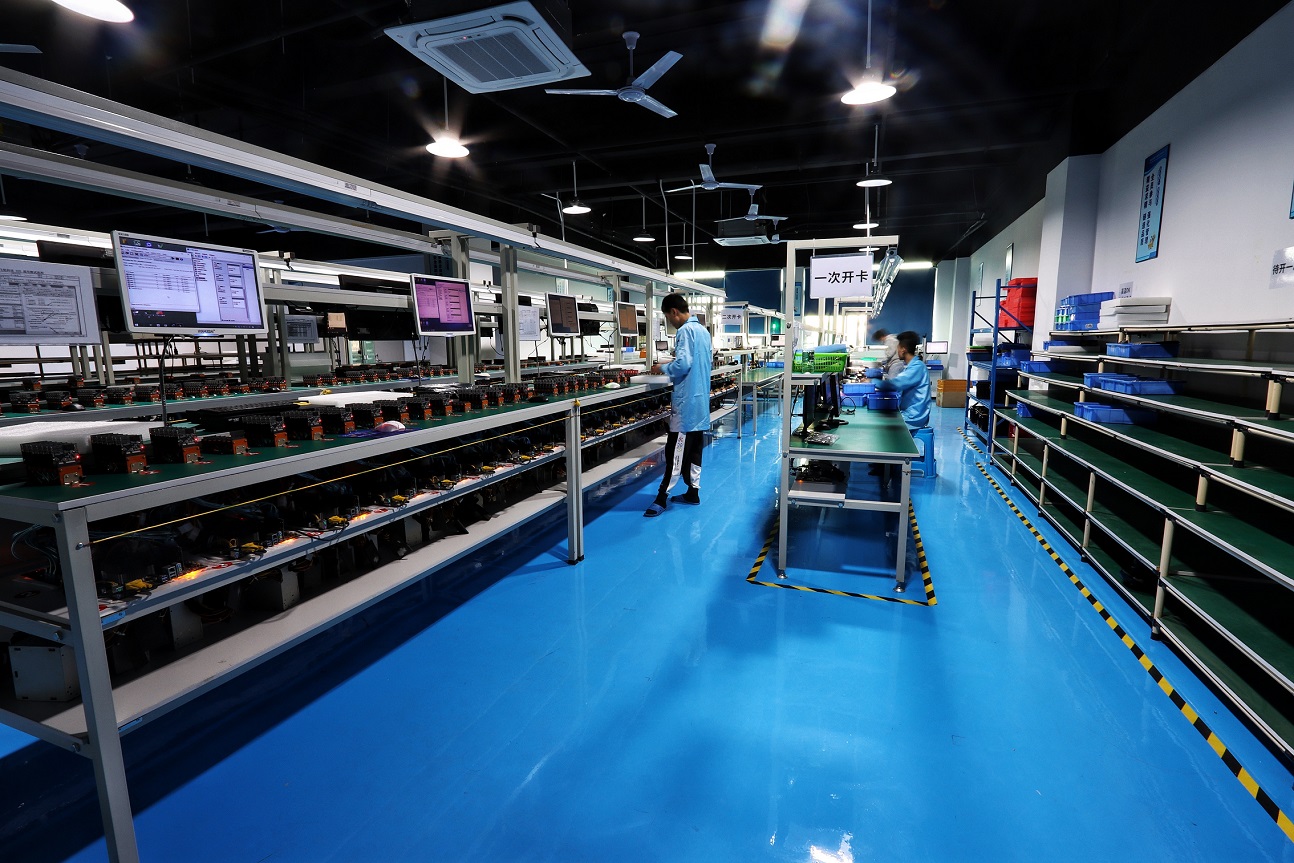
Xeviora's advanced semiconductor engineering facility covers 368 square meters of cleanroom production, backed by 128 skilled engineers and 46 quality control specialists, facilitating seamless export operations to Sofia, Plovdiv, and Varna with short transit times and robust EU regulatory compliance (CE, RoHS, and WEEE).

Complete Optoelectronic & System Components Portfolio

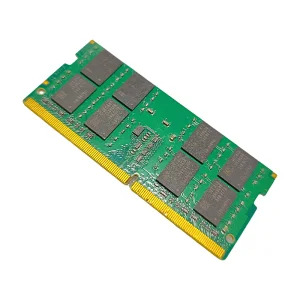
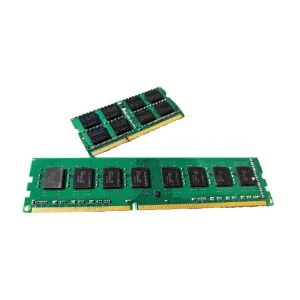
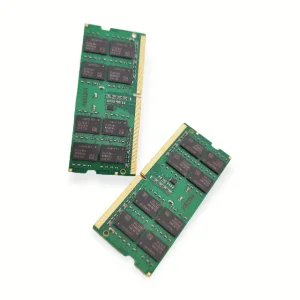
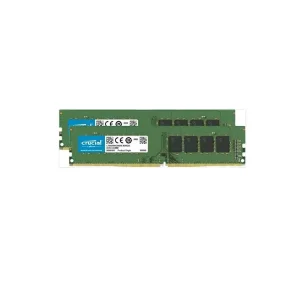
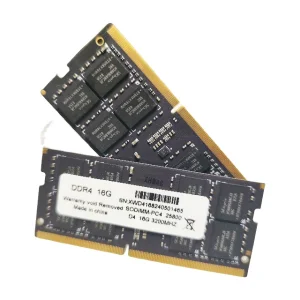
High-quality memory modules, advanced heat dissipation components, and custom PCBs engineered to meet stringent European standards.
5. Technological Roadmap (2025-2030): Higher Wall-Plug Efficiency

The primary challenge in contemporary UVC LED manufacturing remains Wall-Plug Efficiency (WPE)—the ratio of optical output power to electrical input power. Currently, UVC WPE oscillates between 3% and 6%. Our ongoing technological roadmap focuses on overcoming these physical limitations through structural innovations:

  • Substrate Engineering: Transitioning from conventional sapphire substrates to bulk Aluminum Nitride (AlN) substrates to reduce threading dislocation density, thereby increasing internal quantum efficiency.
  • Advanced Encapsulation: Utilizing atomic layer deposition (ALD) to apply nanoscale hermetic barriers on the 3535 package. This completely prevents moisture ingress, which is the primary cause of silver reflector degradation.
  • Wavelength Customization: Engineering high-efficiency 222nm far-UVC and 270nm-285nm deep UVC single-die and multi-die configurations to offer dual-wavelength modules optimized for contact-less human exposure safety and maximum microbial eradication.

In Bulgaria's food processing industries, these developments are expected to reduce system operating costs by up to 40% while expanding the scope of automated conveyor sanitization systems.

6. Compliance & Quality Systems: Meeting EU Directives

Bulgarian enterprises sourcing optoelectronic equipment must ensure total compliance with European regulations. Our manufacturing facility complies strictly with:

  1. RoHS (Restriction of Hazardous Substances): Our 3535 LED packages contain no lead, mercury, or cadmium, providing a fully green alternative to mercury discharge lamps.
  2. CE Marking: All drivers, controller modules, and integrated light engines undergo extensive electromagnetic compatibility (EMC) testing and low-voltage safety tests.
  3. ISO 9001:2015: Our quality assurance workflow involves 46 trained inspectors monitoring raw materials, in-line pick-and-place precision, and final spectrum output calibration.

Xeviora Memory Technology (China) Co., Ltd. stands as a premier manufacturer of high-performance semiconductor components, memory modules, and specialized thermal solutions. Established in 2017 with an expansive R&D team of 128 engineers, we merge high-speed electronic logic expertise with robust optoelectronic assembly, shipping premium products with an annual export value exceeding USD 18 million to distributors and system builders worldwide.
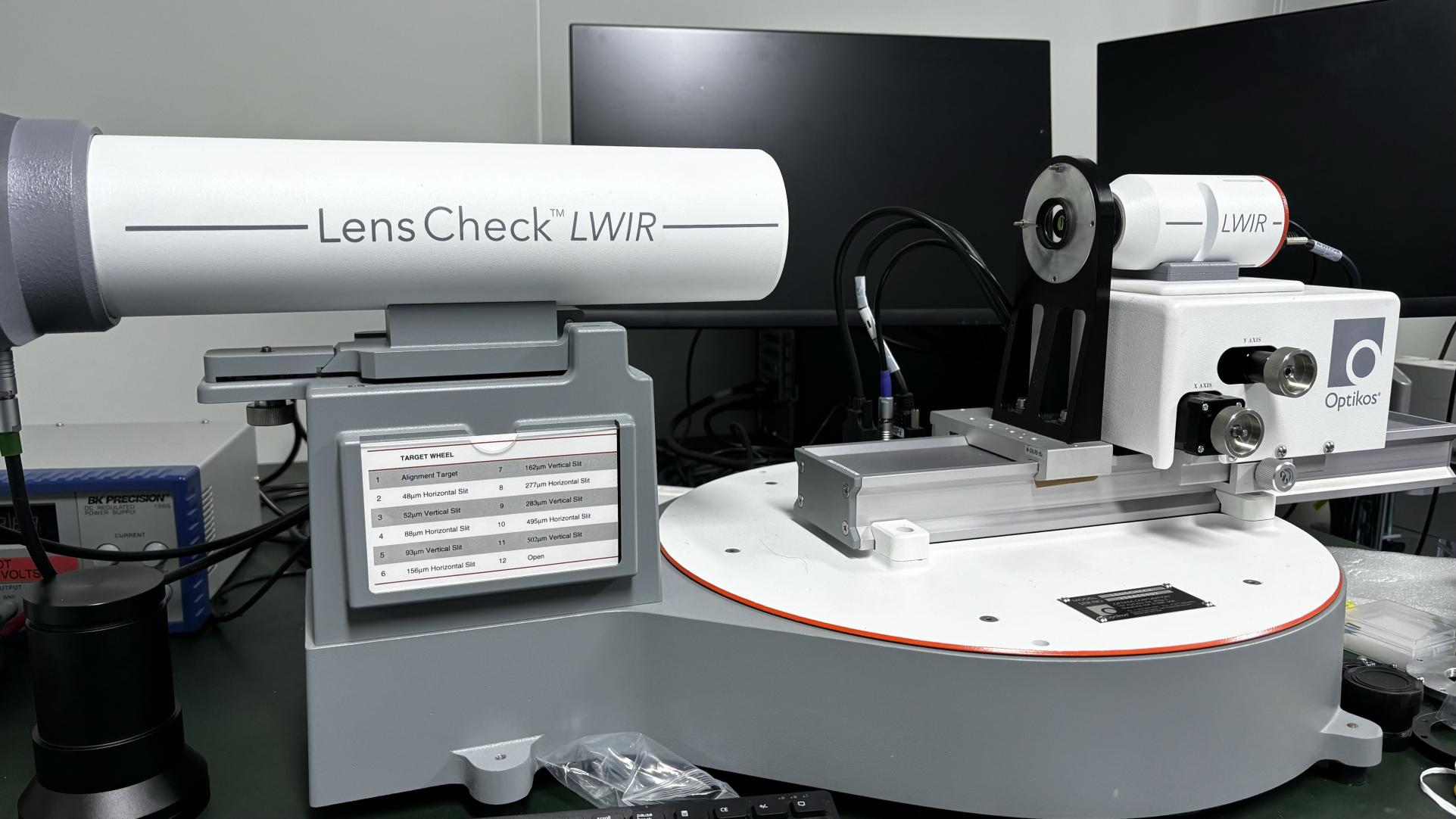
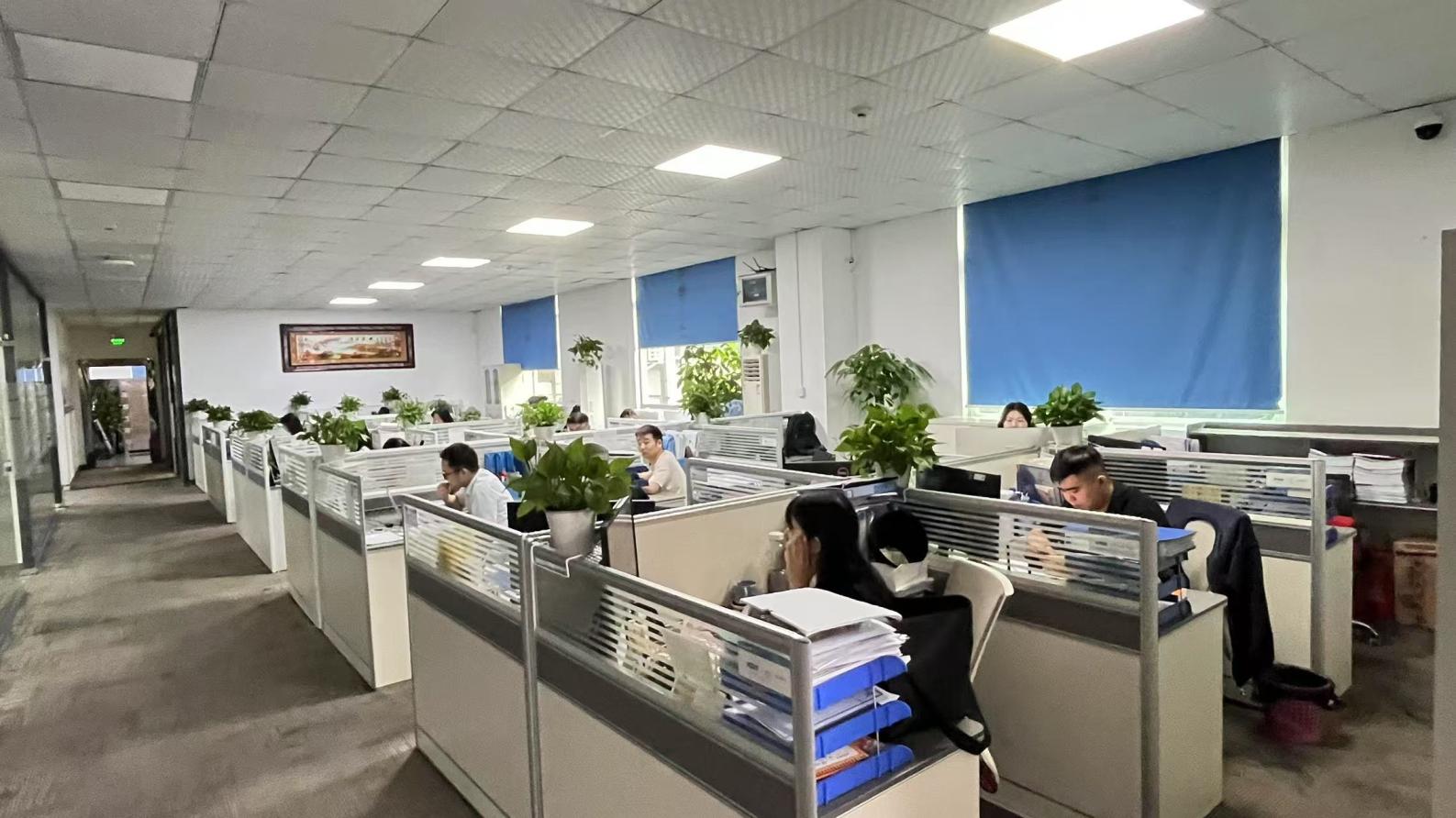
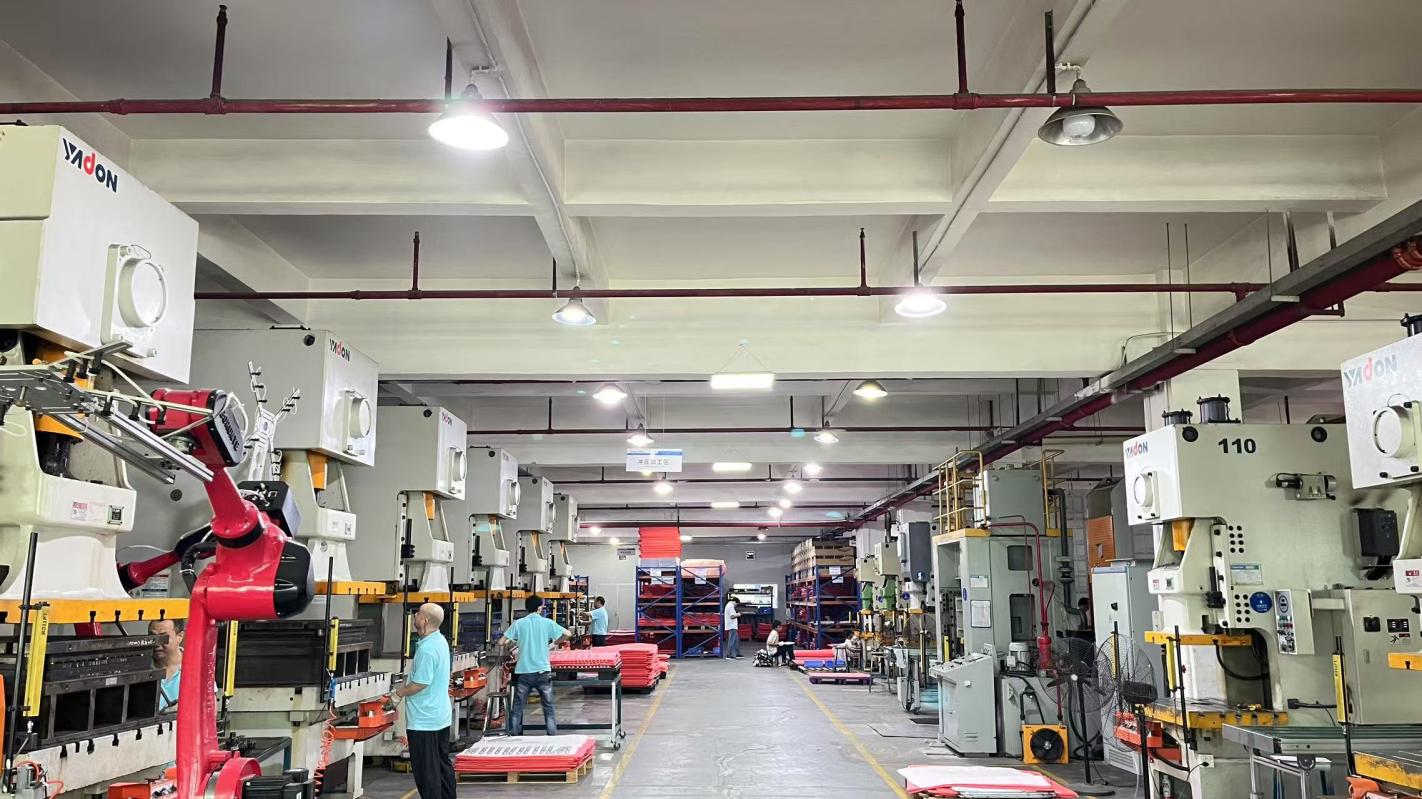
Our Manufacturing and R&D Facility

7. Frequently Asked Questions (FAQ)

Why is the 3535 package preferred for 270nm-410nm UV LEDs in industrial installations?
The 3535 package (3.5mm x 3.5mm) utilizes an Aluminum Nitride (AlN) ceramic base which provides exceptional thermal conductivity. This allows effective dissipation of the high heat loads generated by UVC LEDs, preventing degradation of the diode junction and ensuring a lifetime exceeding 10,000 to 20,000 hours when coupled with proper heat-sinking.
How does Bulgaria's location affect shipping, duty rates, and transit times for your products?
As a registered exporter with extensive experience in the European market, we handle all compliance document preparation including CE, RoHS, and customs classification codes. Shipments to major Bulgarian ports like Varna and Burgas, or airports like Sofia, are processed through expedited routes with clear HS code declarations, minimizing customs delays.
Why is precise thermal management critical for UVC LEDs compared to visible LEDs?
Visible LEDs convert a significant portion of electrical power into light. However, UVC LEDs have a lower Wall-Plug Efficiency, meaning over 95% of the power is converted into heat at the junction. Standard cooling techniques are insufficient; high-performance copper or aluminum heat pipes, specialized radiators, and metal-core PCBs are required to maintain optical power output and ensure the system's operational stability.
Do you support custom array development (OEM/ODM) for municipal water systems in Bulgaria?
Yes, our team of 128 engineering experts specializes in custom PCB layout, thermal simulation, and optical modeling. We can design custom multi-wavelength 3535 UV LED modules (combining germicidal UVC for sterilization and UVA for sensor feedback or photocatalytic oxidation) tailored to your specific mechanical and electronic specifications.

Optimize Your Industrial UV and Electro-Thermal Systems

Whether you are engineering municipal water purification systems in Sofia or high-speed sorting machines in Plovdiv, our engineers can design and manufacture components to your exact specifications.

Send Inquiry Now