Xeviora
Xeviora
Xeviora
Engineered to support thermal dissipation and high-intensity optical emission in automated German sterilization lines.
The industrial landscape in Germany is undergoing a regulatory and technological evolution. Standardized under strict DIN and VDI guidelines, German environmental engineering and sterilization sectors are rapidly phasing out legacy low-pressure mercury lamps. In their place, solid-state 260nm-270nm 3535 UVC LED architectures have emerged as the gold standard for high-performance disinfection. The driver for this shift is dual-fold: compliance with the Minamata Convention on Mercury and the push for highly efficient, instantly controllable disinfection systems.
Operating within the 260nm to 270nm spectral window is biologically critical. The absorption peak of nucleic acids (DNA and RNA) within target pathogens (such as Legionella pneumophila, Escherichia coli, and SARS-CoV-2) lies precisely around 265nm. Delivering high radiant flux at this exact band breaks the molecular bonds of the pathogen's genetic structure, preventing replication without the use of chemical reagents.
The 3535 ceramic package (3.5mm x 3.5mm footprint) has established itself as the industry benchmark for high-power UVC applications. At the core of a high-performance 260nm-270nm 3535 UVC LED is an Aluminum Gallium Nitride (AlGaN) MQW (Multiple Quantum Well) epitaxial structure. Because UVC photons carry high energy, standard silicone encapsulation materials degrade rapidly. To counter this, tier-1 industrial solutions employ high-purity quartz glass lenses or flat sapphire windows coupled with hermetically sealed gold-tin (AuSn) eutectic bonding on AlN (Aluminum Nitride) ceramic substrates.
This construction yields several operational advantages:
German machine builders (Maschinenbau) and automation specialists integrate 260nm-270nm 3535 UVC LEDs across three major application fields:
Compliant with the German Drinking Water Ordinance (Trinkwasserverordnung - TrinkwV), municipal and point-of-use (POU) water purification systems demand constant optical output. The fast start-up times and high output density of 3535 UVC LEDs allow them to be integrated directly into water flow lines, activating only when water flows, saving energy and extending system lifetime compared to continuous-burn mercury lamps.
Under VDI 6022 guidelines, air ventilation systems in public German spaces, laboratories, and corporate offices must actively mitigate airborne pathogens. Recirculating air ducts are fitted with multi-element UVC LED modules mounted on custom thermal substrates to eradicate pathogens without generating ozone.
In the pharmaceutical (GMP-compliant) and high-speed packaging industries throughout Germany, automated robotic arms and conveyor belts utilize focused UVC arrays. The 3535 package's mechanical stability allows it to withstand high vibration and chemical clean-downs in food-contact environments.
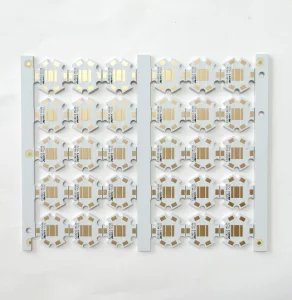
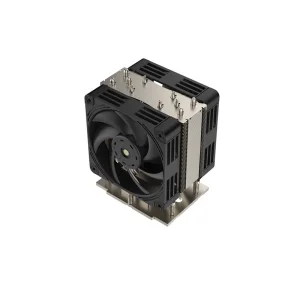
Because UVC LEDs operate at low wall-plug efficiencies (typically 3% to 6%), up to 95% of electrical energy is converted into heat. If this heat is not conducted away from the LED junction, thermal degradation occurs, shifting the peak wavelength and accelerating light output decay. This is why high-performance modules rely on specialized substrates, such as our Aluminum PCB T6 3535 Substrates. These substrates, manufactured with high-conductivity dielectric layers and copper circuits, act as the first line of defense, ensuring that high-density LED arrays operate within safe thermal bounds. When coupled with advanced air or liquid cooling systems, they maintain the L70 lifetime of the LEDs past 20,000 hours of operation.
Procuring optoelectronic components for the German industrial market requires strict compliance with domestic and European standards. High-power 260nm-270nm 3535 UVC LED modules must meet the following criteria to be safely integrated into consumer or commercial hardware:
Photobiological safety evaluation. This standard classifies UVC radiation hazard groups and defines the shielding and casing design parameters for German industrial machinery.
Ensuring zero lead (Pb), mercury (Hg), or other restricted substances are used in the AlGaN die fabrication, ceramic substrate plating, and reflow soldering processes.
Guarantees electromagnetic compatibility (EMC) when UVC arrays are integrated with high-frequency LED drivers and microcontroller-based automation units.
Future Outlook: The global UVC LED industry is heading toward higher Wall-Plug Efficiency (WPE). Over the next 3 to 5 years, enhancements in light extraction layers and crystal defect density reduction are projected to push WPE past 10% for the 265nm wavelength. This will decrease the thermal load on module backplanes and allow for tighter component packing in portable applications.
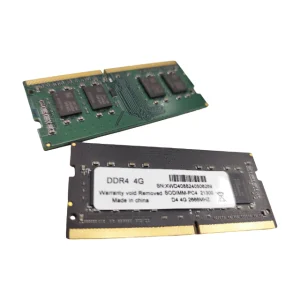
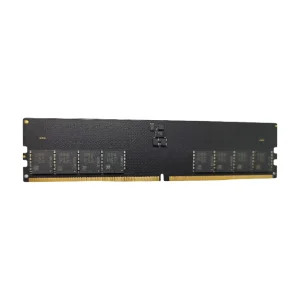
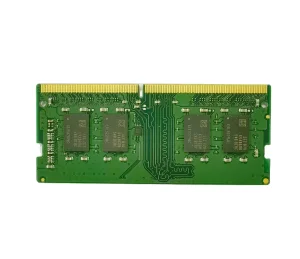
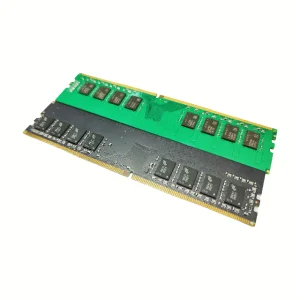
High-stability system memory and processing components to drive advanced control electronics for German automation and sanitization systems.
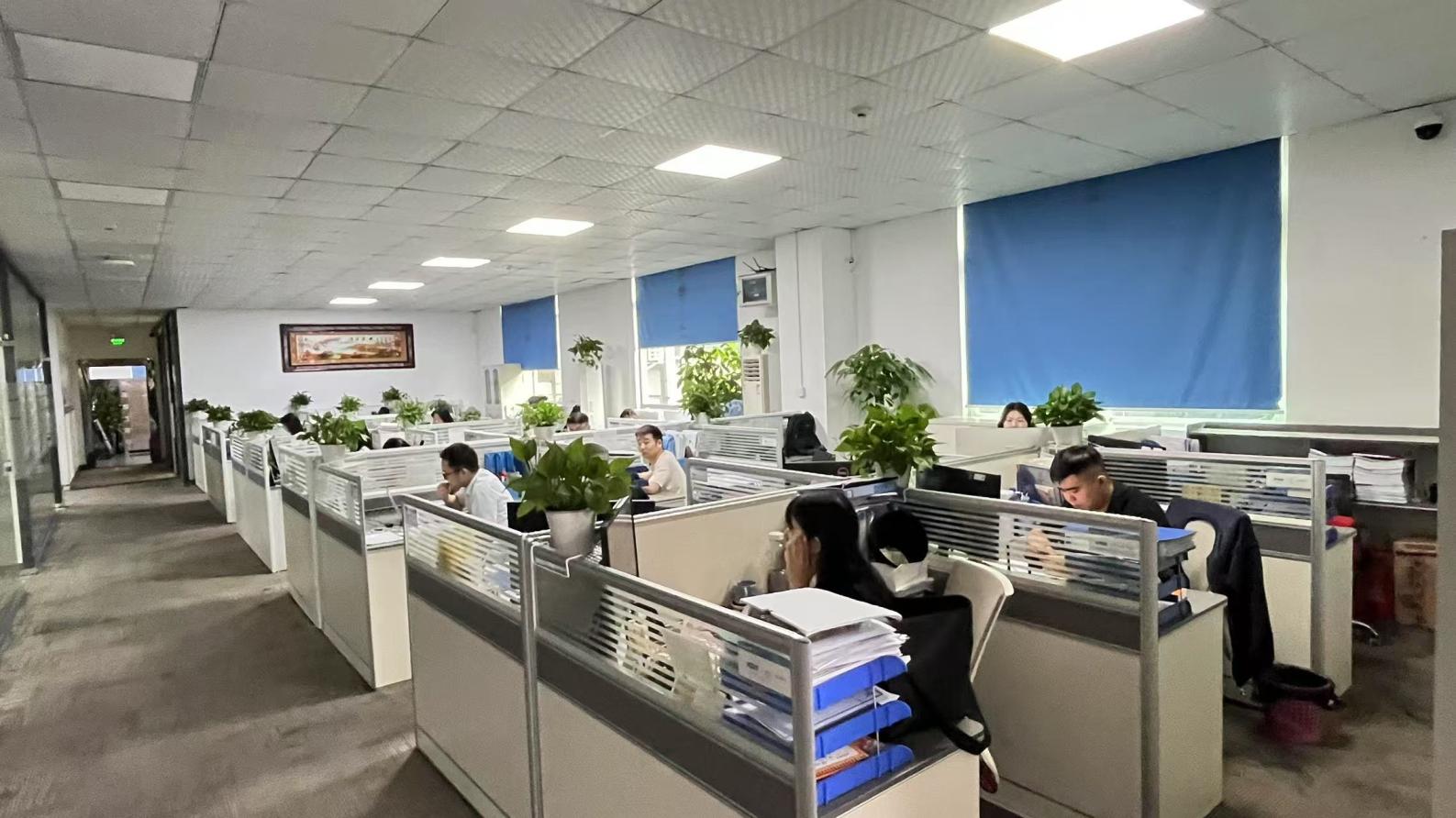
Empowering global system integrators and technology brands with advanced technology, dependable manufacturing, and long-term business partnerships built on quality.
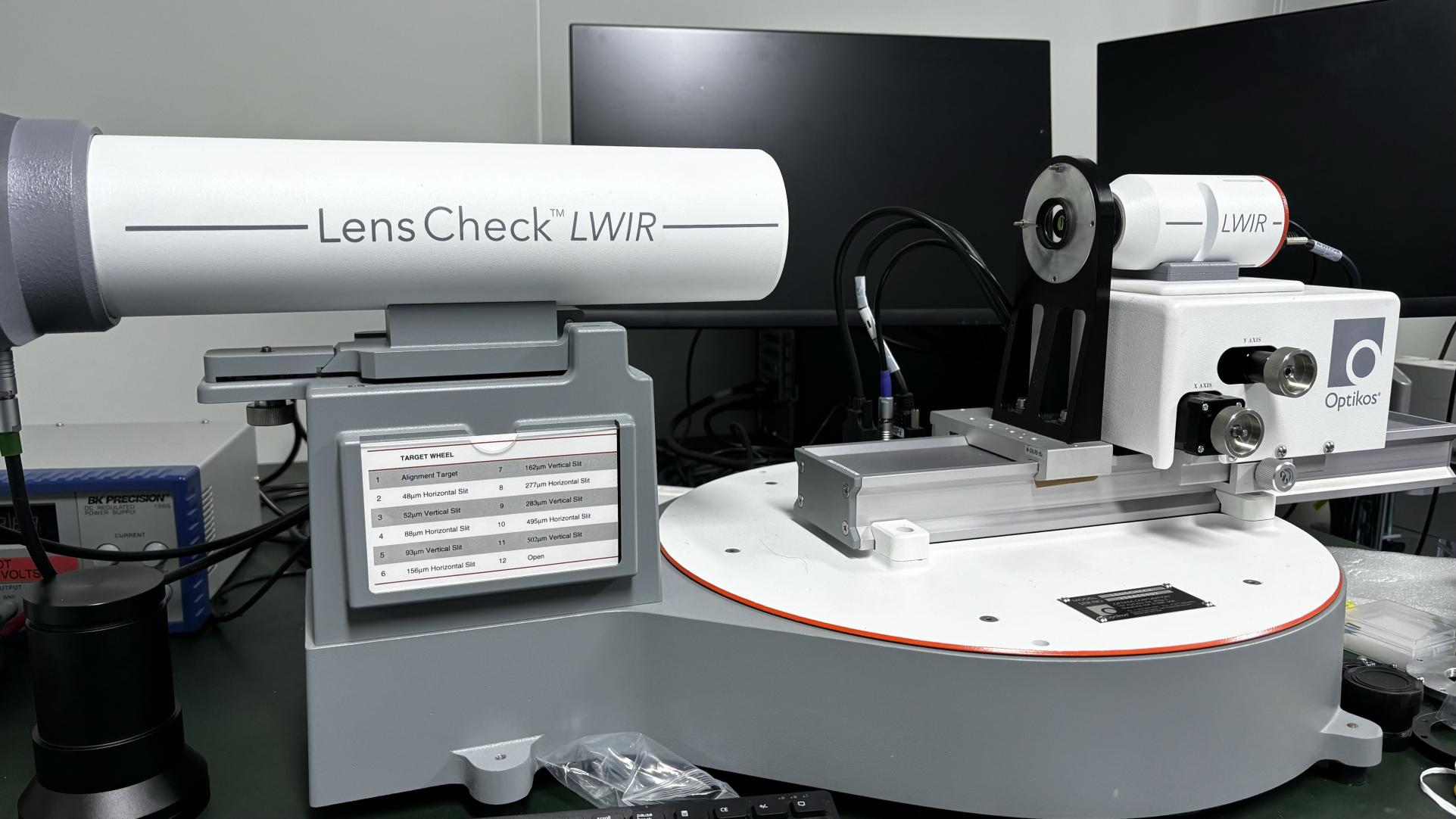
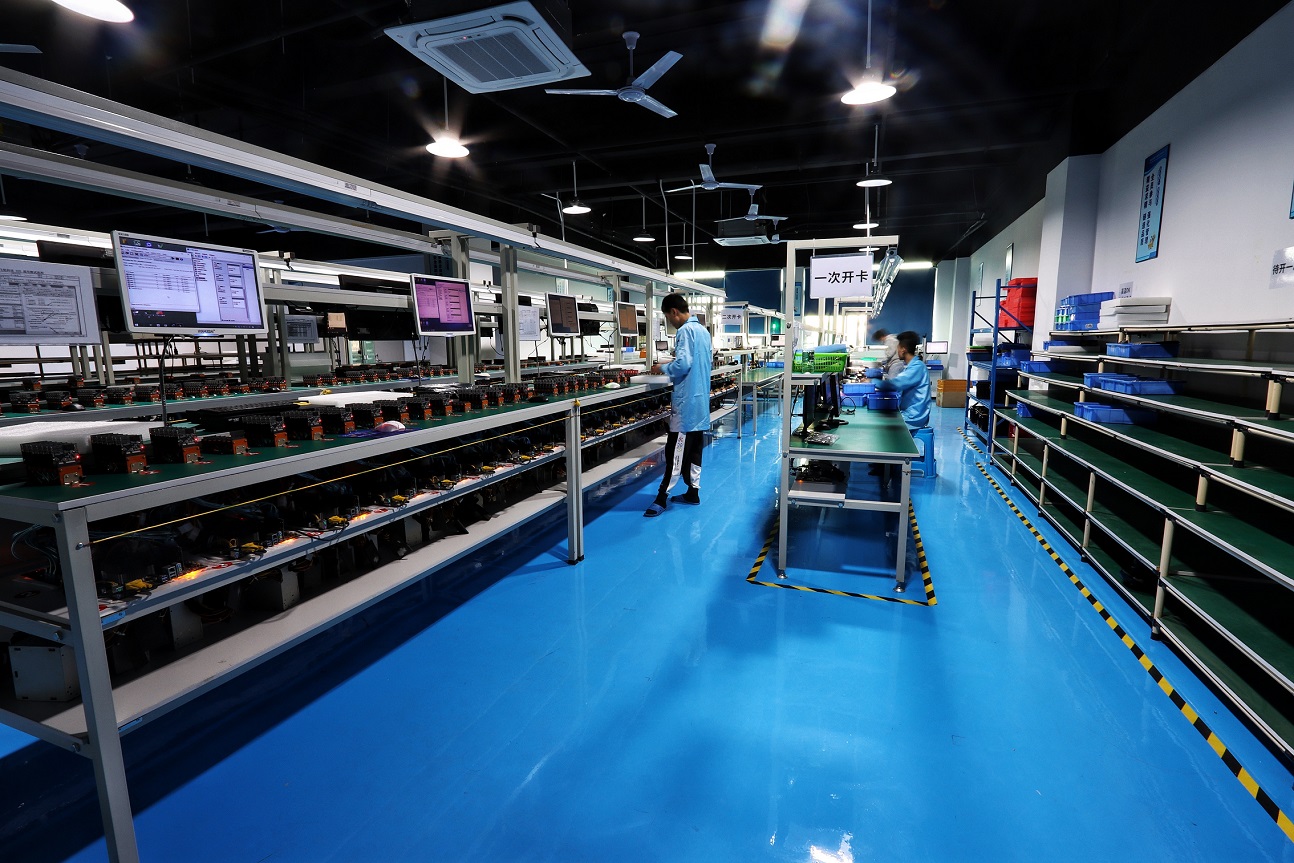
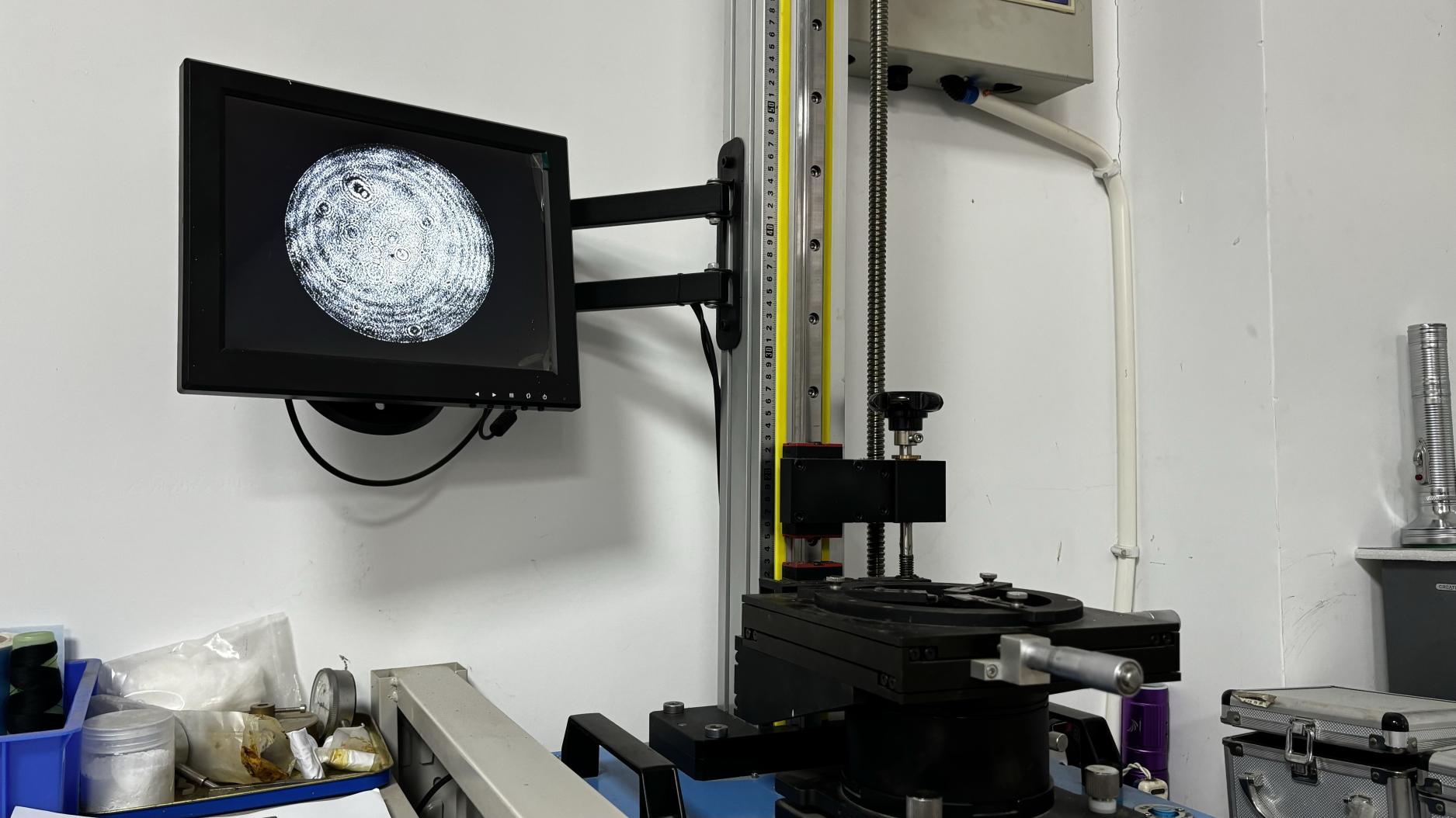
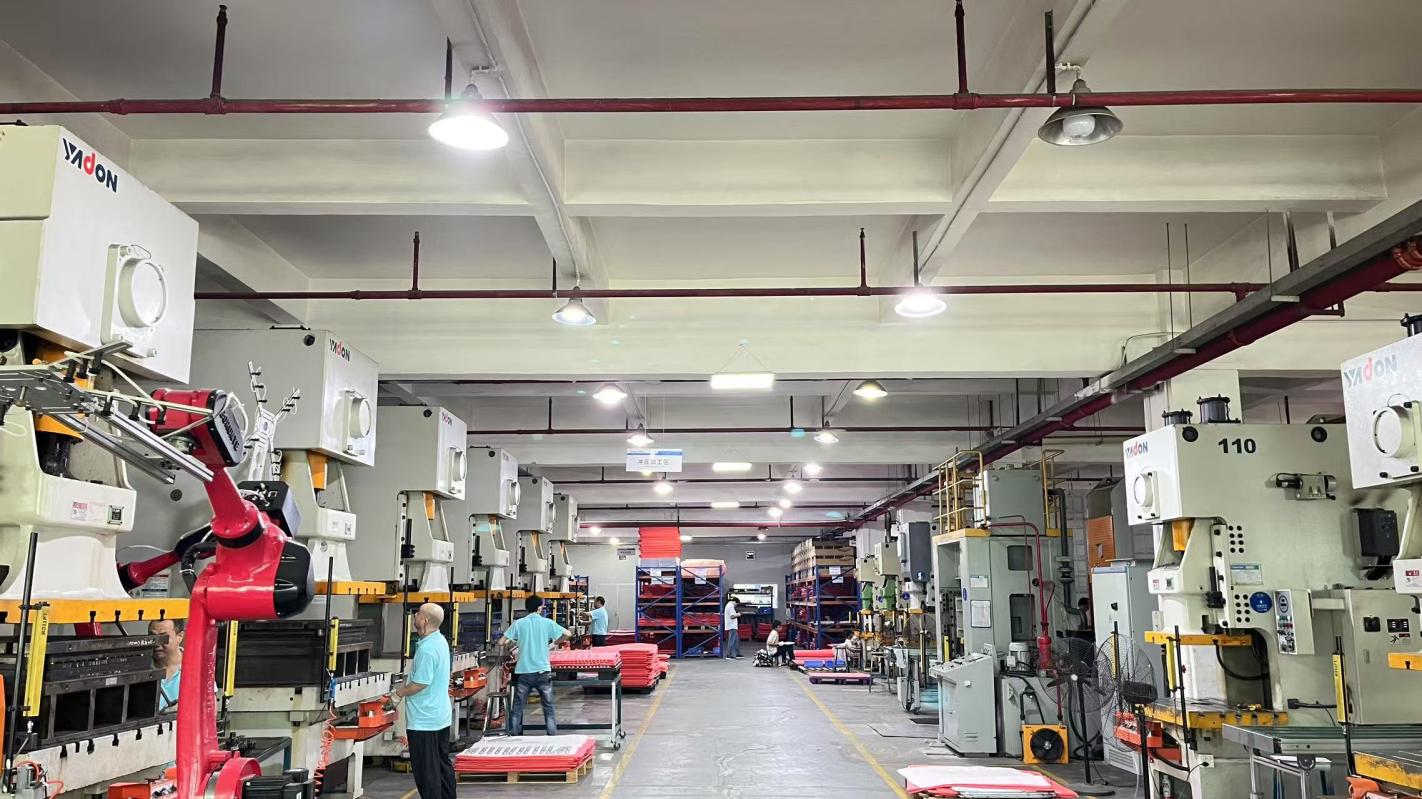
Our modern manufacturing facility covers 368 square meters and is equipped with advanced assembly and testing systems to guarantee high reliability. To ensure strict quality standards, we utilize automated functional verification, dynamic thermal aging chambers, and high-frequency parameter analyzers before dispatch. Under the guidance of our 46 dedicated inspectors, our quality management protocol covers comprehensive raw material control (IQC) through to final dispatch validation (OQC).
With an annual export revenue of over USD 18 million, our global operations reach critical markets across Europe, North America, Southeast Asia, the Middle East, and South America. Supported by 8 years of export experience and 12 years of core industry expertise, we work alongside more than 850 supply chain partners to guarantee stable sourcing, flexible run schedules, and fast delivery to German ports and industrial zones.
Find clear, engineering-level answers to key questions regarding the deployment of 260nm-270nm 3535 UVC LEDs.
The absorption peak of target microbiological DNA/RNA is located precisely between 260nm and 265nm. Wavelengths beyond 280nm have significantly lower germicidal efficiency, demanding higher power inputs and larger footprints to achieve the same Log-reduction sterilization rates.
Because UVC LEDs generate significant heat, they must be mounted on high-conductivity ceramic or metal-core PCBs (MCPCBs) with low thermal resistance (ideally <3.5 K/W). Utilizing specialized T6 aluminum substrates helps draw heat away from the junction, preserving output power and lifetime.
High-energy UVC photons break organic chemical bonds within standard silicone lenses, leading to yellowing, micro-cracking, and severe optical degradation within a few hundred hours. Quartz glass lenses resist this degradation, maintaining stable light transmission throughout the LED's lifetime.
Key standards include CE for electromagnetic compatibility, RoHS/REACH compliance to verify the absence of hazardous substances, and DIN EN 62471 to define human safety classification guidelines against optical hazards.
Yes. Supported by our team of 128 R&D engineers, we provide custom board layout design, specific wavelength binning, private labeling, and custom driver design services for high-power industrial installations.
Connect with our engineering support team to discuss your project requirements, thermal simulation needs, or to request custom substrate prototyping.
Send Inquiry Now