Xeviora
Xeviora
Xeviora
Engineered for high radiant flux, optimal heat dissipation, and strict adherence to European environmental standards. Optimized for the Netherlands agricultural and process industries.
Unlocking clean-tech potential in Dutch horticulture, maritime logistics, and high-purity microelectronics.
The Netherlands, as the world’s leading exporter of agricultural products, is heavily shifting away from chemical pesticides and synthetic disinfectants. Westland greenhouses and research centers, like Wageningen University & Research (WUR), require zero-emission, high-efficiency water recirculation systems. 260nm-270nm 3535 UVC LEDs serve as the core disinfecting element. They eliminate stubborn waterborne phytopathogens such as Pythium, Fusarium, and tobacco mosaic virus (TMV) from reuse water, preventing chemical pollution of Dutch soil and water systems.
Under the European Union's strict RoHS regulations and the Minamata Convention on Mercury, traditional low-pressure mercury lamps are facing aggressive phase-outs. The Dutch market demands instant-on, mercury-free sterilization alternatives. The robust AlN-based 3535 package offers compact, mechanical-shock-resistant, and high-fluence emission that matches the sustainability goals of the Benelux region.
Why 260-270nm wavelength and 3535 packaging represent the ultimate equilibrium of germicidal efficacy and structural longevity.
The germicidal absorption spectrum of DNA and RNA peaks precisely between 260nm and 270nm. In this zone, ultraviolet radiation initiates pyrimidine dimerization, rendering pathogens incapable of replication. At the global scale, the solid-state lighting transition has pushed AlGaN (Aluminum Gallium Nitride) semiconductor crystal growth to new levels of Wall-Plug Efficiency (WPE).
| Parameter Description | Value / Standard Spec | Operational Advantage |
|---|---|---|
| Peak Wavelength | 260nm - 270nm (265nm Typical) | Matches peak absorption of microbial DNA/RNA, maximizing log-reduction efficiency. |
| Package Footprint | 3.5mm x 3.5mm (3535 Form Factor) | High packaging density, fully compatible with automated SMT placement machines. |
| Radiant Flux Output | 3mW - 15mW @ 100mA - 150mA | Delivers high dose rates in compact spaces, cutting reactor size footprints by 60%. |
| Forward Voltage (Vf) | 5.0V - 7.5V | Optimized electrical efficiency, compatible with industrial constant current drivers. |
| Substrate Material | Aluminum Nitride (AlN) Ceramic | Ultra-low thermal resistance (< 8°C/W) ensuring reliable junction temperature control. |
| Lens Type | Quartz Flat Glass / Quartz Dome Lens | Resistant to high-energy UV degradation; maximizes extraction efficiency up to 90%. |
Current R&D focuses on decreasing threading dislocation density in AlGaN epilayers grown on sapphire. The integration of high-temperature annealing (HTA) techniques enables our chips to achieve L70 lifetimes exceeding 15,000 hours under continuous driving currents. This dramatically reduces ownership costs compared to conventional UV tubes for system integrators in Rotterdam and Eindhoven.
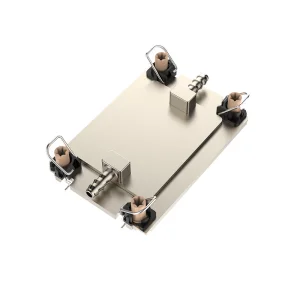
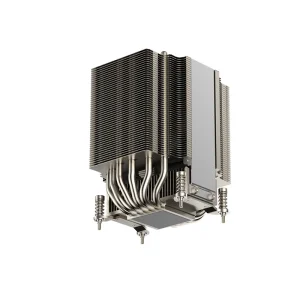
Because UVC LEDs convert up to 95% of energy into heat, heat dissipation is paramount. Discover our dedicated cooling interfaces and control modules.
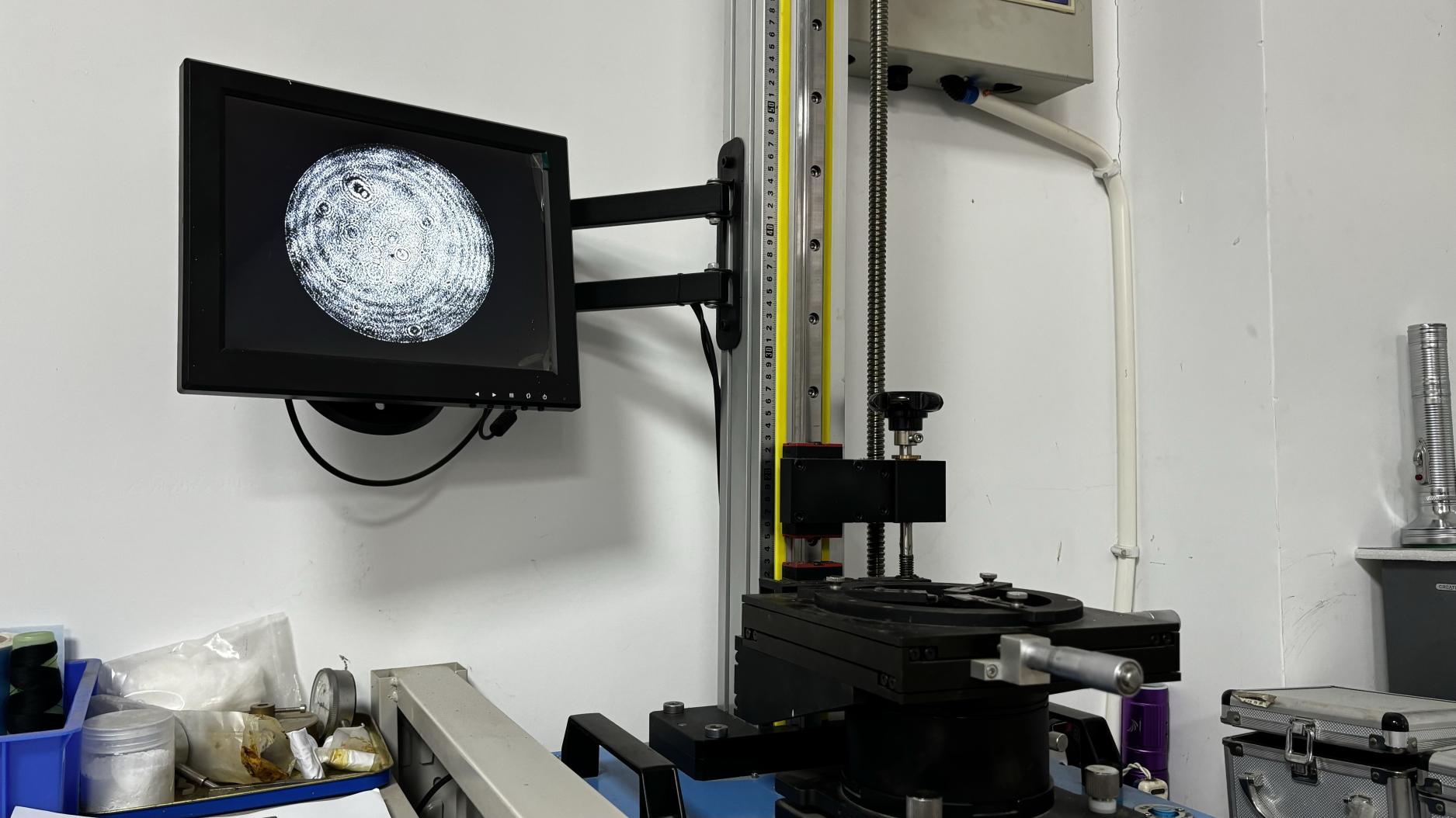
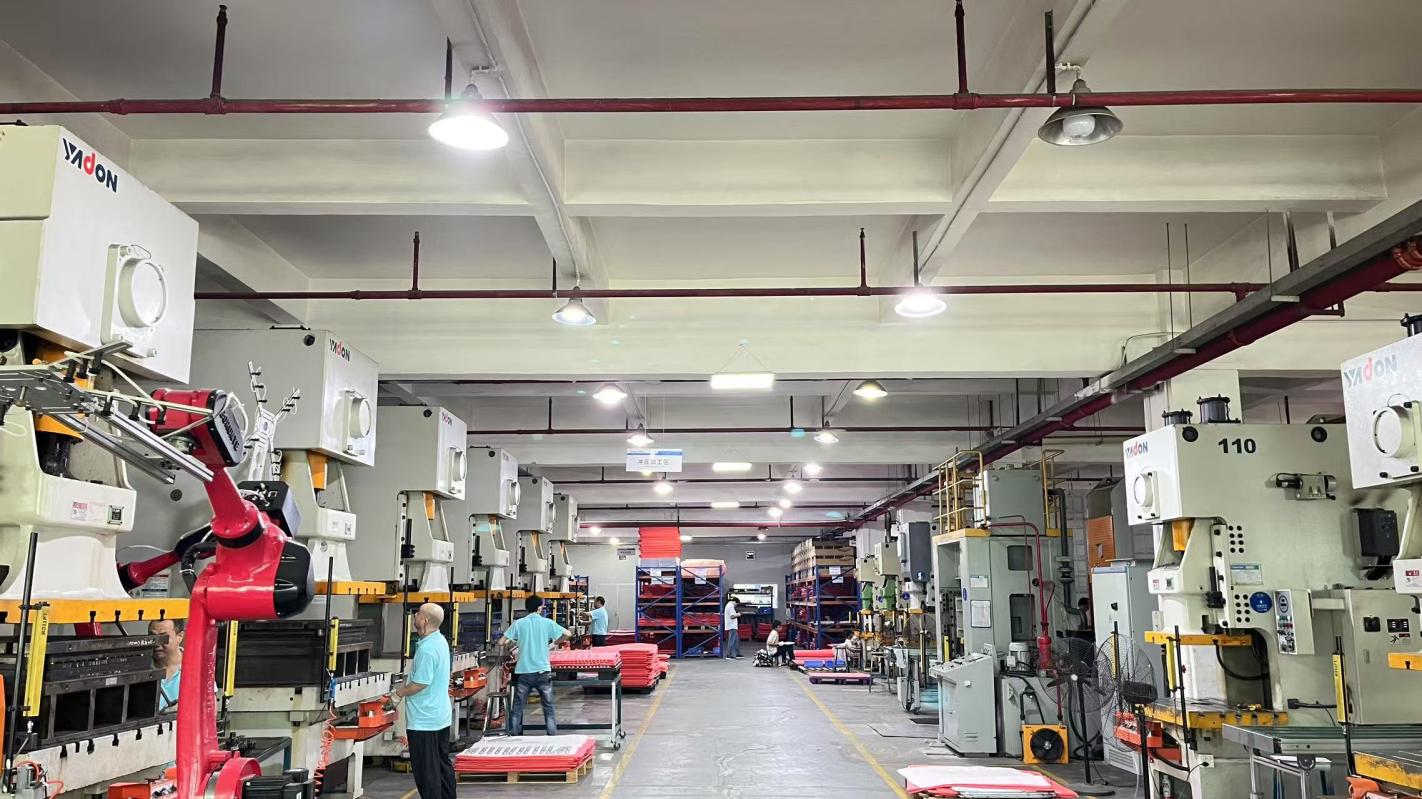
Leveraging high-precision semiconductor assembly lines and SMT technology to manufacture industry-grade UVC LED engines.
Xeviora Memory Technology (China) Co., Ltd. is a professional manufacturer and supplier based in China, specializing in high-performance semiconductor and optoelectronic assembly solutions for industrial, enterprise, and consumer applications. Established in 2017, the company has rapidly grown into a trusted OEM and ODM partner for global distributors, system integrators, and technology brands. Harnessing our deep roots in high-frequency circuit design and precise thermal routing, we deliver robust, reliable UVC LED modules tailored to the rigorous demands of the European market.
Our manufacturing facility covers 368 square meters and is equipped with advanced production and testing equipment to ensure stable quality and reliable performance. With an annual export revenue of over USD 18 million, Xeviora serves customers across North America, Europe, Southeast Asia, the Middle East, and South America.
Backed by 8 years of export experience and 12 years of industry expertise, we are committed to delivering innovative products that meet international quality standards. Our quality management system includes comprehensive incoming material inspection, in-process quality control, and final product testing. All products undergo automated functional testing, compatibility verification, performance validation, and aging tests before shipment. Our quality assurance team consists of 46 dedicated inspectors who ensure every module meets strict reliability requirements.
As a manufacturer with strong OEM and ODM capabilities, Xeviora works closely with more than 850 supply chain partners worldwide, enabling efficient sourcing, flexible production, and fast delivery. Our primary customers include wholesalers, distributors, e-commerce sellers, system builders, brand owners, and enterprise solution providers.
Innovation is at the core of our business. Supported by an experienced R&D team of 128 engineers, we continuously invest in new technologies and product development. Last year alone, we successfully launched 86 new products covering gaming modules, industrial-grade microelectronics, server solutions, and customized deep UV optoelectronic products.
We offer flexible customization services, including private labeling, logo printing, packaging design, specification customization, firmware optimization, and complete OEM/ODM development. Whether customers require standard modules or fully customized solutions, our team is dedicated to providing reliable products, competitive pricing, and professional technical support.
At Xeviora, our mission is to empower global customers with advanced technology, dependable manufacturing, and long-term business partnerships built on quality, innovation, and trust.



Transforming municipal, agricultural, and industrial infrastructure with low-maintenance, high-power UVC solutions.
Dutch law mandates that greenhouse operations recycle almost 100% of their nutrient water. However, water recycling runs the risk of pathogen propagation. Our 260nm-270nm 3535 UVC LED arrays can be mounted inside compact quartz reactors. This setup provides targeted radiation doses to kill pathogenic fungi and viruses, helping operations comply with European zero-runoff regulations without harming crops.
The Eindhoven Brainport region is home to world-class lithography and silicon fabrication operations. These systems require TOC (Total Organic Carbon) reduction and sterilization of ultrapure water (UPW). Using a combination of 260nm and 185nm UV radiation, systems can achieve deep TOC decomposition and disinfection down to the parts-per-trillion level.
Urban farms in cities like Amsterdam and Rotterdam rely on dense vertical racking systems. Air circulation ducts can easily host bacterial colonies. Integrating 3535 UVC LEDs directly into the HVAC intake grids ensures dynamic air disinfection. This eliminates spores and bacteria, leading to a sterile growing environment and longer shelf life for fresh produce.
As the "Gateway to Europe," the Port of Rotterdam handles millions of tons of temperature-controlled food shipments. Safe surface sterilization at low temperatures is crucial to stop cross-contamination. Our UVC LEDs remain highly effective in sub-zero environments, outperforming gas-discharge lamps that suffer from drop-offs in output under cold conditions.
Insights from our application engineers to help you select the ideal wavelength and configuration.
The absorption spectrum of microbial nucleic acids (DNA & RNA) peaks around 260nm-265nm. Within this range, UV light causes adjacent thymine bases in the DNA strand to pair with one another, halting replication. While 280nm still has germicidal capabilities, its efficacy drops off compared to the peak absorption at 265nm. 365nm is in the UVA band and does not directly break down nucleic acids, making it ineffective for rapid sterilization.
Unlike visible LEDs, UVC LEDs convert approximately 95% of their input power into heat. Consequently, thermal management is key to maintaining lifetime performance. System designers should mount UVC LEDs on Metal Core PCBs (MCPCBs) with high thermal conductivity (using AlN substrates, typically >180 W/mK). They should also use active cooling blocks or aluminum heatsinks to keep the junction temperature below 80°C.
While traditional low-pressure mercury lamps can have high initial electrical-to-optical conversion rates, they require warm-up times, contain toxic mercury, and break easily. UVC LEDs offer instant-on control, run on low DC voltages, and can cycle on and off based on system demand. This design choice can reduce overall system energy consumption by up to 50% in variable-flow municipal water systems.
Yes. By using flat quartz glass covers, our LEDs provide a standard 120-degree viewing angle. For deeper water penetration or focused point sterilization, we can integrate dome lenses to narrow the beam angle to 60 degrees or 30 degrees. This concentrates the radiant intensity where it is needed most.
Explore our full range of driving boards, high-power UVC packages, and system components compatible with the Dutch agricultural and industrial markets.
Our technical sales team is ready to assist with design-in support, custom circuit layouts, optical simulations, and direct export services to your facilities in the Netherlands and greater Europe.
Send Inquiry Now