Xeviora
Xeviora
Xeviora
High-speed computing platforms require seamless integration of custom storage units, aluminum PCBs, and high-efficiency CPU cooling architectures to optimize power integrity and eliminate thermal throttling.
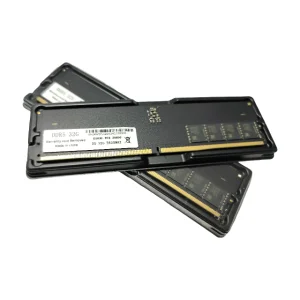
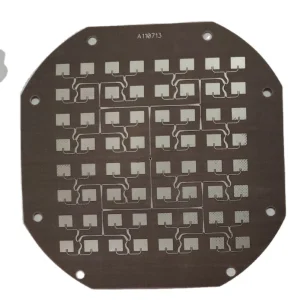
Understanding the evolution of power distribution inside high-performance server architectures and computing platforms.
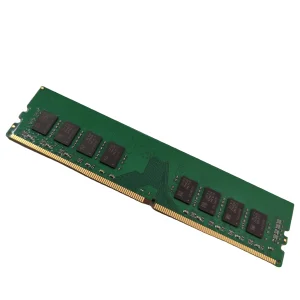
In modern high-speed computing ecosystems, the stability of data transmission is inherently tied to the quality of localized power distribution. Traditionally, voltage regulation was managed by the motherboard's main Voltage Regulator Module (VRM). However, as data rates scale past critical thresholds—such as the transition from DDR4 to DDR5 memory modules—system designers hit a bottleneck known as the "power delivery network (PDN) impedance barrier." This necessitated a fundamental shift in system architecture: placing the Power Management IC (PMIC) directly onto the PCB of the memory module or hardware unit.
By shifting voltage regulation from the motherboard directly onto the memory module DIMM, system designers drastically reduce trace inductance and voltage drop (IR drop), achieving much tighter power regulation under transient load steps. This design shift is essential for handling DDR5 modules, which run at nominal operating voltages as low as 1.1V compared to the 1.2V or 1.5V of legacy systems. The onboard PMIC enables independent voltage rails for the DRAM core, register clock drivers, and I/O buffer circuitry, resulting in higher signal-to-noise ratios (SNR) and lower bit error rates (BER).
At Xeviora Memory Technology (China) Co., Ltd., we understand that power management and high-frequency data integrity are inseparable. Since 2017, our research has focused on how power distribution boards, aluminum substrate PCBs, and advanced heatsinks interface with DDR4 and DDR5 memory modules. We optimize every module's circuitry to support precise power delivery networks, enabling our global partners to run high-performance enterprise workloads with absolute thermal and power reliability.
How chip-level power optimization is changing the landscapes of enterprise, cloud, and edge artificial intelligence systems.
As semiconductor lithography nodes shrink below 3nm, core voltages for AI accelerators and next-generation LPDDR6/DDR5 memory devices are dipping below 1.0V. Modern PMICs must achieve line and load regulation tolerances within +/- 0.5% to prevent clock jitter and logic state degradation under high dynamic load swings.
Legacy systems relied on standard I2C buses, but next-gen PMICs are utilizing the high-speed I3C bus interface. This enables real-time reporting of telemetry data—including board temperature, current consumption, and output voltages. System management controllers can dynamically scale output voltages in real time to match system performance needs.
Placing power conversion stages (inductors and MOSFETs) in close proximity to logic chips leads to concentrated heat pockets. Advanced PMICs now use thermally enhanced packages (such as QFN or WLCSP with exposed pads) that route heat into high-conductivity substrates, like aluminum PCBs, to optimize heat flow away from the silicon die.
How system builders and enterprise buyers minimize risk and guarantee long-term component availability.
In an era marked by shifting trade relationships, geopolitical barriers, and unpredictable lead times for microelectronic substrates, global enterprise buyers must adopt robust procurement strategies. Sourcing high-performance hardware, like memory modules and high-speed printed circuits, requires more than just checking spec sheets. It demands verifying that a manufacturing partner has deep supply-chain integrations, automated quality inspection processes, and sufficient raw material reserves.
At Xeviora, we address these procurement challenges through our strategic location in the industrial hub of China, enabling close partnerships with over 850 supply chain partners worldwide. This extensive network ensures that we can secure high-grade silicon wafers, PCB substrates (such as Taconic TLY-5 series), and thermal components even during global shortages. Backed by 8 years of export experience and a 368-square-meter facility with highly optimized assembly lines, we maintain short lead times and flexible production scaling.
For systems integrators and enterprise buyers, partnering with a supplier that offers full OEM/ODM customization is crucial. We support private labeling, custom firmware profiles (such as optimized Serial Presence Detect - SPD tables on DDR5 memory modules), specialized substrate layers, and customized thermal cooling brackets. This flexibility ensures that the memory modules and thermal sinks you purchase fit perfectly into your proprietary chassis or server racks, streamlining integration and shortening your time-to-market.
Integrating state-of-the-art power PCB designs with mechanical thermal architecture for reliable high-speed computing.
Deploying high-density server racks creates two major challenges: managing steep dynamic current steps and dissipating excessive heat. When multi-core processors load complex databases or run AI inference cycles, their current consumption can surge from a few amperes to hundreds of amperes in nanoseconds. Without localized, high-speed power conversion and high-thermal-conductivity substrates, this rapid load change can cause significant voltage drops, leading to system hangs, data corruption, or physical wear on electronic components.
To address these challenges, our engineering team offers a comprehensive hardware solution:
Our commitment to international certifications and strict testing protocols to guarantee dependable performance.
To meet the strict entry requirements of North American, European, and East Asian markets, every product must comply with key safety and environmental standards. We ensure all our memory modules, server heat sinks, and customized PCBs carry the certifications necessary for smooth customs clearance and compliant commercial deployment, including CE, FCC, and RoHS.
Our quality assurance workflow features a rigorous 3-step testing protocol led by our 46 dedicated QA inspectors:
Our development timeline for next-generation power delivery architectures and memory systems.
Deploying high-speed DDR5 memory modules running up to 6400MHz. Integrating smart onboard PMICs that feature auto-voltage scaling and high-speed telemetry monitoring for enterprise environments.
Optimizing sub-1.0V voltage rails for low-power operation. Launching integrated 3D heat sinks and high-frequency Taconic PCB designs to keep thermal levels stable during intense computing tasks.
Expanding high-density architectures (including 64GB and 96GB module variants). Utilizing I3C bus systems for real-time telemetry diagnostics, optimizing power and performance across large server networks.
Expert answers to common technical and engineering questions about next-generation memory and system designs.
Shifting the Power Management IC (PMIC) onto the DDR5 module reduces the distance between the voltage regulator and the memory chips. This shorter distance minimizes path resistance and noise, allowing for stable power delivery at lower voltages (1.1V for DDR5 versus 1.2V/1.5V for DDR4) and ensuring reliable performance during rapid shifts in workload demand.
The Taconic TLY-5 (0.254mm) substrate features a low dielectric constant and minimal dielectric loss. This ensures that high-speed data signals maintain their shape and strength, preventing crosstalk and signal leakage even when routing traces close to high-current power lines on the board.
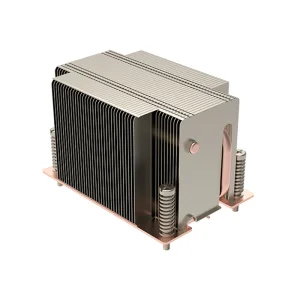
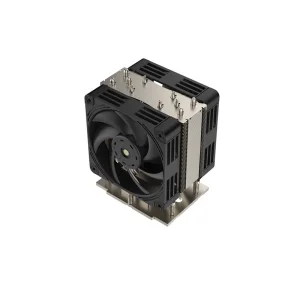
Because the PMIC performs voltage conversion directly on the memory module, it generates localized heat. Without adequate cooling—such as copper/aluminum heat sinks or server coolers—the PMIC can overheat, causing the module to throttle its speed or drop connections to protect components. Keeping operating temperatures low ensures consistent, high-speed data flow.
All modules undergo automated optical inspection during assembly, followed by long-duration burn-in cycles in thermal chambers. Finally, our QA team runs functional validation tests across various server motherboards to ensure complete compatibility and stability before components ship.
Yes. We provide complete OEM/ODM customization services. This includes optimizing memory firmware (SPD settings) for specific enterprise chips, customizing layout dimensions on high-performance PCBs, and modifying cooling mounts (like the SP5 or LGA4677 heatsinks) to match unique chassis layouts.
From server cooling accessories and custom aluminum PCBs to high-density DDR4/DDR5 memory modules, we deliver reliable solutions for modern enterprise setups.
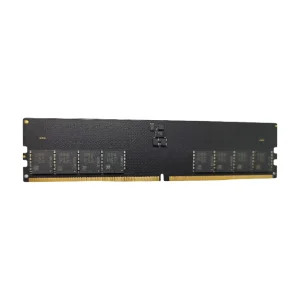
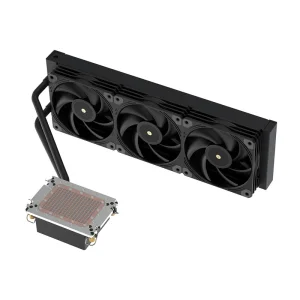
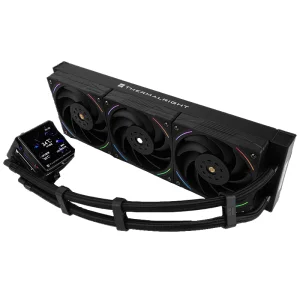
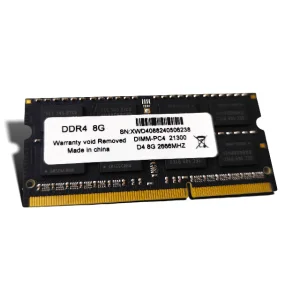
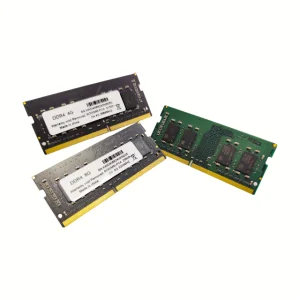
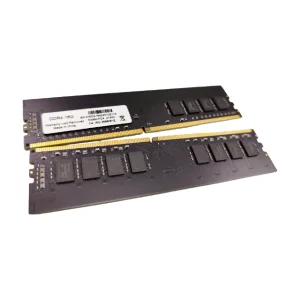
A premier manufacturer and supplier specializing in high-performance memory modules and customized hardware setups.
Xeviora Memory Technology (China) Co., Ltd. is a professional DDR5 memory manufacturer and supplier based in China, specializing in high-performance RAM solutions for gaming, industrial, enterprise, and consumer applications. Established in 2017, the company has rapidly grown into a trusted OEM and ODM partner for global distributors, system integrators, and technology brands.
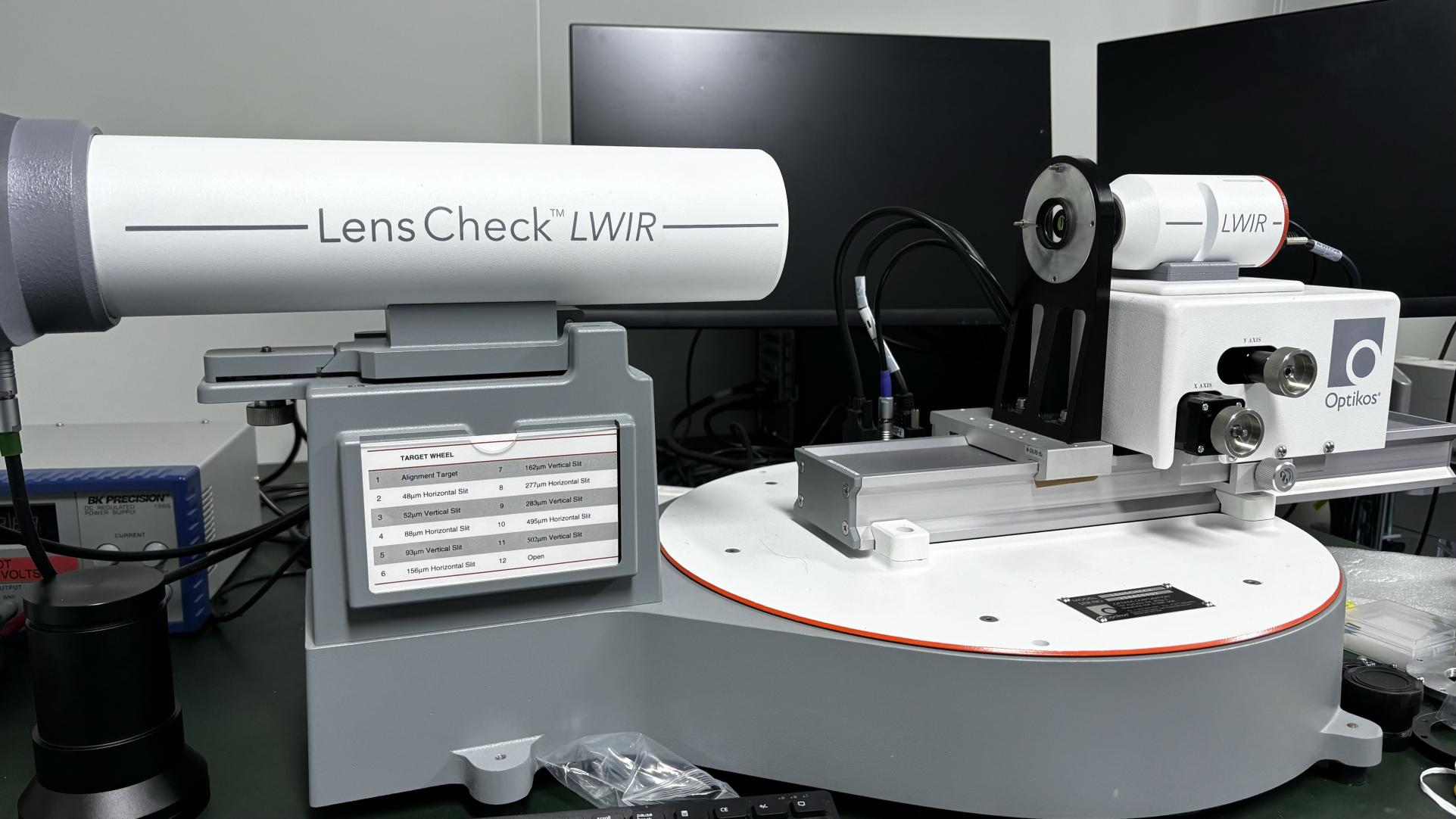
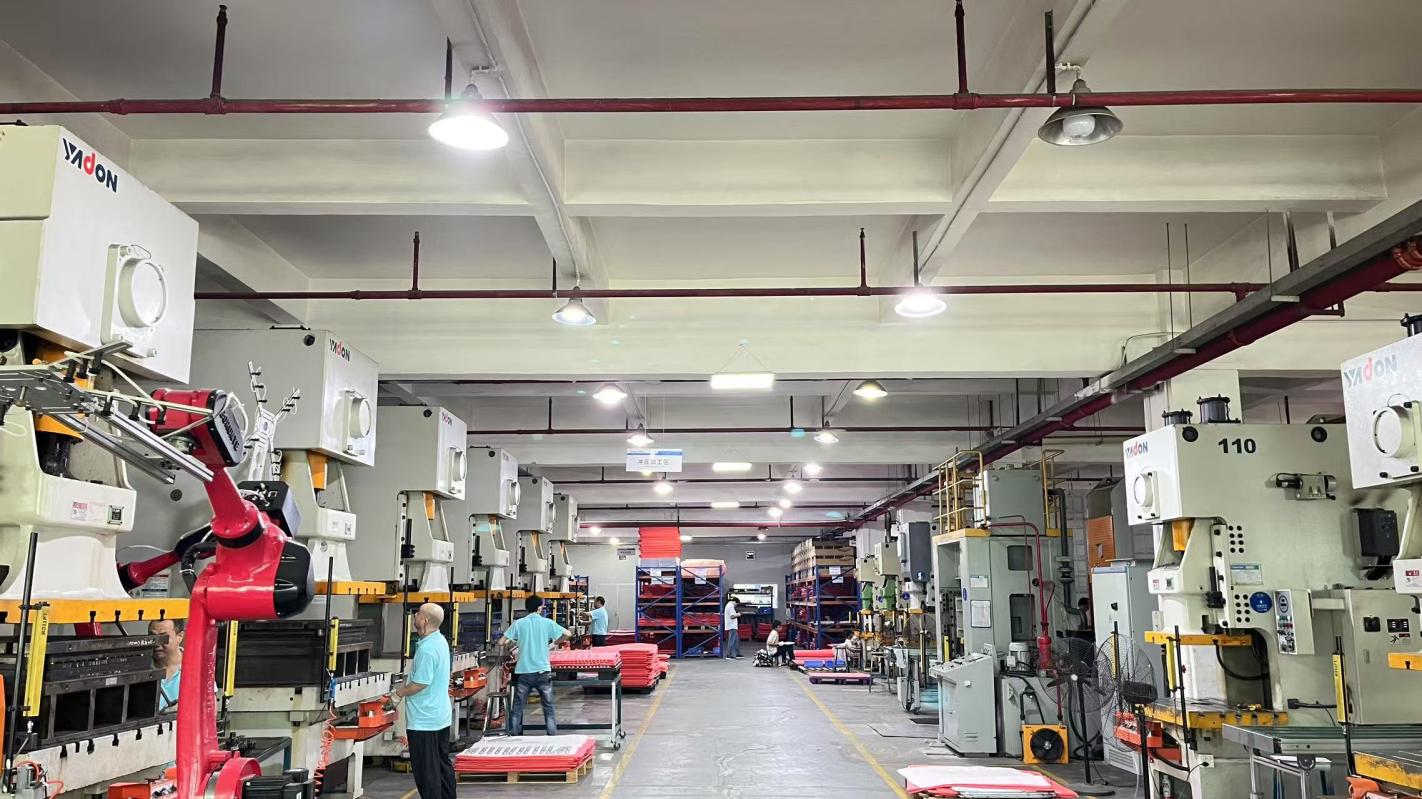
Our manufacturing facility covers 368 square meters and is equipped with advanced production and testing equipment to ensure stable quality and reliable performance. With an annual export revenue of over USD 18 million, Xeviora serves customers across North America, Europe, Southeast Asia, the Middle East, and South America.
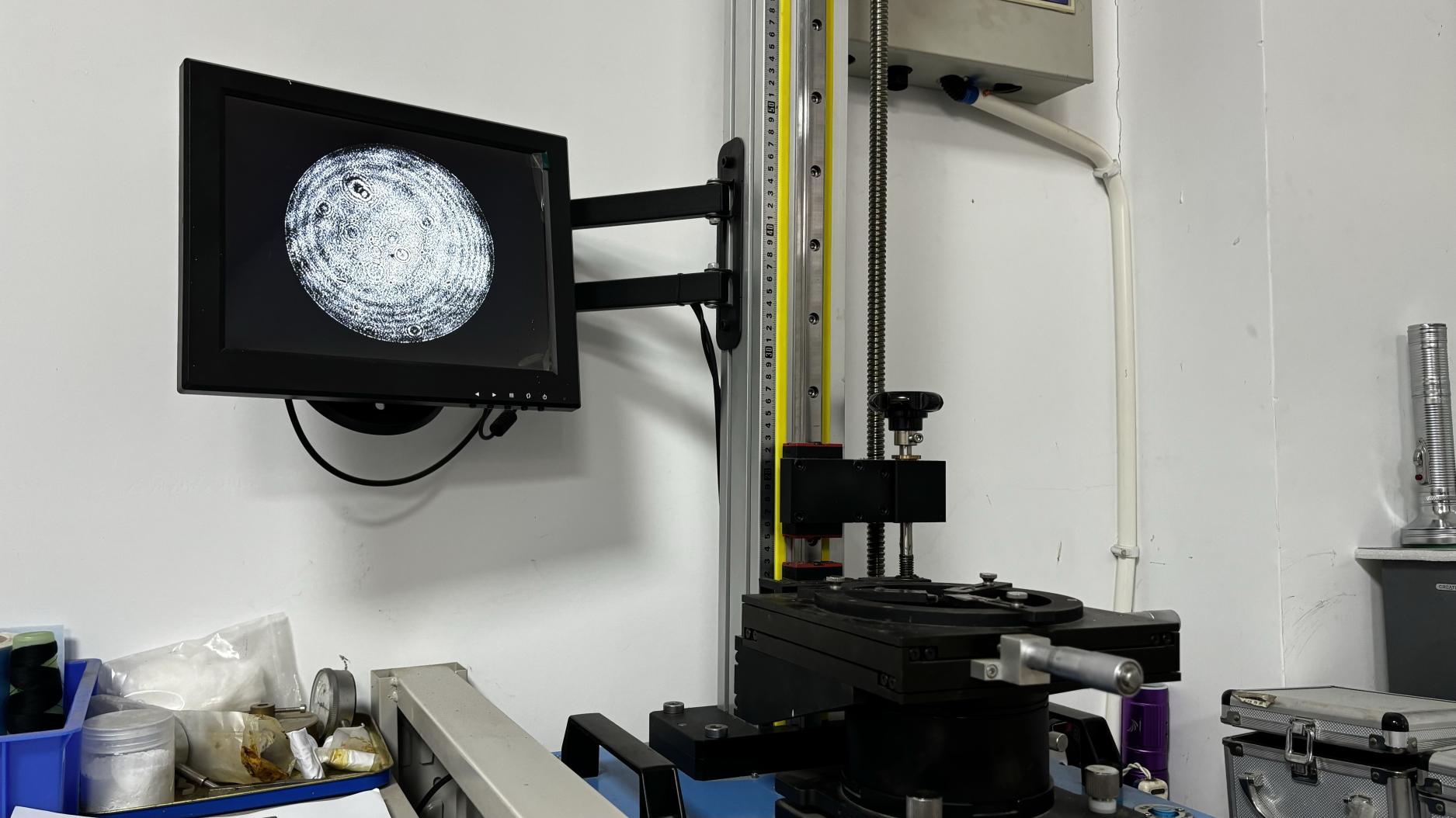
Backed by 8 years of export experience and 12 years of industry expertise, we are committed to delivering innovative memory products that meet international quality standards. Our quality management system includes comprehensive incoming material inspection, in-process quality control, and final product testing. All products undergo automated functional testing, compatibility verification, performance validation, and aging tests before shipment. Our quality assurance team consists of 46 dedicated inspectors who ensure every module meets strict reliability requirements.
As a manufacturer with strong OEM and ODM capabilities, Xeviora works closely with more than 850 supply chain partners worldwide, enabling efficient sourcing, flexible production, and fast delivery. Our primary customers include wholesalers, distributors, e-commerce sellers, system builders, brand owners, and enterprise solution providers.
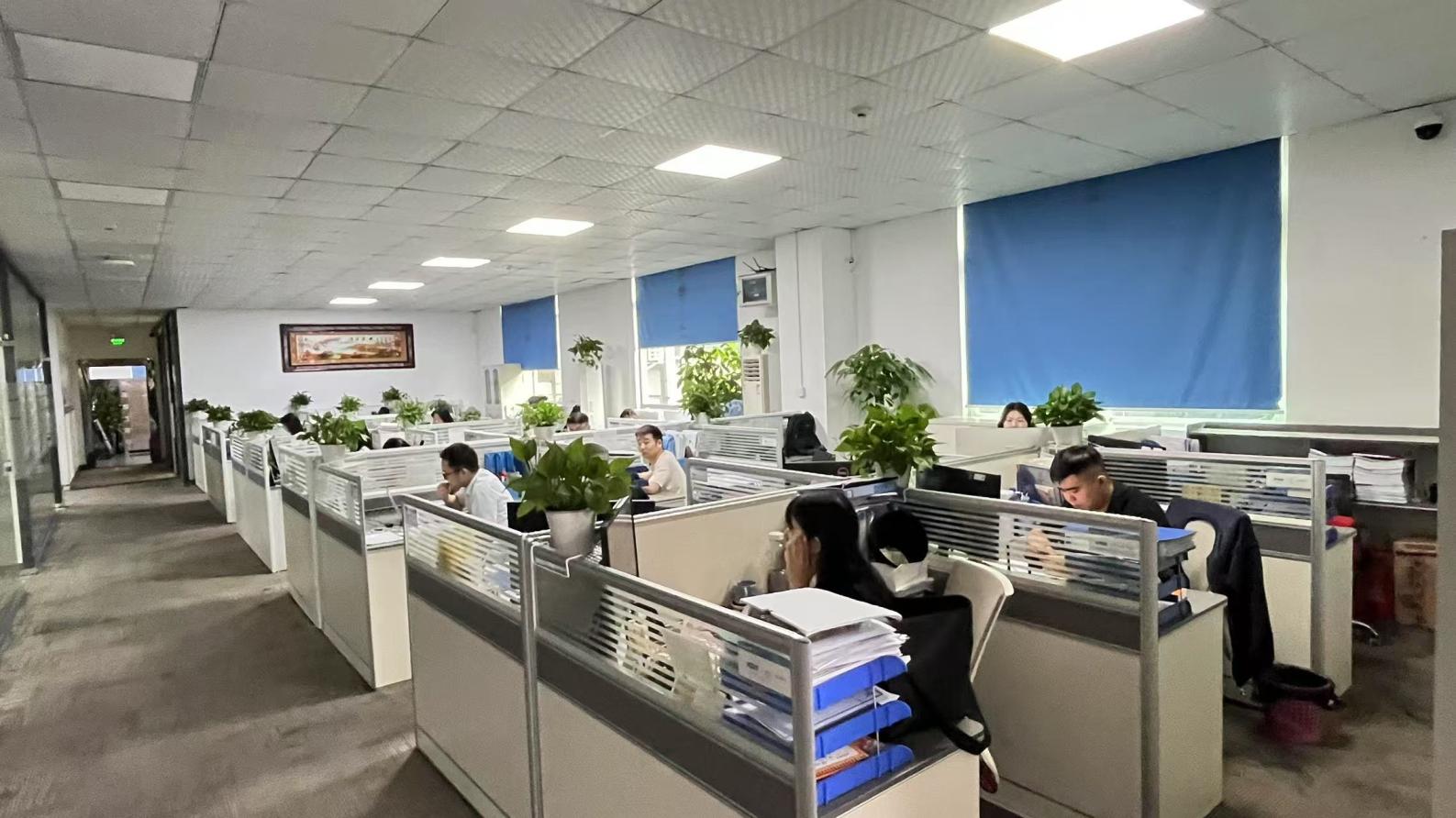
Innovation is at the core of our business. Supported by an experienced R&D team of 128 engineers, we continuously invest in new technologies and product development. Last year alone, we successfully launched 86 new memory products covering DDR5 gaming memory, industrial-grade memory modules, server memory solutions, and customized storage products.
We offer flexible customization services, including private labeling, logo printing, packaging design, specification customization, firmware optimization, and complete OEM/ODM development. Whether customers require standard memory modules or fully customized solutions, our team is dedicated to providing reliable products, competitive pricing, and professional technical support.
At Xeviora, our mission is to empower global customers with advanced memory technology, dependable manufacturing, and long-term business partnerships built on quality, innovation, and trust.