 Xeviora
Xeviora
Xeviora
Explore our flagship high-frequency substrates, thermal solutions, and enterprise memory architectures engineered for high-bandwidth commercial operations.
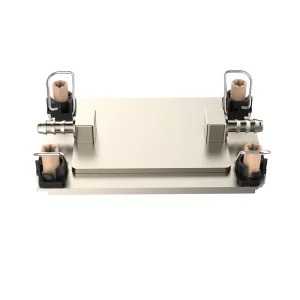
Igh Performance 1U Copper LGA4677 400W Water Cooler Block LGA4189 Liquid CPU Cooler Server Processor
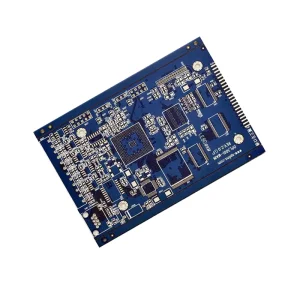
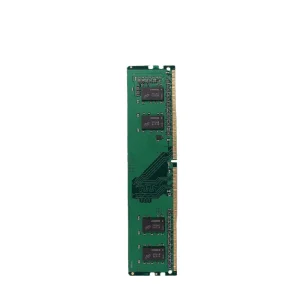
Top Quality Computer Desktop Memoria Ram 8gb DDR4 4GB RAM DDR4 16GB 8GB RAM DDR4
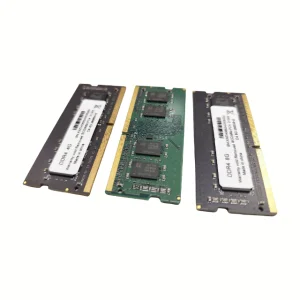
Wholesale DDR4 Desktop Memory Module RAM 4GB 8GB 1600MHz 2666mHz 2400MHz 3200MHz
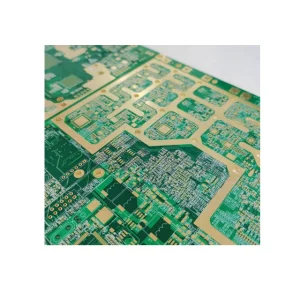
TOP PCB High frequency board pcb Shengyi FR4 High TG170 Rogers 4000 Mixed Pressure
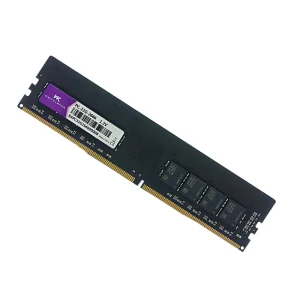
Hot Selling Desktop DDR4 PC4 ECC 32GB 2666MHz/3200MHz RAM in Stock
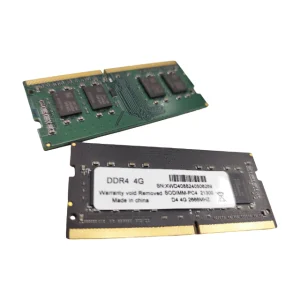
Factory Direct LAPTOP Memory Module RAM DDR4 4GB 8GB 1600MHz 2666mHz 2400MHz 3200MHz
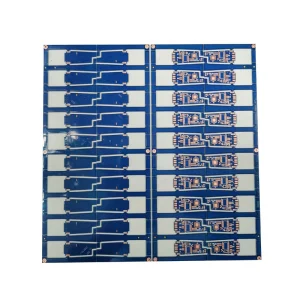
Demystifying raw signal dynamics, interface specifications, and manufacturing criteria for enterprise buyers.
The transition from legacy HDMI standards to HDMI 2.1b (48 Gbps) demands uncompromising dielectric materials and micro-interval structural tolerance. High-speed signals are vulnerable to attenuation, which makes factory-level physical testing critical for signal validation.
Over distances exceeding 5 meters, copper lines face physical limits. Active Optical Cables (AOC) utilize optical transceiver chips embedded within the connector shell to convert electronic signals to light, assuring zero electromagnetic interference (EMI).
Procuring from factories certified by the HDMI Forum ensures that cables pass official Compliance Test Specifications (CTS). Unlicensed cables risk system latency, color space mismatches, and compliance failures in commercial installs.
Modern high-speed HDMI cables, especially Active Optical Cables (AOC) and high-bandwidth copper assemblies, are no longer simple conduits of wire. They are integrated electro-optical assemblies. Inside the head of every premium HDMI 2.1 cable lies a sub-miniature circuit board (PCB) tasked with impedance matching, active equalization, and optoelectronic conversion. This is where Xeviora Memory Technology's foundation in high-frequency multilayer Rogers PCBs and precision SMT processing directly translates into industry-leading cable manufacturing.
By applying the same engineering standards used for DDR5 server memory modules and thermal management systems (such as high-performance copper water blocks and heavy-duty 320W heatsinks), we ensure that our active cable modules display unparalleled signal integrity and thermal efficiency under constant load. The heat dissipation methodologies perfected in our cooling systems protect active components within HDMI connectors from thermal throttling, extending the operational lifespan of the cable in high-density rack configurations.
| HDMI Version / Spec | Max Bandwidth | Max Resolution Support | Primary Cable Type | Key Industrial Application |
|---|---|---|---|---|
| HDMI 1.4 | 10.2 Gbps | 4K @ 30Hz | Standard Copper (OFC) | Legacy Digital Signage, Commercial Displays |
| HDMI 2.0 / a/b | 18.0 Gbps | 4K @ 60Hz | Premium Copper / Entry AOC | Corporate Boardrooms, Education, Retail Hubs |
| HDMI 2.1 / b | 48.0 Gbps | 8K @ 60Hz / 4K @ 120Hz | Active Optical (AOC) / Ultra High Speed Copper | Medical Imaging, Control Rooms, VR/AR, High-End Gaming |
Combining raw manufacturing scale with advanced structural quality control.
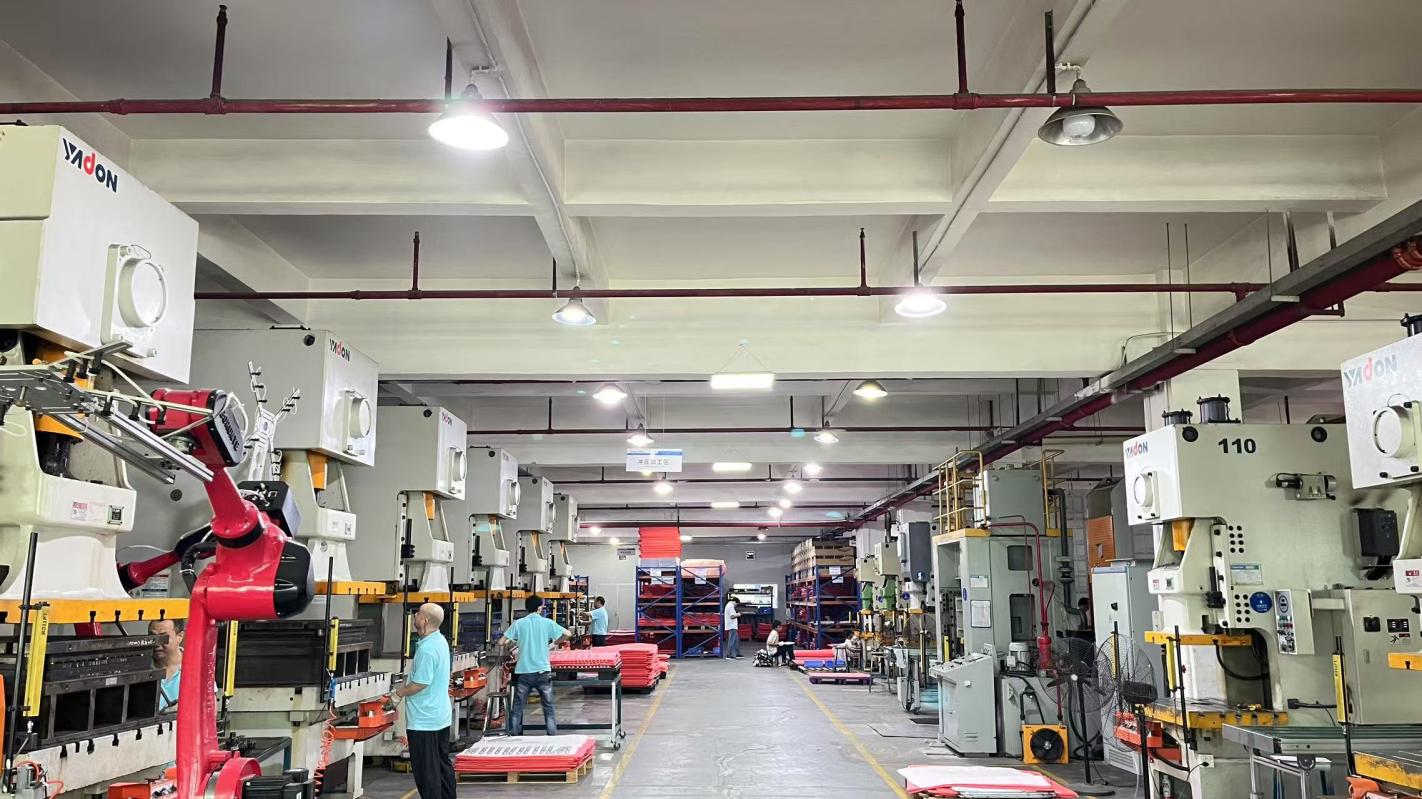
Xeviora Memory Technology (China) Co., Ltd. is a professional manufacturer and supplier based in China, specializing in high-performance electronics and high-speed data transmission solutions. Established in 2017, the company has rapidly grown into a trusted OEM and ODM partner for global distributors, system integrators, and technology brands.
Our state-of-the-art facility is equipped with advanced production and testing equipment to ensure stable quality and reliable performance. With an annual export revenue of over USD 18 million, Xeviora serves customers across North America, Europe, Southeast Asia, the Middle East, and South America.
Backed by 8 years of export experience and 12 years of industry expertise, we are committed to delivering innovative products that meet strict international quality standards. Our comprehensive quality management system includes rigorous incoming material inspection, in-process quality control, and final product testing. All products undergo automated functional testing, compatibility verification, performance validation, and thermal aging tests before shipment. Our quality assurance team consists of 46 dedicated inspectors who ensure every module meets strict reliability requirements.
As a manufacturer with strong OEM and ODM capabilities, Xeviora works closely with more than 850 supply chain partners worldwide, enabling efficient raw material sourcing, flexible production runs, and rapid global delivery. Innovation is at the core of our business: supported by an experienced R&D team of 128 engineers, we continuously invest in high-frequency engineering. Last year alone, we successfully launched 86 new high-performance products covering advanced signal converters, server memory modules, custom thermal architectures, and high-density PCB designs.
Deploying zero-latency high-bandwidth interconnects across complex enterprise environments.
High-resolution endoscopy and real-time surgical imaging require absolute fidelity. HDMI AOCs carry lossless 4K/8K visual feeds from surgical cameras to monitors without latency, ensuring medical professionals have exact visual data during critical operations.
Multi-screen video walls in control centers operate continuously. Using high-frequency active HDMI links ensures stable, long-distance signal routing from centralized servers without electromagnetic interference from power lines.
Large commercial shopping venues and hospitality spaces route content from media players located hundreds of feet away. AOC HDMI assemblies eliminate signal dropouts and color degradation across long cabling routes.
Our engineering checks guarantee physical durability and electrical performance before shipping.
Every HDMI cable assembly and high-frequency module manufactured undergoes a strict verification process. This includes eye-diagram testing to verify jitter levels, and TDR (Time Domain Reflectometry) to identify impedance mismatches along the copper trace. For active cables, the optoelectronic conversion chips are tested under elevated thermal conditions matching the environments of server rooms.
Additionally, mechanical stress tests check structural stability. Cables undergo cyclic bend tests, tensile strength tests, and gold-plating thickness verification on the connectors to prevent corrosion-induced signal loss over years of field deployment.
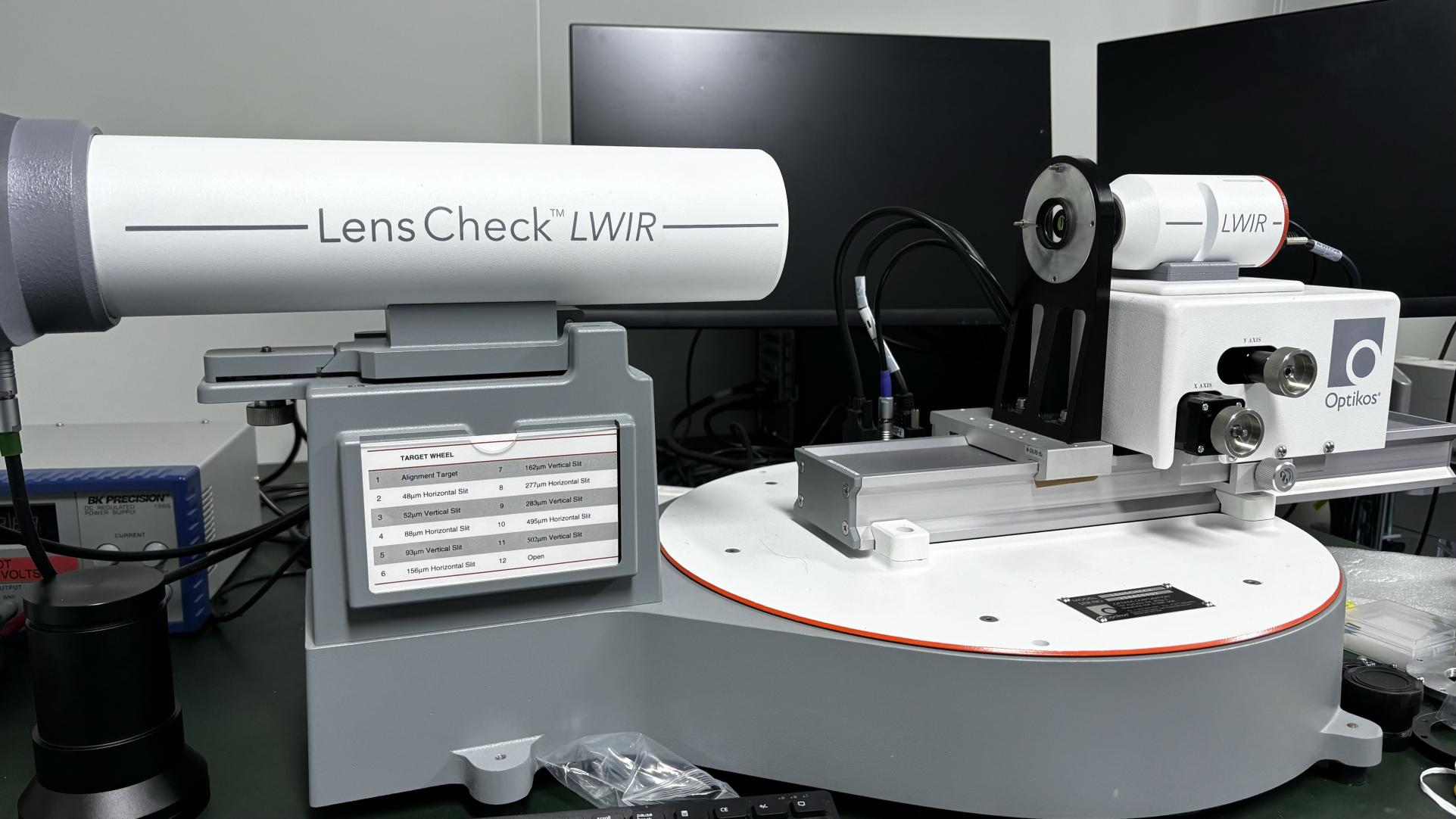
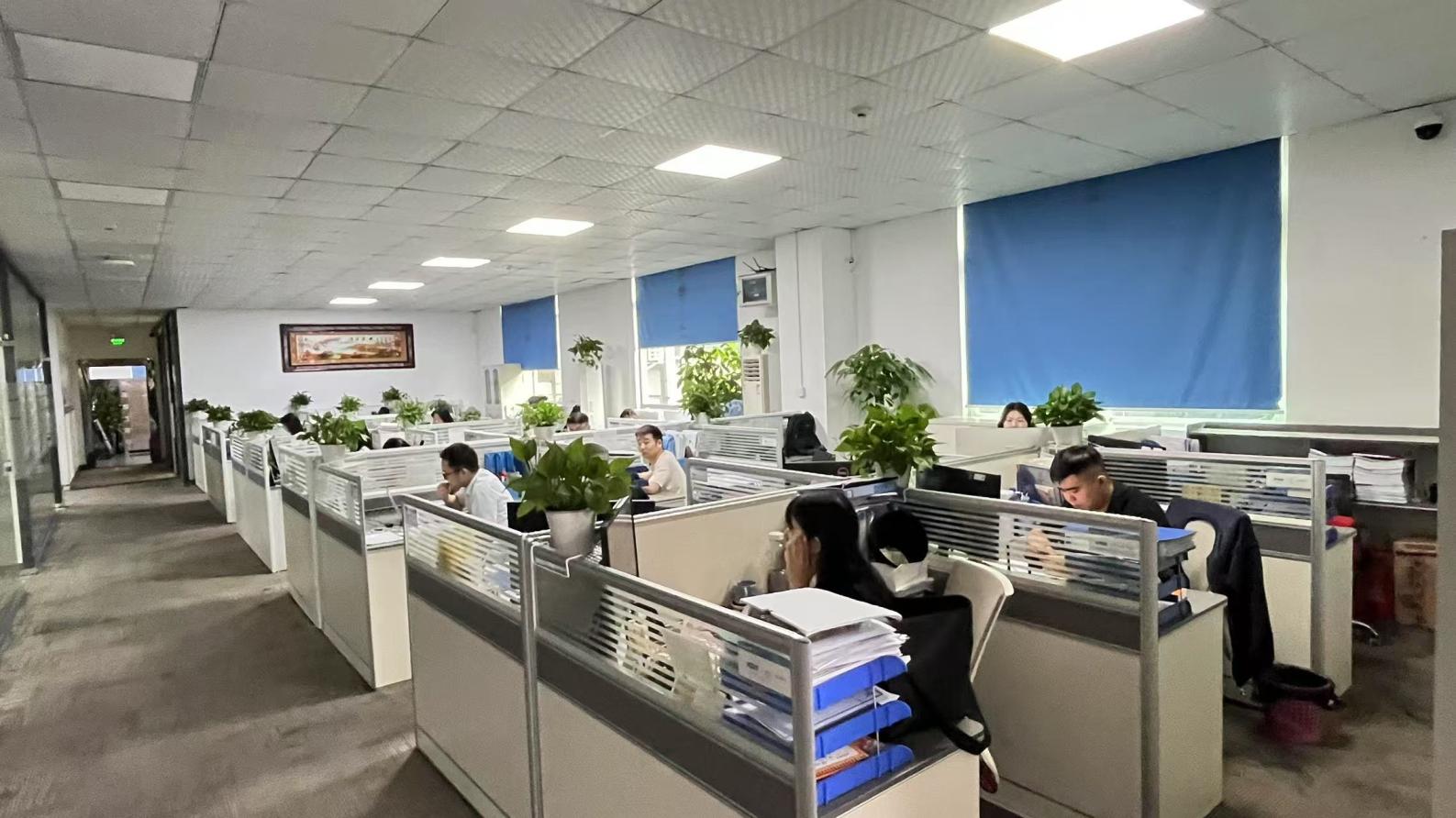
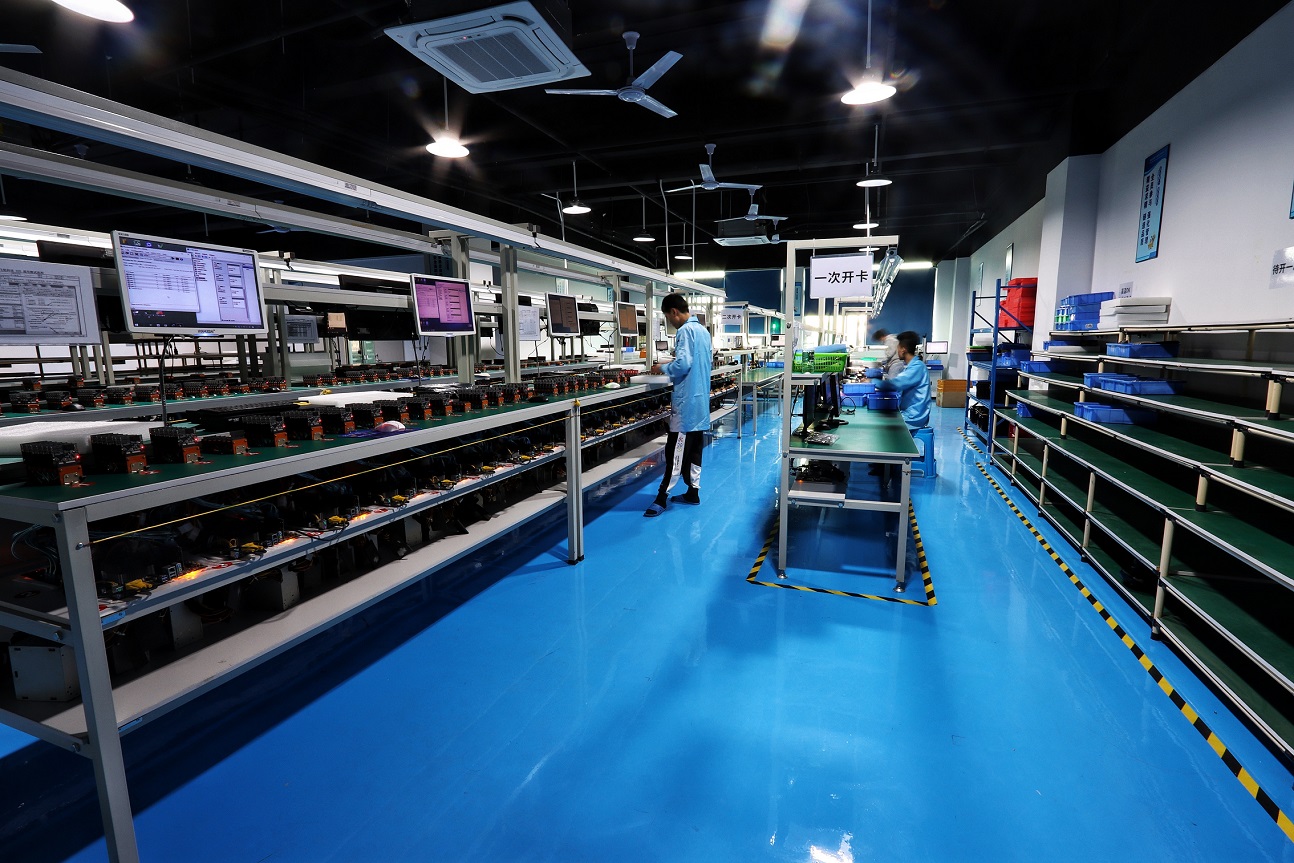
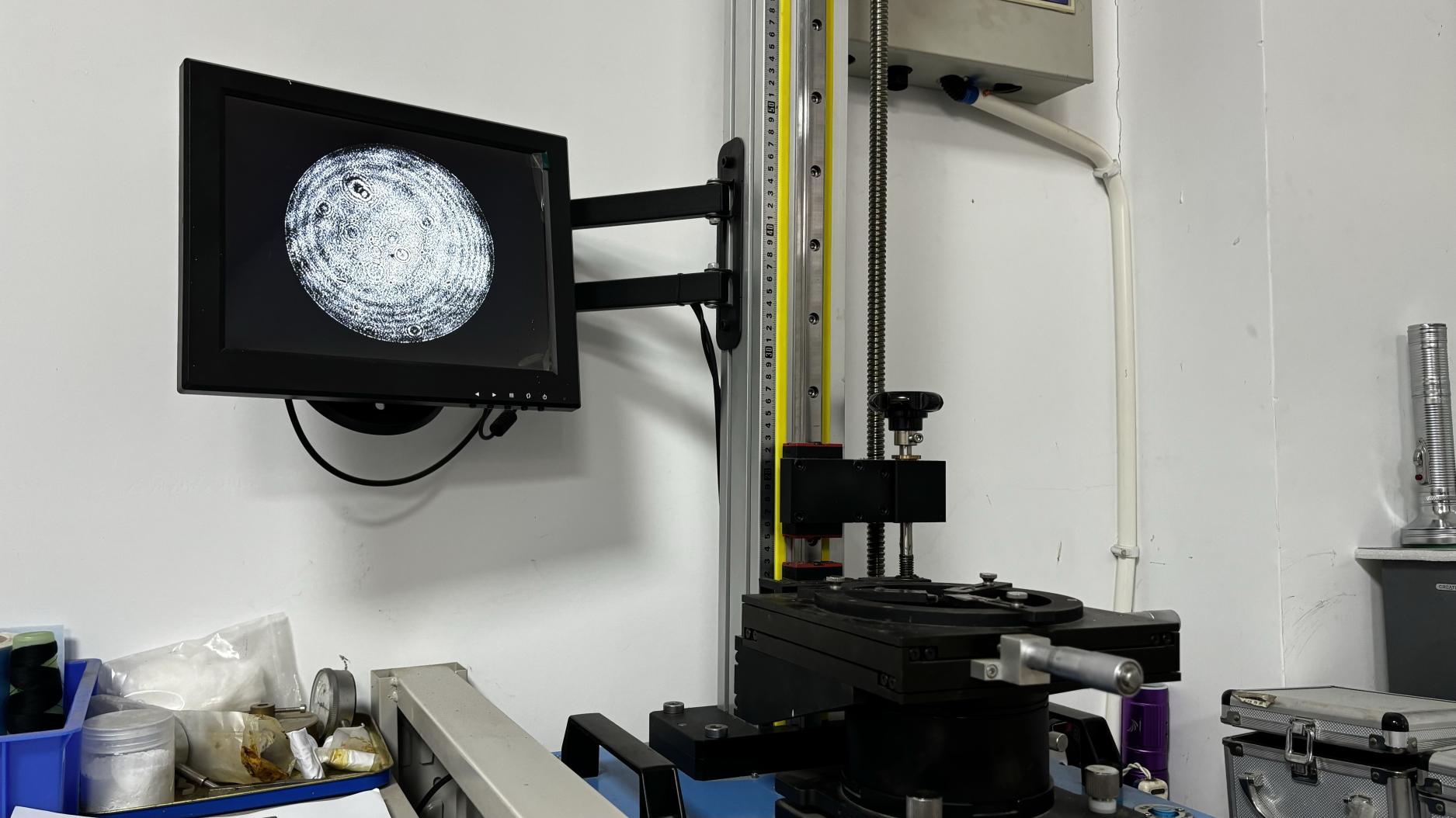
Answers to common technical inquiries regarding compliance, materials, and customization.
Browse our full range of enterprise memory modules, micro-SMT architectures, and thermal coolers designed for heavy-duty commercial deployment.
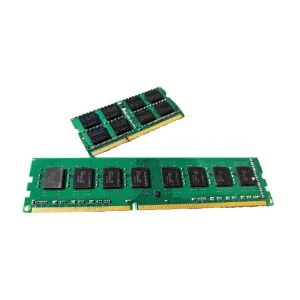
RAM DDR4 16GB ECC for Desktop Laptop Memory Module 8GB Compatible with 2400MHz 2666MHz 3200MHz Stock
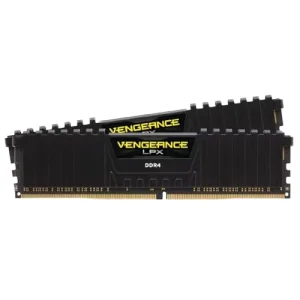
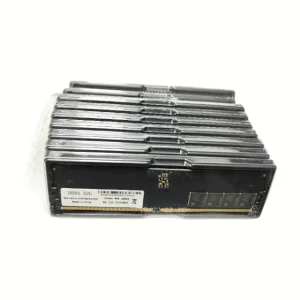
Computer Server Memory DDR5 32GB 5600MHz Desktop Memory Module RAM 14800MHz 5600MHz 6000MHz
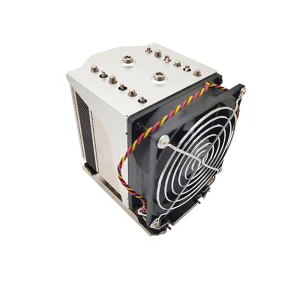
Hot Selling Heat Sink 320W LGA4189-N96 4U 6U Heat Pipe Heat Sink Suitable for Server Processors
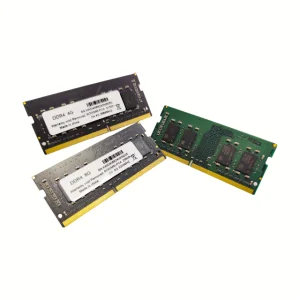
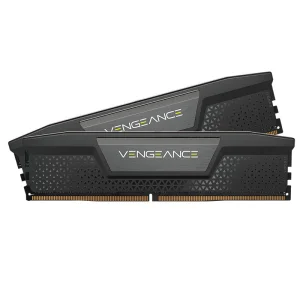
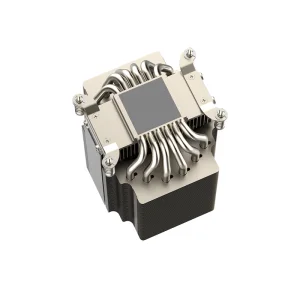
Server Heatsink SP5 2U Server Integrated Water Cooler CPU Heatsink Heatsink
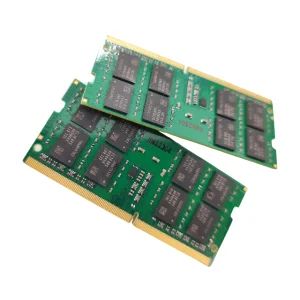
Laptop DDR4 ECC 16GB RAM Module 1600MHz 2400MHz 2666MHz 3200MHz in Stock