Xeviora
Xeviora
Xeviora
High-efficiency processing interfaces, custom SMT/DIP PCBAs, advanced heat sinks, and volatile memory buffers selected for high-reliability edge nodes.
The global shift toward sustainable technology has catalyzed massive innovation in self-powered, localized electronics. Energy Harvesting Devices, which harness ambient power sources (such as thermal gradients, kinetic motion, solar radiation, and RF signals), are revolutionizing the layout of the Internet of Things (IoT). However, the physical implementation of energy harvesting relies heavily on low-power processing hardware, optimized Power Management Integrated Circuits (PMICs), high-precision PCBA execution, and energy-neutral storage architecture. As a premium manufacturer of highly reliable memory solutions and electronic sub-components, Xeviora Memory Technology (China) Co., Ltd. is positioned at the intersection of energy conservation, localized edge storage, and hardware efficiency.
Micro-watt energy harvesting is only as viable as the device’s power dissipation profile. Modern energy harvesting systems operate on intermittent power envelopes, requiring specialized hardware capabilities. In order to construct a viable self-powered edge sensor node or computing gateway, three core hardware parameters must be optimized:
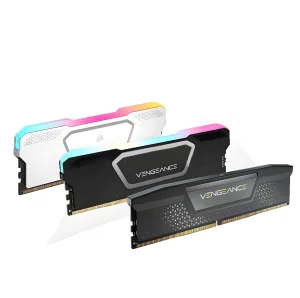
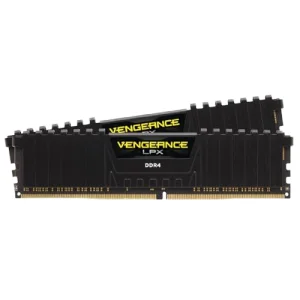
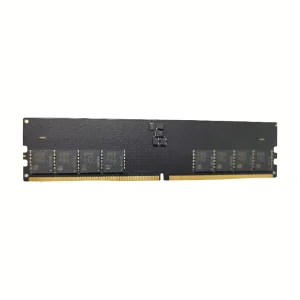
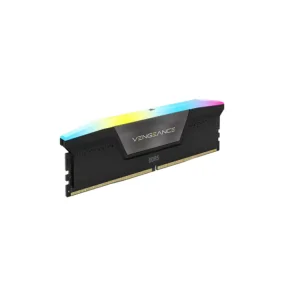
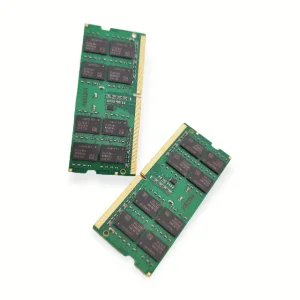
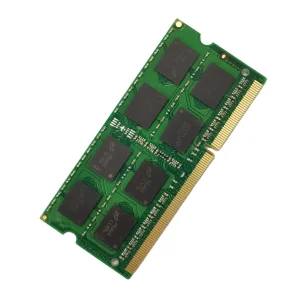
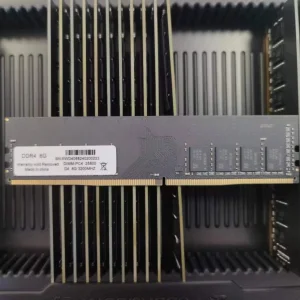
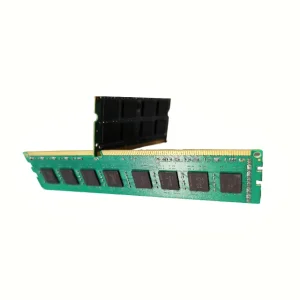
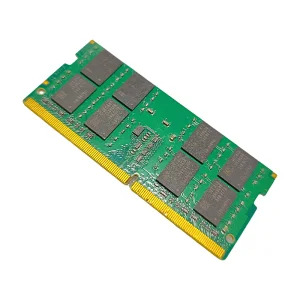
In high-speed datacenters, edge aggregators, and industrial hubs, data processed from energy harvesting field sensors needs immediate buffering. Modern memory modules, including high-frequency DDR4 and DDR5 RAM, act as the data cache for localized processing gateways. When processing thousands of sensor signals from solar or piezo-electric arrays, the memory sub-system must support rapid processing bursts. High-density, low-voltage memory modules (operating at 1.1V to 1.2V) ensure that edge computers do not consume excessive power, thereby preserving the energy harvested by remote solar micro-grids and thermal converters.
By leveraging advanced DDR5 specifications, such as on-die ECC (Error Correction Code) and Power Management Integrated Circuits (PMIC) on the DIMM itself, the hardware achieves precise localized power regulation. This technological synergy allows industrial systems to run continuously with minimal degradation, providing a highly reliable buffer layer for zero-emission cloud nodes and off-grid computing networks.
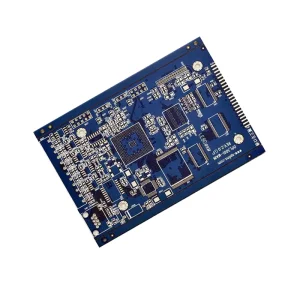
At the center of any energy harvesting array is the power management subsystem. Xeviora offers specialized OEM PCB Processing, Power Supply SMT/DIP PCBA assembly, and automation soldering. These services utilize immersion silver and multi-layer stack-ups. In a typical energy-neutral deployment, the PCBA contains low-loss rectification diodes, ultra-capacitor charger units, and power tracking systems. Our facility’s ability to assemble tight-tolerance surface mount components enables the production of power supply circuits that manage unstable ambient energy sources with minimum conversion loss.
Why global technology partners select Xeviora as their premier OEM/ODM hardware supply chain partner.
Operating a modernized facility in China with an extensive footprint. Backed by 850+ supply chain partners, we ensure rapid access to raw silicon, high-grade PCBA substrates, and premium thermal components, insulating clients from logistical delays.
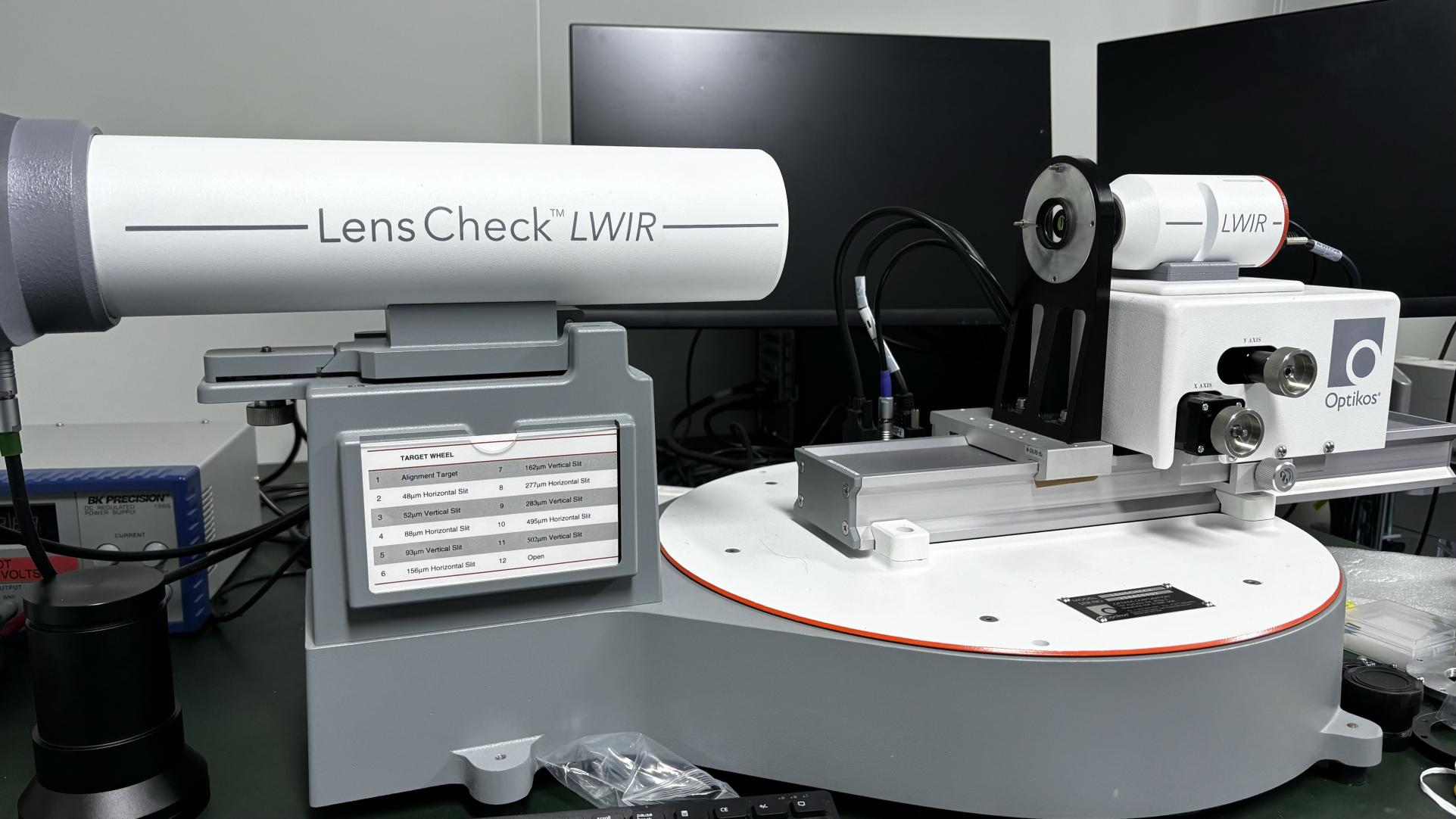
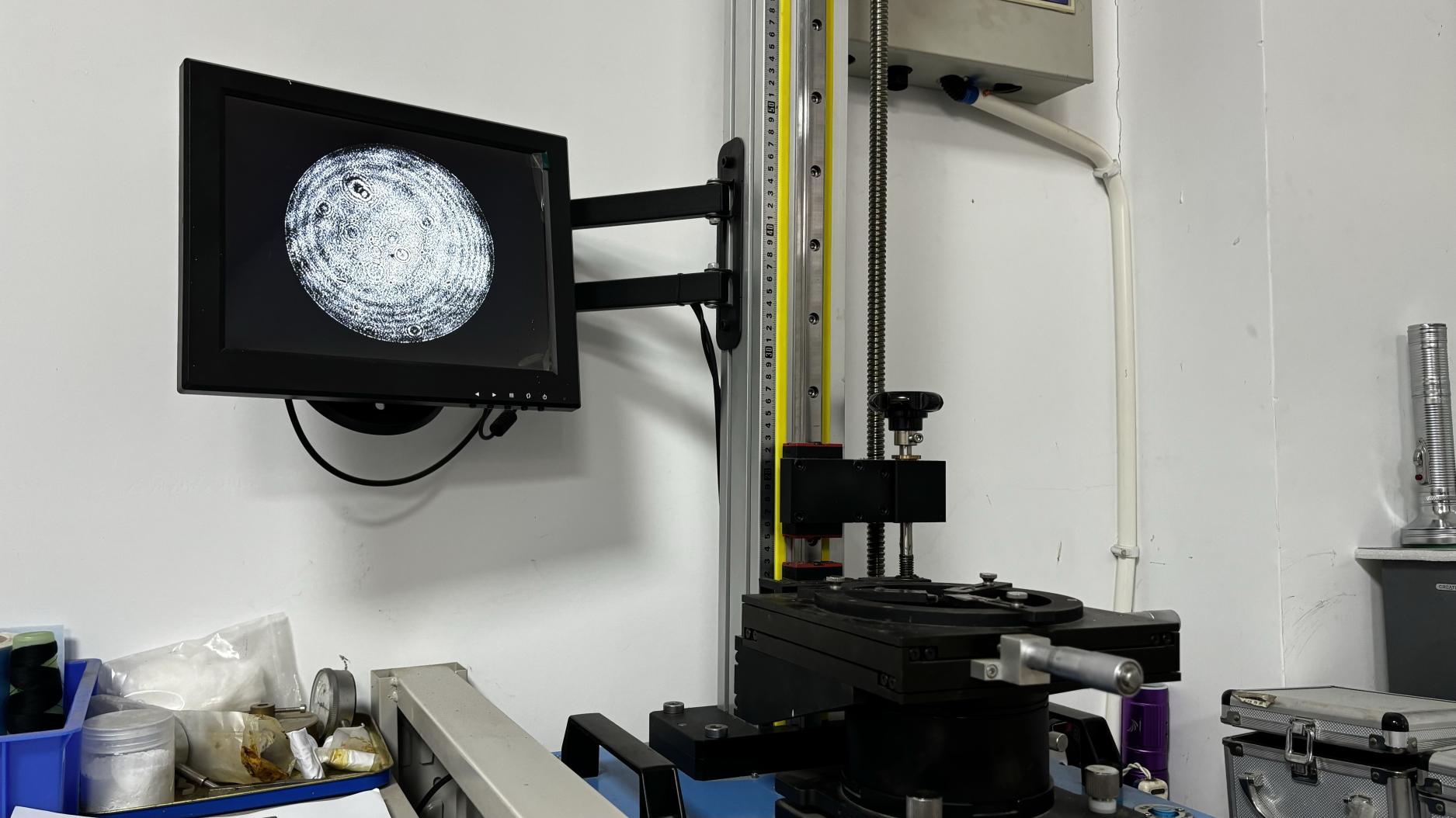
Our quality assurance protocol includes incoming materials verification, automated optical inspection (AOI), high-temperature stress burn-in testing, and functional platform configuration checks managed by 46 quality inspectors.
Exporting to North America, Europe, Southeast Asia, the Middle East, and South America. We conform to international CE, FCC, RoHS, and WEEE directives, guaranteeing seamless customs clearance and localized engineering support.
Backed by 128 engineers, we handle custom density profiling, proprietary heatsink integrations, low-profile packaging (VLP), and specialized firmware tuning for variable power edge installations.
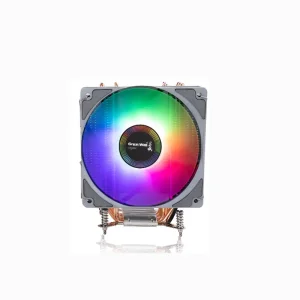
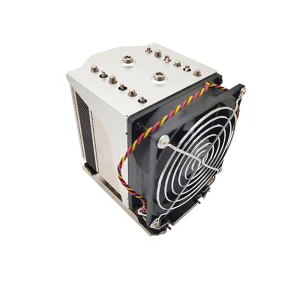
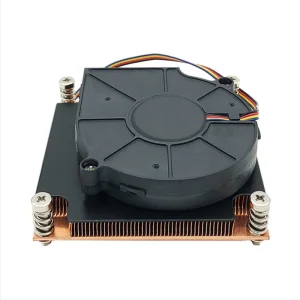
Our server radiators and liquid cooling systems lower fan power draw. Reducing mechanical work decreases overall system energy demand, enabling edge networks to run efficiently on clean, harvested power.
By connecting components, raw materials, manufacturing lines, and testing platforms, Xeviora streamlines production workflows. We maintain high consistency in high-frequency DDR RAM and server coolers, providing dependable performance for our global client base.
The IoT space is transitioning from battery-dependent sensor designs to maintenance-free, self-powered devices. Relying on lithium batteries introduces disposal hazards, regular replacement costs, and thermal limitations in extreme environments. Systems running on energy harvesting technologies address these issues directly.
As microprocessors become more efficient, the storage systems paired with them must follow suit. Power consumption during memory write cycles is a major energy bottleneck in low-power setups. Our R&D team works to optimize RAM read/write efficiency, helping to prevent data loss or bus latency during unexpected power drops in energy harvesting loops. These optimizations make our memory products suitable for industrial compute nodes deployed in remote locations.
Thermoelectric Generators (TEGs) turn temperature differences into electricity. Paradoxically, the high-performance computers that collect and process this sensor data produce excess heat. If this heat isn't managed, it reduces the efficiency of both the processors and the TEGs.
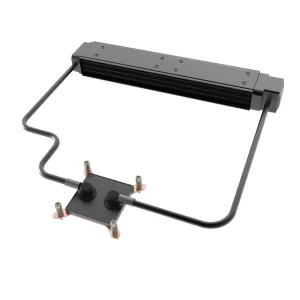
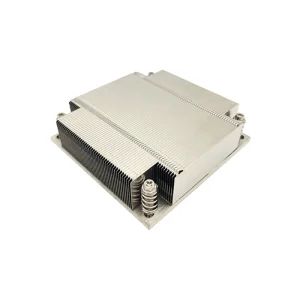
Our server radiators and liquid-cooled heatsinks are engineered to handle these thermal profiles. By using pure copper bases, direct-contact heat pipes, and high-efficiency water blocks, our thermal components transfer heat away from critical areas. This helps maintain the temperature gradients needed for power generation while preventing processing nodes from overheating.
Exporting key technology parts requires strict compliance with international standards. At Xeviora, we verify every step of our manufacturing and delivery processes:
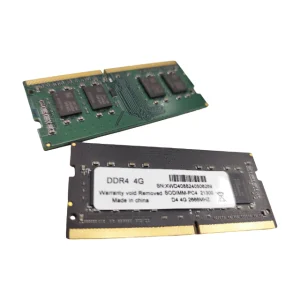
Explore our specialized copper-aluminum heat sinks, high-wattage radiators, and enterprise-grade DDR4 memory systems designed for demanding continuous workloads.
Industrial machinery generates continuous vibrations that can be converted into electric current via piezoelectric harvesters. The micro-current charges a capacitor, powering an ultra-low-power PCB and a memory buffer. Every 60 seconds, the node performs calculations and logs the system health to its DDR4 ECC memory. Xeviora's high-reliability memory modules support stable, write-heavy workloads under high temperature profiles, preventing memory errors in industrial conditions.
In environmental monitoring and offshore facilities, computing units are powered by small solar panels. High ambient temperatures can cause thermal throttling, reducing system efficiency and wasting solar energy. Using customized copper heat pipes and aluminum heatsinks, these remote gateways dissipate heat without needing power-hungry active fans. This design keeps processors within their optimal temperature range, saving clean harvested energy for core computing and RF transmissions.
Agricultural monitoring stations use thermal differences between soil and air to power soil sensors. The microprocessors in these setups require memory modules that operate at low voltages (down to 1.1V). Low-voltage DDR5 memory and custom PCB designs help these sensor arrays run reliably in remote areas without needing battery replacements.
Clear technical insights on combining memory architecture, thermal management, and energy harvesting designs.
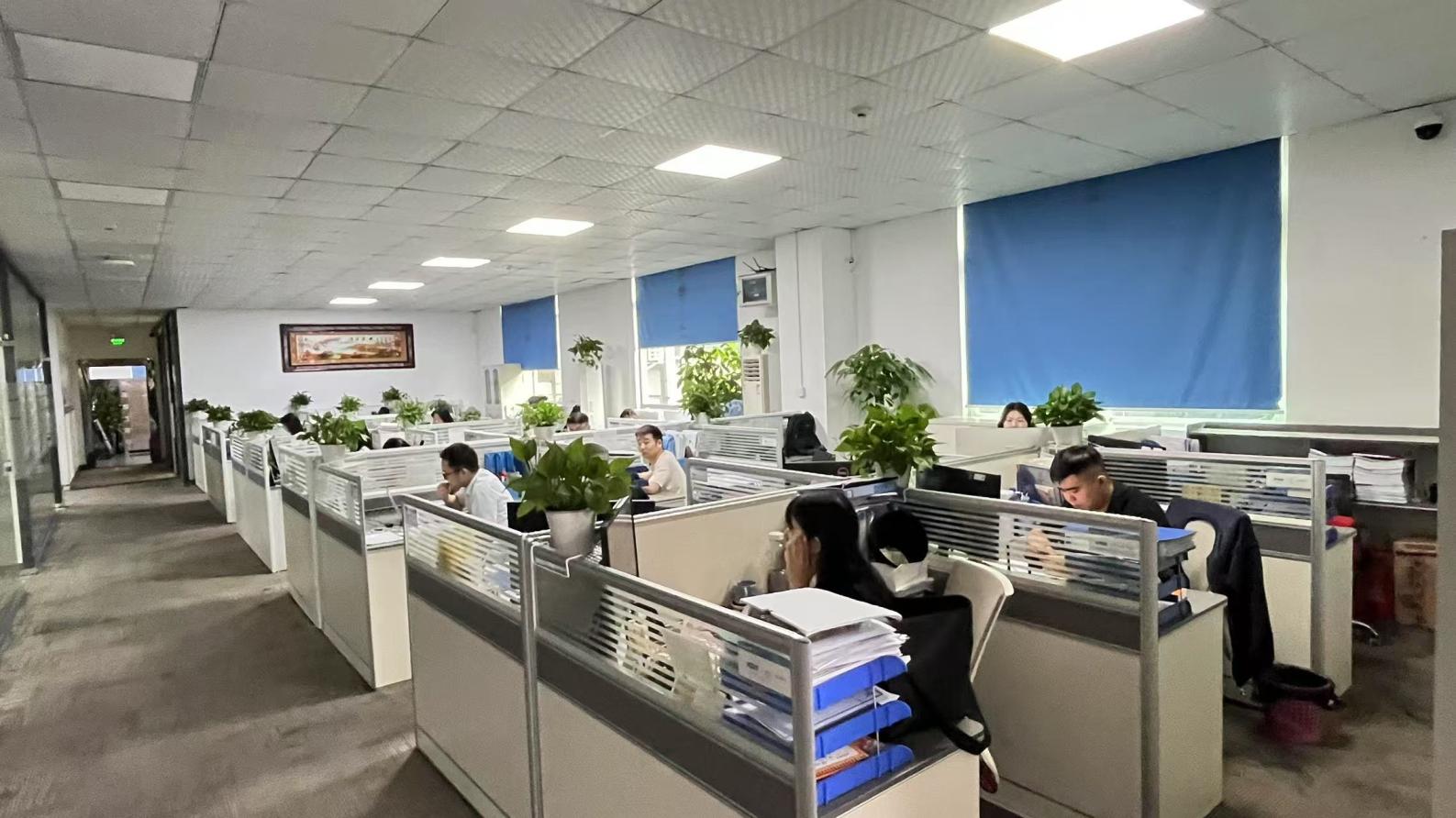
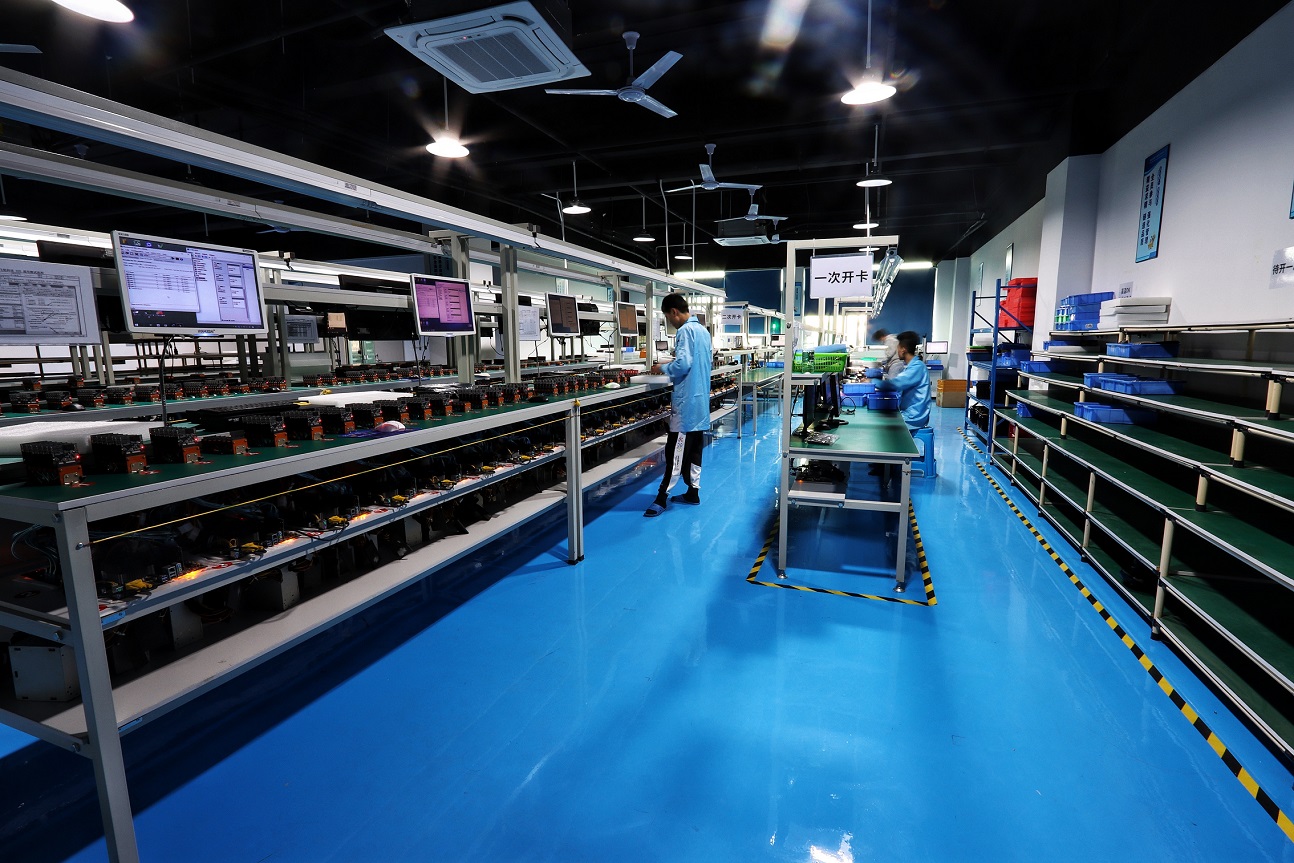
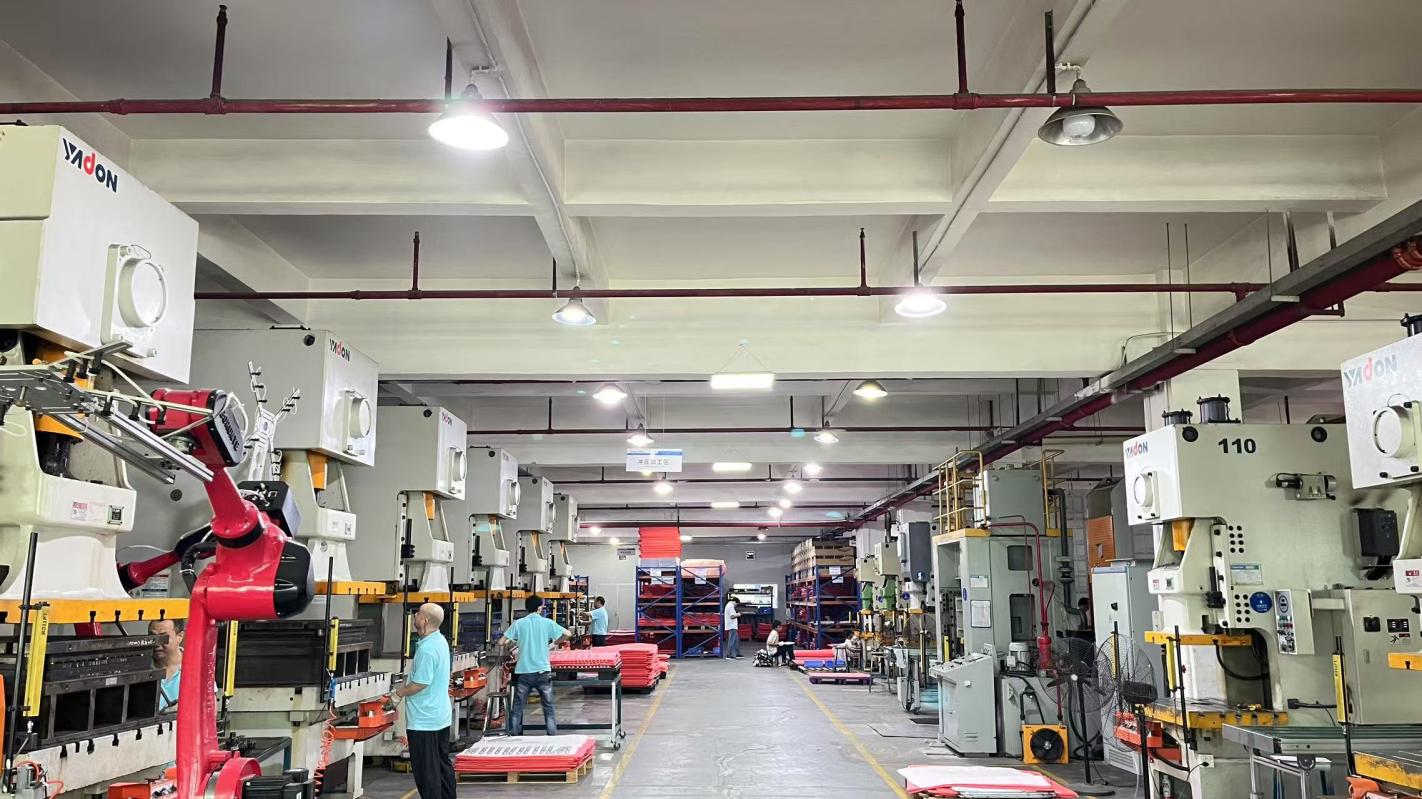
Inside our quality-controlled production environment in China, serving customers worldwide.
Established in 2017, Xeviora Memory Technology (China) Co., Ltd. has developed into a trusted OEM and ODM partner for global distributors, system integrators, and technology brands. Our facility covers 368 square meters and is equipped with automated assembly and testing lines designed to maintain high production quality and performance consistency.
With an annual export revenue of over USD 18 million, Xeviora provides memory and electronic components to customers across North America, Europe, Southeast Asia, the Middle East, and South America. Supported by an experienced R&D team of 128 engineers, we invest in product updates and manufacturing technologies. Last year, we launched 86 new memory products, including DDR5 gaming modules, industrial-grade storage, server solutions, and custom configurations.