Xeviora
Xeviora
Xeviora
High-reliability compute units, thermal radiators, and development boards configured for industrial 3D printing machinery.
Since 2017, we have optimized computational performance and hardware infrastructure globally, enabling industries from data centers to 3D printing ecosystems to operate efficiently.
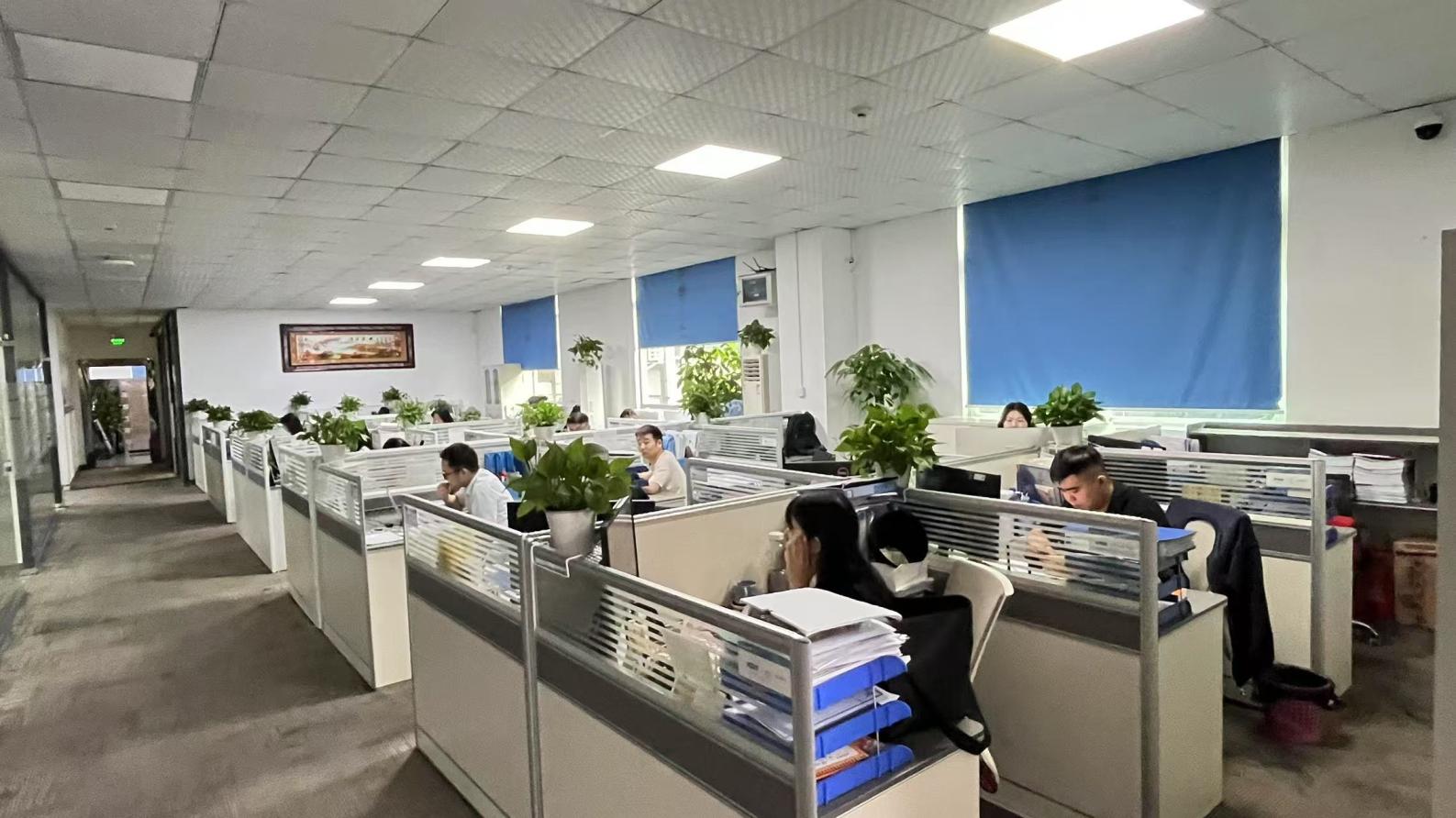
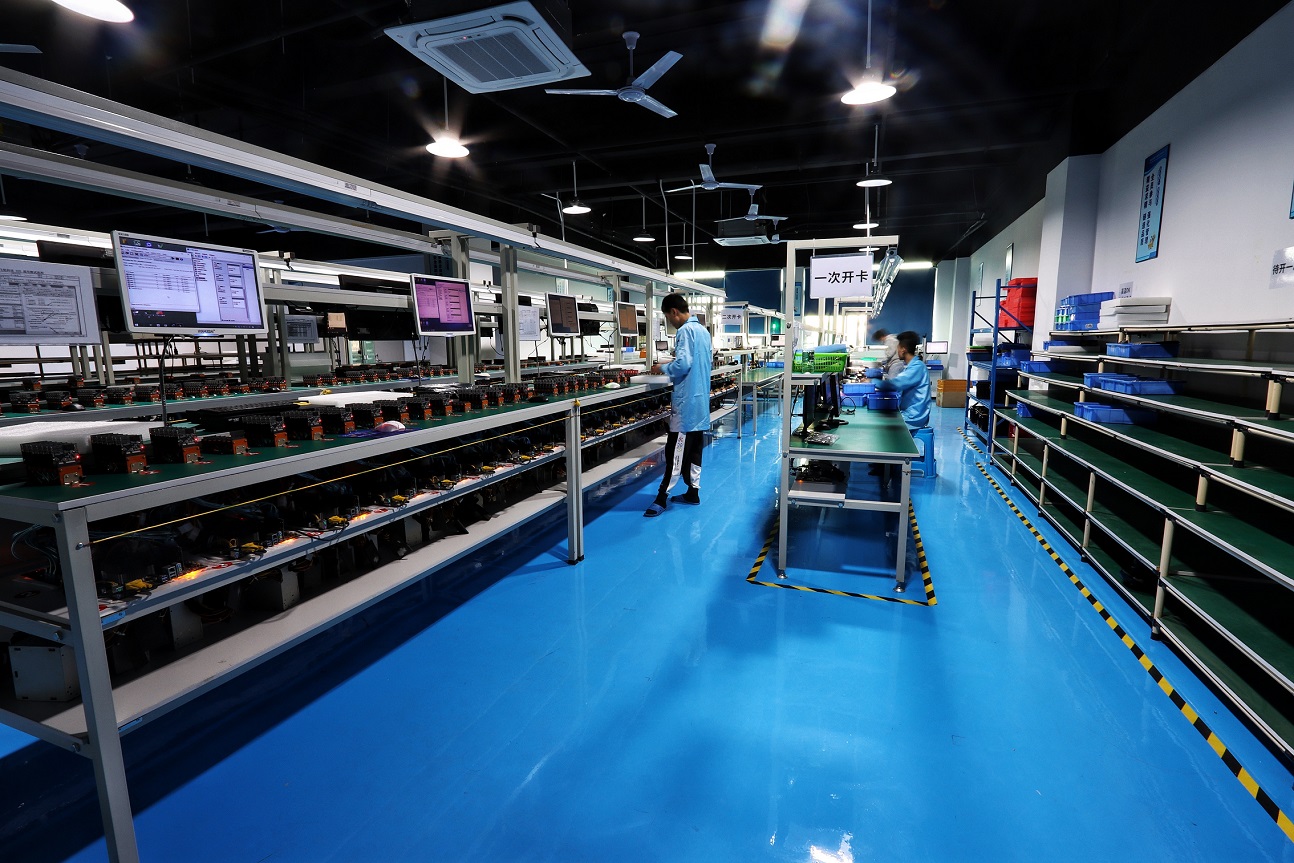
With a comprehensive QA system driven by 46 dedicated inspectors, our state-of-the-art facility conducts extreme-temperature functional testing, compatibility validations, and mechanical lifecycle assessments on every module we produce.
In modern industrial manufacturing, additive manufacturing (AM) has shifted from prototyping to end-use component production. For aerospace, automotive, medical, and electronic industries, achieving dimensional accuracy, high tensile strength, and isotropic mechanical properties requires more than choosing the right 3D printing filament, liquid resin, or metallic powder. It demands a holistic control system where the hardware processing parameters match the material's thermal and chemical requirements.
To establish an optimized manufacturing output, procurement teams and engineers must evaluate materials based on their thermal resistance, environmental degradation, tensile strengths, and mechanical toughness. Below is the primary spectrum of materials driving global industries today:
Many systems fail to achieve high repeatability due to structural bottlenecks in computation and thermal dissipation. Slicing complex geometries (e.g., lattice structures for biomedical implants or aerodynamic aerospace manifolds) involves processing gigabytes of geometric coordinates. This requires massive memory bandwidth to feed multi-core processors.
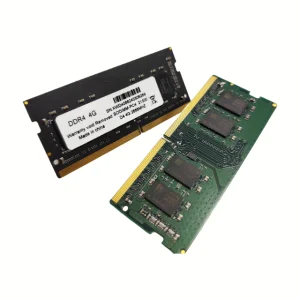
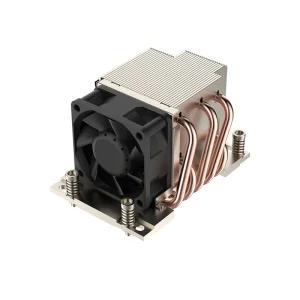
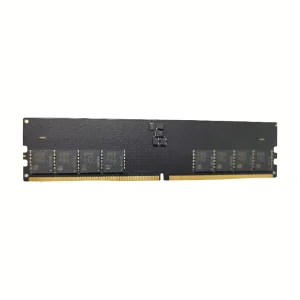
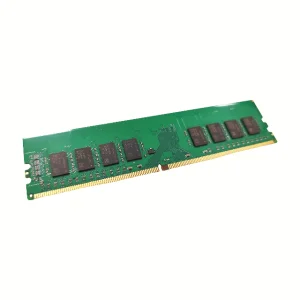
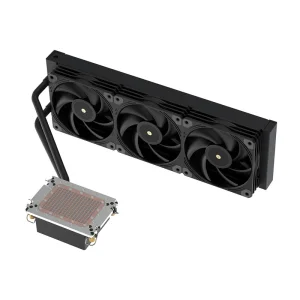
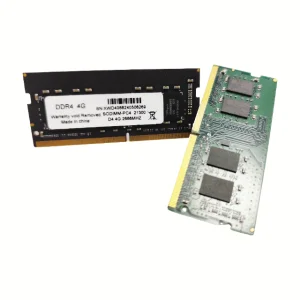
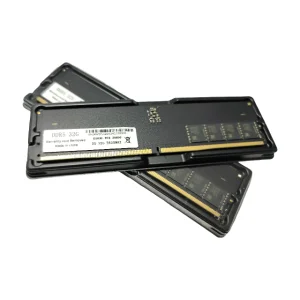
Furthermore, maintaining constant heat control in print heads, lasers, and heated build chambers is critical. This is where high-grade server memory (like DDR5 and DDR4 ECC modules) and robust industrial coolers play an important role:
| 3D Printing Material / Process | Hardware Dependency | Operational Impact of Hardware Quality |
|---|---|---|
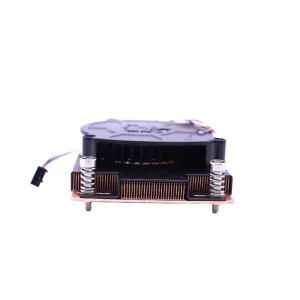
| High-Temp PEEK & PEI Extrusion | Thermal Radiators & Coolers | Prevents filament heat creep in the hotend, avoiding nozzle clogging and flow inconsistency. |
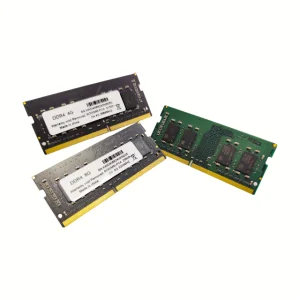
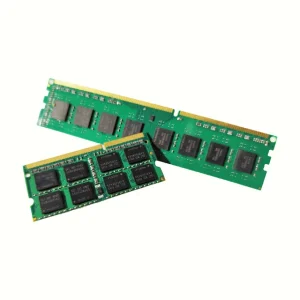
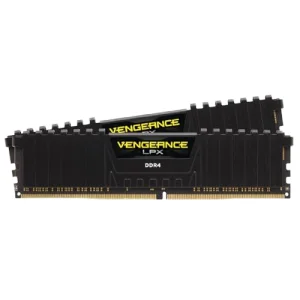
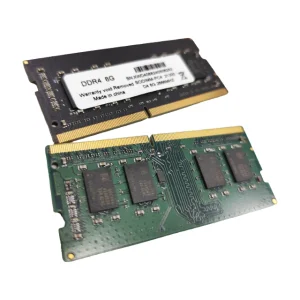
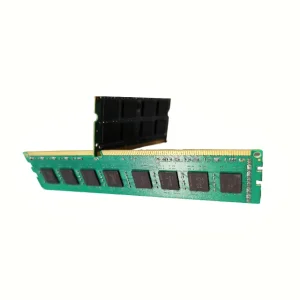
| Complex CAD Slicing & G-Code Prep | DDR5 / DDR4 High-Speed RAM | Reduces slicing time for complex structures (lattices, topological designs) by up to 65%. |
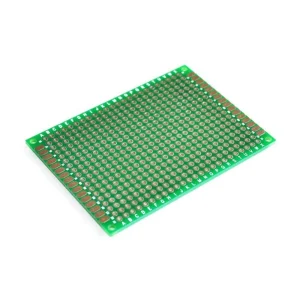
| Continuous SLA Laser Steering | Double-Sided PCB Controllers | Ensures low-latency signal distribution, preventing laser wobble and layer distortion. |
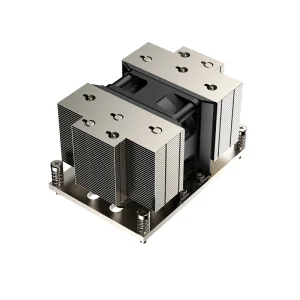
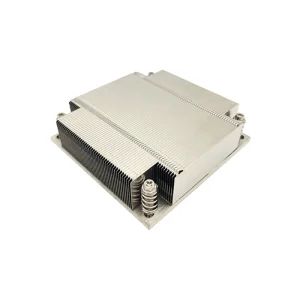
| Industrial Slicing Servers | 95W-350W CPU Heat Sinks | Provides consistent computing throughput without thermal throttling during batch rendering. |
China is a major hub for the production of both raw 3D printing filaments and the internal electronics that run the machinery. The primary advantages include:
Delivering reliable hardware and material supply lines for mission-critical industrial applications.
Weight reduction via topology optimization. Aerospace components demand UL94-V0 flammability ratings and high continuous-use temperatures. Our hardware supports the processing systems required for these structural designs.
Speeding up time-to-market using chemical-resistant components. Materials like carbon-fiber reinforced nylon are used for end-use jigs, fixtures, and engine bay components requiring reliable thermal management during production.
Biocompatible polymers and resins utilized for surgical guides, anatomical models, and temporary dental prosthetics. Consistent UV curing profiles require ultra-stable signal processors and low-latency control logic boards.
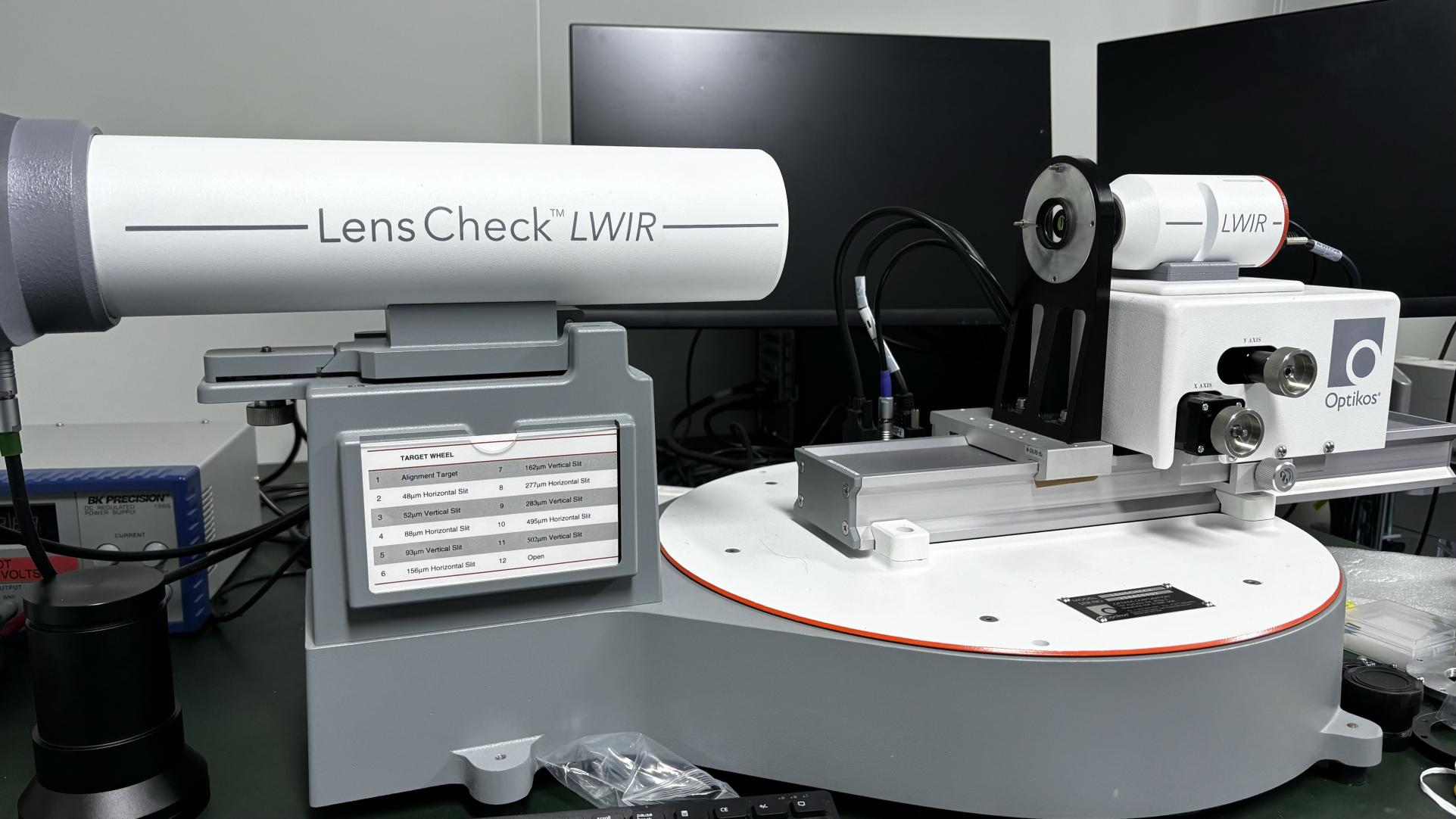
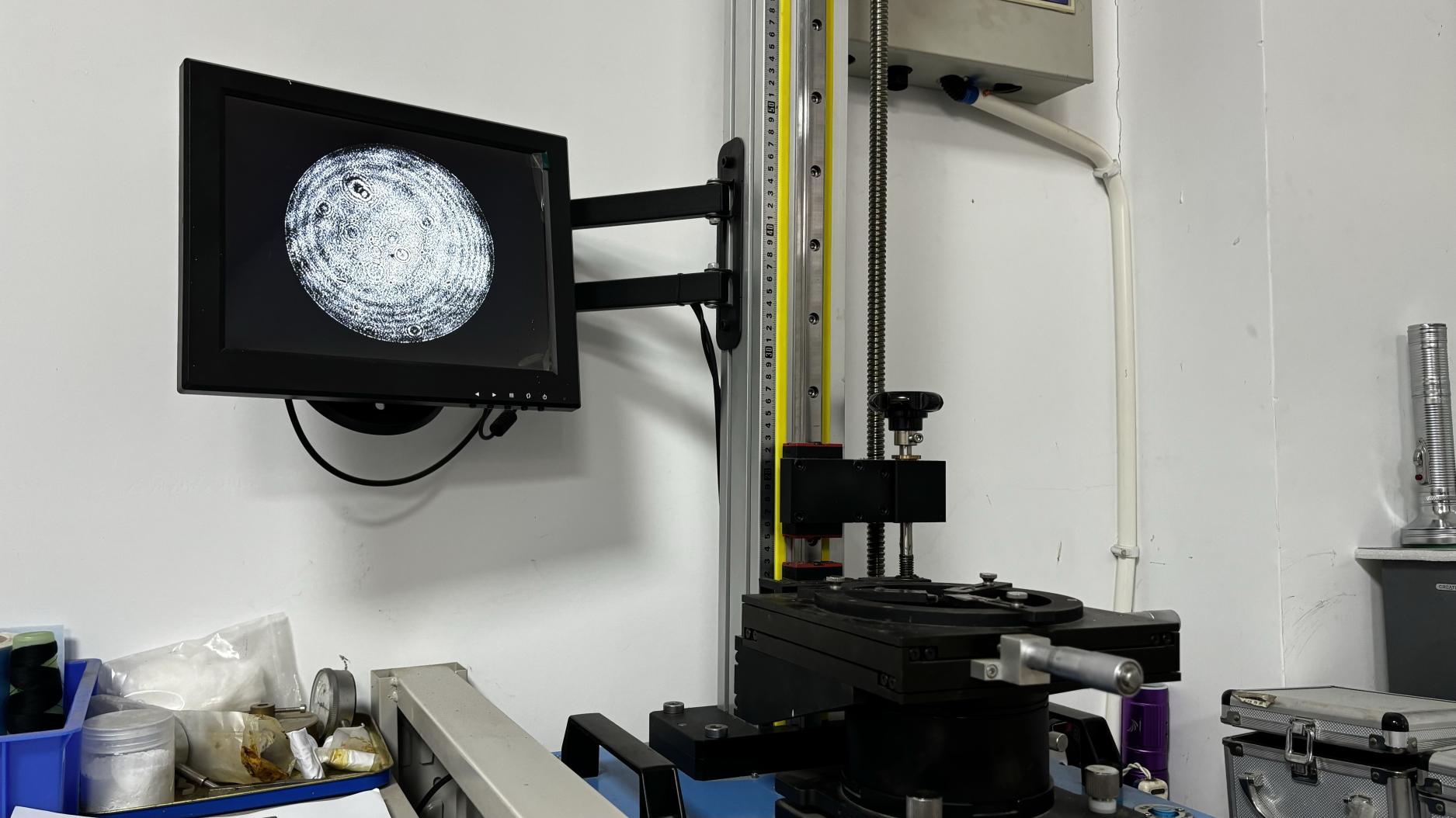
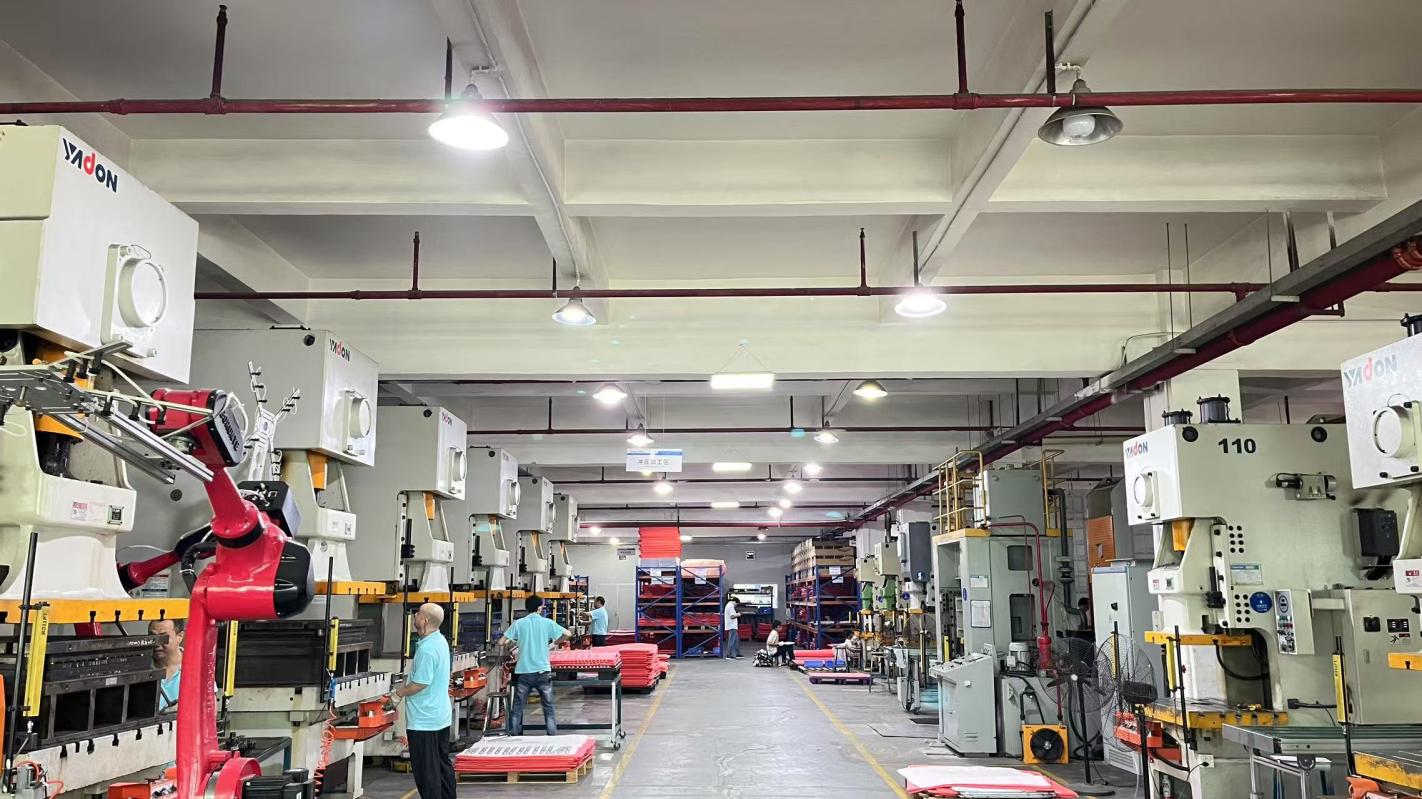
Every product is tested under demanding operating conditions. Our facilities feature complete quality inspection setups, from visual inspection to high-frequency automated component analyzers.
Insights on 3D printing hardware compatibility, materials performance, and supply chain logistics.
High-temperature polymers (such as PEEK, PEI, and PPSU) require high thermal stability. The material must maintain mechanical integrity under high print chamber temperatures (often exceeding 180°C). When procuring, verify the glass transition temperature (Tg), melting point (Tm), and interlaminar shear strength to ensure the finished parts won't delaminate under structural load.
Slicing engines process CAD geometry by projecting horizontal layers and calculating toolpaths (G-code) through thousands of polygons. High-bandwidth memory, such as DDR5 running at 5600MHz or 6000MHz, prevents data bottlenecks between the system storage and CPU registers, reducing computational wait times during production planning.
Filament must remain solid until it reaches the heater block. If heat rises up the barrel (known as heat creep), the filament softens prematurely, swelling and clogging the system. High-capacity server radiators (like the 95W to 350W cooling assemblies) are adapted for high-duty-cycle industrial printers to maintain strict separation of the cold-end and hot-end thermal zones.
We provide full customization, including custom double-sided PCB layout design, specific thermal cooling parameters for high-power stepper motor drivers, specialized memory form factors, customized firmware optimizations, private labeling, and custom packaging. This helps global distributors integrate these parts directly into their supply networks.
Explore our full range of high-efficiency heatsinks and enterprise-grade RAM modules designed for stable, continuous operations.