Xeviora
Xeviora
Xeviora
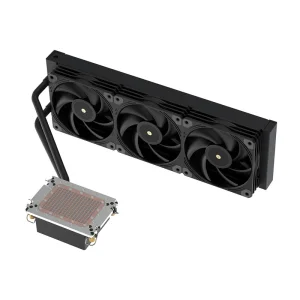
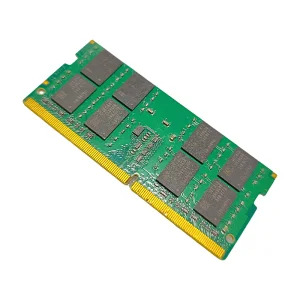
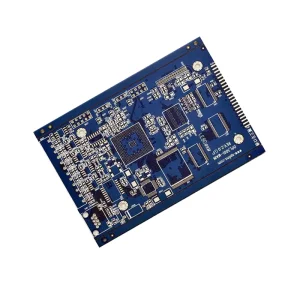
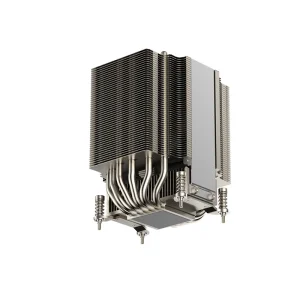
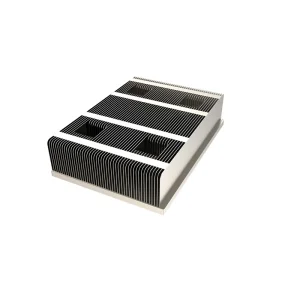
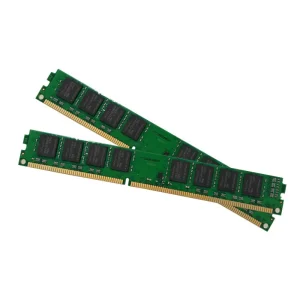
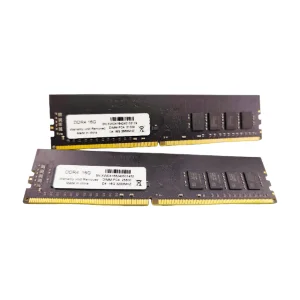
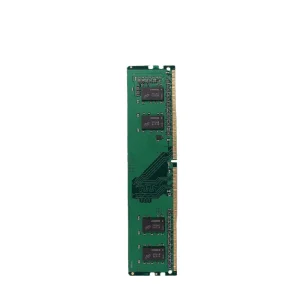
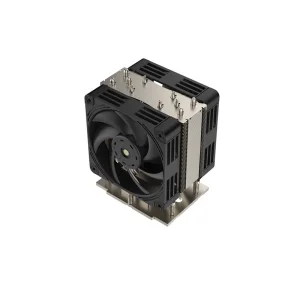
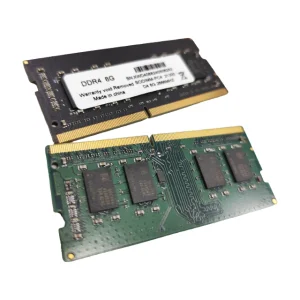
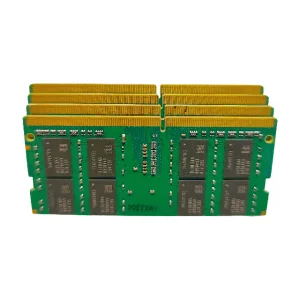
Explore our foundational hardware solutions, spanning double-sided PCBs, precision cooling mechanisms, high-capacity server coolers, and top-tier laptop memory modules.
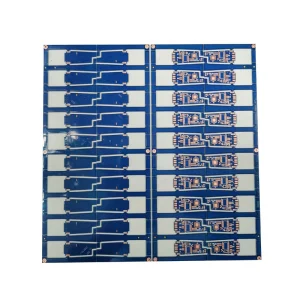
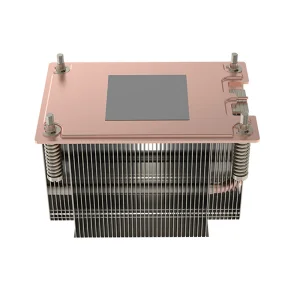
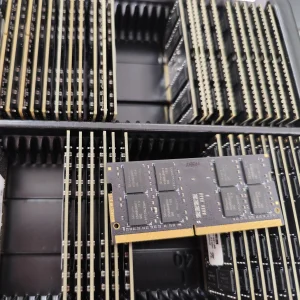
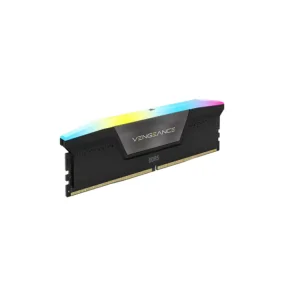
The global landscape of enterprise connectivity is undergoing a fundamental paradigm shift. As corporate workplaces transition to unified Type-C configurations and industries deploy high-throughput edge systems, the standard USB hub has evolved. No longer a simple device for port multiplication, it has become a complex hardware interface that manages gigabit transmission rates, multi-protocol video signals, and high-wattage power distribution.
The rise of USB4 and Thunderbolt™ 4/5 interfaces has set new baselines for modern docking stations and USB hubs. With bidirectional data transfer speeds reaching up to 40Gbps and 80Gbps, engineering these devices requires strict adherence to signal integrity standards and thermal management protocols. Multi-layer PCB routing, impedance matching, and high-frequency shielding are critical to prevent packet loss, EMI (Electromagnetic Interference), and crosstalk.
Integration of USB-C Power Delivery (PD 3.1) supporting up to 240W. Hubs must now safely negotiate voltages while maintaining dynamic load balancing across multiple active peripherals.
Co-existence of DisplayPort Alt Mode, HDMI 2.1, Ethernet controllers, and high-density storage arrays inside a single chip, necessitating highly sophisticated PCB layouts.
Compact form factors coupled with high power processing create heat density. High-end hubs rely on aluminum alloy housings and custom internal heatsinks to prevent thermal throttling.
For international business-to-business (B2B) procurers, securing high-performance hardware components requires working directly with suppliers who can design, fabricate, and test these multi-layer architectures. Advanced PCBA layouts, double-sided designs, and passive cooling systems are essential for ensuring long-term reliability.
Procurement directors and system integrators at global enterprises, industrial facilities, and large-scale consumer electronic brands face complex challenges when sourcing USB hubs. The primary concern is no longer just unit price; it centers on total cost of ownership (TCO), supply chain reliability, and compliance.
Ensure your supply partners provide the following technical validations:
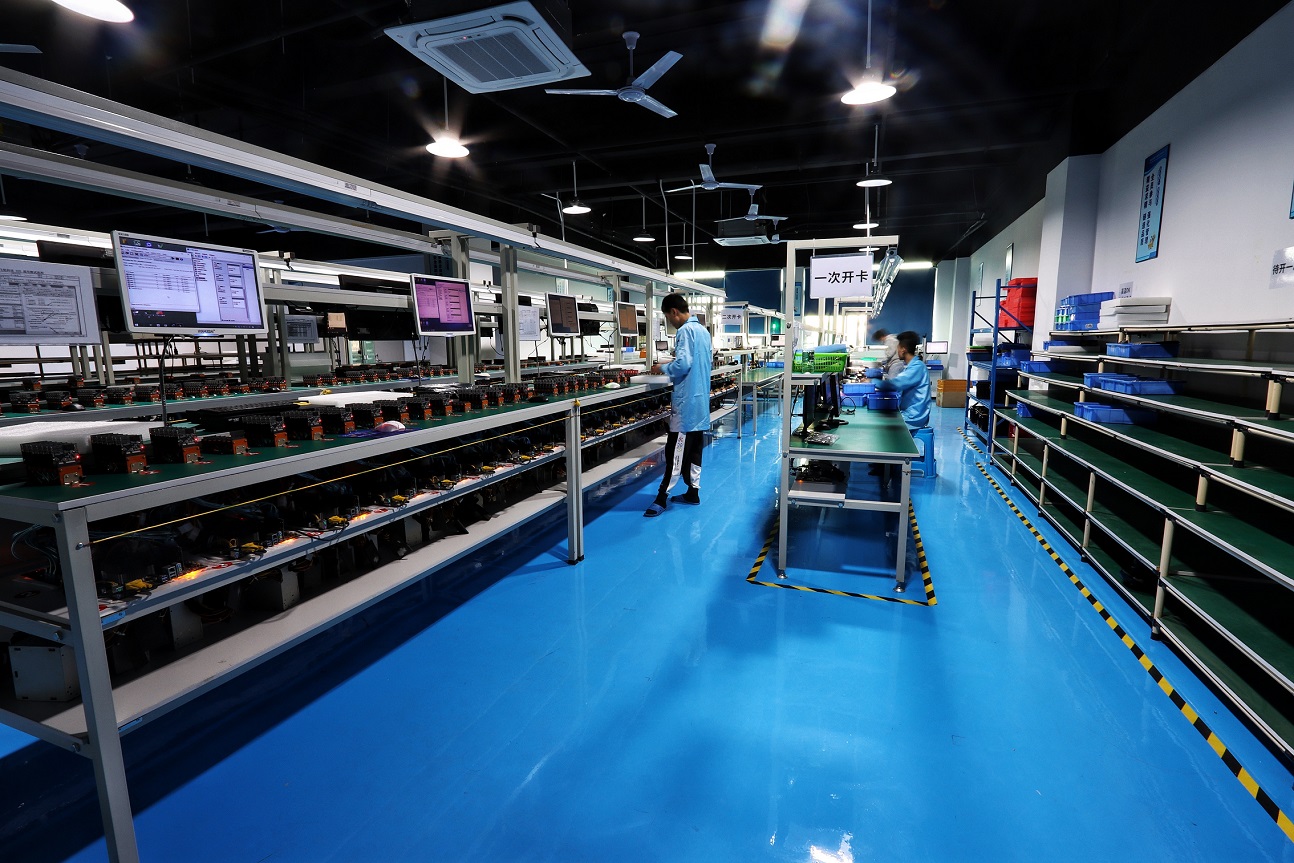
The manufacturing of high-reliability USB hubs, PCBA boards, and custom electronic components requires an integrated ecosystem. China's Pearl River Delta region remains the global center for hardware co-design, material sourcing, SMT placement, and final assembly.
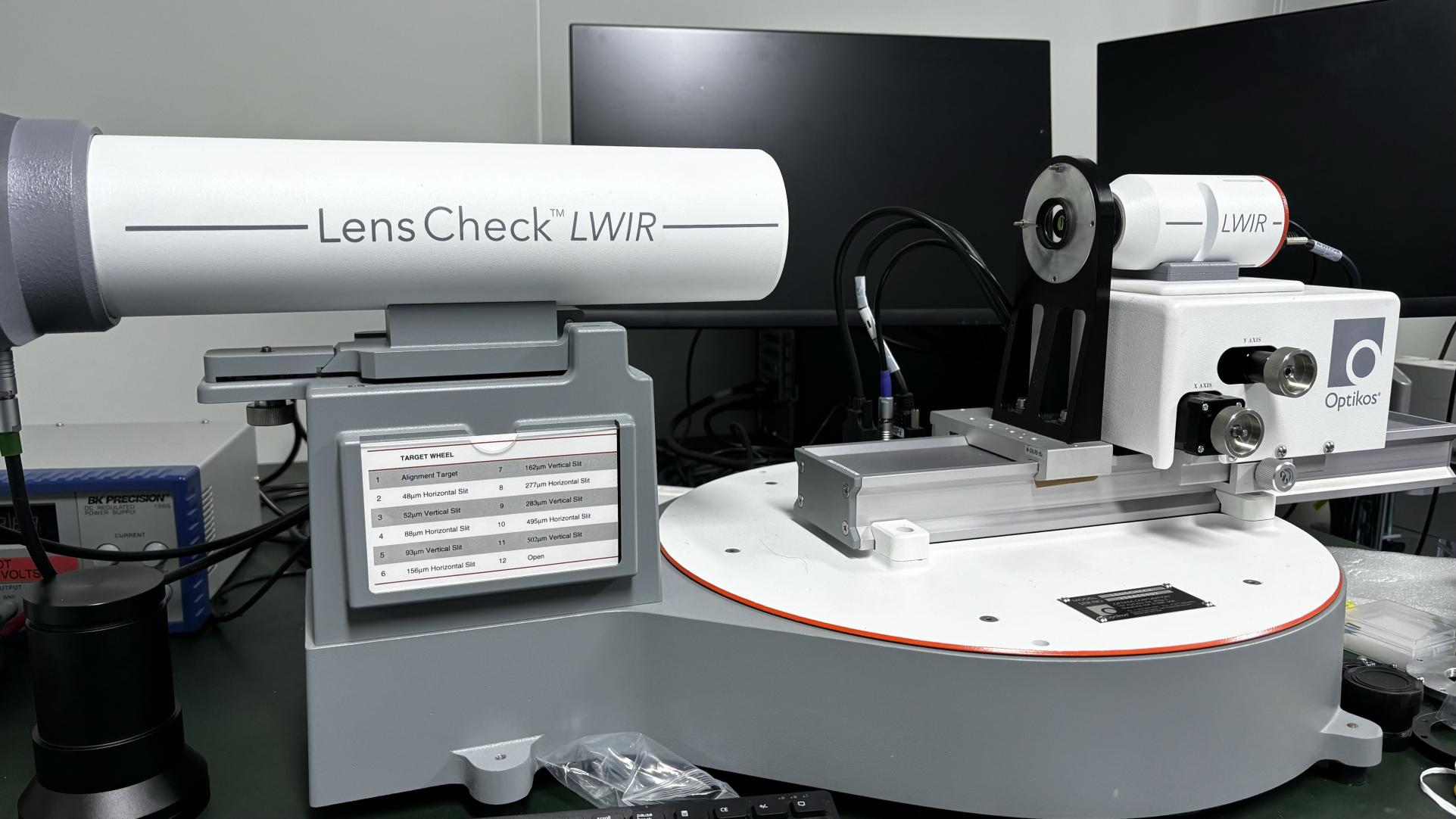
Through the adoption of Industry 4.0 standards, modern Chinese production facilities have transformed how electronic systems are made. Advanced automated SMT (Surface Mount Technology) assembly lines run at high speeds, using machine vision to place micro-passive components with high precision. This minimizes solder defects and guarantees long-term product durability.
In this manufacturing environment, specialized production operations like Xeviora Memory Technology (China) Co., Ltd. leverage deep engineering expertise to build dependable hardware. By integrating precision high-frequency signal design with automated PCB assembly and advanced thermal management, Chinese suppliers deliver products that meet strict global requirements. This integrated manufacturing model helps control costs, speed up development cycles, and ensure consistent quality at scale.
"Supply chain resilience is not just about building capacity; it is about the coordination of raw materials, SMT capability, firmware development, and rapid design changes in real time. This agility defines China's modern electronics manufacturing ecosystem."
Xeviora Memory Technology (China) Co., Ltd. is a professional hardware manufacturer and supplier based in China, specializing in high-performance memory modules, SMT PCBA design, and custom hardware solutions for gaming, industrial, enterprise, and consumer applications. Established in 2017, the company has rapidly grown into a trusted OEM and ODM partner for global distributors, system integrators, and technology brands.
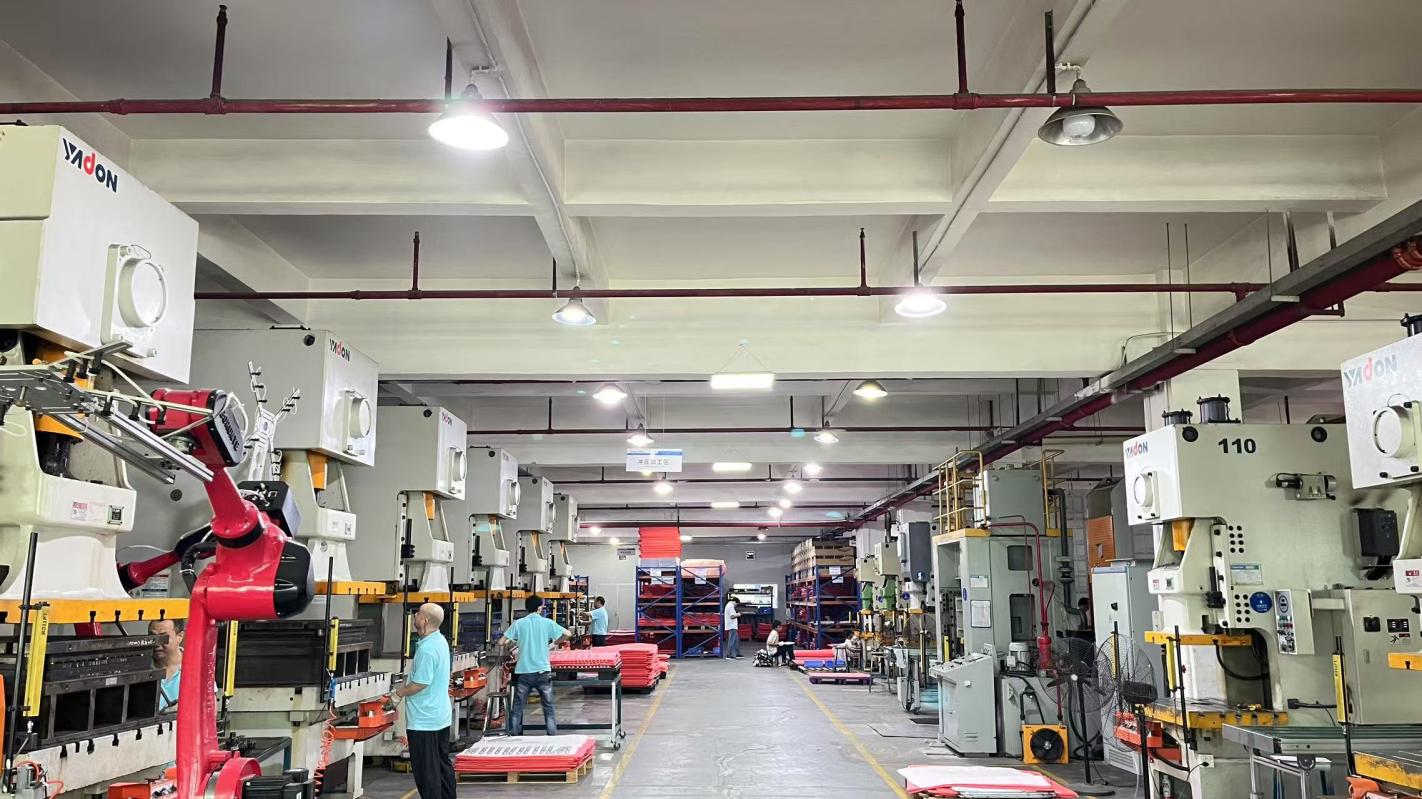
Our manufacturing facility covers 368 square meters and is equipped with advanced production and testing equipment to ensure stable quality and reliable performance. With an annual export revenue of over USD 18 million, Xeviora serves customers across North America, Europe, Southeast Asia, the Middle East, and South America.
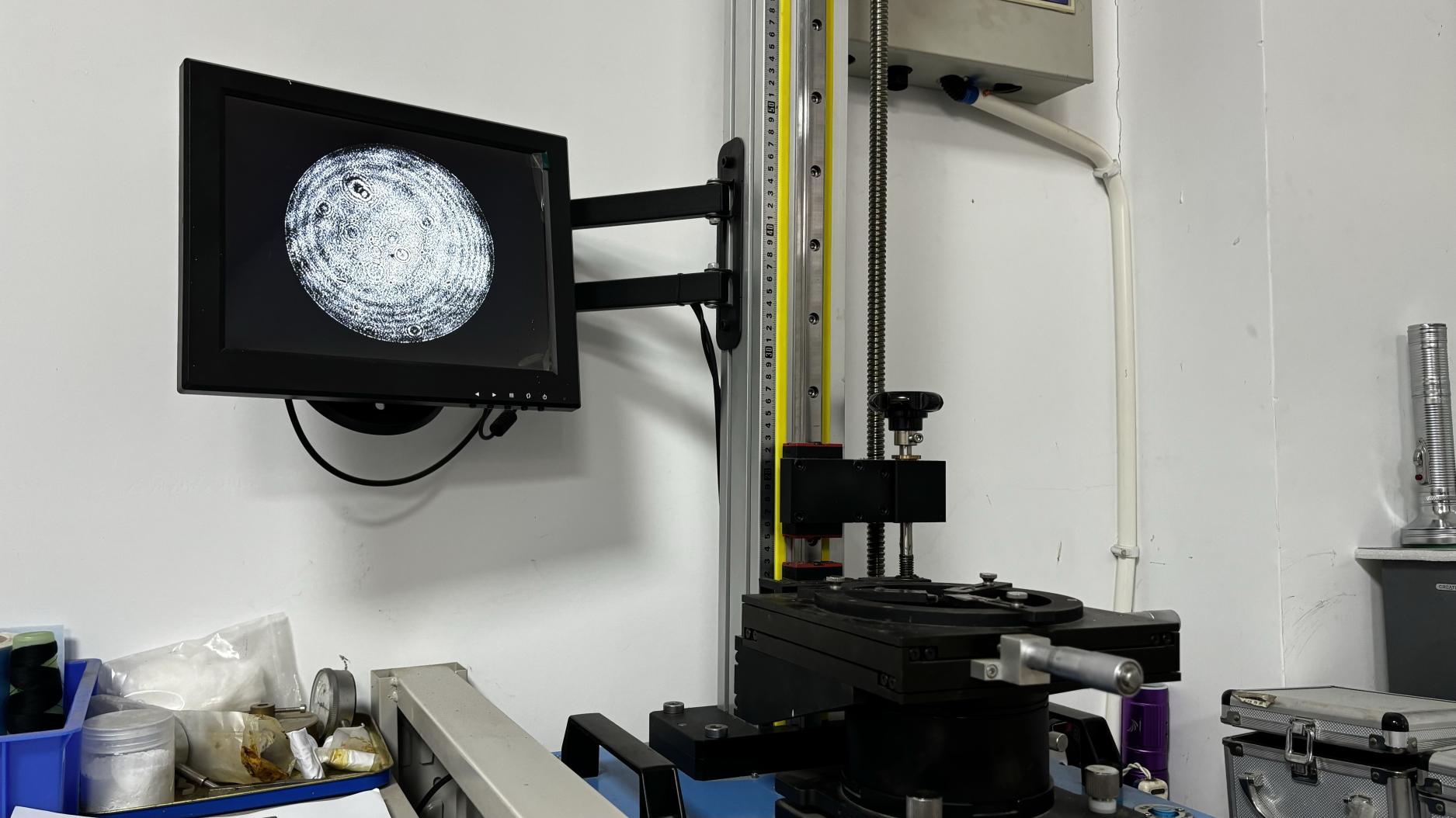
Backed by 8 years of export experience and 12 years of industry expertise, we are committed to delivering innovative hardware products that meet international quality standards. Our quality management system includes comprehensive incoming material inspection, in-process quality control, and final product testing. All products undergo automated functional testing, compatibility verification, performance validation, and aging tests before shipment. Our quality assurance team consists of 46 dedicated inspectors who ensure every module meets strict reliability requirements.
As a manufacturer with strong OEM and ODM capabilities, Xeviora works closely with more than 850 supply chain partners worldwide, enabling efficient sourcing, flexible production, and fast delivery. Our primary customers include wholesalers, distributors, e-commerce sellers, system builders, brand owners, and enterprise solution providers.
Innovation is at the core of our business. Supported by an experienced R&D team of 128 engineers, we continuously invest in new technologies and product development. Last year alone, we successfully launched 86 new memory and hardware products covering DDR5 gaming memory, industrial-grade modules, server memory and cooling solutions, and customized connectivity products.
We offer flexible customization services, including private labeling, logo printing, packaging design, specification customization, firmware optimization, and complete OEM/ODM development. Whether customers require standard memory modules or fully customized connectivity solutions, our team is dedicated to providing reliable products, competitive pricing, and professional technical support.
At Xeviora, our mission is to empower global customers with advanced technology, dependable manufacturing, and long-term business partnerships built on quality, innovation, and trust.

Modern connectivity demands depend heavily on the target operating environment. A USB hub designed for a home office operates under very different electrical and physical stress than one deployed in an industrial environment or a media editing suite.
Hot-desking environments require docking hubs to connect quickly to laptops from various brands. Standardizing on USB-C PD hubs ensures clean desk setups, offering simultaneous charging, display connectivity, and gigabit ethernet over a single cable.
Manufacturing floors use industrial USB hubs as central collection points for sensor arrays, PLCs, and camera feeds. These hubs must feature ESD protection, rugged metal enclosures, and wide operating temperature ranges to withstand harsh environments.
For creative professionals working with RAW video feeds and fast storage, bandwidth stability is key. Dedicated USB4 hubs enable fast data transfers to NVMe external SSDs without interfering with high-refresh-rate monitor connections.
Explore expert technical responses to complex questions on electronics manufacturing, signal integrity, and supply chain selection.
For high-speed protocols operating at 10Gbps to 40Gbps, signals travel as high-frequency electromagnetic waves. Any variation in the PCB trace geometry creates impedance mismatches, which reflect signal energy back to the source. This degrades the signal eye diagram, causing CRC errors and packet drops. Experienced designers layout these differential pairs with precise tolerances, typically matching target differential impedance to 90 ohms ± 10%.
Power Delivery (PD) circuits handle high currents, which generate heat through I²R losses in internal MOSFETs and buck-boost controllers. To prevent device failure, high-quality manufacturers design the PCB with multiple via arrays to distribute heat to internal ground planes. They also place thermal interface materials (TIMs) between the hot components and the outer aluminum chassis to dissipate heat efficiently.
Automated SMT lines ensure precision component placement down to 0201 packages and fine-pitch BGAs. Using automated solder paste printing, high-speed pick-and-place systems, multi-zone reflow ovens, and Automated Optical Inspection (AOI), this process minimizes solder bridge defects and open joints. This high level of repeatability is crucial for manufacturing hubs that must perform reliably under heavy use.
Compatibility depends on the hub's bridge controller chipsets and firmware configurations. When sourcing, buyers should verify that the manufacturer uses controllers from reputable silicon vendors that offer standard USB class drivers. They should also confirm that the supplier can customize firmware to handle operating-system-specific behaviors, such as DisplayPort MST routing on macOS.
OEM/ODM partnerships offer extensive customization. This includes custom structural enclosure designs (metal alloys or plastics), custom silkscreen branding, and specific port layouts. On the electronics side, manufacturers can customize PCB dimensions, adjust power delivery distribution settings, change USB Vendor IDs (VID) and Product IDs (PID) in firmware, and design custom packaging to match retail or corporate requirements.
Discover our wider hardware line, including liquid-integrated server coolers, high-frequency RAM kits, PCBA assembly automation, and advanced system heat sinks.