Xeviora
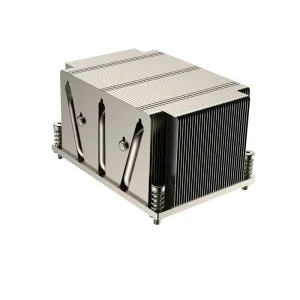
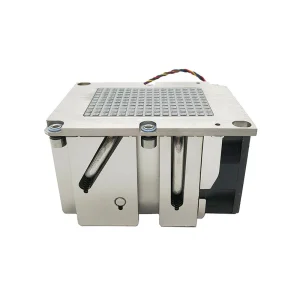
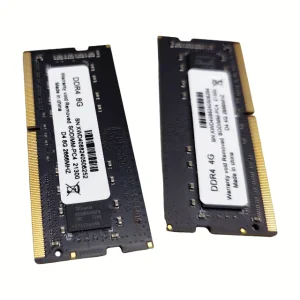
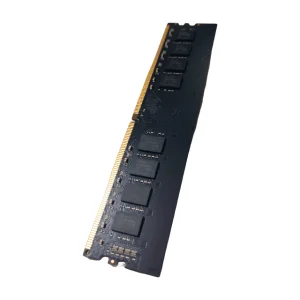
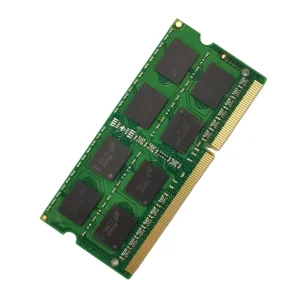
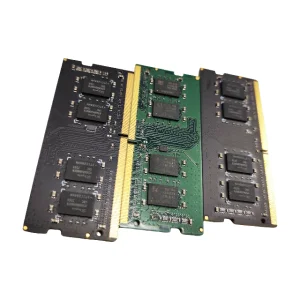
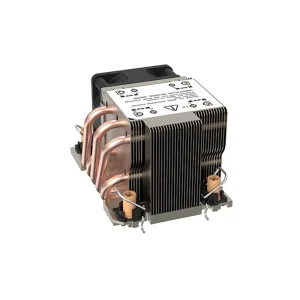
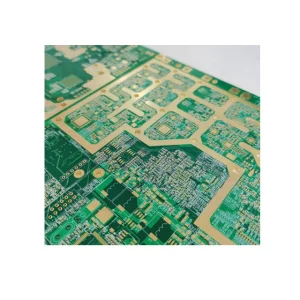
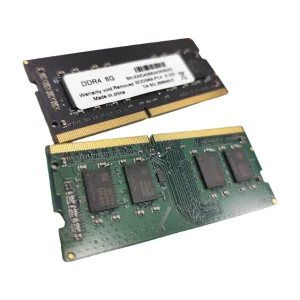
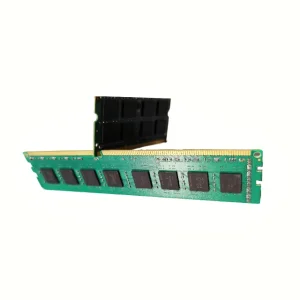
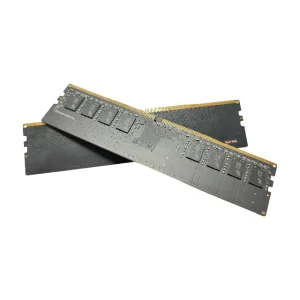
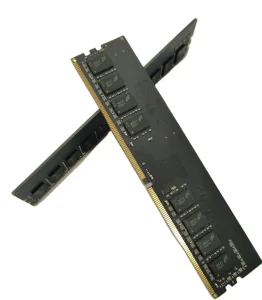
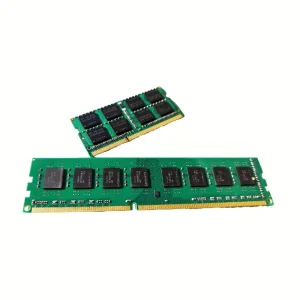
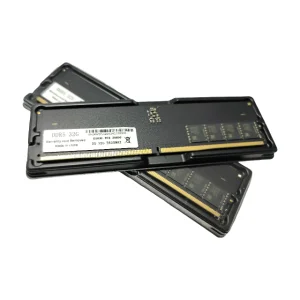
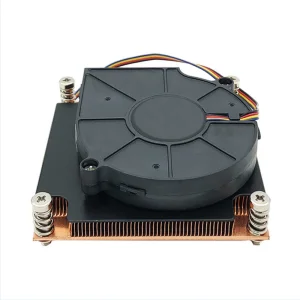
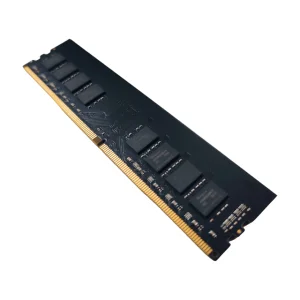
The catalogue below is preserved from the supplied manufacturer profile. It includes memory, cooling and PCB components relevant to edge gateways, access-control servers, lock test benches and connected-device manufacturing. Buyers sourcing finished smart locks should request lock-specific SKUs, mechanical test reports and lock certifications separately.
China remains the world’s most concentrated source of smart locks, access-control hardware and connected-device manufacturing. The competitive advantage is no longer based on simple mechanical assembly or price alone; it now rests on firmware engineering, secure provisioning, interoperability testing, certification discipline, flexible OEM/ODM execution and global logistics.
For global buyers, the phrase “Top China Smart Lock Manufacturer & Exporters” describes a procurement search intent with several layers. A distributor may be looking for private-label residential locks. A systems integrator may need an SDK, API documentation and mobile credentials for commercial access control. A property developer may require fire-door, EN 15684 or ANSI/BHMA evidence for a multifamily project. A brand owner may want industrial design, cloud integration, packaging localisation and post-sales spare-parts support. A single article that only lists factories cannot satisfy these different intents. This white paper therefore separates manufacturing capability, product trends, compliance assurance, localisation support and future technology roadmaps so that buyers can conduct due diligence with the right questions.
This guide adds information gain by combining market-level analysis with a transparent manufacturer profile preserved from the source: Xeviora Memory Technology (China) Co., Ltd. The source profile demonstrates export experience, quality inspection discipline, OEM/ODM capability and supply-chain coordination. It is included as an illustrative advanced-electronics manufacturing profile, not as a substitute for a dedicated smart-lock factory audit. Smart-lock sourcing requires additional verification of mechanical durability, lock standards, cybersecurity, radio certification, mobile app privacy and installation training.
The strongest China-based smart lock exporters are distinguished by evidence: incoming-material inspection records, lock-cycle test data, salt-spray reports, firmware release logs, penetration-test summaries, certification dossiers, warranty return rates and documented change-control procedures. Buyers who evaluate these artifacts before placing volume orders reduce integration risk, shorten time-to-market and protect their brand reputation across North America, Europe, the Middle East, Southeast Asia and Latin America.
The following statistics and company paragraphs are preserved from the supplied source and are presented with clear context for E-E-A-T transparency. They illustrate mature China-based OEM/ODM manufacturing discipline, export experience and quality-control infrastructure.
Xeviora Memory Technology (China) Co., Ltd. is a professional DDR5 memory manufacturer and supplier based in China, specializing in high-performance RAM solutions for gaming, industrial, enterprise, and consumer applications. Established in 2017, the company has rapidly grown into a trusted OEM and ODM partner for global distributors, system integrators, and technology brands.
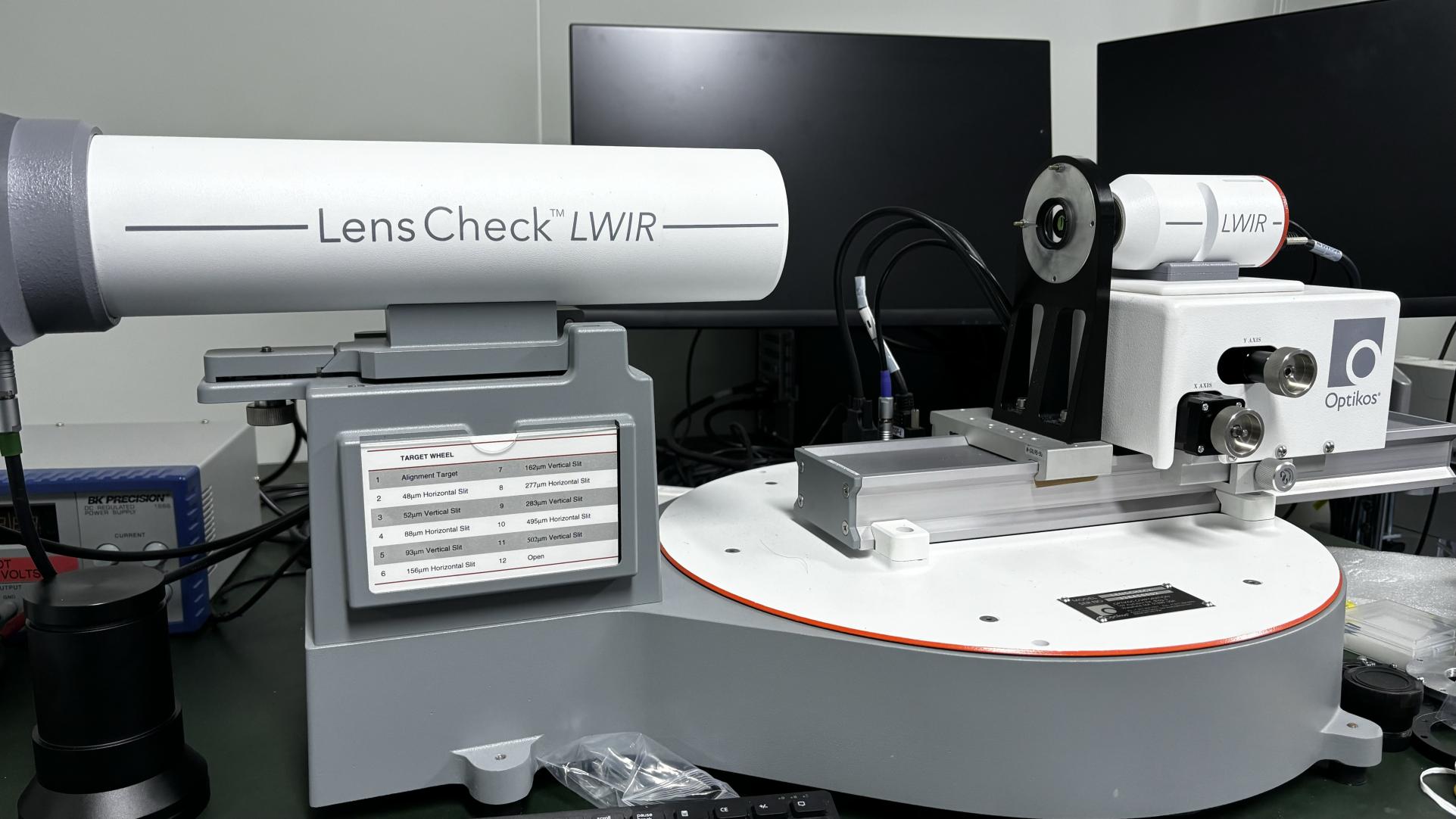
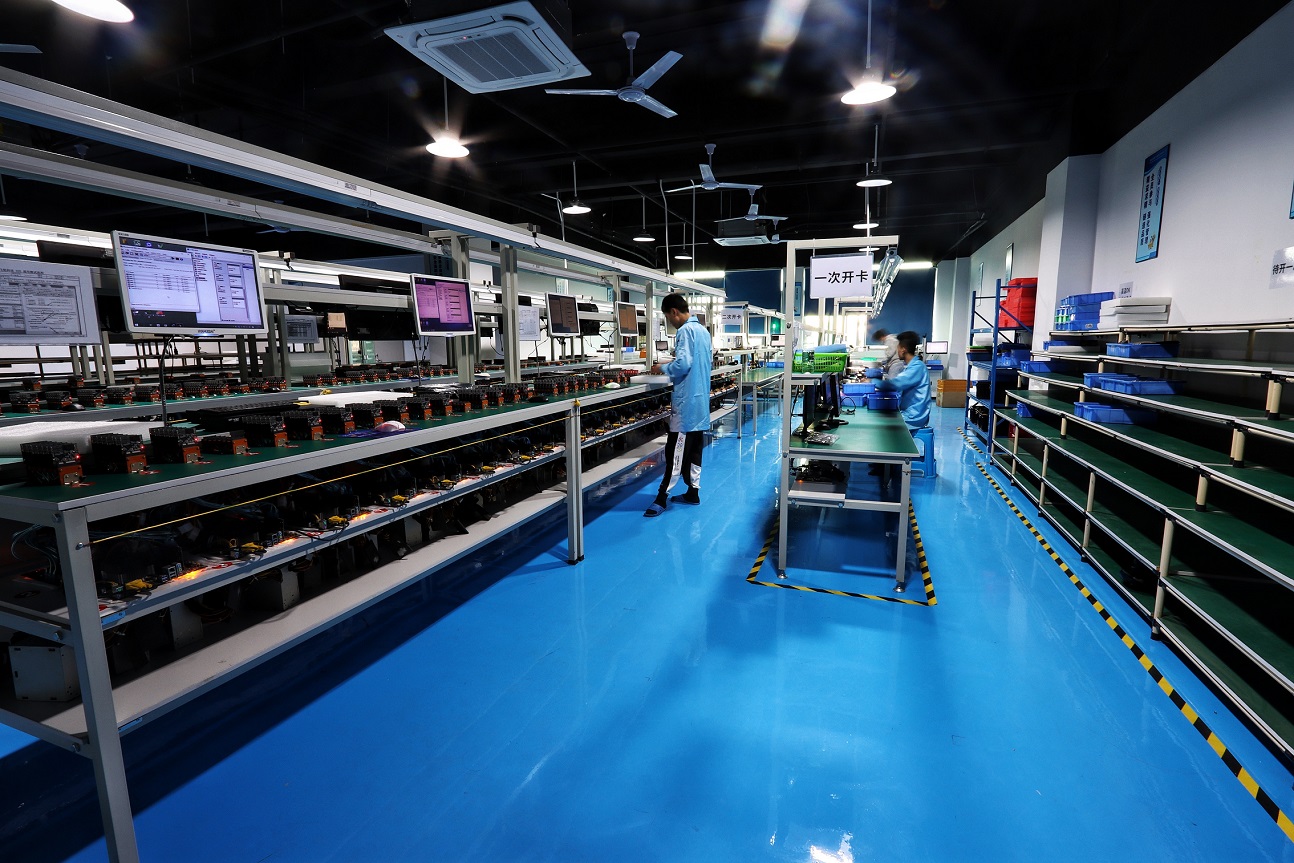
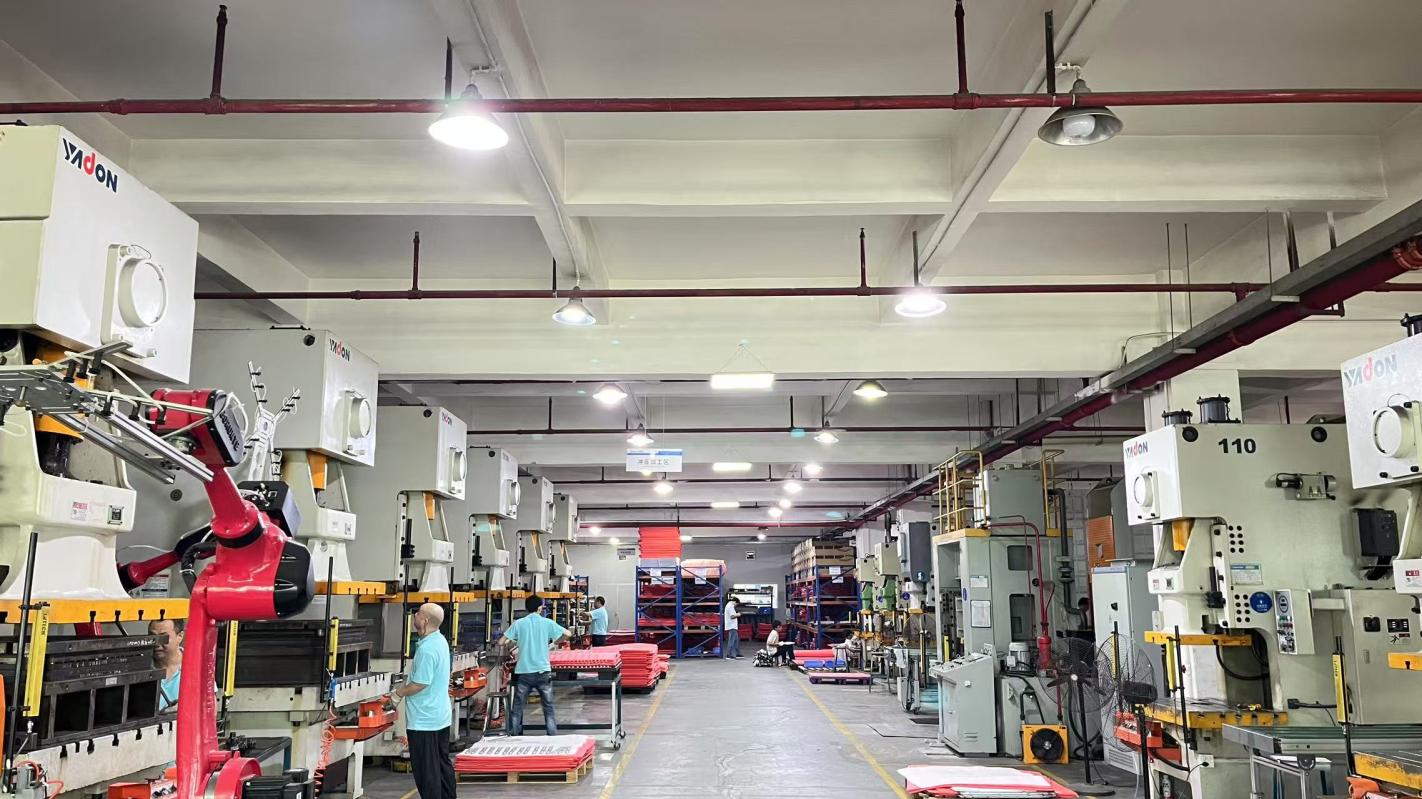
Our manufacturing facility covers 368 square meters and is equipped with advanced production and testing equipment to ensure stable quality and reliable performance. With an annual export revenue of over USD 18 million, Xeviora serves customers across North America, Europe, Southeast Asia, the Middle East, and South America.
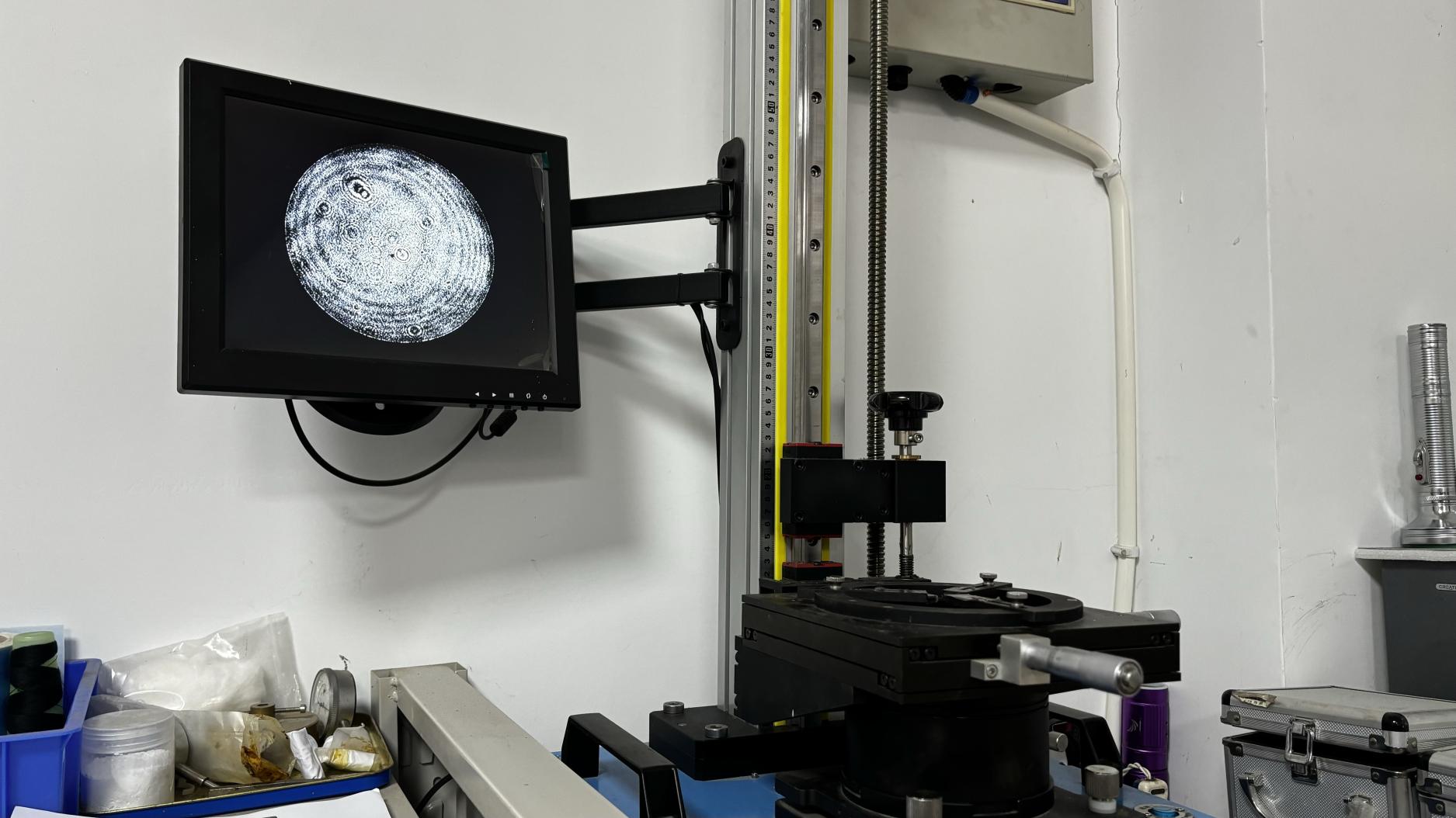
Backed by 8 years of export experience and 12 years of industry expertise, we are committed to delivering innovative memory products that meet international quality standards. Our quality management system includes comprehensive incoming material inspection, in-process quality control, and final product testing. All products undergo automated functional testing, compatibility verification, performance validation, and aging tests before shipment. Our quality assurance team consists of 46 dedicated inspectors who ensure every module meets strict reliability requirements.
As a manufacturer with strong OEM and ODM capabilities, Xeviora works closely with more than 850 supply chain partners worldwide, enabling efficient sourcing, flexible production, and fast delivery. Our primary customers include wholesalers, distributors, e-commerce sellers, system builders, brand owners, and enterprise solution providers.
Innovation is at the core of our business. Supported by an experienced R&D team of 128 engineers, we continuously invest in new technologies and product development. Last year alone, we successfully launched 86 new memory products covering DDR5 gaming memory, industrial-grade memory modules, server memory solutions, and customized storage products.
We offer flexible customization services, including private labeling, logo printing, packaging design, specification customization, firmware optimization, and complete OEM/ODM development. Whether customers require standard memory modules or fully customized solutions, our team is dedicated to providing reliable products, competitive pricing, and professional technical support.
At Xeviora, our mission is to empower global customers with advanced memory technology, dependable manufacturing, and long-term business partnerships built on quality, innovation, and trust.

Smart locks are evolving from standalone electronic hardware into secure edge devices within building, hospitality and identity ecosystems. The following trends directly influence procurement specifications, certification scope and factory selection.
Interoperability is now a baseline expectation. Leading China smart lock manufacturers are building multi-radio roadmaps that combine BLE for commissioning, Thread or Zigbee for low-power mesh access, Wi-Fi for retrofit consumer products and Matter for cross-ecosystem control. Buyers should require a protocol matrix, antenna validation reports and evidence of ecosystem certification, not only a feature list.
Fingerprint, palm-vein and face authentication are shifting to on-device processing. The strongest exporters document spoof-resistance tests, biometric template protection, liveness detection and data-minimisation logic. For GDPR, CCPA and app-store compliance, the lock’s biometric data should remain local wherever possible, with clear consent flows and auditable firmware controls.
Battery life is a competitive specification. OEM programmes increasingly test low-power wake logic, adaptive radio duty cycles, solar or energy-harvesting options, PoE-adjacent access panels and retrofit adapters for legacy doors. Sustainable packaging, recyclable materials and reduced standby consumption are also becoming tender requirements in Europe and North America.
A smart lock is both a mechanical barrier and a network endpoint. Serious exporters provide secure-boot design, signed over-the-air firmware, hardware-rooted key storage, encrypted communication, credential revocation, vulnerability disclosure policies and SBOM readiness. These controls matter in multifamily, hospitality and enterprise deployments where one compromised credential can affect thousands of doors.
Price and sample quality are only the start. International distributors, integrators and brand owners audit suppliers across certification, integration, commercial flexibility and lifecycle support.
EU buyers often require CE documentation, EN 12209 or EN 15684 lock evidence, EN 14846 where applicable, RoHS, REACH, ETSI EN 303 645 cybersecurity consideration and fire-door test reports such as EN 1634 where the door assembly claims fire performance. North American buyers may request FCC, UL, ANSI/BHMA, UL 10C or local building-code evidence. A top exporter maintains a certification matrix by SKU, market and validity date.
Access-control integration is a make-or-break requirement. Procurement teams should ask for REST API documentation, SDK support, webhook behaviour, credential provisioning flows, mobile SDK maturity, event logs, offline fallback logic and compatibility with property-management, PMS, identity and building-management platforms. Beware of exporters that promise “API support” without versioned documentation or sandbox access.
OEM/ODM competitiveness is measured through private-label app options, logo engraving, packaging and multilingual manuals, MOQ flexibility, colour and finish customisation, firmware feature gates and spare-parts availability. Global brands need a clear division between standard catalogue items and custom programme milestones, including tooling ownership, approval gates and engineering-change notification.
Export performance depends on more than shipping speed. Buyers should verify component dual-sourcing, battery supply stability, semiconductor lead-time visibility, warranty return analysis, RMA turnaround, field-replacement kits and service-part availability across a five-to-seven-year product lifecycle. A factory that cannot support spare parts and firmware updates becomes a hidden cost after volume deployment.
A capable China smart lock manufacturer and exporter can support multiple verticals, but each vertical requires different durability, integration, privacy and service specifications.
Residential systems prioritise easy installation, homeowner mobile apps, keypad or biometric access, guest credentials, low battery alerts and retrofit compatibility. Multifamily operators also need property-level role management, audit trails, resident turnover workflows, API integration with leasing systems and robust offline access fallback when Wi-Fi is unstable.
Hospitality deployments require PMS integration, time-bound guest credentials, cleaning and maintenance roles, energy-management hooks and rapid rekeying. Exporters serving this space must demonstrate mobile credential reliability, front-desk workflow support, security-event reporting and the ability to localise interfaces for global hotel brands and short-term-rental operators.
Commercial buildings, universities and healthcare sites demand access-control integration, emergency lockdown procedures, anti-tailgating options, audit logs and credential consolidation. Buyers should validate reader protocols, fail-safe or fail-secure behaviour, power backup strategies and cybersecurity controls against the buyer’s own risk framework.
Industrial, utility and telecom sites require wide-temperature performance, dust and moisture resistance, tamper detection, long service life and accountable supply-chain security. In these environments, the strongest exporters provide environmental test reports, robust key-management options, hardened firmware and documented incident-response procedures.
Localisation is not only translation. It includes regulatory adaptation, data protection, installer documentation, after-sales operations and evidence that the factory can support the product after export.
Top exporters maintain SKU-level dossiers covering radio approvals, safety testing, EMC reports, material declarations, battery transport documents and conformity declarations. Buyers should check that certificates match the exact hardware revision, antenna design, firmware family and power adapter shipped to their market, because small hardware changes can invalidate approvals.
Smart locks generate sensitive access events, user roles and sometimes biometric data. Exporters supporting European and North American brands should offer data-processing agreements, privacy-by-design documentation, regional cloud hosting options, data-retention controls and app-store privacy disclosures. Firmware should support secure onboarding and credential revocation even when cloud connectivity is interrupted.
Global channels need multilingual quick-start guides, installer templates, door-preparation drawings, wiring diagrams, troubleshooting trees, QR-linked video training and market-specific packaging. A manufacturer that can co-develop these assets reduces returns caused by installation error and improves distributor self-sufficiency.
Localisation extends to spare-part kits, battery replacement programmes, RMA triage rules, firmware rollback support and regional service partners. Strong exporters provide failure-analysis reports, serial-number traceability and service bulletins, allowing distributors and integrators to resolve field issues without shipping every unit back to China.
Smart lock procurement should be planned with a five-year horizon. The most competitive China smart lock exporters will be those that treat hardware, firmware, cloud services and compliance as one product system.
The near-term roadmap centres on Matter and Thread readiness, multi-admin ecosystem support, mobile wallet credentials, NFC commissioning, secure OTA updates and richer API ecosystems. Buyers should demand versioned SDKs, certification timelines and firmware roadmaps. Factories that can support multiple ecosystems without unstable custom firmware will win in residential and multifamily channels.
Edge AI will improve biometric anti-spoofing, anomaly detection and adaptive power management while keeping sensitive processing local. Energy harvesting, ultra-low-power wake logic and modular retrofit architectures should reduce battery anxiety and simplify upgrades. Procurement specifications will increasingly require measurable privacy controls, reproducible test criteria and transparent data flows.
Longer-term differentiation will come from zero-trust access architectures, continuous credential verification, digital-twin commissioning, predictive maintenance and AI-assisted property operations. Smart locks will be judged as part of critical building infrastructure. Exporters must prepare for stricter software-supply-chain transparency, post-quantum cryptography migration planning and lifecycle cybersecurity governance.
Use a structured scorecard rather than relying on showroom samples. The following due-diligence framework aligns with experience, expertise, authoritativeness and trust expectations for international procurement.
Request IQC, IPQC and FQC procedures, lock-cycle test logs, salt-spray results, drop and vibration testing, temperature and humidity testing, battery-life validation and production-line traceability. Review how engineering changes are approved and how serial numbers map to firmware, hardware and test records.
Map each SKU to the target market’s lock, fire, radio, electrical-safety and cybersecurity requirements. Confirm certificate scope, test-house credibility, validity and revision control. For project business, request assembly-level fire-door evidence because a lock certificate alone may not cover the full door assembly.
Review secure boot, signed OTA, key management, API authentication, cloud tenancy, penetration-test summaries, vulnerability response and SBOM practices. Ask how the supplier manages third-party modules, mobile SDKs and open-source components. These questions reveal whether the factory can support enterprise-grade deployments.
Validate MOQs, sampling process, tooling ownership, warranty terms, RMA KPIs, spare-parts commitments, packaging approvals and delivery-performance history. Speak with existing distributors in comparable markets. A top exporter should provide honest lead times, documented escalation paths and long-term product-lifecycle support.
These answers address common search intents from distributors, OEM brands, systems integrators and project buyers comparing China smart lock manufacturers and exporters.
Ask for the target-market certification matrix, factory audit summary, firmware release process, API documentation, warranty terms, MOQ, production lead time and evidence of lock-cycle testing. Confirm whether the sample matches the production hardware revision and whether the mobile app, cloud service and installation manual are included in the evaluation.
Requirements vary by product and application. EU buyers commonly review CE, RoHS, REACH, EN 12209, EN 15684, EN 14846 and ETSI EN 303 645 where relevant. North American projects may require FCC, UL, ANSI/BHMA, UL 10C or local code evidence. Fire-door assemblies require separate testing. Always verify certificate scope against the exact SKU.
Request architecture diagrams, data-flow maps, secure-boot and OTA documentation, penetration-test summaries, vulnerability disclosure procedures and app-store privacy disclosures. Confirm whether biometric data remains on-device, how credentials are revoked and whether cloud hosting can be regionalised for GDPR or other privacy regimes.
MOQs depend on whether the product is a standard model, private-label variant or fully custom design. Lead times are affected by electronic-component allocation, battery shipping rules, certification testing and packaging approval. A reliable exporter provides a milestone plan covering tooling, engineering validation, pilot run, certification and mass production.
Localisation may include multilingual manuals, packaging adaptation, regional radio certification, cloud-region options, installer training assets, spare-part kits and RMA workflows. Buyers should define which localisation tasks belong to the factory, the importer and the local service partner before mass production begins.
Yes, but capabilities should be proven separately. Evaluate the mechanical team through test reports, tolerance analysis and door-compatibility data. Evaluate the software team through SDK quality, app release discipline, API security, OTA recovery and cloud operations. A strong smart lock programme integrates both disciplines under a documented change-control system.
The final eight items are preserved from the supplied catalogue. As noted above, these are component and hardware references from the manufacturer profile; lock-specific product validation, certification and factory-audit evidence should be requested separately for smart-lock procurement.