Xeviora
Xeviora
Xeviora
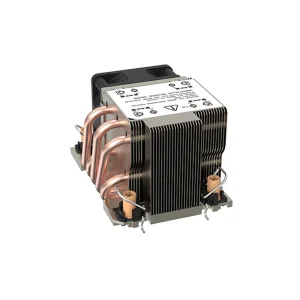
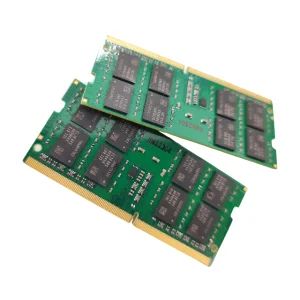
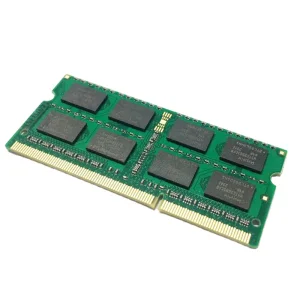
Explore our premium grade selection of memory sticks, CPU heatsinks, PCBs, and specialized cooling equipment designed for intensive enterprise operations.
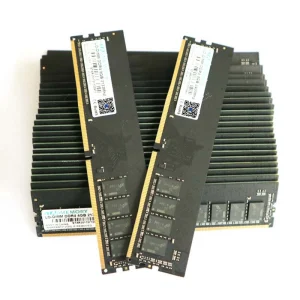
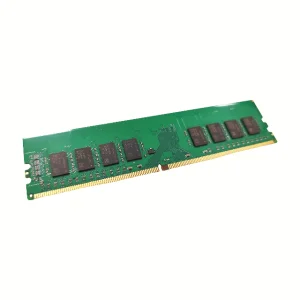
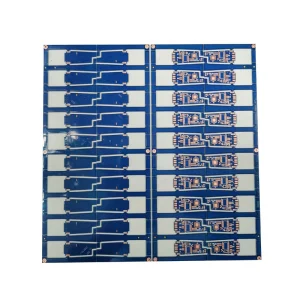
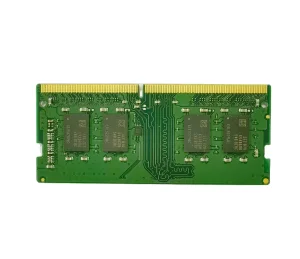
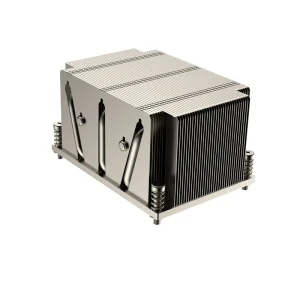
As digital transformation accelerates and artificial intelligence (AI) workloads demand unprecedented computational limits, the global reliance on robust server infrastructure manufacturing has reached historic highs. From high-capacity enterprise DRAM modules to complex multi-layer printed circuit boards (PCBs) and thermal management systems, every link in the server hardware supply chain plays a pivotal role in cloud scalability, edge computing operations, and high-frequency trading platforms.
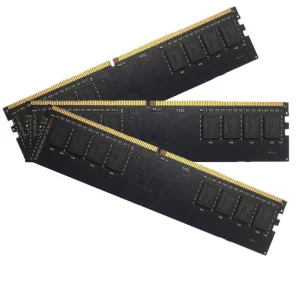
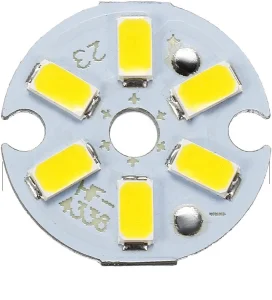
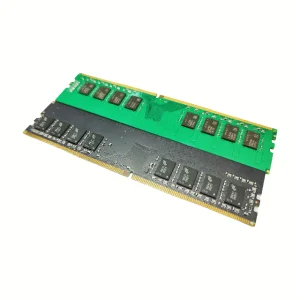
Historically concentrated in key geographic zones, the production of server hardware components has shifted toward highly integrated manufacturing clusters. Leading the global supply indices are exporters from mainland China, Taiwan, South Korea, and Southeast Asia. These regions produce the foundational blocks of modern hyperscale datacenters, including registered DIMMs (RDIMMs), server chassis, copper-pipe heat exchangers, and double-sided PCBs capable of managing heavy signals.
Synergy between semiconductor assembly lines and hardware chassis production minimizes logistical latency for global enterprises.
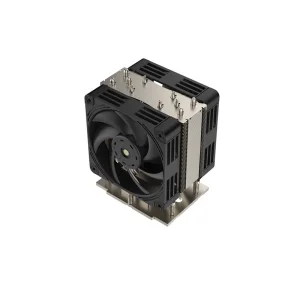
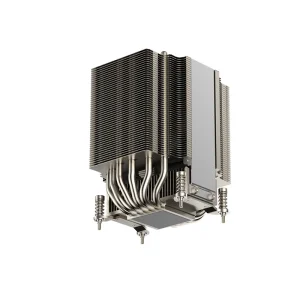
Emergence of TDP limits reaching 300W and above demands high-efficiency heat-pipes, passive aluminum fin arrays, and water-blocks.
Diversification of component sourcing alongside robust regional manufacturing hubs ensures continuity for datacenters.
Crucially, the global market requires manufacturers to support robust OEM and ODM services. Enterprise clients rarely purchase off-the-shelf parts; instead, they require strict layout configurations, specific trace impedances on PCBs, customized firmware optimizations to match specific Xeon or EPYC CPU architectures, and certified performance validation. Consequently, exporters who possess inside-out R&D departments and advanced testing apparatuses dominate the export landscape.
China's preeminence in the server infrastructure sector is not merely a product of scale, but also of unparalleled operational agility, supply chain depth, and cluster consolidation. In tech hubs like Shenzhen and Guangzhou, memory manufacturers, SMT (Surface Mount Technology) providers, raw silicon wafer suppliers, and packaging designers reside within a 50-kilometer radius. This layout significantly reduces lead times from design conception to physical export validation.
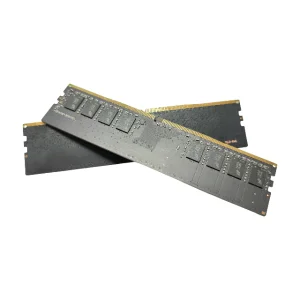
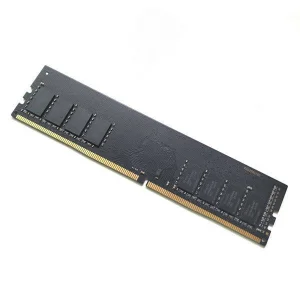
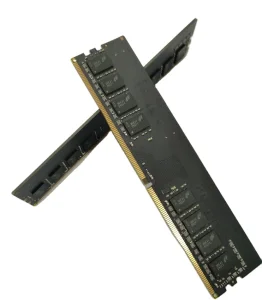
A prime example of this integrated excellence is Xeviora Memory Technology (China) Co., Ltd., a professional memory manufacturer specializing in DDR5 and DDR4 high-performance RAM solutions for gaming, industrial, enterprise, and consumer systems. Founded in 2017, Xeviora has evolved rapidly into a prominent OEM and ODM partner for worldwide distributors, system integrators, and international brands. With deep-rooted industry expertise spanning over 12 years and an established 8-year export legacy, Xeviora exemplifies the focus on quality and innovation that defines China's advanced manufacturing sector.
Equipped with modern manufacturing facilities, Xeviora deploys precision SMT lines capable of handling complex trace layouts required for next-generation DDR5 and DDR4 server memory. Their product development pipeline is driven by an experienced R&D team of 128 engineers. Last year alone, Xeviora successfully introduced 86 new memory products. These products span from high-frequency gaming modules to mission-critical industrial-grade RAM and enterprise server storage components, demonstrating the manufacturer's rapid adaptiveness to fast-changing technological demands.
Additionally, Xeviora's rigorous quality assurance standards highlight the shift toward dependability in Chinese high-tech exporting. A total of 46 quality inspectors oversee a thorough multi-step validation system: incoming material inspection (IQC), in-process quality control (IPQC), final product verification (FQC), and automated testing. Memory modules undergo strict compatibility testing, performance benchmarking, and thermal stress/aging tests before shipment, ensuring they meet global market expectations for reliability.
Server components must withstand varied operational loads across different deployment environments. Below are the primary deployment scenarios where specialized memory modules, PCBs, and thermal solutions are critical:
In traditional corporate datacenters running virtualization hypervisors (such as VMware ESXi or Microsoft Hyper-V), system stability is vital. These environments demand ECC (Error-Correcting Code) Memory to prevent single-bit errors from causing system crashes. Combined with multi-layer printed circuit boards, these servers must operate continuously under fluctuating loads without experiencing data corruption.
Modern machine learning training nodes utilize multiple high-power GPUs alongside CPUs, demanding significant thermal and data throughput capabilities. Here, heat dissipation and memory bandwidth are critical. Heavy-duty 300W passive heatsinks, featuring dense copper heat pipes and aluminum fins, prevent thermal throttling on high-end host processors. Simultaneously, high-speed, high-density RAM modules support fast data delivery to parallel compute units.
Edge nodes deployed in remote locations, manufacturing floors, or transit hubs operate in harsh environments subject to dust, vibration, and thermal fluctuations. These applications rely on rugged industrial-grade PCBs with high thermal endurance, as well as low-profile memory components designed to resist dust and maintain stable connections in compact enclosures.
Procuring server infrastructure at scale requires careful evaluation of technical capability, production capacity, and quality management systems. The table below outlines the core purchasing criteria for global system integrators and IT buyers:
| Component Category | Critical Sourcing Specifications | Quality Standards & Certifications | Key Sourcing Priorities |
|---|---|---|---|
| Server Memory (RAM) | DDR4/DDR5 ECC/Non-ECC, 2133MHz to 3200MHz+ frequencies, custom IC sorting, stable latency profiles. | RoHS, CE, FCC, automated test validation, compatibility matrices. | Long-term compatibility, thermal stability, lifetime warranty, low failure rate. |
| Thermal Management | 300W TDP dissipation capacity, multi-heat-pipe design, copper base, dual ball-bearing fans. | Vibration testing, thermal cycle simulation, flow resistance reports. | Heatsink clearance height, material purity, long-term bearing lifespan. |
| Server PCBs & PCBA | Double-sided, multi-layer high-frequency FR-4 substrates, impedance control, fine trace routing. | UL 94V-0 flammability rating, ISO9001, IPC Class 2 or Class 3 compliance. | Signal integrity, high thermal tolerance (Tg rating), zero-defect SMT solder joints. |
| ODM / Custom Solutions | Firmware optimization, custom packaging, labeling, custom PCB layouts. | Confidentiality agreements, system level verification. | Flexible production, dedicated engineering support, quick turnaround times. |
System integrators often prioritize partners with integrated production ecosystems. When memory manufacturers work alongside PCB fabrication units and thermal component designers, it reduces compatibility issues and ensures consistent mechanical fits, leading to smoother assembly and deployment cycles.
The server hardware industry is evolving rapidly to keep pace with higher power requirements and advanced computing architectures. Several key trends are shaping the future of server component design and production:
Common questions and answers regarding product sourcing, customization capabilities, and quality assurance processes.
Server memory typically features Error-Correcting Code (ECC) technology, which detects and corrects single-bit memory errors to prevent system downtime. It is also designed and tested for continuous, round-the-clock operation under heavy workloads, unlike standard consumer RAM.
Reliable manufacturers run extensive test matrices using systems from major brands like Dell, HP, Lenovo, and Supermicro. They verify compatibility across various CPU platforms, chipsets, and motherboard layouts before beginning bulk production.
High-density servers generate significant heat and handle fast data transmission. Well-engineered multi-layer PCBs preserve signal integrity, while matching high-TDP heatsinks prevent components from overheating and throttling performance.
Yes. Many manufacturers offer comprehensive OEM/ODM services, including customized SPD firmware, custom PCB printing, private branding, and retail or bulk packaging designs to meet specific branding requirements.
Quality checks usually include incoming material inspection (IQC), automated optical inspection (AOI) during SMT assembly, functional testing, system-level compatibility tests, and thermal burn-in tests to filter out early component failures.
Lead times vary depending on component complexity and order size. Standard configurations of memory modules can often be shipped in 1 to 2 weeks, while custom PCB designs or specialized thermal solutions typically require 3 to 5 weeks for manufacturing and verification.
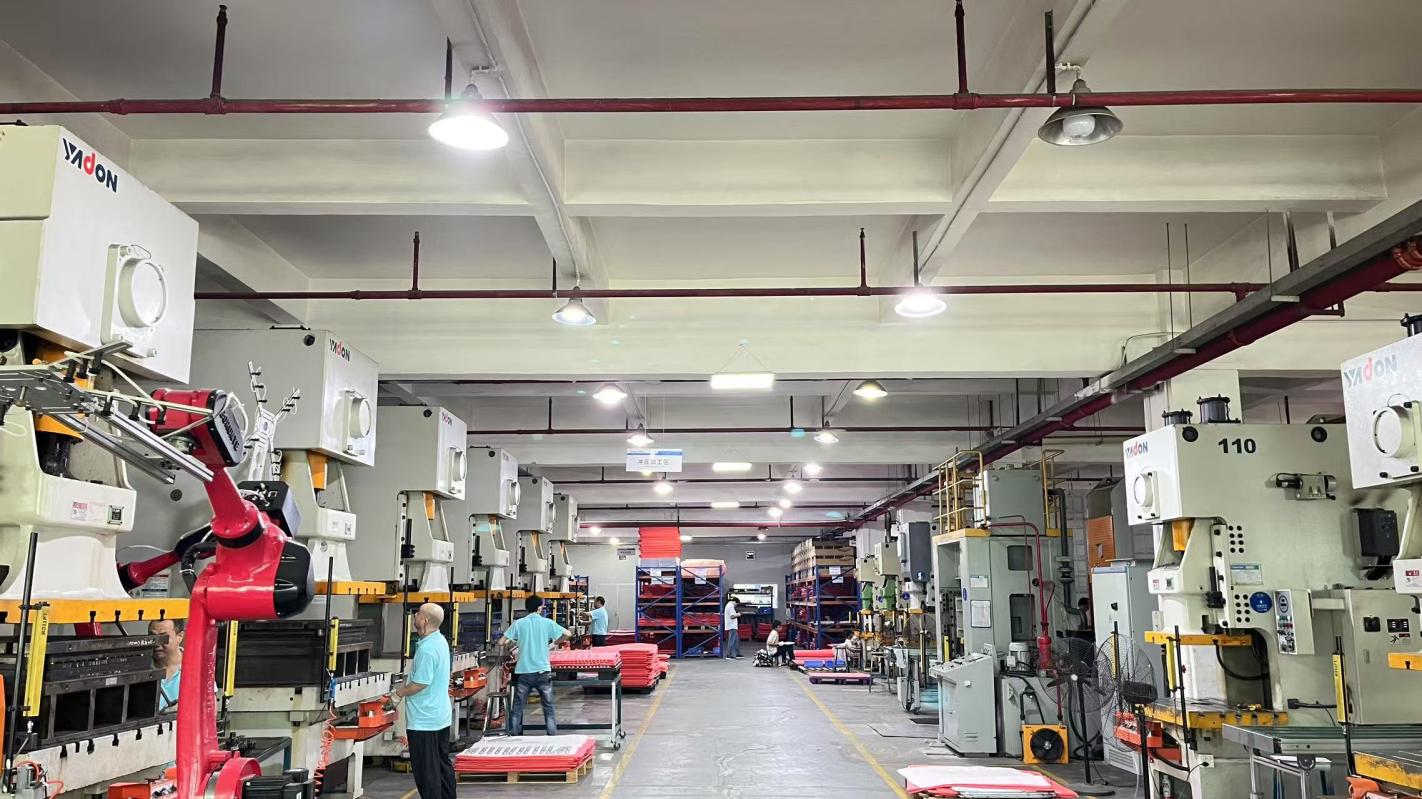
A look inside our state-of-the-art production environments, showcasing our automated SMT lines, testing facilities, and clean assembly zones.
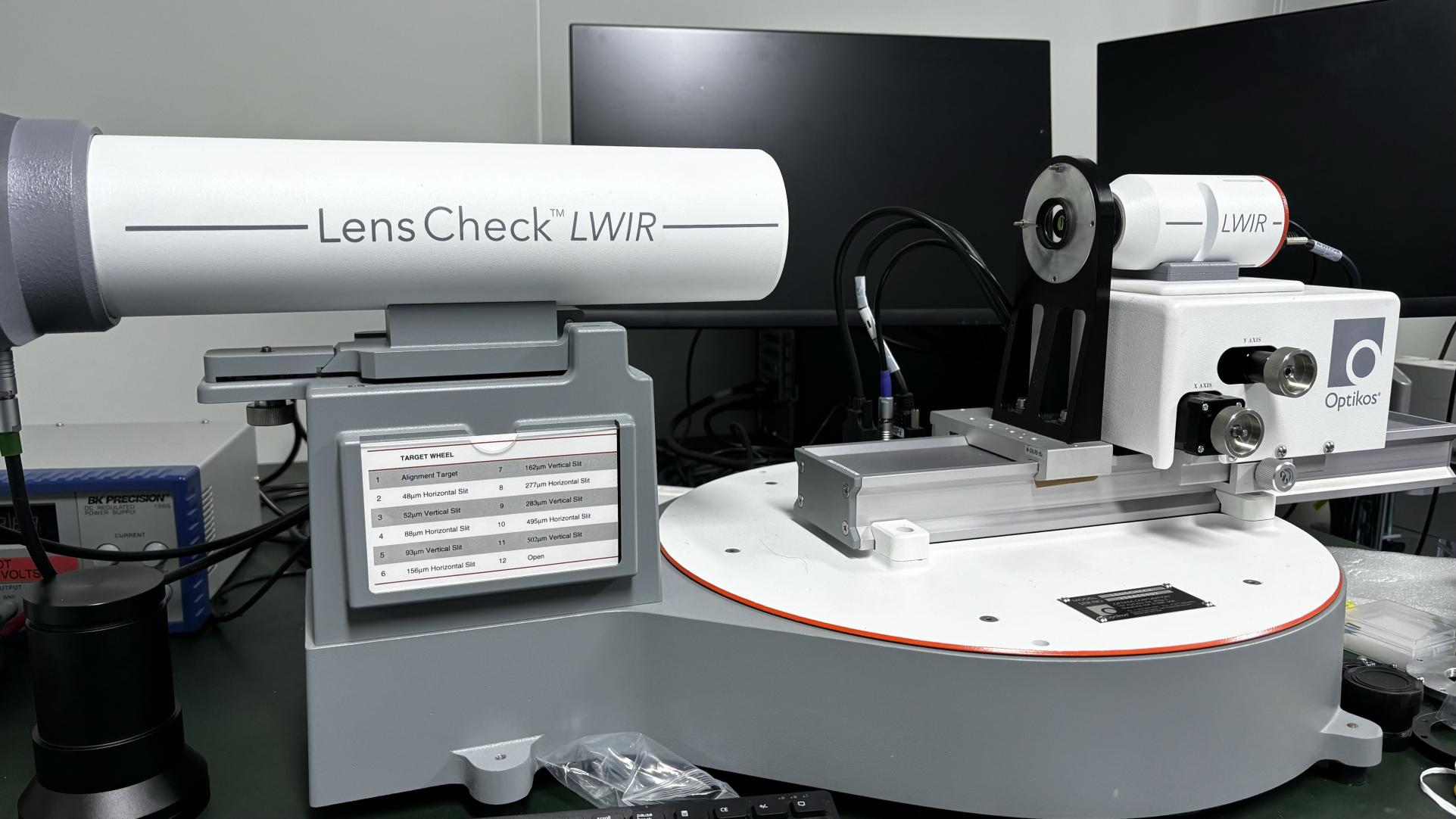
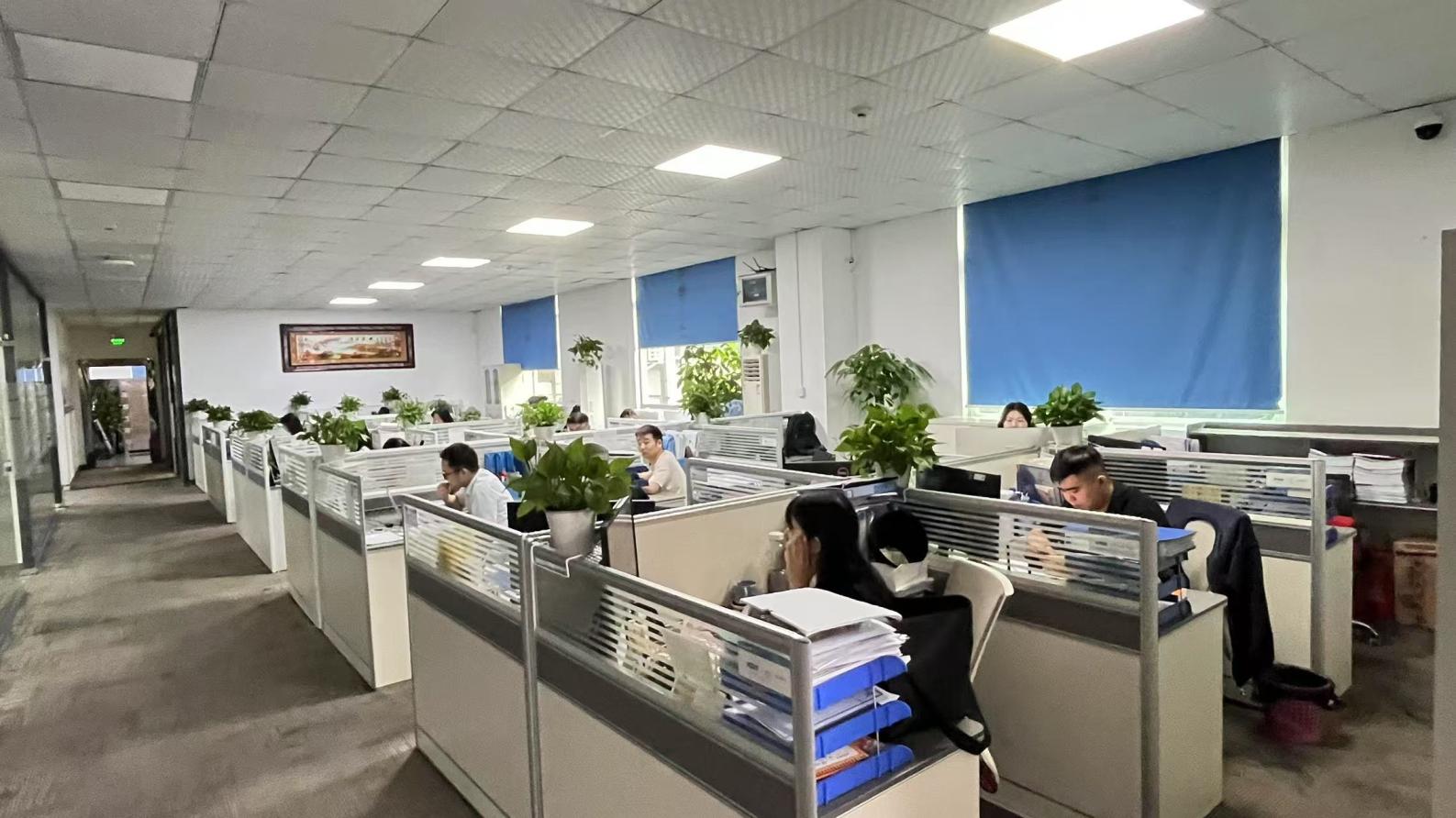
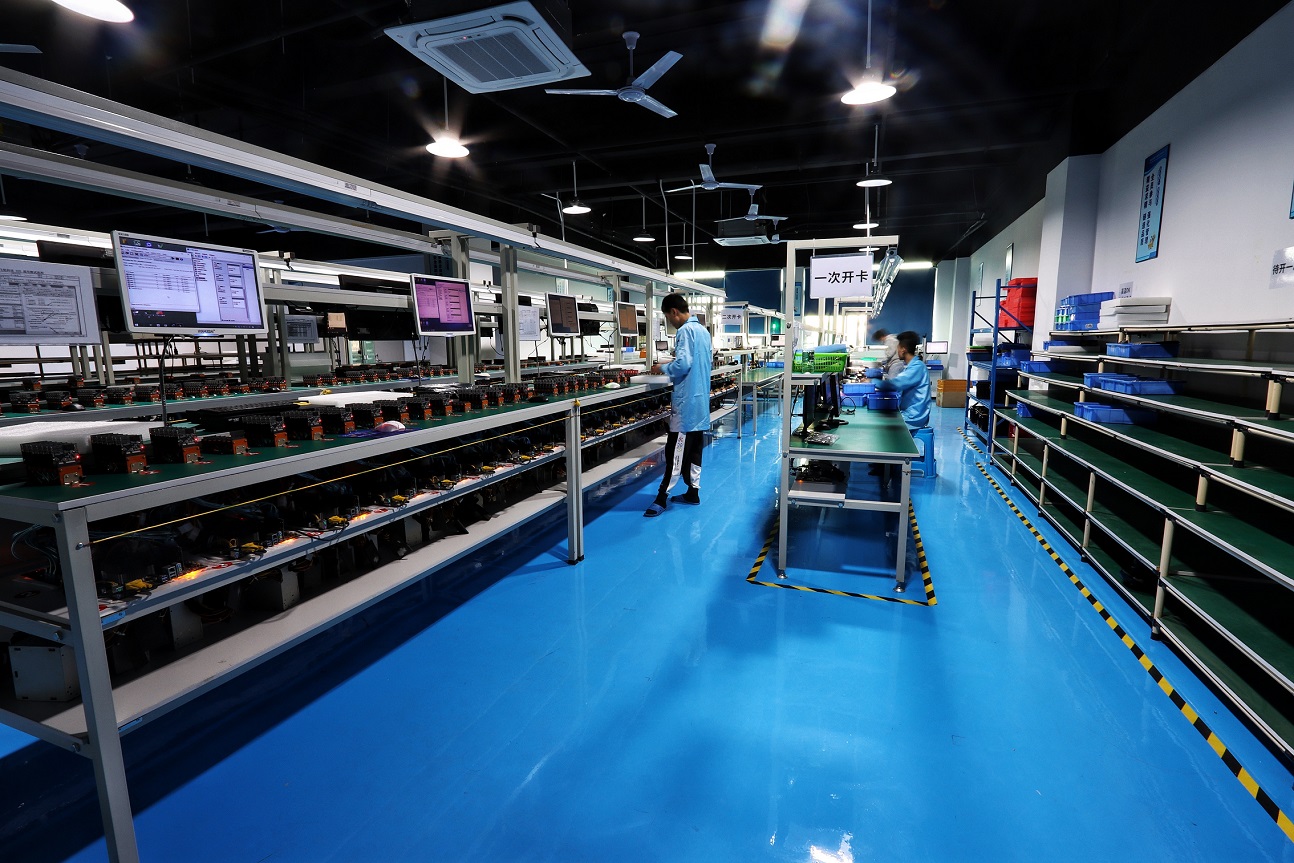
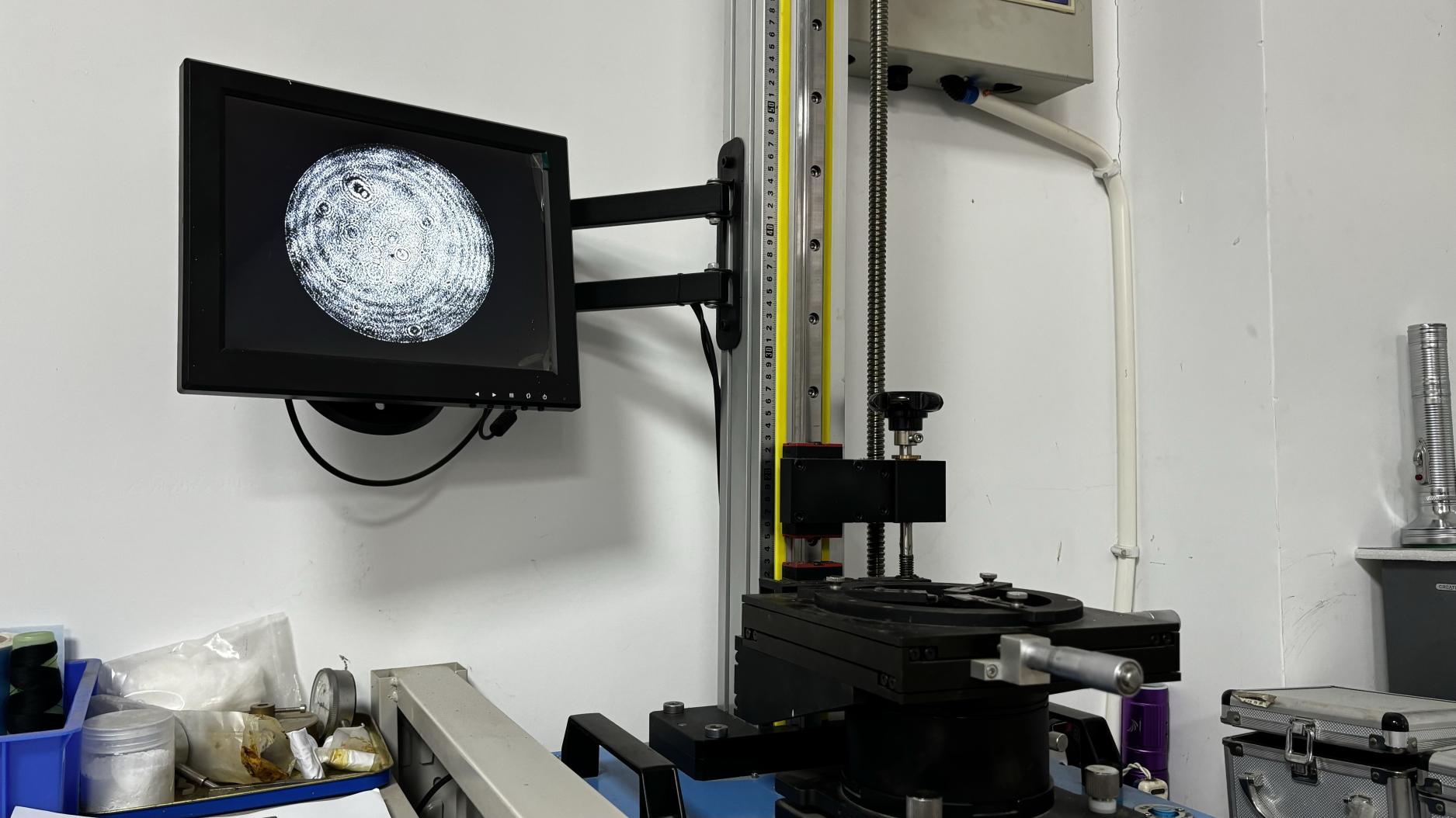
Browse our catalog of server-grade RAM modules, double-sided PCBs, and robust cooling fans designed for enterprise setups.