Top 10 Industrial Fan Manufacturers & Exporter

A Comprehensive Whitepaper on Global Ventilation Systems, Thermal Management, and Industrial Electronics supply chains.

1. The Global Industrial Fan & Thermal Management Landscape

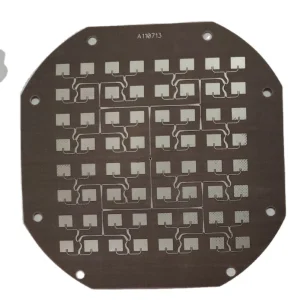
In the modern industrial paradigm, ventilation and heat management are no longer isolated engineering problems. They represent core operational challenges affecting overall system efficiency, machinery durability, and workplace safety. With the rapid digitization of factories and the rise of mega data centers, the boundaries between industrial fan manufacturing and high-precision electronic thermal control have blurred. Industrial ventilation systems rely heavily on robust printed circuit boards (PCBs), variable frequency drives (VFDs), and advanced processor units to operate safely under intense ambient heat.

According to global industrial research, the global market for industrial fans and blowers is projected to reach USD 12.8 billion by 2028, growing at a CAGR of 4.8%. This growth is driven by stringent occupational safety regulations, demand for energy-efficient EC (Electronically Commutated) motors, and the expansion of heavy industries across Asia-Pacific and North America. In parallel, the demand for enterprise computing, high-frequency signal processing, and server-side thermal systems (such as customized heatsinks and DDR5 memory control units) is surging. This integration is vital for the automated control networks that drive large-scale aeration and exhaust plants.

$12.8B
Global Market size by 2028
4.8%
Projected CAGR Growth
40%+
EC Motor Efficiency Gain
ISO9001
Industry Quality Benchmark

2. Technical Aerodynamics & Thermal Engineering

Industrial ventilation demands a rigorous understanding of fluid dynamics, static pressure, and thermal loading. Systems are generally divided into axial fans, which move high volumes of air at low pressure, and centrifugal blowers, designed to push air against high static resistance. Both variants rely on highly engineered impellers, dynamic balance configurations, and robust structural housings.

However, the mechanics are only half the equation. The operational longevity of these fans is governed by their control systems. Brushless DC (BLDC) and Electronically Commutated (EC) motors incorporate integrated control boards and sensors that adjust output based on temperature and air quality variables.

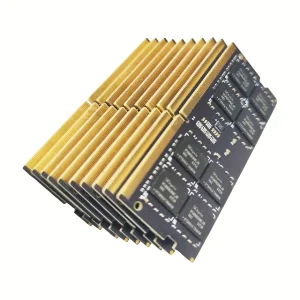
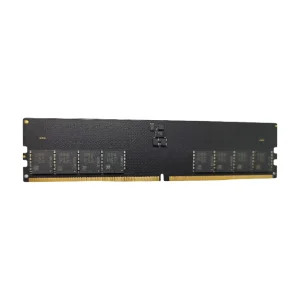
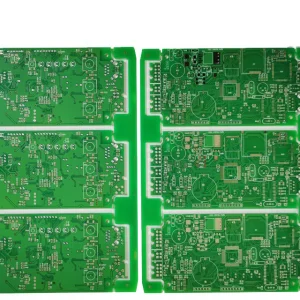
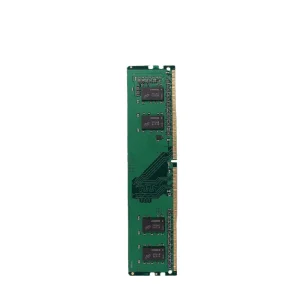
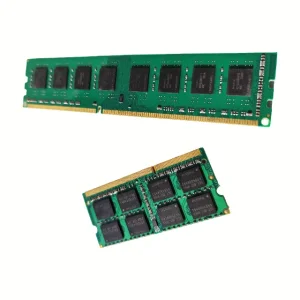
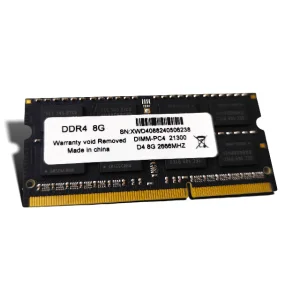
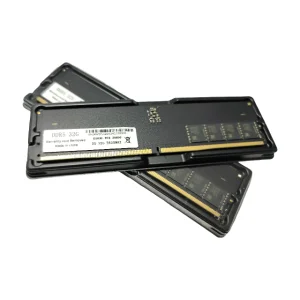
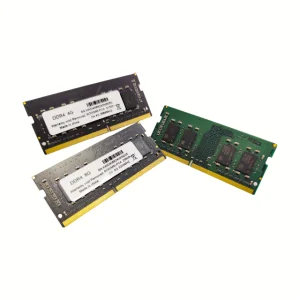
These smart ventilation controllers require highly resilient multi-layer PCB systems and high-performance, error-correcting memory modules (such as ECC DDR4/DDR5 RAM) to process algorithmic data in real-time, preventing catastrophic component failures in hazardous and high-heat environments.

Typical Application Environments

  • Heavy Manufacturing: High-temperature smelting, casting plants, and chemical processing facilities where volatile fumes require continuous extraction.
  • Commercial Cleanrooms: Microelectronics fabrication facilities where HEPA/ULPA filter fan units (FFUs) must maintain pristine conditions.
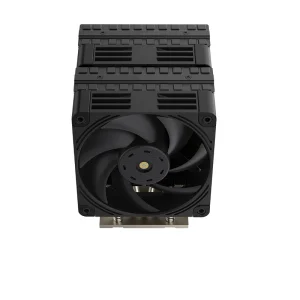
  • Data Centers & Server Farms: Dense server racks producing immense thermal outputs, controlled by active high-speed air-cooled server heatsinks.
  • Agricultural Facilities: Livestock and greenhouse climate controllers optimized to maintain specific oxygen and humidity levels.

3. Top 10 Industrial Fan & Cooling Manufacturers Directory

Selecting the right ventilation supplier is critical for project success, long-term operational efficiency, and legal compliance. The following directory profiles the top 10 global manufacturers of industrial fans and thermal systems, emphasizing their technological specializations and market positioning.

Manufacturer Name Headquarters Core Technological Specialization Key Industries Served
ebm-papst Group Germany Pioneering EC (Electronically Commutated) motor technology, quiet-running axial & centrifugal fans. HVAC, Data Centers, Automotive, Electronics Cooling
Ziehl-Abegg SE Germany Bionic fan blade designs inspired by nature (owl-wing shape), high-performance external rotor motors. Refrigeration, Ventilation, Lift Motors, Agriculture
Howden (Charter Nexus) United Kingdom Heavy-duty customized industrial blowers, compressors, and rotary heat exchangers. Mining, Petrochemical, Power Generation, Heavy Manufacturing
Systemair AB Sweden High-efficiency air handling units (AHUs), tunnel ventilation, and smoke extraction fans. Infrastructure, Commercial HVAC, Infrastructure
Twin City Fan & Blower United States Custom heavy-duty centrifugal blowers, custom-built industrial exhausters. Wastewater Treatment, Processing Industries, Pulp & Paper
Munters Group Sweden Desiccant dehumidification systems, direct evaporative cooling, energy recovery. Food Processing, Agriculture, Pharmaceutical cleanrooms
Greenheck Fan Corporation United States Commercial air movement, damper systems, rooftop ventilator units. Commercial Construction, Institutional Facilities, Hotels
The New York Blower Company United States Heavy-duty structural steel blowers, industrial process fans, custom engineering. Chemical Processing, Steel Manufacturing, Material Handling
FläktGroup Germany Smart indoor air quality (IAQ) solutions, critical ventilation, marine applications. Marine, Healthcare Facilities, Industrial Cleanrooms
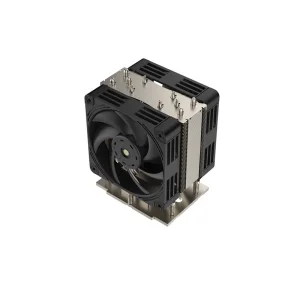
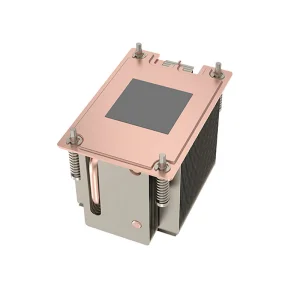
Xeviora Tech (Thermal & PCBA Ecosystem) China High-density control PCBs, server-grade thermal sinks, active dual-ball bearing cooling modules. Industrial Control Panels, Server Farm Ventilation, Automated HVAC Drives

4. Supply Chain Resilience & High-Precision Manufacturing

The production of industrial-grade machinery and electronic assemblies is heavily reliant on integrated supply chains. China remains a global hub due to its unparalleled assembly capabilities, raw material accessibility, and concentration of microelectronic suppliers.

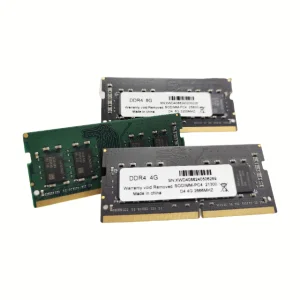
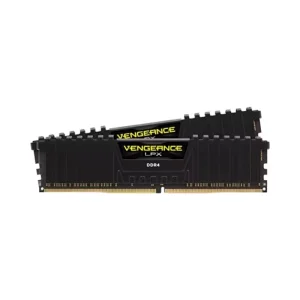
Xeviora Memory Technology (China) Co., Ltd. is a prime example of this industrial integration. As a professional manufacturer based in China, Xeviora specializes in high-performance memory modules and active cooling systems designed to power enterprise applications, industrial controls, and computing architectures.

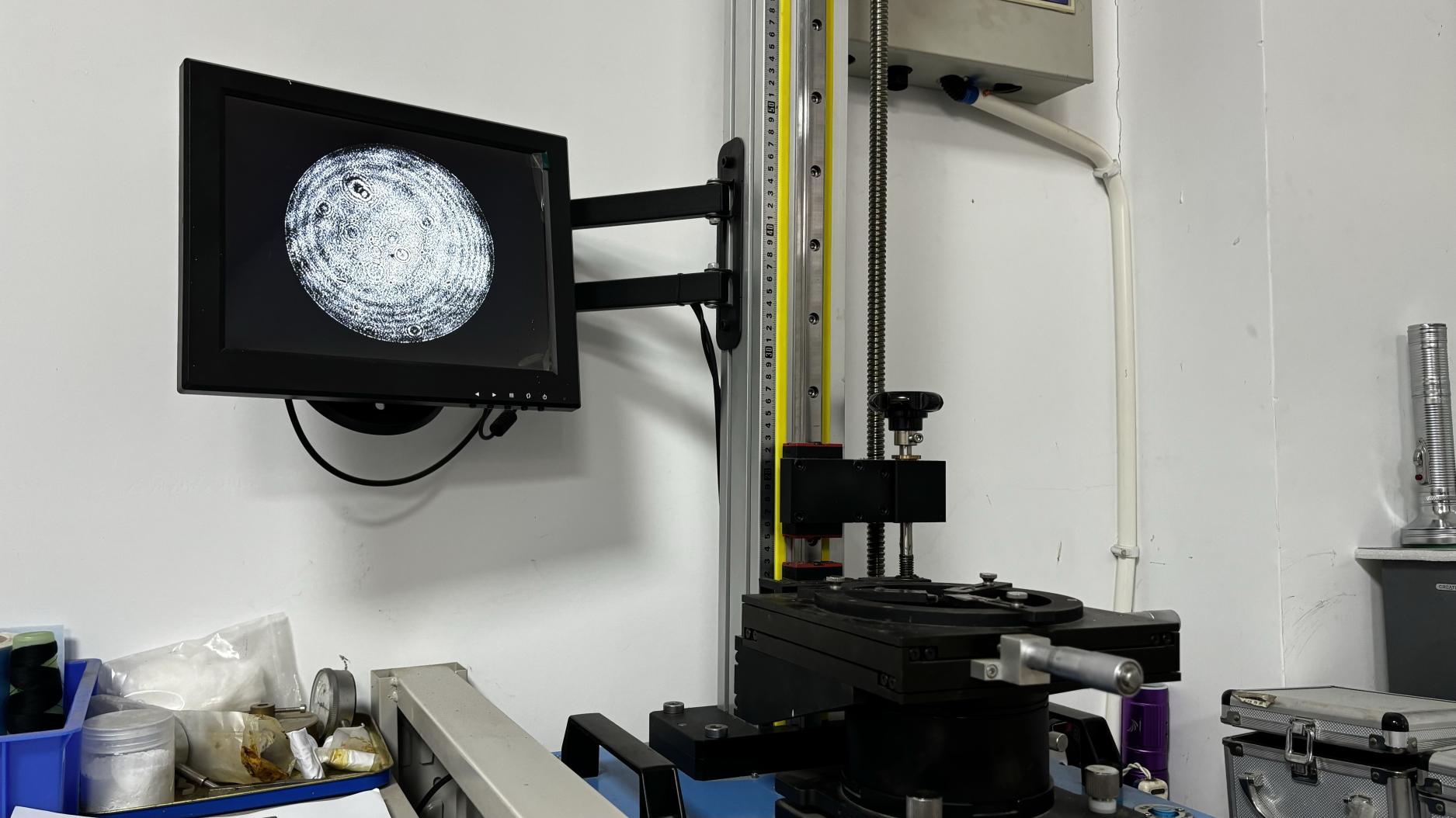
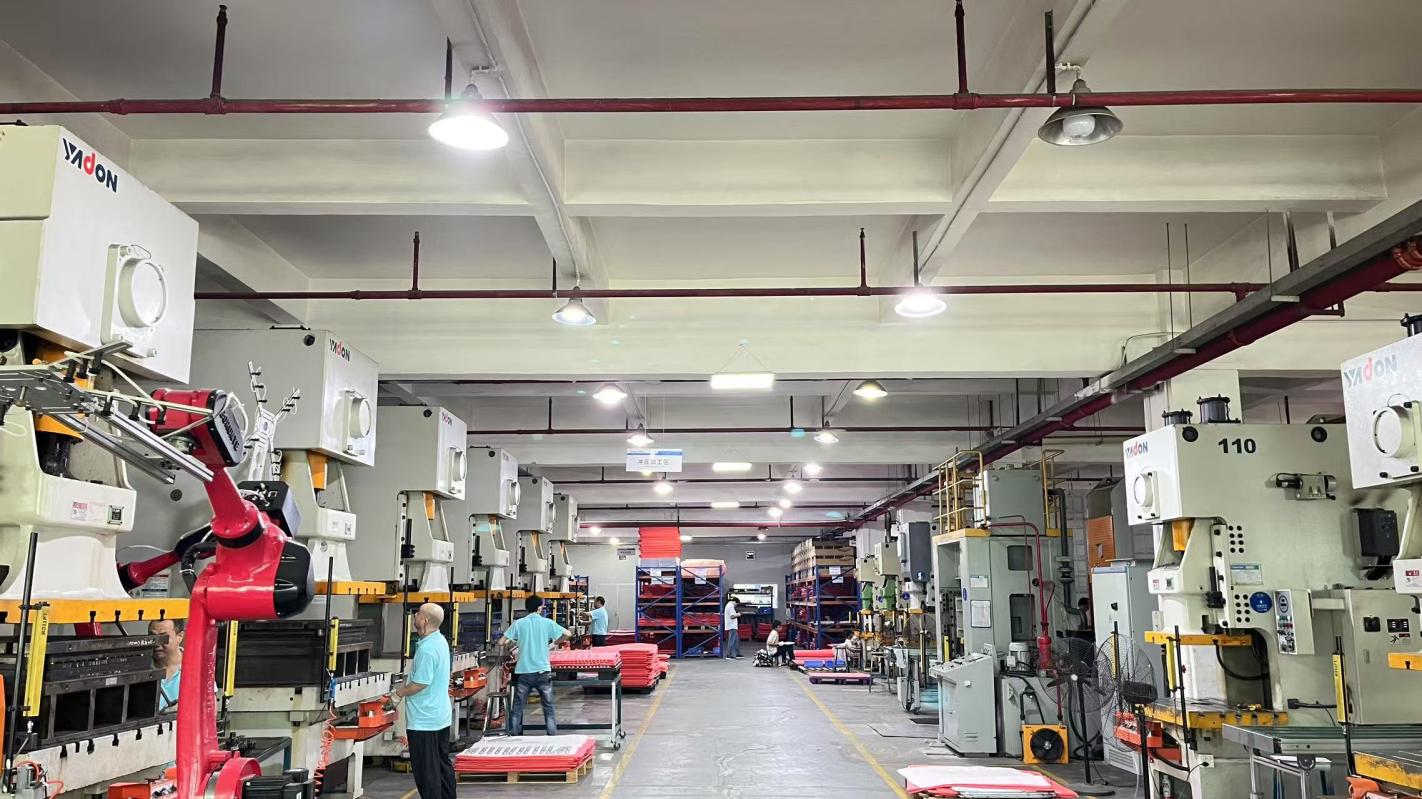
Established in 2017, the company has rapidly grown into a trusted OEM and ODM partner for global distributors, system integrators, and technology brands. Our high-precision manufacturing facility covers 368 square meters and is equipped with advanced surface-mount technology (SMT) lines and automated diagnostic stations to ensure stable quality and reliable performance under high thermal loading. With an annual export revenue of over USD 18 million, Xeviora serves customers across North America, Europe, Southeast Asia, the Middle East, and South America.

Quality Control & R&D Capability

Backed by 8 years of export experience and 12 years of industry expertise, we are committed to delivering innovative products that meet international standards. Our quality management system includes incoming material inspection, in-process quality control, and final product verification.

All memory modules and active cooling products undergo automated functional testing, thermal compatibility verification, and aging tests before shipment. Our quality assurance team consists of 46 dedicated inspectors ensuring every module meets strict reliability requirements.

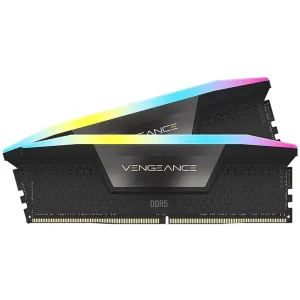
Supported by an experienced R&D team of 128 engineers, Xeviora continuously invests in new technologies. Last year, we successfully launched 86 new memory and cooling products covering DDR5 enterprise memory, industrial-grade memory modules, server cooling solutions, and customized storage products.

5. Technological Roadmap: Future of Industrial Ventilation & Thermal Systems

The industrial landscape is moving toward autonomous, hyper-efficient systems. The integration of Internet of Things (IoT) technologies and edge computing has transformed fans from mechanical components into smart nodes within building management networks.

Phase 1: Advanced Computational Fluid Dynamics (CFD)
Designers utilize complex numerical modeling to profile airflow patterns, turbulence, and structural strain prior to manufacturing. This minimizes raw material usage and maximizes aerodynamic output.
Phase 2: IoT Sensors & Predictive Maintenance
Deploying real-time temperature, vibration, and acoustical sensors inside fan housings. High-speed processors parse this telemetry at the edge, using ECC memory modules to predict bearing wear and schedule preventative repairs.
Phase 3: Integration of AI-driven Smart Governors
Closed-loop AI control systems adjust fan speeds based on real-time factors like air quality, localized temperature spikes, and utility cost cycles, improving system efficiency.

6. Localization, Environmental Standards & Regulatory Compliance

Operating complex industrial systems globally requires adherence to rigid national and international standards. A ventilation or thermal control system that fails local certification metrics can cause project delays and regulatory fines.

Important standards include the Air Movement and Control Association (AMCA) certification, which validates performance ratings for air volume, pressure, and electrical efficiency. For electric motors and controllers, compliance with the European CE Mark and the American Underwriters Laboratories (UL 507) is crucial to guarantee fire safety and structural reliability.

Furthermore, modern electronics (such as the PCB controllers, heatsinks, and RAM modules built by Xeviora) must comply with RoHS (Restriction of Hazardous Substances) and REACH regulations. This ensures that hazardous chemicals are excluded from the supply chain, facilitating global import-export operations.

Industrial Fan & Thermal Management FAQ

What is the difference between an axial fan and a centrifugal blower? +
Axial fans move air parallel to the shaft, generating high volume flow at low static pressures (ideal for general room ventilation). Centrifugal blowers direct air perpendicular to the inlet, building high static pressure (ideal for duct networks, exhaust systems, and filtering units).
Why are EC (Electronically Commutated) motors preferred over AC motors? +
EC motors combine the advantages of AC and DC technologies. They run on AC power but use brushless DC electronics to dynamically control motor speed. This results in up to 40% energy savings, lower thermal output, quieter operation, and simple integration with smart building networks.
How do PCB designs and memory systems impact industrial smart fans? +
Modern smart ventilation uses VFDs and microcontrollers to alter blade speed based on environmental variables. High-durability multi-layer PCBs and ECC (Error-Correcting Code) RAM ensure the processing unit does not crash or suffer data corruption from electrical noise and high ambient temperatures.
What custom OEM/ODM services does Xeviora provide? +
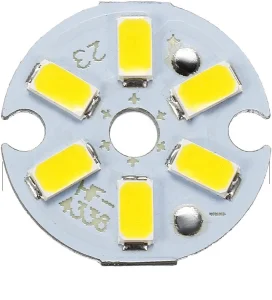
Xeviora provides comprehensive customization, including private labeling, packaging design, custom PCB substrate development (like aluminum thermal cores), RAM specifications, heat-sink mounting alignments, and specialized firmware adjustments for server cooling.