 Xeviora
Xeviora
Xeviora
Direct from factory-certified lines. Integrated memory modules, high-frequency PCBs, and specialized cooling interfaces optimized for immediate enterprise dispatch.
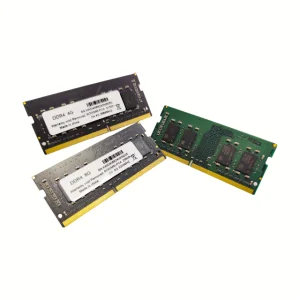
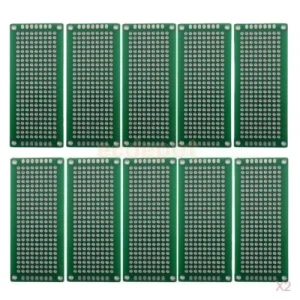
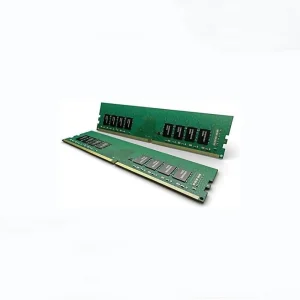
Factory Wholesale ECC Laptop DDR4 RAM 8GB-32GB 2666MHz Single Item Box Packing Memory Module Stock
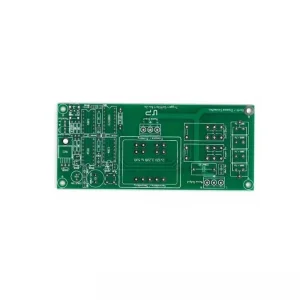
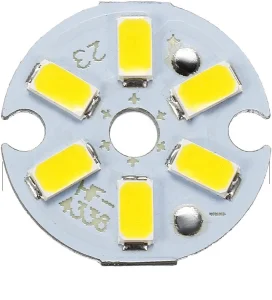
China PCB Manufacturing PCBA Prototype Cheap Price LED Chip Bulb SMD Light Beads Circuit PCB
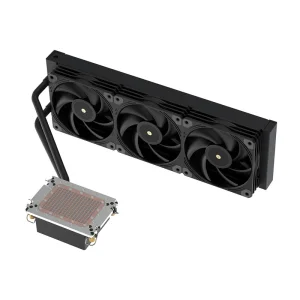
Computer Cooling Fan Heat Pipe LGA4677 Server Heat Sink 4U Server Integrated Water Cooling
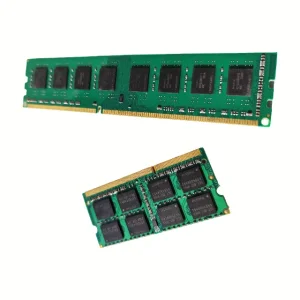
Wholesale Multi-Capacity DDR4 2666MHz ECC Laptop Memory Module in Stock
Analysis of macro supply chains, rising market requirements, and technical validation mechanisms necessary to navigate volatile chip supplies.
The semiconductor paradigm is transitioning quickly from DDR4 to DDR5 platforms, with speeds soaring from standard 2666MHz to extreme 6800MHz limits. Original equipment manufacturers (OEMs) demand high capacity (ranging up to 64GB DDR5) with integrated Power Management ICs (PMIC) and On-Die ECC configurations to manage the compute burdens of artificial intelligence (AI) and server clustering ecosystems.
Compute density at the server level generates unprecedented thermal output. Modern architectures utilize specialized sockets such as the AMD SP5 or Intel LGA4677, requiring high-TDP cooling units. Sourcing managers must evaluate copper vapor chambers (VC), heavy heat pipe setups, and liquid loops engineered for continuously running data center servers without component throttle limits.
The foundation of electronic execution relies on PCB signal stability. Materials like FR4 with specialized KB6160 structures define high-performance, double-sided, and multi-layer configurations. High reliability requires signal impedance matching, minimal dielectric losses, and thermal diffusion paths built to sustain severe power distribution requirements.
Selecting the ideal partner among the Top 10 Electronics Components Suppliers requires an extensive analysis of structural engineering capabilities, supply reliability, and quality assurance workflows. Global component procurement is no longer just about securing lowest prices; it is about establishing stable partnerships, verifying technical certifications, and understanding complex manufacturing specifications.
For system integrators and server builders, memory modules represent a core cost center and performance bottleneck. Sourcing DDR5 memory modules (from 5600MHz to 6800MHz) introduces new hardware considerations compared to legacy DDR4. DDR5 shifts power management from the motherboard directly onto the module itself using a specialized Power Management IC (PMIC), allowing for cleaner energy delivery, reduced power consumption, and improved signal stability.
Additionally, DDR5 integrates on-die ECC (Error Correction Code). While side-band ECC requires extra physical IC chips to protect data during transmission (vital for enterprise servers), on-die ECC corrects errors inside the DRAM chip itself before transferring data to the CPU. Sourcing officers must verify whether suppliers perform high-temperature dynamic burn-in testing and comprehensive compatibility audits with modern architectures (Intel Xeon Sapphire Rapids, AMD EPYC Genoa) to protect against early module failure.
Modern server CPUs regularly cross the 350W to 400W Thermal Design Power (TDP) threshold. Dissipating heat from massive silicon footprints like the SP5 socket (AMD Genoa) or LGA4677 socket (Intel Xeon) demands high-density, multi-fin copper designs or liquid cooling solutions. Sourcing agents must check that thermal interfaces meet minimum heat-pipe thermal conductivity values, typically measuring between 6,000 W/mK to 8,000 W/mK inside modern vapor chambers, and look for integrated PWM fans designed with dual-ball bearing configurations to achieve mean time between failure (MTBF) lifespans of over 100,000 hours.
High-frequency PCBs used in telecommunications, automotive electronics, and server motherboards demand rigorous base material selection. Standard FR-4 parameters are no longer sufficient for multi-gigabit signal paths. Specifying laminates such as Kingboard KB-6160 provides superior Glass Transition Temperatures (Tg > 150°C) and controlled Dielectric Constants (Dk). When reviewing PCB fabrication partners, request structural cross-section analyses and automated optical inspection (AOI) reports to identify micro-voids, trace delamination, or plating voids within multi-layer through-holes.
A Professional Manufacturer Driving Global OEM/ODM Memory & Hardware Solutions
Xeviora Memory Technology (China) Co., Ltd. is a professional DDR5 memory manufacturer and supplier based in China, specializing in high-performance RAM solutions for gaming, industrial, enterprise, and consumer applications. Established in 2017, the company has rapidly grown into a trusted OEM and ODM partner for global distributors, system integrators, and technology brands.
Our manufacturing facility covers 368 square meters and is equipped with advanced production and testing equipment to ensure stable quality and reliable performance. With an annual export revenue of over USD 18 million, Xeviora serves customers across North America, Europe, Southeast Asia, the Middle East, and South America.
Backed by 8 years of export experience and 12 years of industry expertise, we are committed to delivering innovative memory products that meet international quality standards. Our quality management system includes comprehensive incoming material inspection, in-process quality control, and final product testing. All products undergo automated functional testing, compatibility verification, performance validation, and aging tests before shipment. Our quality assurance team consists of 46 dedicated inspectors who ensure every module meets strict reliability requirements.
As a manufacturer with strong OEM and ODM capabilities, Xeviora works closely with more than 850 supply chain partners worldwide, enabling efficient sourcing, flexible production, and fast delivery. Our primary customers include wholesalers, distributors, e-commerce sellers, system builders, brand owners, and enterprise solution providers.
Innovation is at the core of our business. Supported by an experienced R&D team of 128 engineers, we continuously invest in new technologies and product development. Last year alone, we successfully launched 86 new memory products covering DDR5 gaming memory, industrial-grade memory modules, server memory solutions, and customized storage products.
We offer flexible customization services, including private labeling, logo printing, packaging design, specification customization, firmware optimization, and complete OEM/ODM development. Whether customers require standard memory modules or fully customized solutions, our team is dedicated to providing reliable products, competitive pricing, and professional technical support.
At Xeviora, our mission is to empower global customers with advanced memory technology, dependable manufacturing, and long-term business partnerships built on quality, innovation, and trust.
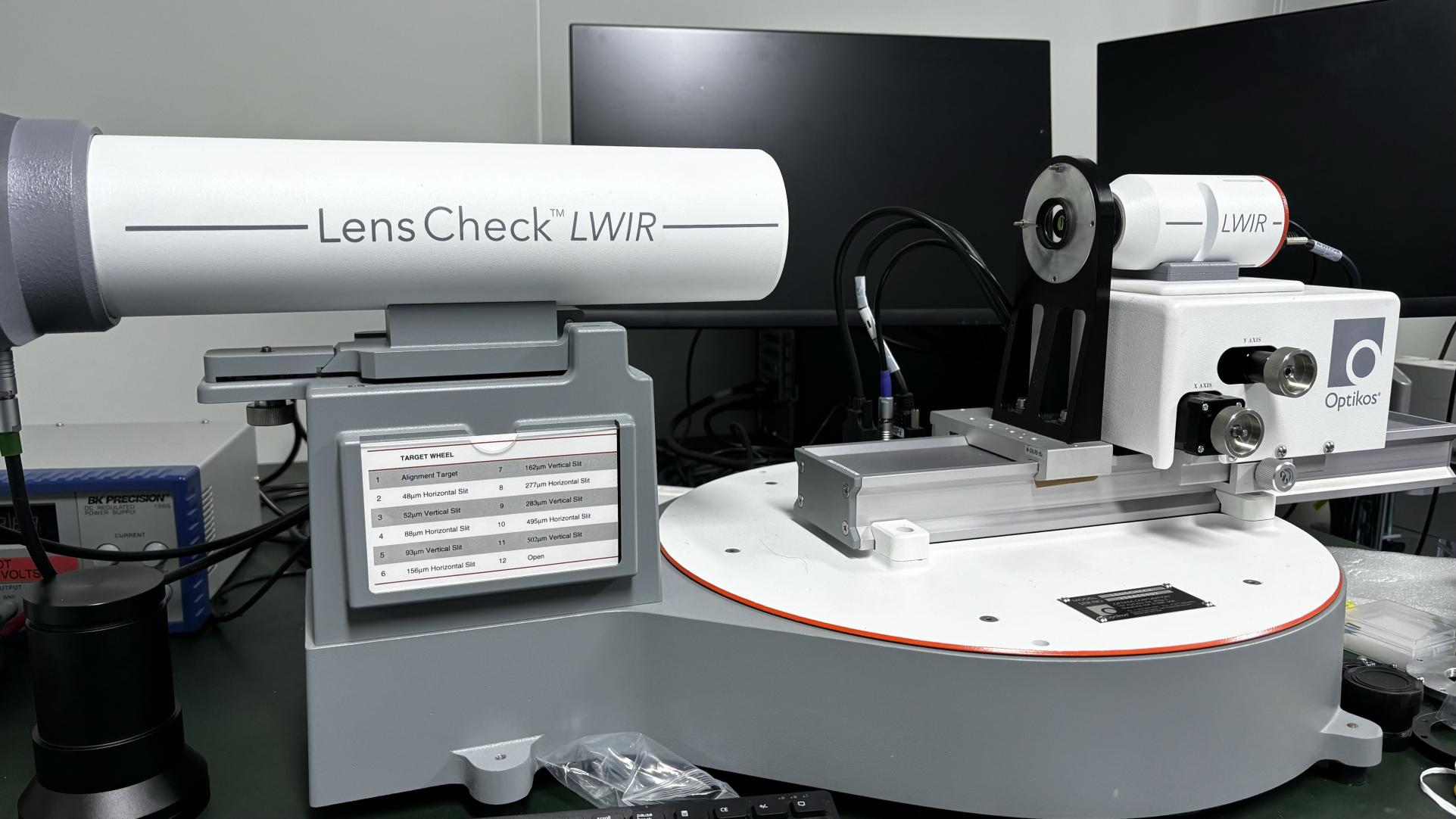

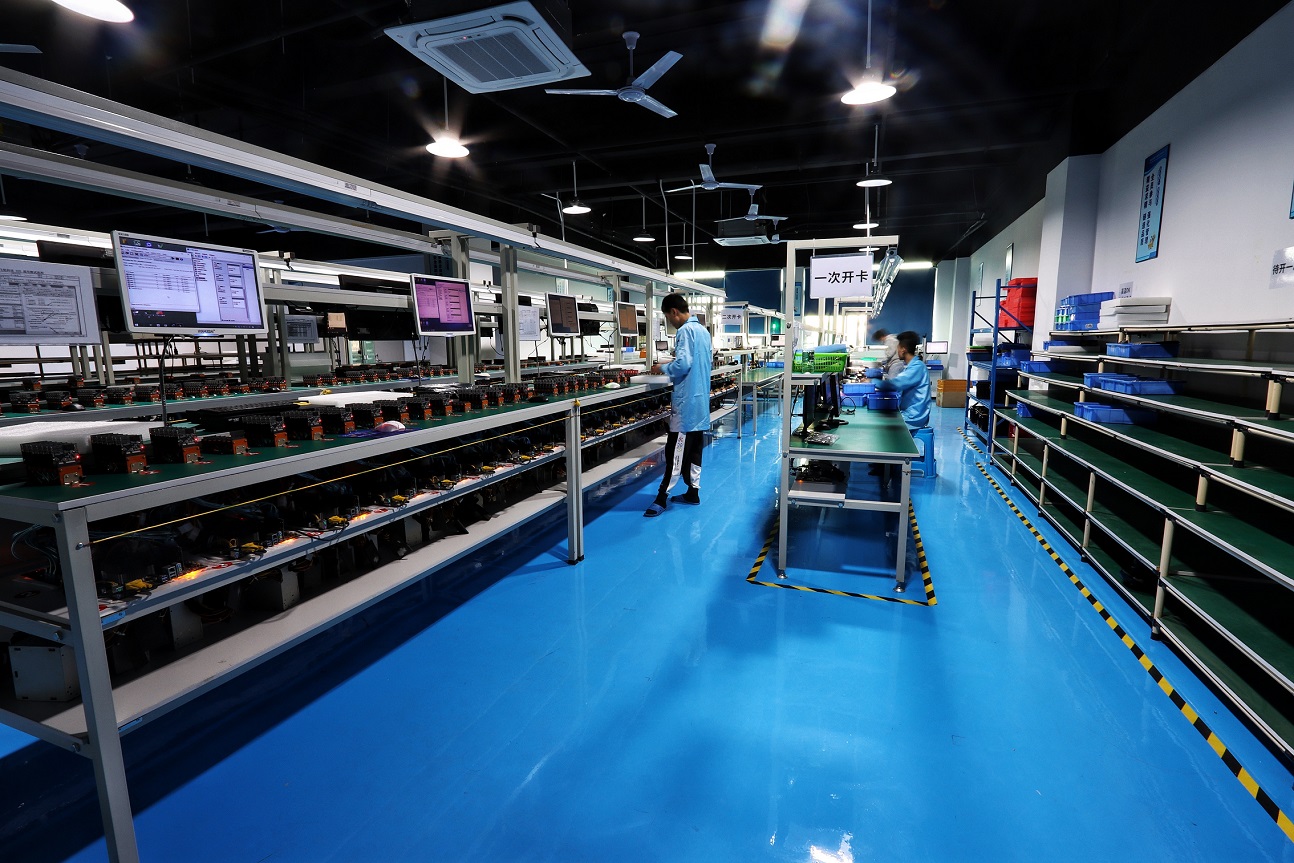
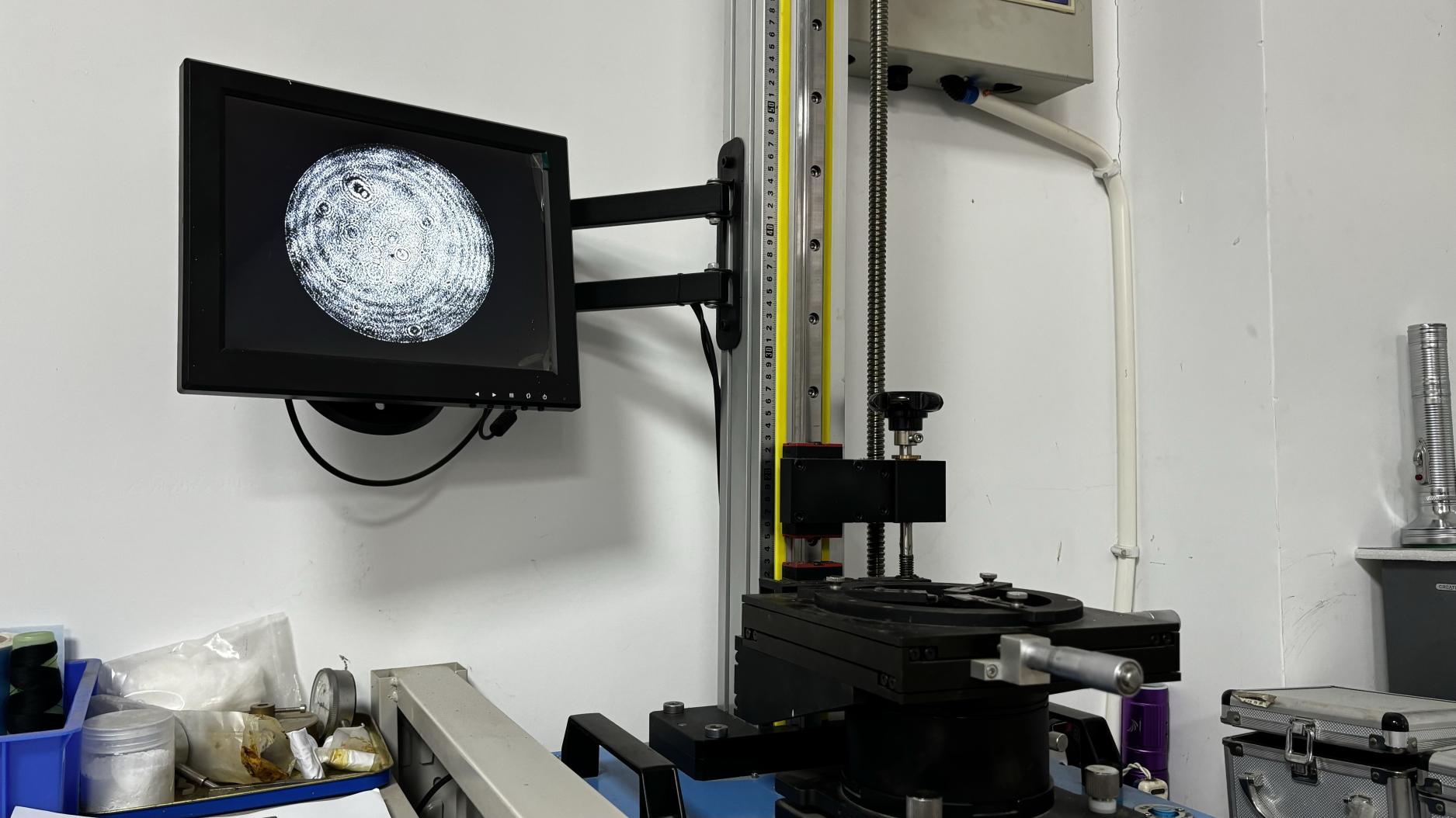

A structural breakdown of what global logistics teams must verify before signing long-term electronics procurement contracts.
Work only with suppliers who offer full traceability matching specific wafer lot numbers. This reduces risk associated with counterfeit DRAM or low-grade flash, protecting systems from sudden component degradation. Genuine manufacturing processes log incoming material data, providing testing records and material certifications for all passive and active electronic parts.
Importing to regions like North America or the European Union requires strict adherence to environmental regulations. Ensure all electronics components suppliers hold current CE, FCC, RoHS, and REACH documentation. These certifications prove that hazardous substances like lead, mercury, or polybrominated biphenyls (PBBs) do not exceed legal thresholds.
Future development horizons driving memory density, circuit integration, and high-performance server structures from 2025 to 2028.
Compute Express Link (CXL) is standardizing pooled memory interfaces across cloud infrastructure. High-density server platforms will transition toward structured memory networks, allowing CPUs to dynamically share DDR5 memory pools over PCIe Gen 5 and Gen 6 system topologies.
DRAM suppliers are scaling processes to advanced sub-1nm silicon layers. Vertical 3D DRAM stacking will resolve standard motherboard space limitations, enabling compact server modules to deliver speeds exceeding 8400 MT/s at reduced operating voltages.
Next-gen processing units will push TDP limits beyond 600W. Advanced servers will rely on high-frequency, glass-substrate PCBs paired with direct-to-die liquid cooling loops, making traditional copper fin heatsinks obsolete for primary compute tasks.
Expert answers addressing the concerns of logistics managers, hardware design engineers, and global technology procurers.
Premium server RAM configurations, industrial heatsinks, and performance-grade water cooling modules built for demanding workloads.
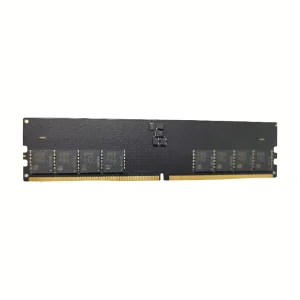
DDR5 Computer Memory RAM DDR5 4GB 8GB 16GB 32GB Server Memory RAM 14800MHz 5600MHz 6000MHz
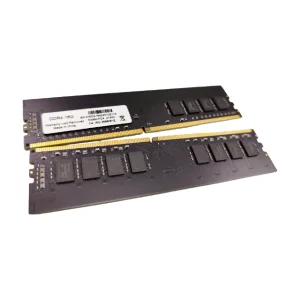
Desktop Computer Memory RAM DDR4 16GB 2666mhz Desktop Memory DR4 16GB 3200Mhz Memory Module
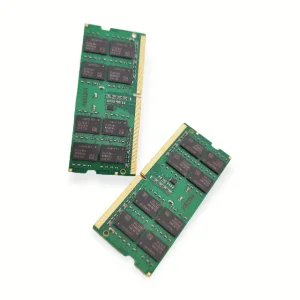
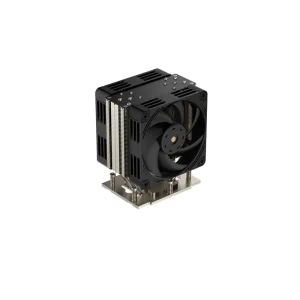
Hot Selling Server SP5 N99 Heatsink 400W CPU Cooler Dual 9025 Fan Heatsink
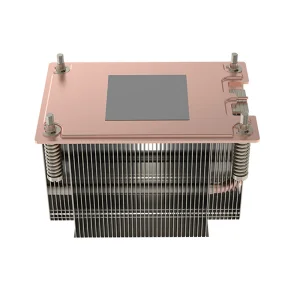
Computer CPU Cooler AM5 Server Heat Sink 200w 2U Passive VC3 Heat Pipe Air-cooled Heat
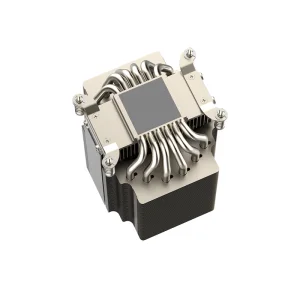
Server Heatsink SP5 2U Server Integrated Water Cooler CPU Heatsink Heatsink
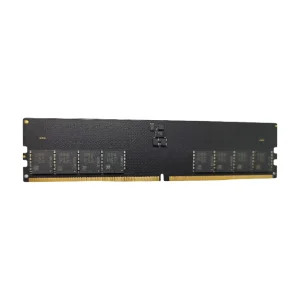
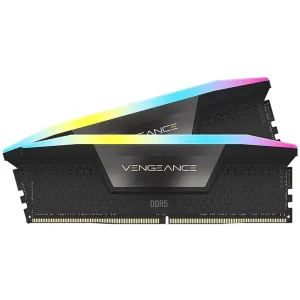
Wholesale DDR5 Avengers Desktop RGB Memory Bar 16G/32G/64G/ 6000MHZ 6400MHZ 6800 MHZ Computer