Xeviora
Xeviora
Xeviora
High-performance silicon, thermal, and circuit foundation layers manufactured to strict hyperscale standards.
Exploring the transition to high-frequency processing, thermal dissipation hurdles, and signal integrity advancements.
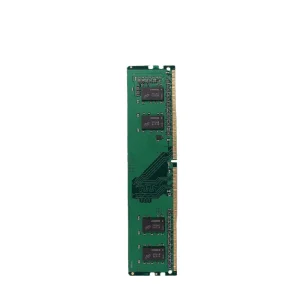
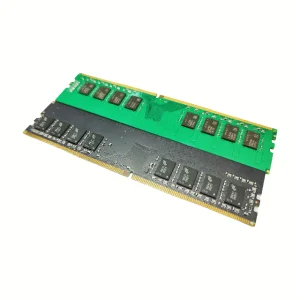
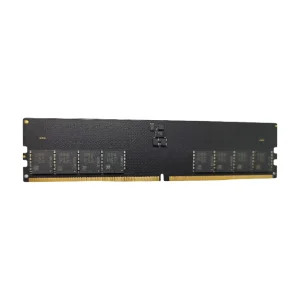
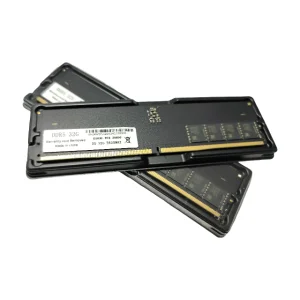
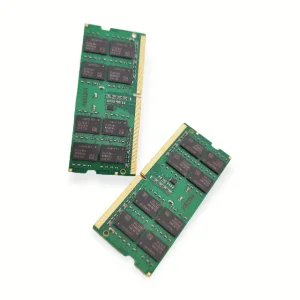
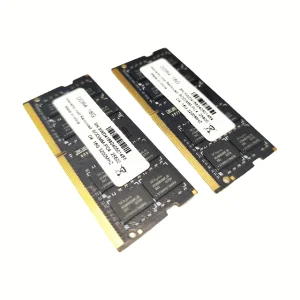
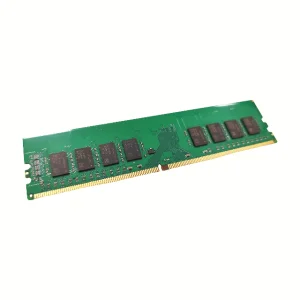
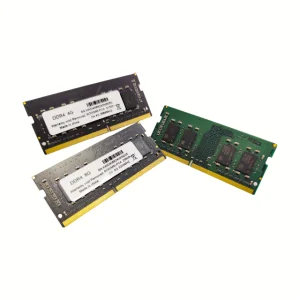
The global cloud storage paradigm is facing an unprecedented demand for data-intensive processing speeds. With the transition from DDR4 to DDR5 memory, servers achieve double the bandwidth and increased densities, crucial for AI workloads and large-scale virtualization. DDR5 incorporates On-Die ECC (Error Correction Code) and an integrated Power Management IC (PMIC) on the DIMM itself, shifting power regulation away from the motherboard to reduce voltage drops and optimize power efficiency.
Furthermore, the emergence of Compute Express Link (CXL) is reforming how data centers handle memory pooling. CXL decouples processing units from local DRAM restrictions, allowing hosts to share dynamic memory resource blocks over PCIe Gen 5 and Gen 6 interfaces. In modern high-density servers, memory is no longer a localized bottleneck but a fluid, composable system resource.
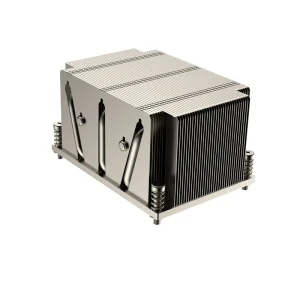
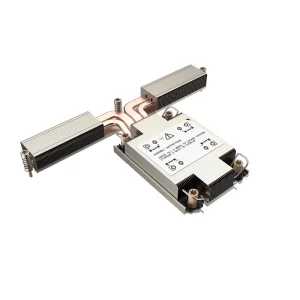
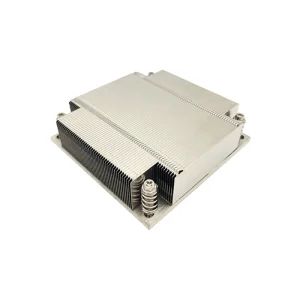
As processor core counts push beyond 64 and 128 cores per socket (such as AMD EPYC and Intel Xeon Scalable lines), Thermal Design Power (TDP) has climbed from 150W up to 300W and even 400W per CPU. This steep trajectory renders standard heat sinks obsolete. In 1U and 2U rack form factors, engineering the airflow, fin densities, and vapor chambers is critical to preventing thermal throttling.
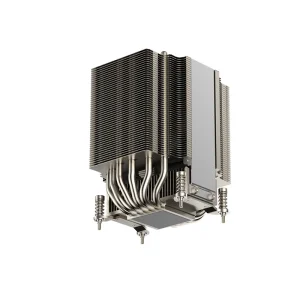
To address these limits, high-performance copper-based air-cooled heat sinks utilize 5 to 6 composite heat pipes integrated with vapor chambers to evenly distribute localized hot spots across aluminum fins. This hybrid thermal design maintains Tj Max operating thresholds below 85°C, ensuring server uptime during continuous compute spikes.
A look into our operational footprint, specialized engineering teams, and global export infrastructure.
Established in 2017, Xeviora Memory Technology (China) Co., Ltd. is a leading manufacturer specializing in high-density RAM modules, PCB designs, and advanced server thermal cooling systems. With a production footprint including a highly specialized, cleanroom-equipped facility optimized for micro-soldering and high-frequency wave testing, Xeviora supplies system integrators, tier-2 datacenters, and gaming brand OEM/ODM channels worldwide.
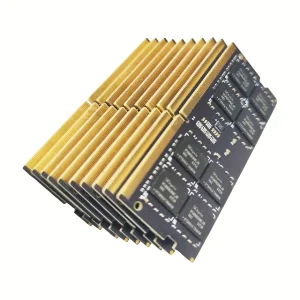
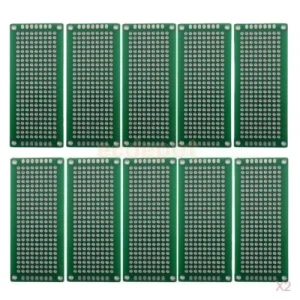
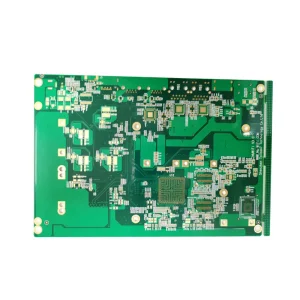
Our core competence lies in our robust testing methodology. Every single DRAM IC used on our memory boards is strictly binned via proprietary automatic testers, verifying performance at elevated clock rates (up to 6000MHz for DDR5 modules). Our engineering team designs high-TG multilayer PCBs (ranging from 4 to 12 layers) utilizing FR-4 KB6160 materials to guarantee signal integrity, low insertion loss, and thermal resilience under heavy enterprise processing cycles.
Xeviora's product catalog bridges the critical elements of cloud computing hardware: memory buffers, multi-layer high-frequency PCBs, and dynamic thermal hardware. By combining these three core pillars, we provide hardware architects with validated, pre-compatible system assemblies that cut down integration times and reduce compatibility failures in the field.
Our quality management department comprises 46 dedicated quality control inspectors who supervise a multi-stage QA workflow. This includes Automated Optical Inspection (AOI) after SMT placement, X-ray scanning for solder voids, in-circuit compatibility checks across multiple chipsets, and long-term thermal chamber stress tests before finalized vacuum packaging and global shipment.
How enterprise buyers navigate component sourcing, product longevity, and regulatory compliance.
Enterprise system builders need flexible OEM/ODM capabilities. Xeviora offers customizable memory profiles, SPD programming, private labeling, and thermal designs suited for unique server rack environments. Our supply network of over 850 global partners ensures consistent component access and short lead times.
Exporting to Europe, North America, and South America requires strict adherence to international standards. Xeviora memory modules and thermal assemblies carry CE, FCC, RoHS, and WEEE certifications, ensuring hassle-free clearance and integration into government and financial sectors.
Cloud and industrial systems require stable configurations for 5 to 7-year life cycles. We manage active component lifecycles, offering End-of-Life (EOL) notices and drop-in replacements to minimize recertification overheads for our long-term partners.
Tailored hardware platforms engineered for high throughput, storage efficiency, and maximum thermal stability.
Modern hypervisors squeeze maximum VM density per compute node, putting a heavy demand on system RAM. Our high-capacity DDR5 32GB 5600MHz RAM modules deliver the required read/write speeds to prevent memory-bound host bottlenecks.
Coupled with low-insertion-loss 4-layer PCBs, these configurations reduce Bit Error Rates (BER) to keep virtualized networks stable during peaks in computing loads.
AI training nodes and multi-GPU computing arrays run hot, generating massive amounts of heat within confined server spaces. The LGA4926 300W Server Heatsink, equipped with 5 copper heat pipes, quickly draws heat away from critical CPU cores.
This thermal management allows AI clustering nodes to sustain full turbo boost frequencies without risking hardware degradation from hot spots.
Staying ahead of cloud infrastructure advancements through continuous research and product development.
Our R&D team is preparing for early JEDEC DDR6 layouts. We are testing PAM (Pulse Amplitude Modulation) signaling technologies to handle frequencies above 10,000 MT/s while optimizing the PMIC power distributions.
We are engineering CXL-enabled memory expanders to help datacenters pool, dynamic-allocate, and share memory capacity over high-speed PCIe Gen 6 switches.
We are redesigning our server heatsinks with specialized surface treatments and fluid dynamics to support single-phase and two-phase dielectric immersion cooling setups.
Answers to common engineering and procurement questions regarding our hardware integration and manufacturing.
A photo tour of our production floors, QA departments, and testing laboratories.
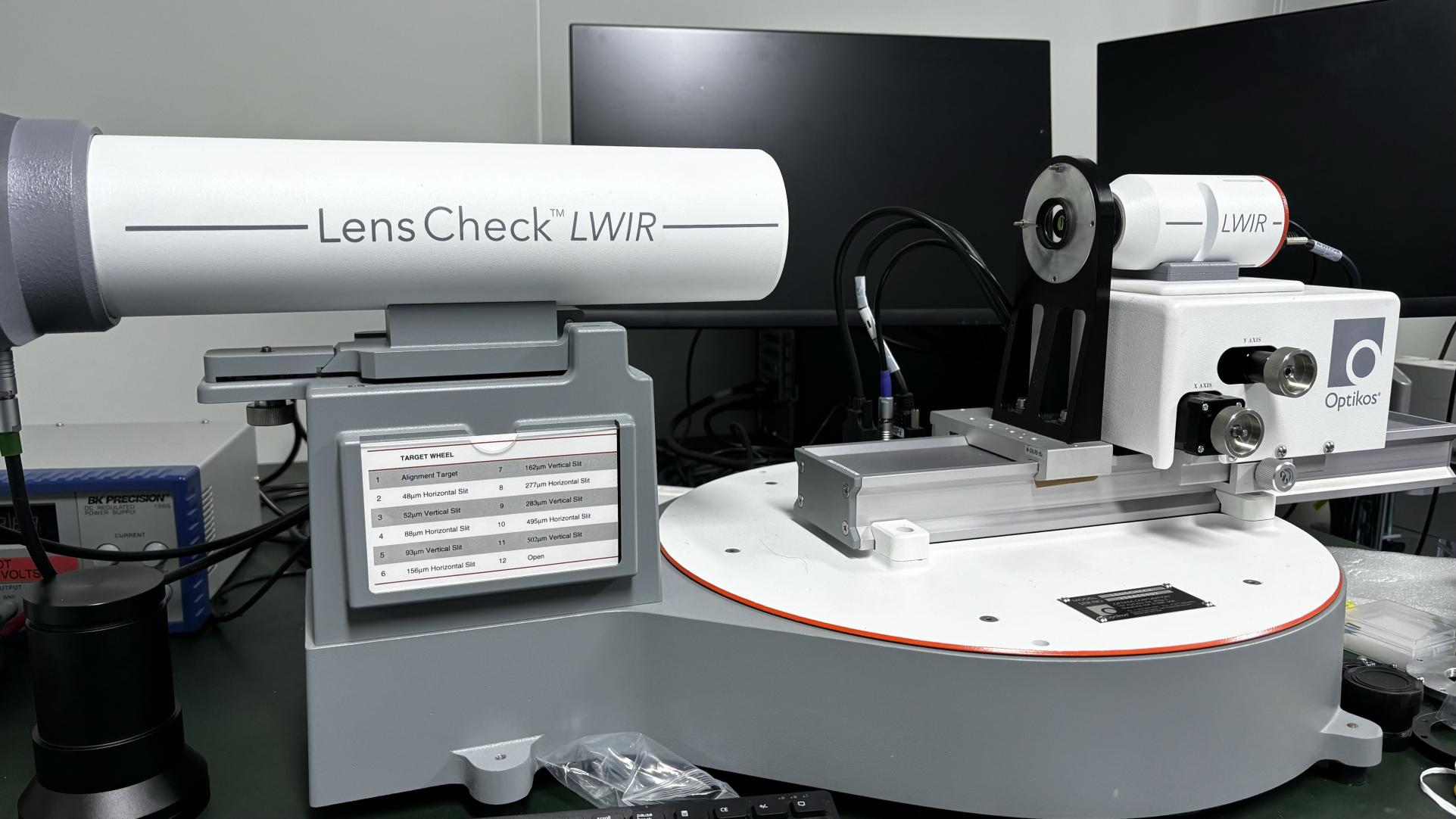
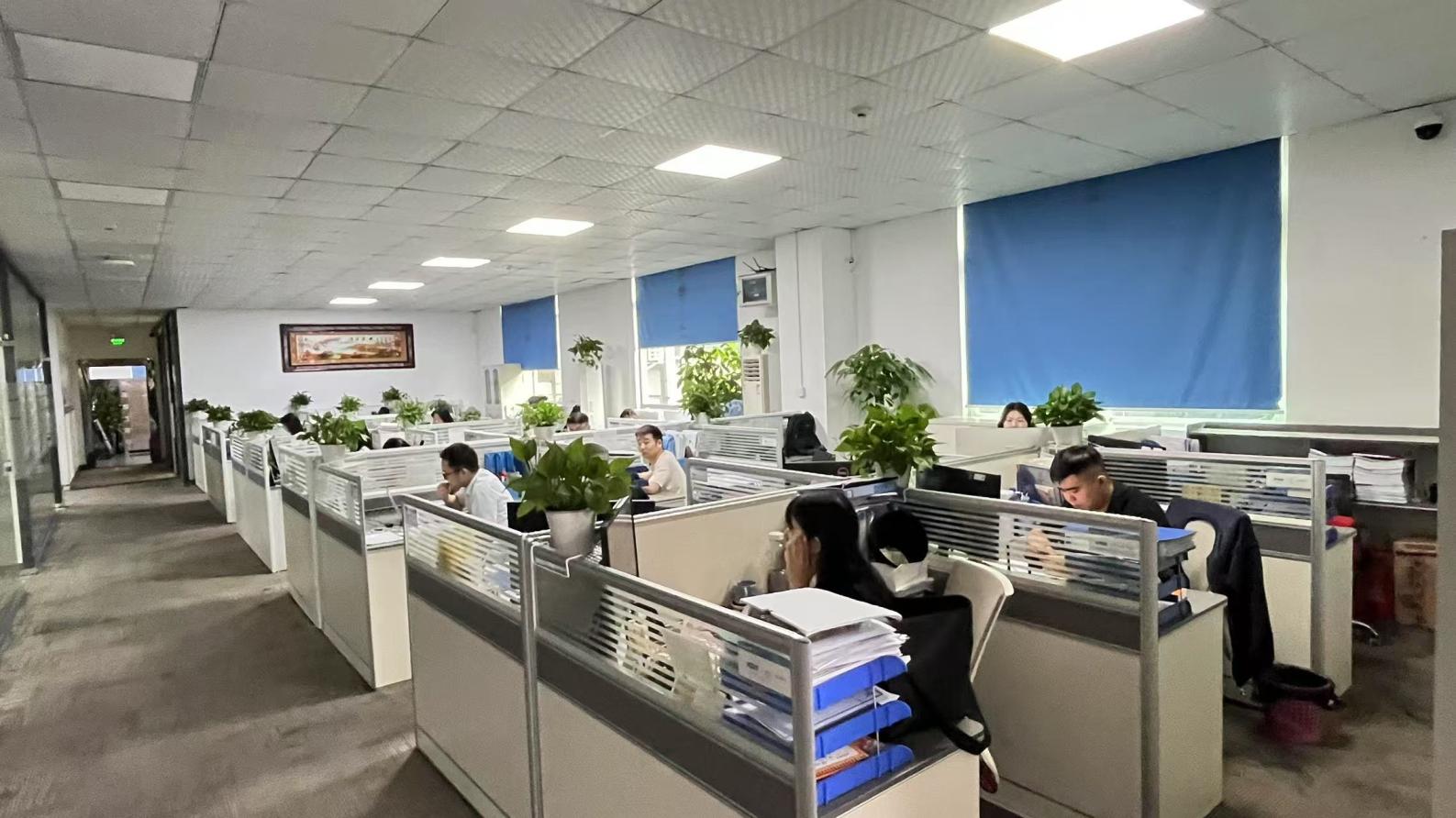
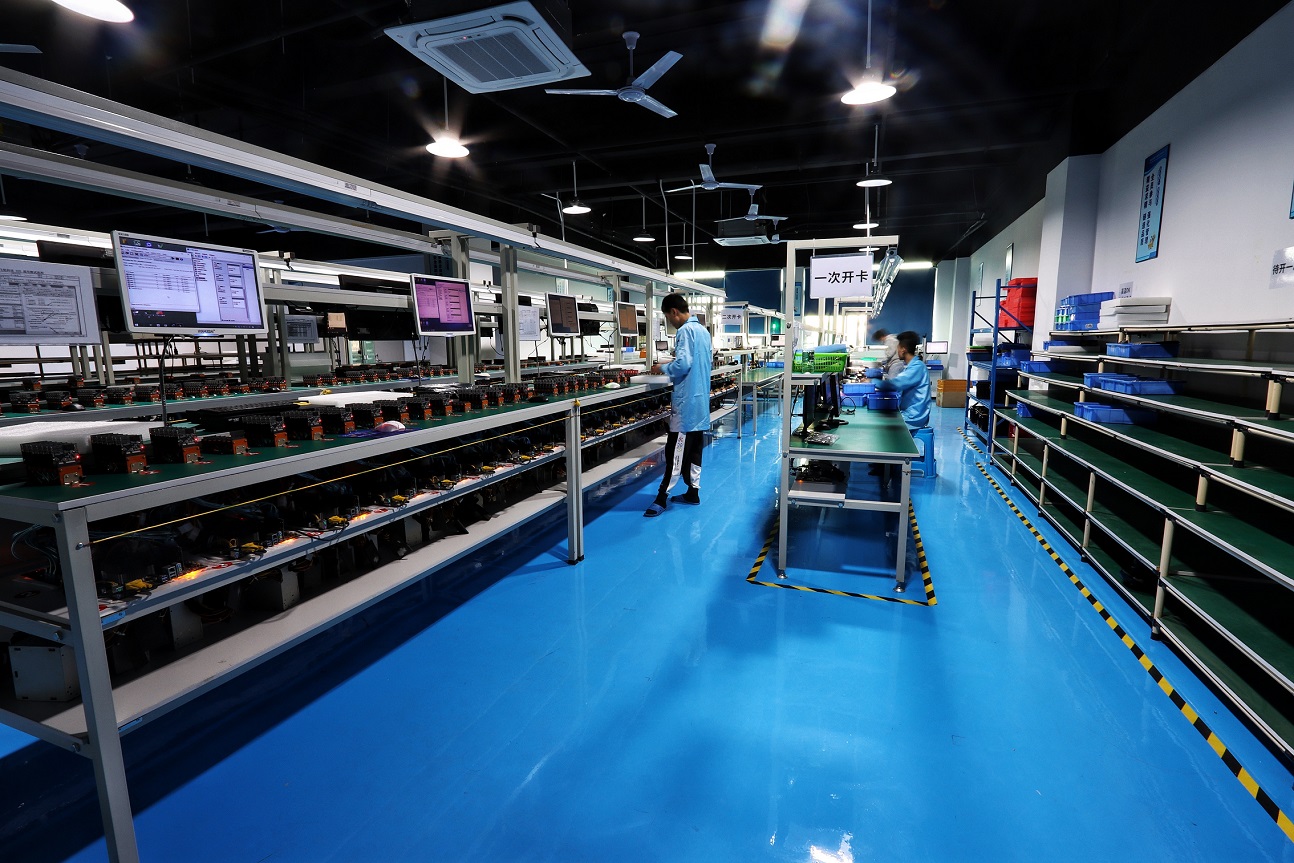
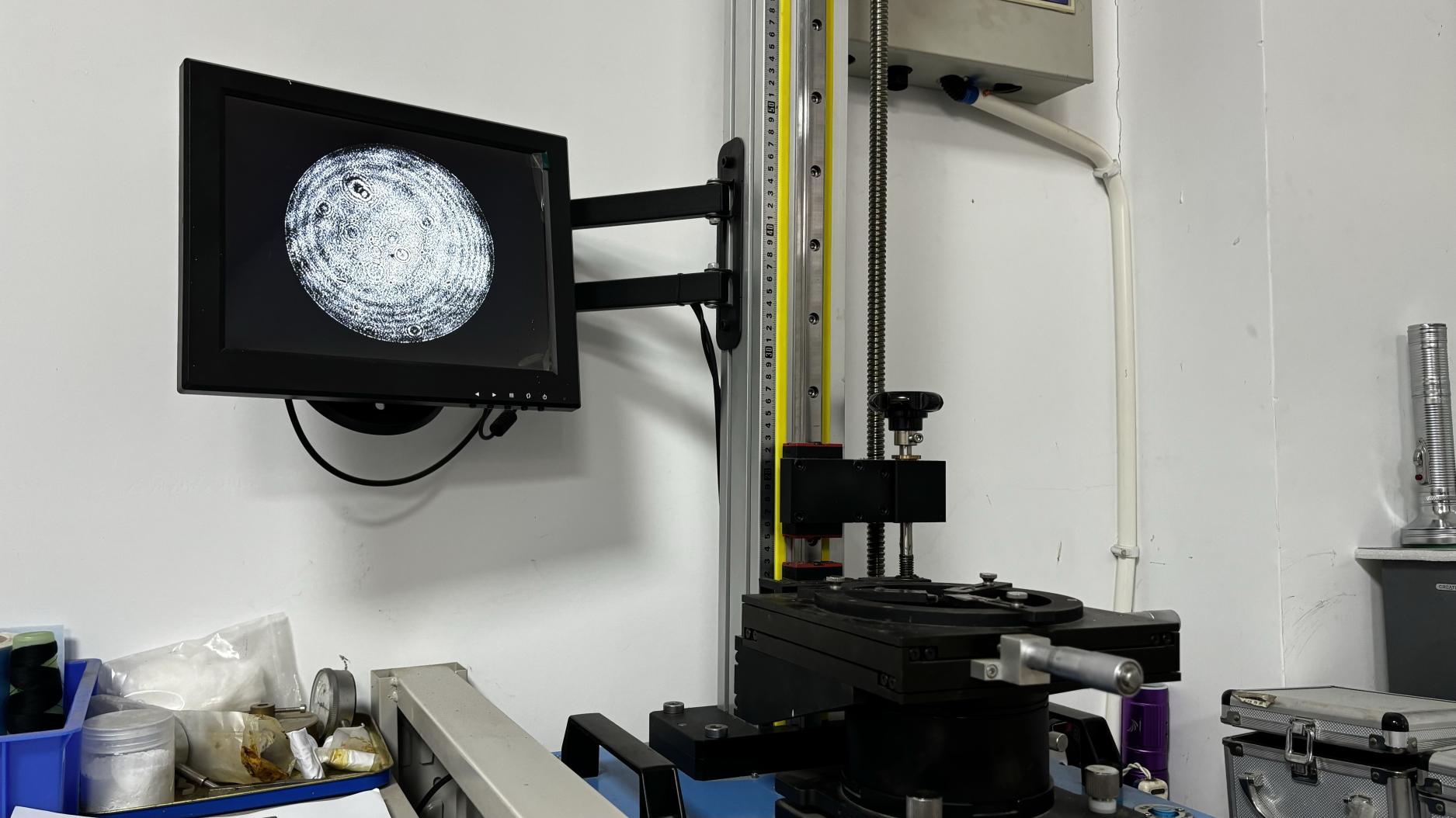
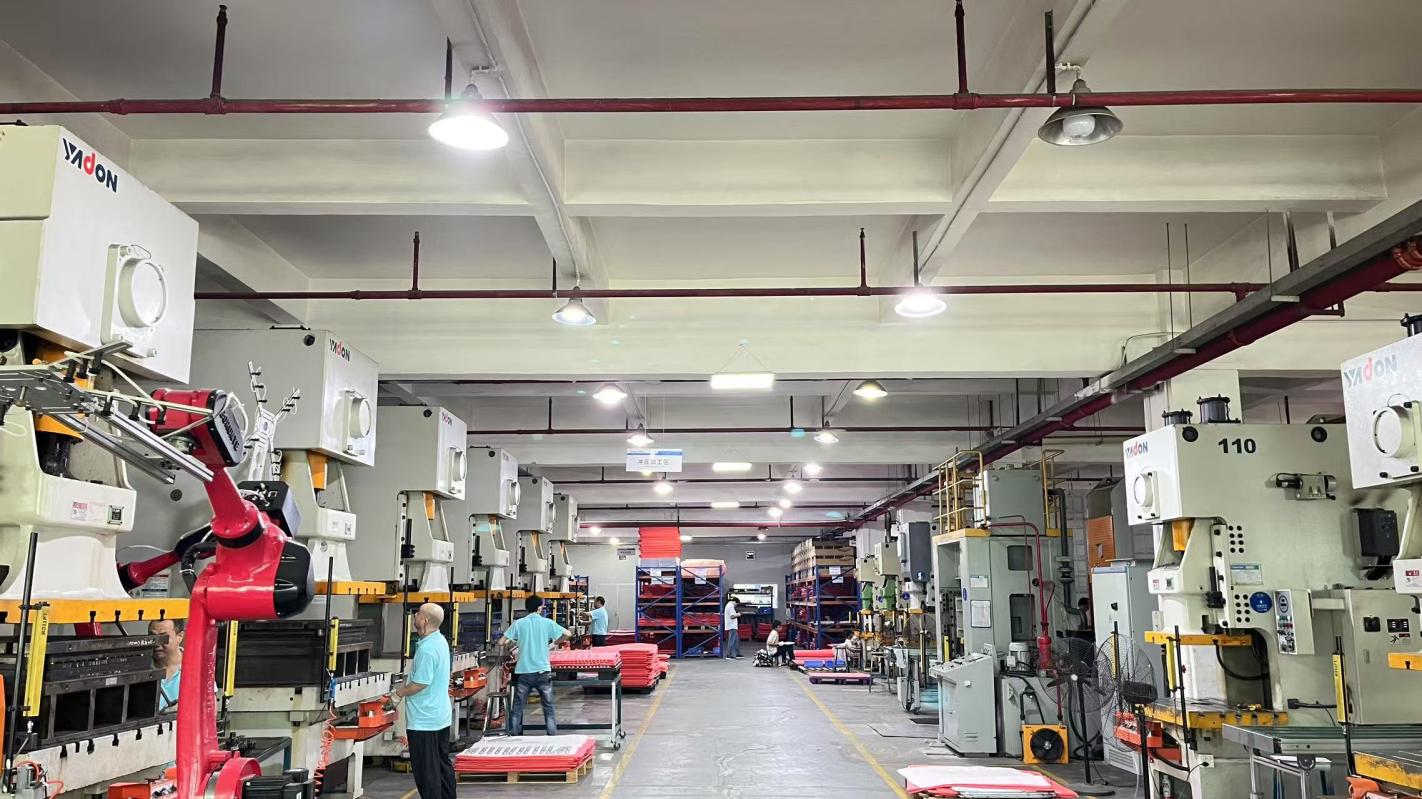
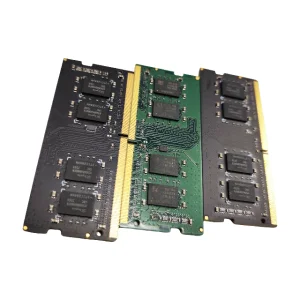
Durable hardware configurations optimized for server platforms and desktop workloads.