Xeviora
Xeviora
Xeviora
Smart wearable ecosystems depend on ultra-compact, high-density hardware. Explore our elite selection of memory modules and server infrastructure chips supporting smart device ecosystems.
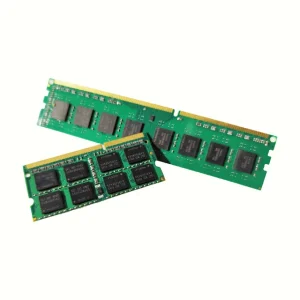
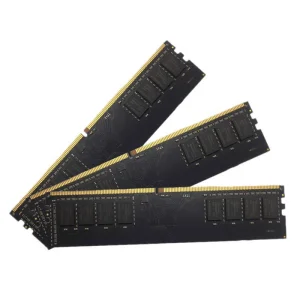
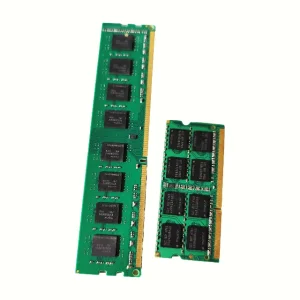
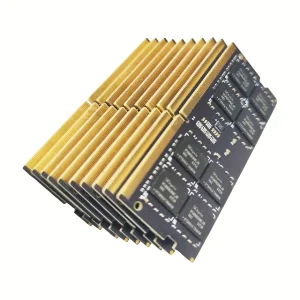
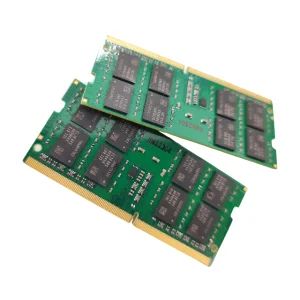
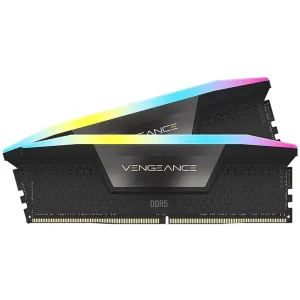
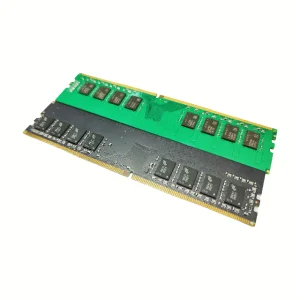
The wearable technology sector has shifted from simple activity tracking to complex, multi-functional edge-computing hubs. Modern wearables—such as clinical-grade health monitors, AR/VR spatial computing headsets, industrial IoT smart helmets, and biometric rings—require micro-architectures that can handle heavy analytical loads with minimal power consumption. For enterprise buyers, finding OEM/ODM partners with the capability to integrate low-latency components like LPDDR, optimized DDR4/DDR5 systems, and hyper-efficient thermal configurations is the key to maintaining a competitive advantage.
As on-device AI and edge machine learning continue to scale, the bottleneck of wearable systems lies within their memory bandwidth and thermal dissipation boundaries. A wearable device is only as powerful as the server systems that process its massive telemetry pipelines. Thus, robust components like high-performance ECC memory and enterprise server heat sinks form the unseen backbone of the global wearable tech infrastructure, bridging the gap between localized sensors and cloud-based analytics.
Global system integrators demand certifications such as CE, FCC, RoHS, and strict adherence to environmental regulations. Quality control must extend to raw material inspections and structural reliability.
From firmware optimizations that manage battery performance to customized cooling modules in industrial server frames processing spatial telemetry, bespoke hardware configuration is key.
Long product life cycles require suppliers to guarantee component availability for 5 to 10 years, avoiding premature redesigns of critical hardware nodes.
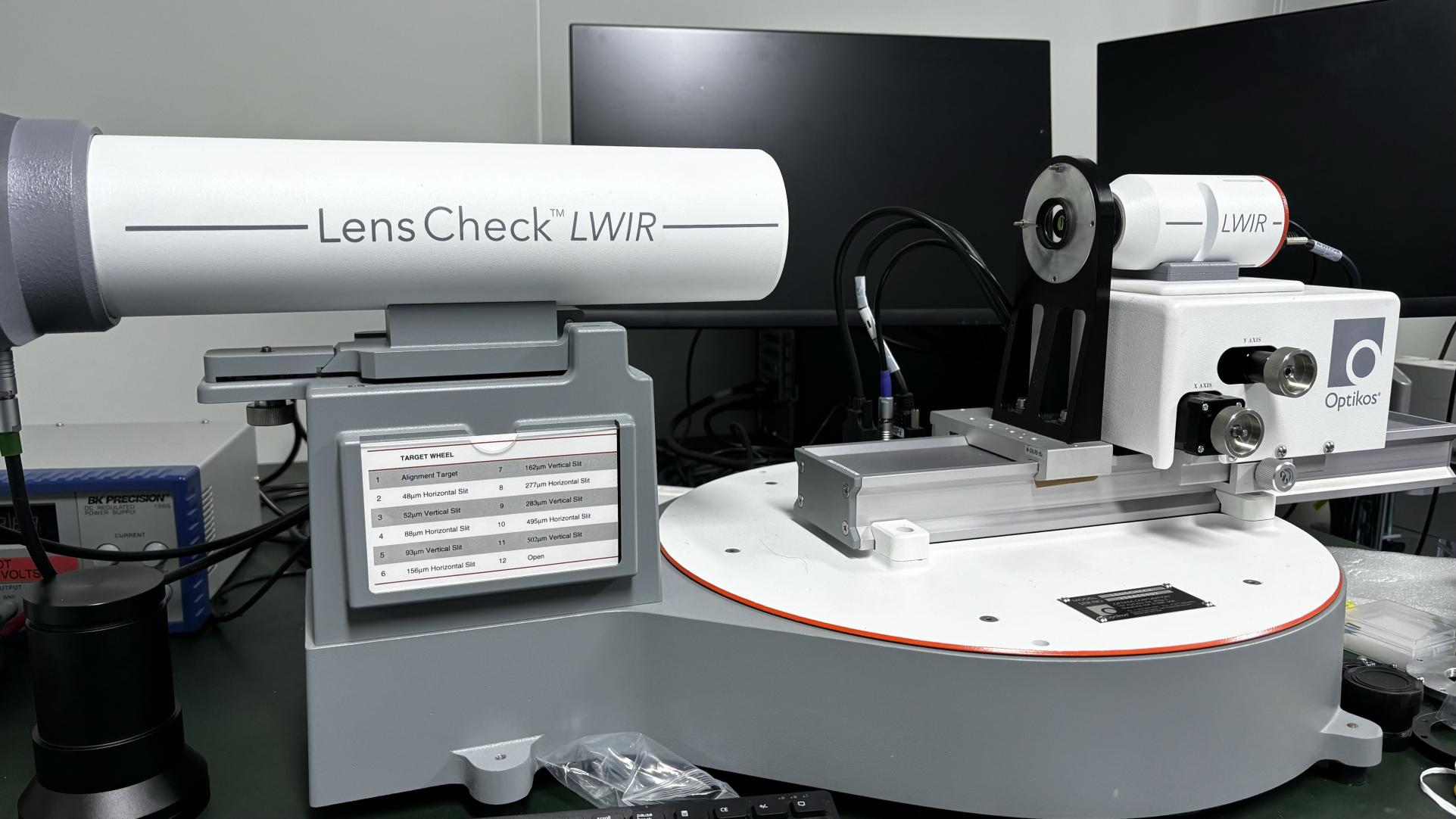
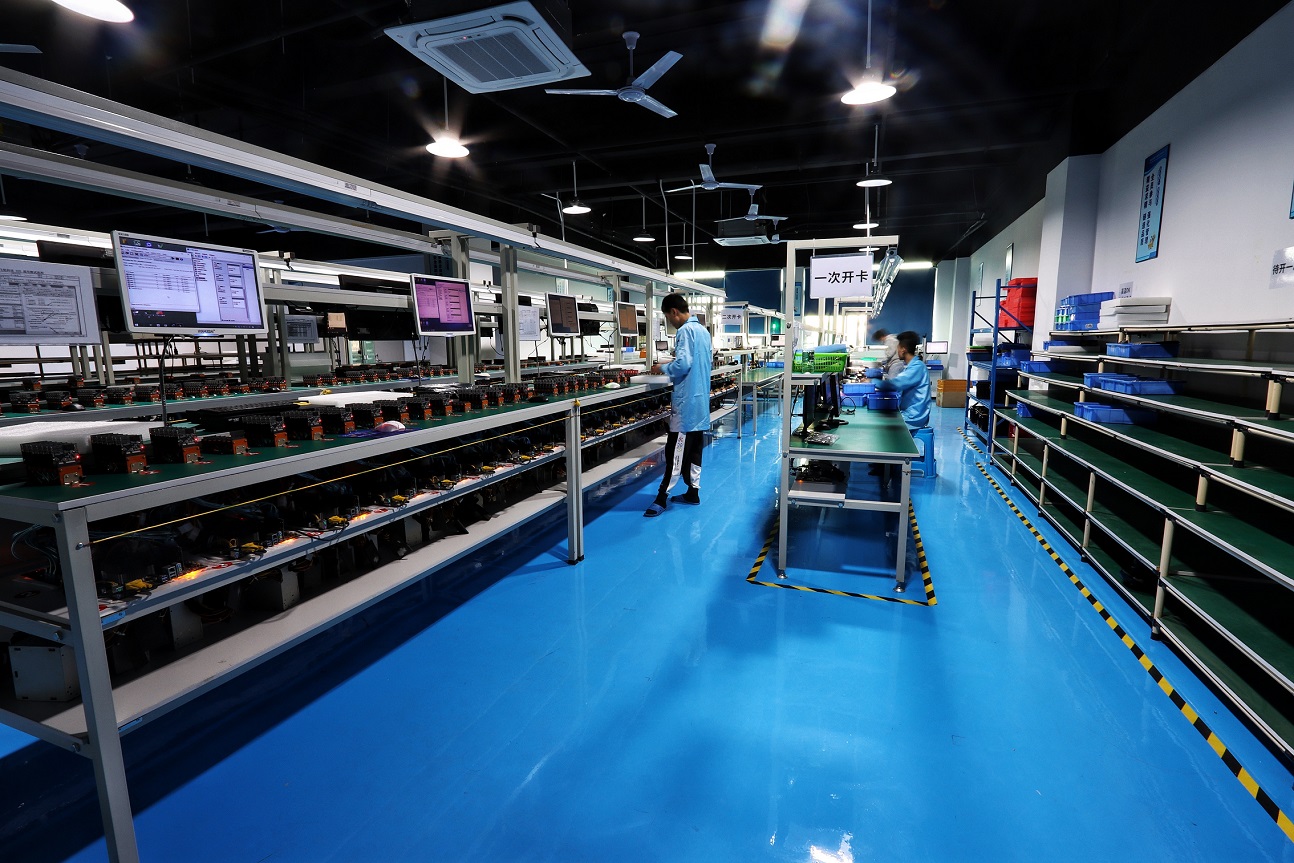
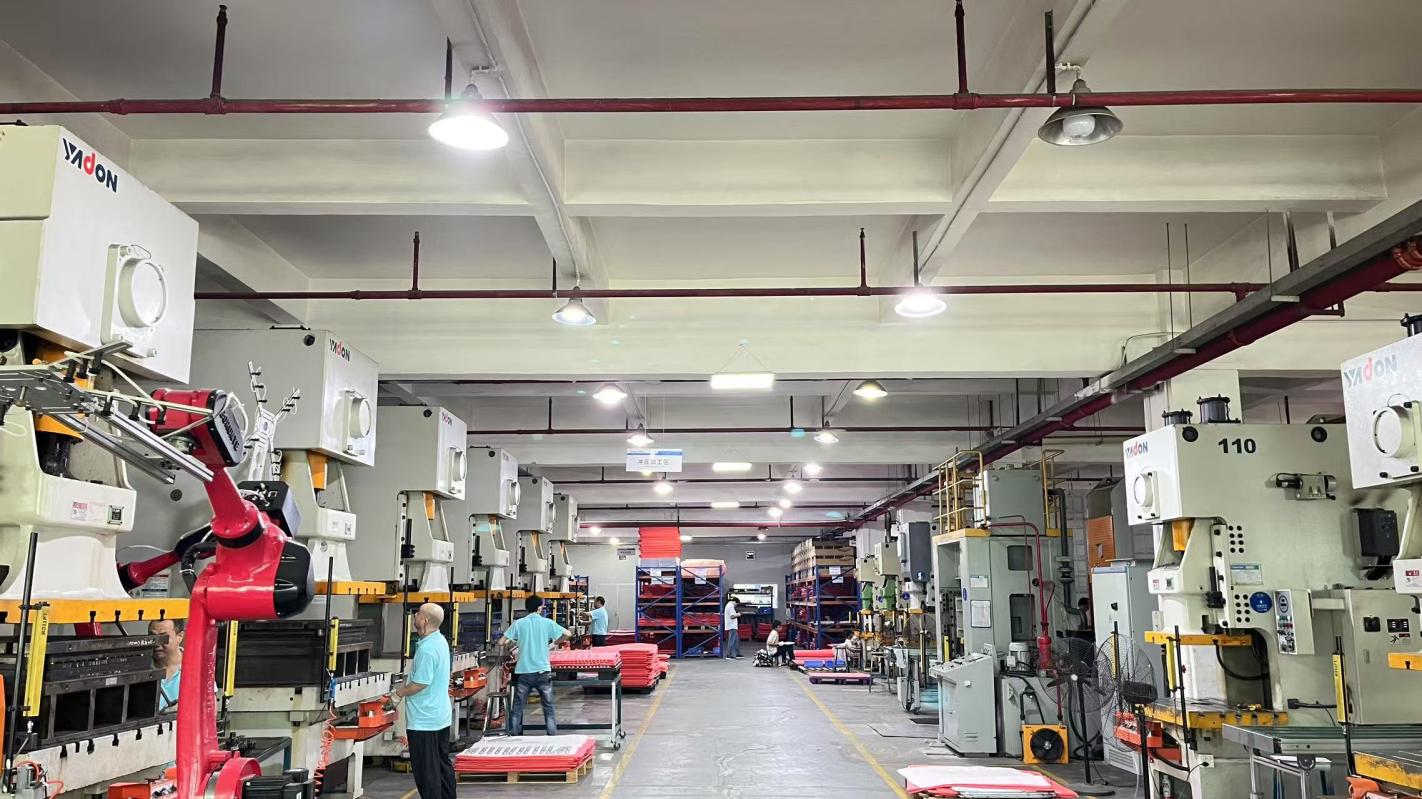
Operating out of the heart of China’s high-tech manufacturing corridor, Xeviora Memory Technology (China) Co., Ltd. represents the modern wave of Industry 4.0 manufacturing. Established in 2017, we combine 12 years of industry expertise with 8 years of export experience to form a highly resilient hardware supply chain. Our facility is equipped with automated SMT placement, advanced optical inspection (AOI), and precise functional testing platforms to deliver components that meet strict global standards.
With an annual export revenue of over USD 18 million and partnerships spanning 850 global supply chain vendors, we provide system builders and wearable tech OEMs with unmatched speed and flexibility. Whether you need standard DDR4 modules for edge hubs or high-speed DDR5 arrays for data-crunching machine learning servers, Xeviora ensures stable sourcing, low lead times, and rigorous quality assurance overseen by our 46 dedicated QC inspectors.
Our memory and cooling technologies power systems across multiple industries worldwide:
In hospital systems across North America, central monitoring arrays receive wireless biosensor data from patient wearable patches. These setups require highly stable, ECC-enabled desktop and notebook memory modules to prevent data corruption during continuous telemetry recording.
European logistics hubs utilize AR smart glasses to guide warehouse operators. The edge server gateways processing real-time tracking data rely on our low-profile DDR4 ECC memory and performance server heat sinks to prevent thermal throttling under constant workloads.
Smart city installations throughout Southeast Asia and South America deploy edge nodes to process video data from citizen safety wearables. These edge nodes use Xeviora’s DDR5 desktop and laptop memory to run localized computer vision models efficiently.
Explore the remaining range of high-reliability storage modules and thermal solutions tailored for modern computational infrastructures.
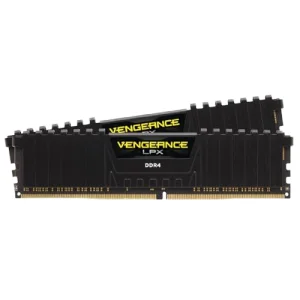
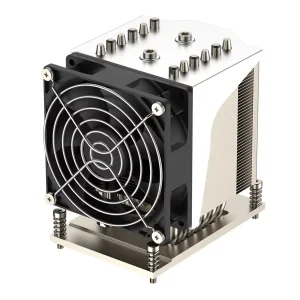
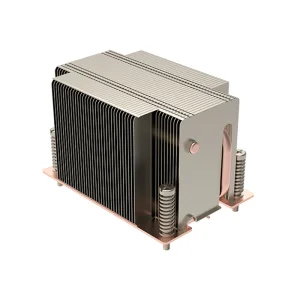
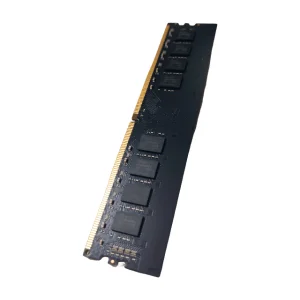
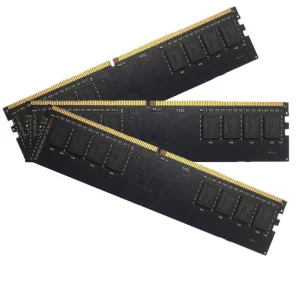
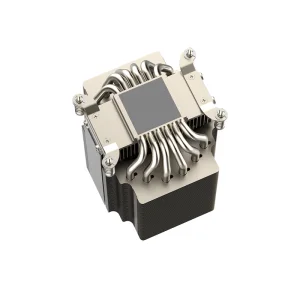
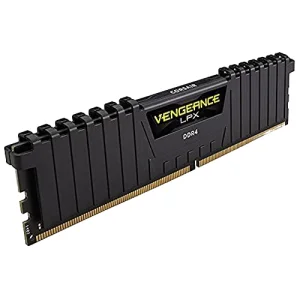
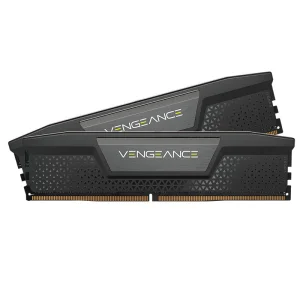
Xeviora provides complete OEM and ODM customization services for our global clients, including custom PCBA layouts, custom heat-spreader designs, optimized memory profile adjustments (such as XMP or EXPO), and specific diagnostic firmware configurations. We cover DDR4 and DDR5 variations in both UDIMM and SODIMM form factors.
Error-Correcting Code (ECC) memory detects and corrects single-bit memory errors, preventing data corruption that can cause system crashes. For medical telemetry hubs and industrial IoT gateway servers managing continuous wearable sensor input, ECC RAM is critical for 24/7 reliability.
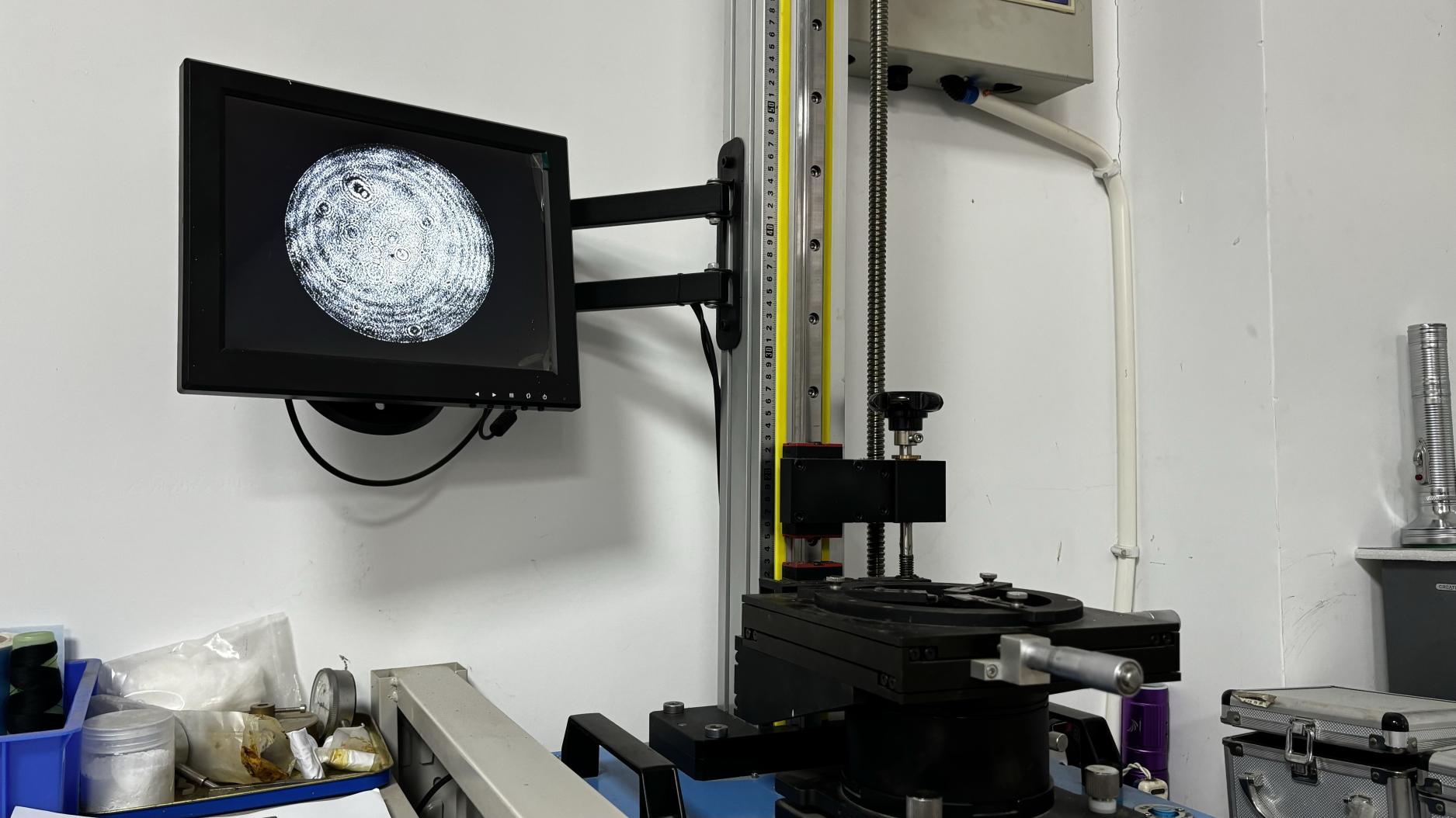
Our quality management system comprises strict incoming material control, automated optical inspection (AOI), dual-stage compatibility testing with mainstream Intel/AMD setups, thermal chamber stress testing, and final QA verification. We employ 46 inspectors to verify that every batch meets international standards.
Yes, we specialize in high-performance thermal design solutions, including multi-heatpipe tower coolers, server vapor chambers, and compact liquid cooling systems. Our engineering team can customize dimensions, baseplates, and fin configurations to fit specific chassis designs.
Take a virtual tour of our cleanrooms, state-of-the-art testing stations, and high-speed assembly facilities in China.