Xeviora
Xeviora
Xeviora
Discover our primary catalog of high-performance components designed to integrate seamlessly with custom thermal management solutions.
An engineering analysis of thermal management in high-density electronics, hyperscale servers, and industrial compute engines.
In the contemporary hardware landscape, the relentless increase in power densities has elevated thermal management from a design afterthought to a primary system constraint. As microprocessors, AI accelerators, and high-frequency memory modules shrink in physical size while consuming upwards of 300W to 400W of Power (TDP), the efficiency of the heat dissipation path dictates total system reliability and operational lifespan. At the core of this thermal path is the Thermal Interface Material (TIM).
Because mating metal surfaces of semiconductor packages and heat sinks are microscopically rough, dry contact results in microscopic air gaps that act as severe thermal insulators (air has a thermal conductivity of roughly 0.026 W/m·K). OEM/ODM Thermal Interface Materials Manufacturers specialize in engineering custom compounds, elastomer sheets, phase-change matrices, and gels designed to purge these micro-cavities, replacing air with highly conductive elements that streamline the flow of heat from junction to ambient.
Proven metrics and industrial capacity underpinning our global OEM/ODM manufacturing partnerships.
How localized raw materials, rapid prototyping, and vertical hardware integration empower global B2B procurement.
China is the global epicenter for electronic component supply chains, and this concentration provides critical advantages for the production of Thermal Interface Materials. Because TIM manufacturing relies on high-purity raw fillers—such as alumina, aluminum nitride, boron nitride, and high-molecular-weight silicone polymers—proximity to primary processing facilities is vital. Our localized manufacturing ecosystem allows us to source these precision fillers at highly competitive rates, reducing material lead times and passing those cost efficiencies directly to our clients.
Furthermore, the physical integration of TIMs with adjacent hardware elements (such as high-frequency aluminum PCB substrates, copper heatsinks, and advanced active coolers) allows for comprehensive subsystem testing. Operating from our advanced facility, we can prototype, die-cut, and validate custom thermal interfaces alongside complex physical assemblies. This consolidated manufacturing path shortens the design validation cycle (EVT, DVT, PVT) and eliminates the compatibility risks associated with multi-vendor supply models.
| Material Type | Thermal Conductivity (W/m·K) | Thermal Impedance (in²-°C/W) | Dielectric Breakdown (kV/mm) | Typical Applications |
|---|---|---|---|---|
| Silicone Gap Pads | 1.5 - 8.0 | 0.20 - 0.45 | > 5.0 | Power supplies, automotive ECUs, memory modules (DDR4/DDR5) |
| Phase Change Material (PCM) | 3.0 - 12.0 | 0.03 - 0.08 | > 4.0 | High-performance CPUs, GPUs, server blade boards, telecom modules |
| Non-Silicone Grease | 4.0 - 15.0 | 0.01 - 0.04 | N/A (Thin film) | Microprocessor heat sinks, high-wattage chipsets, power converters |
| Liquid Metal Alloys | 40.0 - 80.0 | < 0.005 | Conductive (0) | Extreme gaming hardware, high-end server cooling, aerospace systems |
Integrating High-Performance DRAM Memory Architectures with Advanced Thermal Solutions since 2017.
Xeviora Memory Technology (China) Co., Ltd. is a leading DDR5 memory manufacturer and supplier based in China, specializing in high-performance RAM solutions for gaming, industrial, enterprise, and consumer applications. Established in 2017, the company has rapidly grown into a trusted OEM and ODM partner for global distributors, system integrators, and technology brands.
Our state-of-the-art manufacturing facility is equipped with advanced production and testing hardware to ensure stable quality and reliable thermal performance. With an annual export revenue of over USD 18 million, Xeviora serves customers across North America, Europe, Southeast Asia, the Middle East, and South America. Backed by 8 years of export experience and 12 years of industry expertise, we are committed to delivering innovative memory and thermal products that meet strict international quality standards.
Our comprehensive quality management system includes rigorous incoming material inspection, in-process quality control, and final product testing. All products undergo automated functional testing, compatibility verification, performance validation, and thermal aging tests before shipment. Our quality assurance team consists of 46 dedicated inspectors who ensure every module meets strict reliability requirements.
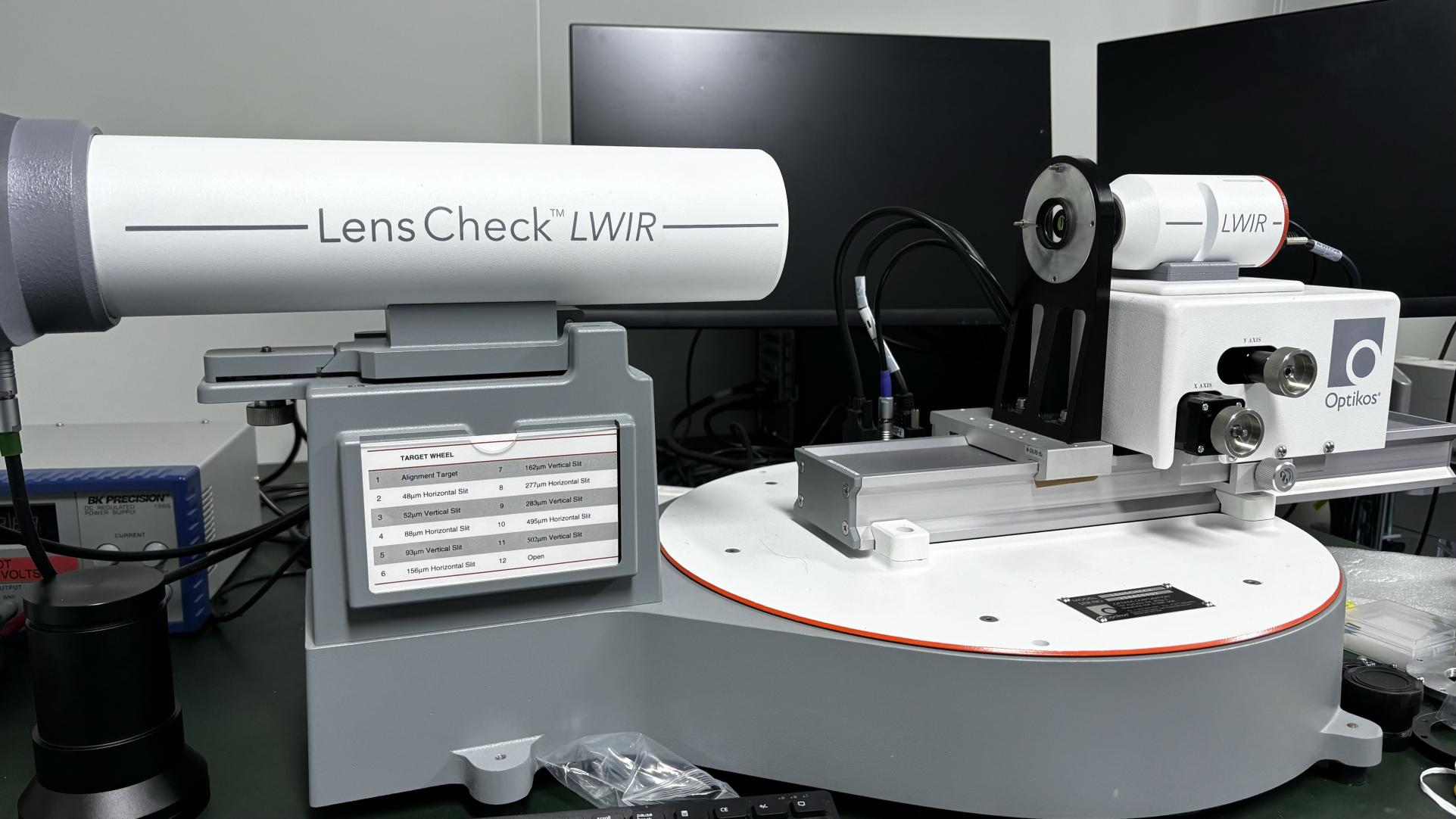

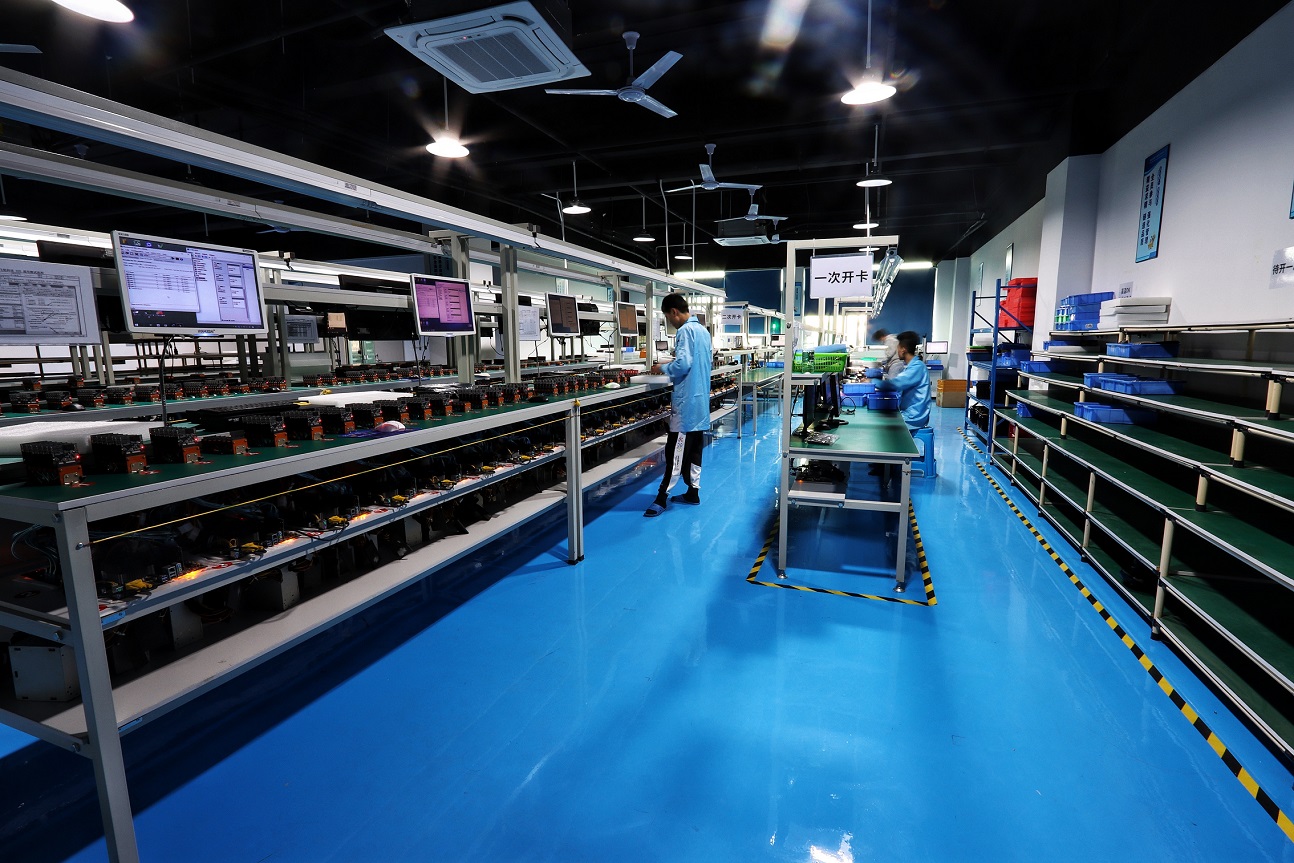
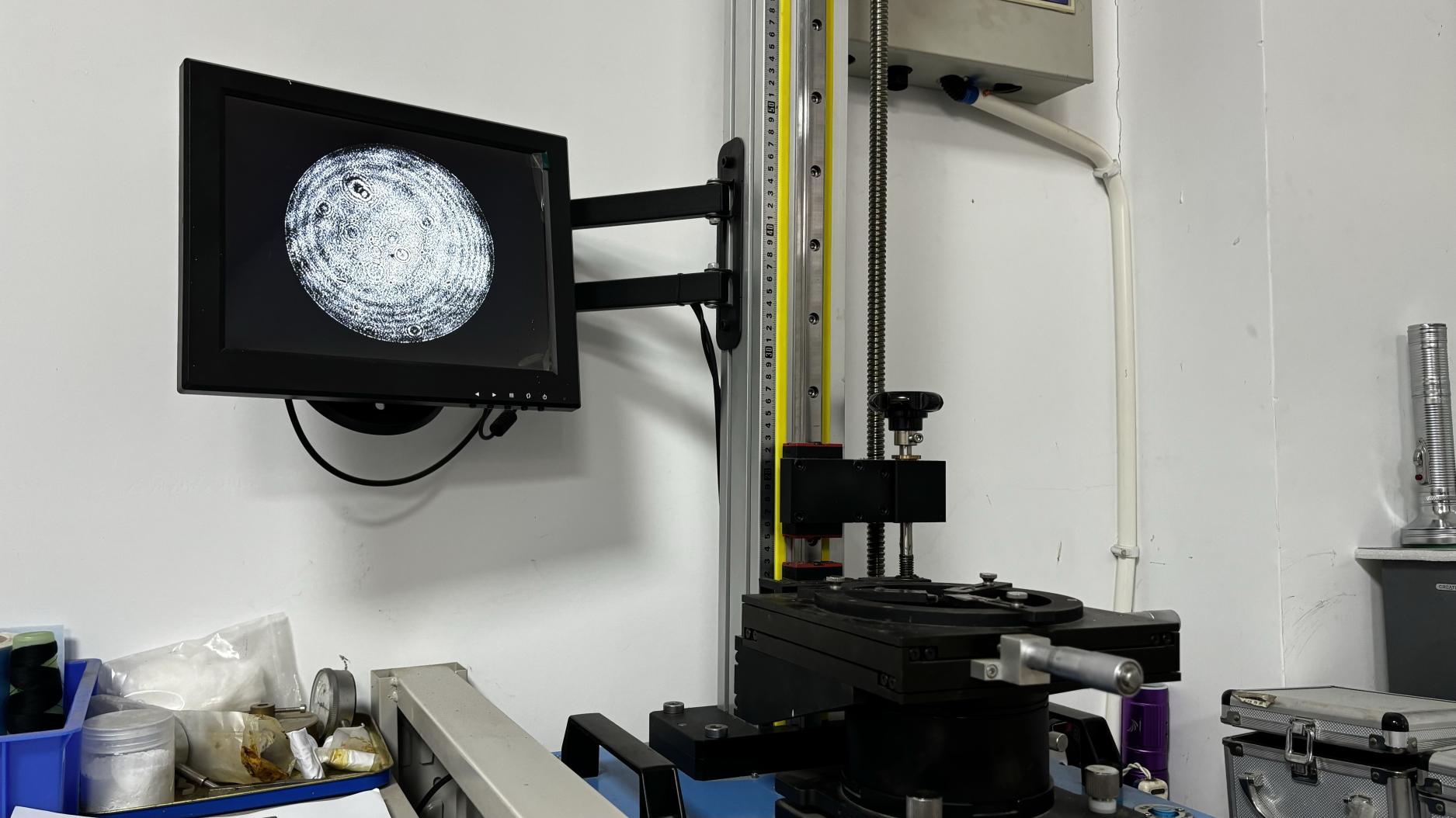

Where Thermal Interface Materials and Advanced Hardware Converge to Drive Tech Performance.
Key Industry Trends: The industry is shifting toward highly dispensable gels and phase change materials due to their adaptability in automated SMT lines. Traditional hand-placed thermal pads are increasingly replaced by automated liquid-dispense systems, which reduce labor costs and limit structural stress on delicate PCB components during high-speed assembly. At the same time, environmental regulations like RoHS and REACH are pushing manufacturers to formulate halogen-free, eco-friendly materials without sacrificing performance.
Technical clarity and specification insights straight from our senior engineering team.
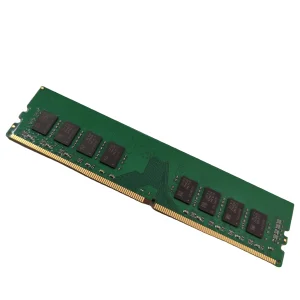
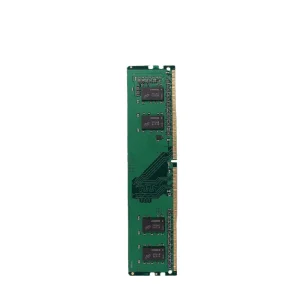
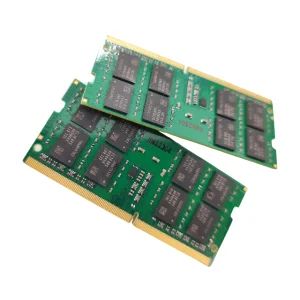
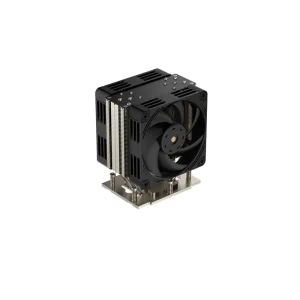
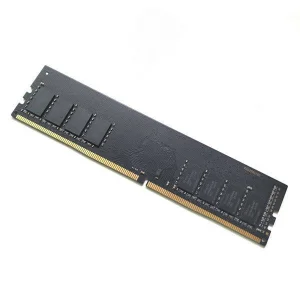
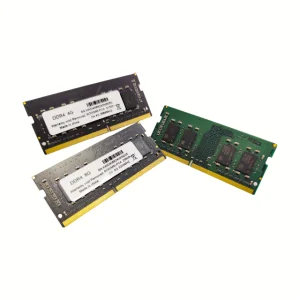
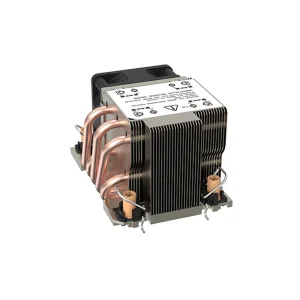
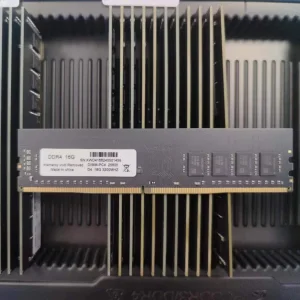
Explore our high-performance hardware inventory, optimized for advanced thermal integration and industrial-grade applications.
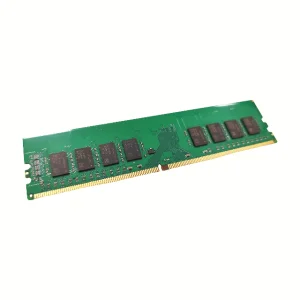
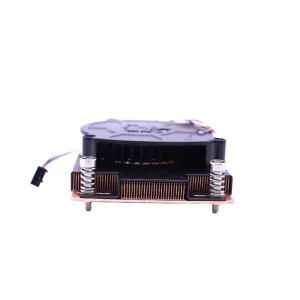
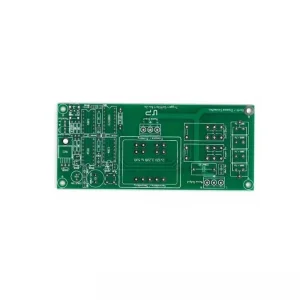
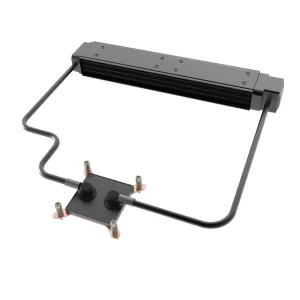
Partner with an established OEM/ODM manufacturer to integrate custom-cut thermal interface materials, high-density PCBs, and performance cooling sub-assemblies tailored to your exact specifications.
Contact Our Engineering Team