Xeviora
Xeviora
Xeviora
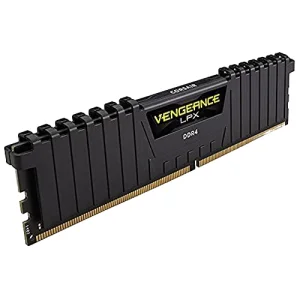
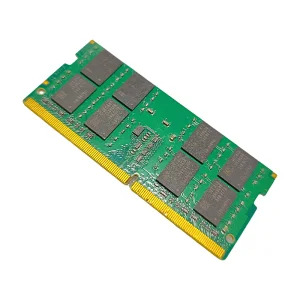
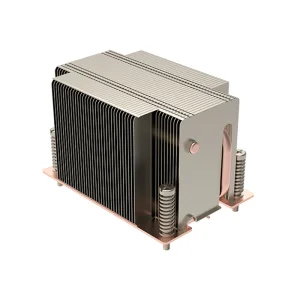
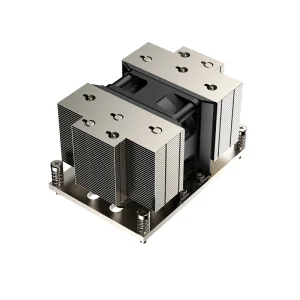
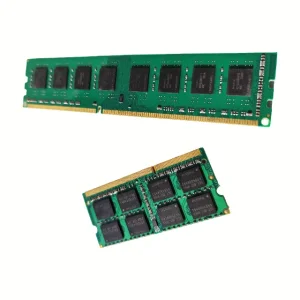
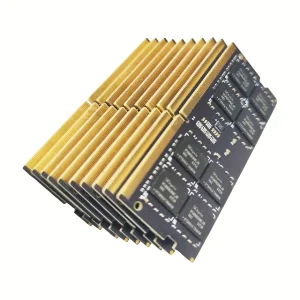
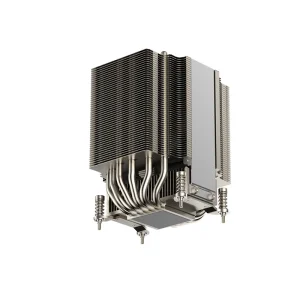
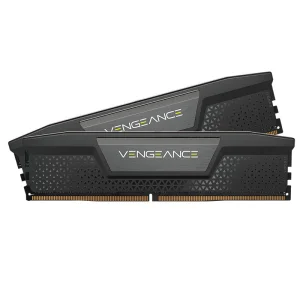
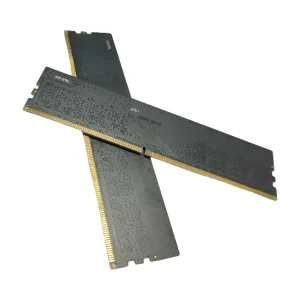
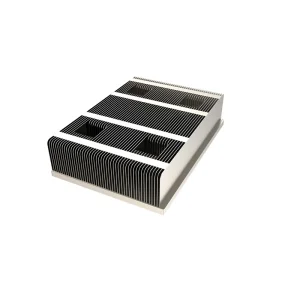
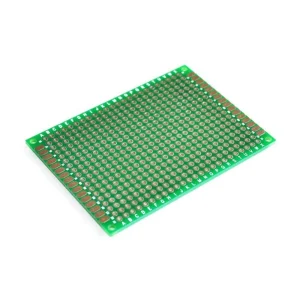
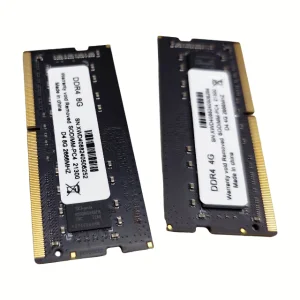
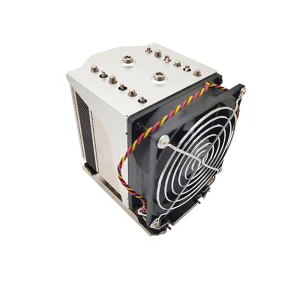
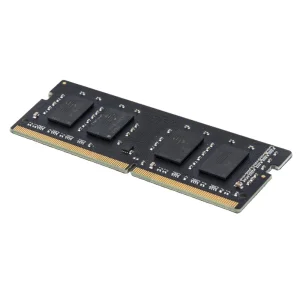
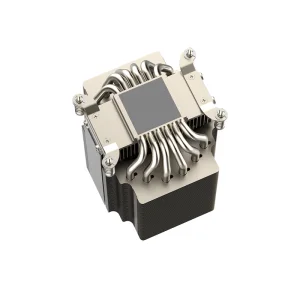
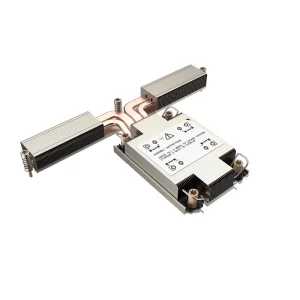
Explore our engineered catalog of cooling mechanisms, robust PCBA design configurations, and computing memory solutions.
Empowering Enterprise Infrastructure with Next-Generation Storage Ecosystems.
Modern global commerce depends heavily on data processing and storage solutions that provide rapid access speeds. Solid-State Drives (SSDs) have shifted from simple alternative storage options to critical infrastructure elements. This evolution has transformed enterprise data centers, automated manufacturing plants, and high-performance client computing systems. As organizations look to optimize input/output operations per second (IOPS), lower latencies, and improve system life cycles, selecting a qualified OEM/ODM SSD manufacturer becomes a central strategic decision.
Modern storage solutions require a detailed understanding of the integration between flash memory controllers, NAND layouts, firmware protocols, and heat management. For instance, the transition from SATA interfaces to the high-bandwidth lanes of PCIe Gen4 and Gen5 NVMe has altered how data flows within server motherboards and edge modules. Today's procurement teams must evaluate hardware beyond raw capacity metrics. Important consideration factors now include write endurance (TBW), drive writes per day (DWPD), power-loss protection (PLP), dynamic thermal throttling, and long-term compliance standards.
First, the market is moving quickly toward 3D TLC (Triple-Level Cell) and QLC (Quad-Level Cell) technologies with high layer counts. Increasing the vertical stacking layer count improves bit density, allowing larger data capacities in standardized form factors such as M.2 2280, U.2, U.3, and the emerging EDSFF (Enterprise & Datacenter Storage Form Factor) standards like E1.S and E3.S. Higher densities, however, require advanced Error Correction Code (ECC) engines, like Low-Density Parity-Check (LDPC), to ensure data integrity over the life of the flash memory.
Second, SSD controllers have become complex system-on-chips (SoCs) equipped with multi-core processors. These controllers handle internal tasks including wear leveling, bad block allocation, over-provisioning management, and garbage collection algorithms. When purchasing OEM/ODM storage products, customizing these controller firmware parameters is essential to adapt the storage device to specific workloads—whether that means prioritizing read-heavy environments for content delivery networks (CDNs) or write-intensive configurations for database logging.
Xeviora Memory Technology (China) Co., Ltd. is a specialized manufacturer and supplier of DDR5 and high-performance solid-state storage solutions based in China. Founded in 2017, the organization has established itself as an OEM and ODM partner for tech brands, system builders, and distributors globally. Combining 12 years of industry experience with 8 years of export history, we engineer durable products that conform to international standards.
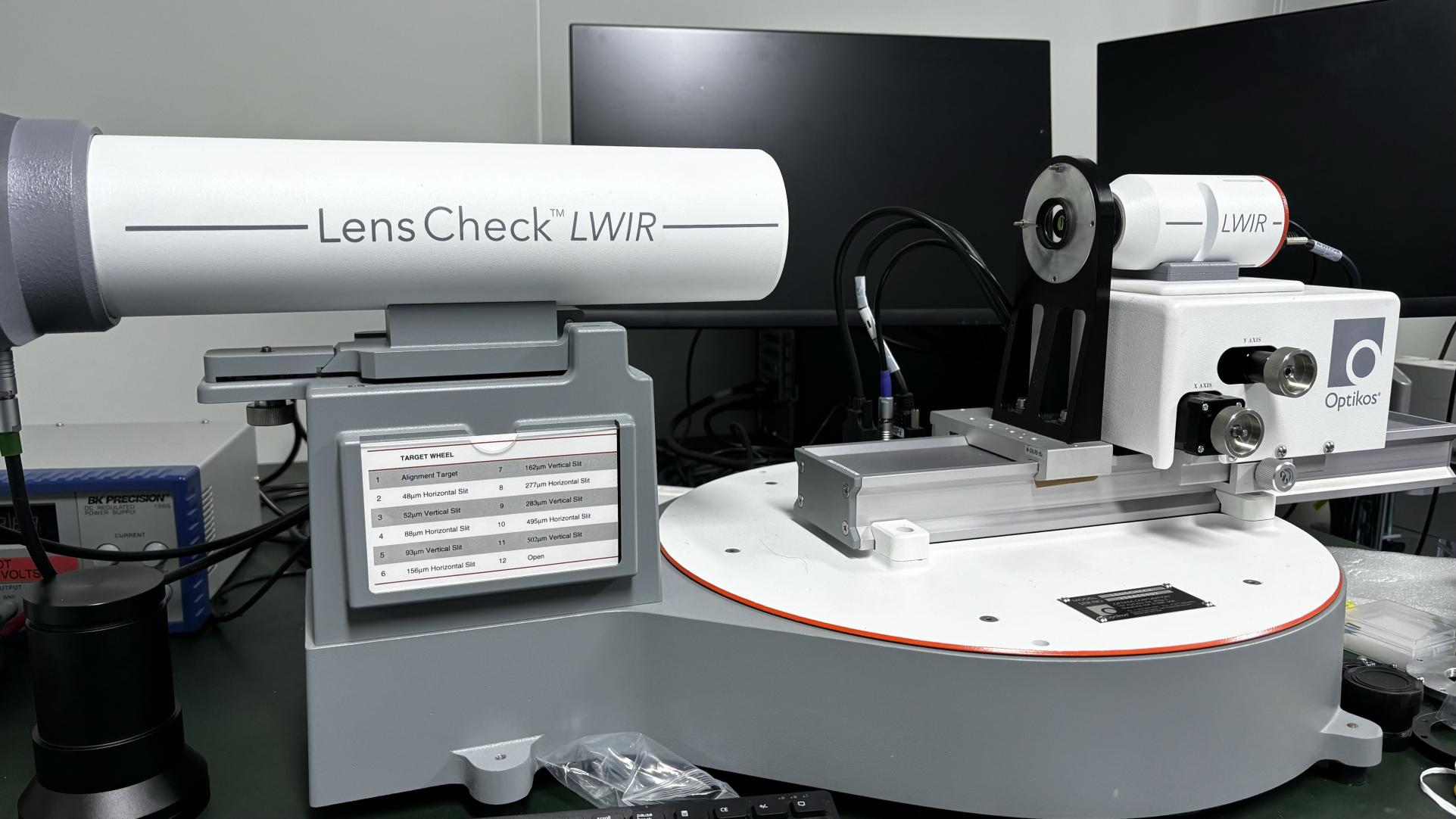
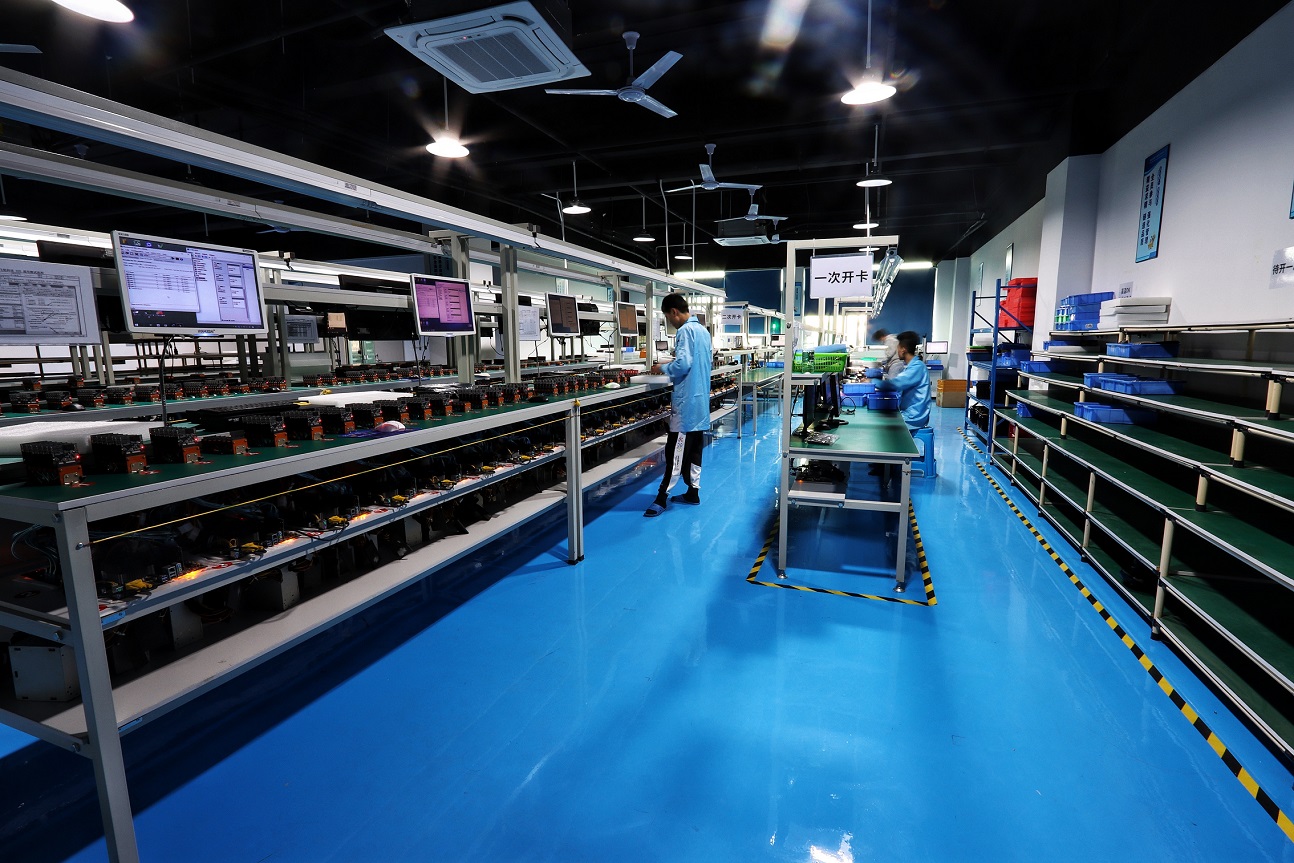
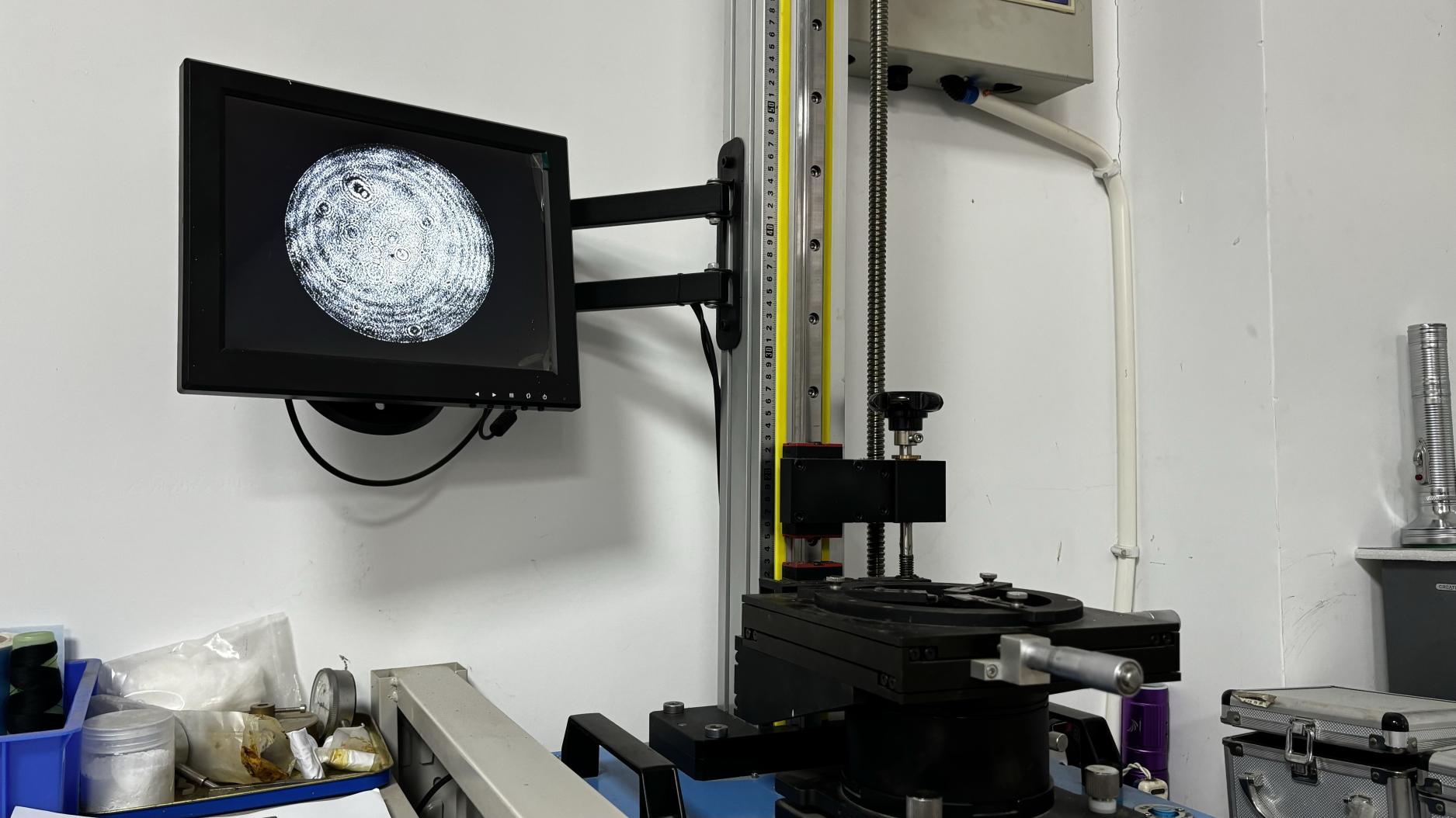
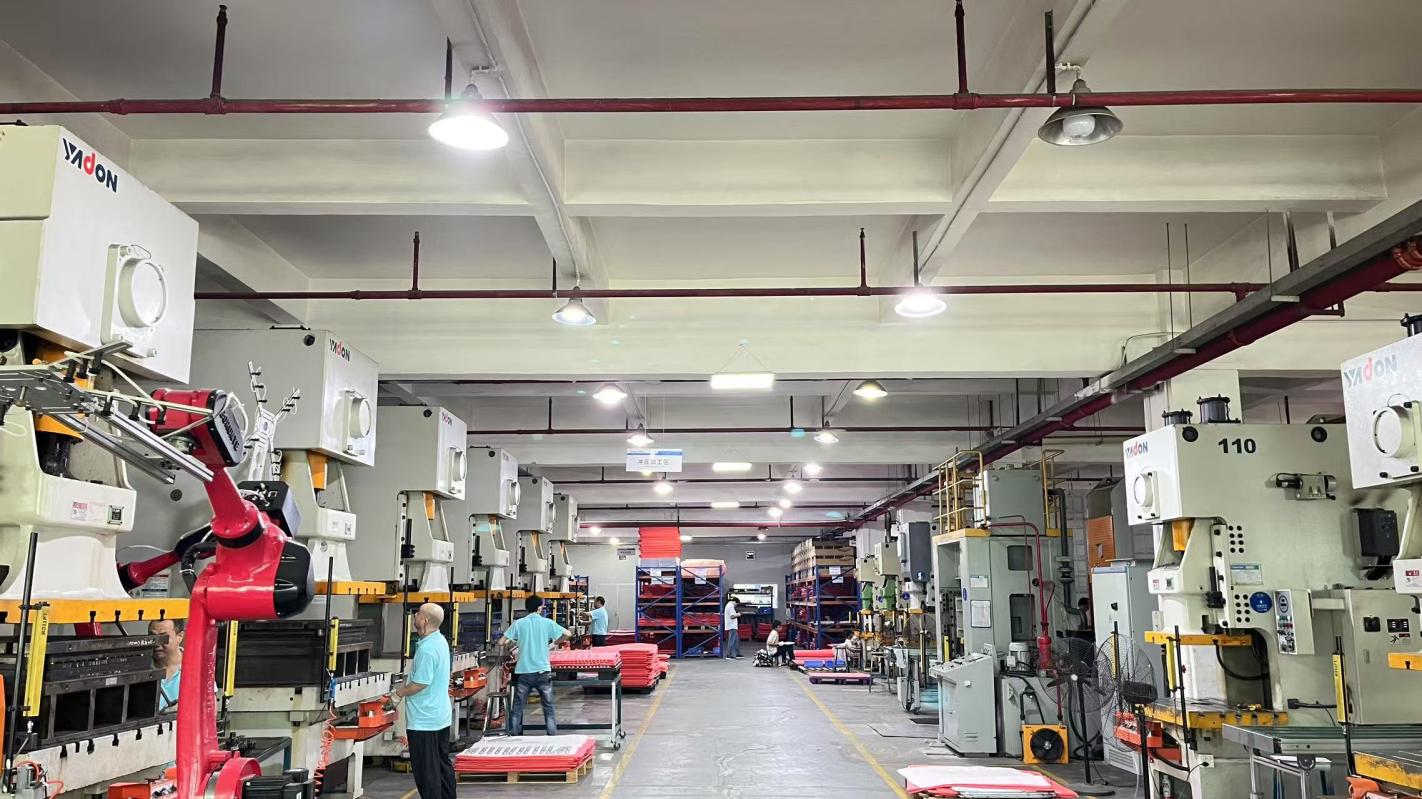
Our manufacturing center operates with specialized equipment and cleanroom controls to process precision SMT placements and handle multi-stage assembly lines. Every module undergoes dynamic testing, covering thermal profiles, physical stress validation, and system compatibility routines prior to shipment. This approach ensures our products operate reliably in demanding commercial environments.
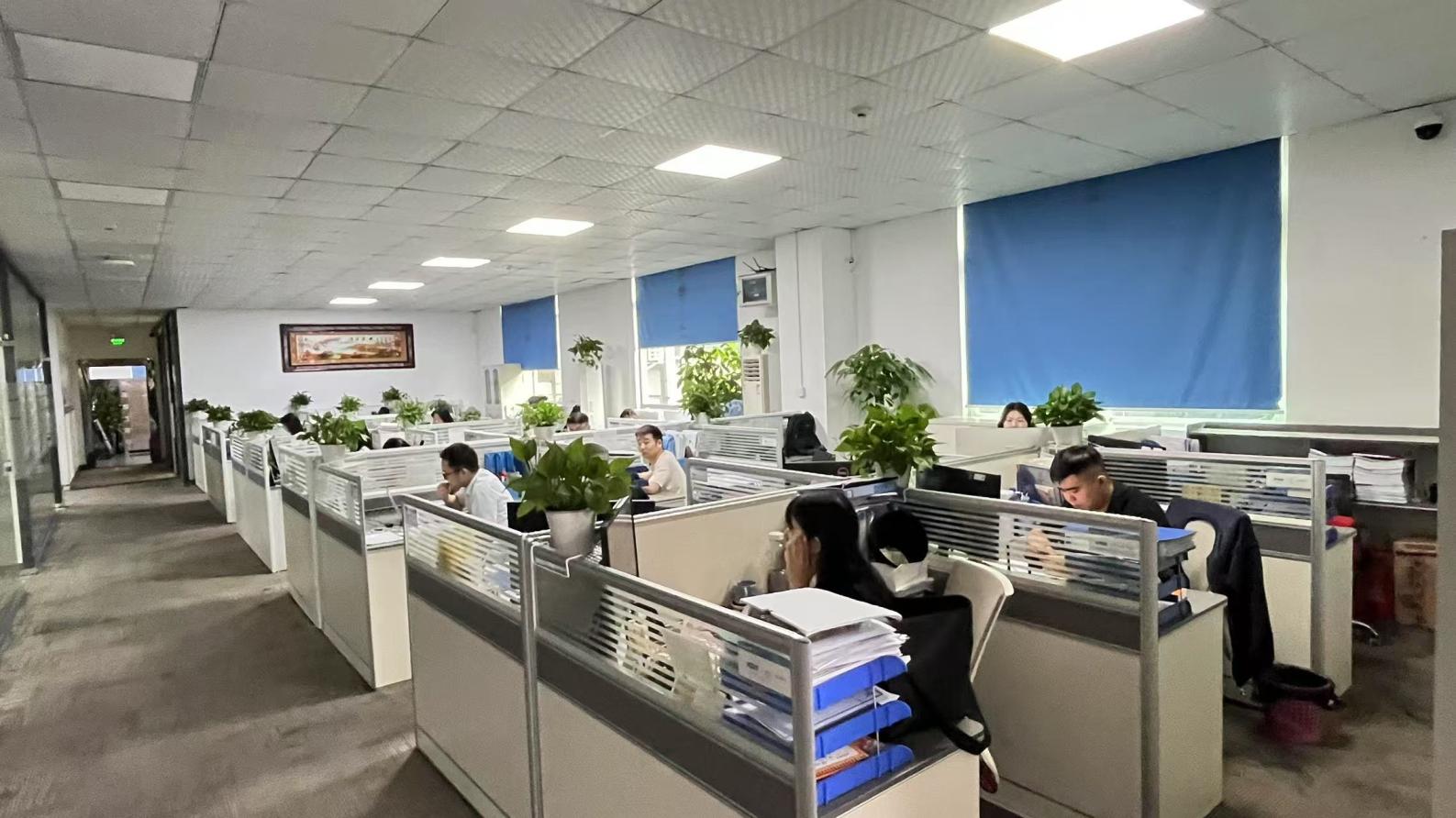
Our engineering division, consisting of 128 R&D professionals, introduced 86 new memory and storage products last year, expanding our product catalog across consumer, enterprise, and industrial categories. Backed by a partner network of over 850 supply chain entities, we maintain supply consistency and offer flexible manufacturing schedules to support global projects.
Addressing B2B purchasing concerns: supply security, customized firmware, and life cycle stability.
Industrial procurement managers face various risks when securing storage components. Supply chain shifts, cost volatility of raw NAND flash wafers, and compatibility issues with older host hardware can affect project timelines. Working with an OEM/ODM partner who provides locked bills-of-materials (BOM) and structured engineering support helps mitigate these risks.
We modify storage firmware to match your operating parameters. Customizations include adjusting wear-leveling algorithms, locking in performance profiles for specific systems, and adjusting thermal limits to match your chassis design.
To maintain consistent operation across long-term product lifespans, we offer locked-BOM options. This ensures that the controller silicon, NAND flash type, and firmware revision remain unchanged throughout the life of your contract.
Our quality assurance setup monitors components from wafer receipt through packaging processes. With 46 dedicated inspectors on-site, we verify tracking data to maintain clear records for critical sectors.
Adapting storage architectures to meet the physical and electrical demands of modern operating environments.
Factory environments expose storage components to physical vibrations, fluctuating voltages, and extreme temperatures. Our industrial-grade SSD designs incorporate wide-temperature components that operate between -40°C and 85°C. Features like conformal coating protect PCBs from moisture and airborne dust, while hardware-level power loss protection prevents corruption of critical system data during unexpected outages.
Cloud environments and modern hyper-scale operations demand low latency and high quality-of-service (QoS). Our enterprise-grade designs utilize dedicated DRAM caches and custom over-provisioning levels. This ensures predictable access speeds under mixed, continuous workloads, giving enterprise systems the storage performance needed for relational databases and virtualization platforms.
Client systems benefit from high-bandwidth interfaces. Our PCIe Gen4 and Gen5 client drives achieve sustained sequential read rates exceeding 7000 MB/s, shortening load times and improving media editing workflows. These drives feature slim form factors and integrated thermal options to maintain system compatibility while minimizing heat build-up under load.
For custom systems, our ODM capabilities provide complete hardware flexibility. We offer customized label designs, custom enclosure sizes, and optimized storage profiles designed to help your hardware products stand out in their target markets.
A timeline showing our ongoing development and integration of storage technologies.
Developing enterprise NVMe PCIe 5.0 drives with advanced controllers to support throughput speeds up to 14,000 MB/s, targeting modern AI computing systems.
Deploying SSD solutions using 232-layer and 3D TLC/QLC NAND structures to offer compact storage options exceeding 8TB within standard M.2 and EDSFF configurations.
Integrating hardware-level cryptographic protocols, including TCG Opal 2.0 and FIPS 140-3 compliance, to support data security in enterprise and government deployments.
Testing Compute Express Link (CXL) storage devices to enable shared memory access and lower latency in cloud-scale computing infrastructures.
Answers to common technical questions regarding flash reliability, customization, and deployment.
A look into our cleanrooms, precision assembly lines, and testing spaces.
Discover our wider selection of memory modules and server component solutions designed for high compatibility.