Xeviora
Xeviora
Xeviora
Explore our core engineering portfolio of server, desktop, and industrial system boards and components, manufactured under stringent ISO9001 and IPC standards.
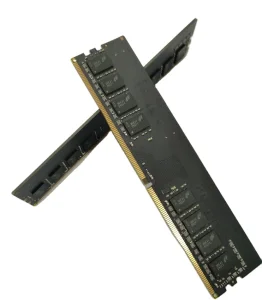
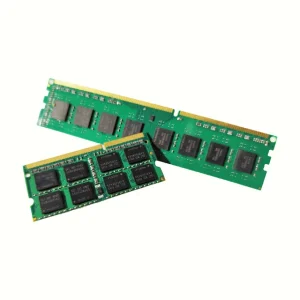
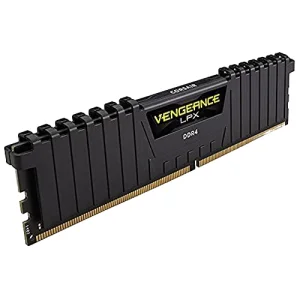
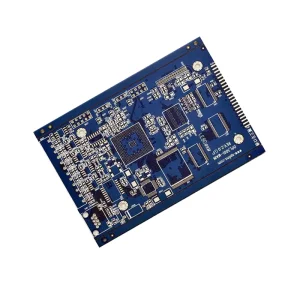
Modern high-luminosity solid-state lighting relies on a symbiotic relationship with advanced thermal management substrates. As a premier electronics engineering firm, Xeviora Memory Technology leverages over a decade of semiconductor-level manufacturing expertise to pioneer high-density interconnect (HDI) solutions, metal-clad circuit boards (MCPCBs), and precision SMT (Surface Mount Technology) systems.
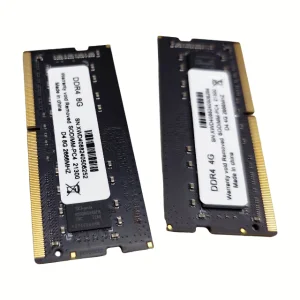
Our cross-domain capability, which ranges from high-frequency memory layers (DDR4/DDR5) to complex high-power LED arrays, allows us to mitigate the primary point of failure in modern light engines: junction temperature degradation. Without robust thermal dissipation pathing, the efficiency and lifespan of high-density optoelectronics diminish rapidly.
| Substrate Material | FR4, Aluminum Base, Copper Base, Ceramic (Al2O3/AlN) |
| Thermal Conductivity | 1.0, 1.5, 2.0, 3.0, 4.0, up to 8.0 W/m·K |
| Copper Foil Thickness | 0.5 oz, 1.0 oz, 2.0 oz, 3.0 oz, up to 6.0 oz (Heavy Copper) |
| Surface Finishing | HASL (Lead-Free), ENIG, Immersion Silver, OSP |
| Solder Mask Color | Super White (Highly Reflective >95%), Matte Black, Green |
| Testing Protocols | AOI, X-Ray Void Detection, FCT, Thermal Shock |
Combining 8 years of export operations with 12 years of core electronics industry expertise, we build stable, scalable hardware components that global tech leaders trust.
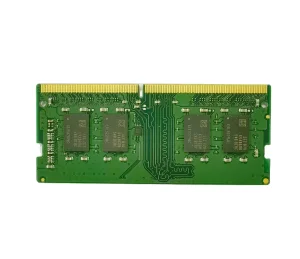
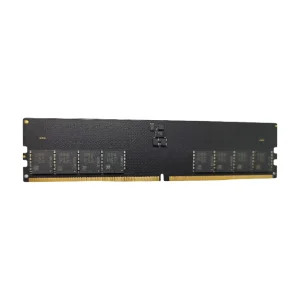
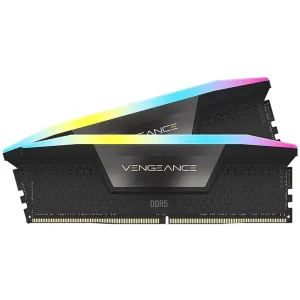
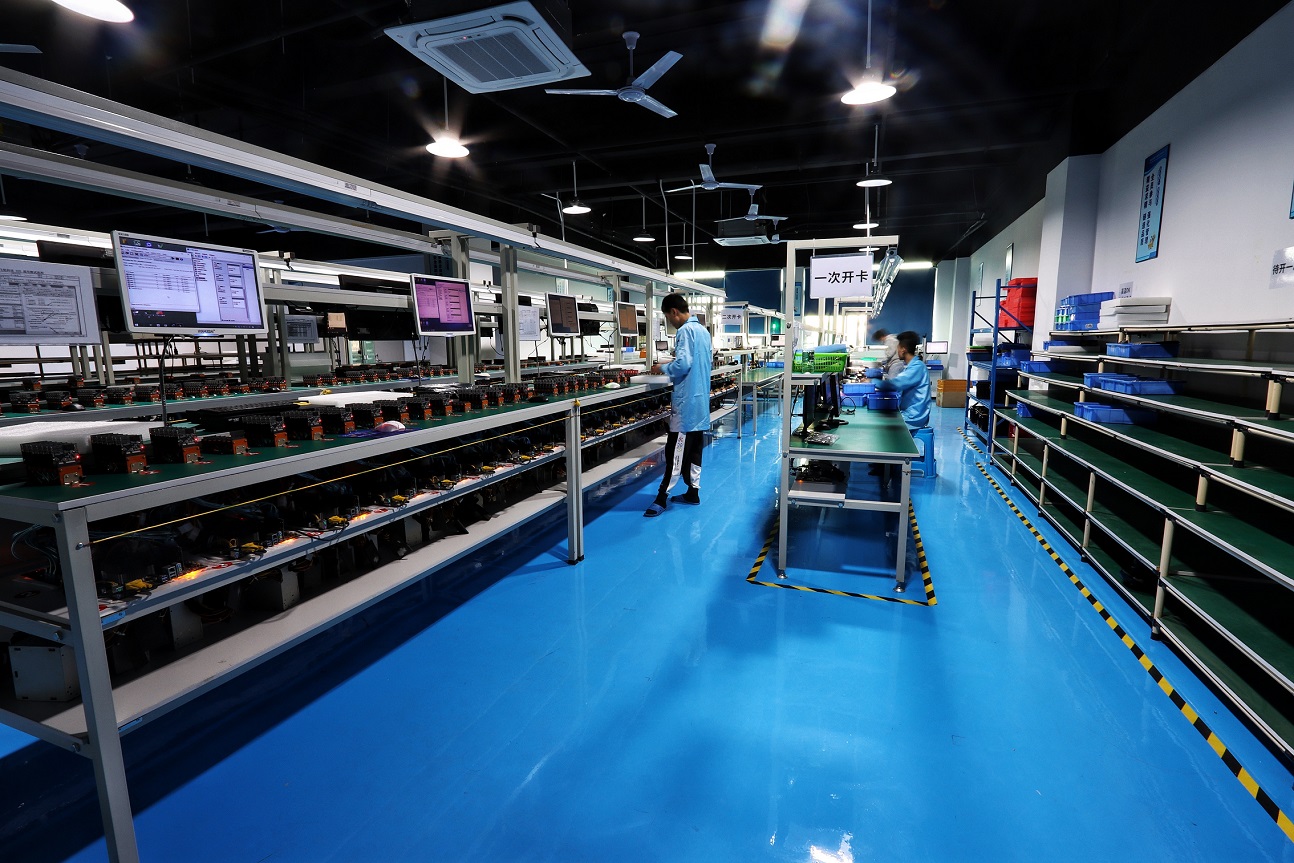
Our advanced assembly lines utilize state-of-the-art Japanese SMT pick-and-place equipment, high-vacuum reflow ovens, and intelligent 3D Solder Paste Inspection (SPI) devices. Originally specialized in the high-tolerance manufacturing of DDR5 memory bars and complex computing PCBs, Xeviora has expanded into high-level LED circuit board printing and custom OEM/ODM packaging. Operating with over 850 global supply chain partners allows us to dynamically source raw components and pass economic scale advantages directly to our international clients.
How Xeviora translates regional advantages, supply-chain depth, and advanced logistics into absolute reliability and value for global procurement heads.
Located in the heart of China's hardware capital, we enjoy immediate access to high-purity aluminum alloys, high-Tg copper-clad laminates, and primary IC manufacturers. This geographical cluster decreases lead time and cushions our partners against macro-economic supply chain spikes.
We provide full layout customization, circuit path trace optimization, special dielectric layer adjustments, custom silk screening (high reflective coatings), and firmware integration for integrated smart lighting control panels.
Every batch of PCBs and assembled modules undergoes automated AOI, thermal imaging, high-voltage insulation tests, and operational burn-in cycles. Backed by 46 quality inspectors, we ensure zero field-failures on critical components.
We address complex operational challenges across major industry verticals:
The market is shifting rapidly from standard discrete LED arrays to high-density packages such as MiniLED and MicroLED technology. These boards require extremely narrow trace widths and spaces (down to 50 microns) along with advanced surface flatting processing to handle dense arrays of micro-components.
Xeviora stays at the forefront of these transitions. By leveraging high-density substrate fabrication technologies originally developed for multi-layer DDR5 memory banks, our facility executes micro-vias, filled vias-in-pad, and ultra-high reflection white solder mask coating applications. These improvements provide maximum optical reflection efficiency (>98%) and unmatched thermal transfer characteristics.
In-depth insights regarding layout designs, manufacturing tolerances, thermal properties, and compliance procedures.
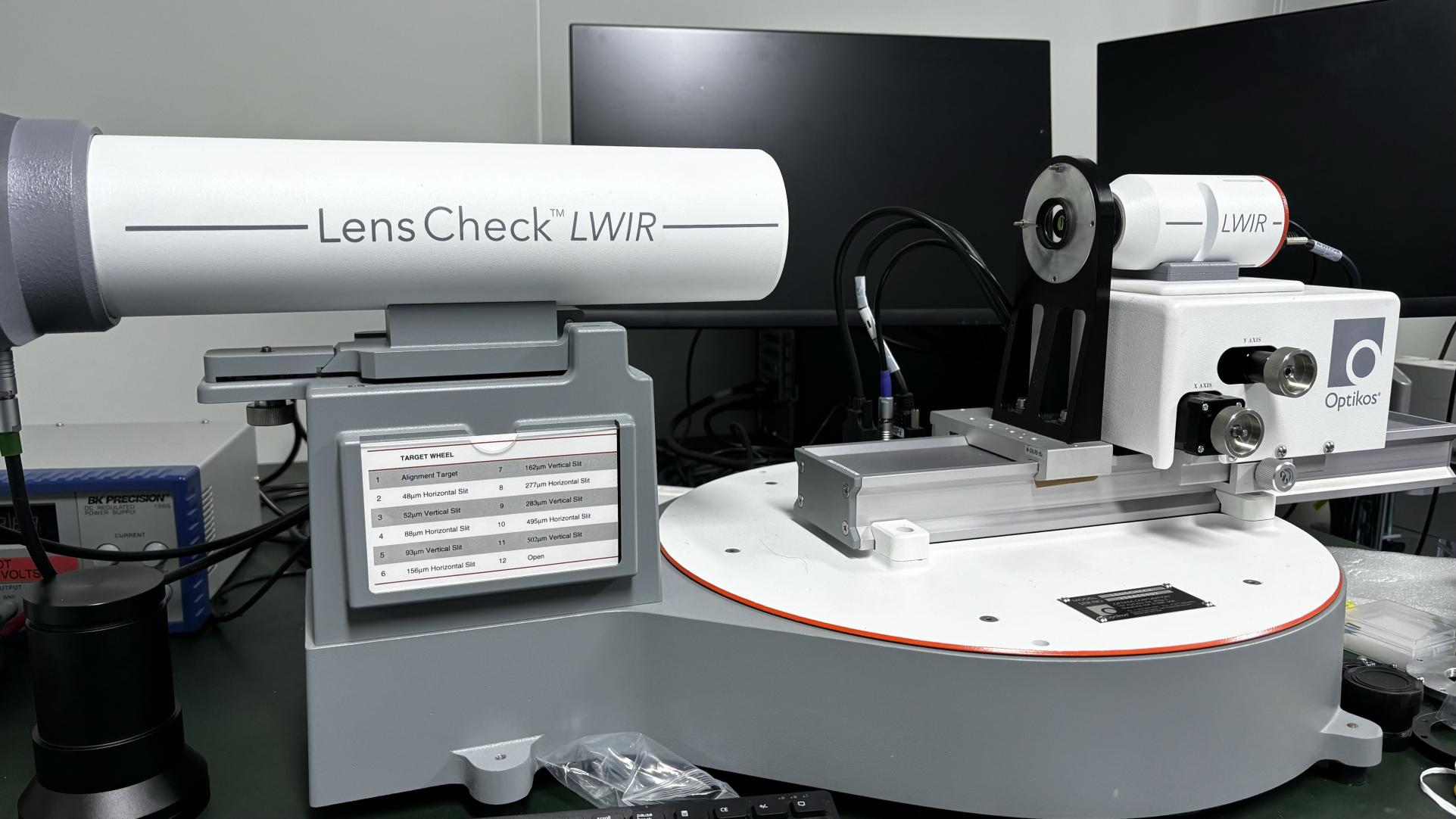
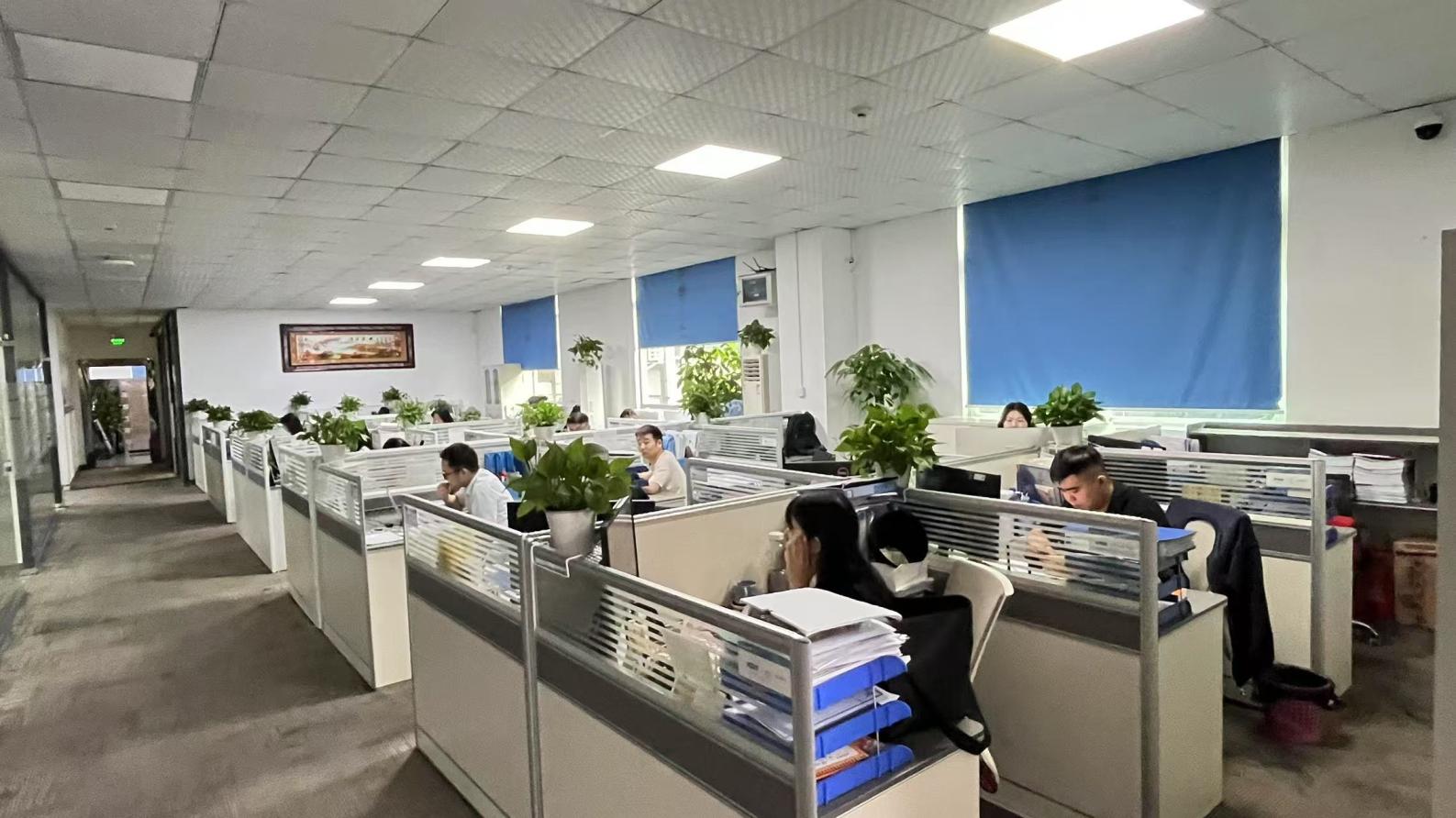
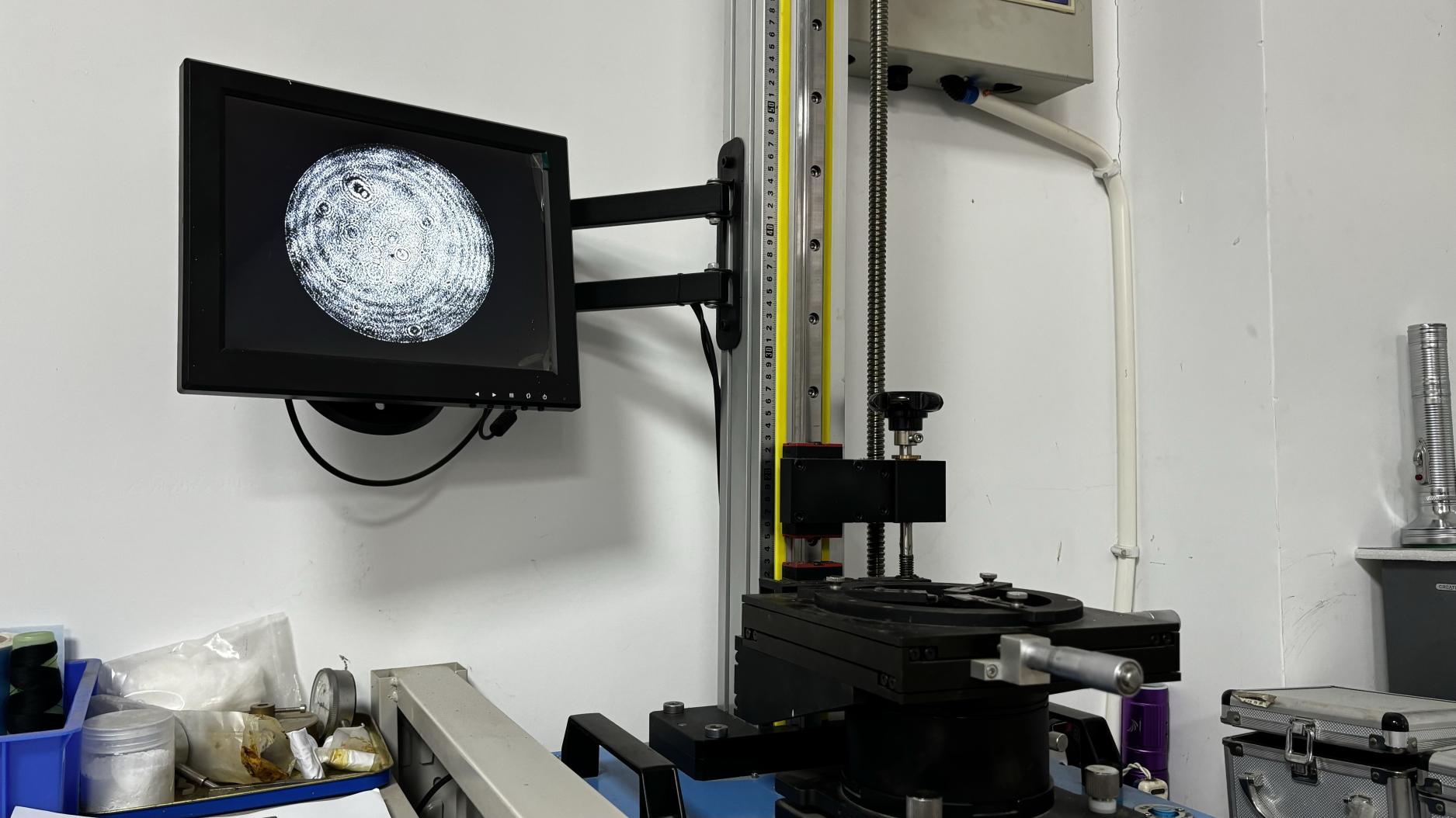
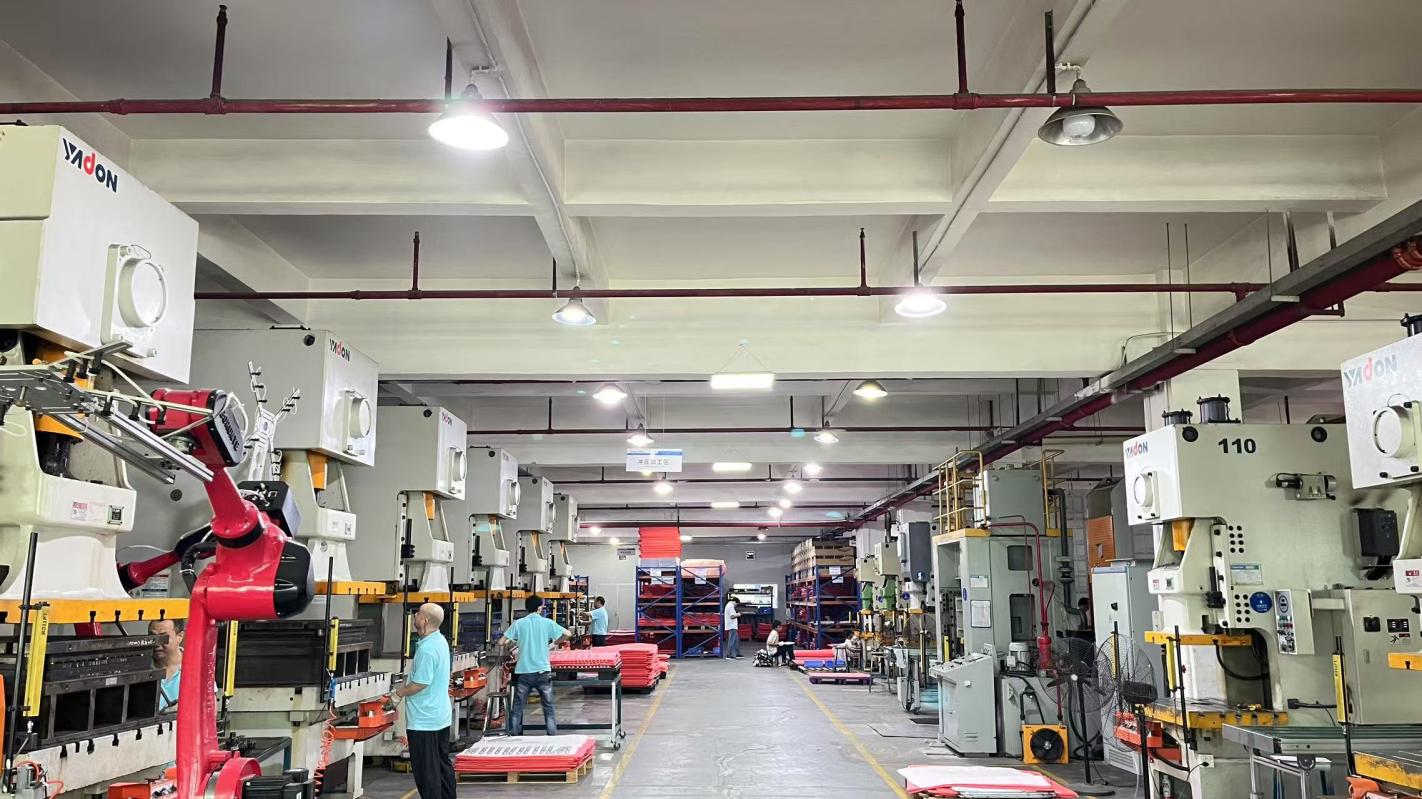
A visual look inside our standardized dust-free production zones, automated testing lines, and logistics warehouses.
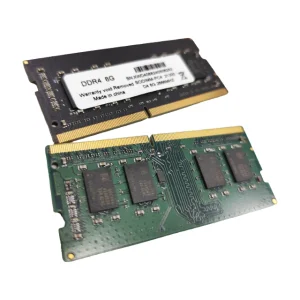
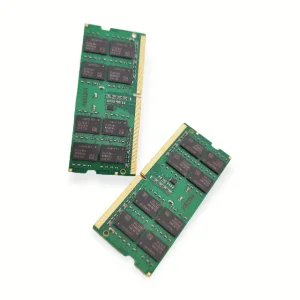
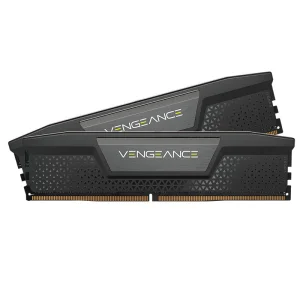
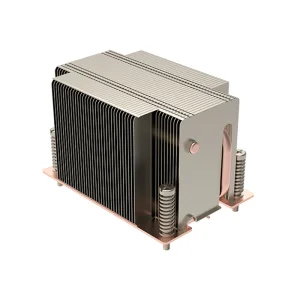
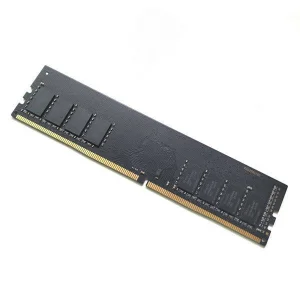
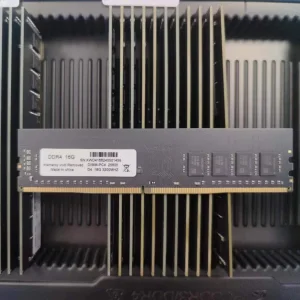
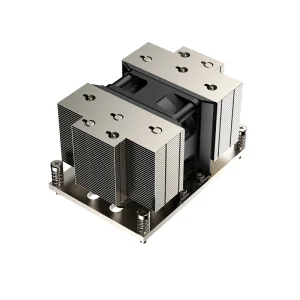
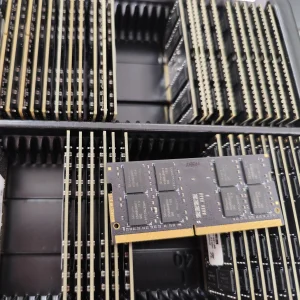
Complete your layout setups with our range of high-efficiency server heat sinks, multi-frequency RAM modules, and structural interfaces.