Xeviora
Xeviora
Xeviora
In the rapidly advancing landscape of telecommunications, high-performance computing, and automotive electronics, high-frequency printed circuit boards (PCBs) act as the vital foundation. Operating at frequencies ranging from 500 MHz up to 100 GHz and beyond, these specialized boards demand meticulous engineering. Traditional FR-4 materials are no longer sufficient; they introduce high dielectric loss and signal degradation that can disrupt high-speed circuits. Consequently, the industry is transitioning toward advanced fluoropolymers (PTFE), hydrocarbon ceramics, and specialized metal core substrates to preserve signal integrity, manage thermal loads, and limit insertion loss.
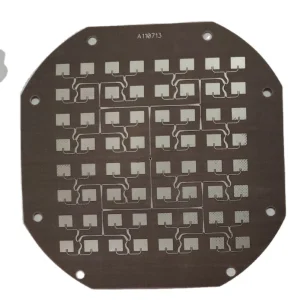
As a premier OEM/ODM High-Frequency Circuit Boards Manufacturer & Exporter, our manufacturing processes are tailored to handle these advanced materials. By integrating high-precision stackups, controlled impedance profiling, and thermal management coatings, we enable global brands to build reliable hardware. Whether you are routing 100G Ethernet channels on high-speed server boards (such as DDR5 systems running at 6000MHz) or fabricating microstrip antennas for millimeter-wave automotive radar, our structural designs ensure minimal signal loss, consistent dielectric constant (Dk), and stable dissipation factor (Df).
Understanding substrate properties is crucial for matching performance requirements with cost efficiency. The table below details the technical specifications of key materials processed in our advanced manufacturing lines.
| Material Class / Brand | Dielectric Constant (Dk @ 10 GHz) | Dissipation Factor (Df @ 10 GHz) | Thermal Conductivity (W/m/K) | Moisture Absorption (%) | Primary Industrial Applications |
|---|---|---|---|---|---|
| Taconic TLY-5 (PTFE Fiberglass) | 2.20 ± 0.02 | 0.0009 | 0.22 | < 0.02% | LNA, Aerospace Avionics, Automotive Radar, SATCOM |
| Rogers RO4350B (Hydrocarbon Ceramic) | 3.48 ± 0.05 | 0.0037 | 0.62 | 0.06% | Base Station Antennas, RF Power Amplifiers, LNBs |
| Teflon / PTFE Pure | 2.10 | 0.0005 | 0.25 | < 0.01% | Microwave Filters, Extreme Low-Loss Cables, Medical Instrumentation |
| Aluminum Substrate (Taconic Filled) | 2.20 - 3.50 | 0.0012 | 1.5 - 3.0 | < 0.02% | High-Power LED Transmitters, RF Amplifiers, Power Converters |
| High-Tg FR-4 (Modified Epoxy) | 4.40 | 0.0180 | 0.40 | 0.15% | Standard High-Speed Digital Boards, Motherboards, Memory Cards |
Note: The Taconic TLY-5 with a thickness of 0.254mm represents the industry gold standard for low-profile, ultra-low dielectric constant configurations, maintaining mechanical dimensional stability while minimizing signal skew.
Leveraging advanced industrial clusters and continuous infrastructure investment, China-based manufacturing delivers unmatched cost-efficiency, rapid prototyping, and end-to-end quality control.
Immediate proximity to key laminate suppliers (Rogers, Taconic, Shengyi, Nelco) guarantees continuous material availability and lower raw material procurement costs, shielding global clients from supply chain disruptions.
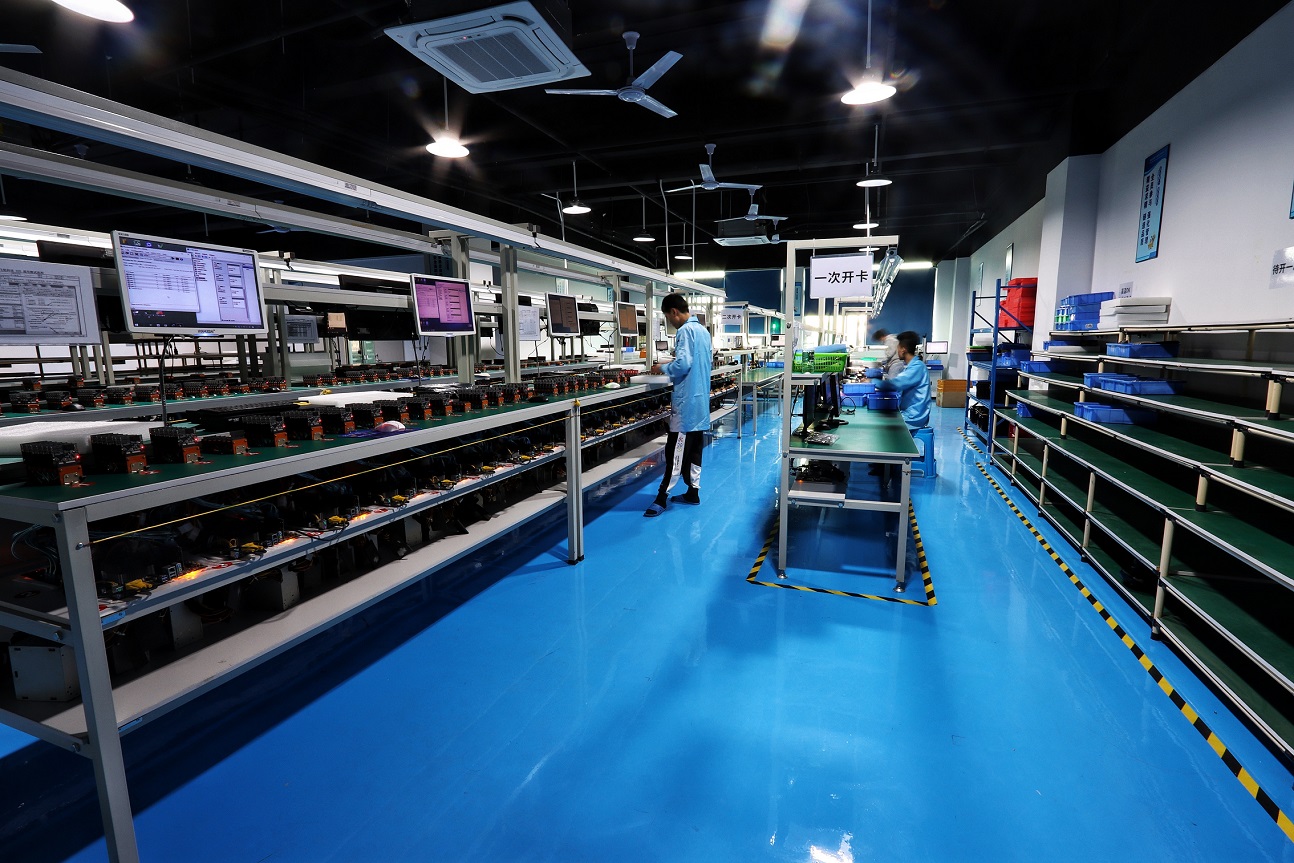
Equipped with laser direct imaging (LDI), vacuum laminators, plasma etching, and precise backdrilling capabilities, our manufacturing facility supports trace-width tolerances down to ±5% and controlled impedance deviations within ±5 Ω.
Transition seamlessly from quick-turn prototypes (within 24-48 hours) to full-scale mass production. Highly automated surface mount technology (SMT) lines optimize production throughput while maintaining consistent quality.
The global high-frequency circuit board market is driven by three main macro trends: the deployment of fifth-generation (5G) and emerging sixth-generation (6G) communication networks, the rapid growth of Advanced Driver Assistance Systems (ADAS), and the expansion of artificial intelligence (AI) data centers. These applications rely on high-frequency signals, requiring circuit boards with low-loss profiles, excellent thermal dissipation, and complex stackups.
Massive MIMO antennas, remote radio heads (RRH), and small cell base stations require multi-layer PCBs with low-loss characteristics to handle high frequencies (up to 40 GHz) without signal drop-offs.
Millimeter-wave radar systems operating at 77 GHz require ultra-stable dielectric constants. PTFE and Taconic composites provide the reliability needed to ensure safety-critical automotive sensors perform consistently in all weather conditions.
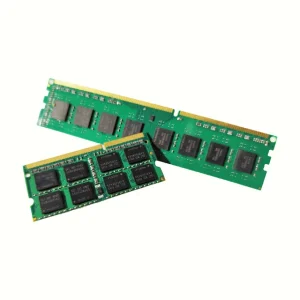
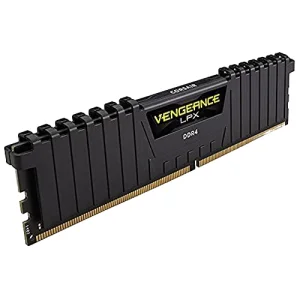
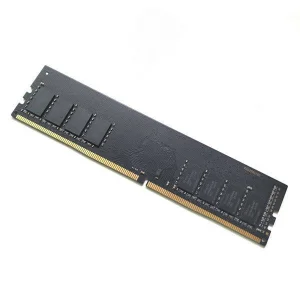
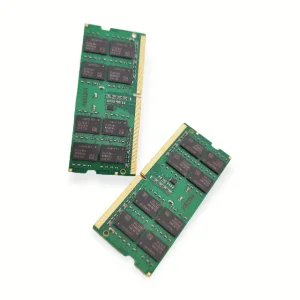
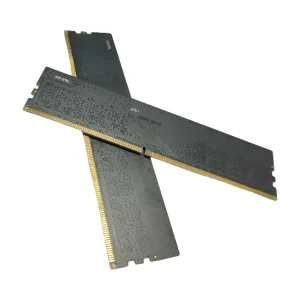
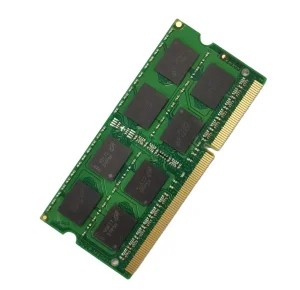
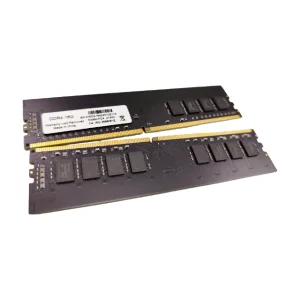
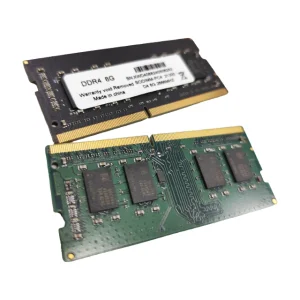
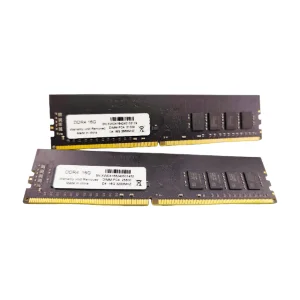
AI servers demand ultra-fast data transfer rates, supported by high-speed memory systems like DDR5 and DDR4. High-frequency PCB design principles are essential to prevent signal reflections and manage cross-talk on multi-layer motherboards.
To meet these demands, global buyers seek manufacturers with strong engineering capabilities. Procuring high-frequency PCBs is no longer just a transaction; it requires collaborative design to verify the board stackup, select the appropriate copper weight (such as rolled-annealed or electro-deposited copper), and choose surface finishes like ENIG (Electroless Nickel Immersion Gold) or ENEPIG to optimize skin-effect loss.
We manage a structured development process, ensuring every circuit board meets exact customer specifications from design consultation to mass production.
Our R&D engineers review Gerber files to assess controlled impedance, layout routing, via structures, and material suitability.
We procure specialized high-frequency substrates, including Taconic TLY-5, Rogers, and thermal aluminum bases, from verified channels.
Lamination is performed in cleanroom environments with precise temperature and pressure controls to prevent micro-voids and warping.
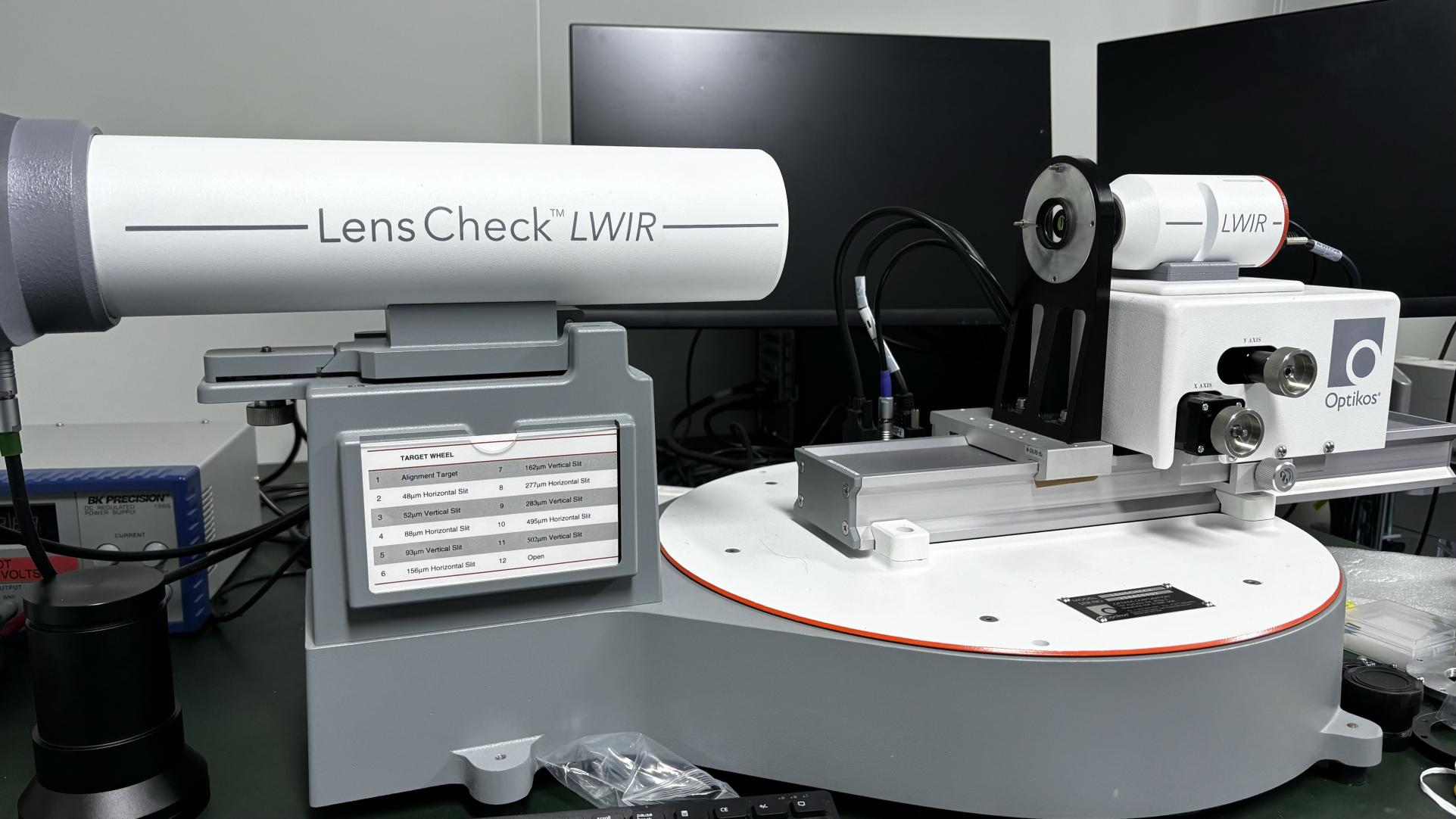
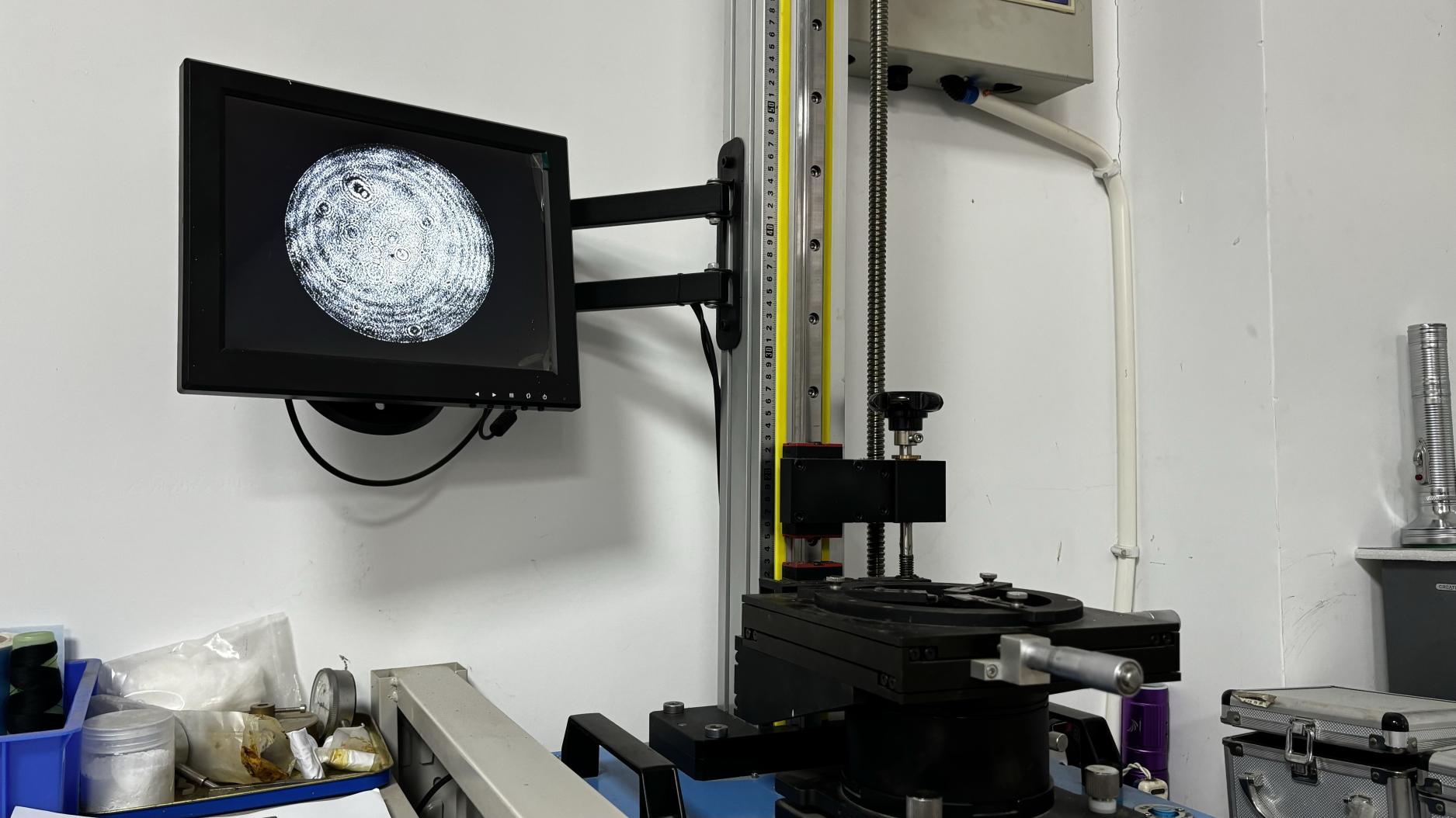
Each board undergoes flying probe electrical testing, automated optical inspection (AOI), TDR testing, and thermal stress tests.
Expert answers to technical questions about high-frequency printed circuit board design, materials, and production capabilities.
Taconic TLY-5 features a low dielectric constant (Dk 2.20) and a dissipation factor (Df 0.0009) at 10 GHz, making it excellent for minimizing signal loss. Its woven fiberglass reinforcement provides high dimensional stability and peel strength compared to pure PTFE, rendering it ideal for aerospace electronics, satellite communications, and automotive radar.
Our engineering team utilizes Polar Instruments Impedance Design software to model trace geometries and stackups. During manufacturing, we use Laser Direct Imaging (LDI) and modern acid etching lines to maintain trace width tolerances of ±5%. Standard testing includes Time Domain Reflectometry (TDR) to verify that target values (e.g., 50Ω single-ended or 100Ω differential) are met.
Yes, we specialize in multi-layer hybrid stackups. By combining high-frequency materials (such as Rogers or Taconic) on the outer layers with standard FR-4 on the inner layers, we help clients control material costs while meeting signal integrity and thermal requirements on critical routing channels.
At high frequencies, the skin effect confines current to the outer edge of the conductor. Rough copper surfaces increase the physical path length, leading to higher resistive losses. To prevent this, we offer low-profile (LP) and ultra-low-profile (VLP) copper foils with average roughness (Rz) under 1.5 µm, reducing insertion loss for applications operating above 10 GHz.
We offer several thermal management solutions, including heavy copper tracking (up to 6 oz), metal core PCBs (MCPCB) with aluminum or copper substrates, thermal via arrays, and direct metal backplanes. These solutions are designed to transfer heat away from power amplifiers, processors, and high-capacity server systems.
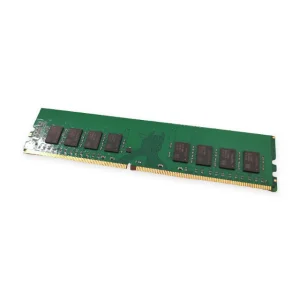
Xeviora Memory Technology (China) Co., Ltd. is a specialized manufacturer and supplier of DDR5 and DDR4 memory modules, high-performance computing hardware, and advanced thermal management solutions. Established in 2017, the company has grown into a trusted OEM/ODM partner for technology brands, systems integrators, and industrial distributors globally.
Operating from a modern manufacturing facility equipped with automated production and testing equipment, Xeviora ensures stable product quality and performance. With an annual export revenue exceeding USD 18 million, the company serves customers across North America, Europe, Southeast Asia, the Middle East, and South America.
Our quality assurance system covers incoming materials inspection, in-process quality control, and final product verification. All products, including DDR5 memory cards and server-grade cooling systems, undergo automated testing, compatibility checks, and environmental stress testing before shipment. We provide customization options including private labeling, packaging design, custom specifications, and firmware development to meet diverse project requirements.