Xeviora
Xeviora
Xeviora
Executive Summary: The global UVC disinfection market has transitioned from emergency pandemic deployment to a structured infrastructure necessity. Delivering efficient, reliable, and safe germicidal ultraviolet irradiation (UVGI) requires integration of high-power semiconductor packages, specialized thermal dissipation networks, and precision automated control electronics.
As a specialized high-performance hardware manufacturer, Xeviora Memory Technology collaborates with international tier-1 developers to bridge the gap between heavy industrial-grade hardware design and custom UVC lighting architectures. Our solutions cover thermal management subsystems, custom driver boards, controller PCBs, and server-grade computing hardware designed for intelligent UVGI systems.
The international demand for ultraviolet germicidal irradiation is undergoing a fundamental technological shift. Traditional low-pressure mercury vapor lamps are being phased out due to the Minamata Convention on Mercury, triggering rapid adoption of Solid-State UVC Light Emitting Diodes (LEDs). Industrial systems require high electrical-to-optical conversion efficiency, safety fail-safes, and extended operational lifespans.
In North America and Europe, stringent regulatory bodies such as the EPA, FDA, and CE oversee sanitation efficacy and human exposure limits (e.g., ACGIH guidelines for safe optical radiation). Current deployment focuses on Far-UVC (222nm excimer technology) for occupied spaces and High-Output Mid-UVC (260nm–280nm) arrays for dynamic HVAC air stream disinfection, industrial water purification, and automated surface decontamination. Implementing these solutions requires reliable control units and high-power thermal interfaces to prevent premature semiconductor degradation.
Achieving stable pathogen inactivation (specifically log-3 to log-4 reduction of resilient endospores and viruses) requires maintaining a precise, constant radiant flux. However, modern high-power UVC LEDs operate at low external quantum efficiencies (EQE), turning 90% to 95% of input electrical power into waste heat. Without adequate thermal dissipation, the junction temperature rises rapidly, causing wavelength shifts and shortening the component's lifespan.
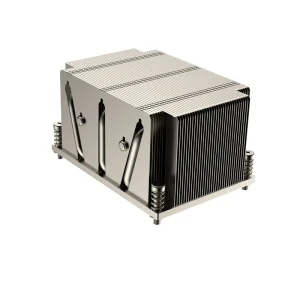
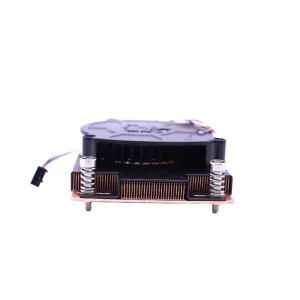
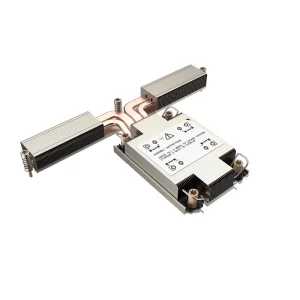
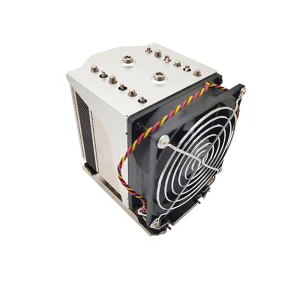
Consequently, standard UVC fixture designs have evolved to incorporate advanced server-grade active and passive thermal solutions. Copper-cored micro-heat pipe arrays and heavy aluminum radiators—historically reserved for high-performance server processors—are now key components in industrial UVC setups. Our advanced server heatsinks, such as the LGA4189-N96 320W Heat Pipe Heat Sink and the LGA4677 Passive Extruded Aluminum Radiator, provide the necessary thermal protection for high-density, multi-kilowatt UVC sanitizing arrays.
Integrating 300W+ heat pipe assemblies allows UVC arrays to maintain a junction temperature below 60°C, preserving L70 lifetime metrics exceeding 20,000 hours.
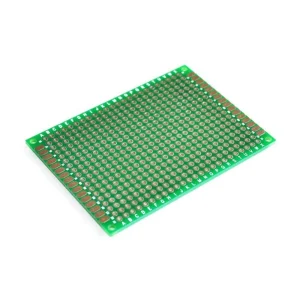
Double-sided, metal-clad PCB prototype boards ensure clean electrical routing, structural support, and high dielectric strength for high-voltage UVC drivers.
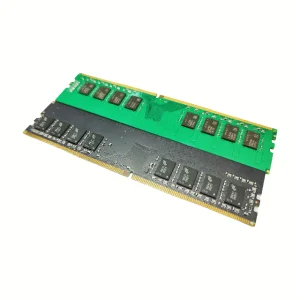
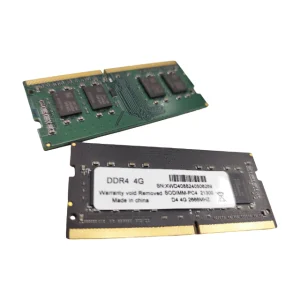
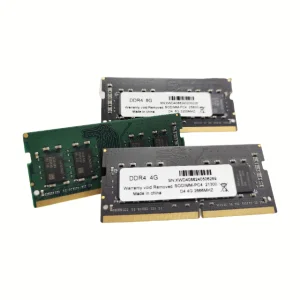
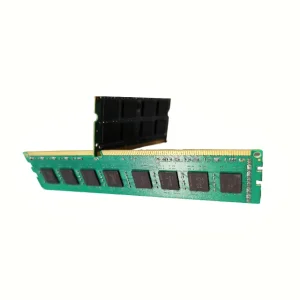
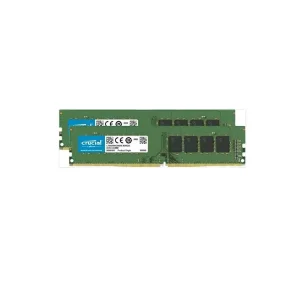
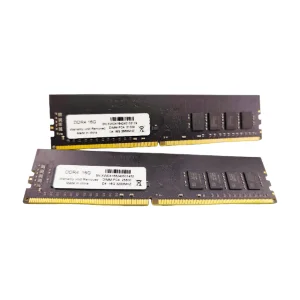
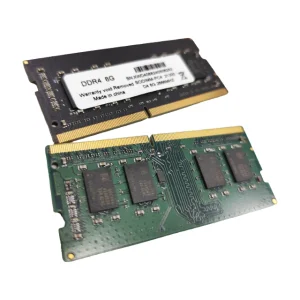
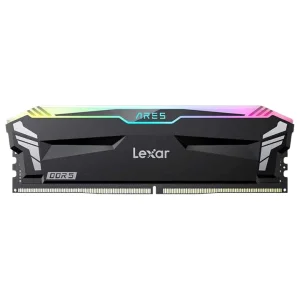
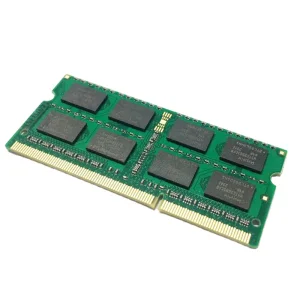
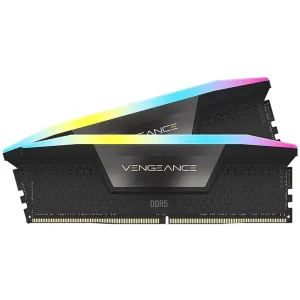
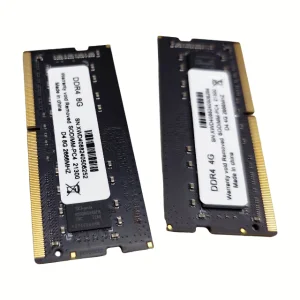
Utilizing high-speed RAM and system memory in control modules allows UVC systems to log sanitization metrics, calculate dynamic dosages, and manage occupancy sensors.
Industrial and commercial environments require tailored UVC sterilization systems based on airflow, humidity, surface distance, and occupancy safety:
The future of germicidal irradiation lies in higher efficiency, safety, and smart system integration:
1. Quantum Efficiency Improvements: Silicon carbide (SiC) and aluminum nitride (AlN) substrates will continue to improve, boosting the wall-plug efficiency of UVC LEDs from the current 5% toward target ranges of 15% to 20%. This advance will reduce thermal output, though thermal management remains critical for compact systems.
2. AI-Driven Smart Sanitation: Future setups will combine real-time pathogen sensors with AI-controlled driver systems. These units will dynamically adjust output based on occupancy, temperature, and localized risks, relying on fast memory chips and custom controller boards for processing.
3. Widespread Adoption of Far-UVC (222nm): As research confirms that 222nm light is safe for human exposure, commercial spaces will increasingly adopt Far-UVC systems. This transition will require specialized high-frequency power supplies and driver boards capable of handling excimer lamp voltages.
Xeviora Memory Technology (China) Co., Ltd. is a professional manufacturer and supplier based in China, specializing in high-performance memory, electronic components, and custom hardware engineering for industrial and enterprise applications.
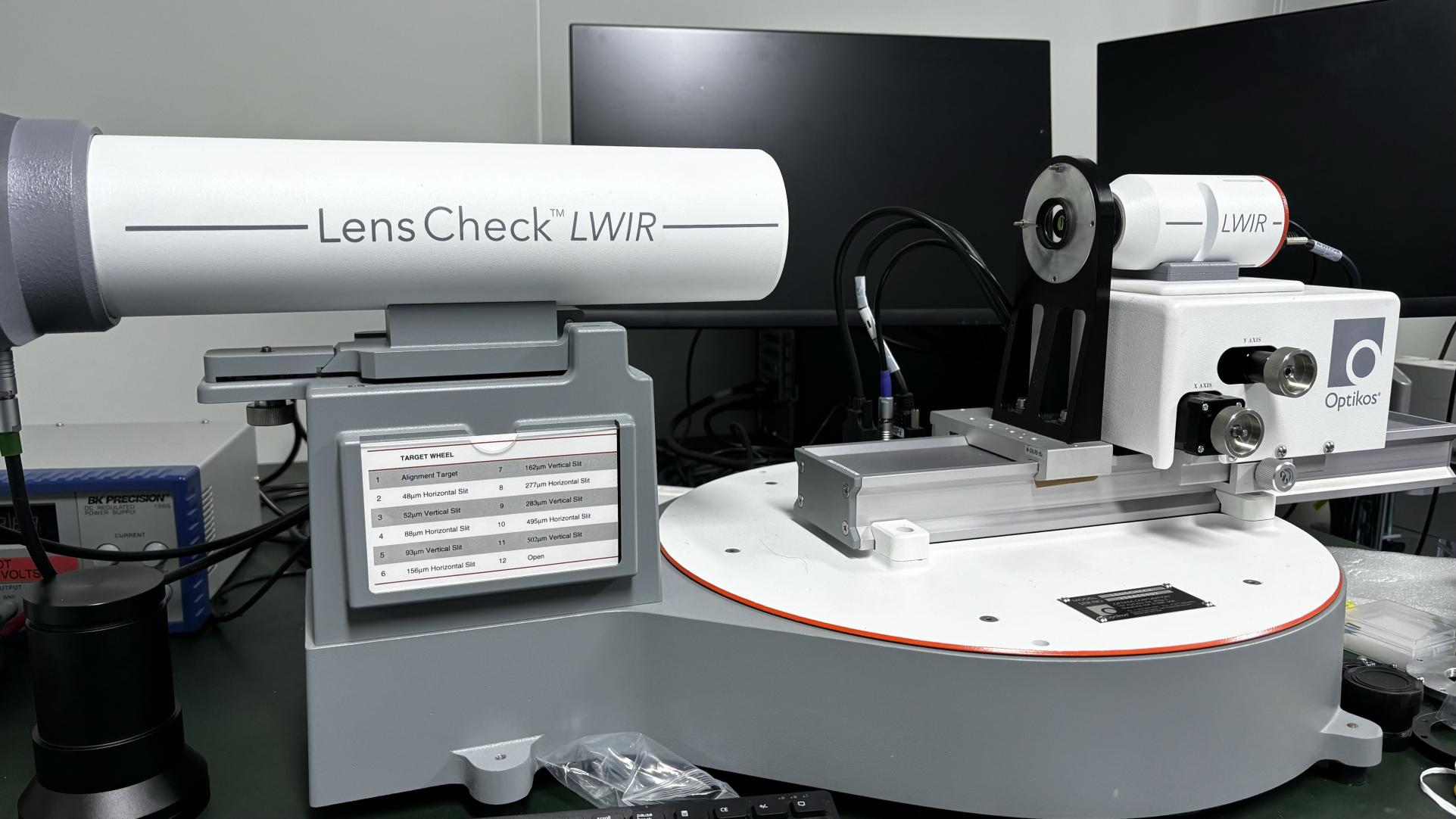
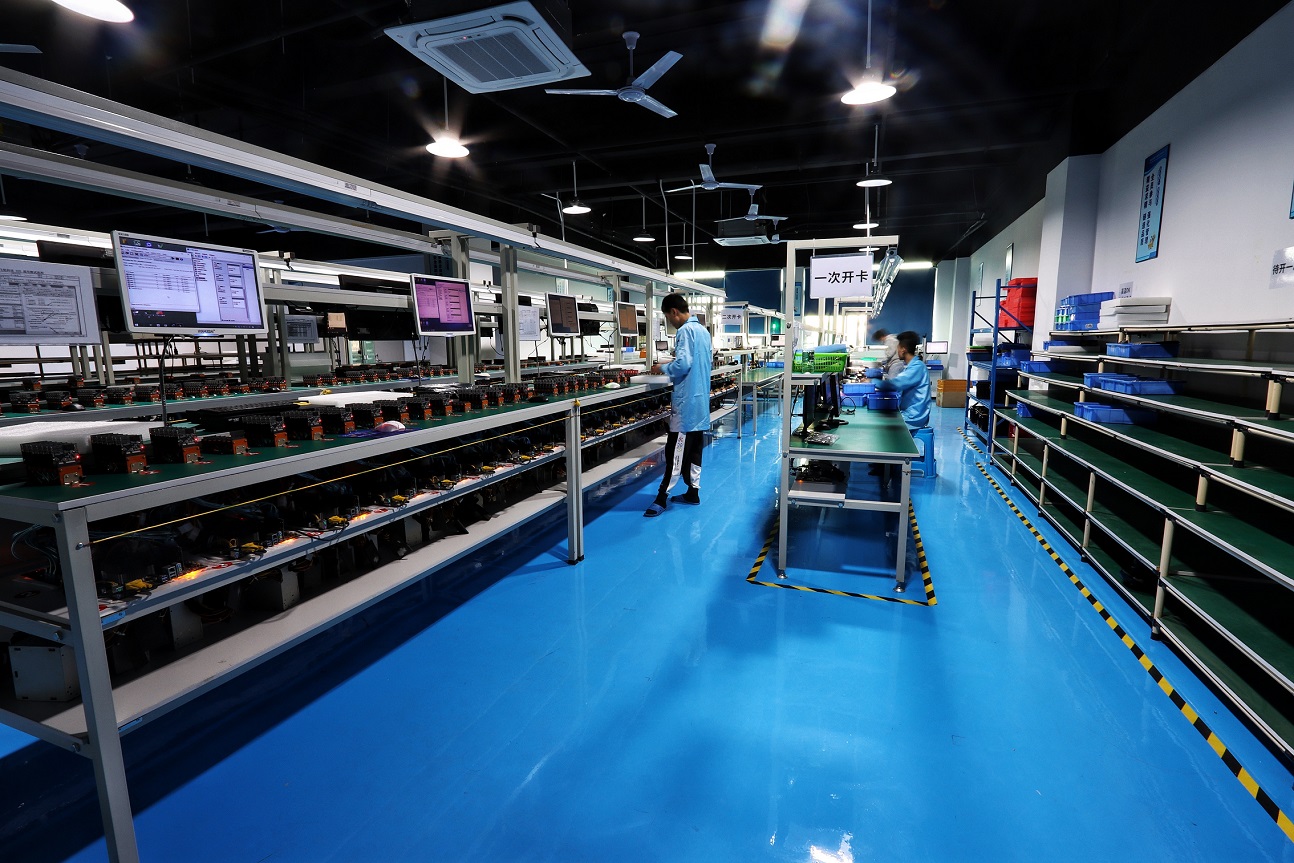
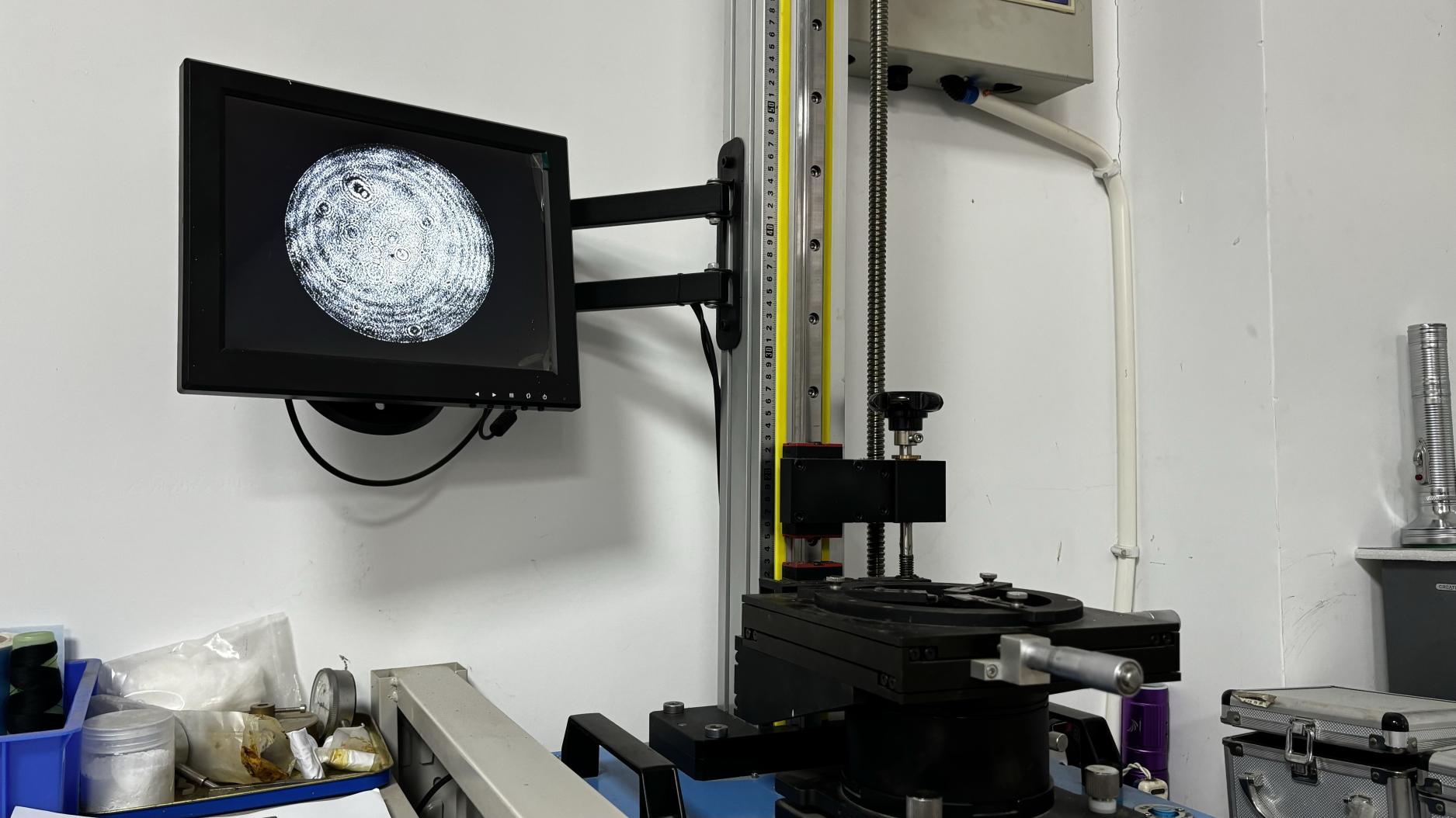
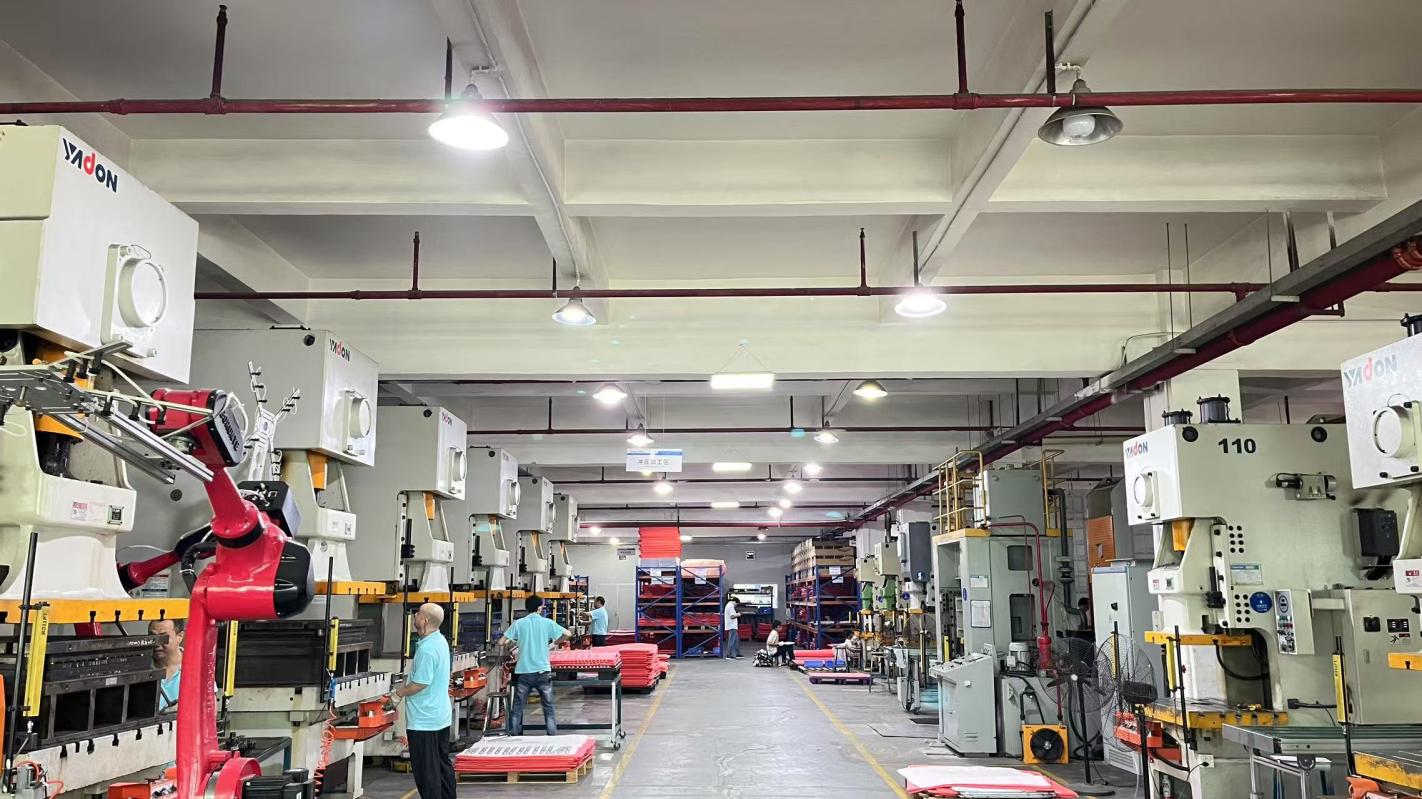
Established in 2017, we have grown into a reliable OEM/ODM partner for global distributors, system integrators, and industrial brands. Our 368-square-meter facility features advanced manufacturing and testing systems designed to ensure stable quality and reliable performance across all product lines.
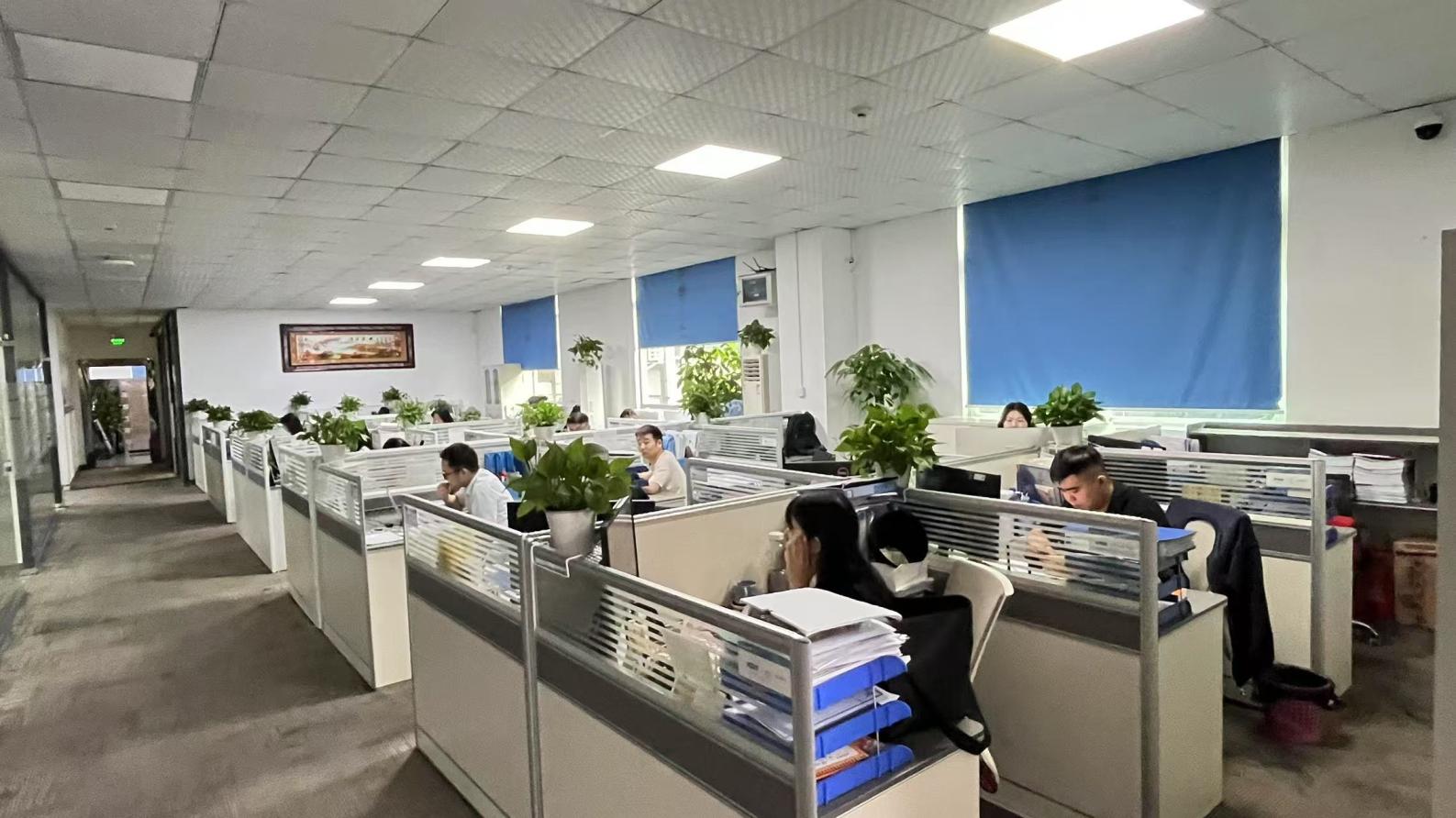
With 12 years of industry expertise and 8 years of export experience, we ship over $18 million in products annually to North America, Europe, Southeast Asia, the Middle East, and South America. Our quality management system covers incoming material inspections, in-process control, and final automated testing. Our team of 46 inspectors verifies every component for reliability.
We collaborate with over 850 supply chain partners globally to ensure efficient sourcing and fast production. Backed by our R&D team of 128 engineers, we launched 86 new products last year, including industrial memory modules, custom thermal heatsinks, and custom circuit boards. We offer private labeling, custom packaging, and tailormade specifications.