Xeviora
Xeviora
Xeviora
Explore our custom OEM high-bandwidth memory units, advanced cooling systems, and PCBA solutions designed to eliminate computing bottlenecks in demanding simulation workloads.
In modern industrial product development, simulation software has transitionally evolved from simple computer-aided design validation (CAE) to highly complex, multi-physics, real-time dynamic simulation models. Whether conducting Finite Element Analysis (FEA) for structural durability, Computational Fluid Dynamics (CFD) for aerodynamics, or Electromagnetic Interference (EMI) analysis for multi-layer PCBs, the efficiency of simulation software is fundamentally bound to the physical architecture of the hardware executing the computations.
As a premier custom OEM simulation software supplier and hardware infrastructure developer, Xeviora Memory Technology bridges the traditional gap between complex simulation algorithms and high-bandwidth processing hardware. Advanced numerical computational simulations generate massive, sparse matrices and require high memory channel throughput and minimal thermal throttling to ensure uninterrupted computation over days or weeks. By co-designing physical RAM arrays and cooling architectures specifically mapped to simulation software resource calls, we offer turnkey solutions that drastically reduce compute-time overhead.
Generic server architectures are designed for broad database workloads that favor linear read-write operations. In contrast, multi-physics simulation software demands high-density random access structures, low sub-timing latencies (tCL, tRCD, tRP), and absolute clock stability. A mismatch between the memory controller's sub-timings and the solver’s algorithm results in up to a 35% reduction in numerical simulation speed.
Optimizing simulation runtimes involves continuous improvements in multiple critical hardware domains, ensuring that simulation software runs at peak hardware capacity without encountering thermal or memory-based processing barriers.
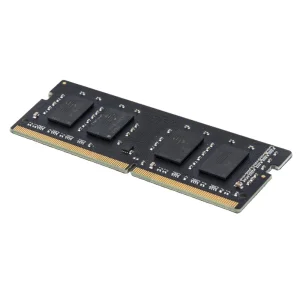
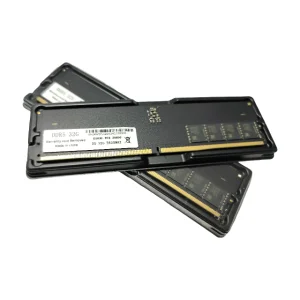
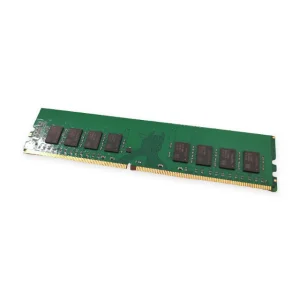
Maximizes simulation data throughput up to 6000MHz, enabling fluid dynamic solvers to stream mesh points seamlessly without bus bottlenecks.
On-die and Side-band Error Correction Code prevents simulation runtime failures caused by single-bit soft errors during long computation cycles.
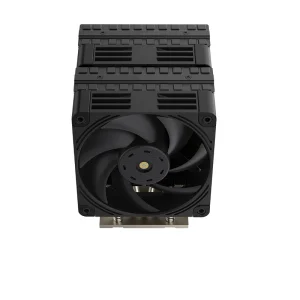
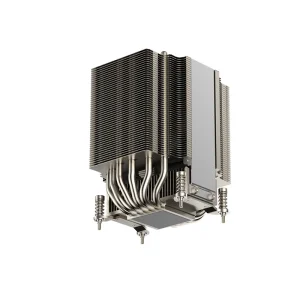
Thermal solutions engineered for continuous TDP limits of up to 320W, maintaining peak turbo boost frequencies under severe computational loads.
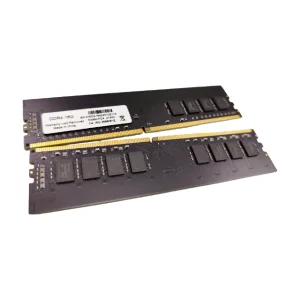
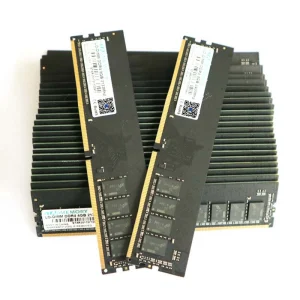
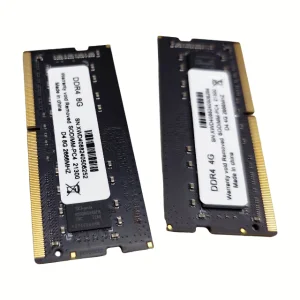
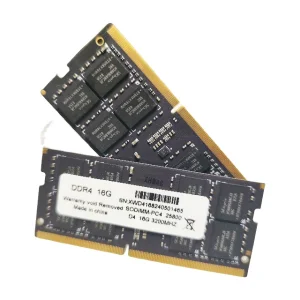
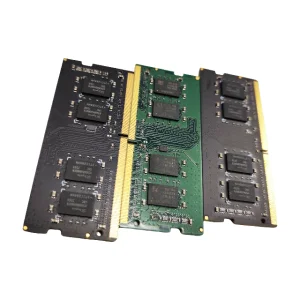
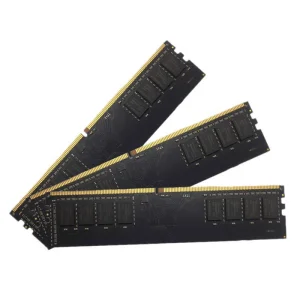
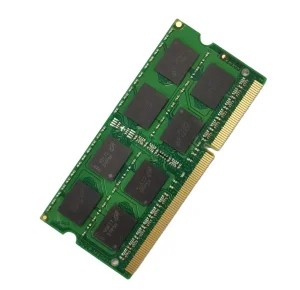
During the meshing phase of structural modeling, simulation software distributes node positions across memory addresses. If memory latency is high or the bus width is restricted, CPU cores sit idle waiting for coordinate data. Xeviora’s DDR5 and high-performance DDR4 memory modules are optimized specifically for high-capacity multi-channel system configurations. Supporting capacities from 8GB to 32GB per stick, and operational frequencies reaching 6000MHz, our memory modules satisfy the heavy spatial data requirements of tools such as Ansys, Abaqus, and Siemens Star-CCM+.
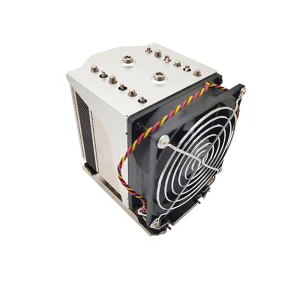
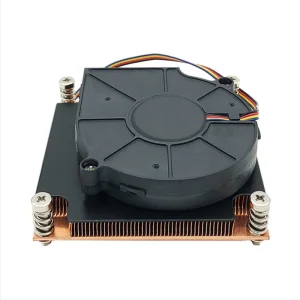
Simulation solvers utilize SIMD vector units (such as AVX-512) heavily, which draws significant current and generates immediate localized heat spikes on the CPU silicon. If the thermal solution cannot dissipate heat rapidly, the CPU thermal-throttles, increasing execution time. Our custom OEM server heatsinks (e.g., LGA4189-N96, SP3) are equipped with high-conductivity copper vapor chambers and micro-fin copper arrays. These are designed to maintain thermal equilibrium under 320W continuous loads, ensuring the CPU remains at maximum boost clocks throughout the simulation.
Tailoring high-performance computing components to regional industrial requirements and complex local engineering simulation requirements.
European and North American automotive manufacturers demand compliance with stringent Euro NCAP and NHTSA crash safety regulations. Simulating structural metal deformation requires massive, real-time FEA solvers. By utilizing Xeviora’s customized DDR5 memory kits and active multi-copper pipe server coolers, engineering design groups can run crash simulations locally overnight instead of waiting for cloud-queue allocations.
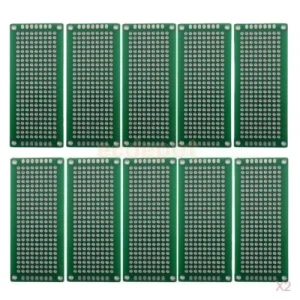
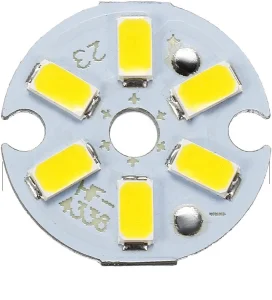
In semiconductor manufacturing hubs across East Asia, design engineers build intricate thermal models of multi-chip modules (MCM). Accurate thermal simulation software relies on reliable input data and physical validation. Xeviora supplies customized PCBA design substrates combined with precision copper heatsinks to test and simulate heat dissipation in silicon substrates under varied load profiles.
High-voltage grids require continuous simulation of transient electrical surges to prevent system blackouts. These real-time hardware-in-the-loop (HIL) simulators require specialized PCBA architectures equipped with ultra-low latency RAM modules to sync analog inputs with digital models within microseconds. Our customized OEM PCBs form the bedrock of local smart grid monitoring terminals.
As computational complexity increases, the convergence of artificial intelligence, high-performance computing, and hardware architecture will redefine the simulation landscape. Xeviora's R&D engineering divisions are actively developing solutions aligned with key upcoming industry inflection points:
How Xeviora Memory Technology leverages China’s mature industrial ecosystem to deliver fast production, strict quality control, and cost-effective OEM solutions.
Xeviora Memory Technology (China) Co., Ltd. operates a specialized DDR memory and thermal hardware manufacturing facility based in China. Founded in 2017, the company has leveraged the regional concentration of high-technology material sourcing, precision SMT machinery suppliers, and skilled electronics engineers to become a premier global OEM and ODM partner.
Our manufacturing facility is equipped with automated SMT placement machines, multi-stage reflow ovens, and high-frequency automated testing machines to ensure stable product performance. We manage an active network of over 850 global supply chain partners, ensuring stable sourcing of memory DRAM chips, copper raw materials, and high-integrity PCB laminates even during volatile market cycles.
Every single memory module and CPU cooler manufactured by Xeviora undergoes rigorous testing before shipment, including: incoming material inspection, automated optical inspection (AOI), high-temperature aging tests, platform compatibility validation across major CPU sockets (LGA1700, AM5, SP5, LGA4189), and simulated workload validation.
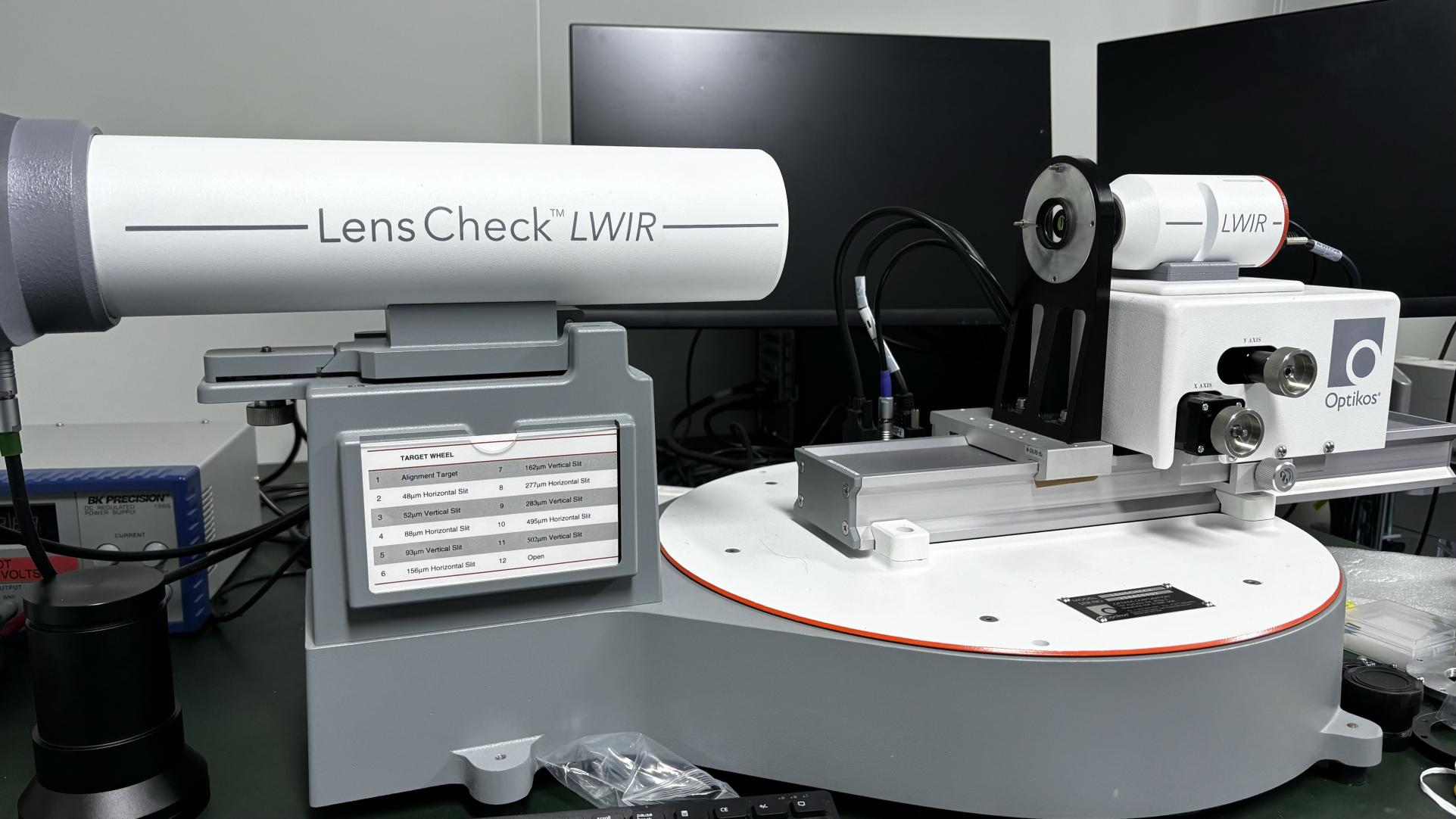
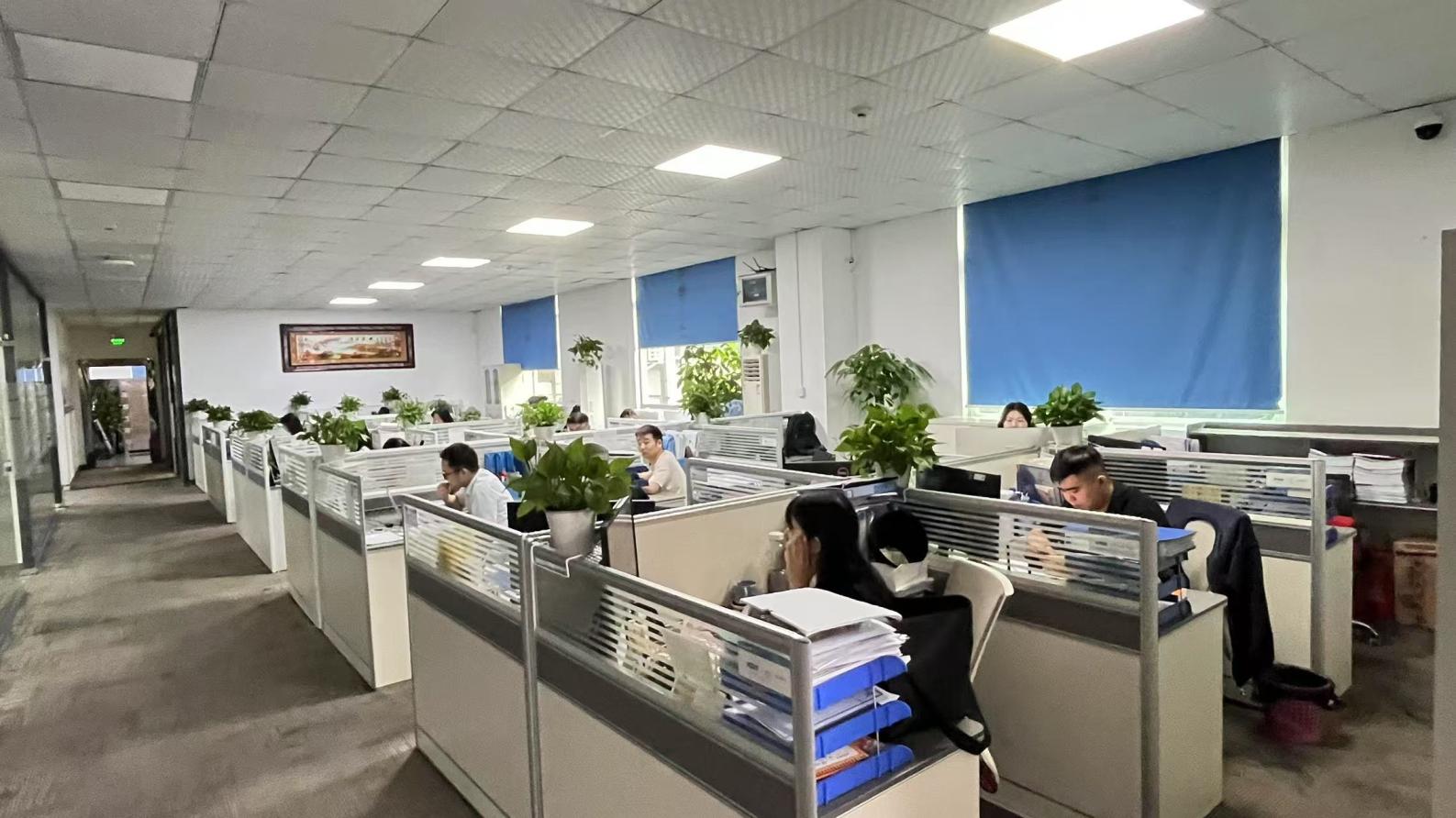
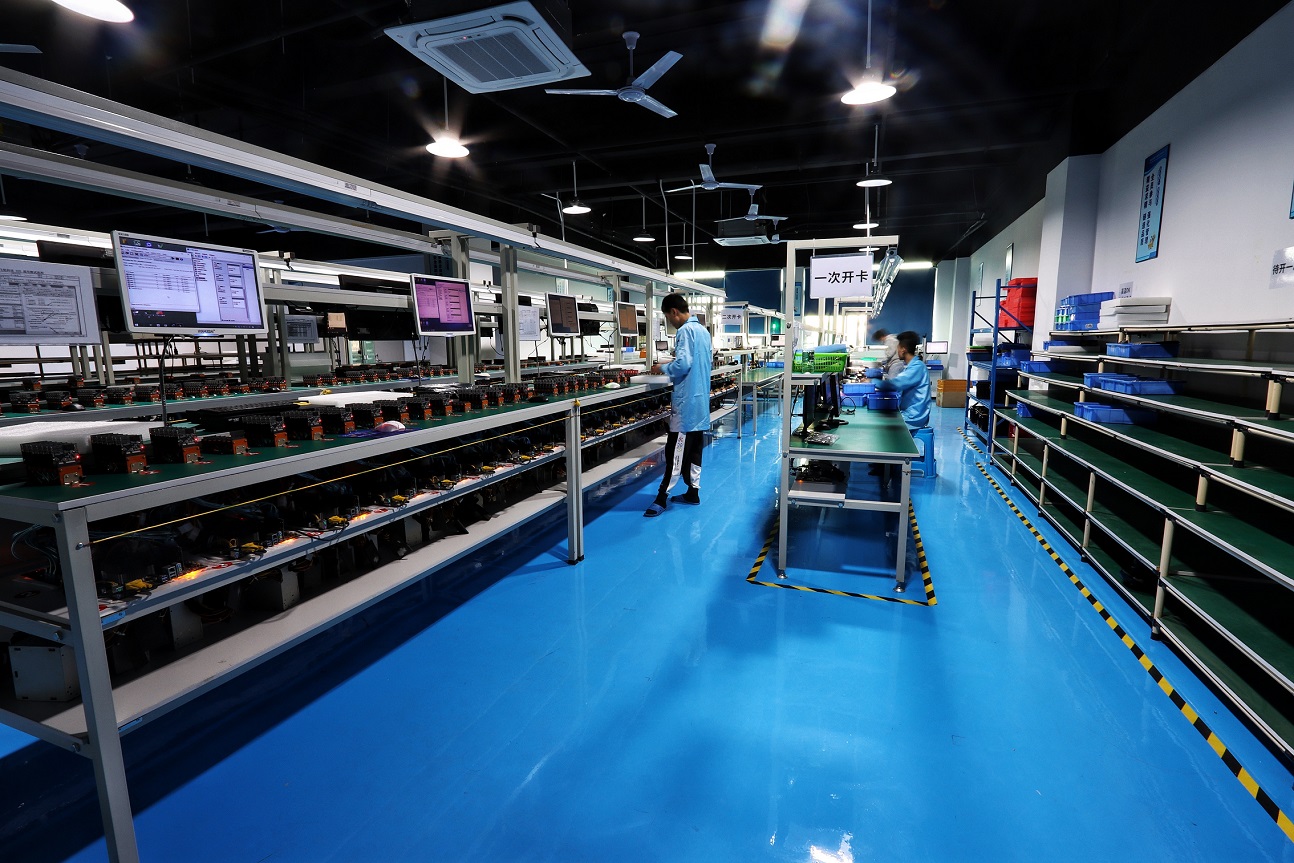
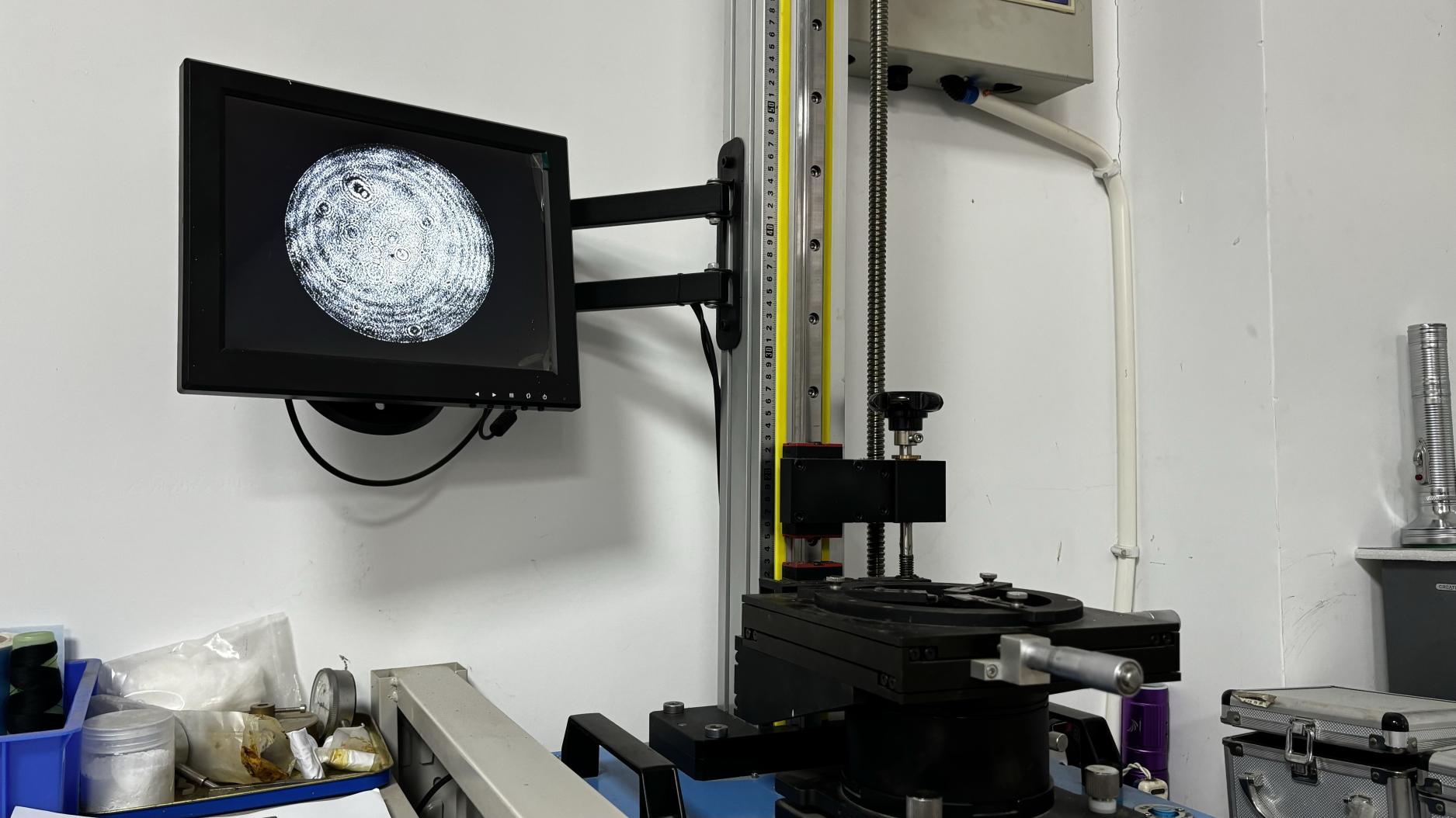
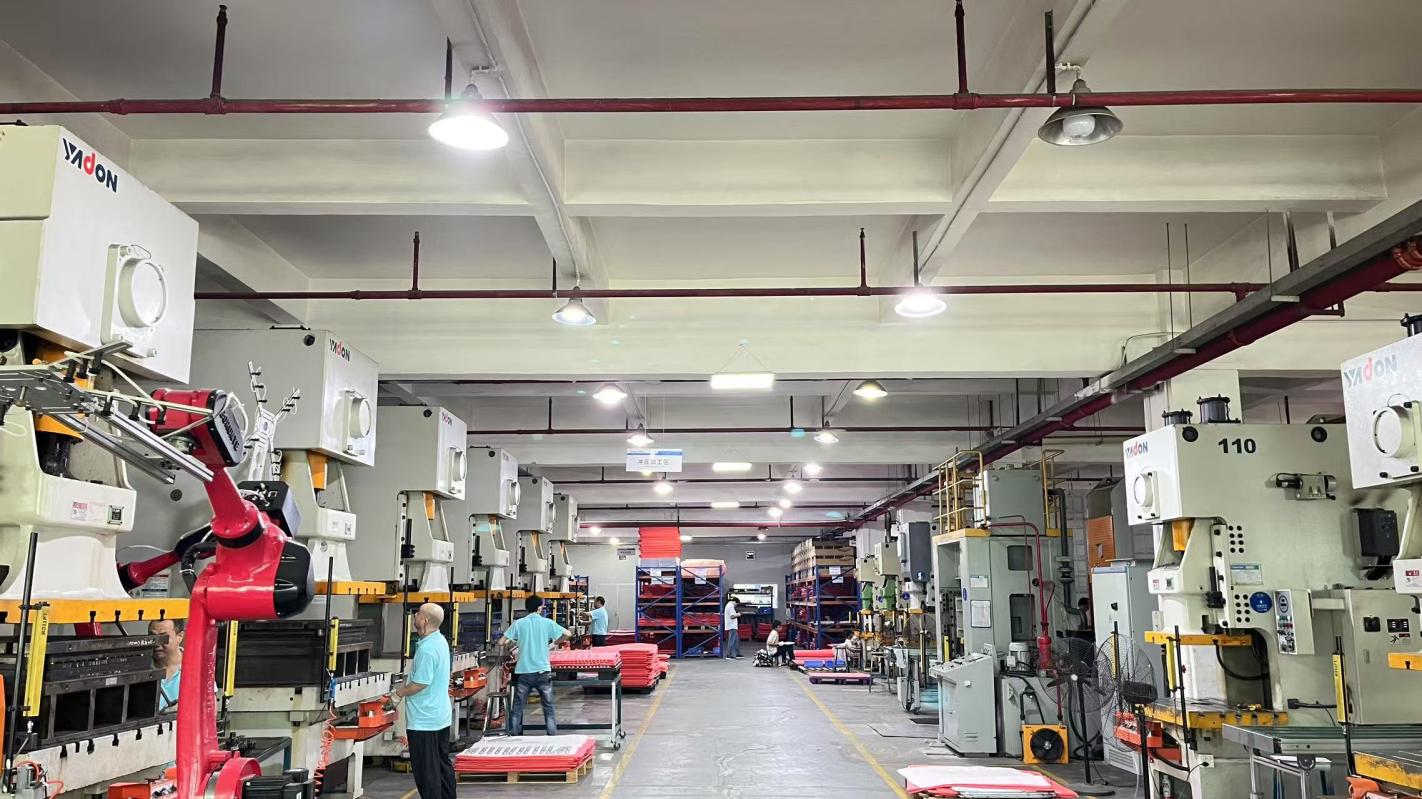
Xeviora serves technology brands, system integrators, and industrial enterprises across North America, Europe, Southeast Asia, the Middle East, and South America, generating an annual export revenue of over USD 18 million. To support this global client base, we offer comprehensive compliance validation and dedicated product localization:
Answers to common technical queries regarding customized simulation software configurations, memory requirements, and custom cooling integration.
Select high-performance components to build stable local simulation nodes and workstation networks.