Xeviora
Xeviora
Xeviora
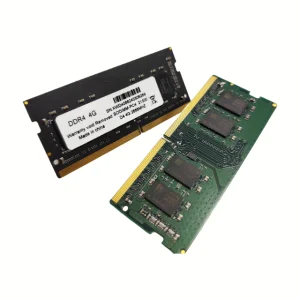
In the modern industrial and enterprise computation landscape, electromechanical systems represent the critical intersection where digital calculation meets thermodynamic reality.
As server densities scale upward and clock speeds reach higher thresholds, the demand for integrated custom hardware systems becomes non-negotiable. Enterprise IT structures, industrial automated machinery, and medical monitoring equipment require high-integrity electromechanical assemblies that couple intelligent computational processing units with rigorous cooling infrastructure. The optimization of memory throughput (such as enterprise DDR5/DDR4 matrices) and thermal dissipation systems (such as high-performance passive and active cooling loops) directly dictates system runtime, overall mean time between failures (MTBF), and operational expenditures.
As a leading Chinese electromechanical exporter, Xeviora Memory Technology (China) Co., Ltd. bridges the gap between layout engineering and micro-scale volume deployment. By pairing direct SMT line manufacturing with advanced CNC and extrusion thermal engineering, we deliver robust end-to-end hardware platforms compliant with strict international frameworks.
Deploying high-frequency memory sticks alongside advanced water blocks or active coolers requires meticulous consideration of signal crosstalk, thermal interface material properties, power delivery networks, and physical dimensional clearance within Server and Desktop configurations.
B2B buyers, system builders, and enterprise integrators face unprecedented challenges in hardware sourcing. Here is how supply chains are evolving.
Off-the-shelf electronic modules often fail to satisfy spatial, mechanical, or thermal demands of high-density arrays. Enterprise-tier systems demand customizable PCB layouts (incorporating integrated WiFi transmitters, embedded power management, or distinct RF routing) alongside targeted cooling shrouds that fit tightly within standard server specifications.
With processors operating at higher TDP (Thermal Design Power) thresholds—up to 300W and beyond for modern server CPUs—advanced thermal engineering is a critical priority. Exporters must provide custom heatsinks featuring copper powder sintering heatpipes, vapor chambers, and integrated active fan loops designed specifically for dense server environments.
Memory modules are highly vulnerable to volatile supply chains and low-grade chips. Global system integrators require complete traceability of DRAM dies, stable PCB layering, and rigorous signal integrity checks (such as JEDEC-standard margin testing) to prevent costly recall cycles.
Modern data centers and industrial computers operate under hostile electrical and thermal environments. High-frequency memory modules, such as DDR4 and DDR5 RAM, generate substantial heat under sustained read-write operations. Concurrently, high-TDP CPUs (like Intel LGA4677 or AMD SP5 architectures) demand high-performance thermal interfaces to prevent thermal throttling. A lack of structural coordination between these components often leads to localized hot spots, memory errors, and shortened lifespans.
To counter this, Xeviora integrates thermal simulation models with PCB design parameters, helping buyers configure their electronics for optimal airflow. Below is the structural hierarchy of our OEM/ODM custom solutions:
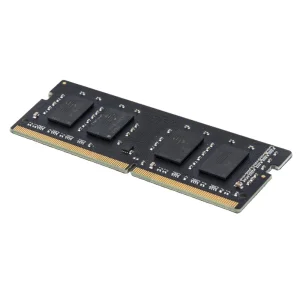
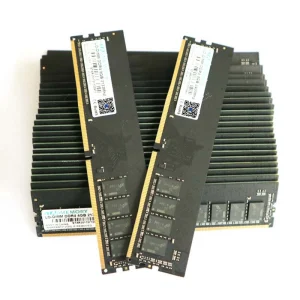
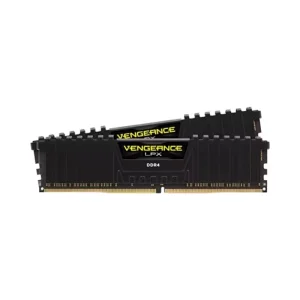
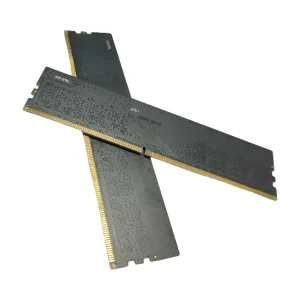
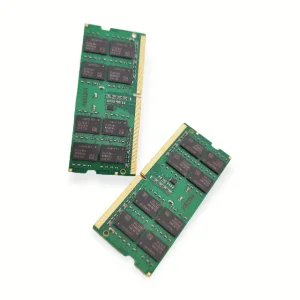
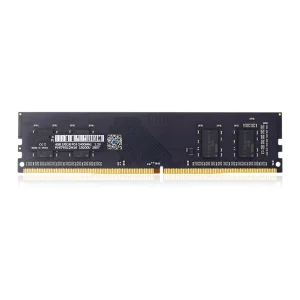
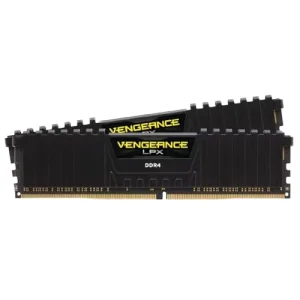
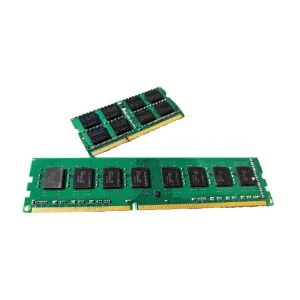
From legacy DDR3 legacy modules to DDR4 and DDR5 solutions, we source verified DRAM dies and utilize multi-layer PCB stack-ups to guarantee signal integrity. For industrial and enterprise clients, we offer ECC (Error-Correcting Code) implementations that detect and repair single-bit data corruption in real-time, preventing critical system crashes.
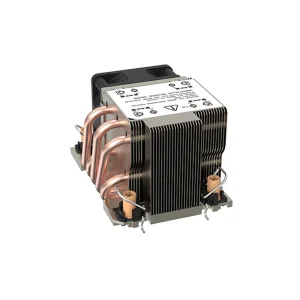
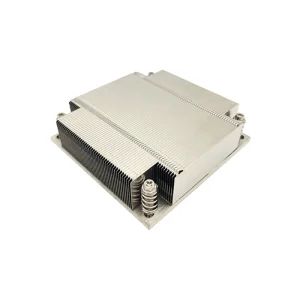
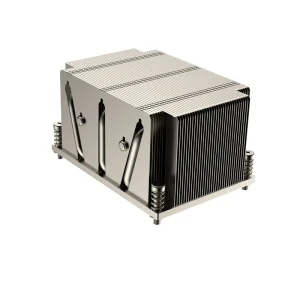
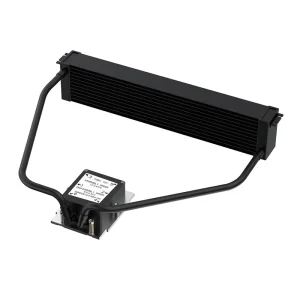
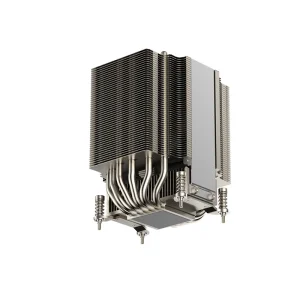
We manufacture advanced passive radiators and CPU coolers customized for AMD SP5, LGA 1700, and LGA4677 sockets. Through copper-stacked baseplates and high-fin-density aluminum structures, we minimize thermal resistance (Rth). For demanding configurations, our active water-cooled loops provide rapid thermal transfer.
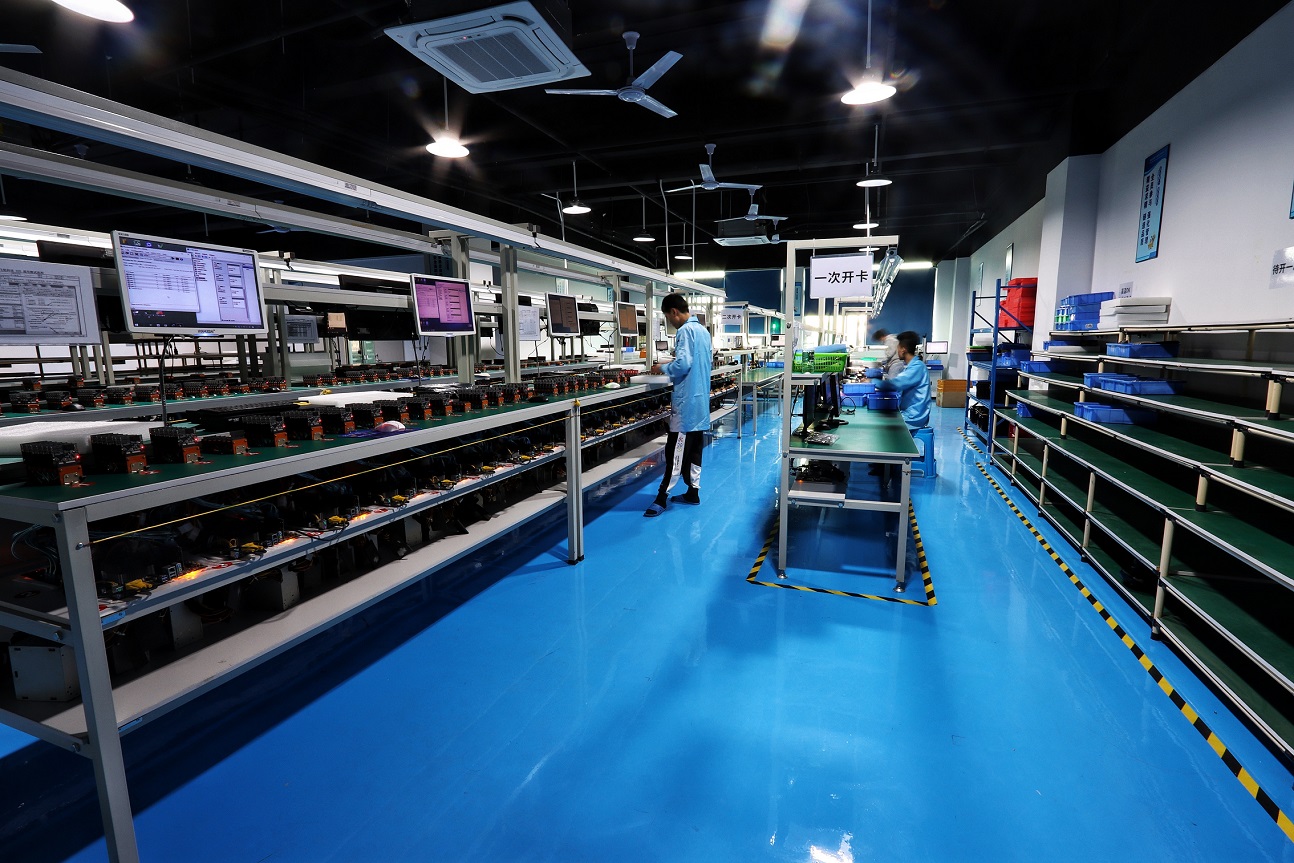
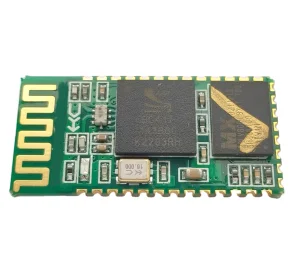
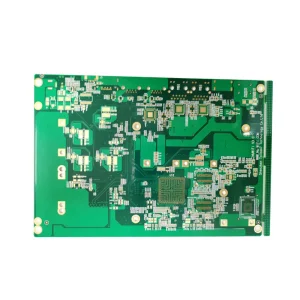
We assemble high-sensitivity PCBs for industrial metal detectors, automated manufacturing equipment, and consumer products. Our SMT (Surface Mount Technology) assembly lines support complex component placements, multilayer routing, and integrated RF modules like Wi-Fi and Bluetooth controllers.
Leveraging Shenzhen's unique electronics manufacturing ecosystem to deliver unmatched efficiency and quality.
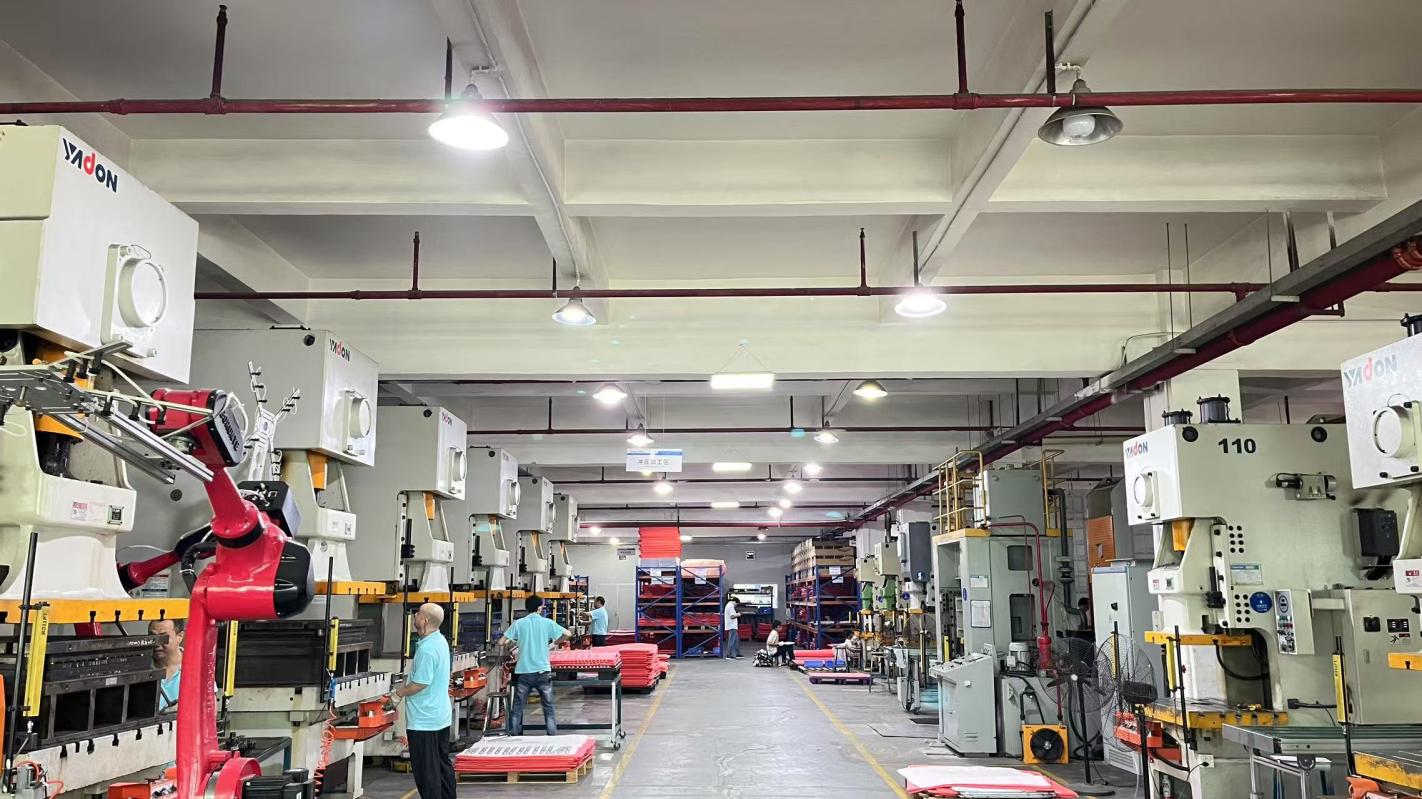
Our production facilities are situated in the center of the world's most dense electronic components ecosystem. This strategic positioning allows us to source raw materials, silicon dies, specialized connectors, and raw metals within hours, bypassing international supply chain holdups and reducing production lead times.
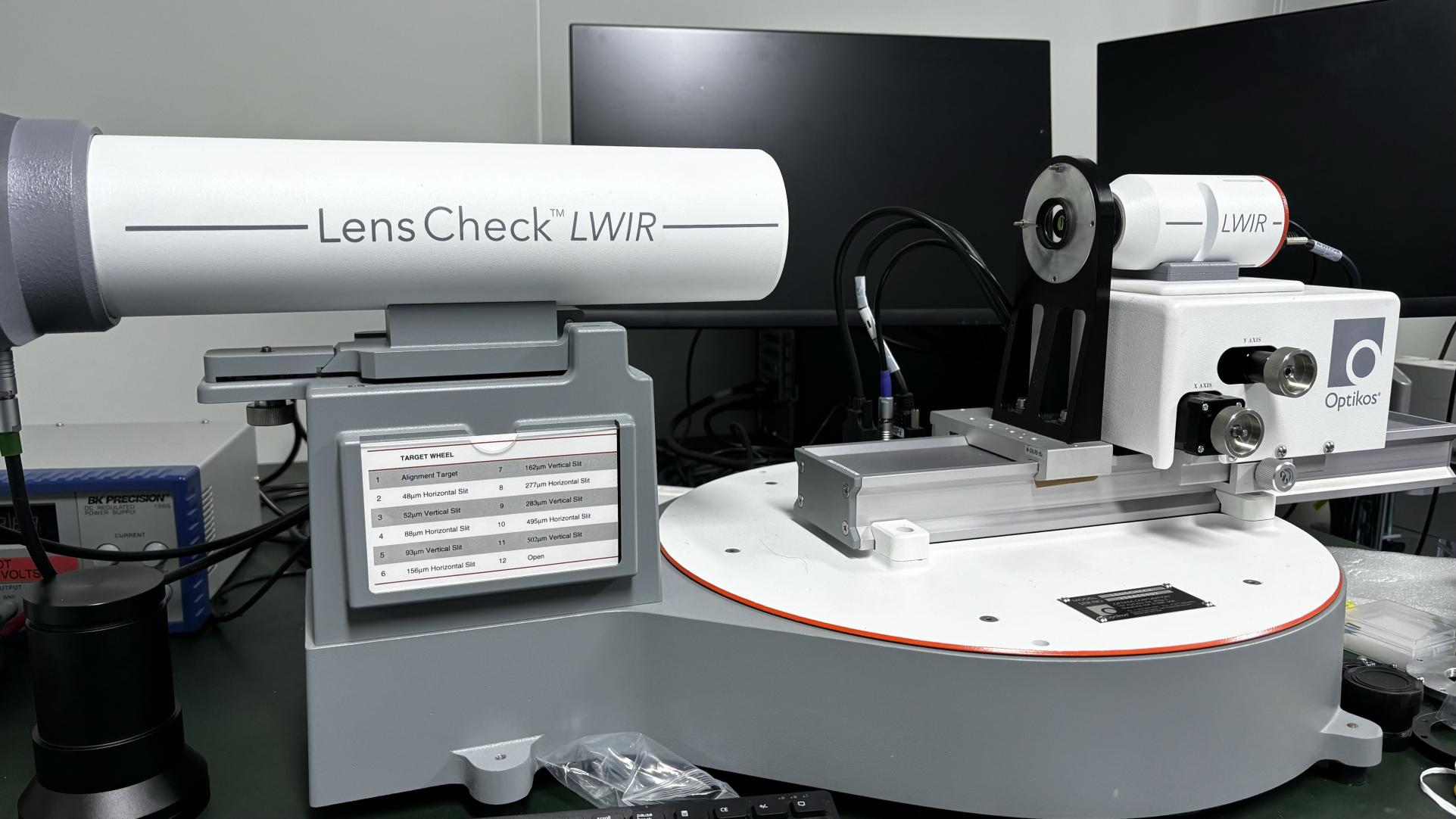
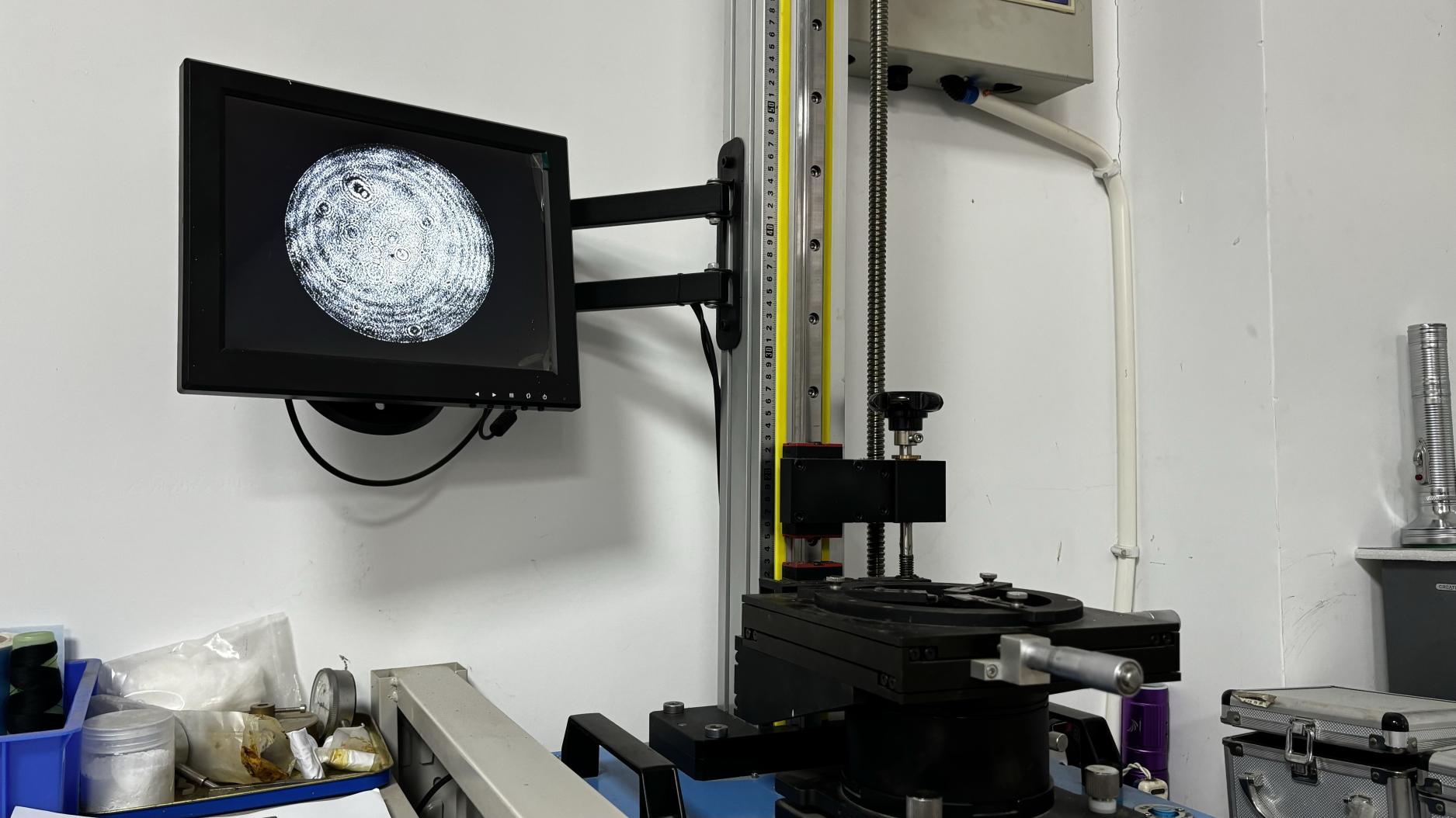
Leveraging 46 expert quality inspectors, we implement a strict quality control system. Our facilities conduct AOI (Automated Optical Inspection), X-ray diagnostic mapping of solder connections, high-frequency signal simulation testing, and environmental chamber testing to guarantee performance under harsh operating conditions.
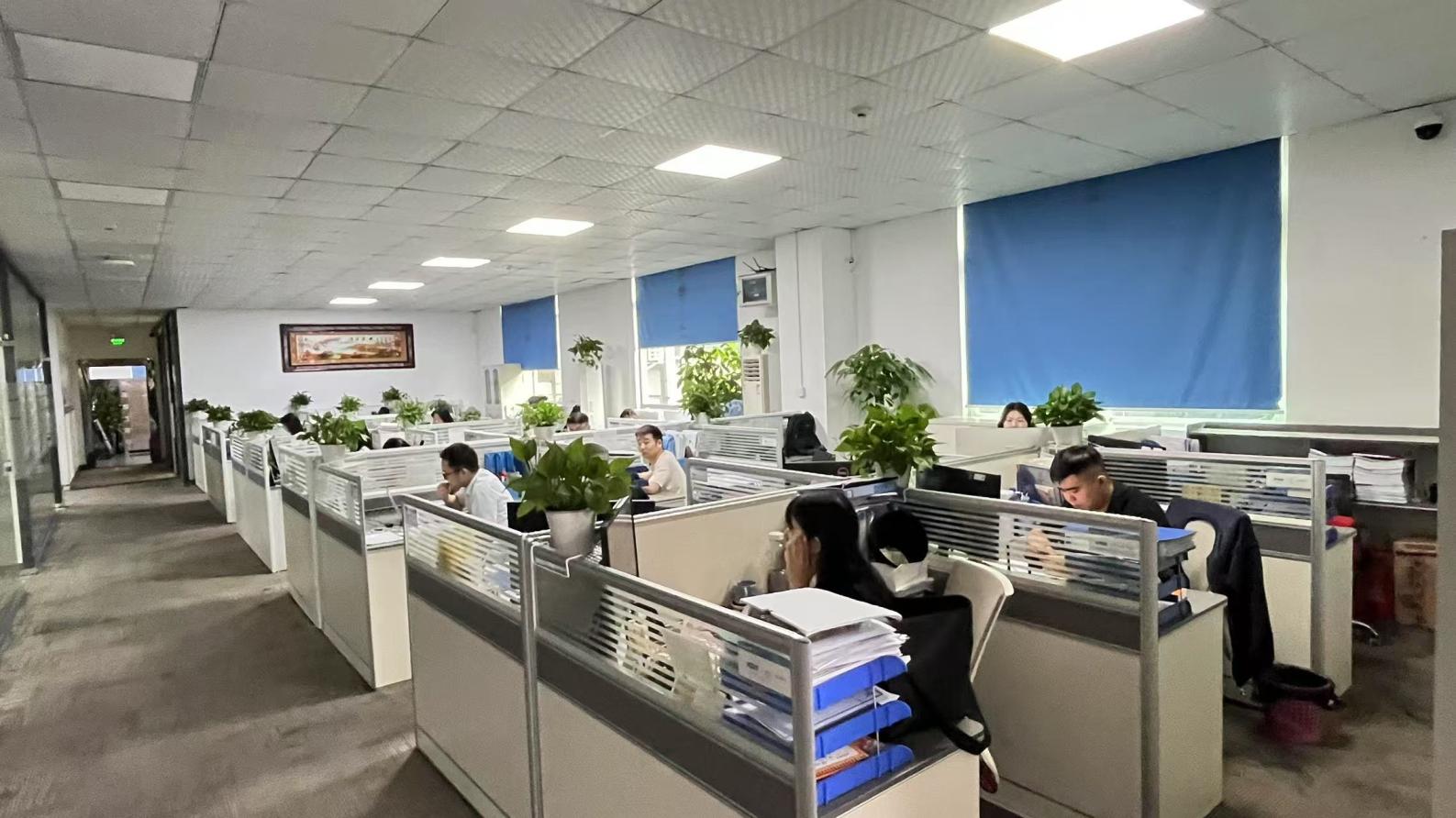
With 128 hardware and software engineers, we easily adapt to sudden design changes. From updating firmware variables for legacy systems to reworking physical dimensions of CPU cooler baseplates, our team ensures quick transitions from 3D model prototyping to mass production.
For global buyers, purchasing custom electromechanical hardware involves complex compliance requirements. Exporters must ensure their products align with local safety, environmental, and electrical standards. We support our customers through every step of this process:
Xeviora Memory Technology combines over 12 years of industry experience and 8 years of export expertise. Our processes conform to ISO 9001:2015 principles. We are dedicated to providing reliable memory, thermal, and PCBA solutions that empower system integrators worldwide to grow and succeed.
"Quality isn't checked at the end of the line; it's designed into the architecture from day one."
Our electromechanical assemblies support critical infrastructure across several key industries.
Our SP5 and LGA4677 heatsinks provide the cooling capacity required by modern multi-core server processors. Paired with our high-speed ECC DDR4 or DDR5 RAM, they ensure maximum computational uptime for data centers, cloud providers, and supercomputing clusters.
From high-sensitivity PCB assemblies to compact 1U server cooling radiators, we supply reliable components designed to handle the vibrations, heat, and electrical noise of industrial manufacturing floors.
We provide long-life, high-frequency wireless communications boards and active thermal management loops for remote cellular towers, edge computers, and signal processing nodes, ensuring reliable performance in any environment.
Take a look inside our ISO-compliant manufacturing facility, cleanrooms, and testing bays.