Xeviora
Xeviora
Xeviora
An analytical perspective on DRAM evolution, thermal efficiency, and strategic supply chain execution in China for global enterprise, industrial, and high-performance gaming paradigms.
The global digital architecture is undergoing an unprecedented paradigm shift. With the rapid escalation of artificial intelligence (AI), machine learning (ML), high-performance computing (HPC), and 5G communications, the demand for high-density, low-latency memory hardware is at an all-time high. Storage capacity alone is no longer the sole metric of efficiency; memory bandwidth, thermal management, power efficiency, and hardware compatibility are the critical vectors defining modern system stability.
As a leading domestic memory manufacturer, Xeviora Memory Technology (China) Co., Ltd. is at the forefront of this industrial transition. Established in 2017, we have developed a integrated framework combining advanced DRAM assembly, structural thermal validation, and flexible OEM/ODM manufacturing protocols. Operating from our ultra-clean, high-precision facility, we deploy state-of-the-art SMT (Surface Mount Technology) assembly systems and advanced automatic optical inspection (AOI) architectures to maintain peak reliability.
Every dynamic memory module we engineer undergoes exhaustive automated stress analysis. This includes real-world operating temperature tests, signal integrity validation, JEDEC-compliance verification, and extended thermal baking phases to completely eliminate early life failures.
Deconstructing the shift from legacy architectures to high-frequency DDR5, and why system cooling dictates compute capability.
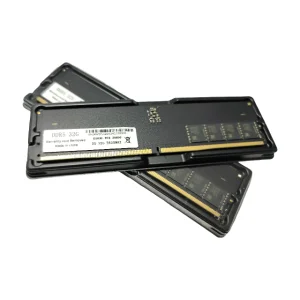
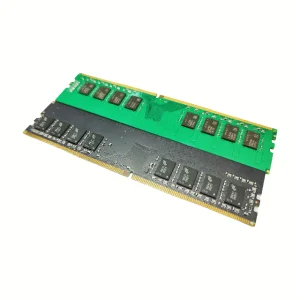
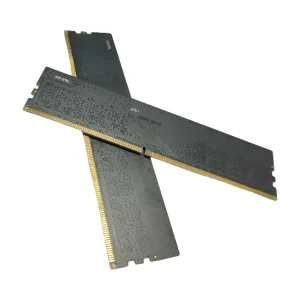
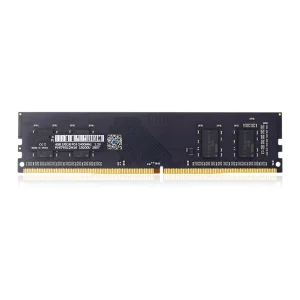
DDR4 memory, while still an industry staple for mid-range desktops and legacy enterprise nodes, is hitting its developmental ceilings. Our DDR5 modules operate at 4800MHz up to 6000MHz base frequencies, boosting bandwidth per channel by up to 50% over high-end DDR4. Furthermore, DDR5 shifts power management (PMIC) from the motherboard directly onto the module, dramatically reducing power consumption variations and cross-talk.
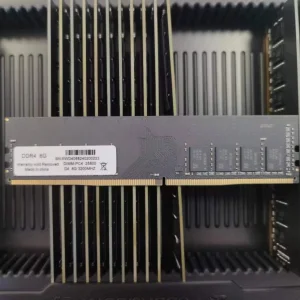
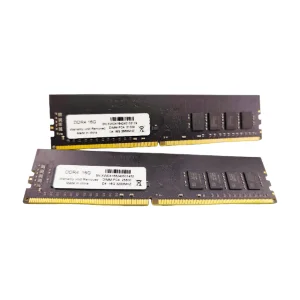
For system integrators, memory upgrades remain the single most cost-effective mechanism to extend the operational lifetime of server rigs and corporate workstations. Wholesale distribution of our JEDEC-compliant DDR4/DDR5 modules allows global companies to skip costly CPU and platform replacements, unlocking system capacity to process larger datasets without bottlenecks.
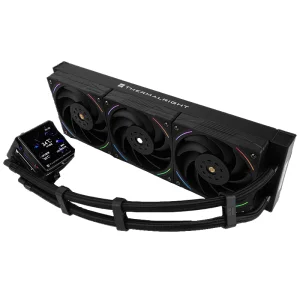
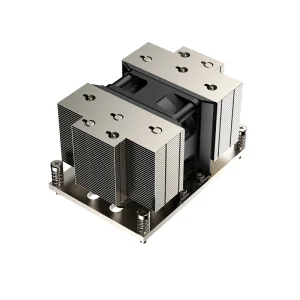
Modern silicon operates on tight thermal thermal envelopes. Higher processing speeds translate to increased heat dissipation requirements. An un-cooled server CPU or memory bank will experience aggressive thermal throttling, inducing latency spikes. Xeviora tackles this systematically through high-density copper passive heat sinks, high-airflow ARGB fans, and complex 1U water cooling units.
China’s semiconductor packaging and manufacturing ecosystem provides unparalleled structural advantages. As a domestic manufacturer based in this cluster, Xeviora secures direct and rapid access to premium raw silicon wafers, high-grade printed circuit boards (PCBs), dynamic PMIC chips, and thermal components. By working with over 850 strategic partners, we bypass typical global logistics bottlenecks, enabling highly competitive lead times and raw component sourcing.
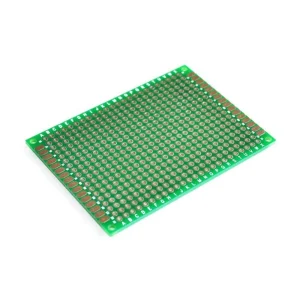
This ecosystem allows our 128 R&D engineers to rapidly prototype and iterate. Last year alone, we deployed 86 new high-efficiency products to the market, bridging the gap between design engineering and physical availability. Our facility utilizes automated testing systems, ensuring each component—from basic double-sided prototype boards to 6000MHz overclocked RAM—runs with total reliability before leaving the plant.
Customizing memory solutions for varied environmental, electrical, and commercial operational profiles.
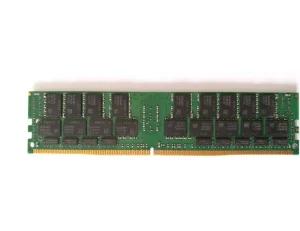
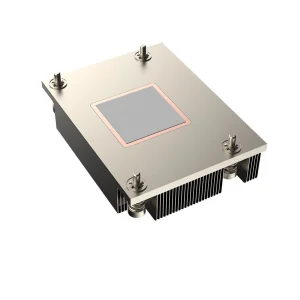
Modern datacenters require non-stop operational endurance. Our server-oriented DDR4 and DDR5 ECC (Error Correction Code) modules detect and rectify single-bit errors dynamically. Combined with our 1U passive copper heat sinks, they ensure reliable operations in high-heat rack enclosures.
Manufacturing facilities subject electronic hardware to mechanical shock, chemical vapors, and thermal extremes. Xeviora's customized, industrial-grade memory modules feature conformally coated PCBs and thermal underfills, allowing reliable data processing in rugged environments.
Gamers and content creators demand optimized bandwidth. Our gaming-specific DDR5 modules (running at 6000MHz with custom PMIC configurations) deliver low CL latencies. Coupled with custom heat-spreaders, they maintain performance without voltage drops.
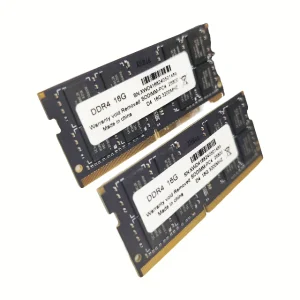
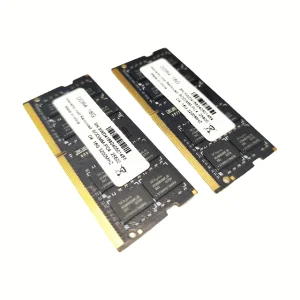
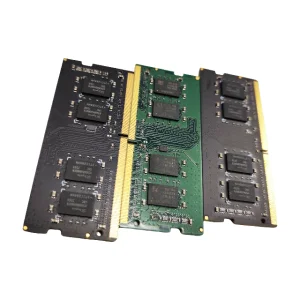
Small-form-factor systems, routers, and gateway devices require ultra-stable, space-saving components. Our high-grade SODIMM laptop and compact desktop memory modules deliver desktop-class frequencies within optimized, low-profile layouts.
Our vision for the next decade: Integrating higher speed densities with advanced structural cooling.
DDR5 represents a clean-slate architecture design. While DDR4 relies on a single 72-bit bus (64-bit data + 8-bit ECC), DDR5 splits the interface into two independent 32-bit sub-channels, plus 8-bit ECC. This increases access efficiency and dramatically reduces access latency. Our R&D efforts are focused on optimizing these sub-channels to achieve peak processing throughput under heavy multitasking stresses.
As we look toward DDR6 and high-capacity storage configurations, our research teams are designing memory modules compatible with CXL protocols. CXL creates a unified, low-latency connection between CPUs, GPUs, and memory pools, enabling next-generation datacenters to pool and share memory resources dynamically.
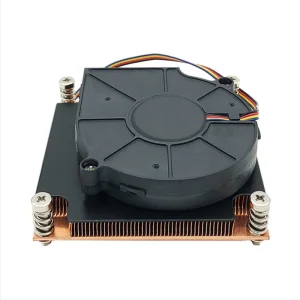
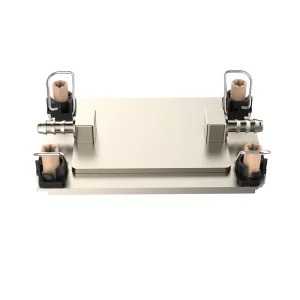
Thermal management is critical for high-end systems. Standard aluminum heat sinks are often insufficient for server systems processing 400W+ thermal loads. Xeviora's high-performance 1U Copper LGA4677 liquid coolers represent a major technological step forward. Featuring micro-finned internal structures, they increase water-contact surface area, rapidly pulling heat away from dense silicon to maintain low operating temperatures.
Our line of passive and active coolers (such as the AM5 1U series and the LGA4677 C87 coolers) are designed with precise structural dimensions to ensure optimum mechanical contact pressure, maximizing heat transfer efficiency without putting stress on delicate socket pins.
How Xeviora combines meticulous technical testing with international regulatory compliance.
We partner with trusted global silicon suppliers, ensuring every DRAM die we use is authentic and original. Our quality control team of 46 inspectors validates incoming components, PCBs, PMICs, and copper plates before they enter our SMT assembly line.
Using automated optical inspection (AOI) technology, we check alignment, solder joint integrity, and trace continuity for every production run. This minimizes defect rates and ensures that our memory modules conform to strict JEDEC standards.
Every single batch undergoes testing under actual load configurations. Our modules undergo thermal baking, stress testing, and real-world system compatibility checks across motherboard brands to guarantee seamless out-of-the-box performance.
Xeviora provides comprehensive OEM and ODM support, including customized SPD programming, custom PCB designs, custom heat sink solutions, and retail packaging design. Our components comply with CE, FCC, RoHS, and REACH requirements, enabling seamless integration into North American, European, and South American markets. No matter your location, our customer support team is available to help resolve technical and integration queries.
Direct answers to the most common technical questions regarding memory upgrades and custom orders.
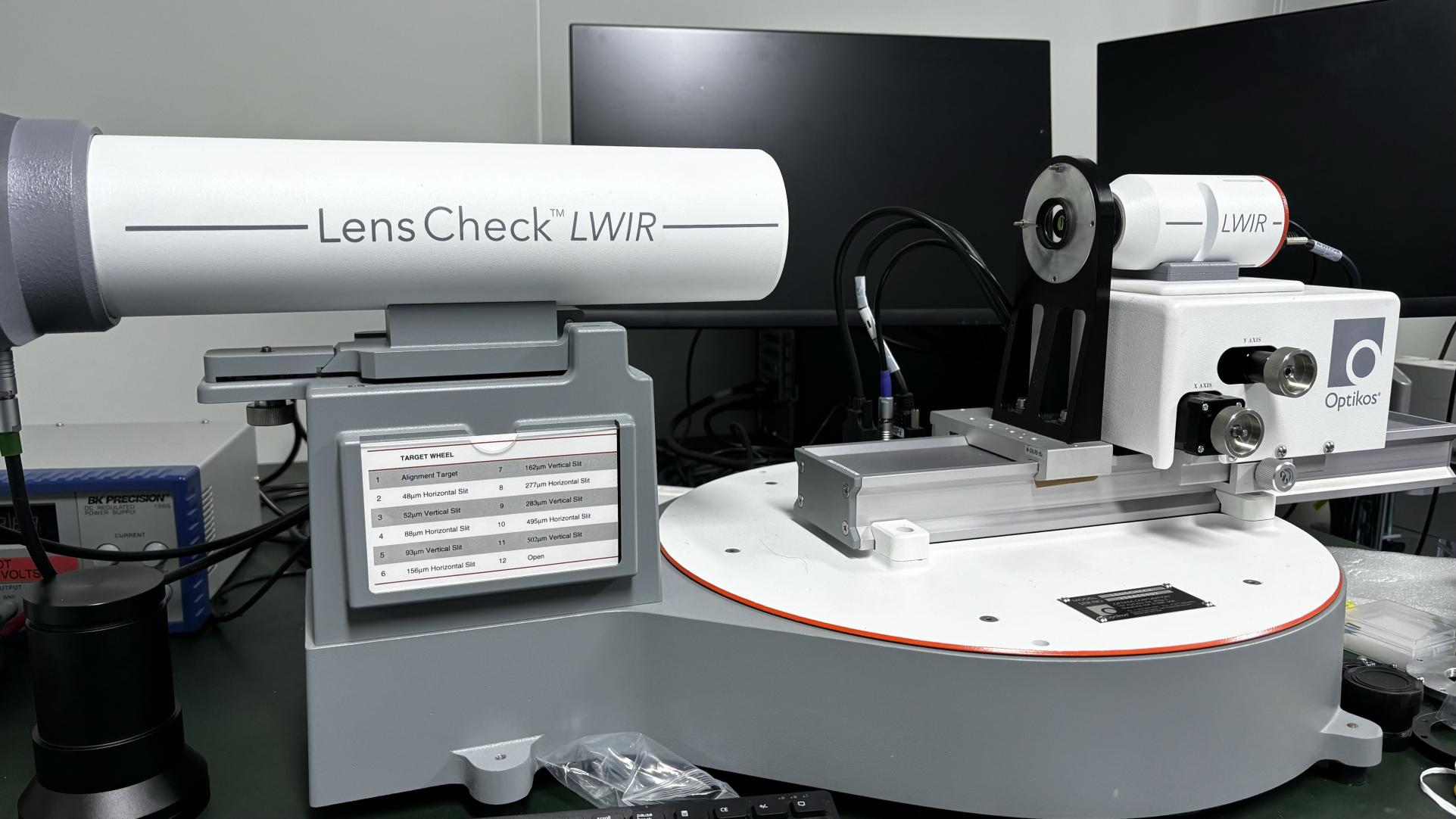
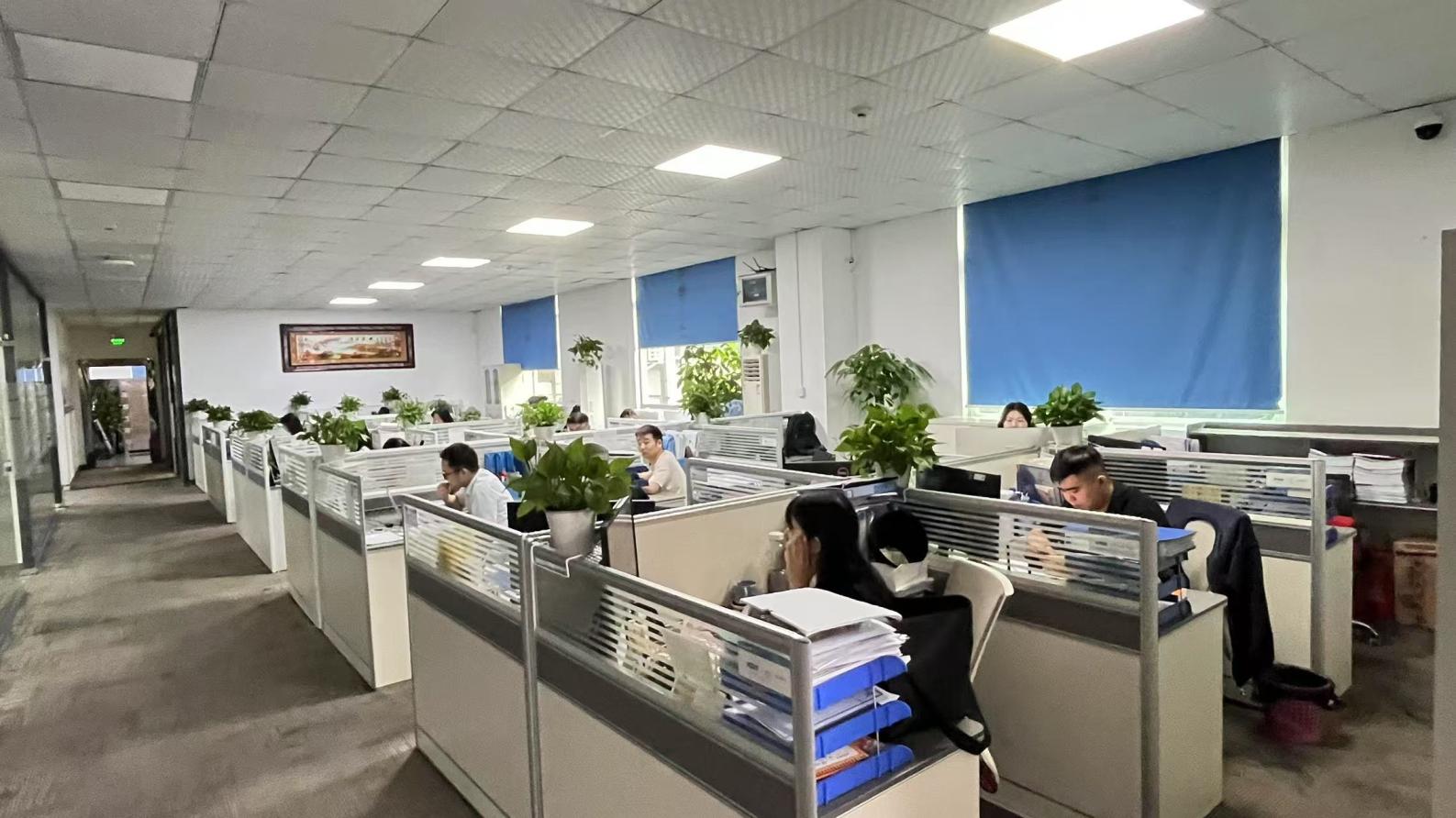
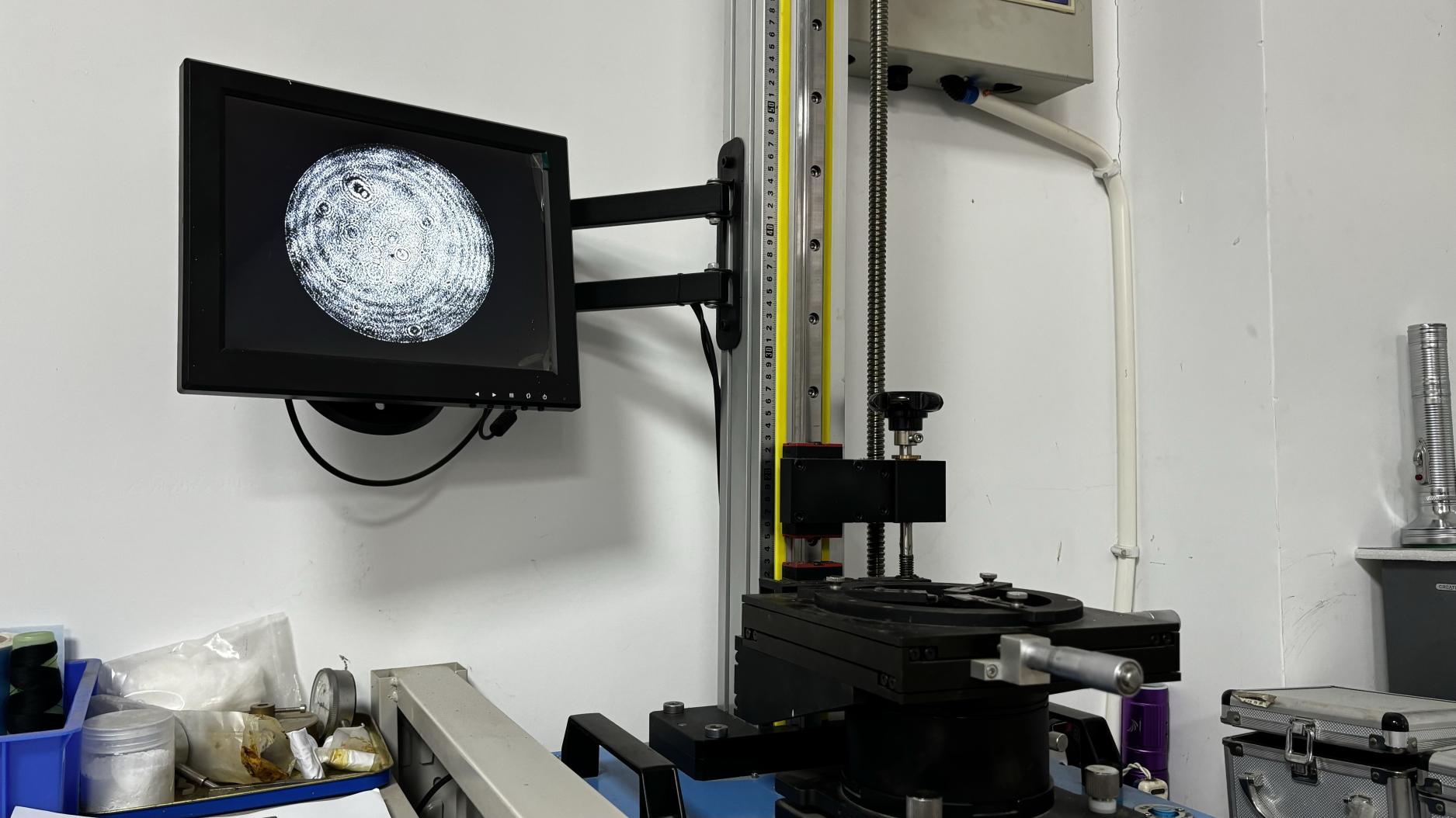
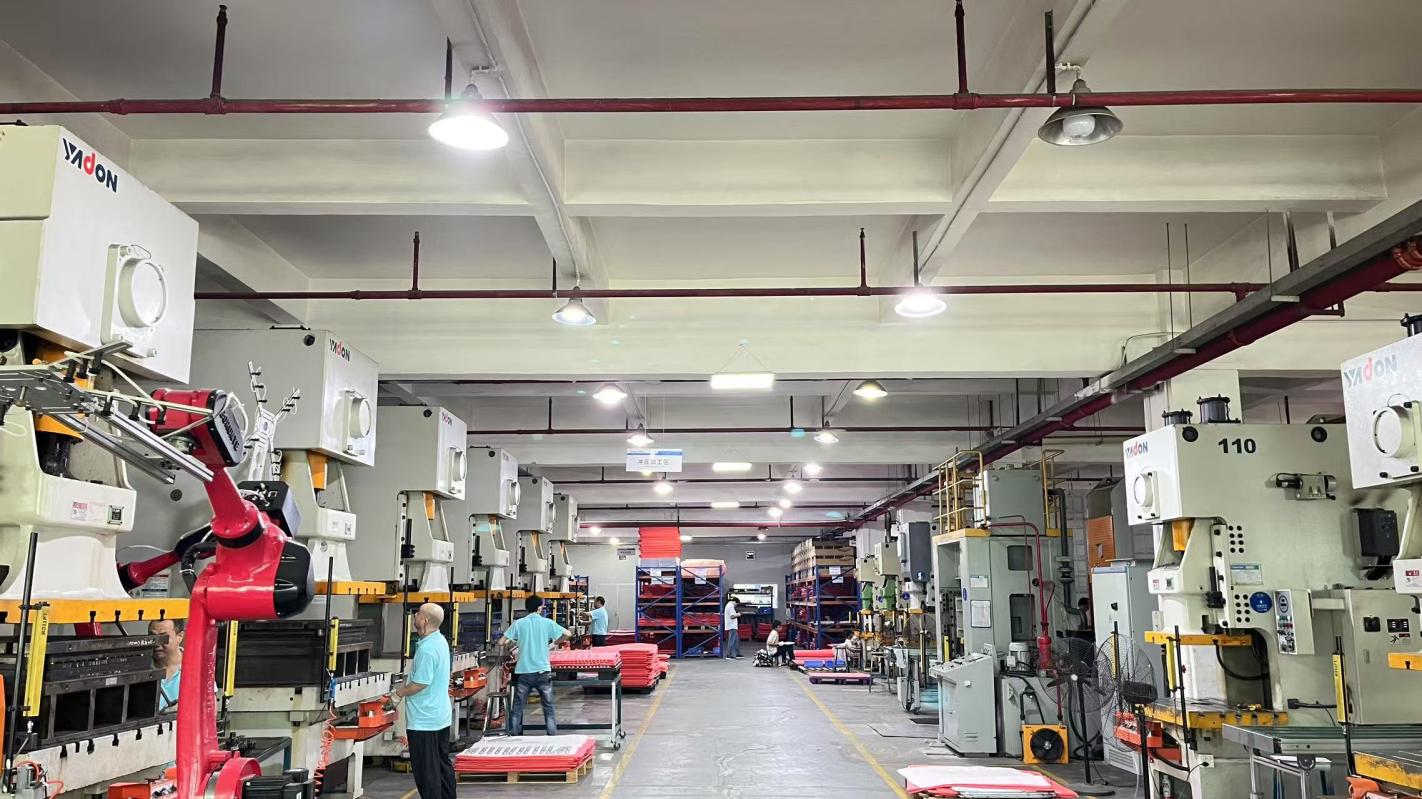
Take a visual tour through our advanced manufacturing, packaging, and testing facilities in China.